Top 11 Natural Monuments around Pihen-Lès-Guînes
Best natural monuments around Pihen-Lès-Guînes are found in a region characterized by its dramatic coastal landscapes and significant geological features. Situated near the Opal Coast, the area is part of the Grand Site de France of Les Deux-Caps, featuring both white chalk and darker sandstone cliffs. These natural sites offer expansive views of the English Channel and diverse ecosystems. The region provides opportunities to explore unique geological formations and coastal trails.
Best natural monuments around Pihen-Lès-Guînes
- The most popular natural…
Last updated: July 4, 2026
Cape Blanc-Nez
Highlight • Viewpoint
Translated by Google •
Tip by

Petit Blanc-Nez (Little Blanc-Nez)
Highlight • Viewpoint
Translated by Google •
Tip by

Sign up now to discover places like this
Get recommendations on the best single tracks, peaks, & plenty of other exciting outdoor places.
Sign up for free
Cran d'Escalles
Highlight • Beach
Translated by Google •
Tip by
Dover Patrol Monument, Cap Blanc-Nez
Highlight • Monument
Translated by Google •
Tip by
Town Motte
Highlight • Summit
Translated by Google •
Tip by

Sign up for free to discover even more natural monuments around Pihen-Lès-Guînes.
Sign up for free
Already have an account?
Start today with a free account
Your next adventure awaits.
Login or Signup

Tips from the Community


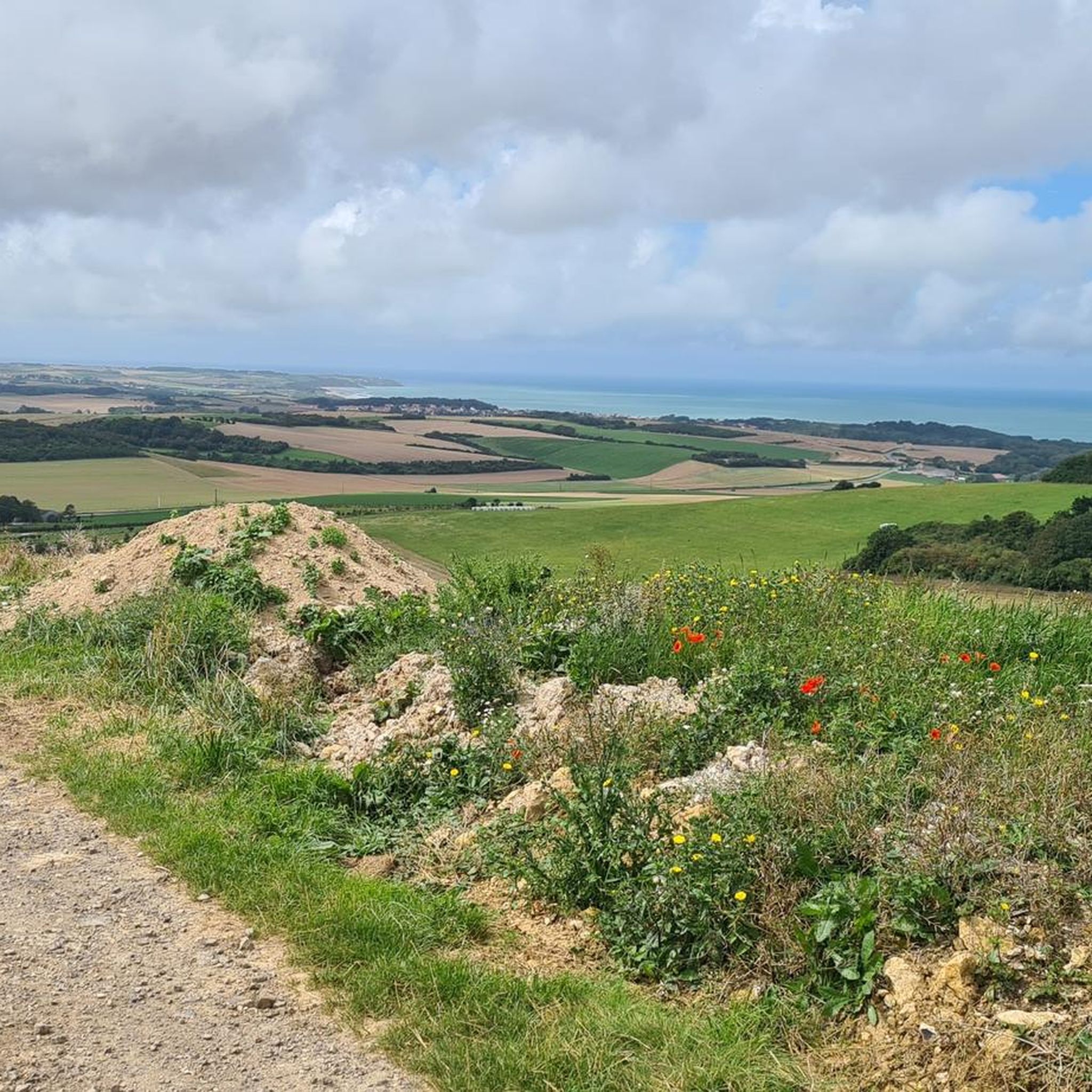
The rocks, with their cracks and small caves in the calcareous wall, provide an important nesting site for numerous bird species such as jackdaws, house martins, fulmars, kestrels, gulls, terns and herring gulls. As part of a renaturation project in 2006, a section of the asphalt road leading to the summit and the parking spaces there were completely removed. Instead, a parking lot about 300 meters inland was significantly expanded.
53
0
The obelisk crowns a 133-meter-high ensemble on a pedestal that can be seen from afar. It is THE landmark to reach to enjoy a 360° panorama from the top of the cliffs of Cap Blanc Nez. When the German army took possession of the Opal Coast in May 1940, this monument was immediately destroyed. The current Dover Patrol dates from the early 1960s. The last restoration took place in 2007. Source: https://www.calaisxxl.com/de/offres/a-voir-a-faire/monument-a-la-dover-patrol/
28
0
The Cap Blanc-Nez War Memorial (Dover Patrol Monument) is a major war memorial erected on the cliffs of Cap Blanc-Nez, near Sangatte. It honours the British naval forces and the Dover Patrol, a key unit of the Royal Navy that secured the Straits of Dover during the First and Second World Wars.
52
0
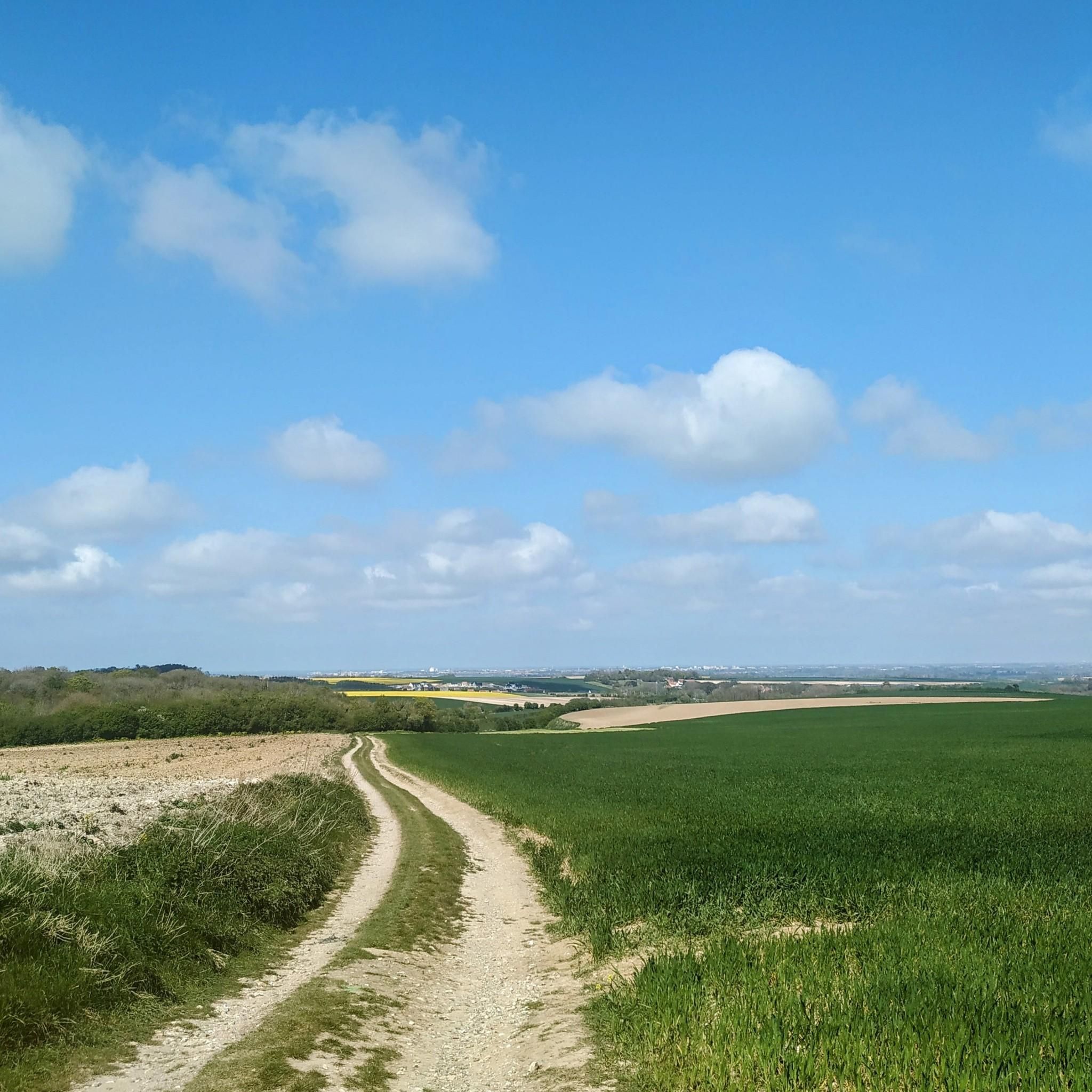
The Petit Blanc-Nez is a highlight on the Sentier des Douaniers (GR 120), a coastal hiking trail that runs along the French coast.
3
0
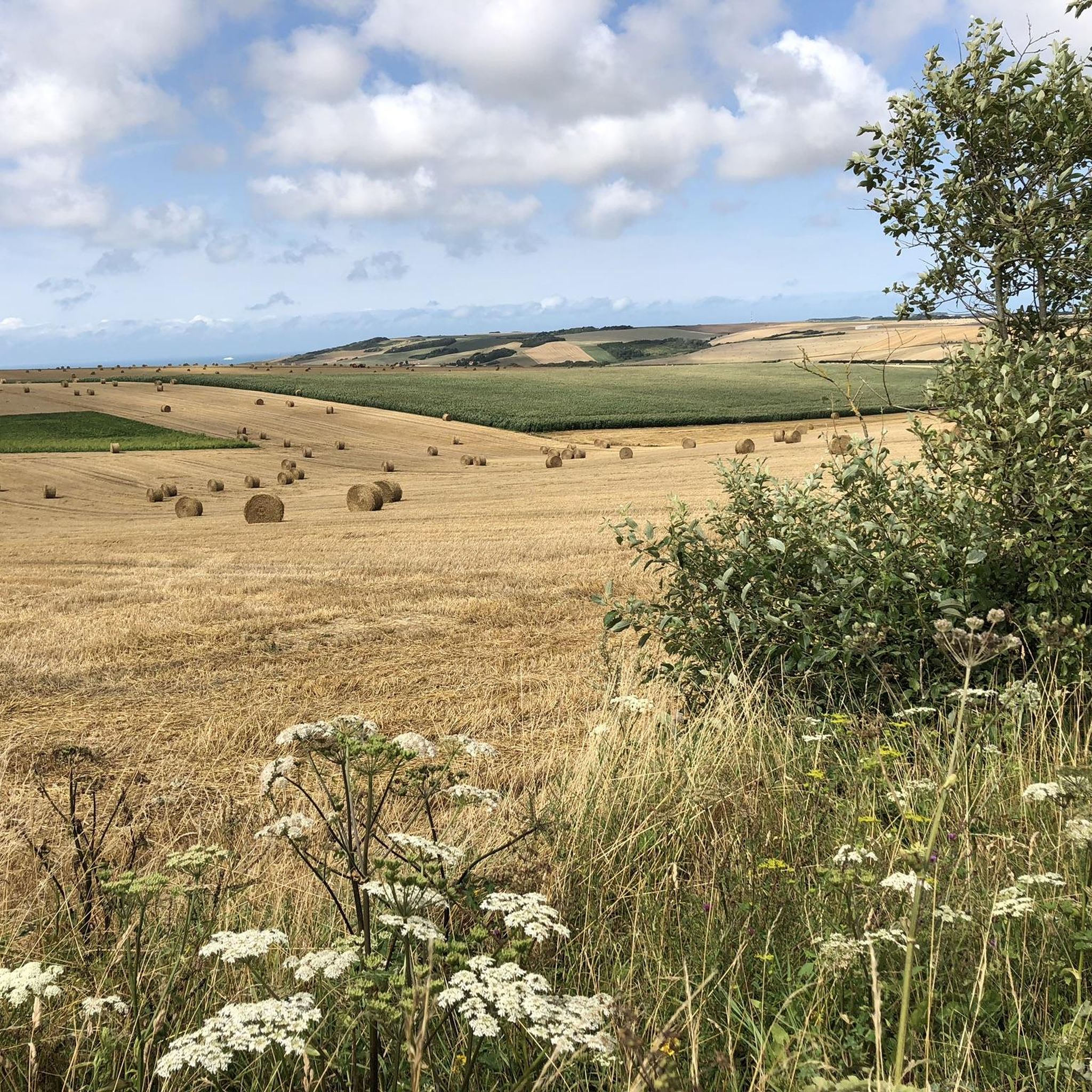
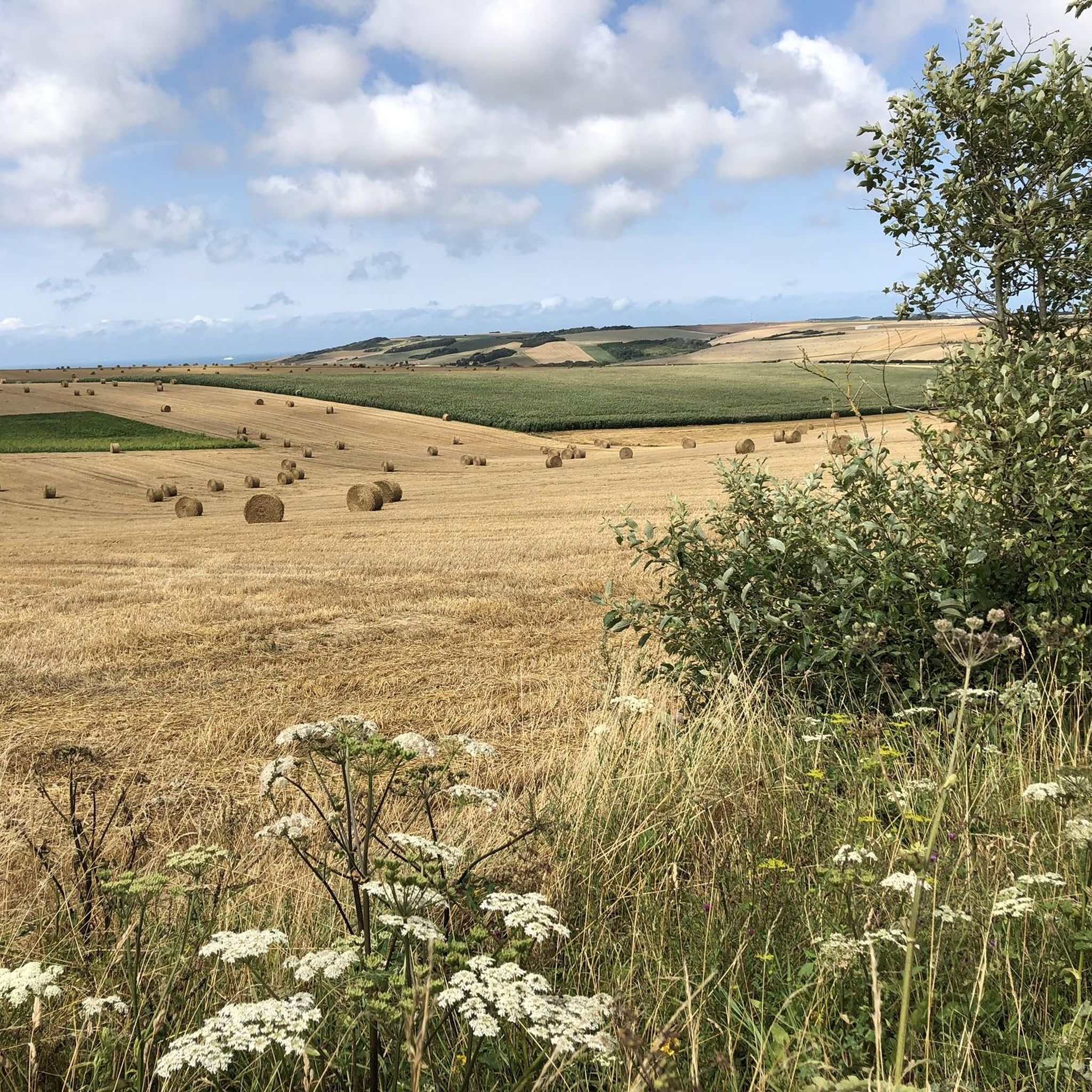
The Petit Blanc-Nez is a cliff in the Pas-de-Calais region and is part of the Deux-Caps (Two Capes) area, which also includes Cap Gris-Nez. Both are part of the protected area classified as a Grand Site de France and offer breathtaking views of the English Channel and, on a clear day, the English coast.
51
0

The Dover Patrol was a Royal Navy command during World War I, whose main task was to prevent German ships, mainly submarines, from crossing the Channel into the Atlantic Ocean. It consisted of several naval ships and aircraft, and performed various tasks, including anti-submarine patrols, escorting ships, laying and clearing naval mines, and bombing German military positions. After the war, memorials were erected in memory of the Dover Patrol in various locations including Dover, Cap Blanc-Nez and New York.
16
0
Cap Blanc-Nez is an impressive cliff located in Escalles, Pas-de-Calais, France, rising to 134 meters above a rocky beach. It is the northernmost cliff in France, consisting of chalk and marl. It offers a strategic vantage point from which on a clear day you can see the cliffs of Dover on the English coast. The area supports a unique grassland and is a popular destination for tourists and hikers. It is part of the Grand Site des Deux Caps, together with Cap Gris-Nez, and attracts 2.5 million visitors annually. It also has historical significance, with remains from the Second World War still visible.
15
1
Frequently Asked Questions
What are the main natural monuments to explore near Pihen-Lès-Guînes?
The region is renowned for its dramatic coastal landscapes, particularly the Grand Site de France of Les Deux-Caps. Key natural monuments include the iconic white chalk cliffs of Cape Blanc-Nez, the contrasting grey cliffs of Cap Gris-Nez, and the unique geological formations at Cran d'Escalles. These sites offer expansive views of the English Channel and diverse ecosystems.
What kind of geological features can I expect to see?
You will encounter a striking contrast in geological formations. Cape Blanc-Nez is characterized by its sheer white chalk cliffs, rising over 130 meters. In contrast, Cap Gris-Nez, located nearby, is formed from darker sandstone and clay, giving it a distinctive grey appearance. The area also features unique coastal formations at Cran d'Escalles.
Are there good viewpoints for panoramic scenery?
Yes, the area offers several excellent viewpoints. Cape Blanc-Nez provides breathtaking panoramic views of the English Channel and, on clear days, the English coast. Another notable spot is the View from Mont d'Hubert, which offers expansive vistas of the surrounding pastures and the Opal Coast.
What outdoor activities can I do near these natural monuments?
The natural monuments are excellent starting points for various outdoor activities. You can enjoy coastal walks and hikes along the cliffs. For cycling enthusiasts, there are numerous routes, including gravel biking, general cycling, and road cycling routes, many of which offer views of the Capes and the coastline.
Are there historical sites integrated with the natural landscapes?
Yes, the region combines natural beauty with significant historical elements. At Cape Blanc-Nez, you'll find the Dover Patrol Monument, commemorating British naval forces from the World Wars. The area around Mont d'Hubert also has historical significance, with remains from the Second World War still visible and evidence of a Middle Neolithic camp discovered through excavations.
Are the natural monuments around Pihen-Lès-Guînes family-friendly?
Many of the natural monuments and their surrounding trails are suitable for families. Cape Blanc-Nez, for instance, is considered family-friendly, offering accessible paths and stunning views that appeal to all ages. The coastal walks provide opportunities for children to explore nature in a safe environment.
What is the best time to visit the natural monuments?
The natural monuments are beautiful year-round, but spring and summer offer the most pleasant weather for coastal walks and outdoor activities. During these seasons, the visibility for viewing the English coast from the Capes is often clearer, and the local flora and fauna are more active. However, even in autumn and winter, the dramatic landscapes offer a unique and invigorating experience.
Can I bring my dog to the natural monuments?
Generally, dogs are welcome on trails and in natural areas around the monuments, provided they are kept on a leash. The coastal paths and open spaces offer great opportunities for walks with your canine companion. Always check local signage for any specific restrictions in certain protected zones or on beaches during peak seasons.
What wildlife can be observed at these sites?
The cliffs, particularly at Cape Blanc-Nez, are significant breeding grounds for numerous bird species. You might spot jackdaws, house martins, fulmars, kestrels, gulls, terns, and herring gulls. The limestone meadows around Mont d'Hubert are also home to wild orchids and are maintained by grazing sheep, contributing to the diverse ecosystem.
What do visitors enjoy most about the natural monuments near Pihen-Lès-Guînes?
Visitors consistently praise the breathtaking panoramic views, especially from Cape Blanc-Nez and Mont d'Hubert. The unique geological contrast between the white chalk and grey sandstone cliffs is also a major draw. Many appreciate the opportunities for invigorating coastal walks and the blend of natural beauty with historical significance, such as the Dover Patrol Monument.
Are there facilities like parking or public transport access to the natural monuments?
For sites like Cape Blanc-Nez, parking is available, though some areas have undergone renaturation projects to move parking further inland to preserve the natural state. While specific public transport details vary, the main natural monuments are generally accessible by car, with designated parking areas to facilitate visitor access to the trails and viewpoints.
Most popular routes around Pihen-Lès-Guînes
Most popular attractions around Pihen-Lès-Guînes

Get inspired with the komoot mobile app


Explore more
Extend your search for the best caves by checking out these guides of the top ones around Pihen-Lès-Guînes:
