Top 5 Natural Monuments around Cerdon
Best natural monuments around Cerdon offer a blend of geological wonders, historical significance, and natural beauty. The region features unique underground systems and ancient paleontological sites. These natural features provide insights into the area's geological past and prehistoric human occupation. Cerdon's landscape is shaped by water and time, creating diverse natural attractions for exploration.
Best natural monuments around Cerdon
- The most popular natural monument is Dinosaur Footprints of Villette, a natural monument where dozens of footprints dated 150 million…
Last updated: June 19, 2026
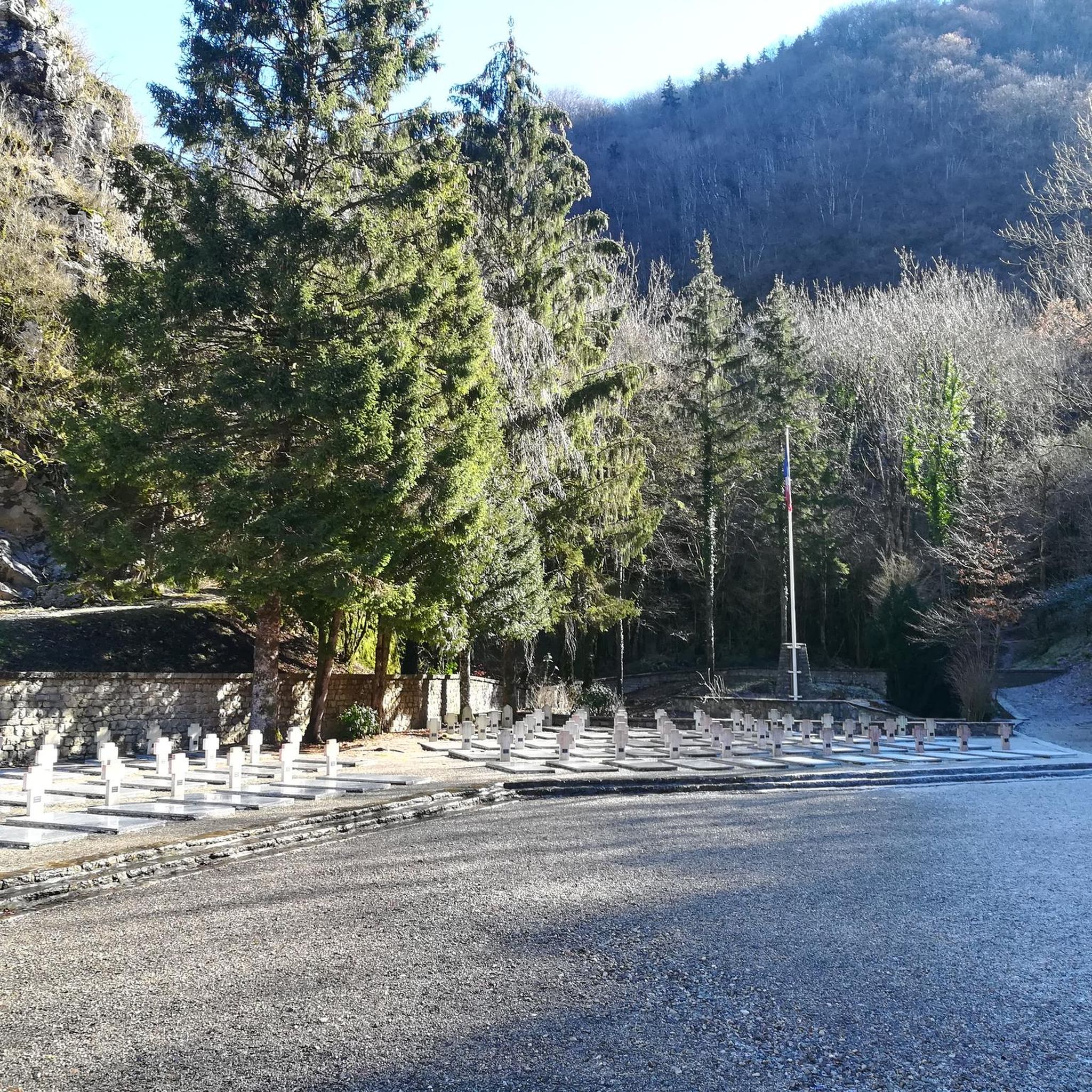
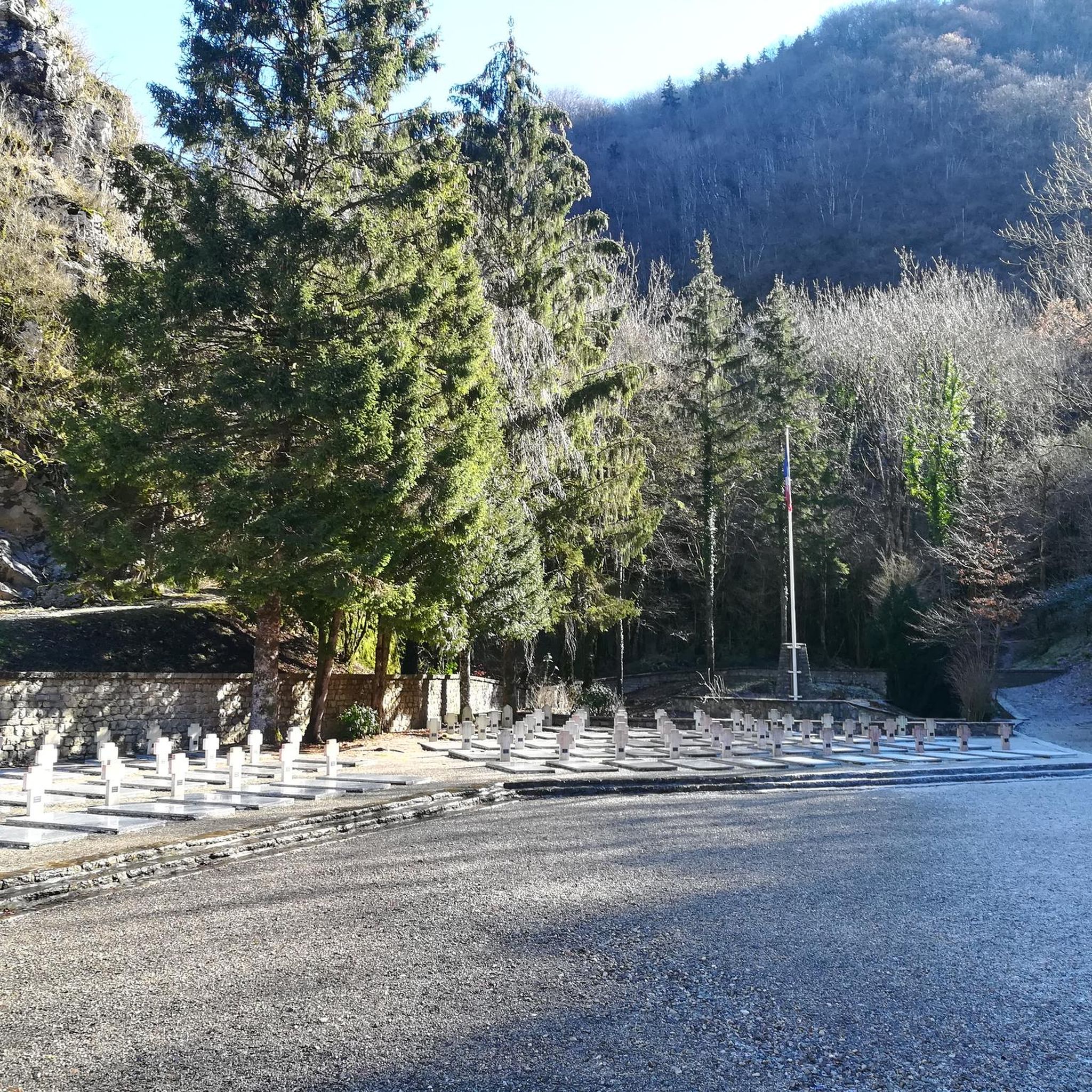
Memorial to the Maquis of Ain and Haut-Jura
Highlight • Monument
This work, due to the initiative of Colonel ROMAN PETIT, chief of the …
Translated by Google •
Tip by

Cerdon Caves
Highlight • Cave
Translated by Google •
Tip by

Sign up now to discover places like this
Get recommendations on the best single tracks, peaks, & plenty of other exciting outdoor places.
Sign up for free
Dinosaur Footprints of Villette
Highlight • Natural Monument
Showing Translation
Tip by

Cascade de la Fouge
Highlight (Segment) • Waterfall
Translated by Google •
Tip by

Abri du Roseau
Highlight • Cave
Various finds were discovered by archaeologists, including a perforated deer canine …
Translated by Google •
Tip by
Start today with a free account
Your next adventure awaits.
Login or Signup

Tips from the Community

WARNING: Path closed to the public due to rockfall; proceed at your own risk.
0
0
The waterfall is located a few kilometers further upstream than indicated on komoot.
0
0

We couldn't find this waterfall. It's signposted at the monastery, but where it's marked on the map, there's no waterfall like the one in the photo. The stream valley in the enchanted forest is very beautiful, but there's no waterfall. We walked more than 1 km beyond this point (despite the sign "Private property, no entry"), but still didn't find a waterfall. You might have to go much further than indicated on the map. On Google Maps, the waterfall is marked higher in German, closer to where the hiking trail ends in a dead end.
0
0
We tried the Arc'Aïk Battle for our fun day: it's awesome! Definitely worth doing! The refreshments offered by the organizers were a big plus (the EcoCUPs are very beautiful!).
0
0


The "Reed Shelter" is a rock cavity inhabited by Paleolithic humans that was excavated during the summer of 1985. Various finds were discovered by archaeologists, including a perforated deer canine tooth, microliths (small carved stones), and a harpoon made from a fragment of deer antler. These objects are attributed to the Azilian period (around 8000 BC).
2
0

The dozens of footprints found at this site date back 150 million years. They correspond to traces of sauropods that lived in the Jurassic.
1
1

In the Magdalenian (17,000 to 14,000 years before present) the caves served as a shelter for prehistoric people. During the excavations, weapons, tools and bones came to light. Wikipedia.
8
0
Frequently Asked Questions
What are the main natural monuments to explore around Cerdon?
The Cerdon area offers a blend of geological wonders and historical sites. Key natural monuments include the Cerdon Caves, a developed cave system with prehistoric significance, and the Dinosaur Footprints of Villette, a paleontological site featuring traces of Sauropods from 150 million years ago.
Are there family-friendly natural monuments in the Cerdon region?
Yes, several natural monuments are suitable for families. The Cerdon Caves are accessible to all ages and include a prehistoric leisure park with interactive activities. The Dinosaur Footprints of Villette also offer an engaging experience for children interested in ancient history.
What historical or cultural sites are integrated with nature around Cerdon?
Beyond purely natural formations, the Memorial to the Maquis of Ain and Haut-Jura is a significant man-made monument integrated into the natural landscape. It commemorates the 700 fallen members of the Maquis and was designed to be in symbiosis with nature. Additionally, the Abri du Roseau is a rock cavity that served as a shelter for Paleolithic humans, offering insights into ancient human occupation.
What outdoor activities can I do near the natural monuments in Cerdon?
The Cerdon region is excellent for outdoor activities. You can find numerous hiking trails, such as the 'Cascade de la Fouge loop from Cerdon' or 'St Alban Church – Natural Cave Entrance loop from Cerdon'. For more options, explore the hiking guide for Cerdon. There are also gravel biking and running routes available; check out the gravel biking guide and running trails guide for the area.
What makes the Cerdon Caves a unique natural monument?
The Cerdon Caves are unique for their spectacular underground journey, allowing visitors to follow an ancient underground river. They are also significant for their geological formations and prehistoric discoveries, having served as a shelter for Magdalenian people. The site also features a prehistoric leisure park, making it a comprehensive experience.
What should I know before visiting the Cerdon Caves?
When visiting the Cerdon Caves, it's advisable to dress warmly, as the temperature inside can be around 4°C. The caves are accessible to all ages, and you can choose between guided or self-guided tours. For practical information like opening hours and ticket prices, it's best to consult their official website: hautbugey-tourisme.com or ain-tourisme.com.
What kind of natural features can be found beyond the caves in Cerdon?
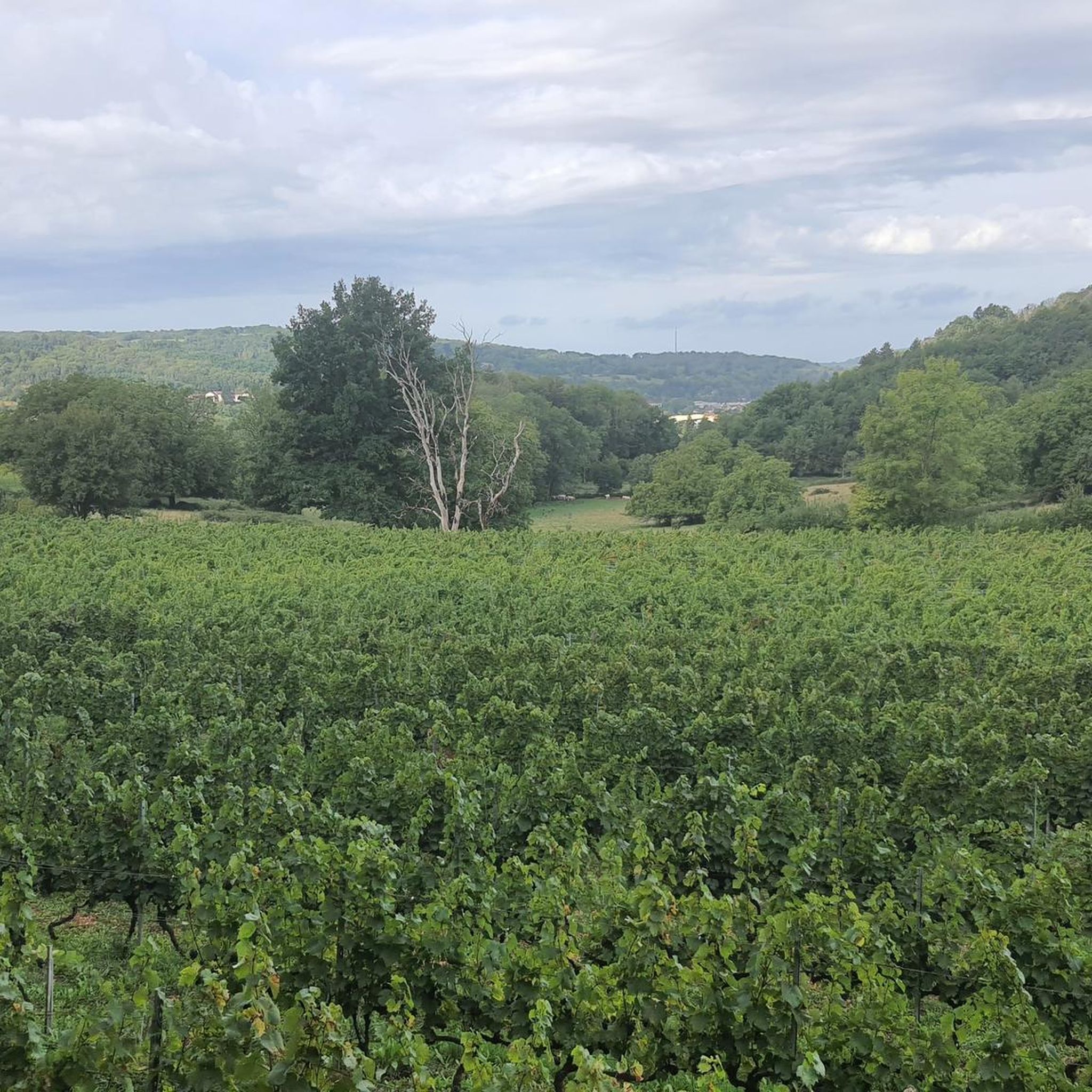
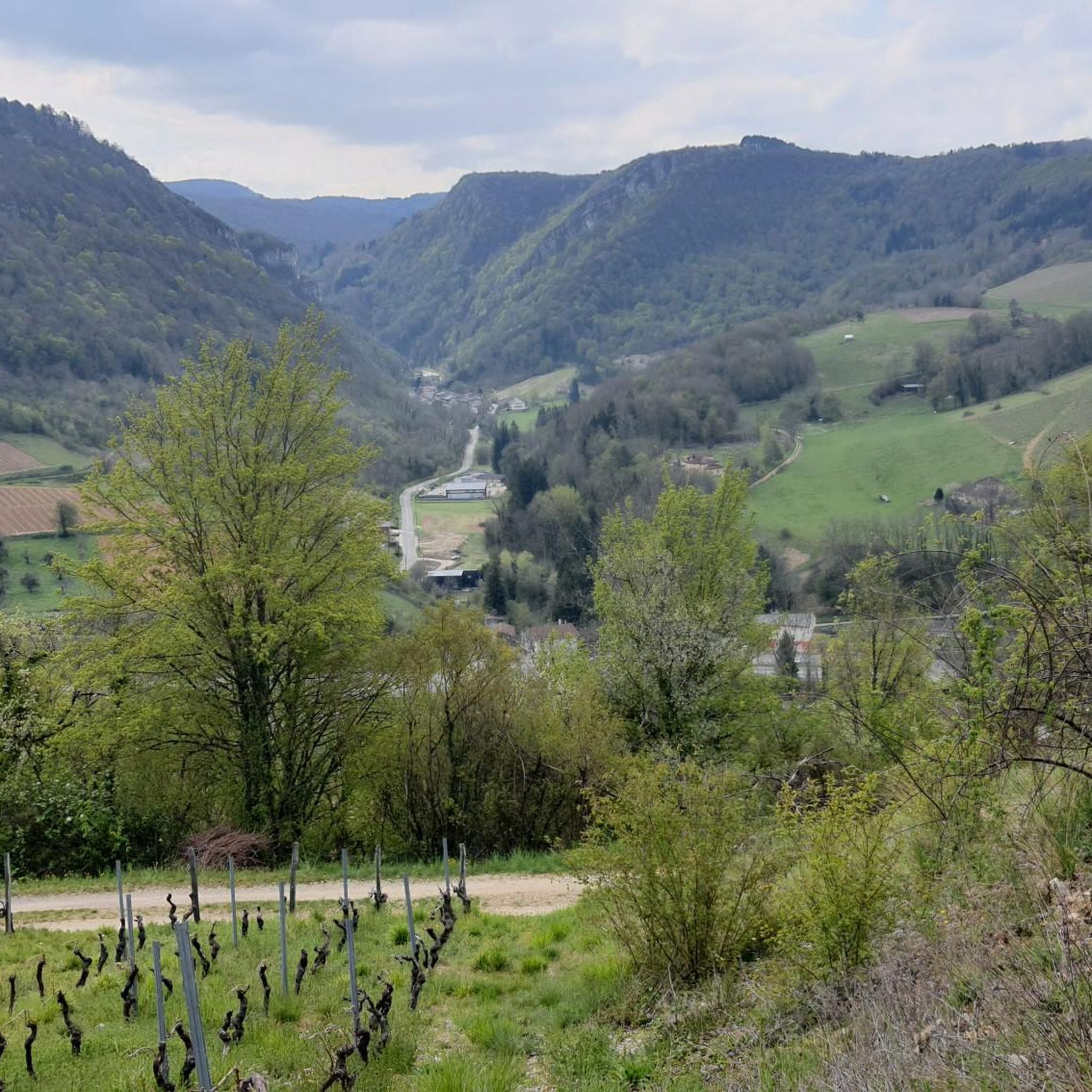
Beyond the prominent cave systems, the Cerdon region features other natural elements like the Cascade de la Fouge, a waterfall set within a forest and river landscape. The area is also known for its picturesque valleys and vineyards, offering scenic views, particularly from elevated points near the caves.
What is the best time to visit the natural monuments around Cerdon?
The best time to visit depends on your preferred activities. For exploring the Cerdon Caves and the prehistoric park, most seasons are suitable, though dressing warmly is always recommended for the caves. For outdoor activities like hiking and enjoying the vineyards, spring and autumn generally offer pleasant weather and vibrant landscapes. Summer is also popular, but can be warmer.
Are there any paleontological sites near Cerdon?
Yes, the Dinosaur Footprints of Villette is a significant paleontological site. Discovered in 2003, it features dozens of well-preserved Sauropod footprints dating back 150 million years to the Jurassic period. This site is unique and offers a rare glimpse into ancient life.
What do visitors appreciate most about the natural monuments in Cerdon?
Visitors often appreciate the unique combination of natural beauty and historical depth. The opportunity to explore ancient cave systems, witness dinosaur footprints, and reflect at historical monuments integrated with nature provides a diverse and enriching experience. The family-friendly activities at sites like the Cerdon Caves are also highly valued.
Most popular attractions around Cerdon

Get inspired with the komoot mobile app


Explore more
Extend your search for the best caves by checking out these guides of the top ones around Cerdon:
