Top 4 Natural Monuments around Chassagne-Montrachet
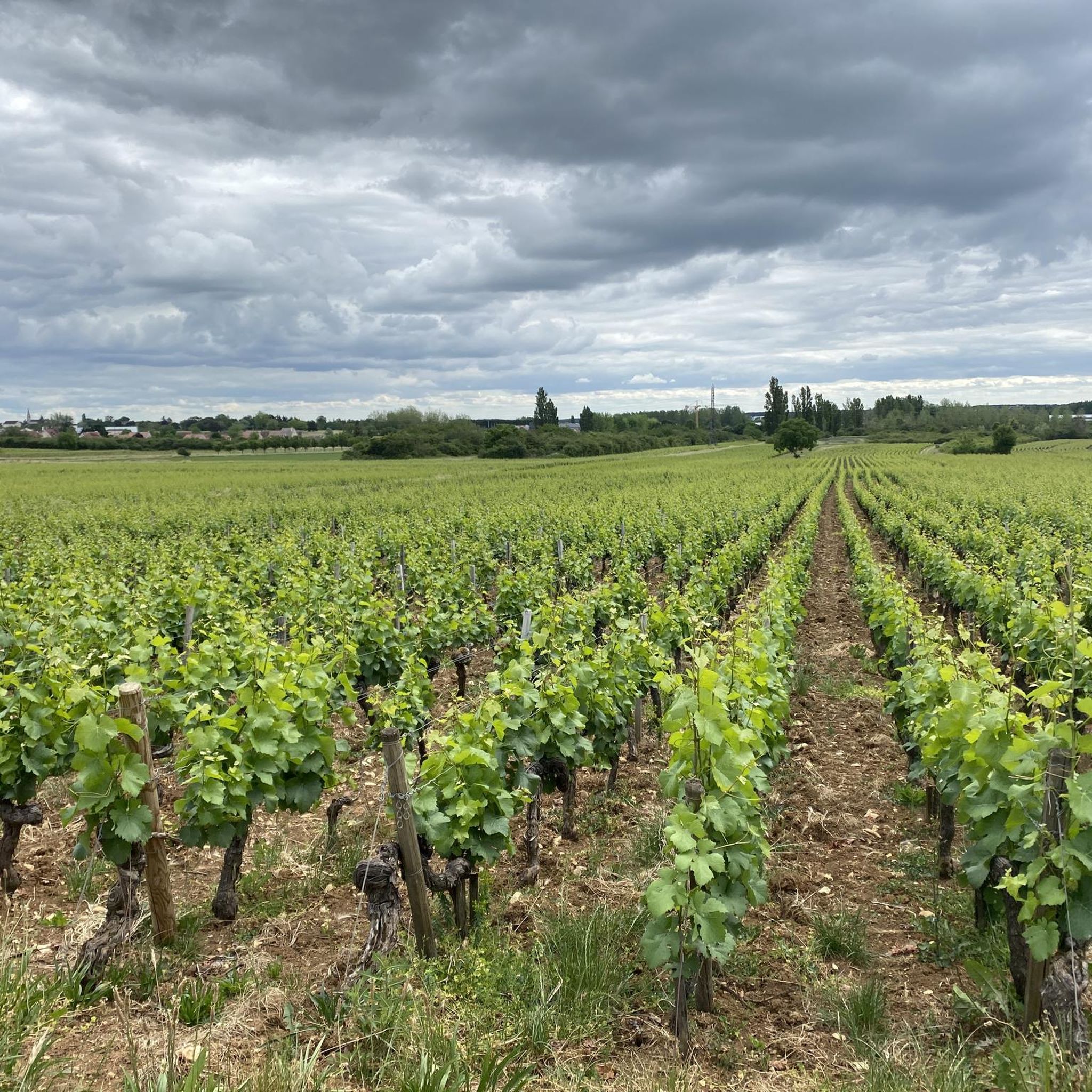
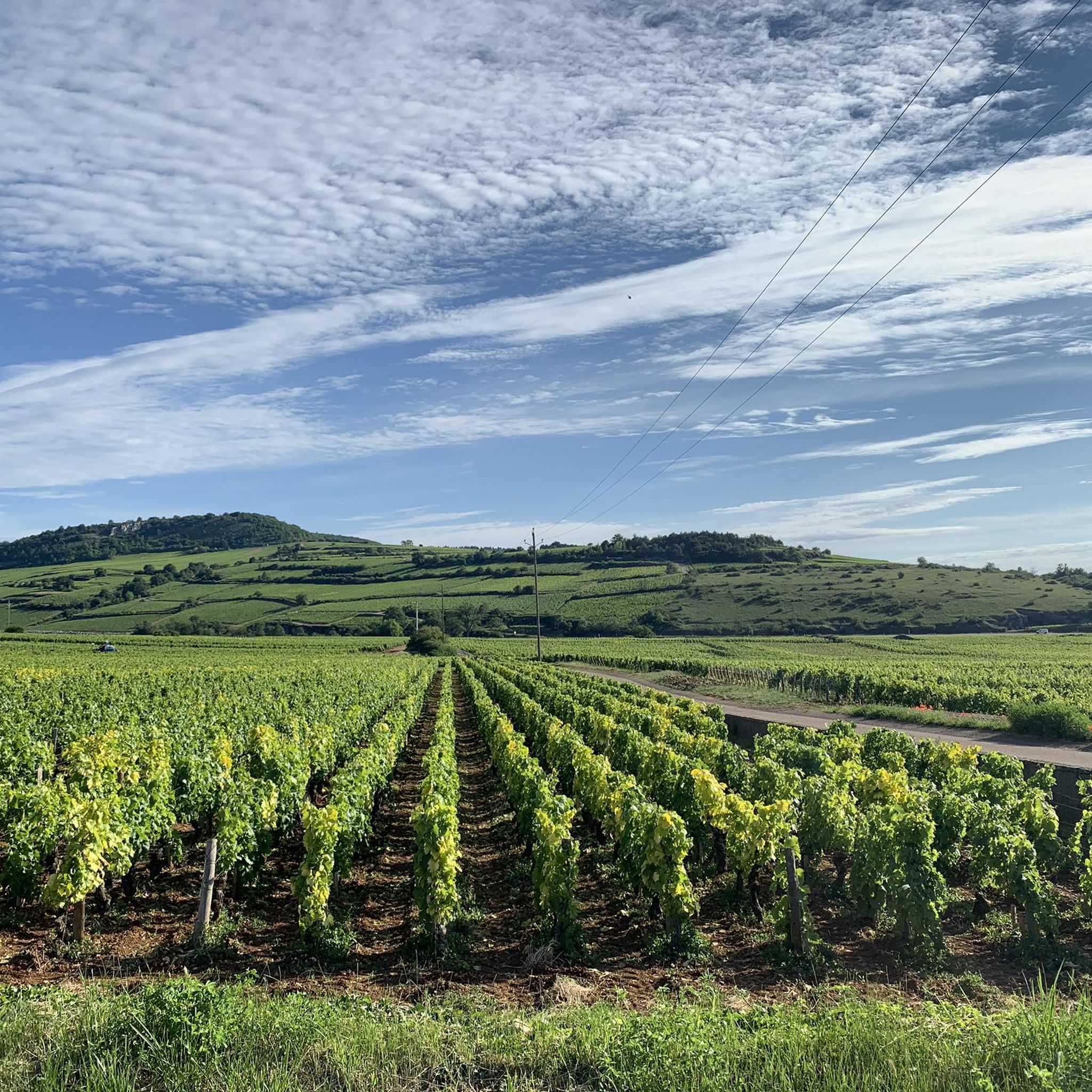
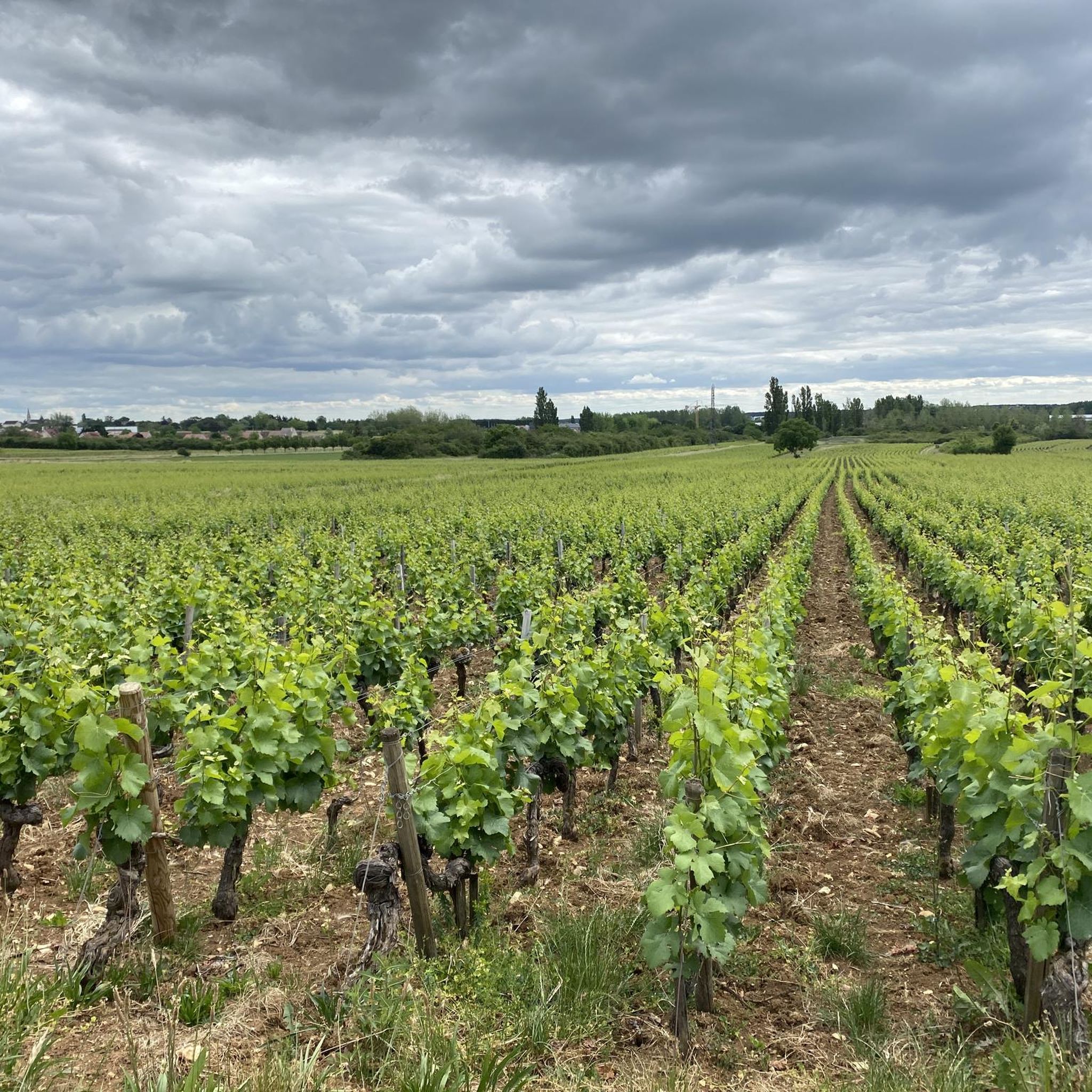
Best natural monuments around Chassagne-Montrachet are characterized by the region's viticultural landscape and geological formations. The area's subsoil, formed from ancient tropical seabeds, features a complex composition of limestones, marls, and sandy soils. These geological elements contribute to the unique terroir of the vineyards, which are situated on hillsides with optimal sun exposure. Additionally, historic marble quarries expose these ancient layers, providing insight into the region's deep geological history.
Best natural monuments around Chassagne-Montrachet
- The most popular natural monuments is…
Last updated: July 2, 2026
Cul de Menevault Waterfall
Highlight • Waterfall
Translated by Google •
Tip by

Impressive Cliff With Steep Descent and Waterfall
Highlight • Gorge
Translated by Google •
Tip by

Sign up now to discover places like this
Get recommendations on the best single tracks, peaks, & plenty of other exciting outdoor places.
Sign up for free
Cliffs of Saint-Romain
Highlight • Canyon
Translated by Google •
Tip by

View of the Cirque at the End of the World
Highlight • Viewpoint
Translated by Google •
Tip by
View of the Cirque du Bout du Monde and Vauchignon
Highlight • Viewpoint
Translated by Google •
Tip by

Sign up for free to discover even more natural monuments around Chassagne-Montrachet.
Sign up for free
Already have an account?
Start today with a free account
Your next adventure awaits.
Login or Signup

Tips from the Community

The village is located near Nolay, at the bottom of a green valley where the Cozanne, a trout river, flows. At the foot of the Bout du Monde valley and its waterfall, a "refuge" for the peregrine falcon or the white-bellied swift, and a veritable dictionary of protected cave-dwelling flora and fauna, the village of Cormot-Vauchignon is a unique and remarkable site where hiking or cycling tours are enchanting. Starting point for several hiking circuits, including that of "Saint-Antoine via the Roman road". Its St Antoine chapel is dominated by cliffs, a popular climbing site with 237 routes. The Eagle Owl watches.
0
0

There is a thick boat rope here to make it easier to climb up and down in the upper part - very helpful, especially when it is wet.
4
0

This first plateau of the Jura massif offers beautiful views of the valley. The cliff that extends among the trees also embellishes the landscape.
0
0


During a long drought there is no waterfall. A very nice view above the treetops.
1
0

Single at the edge of the cliff with magnificent views of the circus. Rollable in gravel.
0
0

This trail that runs along the top of the Cirque du bout du monde offers a breathtaking view of the cliffs and the precipice. You really feel like you're at the end of the world!
4
0
The Cascade du Cul de Menevault is a magnificent waterfall that is an integral part of a hike around the end of the world.
4
0
Frequently Asked Questions
What kind of natural monuments can I expect to find around Chassagne-Montrachet?
The natural monuments around Chassagne-Montrachet are deeply intertwined with its unique viticultural landscape and geological history. You'll discover features like canyons, gorges, and stunning viewpoints that reveal ancient geological layers. The region is characterized by its subsoil, formed from ancient tropical seabeds, and historical marble quarries that expose these formations. Specific examples include the Cliffs of Saint-Romain and the Impressive Cliff With Steep Descent and Waterfall.
Are there any challenging natural monuments for experienced hikers?
Yes, for those seeking a challenge, the Impressive Cliff With Steep Descent and Waterfall offers a demanding ascent or descent, especially when wet, with a thick boat rope provided for assistance. Another rewarding challenge is the long, beautiful climb from La Rochepot up to the rocks above Saint-Romain, which leads to the View of the Cliffs Above Saint-Romain.
Where can I find the best viewpoints of the natural landscape?
For breathtaking vistas, visit the View of the Cirque at the End of the World, which offers a stunning perspective of cliffs and a precipice. The Cliffs of Saint-Romain also provide beautiful views of the valley, with a cliff extending among the trees. Additionally, the View of the Cliffs Above Saint-Romain offers a beautiful reward after a climb.
What historical natural monuments can I explore in the area?
Beyond the geological formations, you can explore the Cul Blanc Dolmen, a megalithic chest covered with a large triangular slab. This dolmen has been listed as a historical monument since 1912, offering a glimpse into ancient human history intertwined with the natural landscape. The historical marble quarries, while man-made, also expose ancient geological layers that have shaped the region's heritage.
Are there any natural monuments with waterfalls?
Yes, the Impressive Cliff With Steep Descent and Waterfall is a gorge that features a waterfall, making it a unique natural attraction in the region. Be prepared for a steep descent or ascent, as a boat rope is available to assist visitors, especially in wet conditions.
What outdoor activities can I do near these natural monuments?
The area around Chassagne-Montrachet is excellent for various outdoor activities. You can find numerous running trails, including routes like the 'Steep climb through riverbed loop' or the 'Botanical Trail Start – Nice view over the valley loop'. For cycling enthusiasts, there are options for gravel biking, such as the 'Route des Grands Crus – La Rochepot Castle loop', and road cycling routes like the 'Route Through the Vineyards – Route des Grands Crus loop'. You can find more details on these activities in the Running Trails around Chassagne-Montrachet, Gravel biking around Chassagne-Montrachet, and Cycling around Chassagne-Montrachet guides.
What is the best time to visit the natural monuments in Chassagne-Montrachet?
The best time to visit is generally during the spring (April-June) and autumn (September-October) months. During these periods, the weather is typically mild and pleasant for outdoor activities like hiking and cycling. Autumn is particularly beautiful as the vineyard landscapes transform with vibrant colors, offering a stunning backdrop to the geological features. Summers can be warm, while winters can be cold and potentially wet, making some trails more challenging.
Are there any easy walking trails to natural monuments suitable for families?
While some natural monuments involve intermediate or challenging sections, many areas around the vineyards offer easier walking paths. For specific family-friendly routes, it's best to consult local trail maps or guides that detail terrain and elevation. The general vineyard landscape itself provides accessible and scenic strolls where you can appreciate the region's unique geology without strenuous climbs.
What makes the geological formations in Chassagne-Montrachet so special?
The geological formations are special because they are the foundation of the region's world-renowned viticulture. The subsoil is a marvel, formed from ancient tropical seabeds dating back to the Jurassic period, approximately 175 million years ago. This complex composition of pebbly limestones, marls, and sandy soils, combined with optimal sun exposure on east and south-facing slopes, creates the unique 'terroir' that gives Chassagne-Montrachet wines their distinct character and minerality. The historical marble quarries also visibly expose these ancient layers.
What should I wear when visiting the natural monuments?
Given the varied terrain, including steep descents and climbs, it's advisable to wear sturdy hiking boots or comfortable walking shoes with good grip. Layers of clothing are recommended as weather conditions can change, especially if you're exploring viewpoints at higher elevations. If you plan to tackle challenging routes like the Impressive Cliff With Steep Descent and Waterfall, consider waterproof gear, especially if it has been raining.
Can I bring my dog to the natural monuments and trails?
Many outdoor trails and natural areas in France are dog-friendly, especially if your dog is kept on a leash. However, specific rules can vary by location, particularly in protected natural sites or vineyards. It's always best to check for any posted regulations at the entrance to a specific natural monument or trail. Ensure your dog is well-behaved and that you clean up after them to preserve the natural environment for all visitors.
Are there any hidden natural gems or less-known spots worth discovering?
While the main highlights are well-regarded, the broader vineyard landscape itself holds many hidden charms. Exploring the smaller paths winding through the vines can lead to unexpected scenic spots and quiet corners where you can appreciate the subtle geological variations and the beauty of the agricultural landscape. The region's commitment to biodiversity, with trees and hedges planted around vine plots, also creates evolving natural aspects to discover.
Most popular routes around Chassagne-Montrachet
Most popular attractions around Chassagne-Montrachet

Get inspired with the komoot mobile app


Explore more
Extend your search for the best caves by checking out these guides of the top ones around Chassagne-Montrachet:
