The best gravel rides around Chassagne-Montrachet
4.7
(9)
40
riders
6
rides
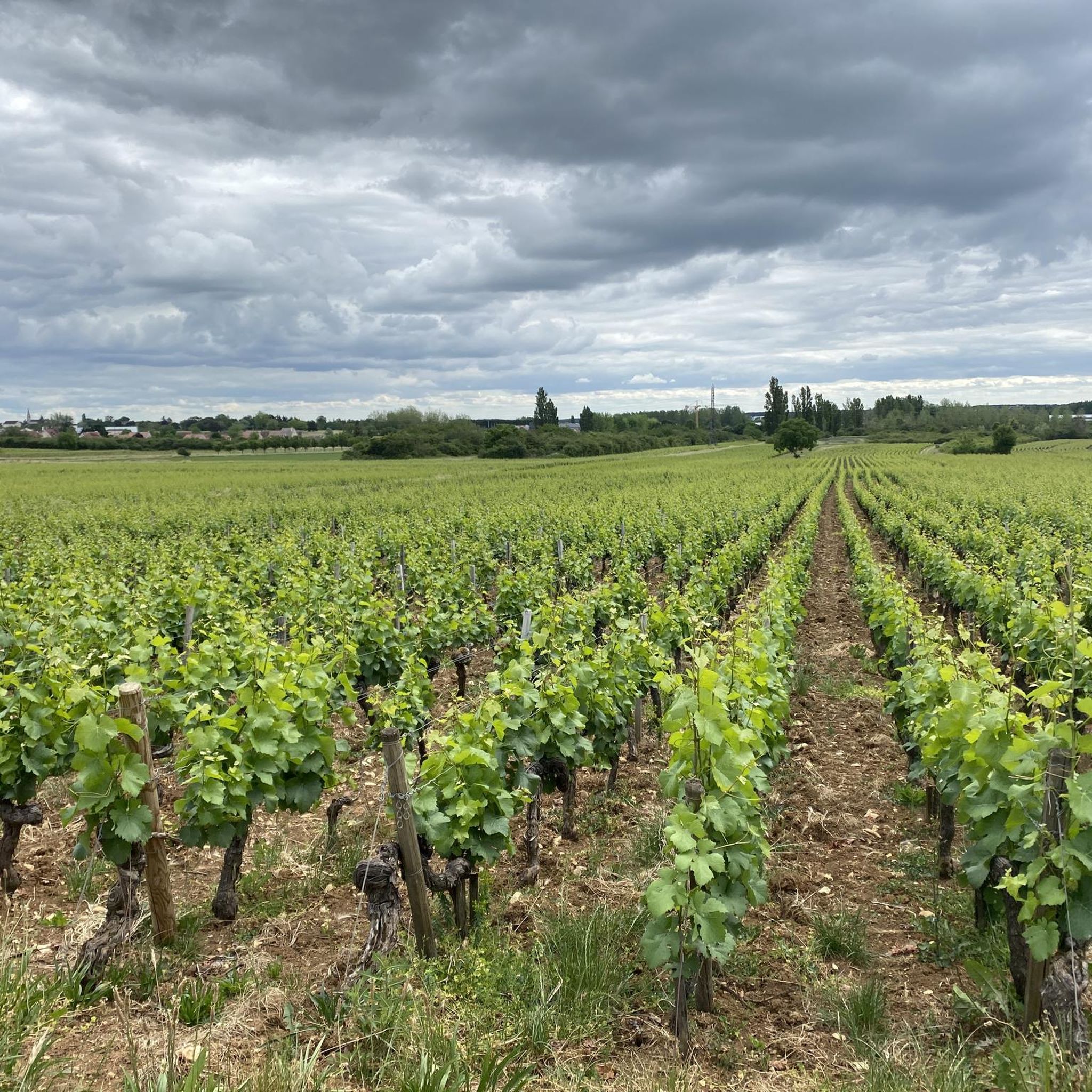
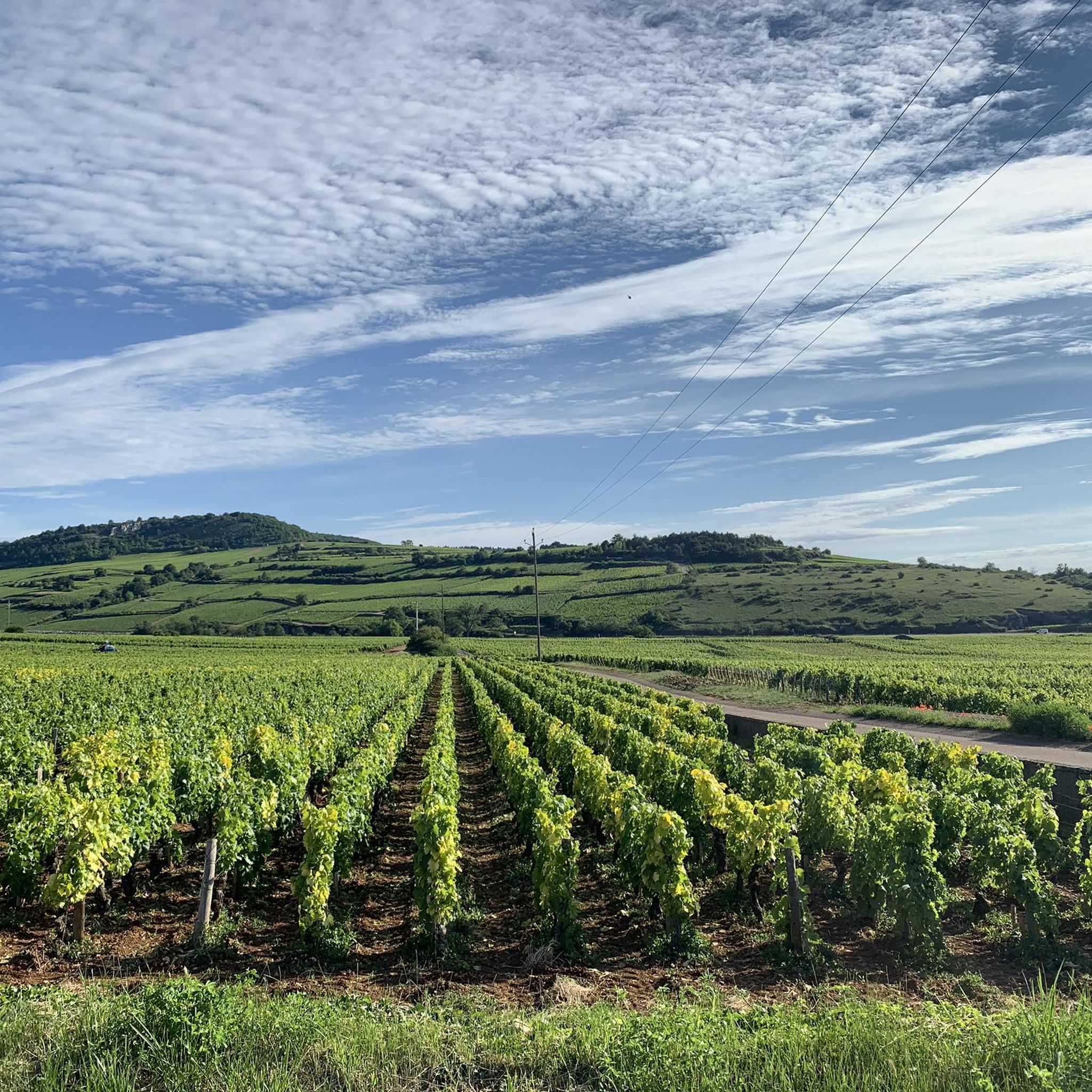
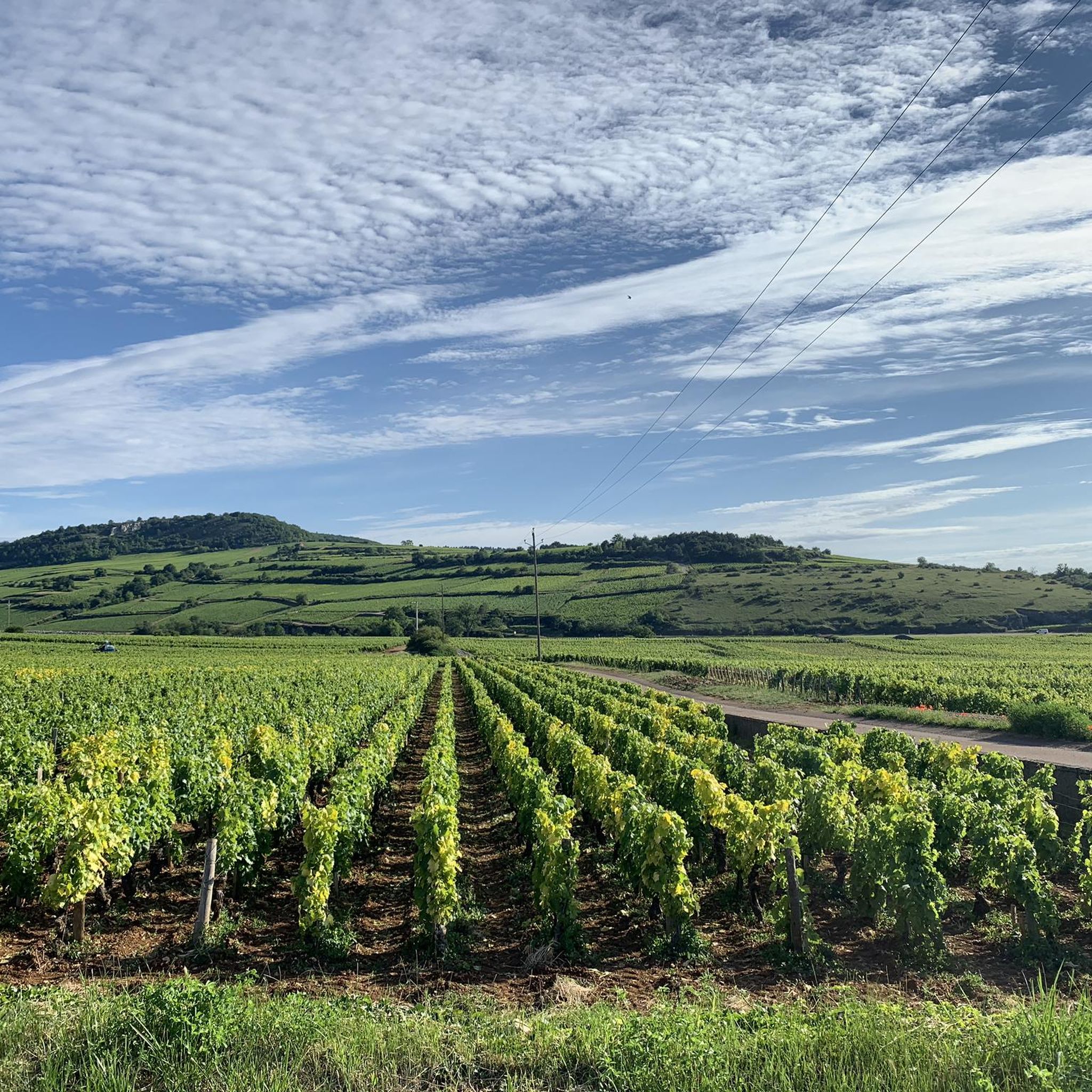
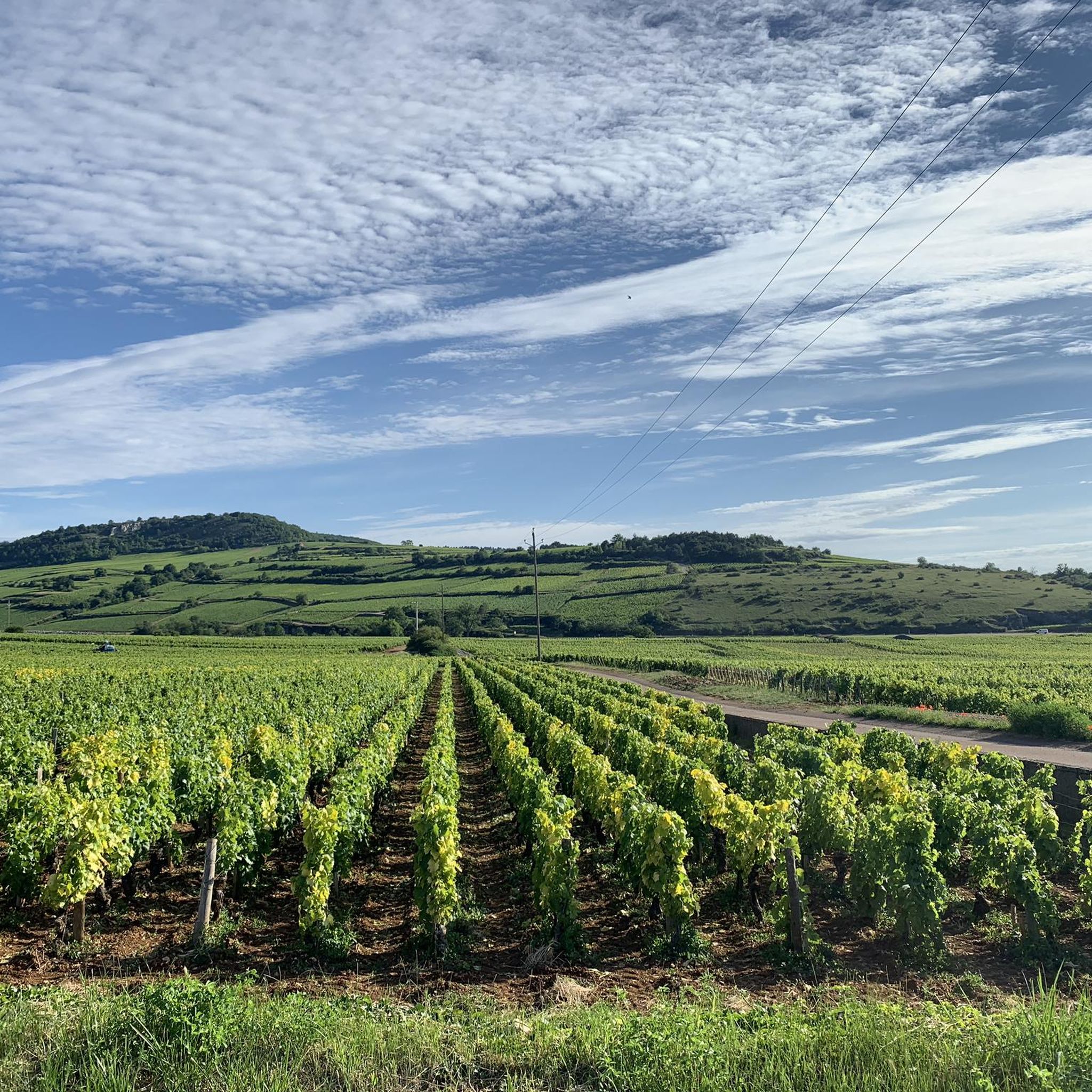
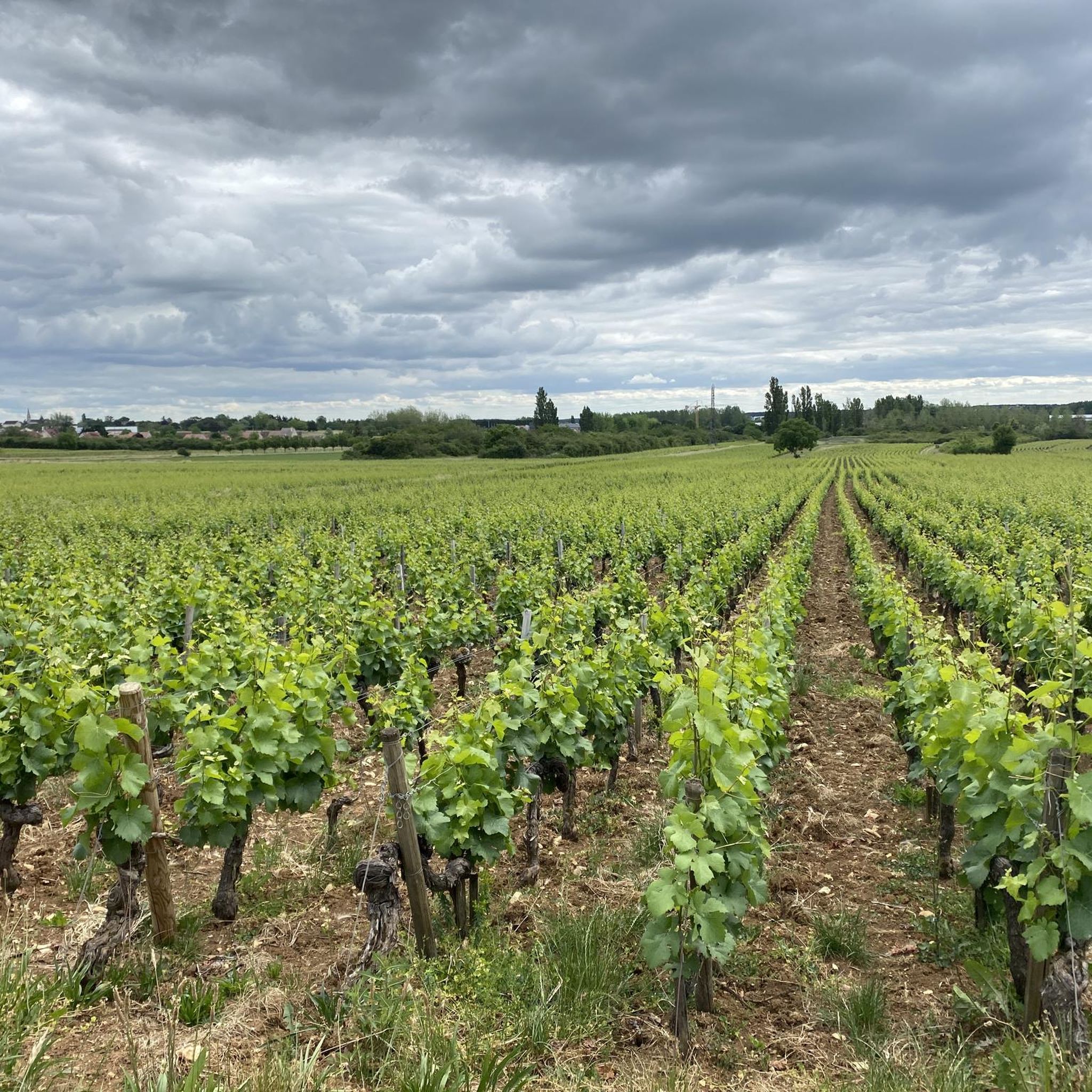
Gravel biking around Chassagne-Montrachet offers diverse terrain across its renowned vineyards and ancient geological features. The landscape is characterized by rolling hills covered in vines, situated on limestone and clay soils at elevations between 220 and 325 meters. Extensive marble quarries and historical canal paths also contribute to the varied riding environment. This region provides a blend of vineyard tracks, rural roads, and dedicated cycling paths suitable for gravel exploration.
Best gravel bike trails around Chassagne-Montrachet
- The most popular gravel…
Last updated: July 3, 2026
4.5
(2)
14
riders
46.1km
02:59
660m
660m
Hard gravel ride. Very good fitness required. You may need to push your bike for some segments of this route.
4.4
(5)
10
riders
67.3km
04:48
1,320m
1,320m
Hard gravel ride. Very good fitness required. Mostly paved surfaces. Suitable for all skill levels.

Sign up for free
4
riders
Hard gravel ride. Very good fitness required. Mostly paved surfaces. Suitable for all skill levels.
5.0
(1)
5
riders
48.5km
03:16
930m
930m
Hard gravel ride. Very good fitness required. Mostly paved surfaces. Suitable for all skill levels.
5.0
(1)
5
riders
26.9km
01:55
600m
600m
Hard gravel ride. Very good fitness required. Mostly paved surfaces. Suitable for all skill levels.
Our route recommendations are based on thousands of hikes, rides, and runs completed by other people on komoot.
Start today with a free account
Your next adventure awaits.
Login or Signup
Tips from the Community

The origins of Château de Meursault date back to the 11th century. At that time, Robert I, Duke of Burgundy and son of King Robert II of France, granted the fief of Moulin Foulot to one of his squires. From the 12th to the 16th century, the fief frequently changed hands in the course of power struggles between the Duchy of Burgundy and the French king. In 1645, Pierre Legoux de La Berchère, Lord of La Rochepot, acquired the estate belonging to the lordship of Mazeray.
3
0


Santenay is a charming wine-growing village in Côte-d’Or. It consists of renowned vineyards, thermal baths and the Sorine mill, offering a beautiful harmony between nature and tradition.
0
0

there is a nice overview of the region
0
0

The name "Montagne de Trois Croix" already hinted at it, so it's no real surprise to find more than just a summit cross up here, which – as is common in many places – crowns the mountain peak. The central cross, standing in the middle, reminds the viewer of the execution of the incarnate Son of God, Jesus of Nazareth. According to biblical tradition, however, he was not condemned to death and crucified alone, but together with two criminals. By the way, more photos can be seen at the same highlight in the sport of 'hiking' =>> https://www.komoot.com/de-de/highlight/3398888
0
0


The imposing bridge, 158 metres long, is surrounded on the north side by a cliff edge and overlooks the Cozanne valley.
7
0

Better known as "the Moulin de Santenay," this 19th-century windmill was faithfully restored in 1995. It is the only functioning communal windmill in the region. It features a beautiful oak frame, an elm spinning wheel, a chestnut roof, a pivot roof system, and a tower height of 8 m. The roof weighs 11 tons, including 2 tons of sails. The mill can be visited year-round by appointment at the Beaune & Pays Beaunois Tourist Office - Santenay Branch. The Mill Festival in June (activities, tours, and a working mill - weather permitting) • Vehicle access: Route de Chassagne. • Pedestrian and bicycle access: Rue du Rognier (Access points near the Tourist Office/Place du Jet d'Eau) [https://www.beaune-tourisme.fr/]
2
0
Frequently Asked Questions
What kind of terrain can I expect on gravel bike trails around Chassagne-Montrachet?
The gravel bike trails in Chassagne-Montrachet offer a diverse mix of terrain. You'll primarily encounter vineyard tracks, rural roads, and sections along historical canal paths. The region is characterized by rolling hills covered in vines, situated on ancient limestone and clay soils, providing a unique riding experience through the heart of Burgundy's wine country.
Are there any easy or beginner-friendly gravel routes in the area?
While many routes in Chassagne-Montrachet are rated as moderate to difficult due to elevation changes, the region's canal paths, such as sections of the Canal du Centre, often provide flatter, more accessible options. These paths are generally well-suited for beginners or those looking for a less strenuous ride, though they may have adjacent gravel shoulders.
What are some notable points of interest or scenic viewpoints along the gravel routes?
The region is rich in scenic beauty and historical sites. You can expect panoramic views of the extensive vineyards, charming villages like Puligny-Montrachet and Meursault, and historical landmarks. Specific highlights include the Cliffs of Saint-Romain, offering dramatic geological formations, and various viewpoints like the View of the Cirque at the End of the World. You might also pass by ancient marble quarries that supplied stone for famous Parisian landmarks.
Can I find circular gravel bike routes in Chassagne-Montrachet?
Yes, many of the gravel bike routes in the area are designed as loops, allowing you to start and finish in the same location. For example, the challenging Route des Grands Crus – La Rochepot Castle loop from Santenay-les-Bains is a popular circular option, taking you through vineyards and past historic sites.
What is the best time of year for gravel biking in Chassagne-Montrachet?
The best time for gravel biking in Chassagne-Montrachet is typically spring (April-May) and autumn (September-October). During these seasons, the weather is generally mild, and the landscapes are particularly beautiful, with vibrant spring blossoms or the rich colors of autumn foliage across the vineyards. Summer can also be pleasant, but it's advisable to ride earlier in the morning to avoid the midday heat.
Are there any family-friendly gravel biking options?
For families, the relatively flat and well-maintained paths along the Canal du Centre offer a great option. While not exclusively gravel, these routes often have adjacent unpaved sections suitable for gravel bikes and provide a gentle, scenic ride away from traffic, perfect for all ages. Always check the specific route details for suitability.
What do other gravel bikers enjoy most about the trails in Chassagne-Montrachet?
The area is highly rated by the komoot community, with an average score of 4.6 stars. Reviewers often praise the immersive experience of riding through the world-renowned vineyards, the blend of challenging climbs and scenic descents, and the opportunity to discover charming villages and historical châteaux. The varied terrain, from vineyard tracks to canal paths, is also frequently highlighted.
Are there any castles or historical sites I can visit along the routes?
Absolutely. The region is dotted with historical landmarks. You can explore sites like La Rochepot Castle, a beautifully restored medieval fortress, or the Meursault Castle. The Château de Chassagne-Montrachet itself, with cellars dating back to the 11th century, offers a deep dive into the region's winemaking heritage.
How many gravel bike routes are available around Chassagne-Montrachet?
There are over a dozen gravel bike routes available around Chassagne-Montrachet, offering a range of distances and difficulty levels. This includes 4 moderate and 9 difficult routes, ensuring options for various skill sets and preferences.
Where can I find parking for gravel biking in Chassagne-Montrachet?
Parking is generally available in and around the main villages such as Chassagne-Montrachet, Santenay-les-Bains, and Meursault, which serve as common starting points for many routes. Look for designated public parking areas within these villages. For specific routes, checking the tour details on komoot often provides information on recommended starting points and nearby parking facilities.
Are there opportunities to stop for food or drinks along the gravel trails?
Yes, the region is well-known for its gastronomy and wine. As you cycle through picturesque villages like Chassagne-Montrachet, Puligny-Montrachet, and Meursault, you'll find numerous opportunities to stop at local cafes, restaurants, and wine estates for refreshments or a meal. Many wineries also offer tastings, providing a perfect break during your ride.
What is the typical elevation gain on gravel bike routes in this region?
Due to the rolling vineyard-covered hills, gravel bike routes in Chassagne-Montrachet can involve significant elevation gain. For example, the Route Through the Vineyards – Greenway on the Cormot Viaduct loop from Meursault features over 800 meters of ascent, while the Cliffs of Saint-Romain – Route des Grands Crus loop from Santenay-les-Bains includes over 1200 meters of climbing. Be prepared for undulating terrain.
Most popular routes around Chassagne-Montrachet
Most popular attractions around Chassagne-Montrachet

Get inspired with the komoot mobile app


Explore more
Browse the best Gravel rides in other regions.
