Top 8 Natural Monuments around Saint-Laurent-Les-Églises
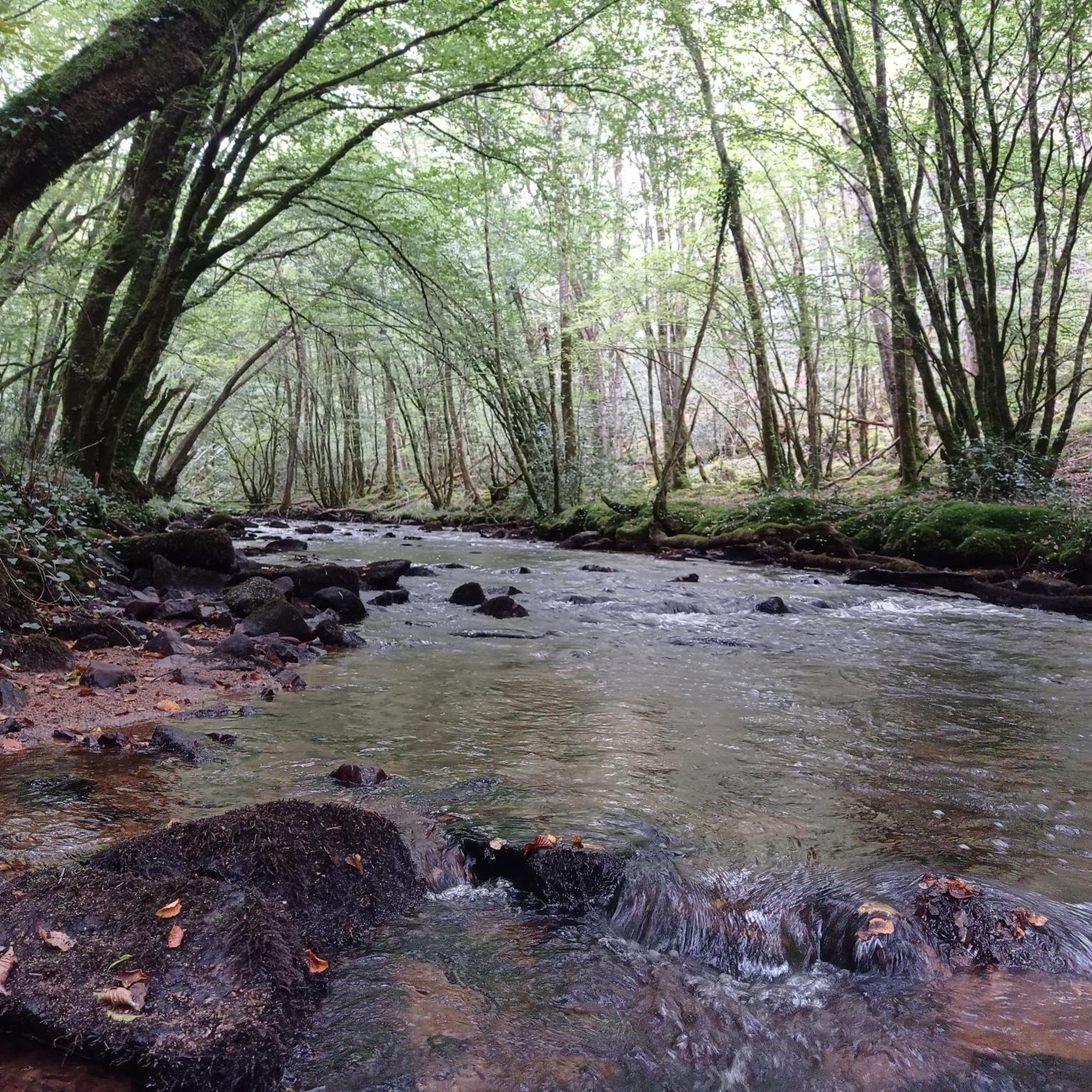
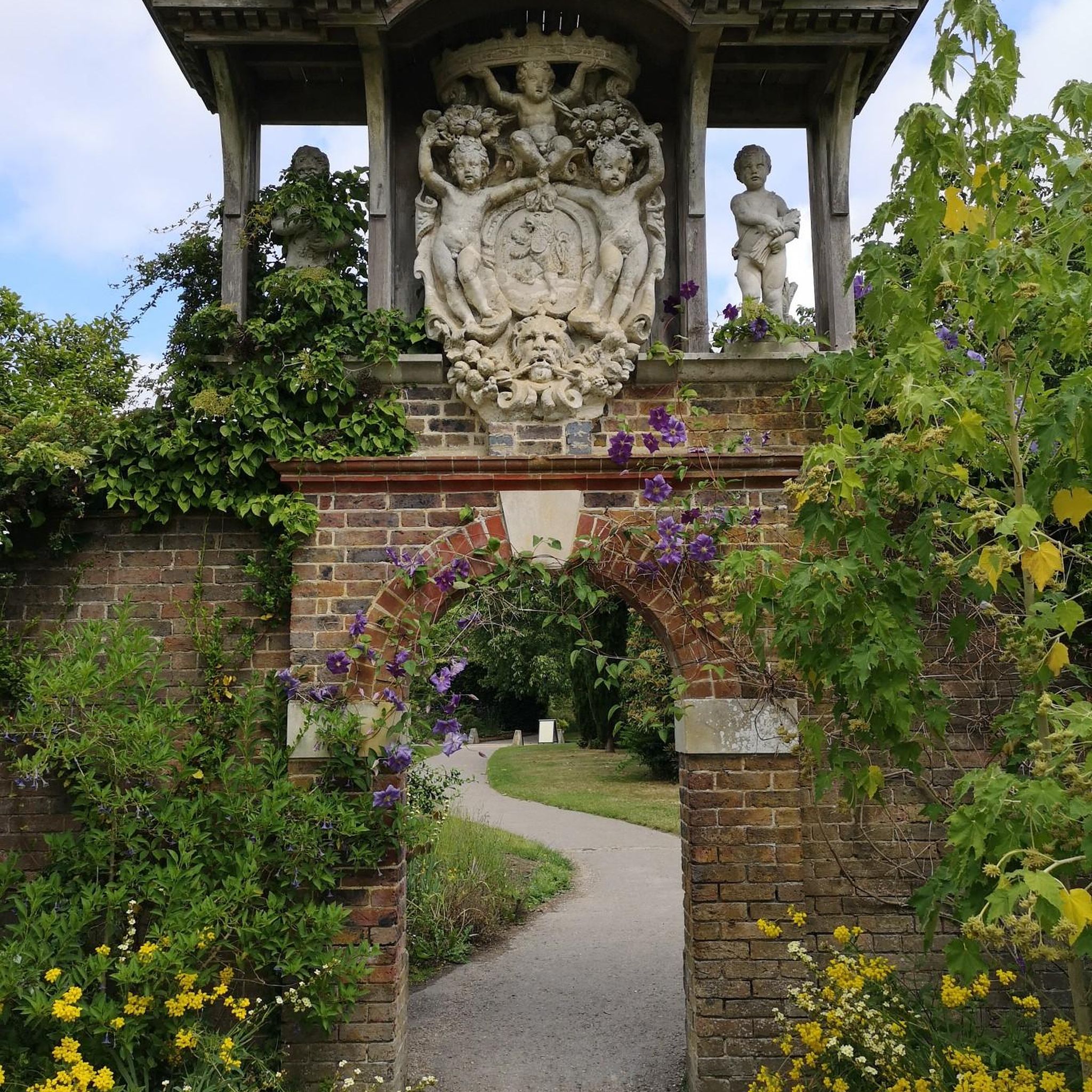
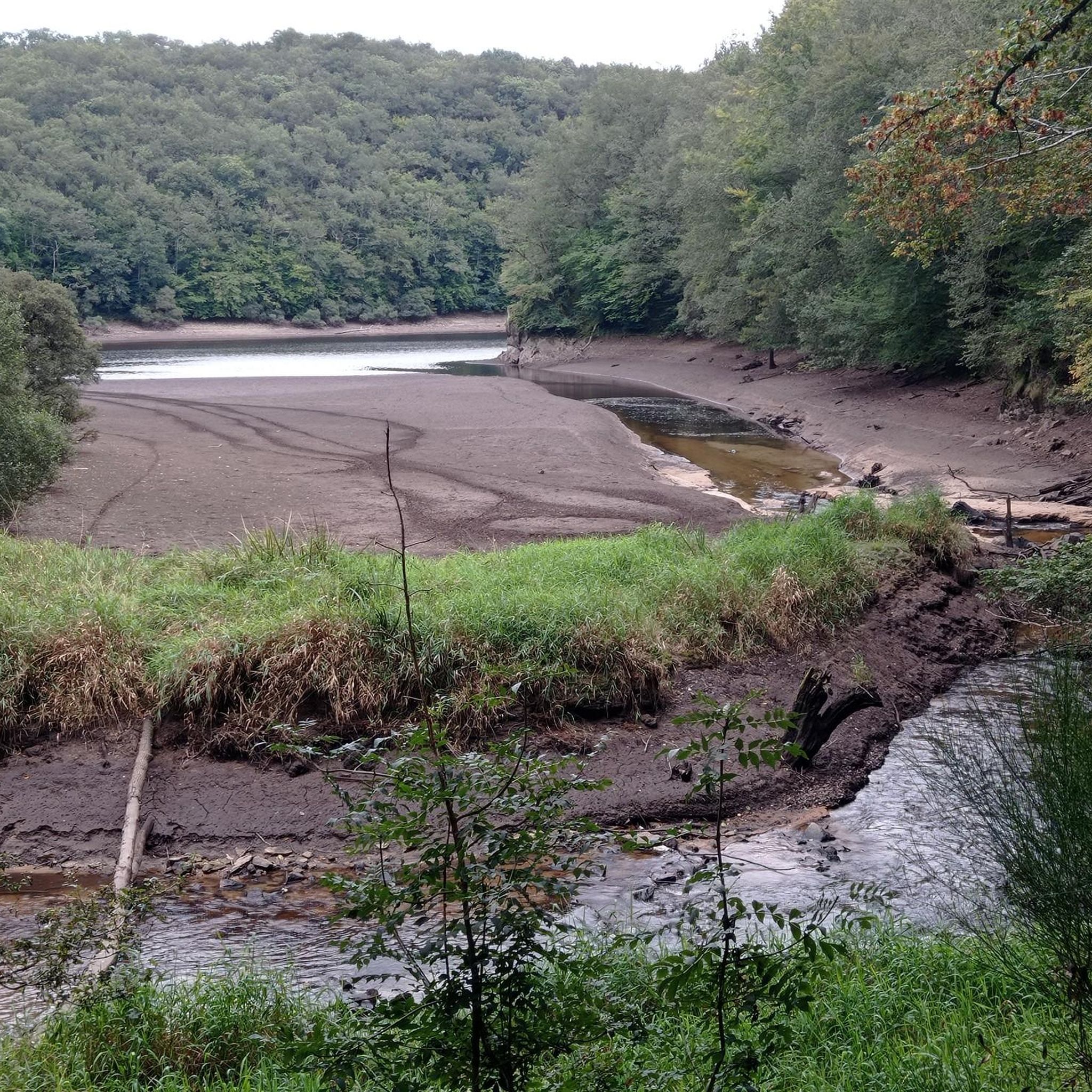
Best natural monuments around Saint-Laurent-Les-Églises are found within the Haute-Vienne region, offering diverse natural sites. The area features the Monts d'Ambazac, characterized by granite massifs, rocky outcrops, and dense forests. These landscapes provide varied ecosystems, unique geological formations, and rich biodiversity. Visitors can explore ancient peat bogs, arboretums, and riverine environments.
Best natural monuments around Saint-Laurent-Les-Églises
- The most popular natural monuments is La Roche aux Fées, a natural monument that features an imposing rock mass within a forest. Visitors…
Last updated: July 2, 2026
Arboretum of La Jonchère-Saint-Maurice
Highlight • Forest
Translated by Google •
Tip by

Beech Tree Over the Spring
Highlight (Segment) • Natural Monument
Translated by Google •
Tip by

Sign up now to discover places like this
Get recommendations on the best single tracks, peaks, & plenty of other exciting outdoor places.
Sign up for free
La Roche aux Fées
Highlight (Segment) • Natural Monument
Translated by Google •
Tip by
La Lieue Dolmen
Highlight • Historical Site
Translated by Google •
Tip by
The Temple and The Three Stones
Highlight (Segment) • Natural Monument
Translated by Google •
Tip by
Sign up for free to discover even more natural monuments around Saint-Laurent-Les-Églises.
Sign up for free
Already have an account?
Start today with a free account
Your next adventure awaits.
Login or Signup
Tips from the Community

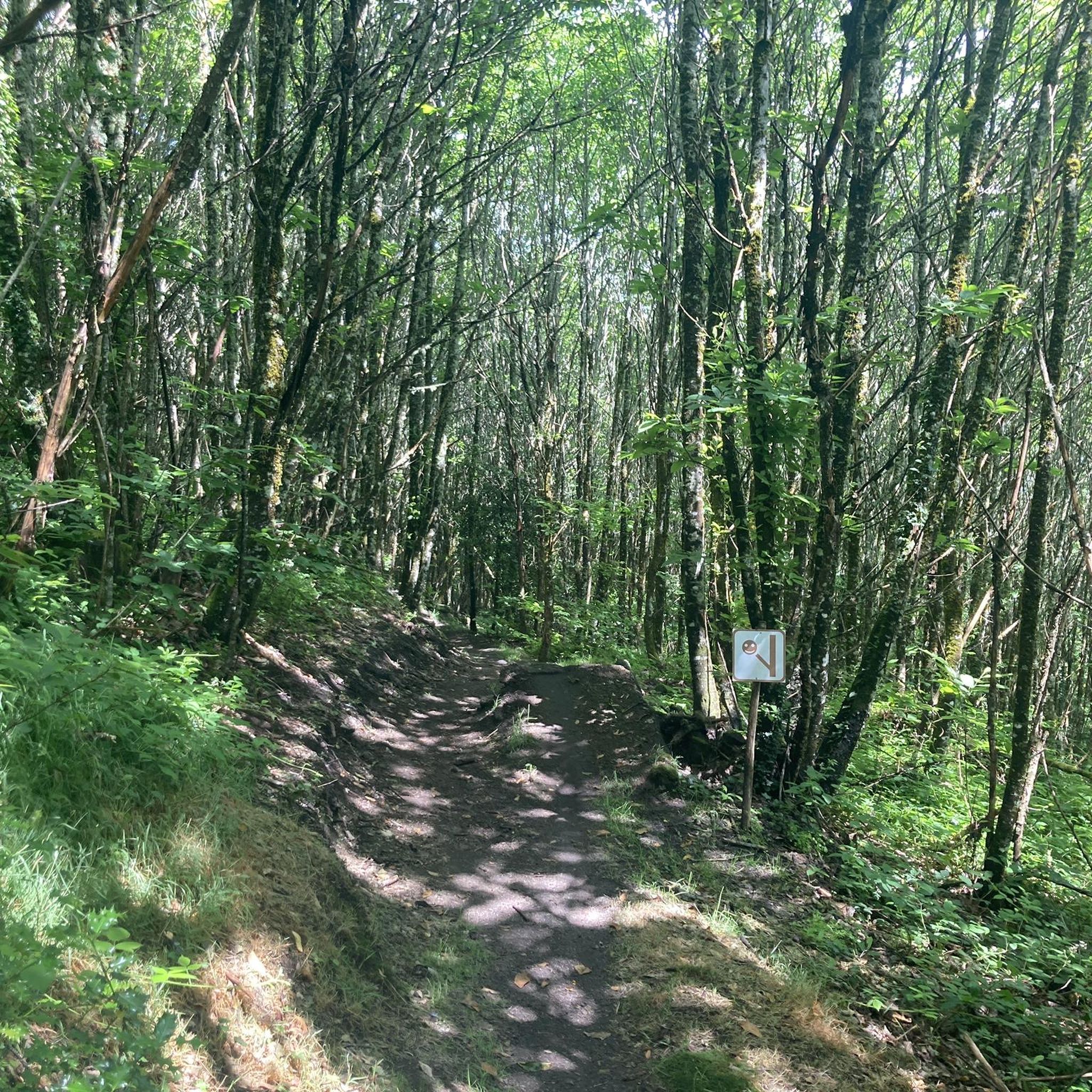
It has very beautiful paths that are a little wet these days. Too bad that some trails are no longer accessible because the vegetation has invaded them.
0
0

The source does not look like much, but the tree has chosen its place well, while preserving the building, it has water for its roots.
0
0
Walked by without seeing her. It was when I saw Mlle turn in front that I saw the tree. Its roots had a particular shape, they spanned a pile of stones. Closer, surprise, a spring with an open coping and an old-fashioned masonry cap. We can assume that it was built before and that the tree grew, respecting its environment. Nature does things well.
0
0
Take the time to turn around, the look changes with each view, especially the underside of the hat.
0
0
Located 200m from the Croix du Pâtre, the path leads you right to a beautiful private property bordered by some exceptional megaliths. To see from the side of the road.
0
0
Whether in summer with the trees in leaves or in winter, you discover an imposing rock mass in the forest. At the foot of it you will admire some cavities, and going up towards the heart of the giant, you will have a view of the end of the valley with its stream that you have already crossed.
0
0

Small walk accessible for young children and strollers because the trails are perfectly maintained. There are certainly the largest Douglas pines in Europe, but what makes the magic of this arboretum is the small pond with its small bench and no one around you. If you come to the Monts d'Ambazac, this is one of the beautiful walks to do.
1
0

Many tree species are visible, among which: Giant sequoia, Nordmann fir, Calocedra, Cryptomeria, Japanese cypress or heterophyll oak and many reach record sizes.
1
0
Frequently Asked Questions
What unique geological features can I explore in the natural monuments around Saint-Laurent-Les-Églises?
The region is known for its impressive granite massifs and unique rock formations. For instance, the La Roche aux Fées features an imposing rock mass with cavities at its base, offering a view of the valley. Another notable site is the legendary Pierre Branlante (Wobbling Stone) in the Monts d'Ambazac, a gigantic rock formation with folklore suggesting it was once a tribunal.
Are there any ancient or historical natural monuments to visit in the area?
Yes, the area features significant historical natural monuments. You can explore La Lieue Dolmen, an ancient megalithic structure surrounded by paths that offer changing perspectives. Additionally, The Temple and The Three Stones are exceptional megaliths located near the Croix du Pâtre, visible from the roadside.
Where can I find diverse plant and tree species in the natural monuments?
The Arboretum of La Jonchère-Saint-Maurice is an excellent choice. This 40-hectare arboretum, one of France's oldest, boasts over 300 species of trees and shrubs from five continents, including some of the tallest Douglas firs and sequoias in France. It's a perfect spot for botanical enthusiasts and offers well-maintained trails suitable for families.
What natural reserves are available for wildlife observation and ecological interest?
The Natural Reserve of the Bog of Dauges, located within the Monts d'Ambazac, is a protected National Nature Reserve featuring an ancient 12,000-year-old peat bog. It's a crucial ecological site with nearly 2,200 animal and plant species. Another significant area is the Les Sauvages Regional Natural Reserve, an 80-hectare Natura 2000 site with woodlands, a peat bog, and medieval ponds, home to diverse flora like sundews and around 50 bird species, 15 mammal species (including the European otter), and various amphibians and reptiles.
Are there family-friendly natural monuments or activities suitable for children?
Yes, the Arboretum of La Jonchère-Saint-Maurice offers small walks accessible for young children and strollers due to its perfectly maintained trails. The tranquil Guillot Pond is also a pleasant spot for a leisurely stroll or picnicking with the family. The Château de Walmath Park, with its centenary trees and picturesque pond, provides scenic walks in a blend of historical landscape and natural beauty.
What kind of outdoor activities can I do near these natural monuments?
The region offers a variety of outdoor activities. For hiking, you can explore trails like the 'Forest Path – Fontaine Bastiat loop' or the 'Dauges Peat Bog – Rocking Stone loop'. Find more hiking options on the Hiking around Saint-Laurent-Les-Églises guide. If you prefer cycling, routes like the 'Étang de Jonas – Croix de Sauvagnac loop' are available. Discover more cycling routes on the Cycling around Saint-Laurent-Les-Églises guide.
Where can I find scenic viewpoints or panoramic vistas?
The Monts d'Ambazac are renowned for their beautiful panoramas and viewpoints. High points like Puy de la Garde and Puy des Roches offer sweeping views of the Limousin plain. The La Roche aux Fées also provides a view of the end of the valley from its elevated position.
Are there any natural monuments with unique water features or rivers?
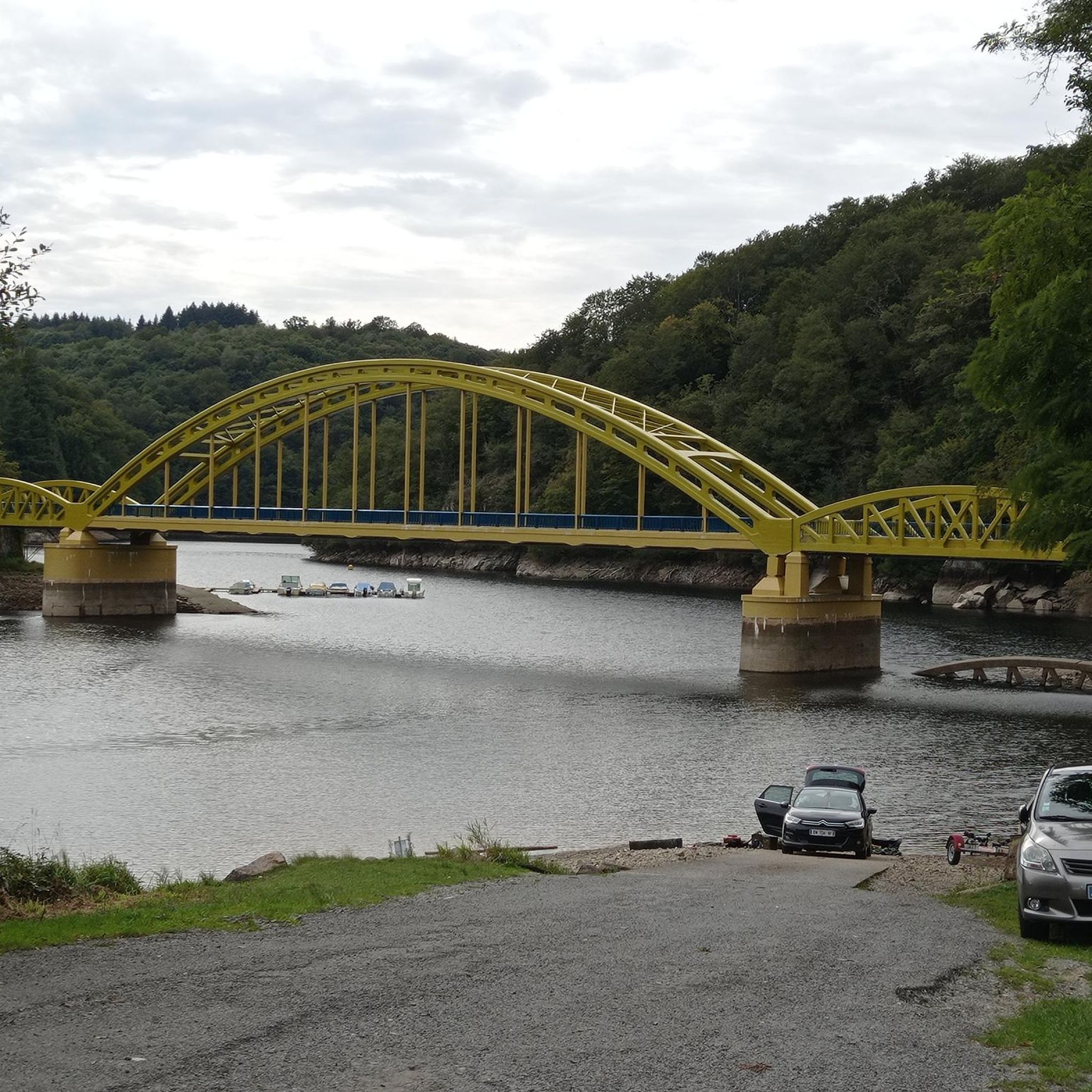
Yes, the Châtelus Bridge area along the Thaurion River offers picturesque river scenery. The Thaurion River is known for its distinctive copper-brown water, and there's a small beach near the bridge for relaxation. The Château de Walmath Park also features a picturesque pond with rockery bridges and a river that serves as a habitat for wildlife.
What do visitors particularly enjoy about the natural monuments in this region?
Visitors appreciate the diversity of the natural monuments, from ancient rock formations and historical megaliths to extensive arboretums. Many enjoy the well-maintained trails, the opportunity to observe unique flora and fauna, and the tranquil settings. For example, the Arboretum of La Jonchère-Saint-Maurice is loved for its 'magic' small pond and the impressive size of its trees.
Is there a natural monument known for a unique tree or plant feature?
Absolutely. The Beech Tree Over the Spring is a fascinating natural monument. Its roots have a particular shape, spanning a pile of stones and a spring with an open coping, showcasing how nature adapts and grows around existing structures. It's a testament to the harmonious interaction between nature and its environment.
What is the best time to visit the natural monuments around Saint-Laurent-Les-Églises?
The natural monuments offer beauty throughout the year. Spring and autumn are ideal for hiking and enjoying the changing foliage, while summer provides pleasant conditions for exploring the arboretums and reserves. Even in winter, sites like La Roche aux Fées offer an imposing view of the rock mass within the forest, making it a year-round destination for nature lovers.
Most popular routes around Saint-Laurent-Les-Églises
Most popular attractions around Saint-Laurent-Les-Églises

Get inspired with the komoot mobile app


Explore more
Extend your search for the best caves by checking out these guides of the top ones around Saint-Laurent-Les-Églises:
