Top 4 Natural Monuments around Cons-La-Grandville
Best natural monuments around Cons-La-Grandville are often integrated with its historical landscape. The area features a dramatic setting where the Château de Cons-La-Grandville sits on a rocky promontory overlooking the Chiers River. This geographical feature, along with cultivated natural spaces like the Parc botanique du Prieuré, defines the region's natural appeal. The Chiers River itself forms a significant part of the scenic backdrop, contributing to the tranquil environment.
Best natural monuments around Cons-La-Grandville
- The most popular natural monuments is La…
Last updated: July 2, 2026
Moulaine Valley Stream
Highlight (Segment) • River
Translated by Google •
Tip by

Halanzy Iron Mine Ruins
Highlight • Historical Site
Translated by Google •
Tip by

Sign up now to discover places like this
Get recommendations on the best single tracks, peaks, & plenty of other exciting outdoor places.
Sign up for free
La Cussignière Marsh
Highlight • Natural
Translated by Google •
Tip by

Calvary of Remembrance (Calvary of the Rappes)
Highlight • Monument
Translated by Google •
Tip by

Trou des Maquisards
Highlight • Cave
Translated by Google •
Tip by

Start today with a free account
Your next adventure awaits.
Login or Signup
Tips from the Community

During the German occupation, this isolated hole was used as a hiding place by members of the local resistance. They found shelter there to gather, store equipment, or simply protect themselves from enemy patrols. The site bears witness to the courage and determination of these men and women who risked their lives for freedom. 🌲 The site today: Accessible via a forest walk, the Trou des Maquisards is marked by a commemorative stele. The site invites contemplation and reflection, while offering a beautiful immersion in the Gaume nature. It is a moving stopover for hikers, history buffs, or those curious in search of authentic places.
0
0
The Trou des Maquisards, located in Gaume near the village of Bleid, is a place steeped in history and memory. It is a natural cavity hidden in a wood, which served as a refuge for Belgian resistance fighters — the maquisards — during the Second World War.
0
0


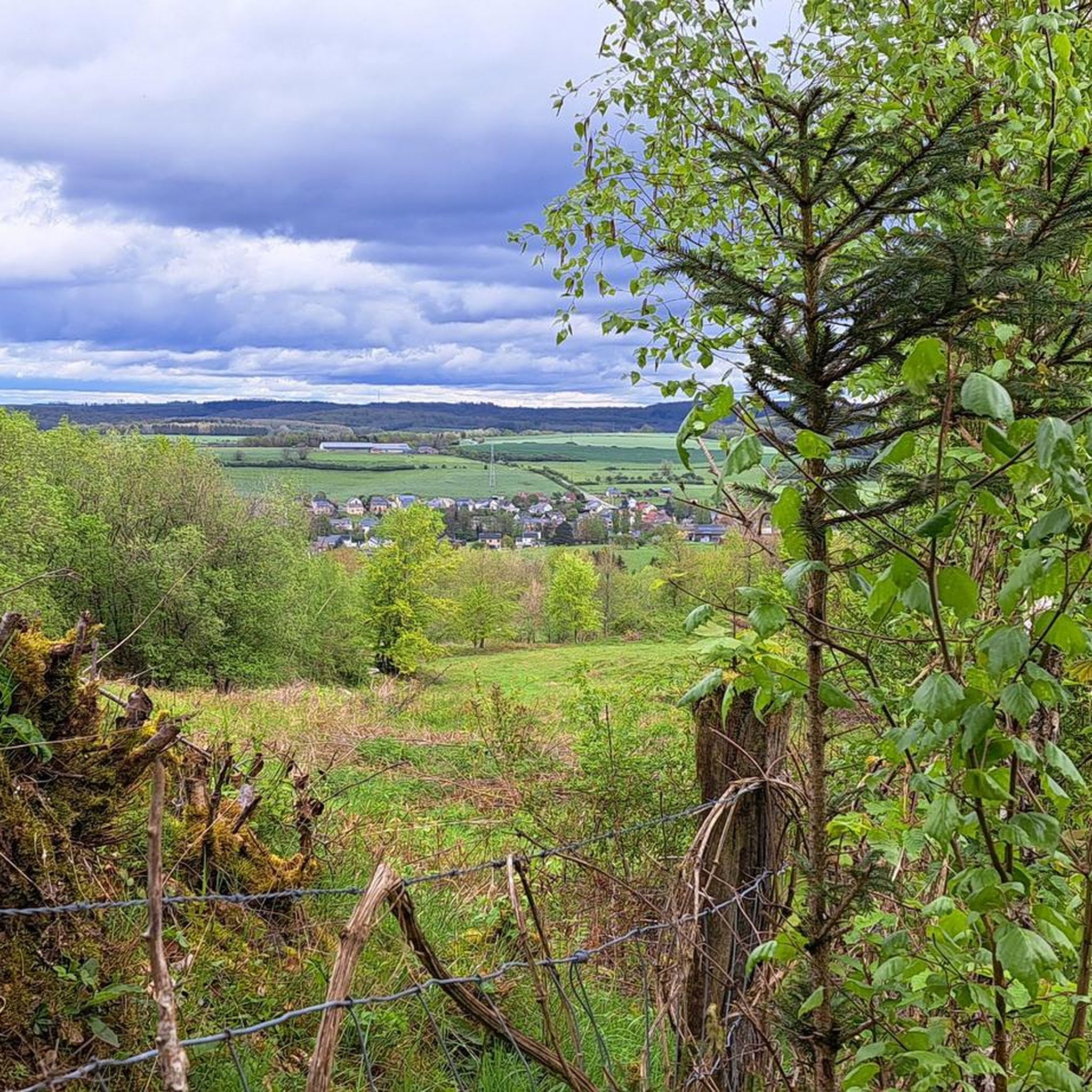
The Cusignière moor is located on the border between Belgium and France. It is a unique location in this region. You can explore the moor via wooden plank paths and observe the unique flora and fauna.
0
0

There you go, Stephane, I am subscribing to your mailings and this is what I see, the last ones always go back a long time
0
0

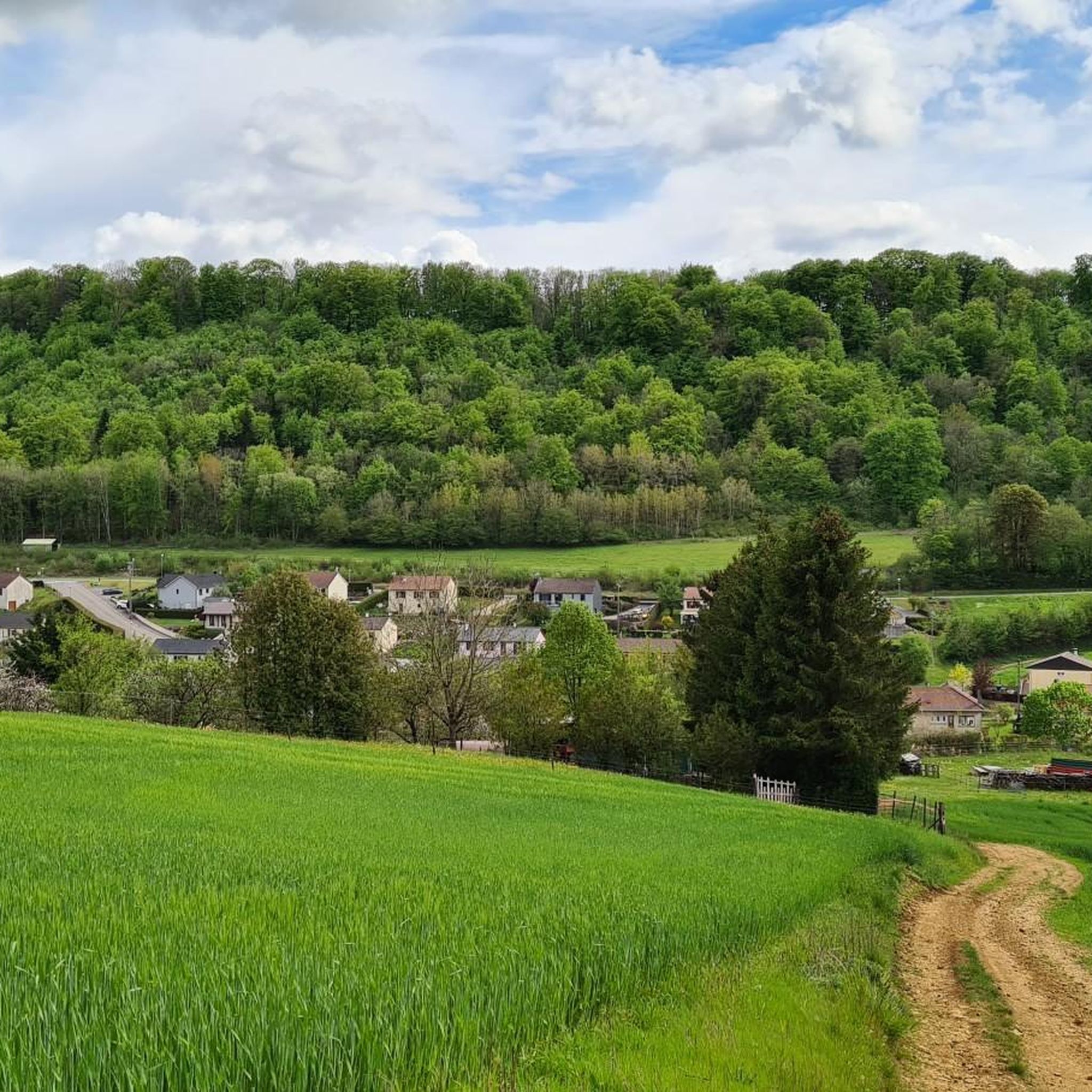
You will be able to explore the traces of the mining activity that lasted from the 19th century until 1982, when the mine closed due to the exhaustion of the ore seam. You can see the entrances to the underground tunnels, some of which are still accessible, as well as the remains of the ore processing plant demolished in 1963. Along the way, you will also enjoy panoramic views of the wooded hills and red sandstones, typical of the region where the iron-rich sedimentary rock called Minette is found. It is a great way to discover the industrial heritage and natural beauty of Halanzy.
4
0

The calvary of remembrance was placed there in 1964 by the people of Latour in memory of their 71 shot during the demonstrations of the 50th anniversary of the August 24 massacres. This cross was the last of a way of the cross starting from the church and criss-crossing the coast of La Salette and the road to Ethe to arrive at this place called "des Rappes" where the shooting took place. The base was made of local stone by masons from the village, but the monument itself is an old tomb in the communal cemetery. This was the tomb of the ancestors of Léopold JACQUEMIN, the sculptor. His daughter Marie had donated the stone. Father HALBARDIER, parish priest of Latour at that time, engraved these few verses by Charles PÉGUY "Here is the hard slope and here is our love" (Source [415].
1
0

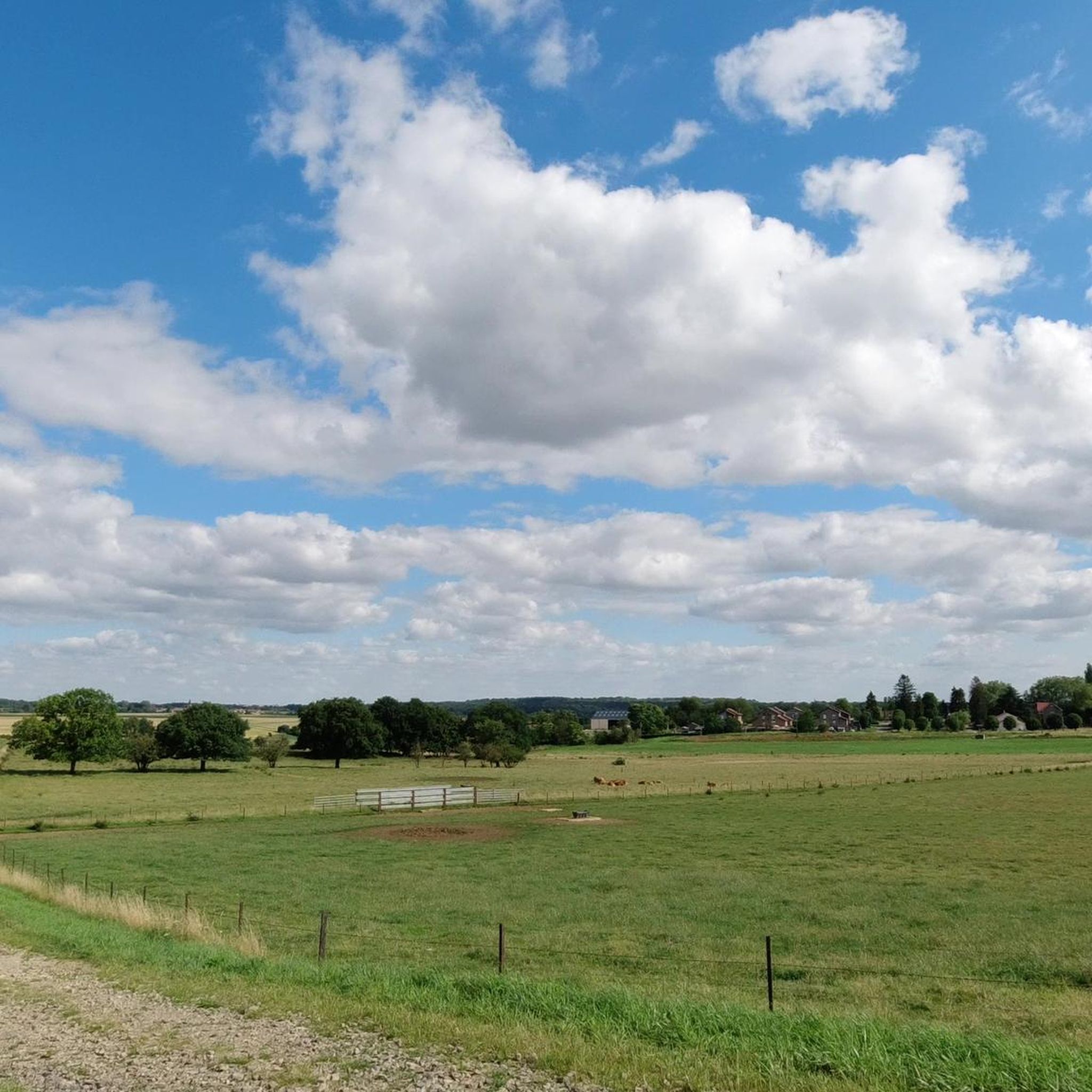
If you drive directly on the stream it is a bit more difficult and you like to get wet.
0
1
Frequently Asked Questions
What unique natural features define the Cons-La-Grandville area?
The natural landscape of Cons-La-Grandville is characterized by the dramatic setting of the Château on a rocky promontory overlooking the Chiers River. The river itself forms a wide meander around the Prieuré park, contributing significantly to the scenic beauty. Additionally, the area features cultivated natural spaces like the Parc botanique du Prieuré, known for its remarkable trees.
Are there family-friendly natural monuments to visit?
Yes, La Cussignière Marsh is noted as being easy to explore with children. It offers wooden plank paths through a unique moorland, allowing families to observe distinct flora and fauna.
Where can I find remarkable trees or botanical gardens in the region?
The Parc botanique du Prieuré in Cons-La-Grandville is home to a collection of 'Arbres Remarquables' (Remarkable Trees) or 'Arbres Fabuleux' (Fabulous Trees). This English-style park offers a serene botanical walk and integrates contemporary sculpture exhibitions within its natural setting. You can find more information about the fabulous trees at the French Ministry of Culture website.
What historical natural sites can I explore around Cons-La-Grandville?
You can visit the Halanzy Iron Mine Ruins, which showcase traces of mining activity from the 19th century. This site offers panoramic views of wooded hills and red sandstones, blending industrial heritage with natural beauty. Another historical natural site is the Trou des Maquisards, a natural cave that served as a refuge for Belgian resistance fighters during World War II, offering a moving stopover for history buffs.
What kind of natural landscapes can I expect to see along the Moulaine Valley Stream?
The Moulaine Valley Stream flows through a heavily forested nature reserve. Visitors can expect to see crystal-clear water cascading over numerous small rock steps, creating a picturesque and tranquil environment.
Are there any natural monuments that are wheelchair accessible?
Yes, La Cussignière Marsh features wooden plank paths, making it accessible for wheelchairs and allowing visitors to explore its unique moorland environment.
What outdoor activities can I do near these natural monuments?
The region around Cons-La-Grandville offers various outdoor activities. You can find numerous routes for gravel biking, cycling, and running. Many of these routes pass by or are close to the natural monuments, allowing you to combine your visit with an active outdoor experience.
What is the best time to visit the natural monuments around Cons-La-Grandville?
While specific seasonal recommendations vary by site, spring and autumn generally offer pleasant weather for exploring the forested valleys and botanical parks. Summer is also popular, though some areas like the Moulaine Valley Stream can get crowded. Winter can offer a different, serene perspective, especially in the forested areas.
Can I find viewpoints with scenic panoramas?
Yes, the Halanzy Iron Mine Ruins offer panoramic views of wooded hills and red sandstones. Additionally, the rocky promontory where the Château de Cons-La-Grandville is situated provides commanding views of the surrounding countryside and the Chiers River valley.
What geological features are prominent in the Cons-La-Grandville natural areas?
The region is known for its red sandstones, particularly visible around the Halanzy Iron Mine Ruins, which indicate the presence of iron-rich sedimentary rock called Minette. The dramatic rocky promontory of the Château also highlights the area's geological character.
Are there any natural monuments with a focus on remembrance or local history?
The Calvary of Remembrance (Calvary of the Rappes) is a man-made monument situated in a natural setting, placed in memory of those who died during the August 24 massacres. It offers a historical and contemplative experience within the natural landscape.
What do visitors enjoy most about the natural monuments in Cons-La-Grandville?
Visitors appreciate the unique blend of natural beauty and historical significance. The tranquility of places like Moulaine Valley Stream, the distinct flora and fauna of La Cussignière Marsh, and the historical context of sites like the Halanzy Iron Mine Ruins are frequently highlighted. The integration of nature with cultural heritage is a key draw.
Most popular routes around Cons-La-Grandville
Most popular attractions around Cons-La-Grandville

Get inspired with the komoot mobile app


Explore more
Extend your search for the best caves by checking out these guides of the top ones around Cons-La-Grandville:
