Top 11 Natural Monuments around Entre-Deux-Eaux
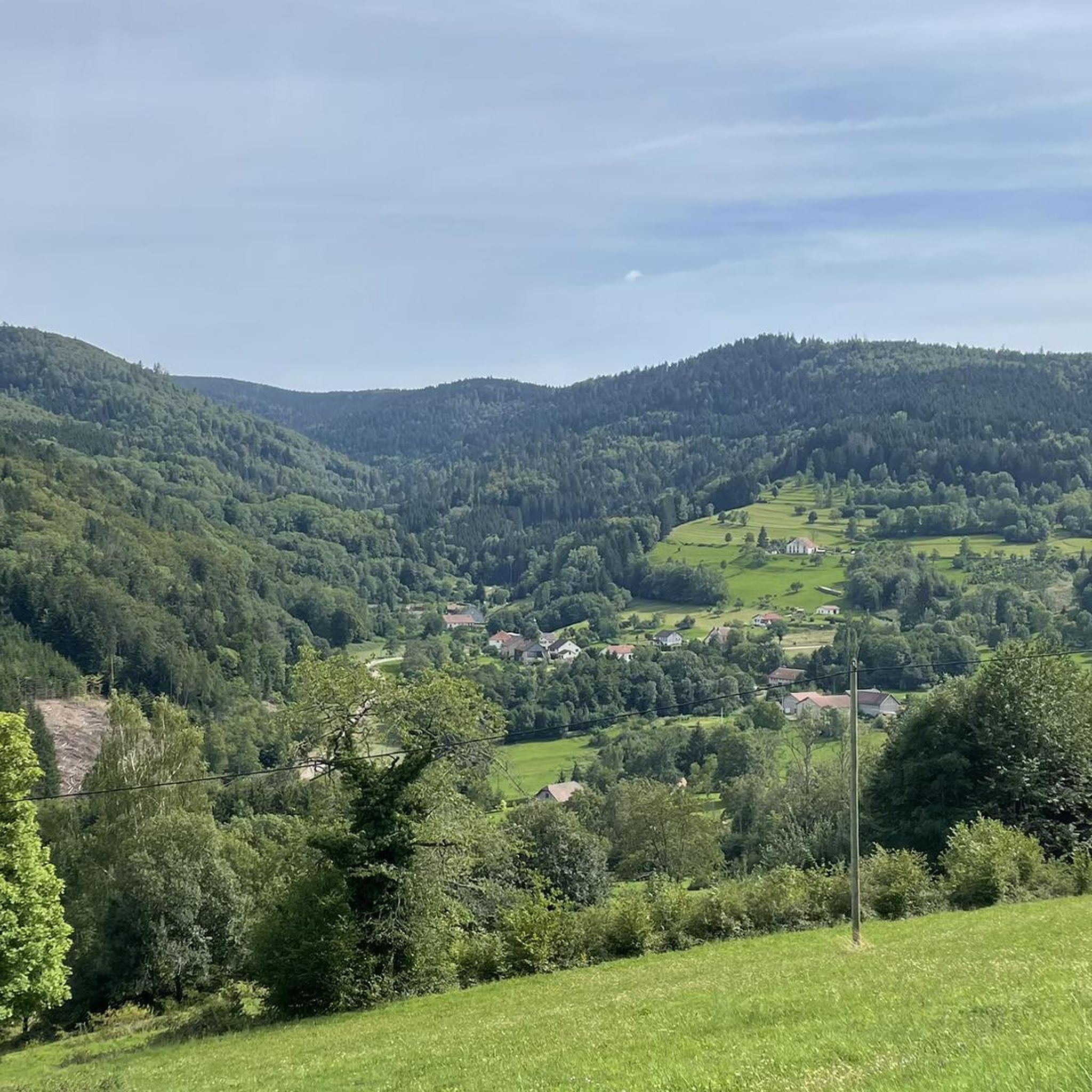
Natural monuments around Entre-Deux-Eaux, located in the Vosges region of France, offer diverse natural attractions. The area is characterized by its mountainous terrain and forests, providing a setting for outdoor activities. These natural features include rock formations, historical sites, and scenic viewpoints. Entre-Deux-Eaux provides access to various natural monuments within its geographical context.
Best natural monuments around Entre-Deux-Eaux
- The most popular natural monuments is Dry Fir Rock, a viewpoint that offers a panoramic view of the region. This Vosges…
Last updated: October 5, 2026
La Bure Celtic Camp
Highlight • Historical Site
Translated by Google •
Tip by

Roche d'Anozel
Highlight • Viewpoint
Translated by Google •
Tip by

Sign up now to discover places like this
Get recommendations on the best single tracks, peaks, & plenty of other exciting outdoor places.
Dry Fir Rock
Highlight • Viewpoint
Showing Translation
Tip by

Liberty's tree
Highlight • Natural
Translated by Google •
Tip by

La Roche Saint-Martin and View of Saint-Dié
Highlight • Viewpoint
Translated by Google •
Tip by
Sign up for free to discover even more natural monuments around Entre-Deux-Eaux.
Already have an account?
Start today with a free account
Your next adventure awaits.
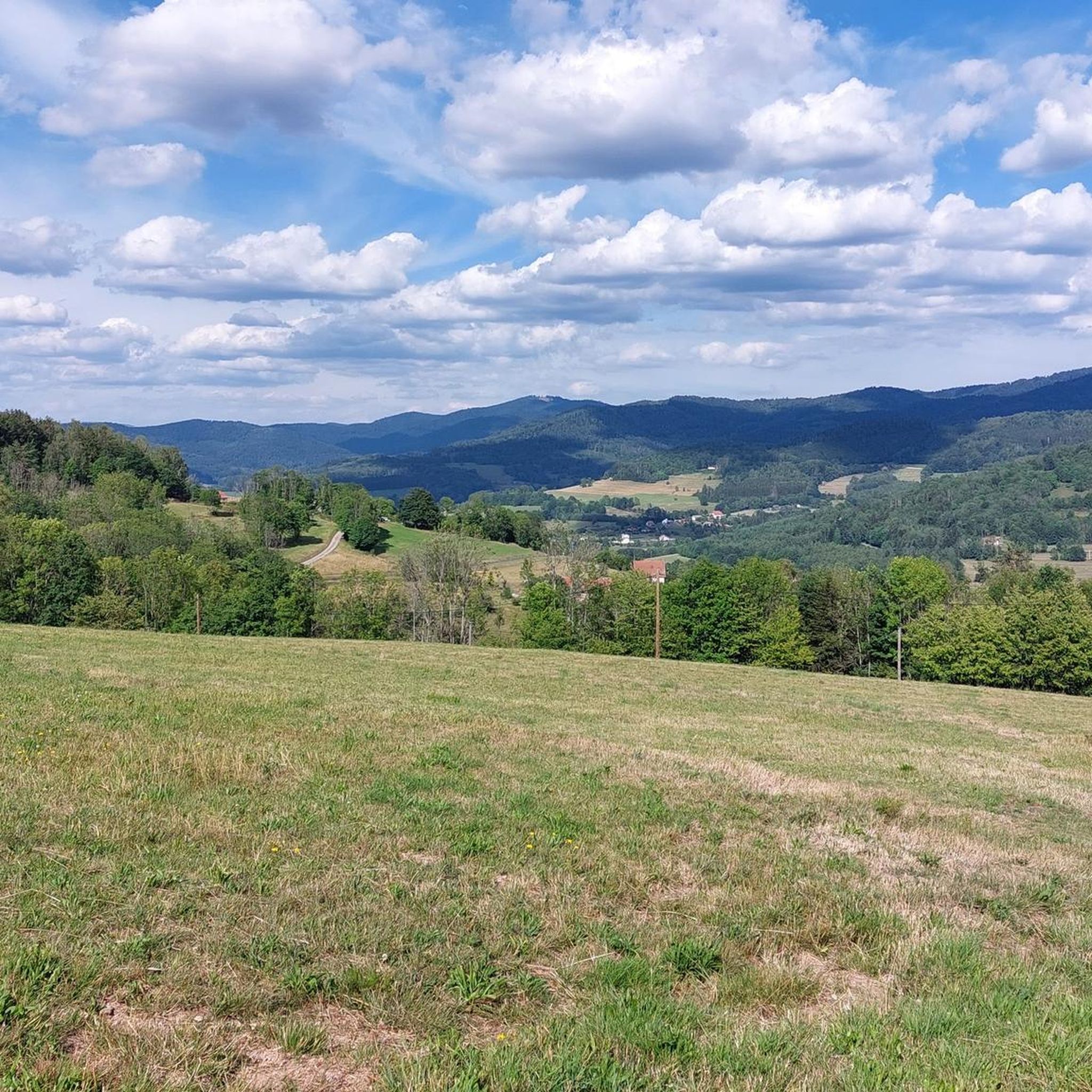
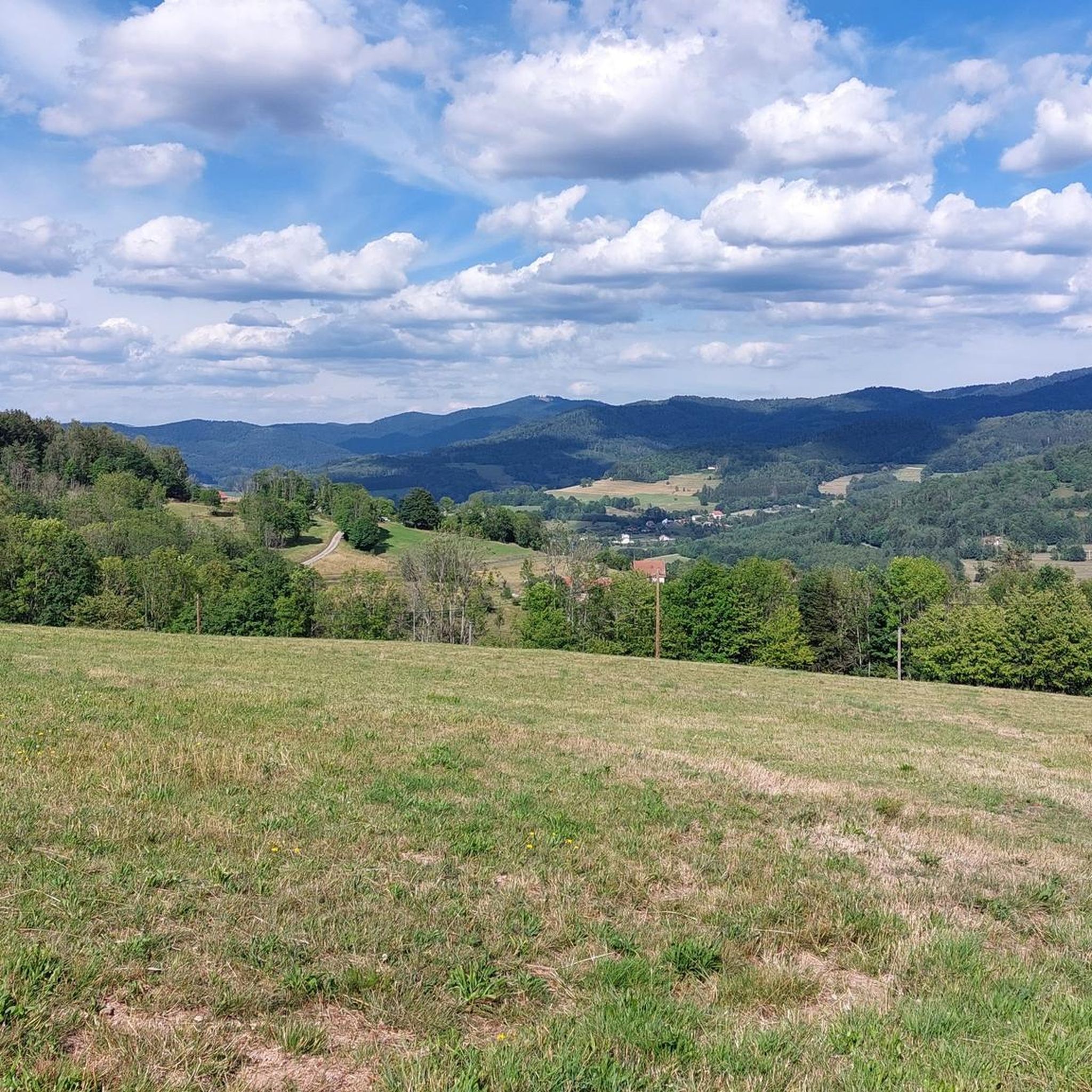
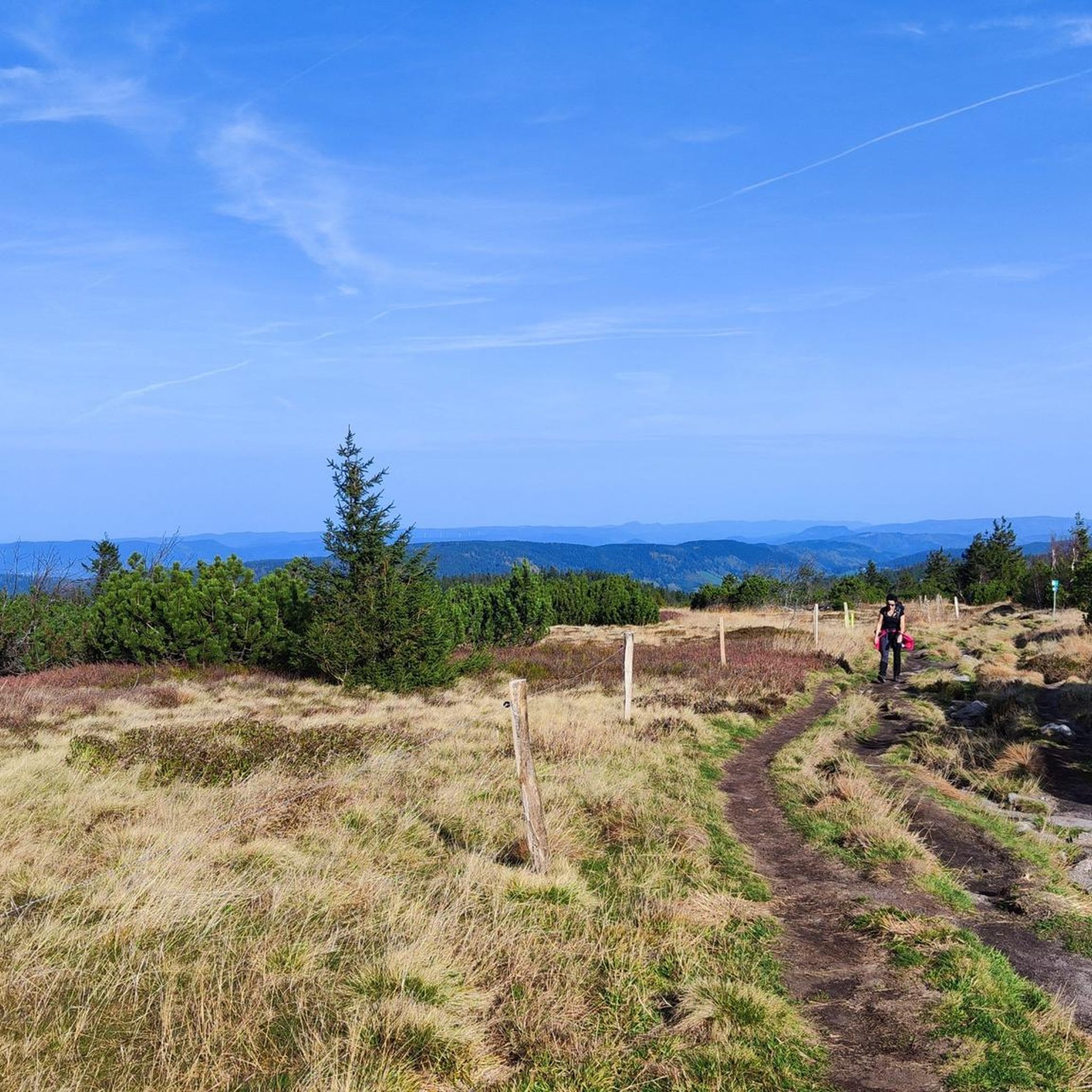
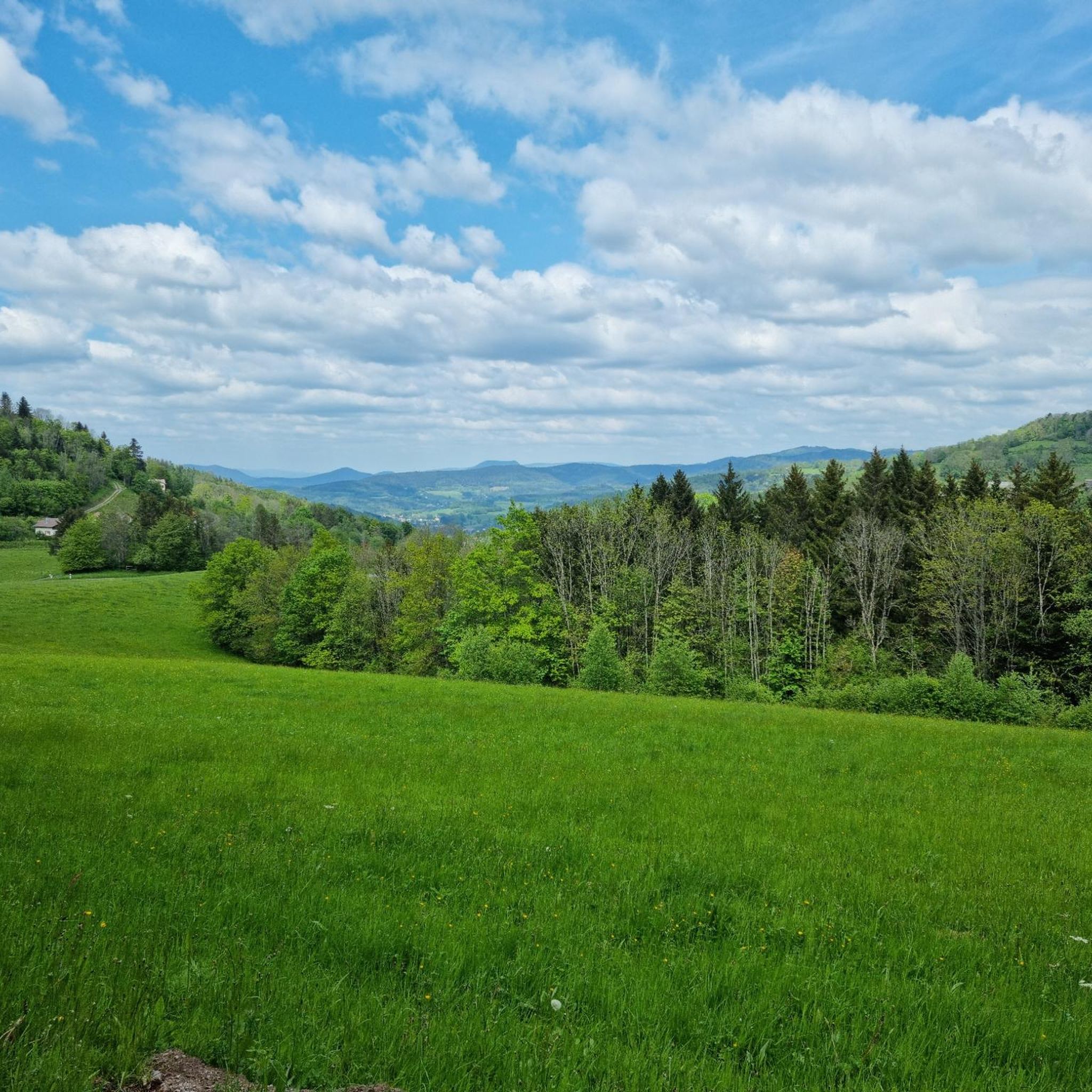
Tips from the Community

The well-documented panoramic viewpoint with an orientation table is worth lingering at.
4
0

The Roche d’Anozel is located in the Kemberg massif near Saulcy-sur-Meurthe, not far from Saint-Dié-des-Vosges. The striking Vosges sandstone rock is about 740 m high and approximately 15 m high and 20 m wide. An enigmatic inscription on the rock is dated to the year 1402. Particularly interesting is the view over the Meurthe valley and the surrounding Vosges mountains. The Roche is part of a network of well-marked hiking trails.
0
0

Camp accessible to mountain bikes but next to the bike
0
0


nice area with possibility of shelter and making a fire (outside risk periods)
0
0
Beautiful shelter for 2 to 3 people max.
0
0

Frequently Asked Questions
What kind of natural features can I expect to see around Entre-Deux-Eaux?
The area around Entre-Deux-Eaux, nestled in the Vosges region, is rich in diverse natural features. You'll find impressive rock formations, such as the emblematic Roche d'Anozel, which offers stunning panoramic views. There are also unique natural attractions like Liberty's tree, and various viewpoints scattered throughout the mountainous terrain and forests.
Where can I find the best panoramic views of the Vosges mountains?
For breathtaking panoramic views, the Roche d'Anozel is highly recommended. It features a south-facing viewing platform with clear vistas of the Vosges mountains and the Meurthe valley. Another excellent spot is Dry Fir Rock, a Vosges sandstone rock equipped with an iron ladder, providing a wide panoramic view of the region.
Are there any historical natural monuments to explore in the area?
Yes, the region offers natural monuments with significant historical value. A notable example is La Bure Celtic Camp, a fortified plateau classified as a Historical Monument. This site shows evidence of habitation since the Neolithic period, offering a glimpse into ancient history amidst nature. Another historical site is Roche des Abris, a rock shelter linked to a fort, offering a great view from a historic rock.
Are there family-friendly natural monuments around Entre-Deux-Eaux?
Absolutely. Le Sapin Qui Pisse (The Pissing Fir Tree) is a charming and tranquil natural attraction ideal for families. Located in the Raonnaise forest, it features a unique fir tree with water flowing through it, creating a 'water fountain' effect. The site is developed with shaded picnic tables, a barbecue area, and walking paths, making it perfect for a leisurely family outing.
What kind of hiking trails are available near these natural monuments?
The natural monuments around Entre-Deux-Eaux are often integrated into various hiking trails. The Kemberg massif, home to Roche d'Anozel, offers routes for different fitness levels, from easy strolls to more challenging treks. You can find a variety of options, including loops and trails with scenic viewpoints. For more detailed routes, explore the Hiking around Entre-Deux-Eaux guide.
What other outdoor activities can I do near the natural monuments?
Beyond hiking, the region around Entre-Deux-Eaux provides opportunities for other outdoor activities. You can find numerous running trails, ranging from moderate to difficult, allowing you to explore the natural beauty at a faster pace. For cyclists, there are also diverse road cycling routes, including scenic paths and challenging passes like the Mandray Pass.
What do visitors enjoy most about the natural monuments in Entre-Deux-Eaux?
Visitors particularly appreciate the stunning panoramic views offered by many of the natural monuments, such as those from La Roche Saint-Martin and View of Saint-Dié. The unique rock formations and the opportunity for immersive hiking experiences are also highly valued. The komoot community has contributed over 50 photos and upvotes, highlighting the visual appeal and enjoyable outdoor experiences these sites provide.
Are there any natural monuments that offer views of Saint-Dié-des-Vosges?
Yes, La Roche Saint-Martin and View of Saint-Dié is a prominent natural monument that sits above Saint-Dié-des-Vosges. It features several imposing sandstone columns and offers truly fantastic views of the town and surrounding landscape.
What is the best time to visit the natural monuments around Entre-Deux-Eaux?
The natural monuments in the Vosges region are beautiful year-round. Spring and autumn offer pleasant temperatures for hiking and vibrant foliage. Summer is ideal for longer days and picnics, especially at sites like Le Sapin Qui Pisse. Even winter can be magical for those who enjoy snowy landscapes, though some trails might require appropriate gear.
Are there facilities like picnic areas near the natural monuments?
Yes, some natural monuments are equipped with facilities for visitors. For instance, the site around Le Sapin Qui Pisse has been developed with shaded picnic tables, a barbecue area, and even a belvedere that serves as a rain shelter, making it a comfortable spot for a break.
Can I find information about local wildlife or trees at these sites?
At certain locations, such as Le Sapin Qui Pisse, you'll find walking paths with informative signs about local birds and trees. This adds an educational element to your visit, allowing you to learn more about the regional flora and fauna while enjoying the natural surroundings.
Most popular routes around Entre-Deux-Eaux
Most popular attractions around Entre-Deux-Eaux

Get inspired with the komoot mobile app


Explore more
Extend your search for the best caves by checking out these guides of the top ones around Entre-Deux-Eaux:
