Top 20 Natural Monuments around Artolsheim
Natural monuments around Artolsheim offer diverse landscapes and recreational opportunities in the Alsace region. Situated near the Rhine, the area is characterized by its unique wetland ecosystems and waterways, including the Muhlbach de Schoenau and L'Ischert. The surrounding natural heritage provides opportunities to explore protected environments and scenic beauty. This region is notable for its blend of riverine landscapes, forests, and nature reserves.
Best natural monuments around Artolsheim
- The most popular natural monuments is Fish Ladder at the Taubergießen Weir…
Last updated: July 2, 2026
Fish Ladder at the Taubergießen Weir
Highlight • Structure
Translated by Google •
Tip by

Elzwiesen Nature Reserve
Highlight • Natural Monument
Translated by Google •
Tip by

Sign up now to discover places like this
Get recommendations on the best single tracks, peaks, & plenty of other exciting outdoor places.
Sign up for free
Taubergießen River
Highlight (Segment) • River
Translated by Google •
Tip by

Rhine River at Rheinniederung Wyhl-Weisweil
Highlight • River
Translated by Google •
Tip by

Hummel-Ragwurz Orchid in Taubergießen
Highlight (Segment) • Natural Monument
The bumblebee orchid is characterized by its striking flower, which is reminiscent of …
Translated by Google •
Tip by

Sign up for free to discover even more natural monuments around Artolsheim.
Sign up for free
Already have an account?
Start today with a free account
Your next adventure awaits.
Login or Signup
Tips from the Community

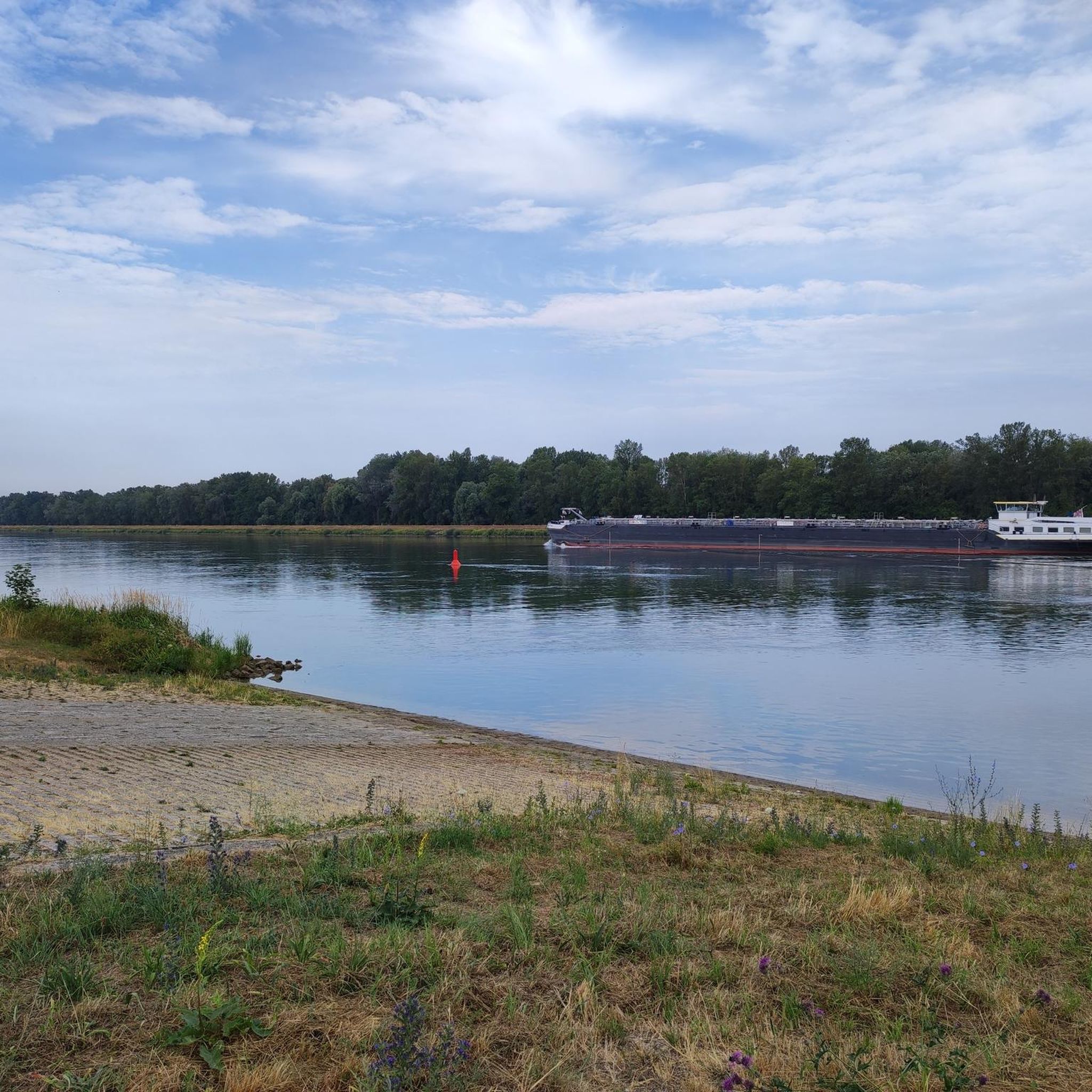
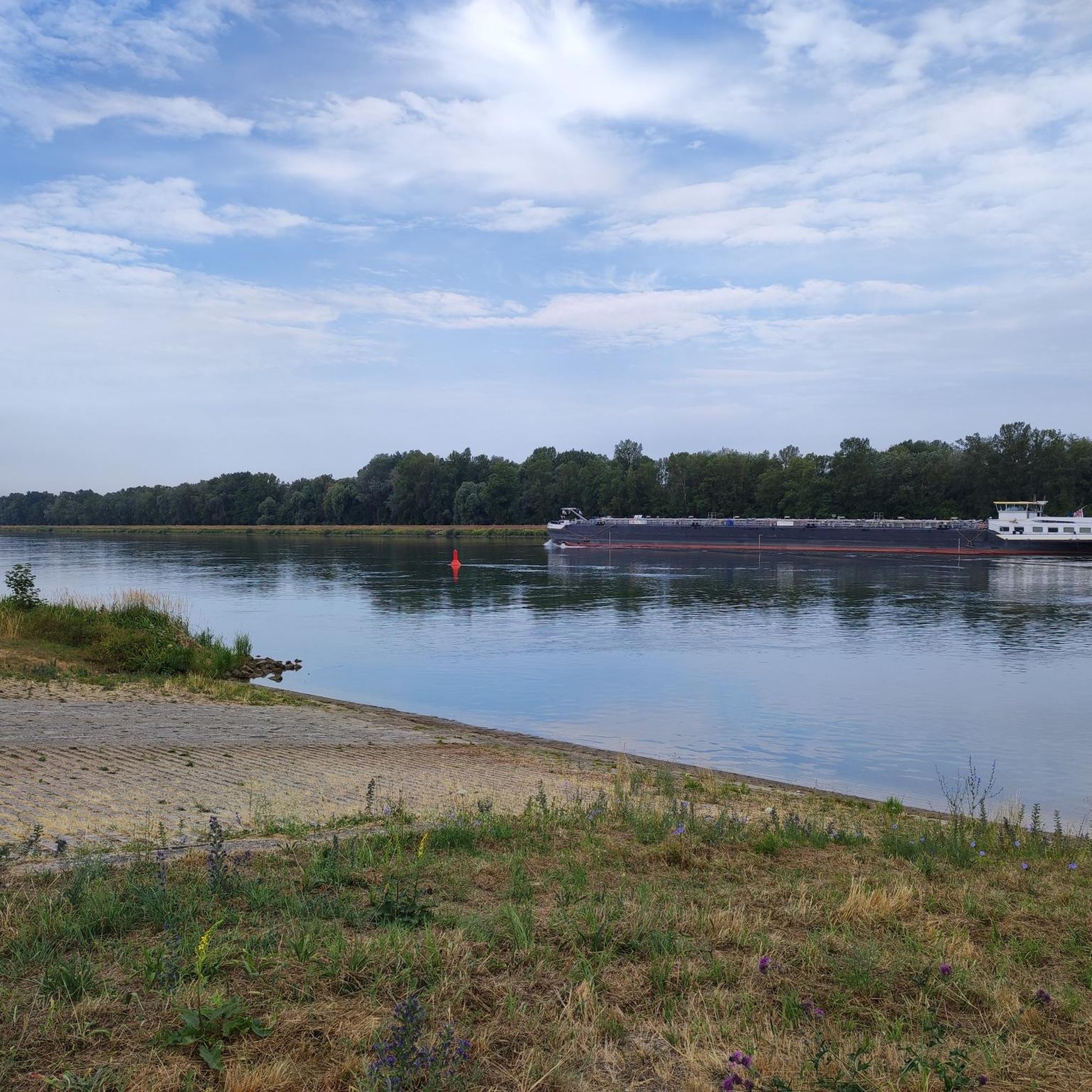
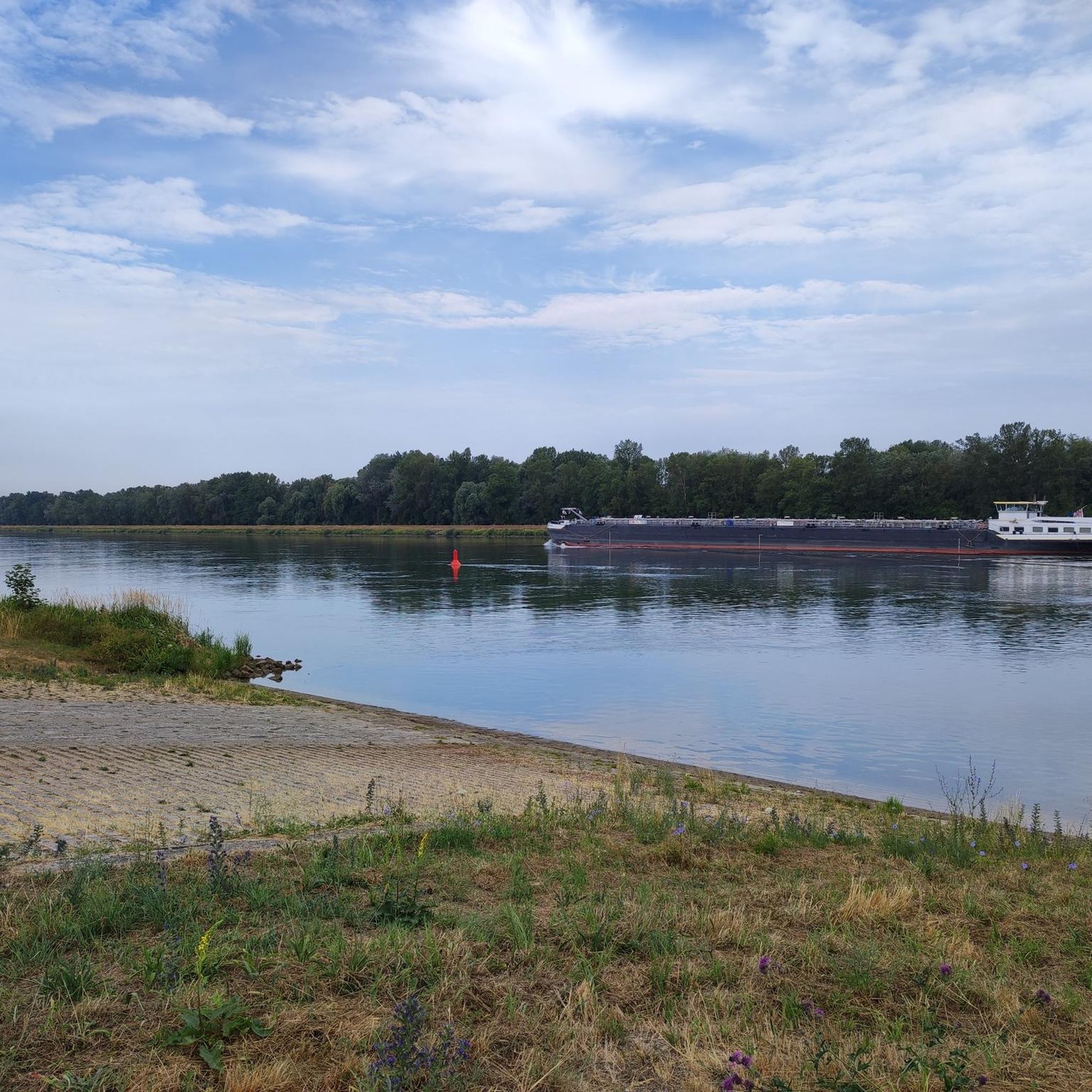
It's simply wonderful to sit here "on the beach" on sunny days 😉
0
0

The Rhine is 1,232 km long. It originates in the canton of Graubünden and flows into the North Sea in the Netherlands.
0
0
The Elzwiesen meadows have been a nature reserve since 1990. The area covers a total area of 410 hectares along the Elz River between Rust, Rheinhausen, and Herbolzheim. This area is particularly important because comparable grassland areas are becoming increasingly scarce. Due to development and increased use of the land for arable land, the breeding and refuge sites, as well as resting places, for many birds are disappearing throughout Europe.
0
0

Yes! It is a really romantic and beautiful area 👍
0
0

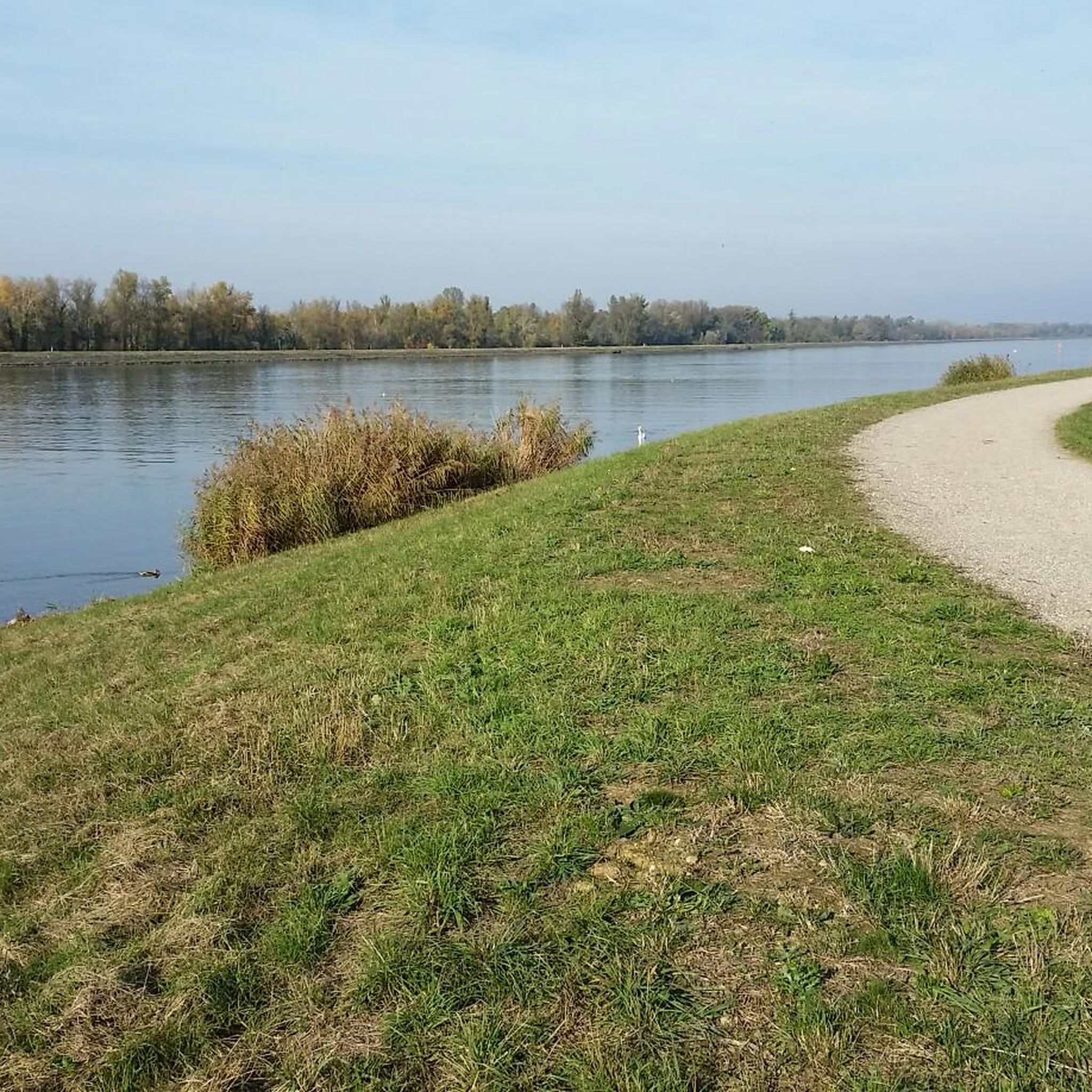
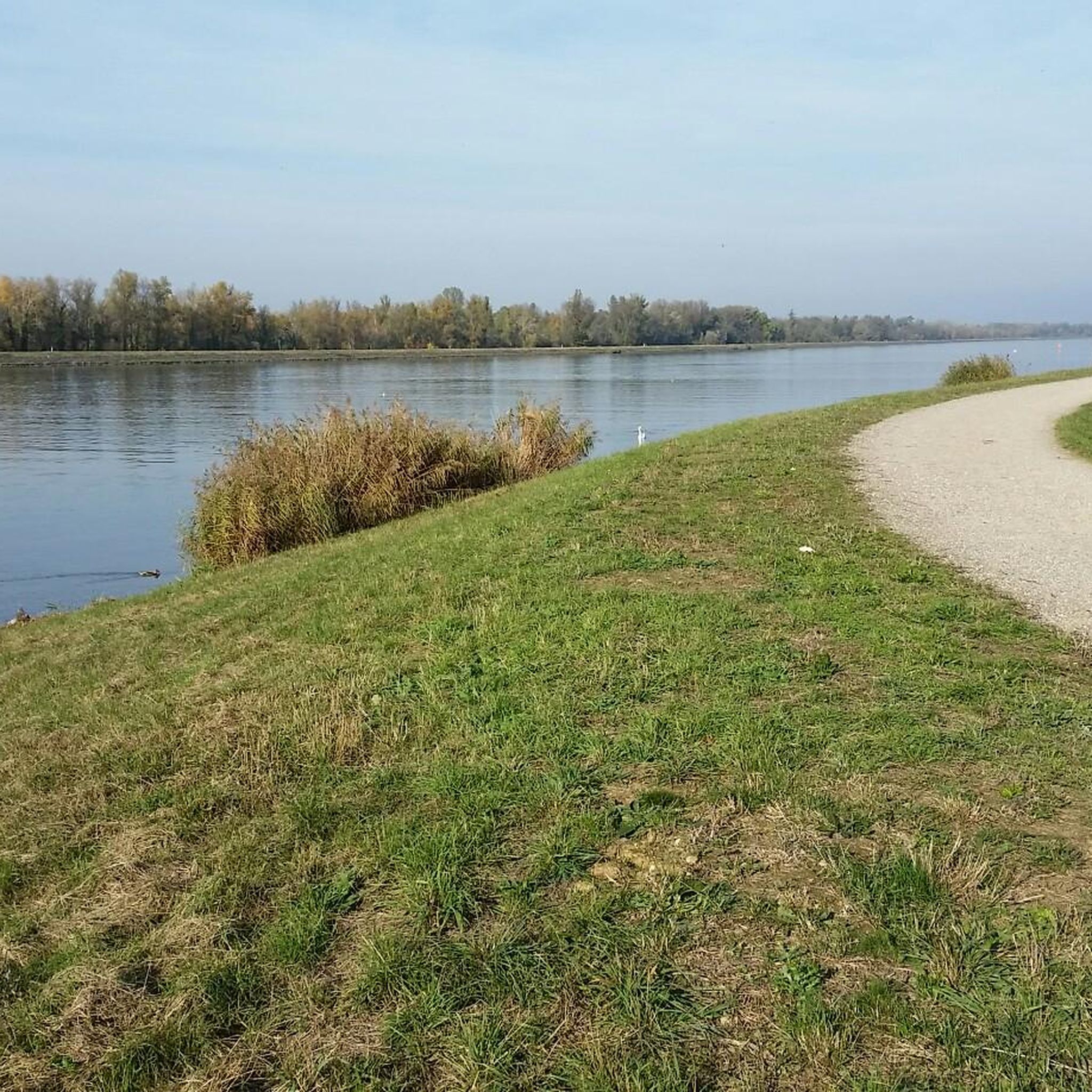
Beautiful cycle path on the Rhine dam with the best view of the water and across to France.
1
0

If you are lucky you will see fish jumping up the stairs
0
0

There are many different orchids to see along the dam. For example, the bumblebee orchid (Ophrys bombyliflora). The bumblebee orchid is characterized by its striking flower, which is reminiscent of a bumblebee. The flowers are usually yellowish or brown in color and have a furry texture, similar to the fur of a bumblebee. This resemblance serves to attract male bumblebees, as they will interpret the flower as a female bumblebee and attempt to mate. In doing so, they pick up pollen and carry it to other flowers, which leads to pollination. The bumblebee orchid is a so-called myrmecochore plant, which means that it is spread by ants. The seeds of the orchid have an oily appendage structure that is recognized by ants as a food source. The ants pick up the seeds and carry them to their nests where they can develop. This unique reproductive strategy is characteristic of many species of orchids. Ideal conditions for the bumblebee orchid can be found in the wet meadows and on the extensively cultivated meadows in Tauber Gießen. The species prefers sunny locations with nutrient-poor soil. Tauberguss offers such habitats because it is characterized by periodic flooding and extensive land use. The protection of the bumblebee orchid and other endangered plant species in Tauber Gießen is an important concern of the nature reserve. Various measures exist to promote the conservation of these species, such as wetland conservation, extensive grassland management and public awareness-raising about the protection of native flora and fauna. The bumblebee orchid is an intriguing species of orchid that is found in pigeon plants and other habitats. Their survival depends on maintaining suitable habitats and protecting their pollinators. It is therefore important to preserve the natural habitats and take measures to protect this special orchid species.
0
0

Just enjoy the peace...
0
0
Frequently Asked Questions
What are the most popular natural attractions to explore near Artolsheim?
Visitors frequently enjoy the Fish Ladder at the Taubergießen Weir, which features a significant weir with a side fish ladder. Another favorite is the Elzwiesen Nature Reserve, a large protected area along the Elz River important for preserving grassland habitats. The Forest trail along the Taubergießen is also highly regarded for its quiet, unspoiled floodplain forest.
Are there any nature reserves or protected areas near Artolsheim?
Yes, the region boasts several significant protected areas. The Elzwiesen Nature Reserve is a large 410-hectare area along the Elz River. Further afield, you can explore the Île de Rhinau, a unique island described as a 'small Alsatian Rhenish jungle,' and L'IllWald, Réserve Naturelle Régionale du Ried de Sélestat, one of France's largest regional nature reserves, known for its exceptional wetland ecosystem.
What kind of wildlife can be observed in the natural monuments around Artolsheim?
The natural monuments, especially wetland areas like the Elzwiesen Nature Reserve and L'IllWald, are crucial habitats for various birds, including migratory species and ornithological rarities. The Taubergießen area is also home to unique flora, such as the Hummel-Ragwurz Orchid, which thrives in the wet meadows.
Are there family-friendly natural monuments or trails suitable for children?
Many natural monuments around Artolsheim are suitable for families. The Fish Ladder at the Taubergießen Weir offers an interesting sight for all ages. The Forest trail along the Taubergießen provides a quiet and authentic nature experience, while the Île de Rhinau Nature Reserve offers a car-free environment ideal for exploring.
What outdoor activities can I do near these natural monuments?
The region offers diverse outdoor activities. You can enjoy road cycling on routes like the 'Altes Stadttor – Historic Centre of Sélestat loop' or 'Channel loop' from Artolsheim. For touring cyclists, options include the 'Rhône–Rhine Canal – Canal Path Near Bahlingen loop'. Mountain biking enthusiasts can explore trails such as the 'Litzelberg Chapel – Limberg Nature Reserve loop'. Find more details on these activities in the Road Cycling Routes around Artolsheim, Cycling around Artolsheim, and MTB Trails around Artolsheim guides.
What are the unique geographical features of the Artolsheim region?
Artolsheim is characterized by its proximity to the Rhine and its unique wetland ecosystems. The area features several local waterways, including the Muhlbach de Schoenau and L'Ischert. The commune also has numerous ponds and gravel pits within its forests, managed for fishing and aquatic environment protection, contributing to its distinct riverine landscape.
Are there any scenic viewpoints or panoramic spots in the natural monuments area?
While the immediate Artolsheim area is flatter due to its riverine nature, the wider region offers stunning panoramic views. The Champ du Feu, located about 31 km away, is a mountainous region known for its picturesque landscapes. Further out, Hohneck, approximately 45 km from Artolsheim, provides breathtaking vistas and a sub-alpine environment.
What do visitors particularly appreciate about the natural monuments around Artolsheim?
Visitors frequently highlight the tranquility and unspoiled nature of the area. For instance, the Forest trail along the Taubergießen is described as 'idyllic, quiet, close to paradise,' offering protection from wind and pleasant coolness in summer. The opportunity to observe diverse birdlife and unique flora in the nature reserves is also highly valued.
What is the best time to visit the natural monuments around Artolsheim?
The natural monuments around Artolsheim can be enjoyed throughout the year, but each season offers a different experience. Spring and summer are ideal for observing blooming flora, such as the Hummel-Ragwurz Orchid, and for birdwatching. Autumn brings beautiful foliage to the forest trails. Even in November, the Forest trail along the Taubergießen is described as idyllic, suggesting year-round appeal for quiet exploration.
Are there opportunities for cycling within the natural reserves?
Yes, some natural reserves offer cycling opportunities. The Elzwiesen Nature Reserve has a bike path that leads straight through it. The Île de Rhinau Nature Reserve is also popular for cycling, offering a quiet environment with no cars, though some paths may have rough surfaces. For more cycling routes, refer to the Cycling around Artolsheim guide.
What kind of natural monuments are the Muhlbach de Schoenau and L'Ischert?
The Muhlbach de Schoenau (31 km long) and L'Ischert (26 km long) are local streams that flow through the Artolsheim area. They are significant natural features contributing to the region's riverine landscape and wetland ecosystems, providing local spots for appreciating nature and aquatic life.
Most popular routes around Artolsheim
Most popular attractions around Artolsheim

Get inspired with the komoot mobile app


Explore more
Extend your search for the best caves by checking out these guides of the top ones around Artolsheim:
