Top 4 Natural Monuments around Anhiers
Best natural monuments around Anhiers are characterized by a landscape shaped by both natural wetlands and re-naturalized former mining sites. The commune, located in the Nord department of France, is surrounded by several regional nature reserves. These areas offer diverse ecosystems, including peat bogs, wet meadows, and ponds. Visitors can explore sites rich in biodiversity and observe various flora and fauna.
Best natural monuments around Anhiers
- The most popular natural monuments is Leforest slag heap, a natural monument that…
Last updated: July 2, 2026
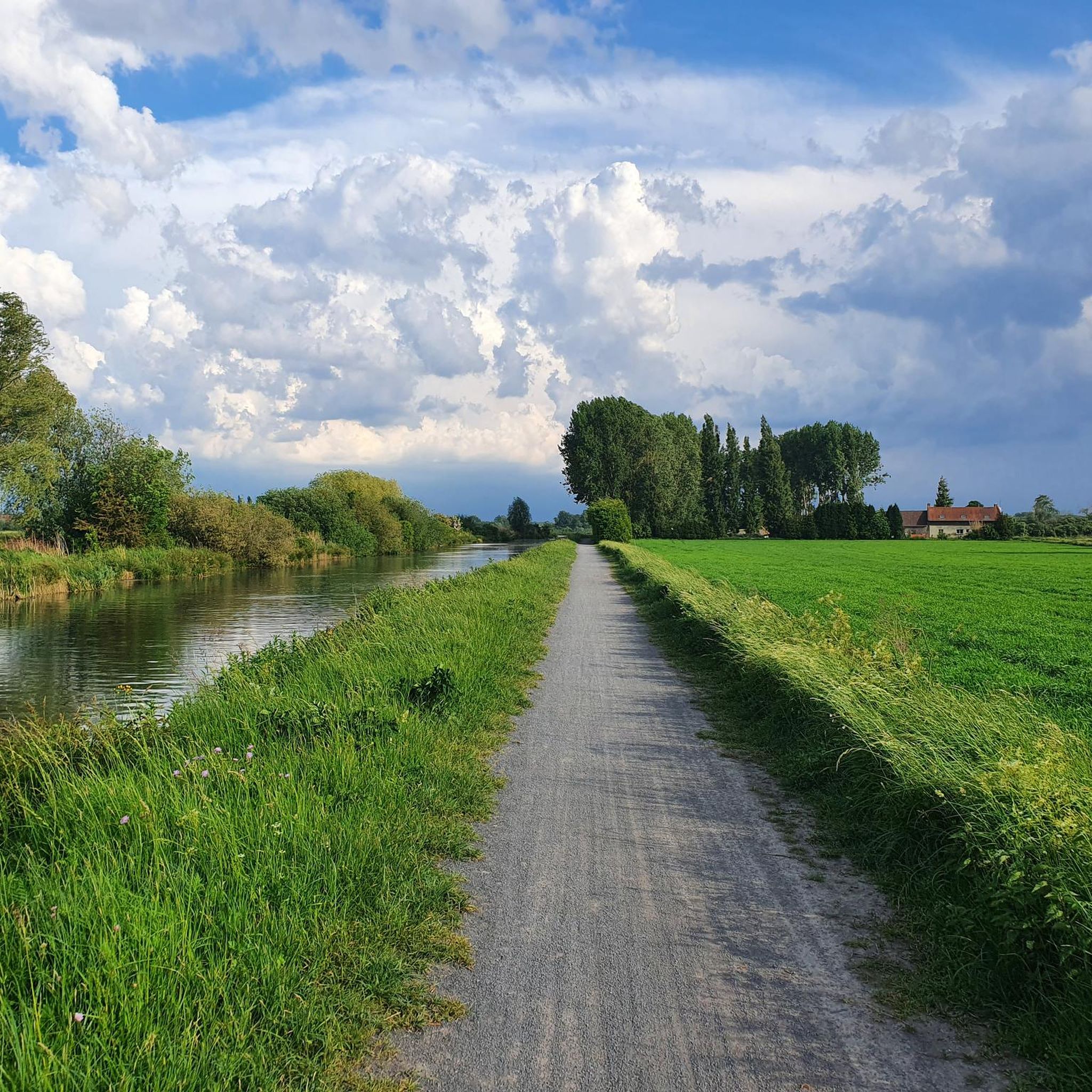
Leforest slag heap
Highlight • Natural Monument
Translated by Google •
Tip by

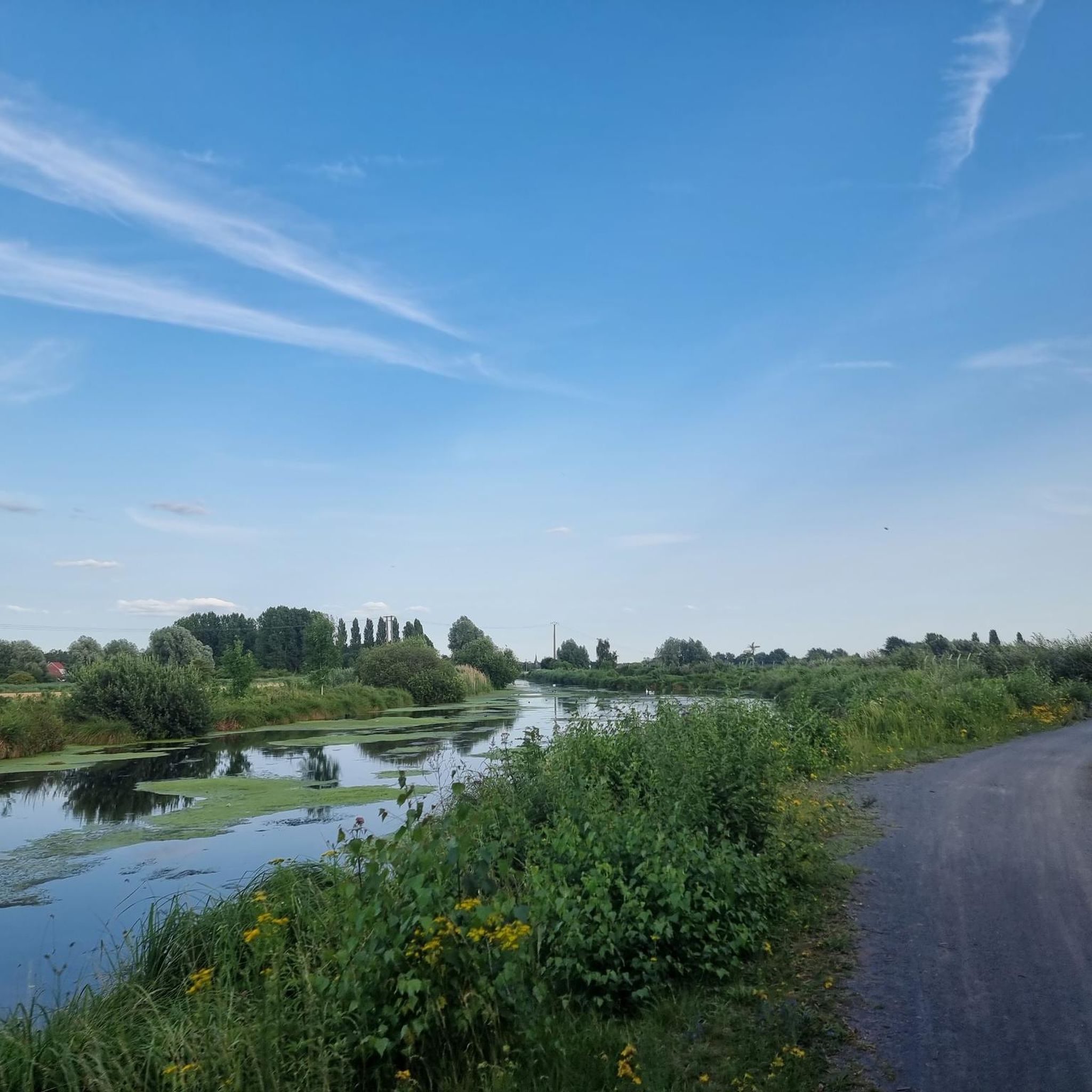
Ladder Tree
Highlight • Forest
It is easily accessible by bicycle.
Which is not the path that goes deep into the forest.
Translated by Google •
Tip by

Sign up now to discover places like this
Get recommendations on the best single tracks, peaks, & plenty of other exciting outdoor places.
Sign up for free
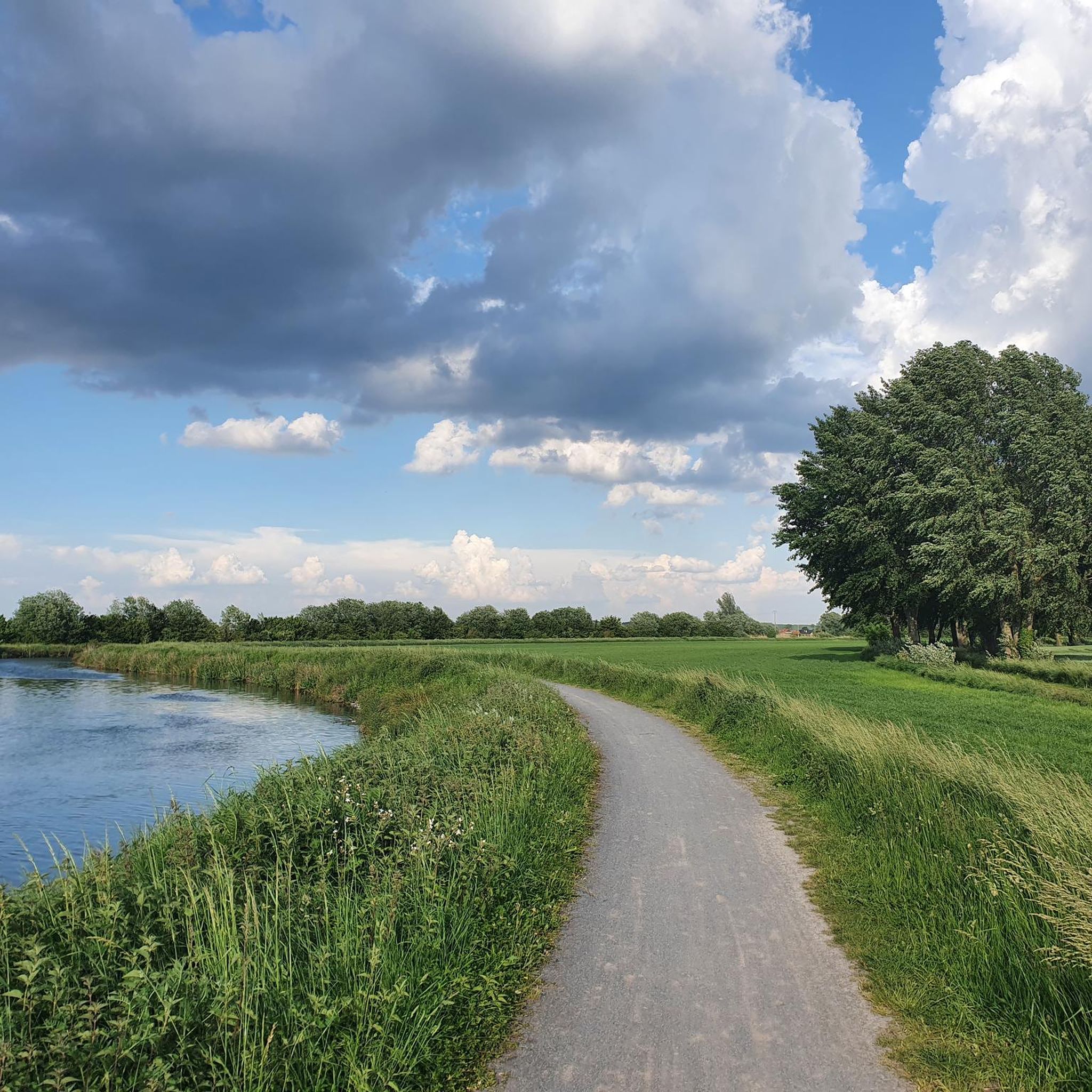
Roost-Warendin Slag Heap 138
Highlight • Natural Monument
Translated by Google •
Tip by
Terril 125 of Sainte-Marie
Highlight • Natural Monument
Translated by Google •
Tip by

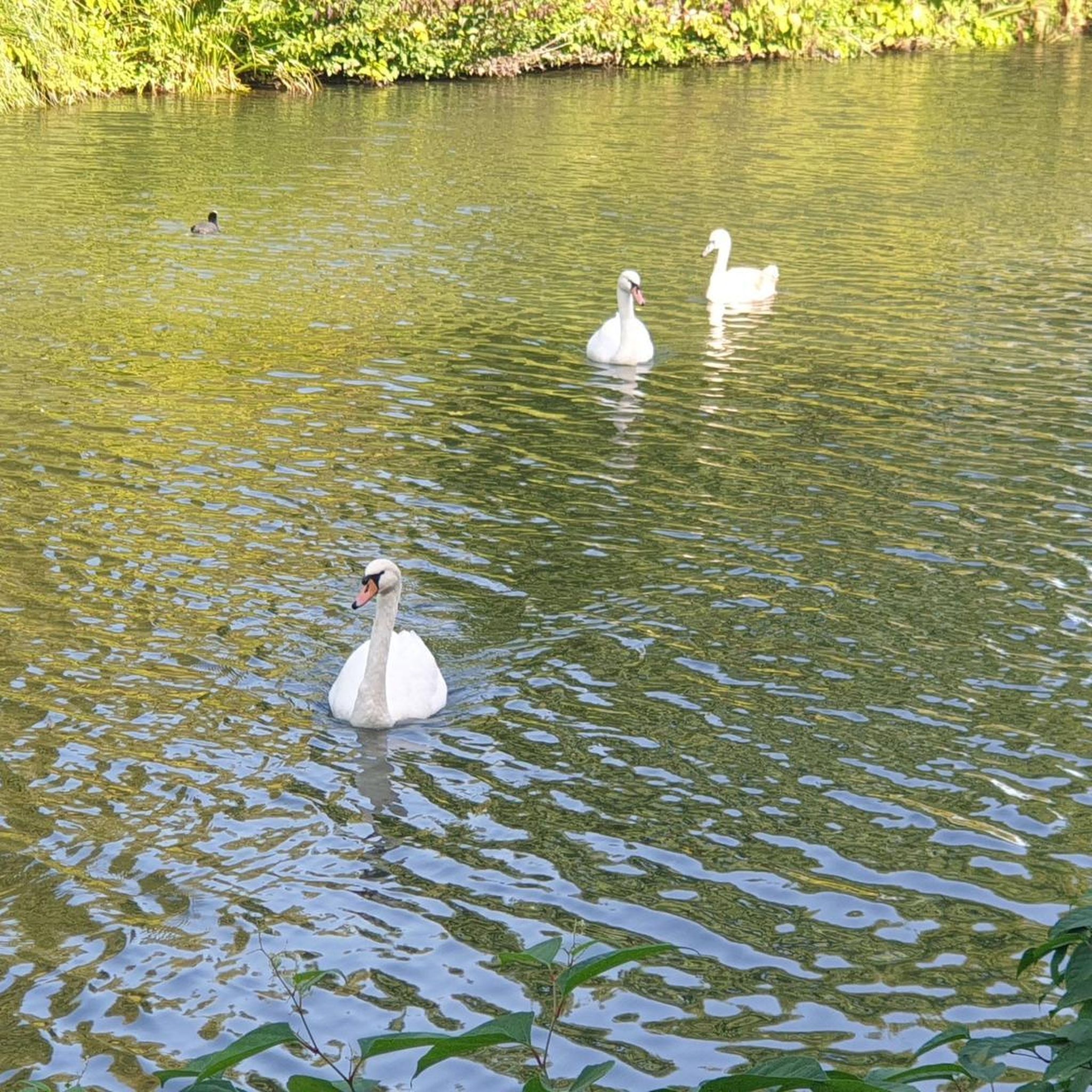
Germignies Marsh and Spoil Heap
Highlight • Natural
Translated by Google •
Tip by

Start today with a free account
Your next adventure awaits.
Login or Signup


Tips from the Community

beautiful mountain bike playground
0
0

This oak, 200 to 300 years old, would have been used by the German army during the First World War as an observation post. The panel states: "The soldiers could thus observe the artillery and enemy movements. We can still observe some of the iron bars which would have been inserted into the trunk in order to constitute a ladder. The tree having continued to grow, the majority of the bars have been absorbed by the bark."
1
0

You can enjoy this site composed of several natural and artificial ponds. It is a rich natural environment with a birch forest. There are many rare plant species and the European nightjar frequents the site during the nesting period.
2
0
You can enjoy this site composed of several natural and artificial ponds. It is a rich natural environment with a birch forest. There are many rare plant species and the European nightjar frequents the site during the nesting period.
2
0

Remarkable century-old oak, having participated in the history of the First World War. It is easily accessible by bicycle. Which is not the path that goes deep into the forest.
1
0


Mandatory and iconic stopover in the region
1
0

Nice place typical of the North. Difficult in gravel in wet weather.
0
0
Frequently Asked Questions
What are the most popular natural monuments around Anhiers?
Visitors frequently enjoy the unique blend of natural beauty and industrial heritage. Highly rated spots include the challenging climb of Leforest slag heap, the re-naturalized Terril des Argales with its ornithological reserve, and the historic Ladder Tree, a century-old oak used as an observation post during WWI.
What natural features can I expect to see near Anhiers?
The area around Anhiers is rich in diverse natural features, primarily wetlands and re-naturalized industrial sites. You can explore protected wetland areas like the Réserve Naturelle Régionale du Marais de Wagnonville, which features shallow ponds, reed beds, and a peat bog. The Réserve Naturelle Régionale de la Tourbière de Vred offers a rare alkaline peat bog ecosystem, while the Étang des Argales showcases a large pond formed from a former mining site, now a significant ornithological reserve.
Are there family-friendly natural monuments around Anhiers?
Yes, the Ladder Tree is noted as a family-friendly natural monument. Its historical significance as a WWI observation post and easy accessibility make it an interesting visit for all ages. Additionally, the Étang des Argales offers a leisure base and sandy beach in designated areas during summer, alongside hiking trails, making it suitable for families.
What kind of wildlife can I expect to see in the natural areas near Anhiers?
The regional nature reserves and re-naturalized sites are havens for wildlife. At the Réserve Naturelle Régionale du Marais de Wagnonville, you might spot over 67 bird species, various mammals, amphibians, dragonflies, and butterflies. The Réserve Naturelle Régionale de la Tourbière de Vred is home to nearly 100 bird species, 16 dragonfly species, and the moor frog. The Étang des Argales is a significant ornithological reserve, attracting around a hundred different bird species, including waterfowl, cormorants, and herons.
What outdoor activities can I do near these natural monuments?
The region offers a variety of outdoor activities. You can enjoy hiking, running, and road cycling. For instance, there are numerous hiking trails around Anhiers, including routes like 'Between Vivier and Terril' or 'Paturelles MTB trail'. Cyclists can explore road cycling routes such as the 'Argales Pond loop'. The slag heaps also provide opportunities for challenging climbs and mountain biking.
Are there hiking trails near the natural monuments around Anhiers?
Absolutely. The natural monuments are often integrated into a network of trails. For example, the Étang des Argales offers hiking trails around its re-naturalized former mining site. You can find various hiking routes around Anhiers, ranging from easy to moderate, allowing you to explore the wetlands, forests, and slag heaps.
What do visitors enjoy most about the natural monuments around Anhiers?
Visitors particularly appreciate the panoramic views from the slag heaps, such as the Leforest slag heap and Terril des Argales. The diverse ecosystems of the nature reserves, like the 'Nordic jungle' atmosphere of the Tourbière de Vred, are also highly valued for their unique flora and fauna. The successful re-naturalization of industrial sites into vibrant natural spaces is a recurring highlight.
What is the Réserve Naturelle Régionale du Marais de Wagnonville?
The Réserve Naturelle Régionale du Marais de Wagnonville is a 20-hectare protected wetland area located north of Douai, near Anhiers. It features a main shallow pond, reed beds, smaller ponds, ditches, a wet meadow, and a remarkable peat bog. It's an excellent spot for birdwatching and discovering diverse flora and fauna, including over 100 animal species and 200 plant species.
Can I visit the Réserve Naturelle Régionale de la Tourbière de Vred?
Yes, the Réserve Naturelle Régionale de la Tourbière de Vred is open to visitors. This 41-hectare reserve protects one of the last three active alkaline peat bogs in the region, offering a unique 'Nordic jungle' experience. It features wooden paths for exploration, allowing visitors to observe rare plants, a wide variety of birds, insects, and amphibians in a rich ecosystem.
Is the Étang des Argales suitable for swimming or other water activities?
The Étang des Argales, a re-naturalized former mining site, offers a leisure base and a sandy beach. Swimming is permitted in designated areas during the summer months. Beyond swimming, the site is excellent for hiking, cycling, and birdwatching, with panoramic views from the terril.
Are there any historical natural monuments in the area?
Yes, the Ladder Tree is a notable historical natural monument. This century-old oak was used as an observation post by the German army during the First World War, with iron bars inserted into its trunk to form a ladder. It's easily accessible and offers a glimpse into the region's past.
What is the Roost-Warendin Slag Heap 138 like for visitors?
The Roost-Warendin Slag Heap 138 is a smaller, less known slag heap compared to others, but it offers a unique experience. It features numerous small single tracks forming a labyrinth among birch trees, with some very narrow passages. It's a great spot for mountain biking and offers a steep climb for those seeking a challenge.
Most popular routes around Anhiers
Most popular attractions around Anhiers

Get inspired with the komoot mobile app


Explore more
Extend your search for the best caves by checking out these guides of the top ones around Anhiers:
