Top 20 Natural Monuments around Palamós
Best natural monuments around Palamós showcase a diverse landscape, from its Mediterranean coastline to inland mountain ranges on Spain's Costa Brava. The region features numerous coves, beaches, and significant geological formations. This area is characterized by its unique biodiversity and historical elements, offering a blend of natural beauty and ancient heritage. These natural landmarks provide opportunities to explore coastal features, underwater canyons, and forested hills.
Best natural monuments around Palamós
- The most popular natural monument is Cap Roig Cove, a beach that takes its name from a reddish rock formation. This natural area is known for its distinctive reddish tones, making it an ideal location for snorkeling.
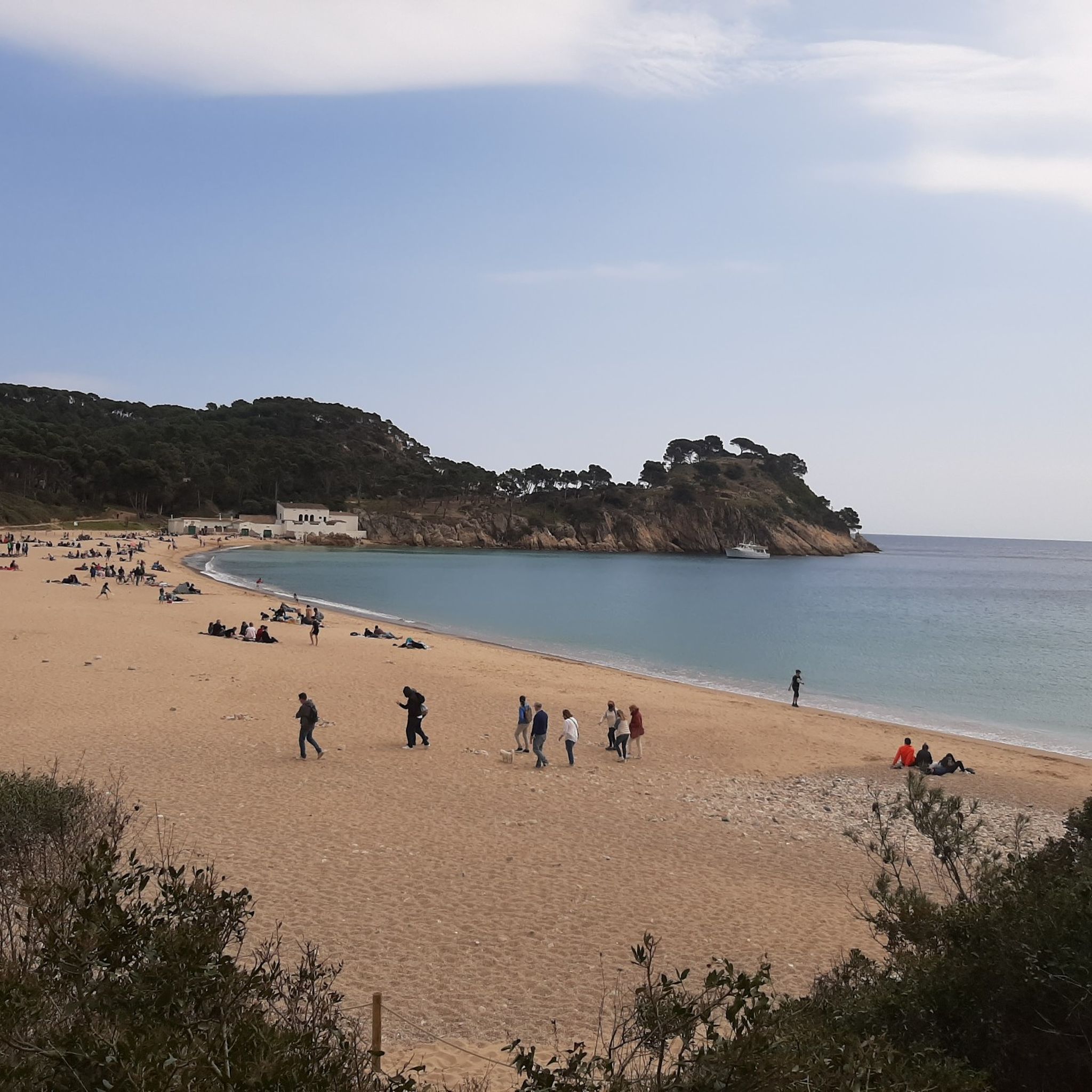
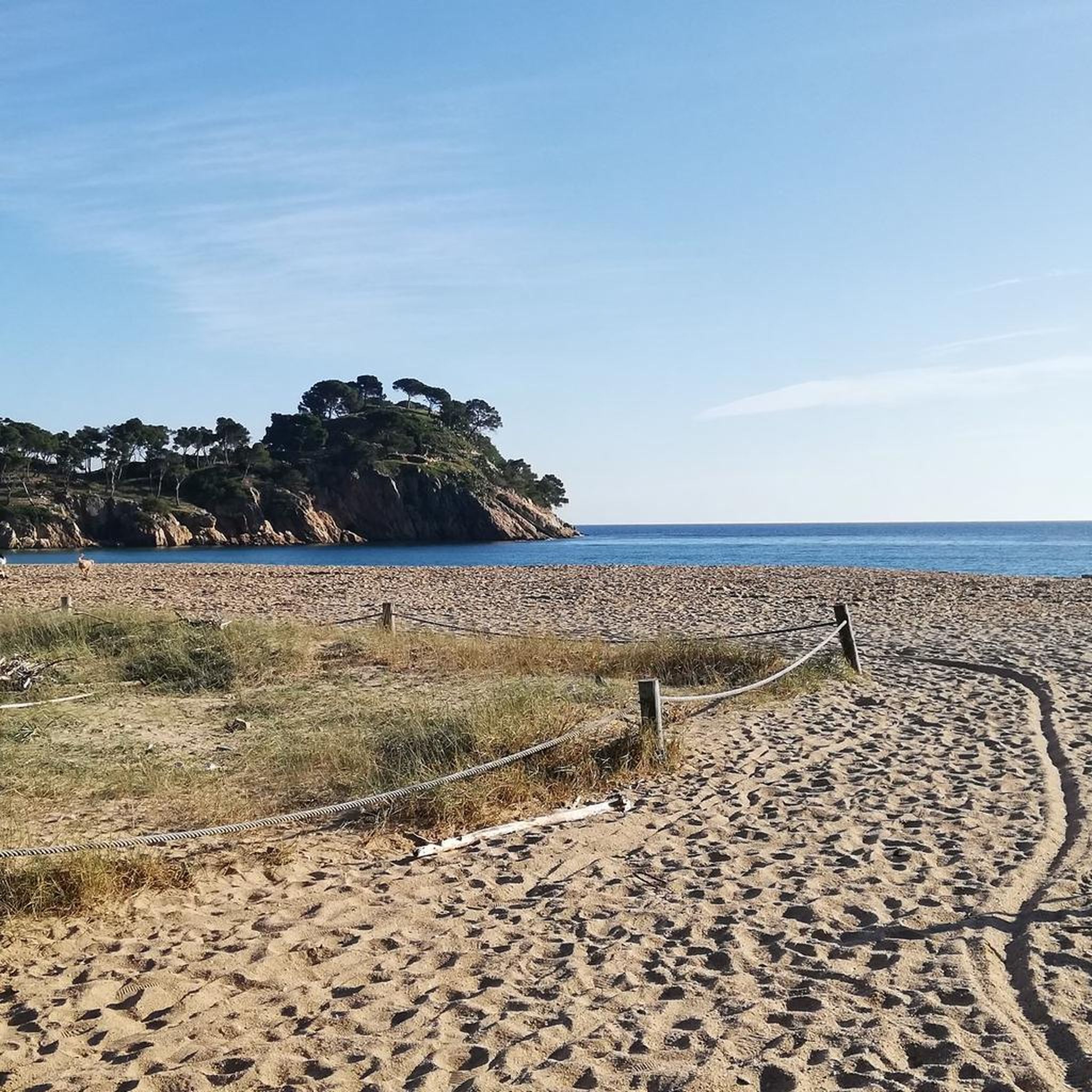
- Another must-see spot is Platja del Castell, a beach of fine sand approximately 300 meters long. Its name derives from the nearby Iberian town, and visitors can explore the remains of this ancient settlement.
- Visitors also love Dolmen of the Cova d'en Daina, a well-preserved megalithic monument. This ancient tomb, dating from the late Neolithic or Chalcolithic period, provides insight into prehistoric communities.
- Palamós is known for its diverse natural monuments, including coastal coves, beaches, and ancient historical sites. The region offers a variety of natural monuments to see and explore, from marine features to inland geological formations and historical structures.
- The natural monuments around Palamós are appreciated by the komoot community, with 9 highlights receiving 68 upvotes and featuring 7 photos.
Last updated: July 1, 2026
Castell Beach
Highlight • Beach
Translated by Google •
Tip by

The Dark Rock of La Fosca Beach
Highlight • Natural Monument
Legend has it that the Greek goddess Pyrene came to this beach fleeing Geryon, the three-headed monster who sought her and who, being rejected by the beautiful goddess, burned the forests of the Pyrenees and murdered her father.
Pyrene fled and looked for a place to hide, visited many beautiful corners of the Catalan coast, the beautiful beaches of the Gulf of Roses, the wonderful beach of Aiguablava de Begur, but finally chose this place, where he settled with his servants. Here he ordered his palace to be built, very close to the tip of Sant Esteve de Palamós, between the sea and the land, a place where he hoped that his beloved Heracles would know how to find it.
The beautiful palace had lush gardens with abundant fountains and ponds which, combined with the fantastic situations of the beach, with fine and golden sand, blue backgrounds and pleasant waters, became their little paradise. Here he enjoyed the moonlight walks and baths, dinners and lunches under the olive trees and its wonderful surroundings.
Nearby was a castle, the lord of which, on discovering the beauty and sweetness of Pyrene, satisfied her with gifts and supplications to conquer it. But after the goddess's continued rejection, one night she went mad and ordered the palace to be burned and her life ended.
The palace was reduced to ashes and the stones of the ruins, they were disappearing after centuries and centuries of erosion by the sea and the winds, but it was a stubborn and hard rock, blackened by the fire of the fire, that went resisted all the inclement weather and endured as a witness to that terrible night.
Even today we can see it in the same place, it is the dark (black) rock that gives its name to the beach, La Fosca.
Translated by Google •
Tip by
Sign up now to discover places like this
Get recommendations on the best single tracks, peaks, & plenty of other exciting outdoor places.
Sign up for free
Dolmen of the Cova d'en Daina
Highlight • Historical Site
Translated by Google •
Tip by

El Morro del Vedell
Highlight • Natural Monument
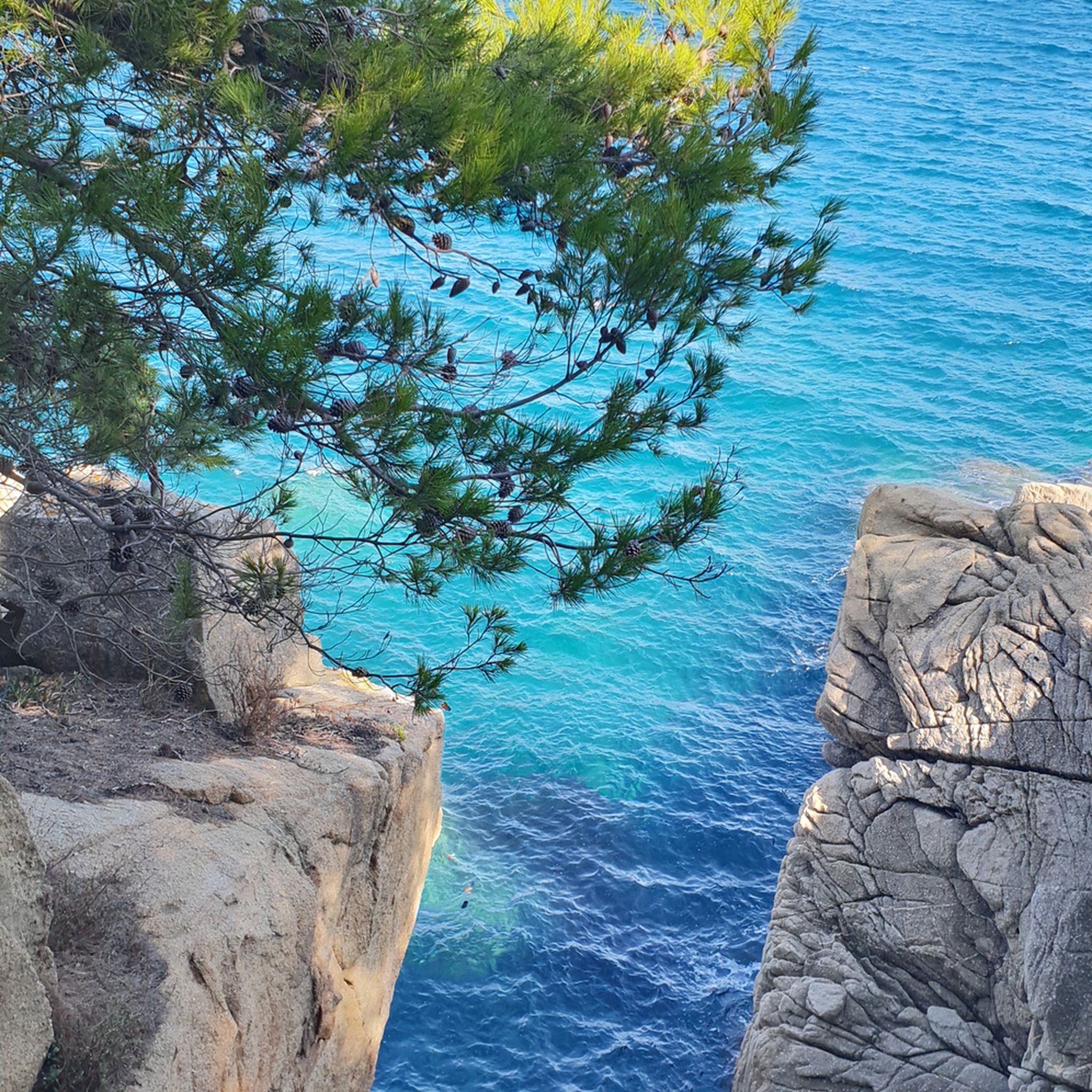
A narrow passage between the rock and the cliff allows you to pass from one to the other, but you have to pay attention because there is a risk of falling stones.
Translated by Google •
Tip by
Cap Roig Cove
Highlight • Beach
Translated by Google •
Tip by

Sign up for free to discover even more natural monuments around Palamós.
Sign up for free
Already have an account?
Start today with a free account
Your next adventure awaits.
Login or Signup
Popular around Palamós
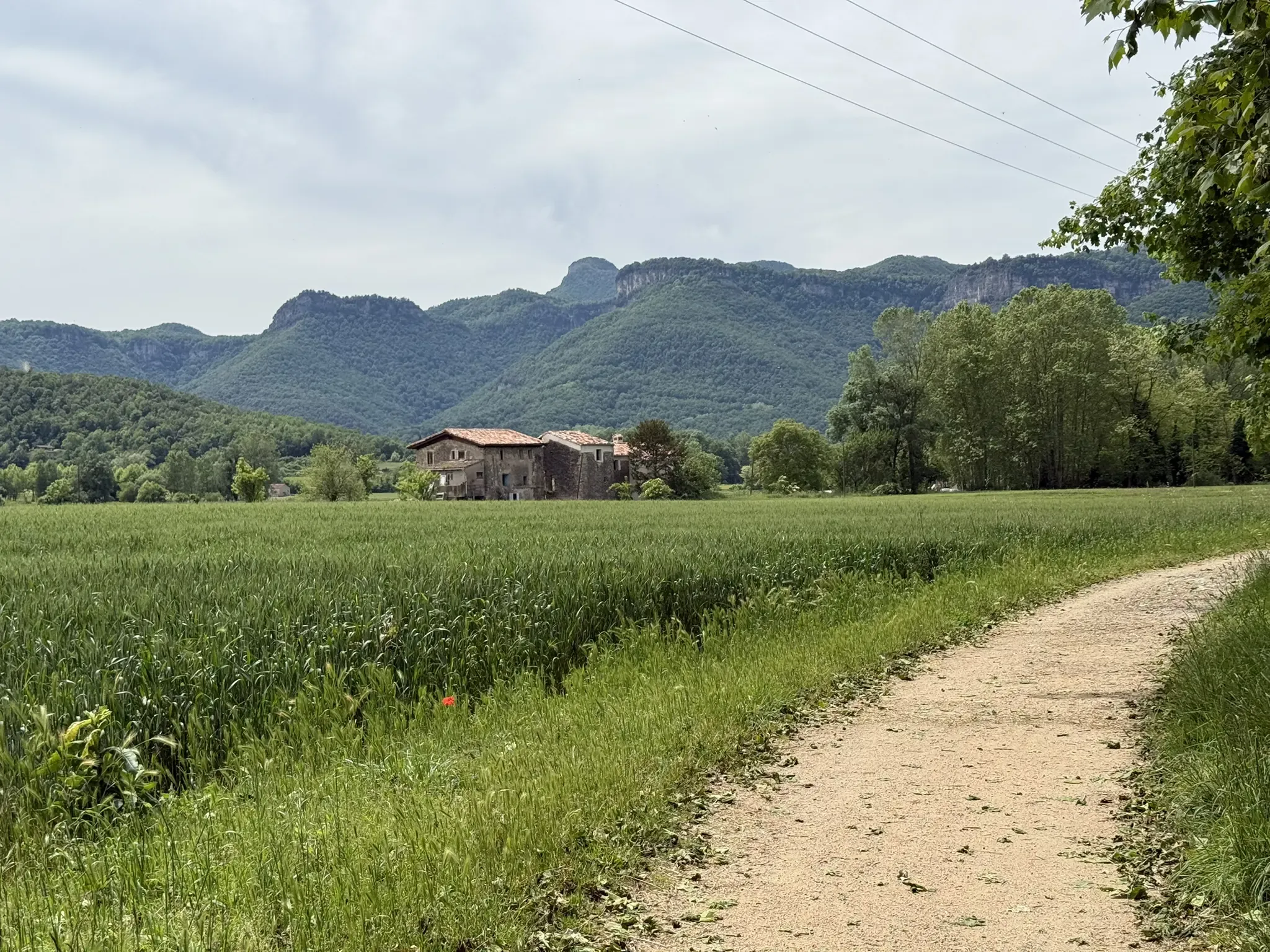
Pirinexus – Pyrenees and Costa Brava bikepacking
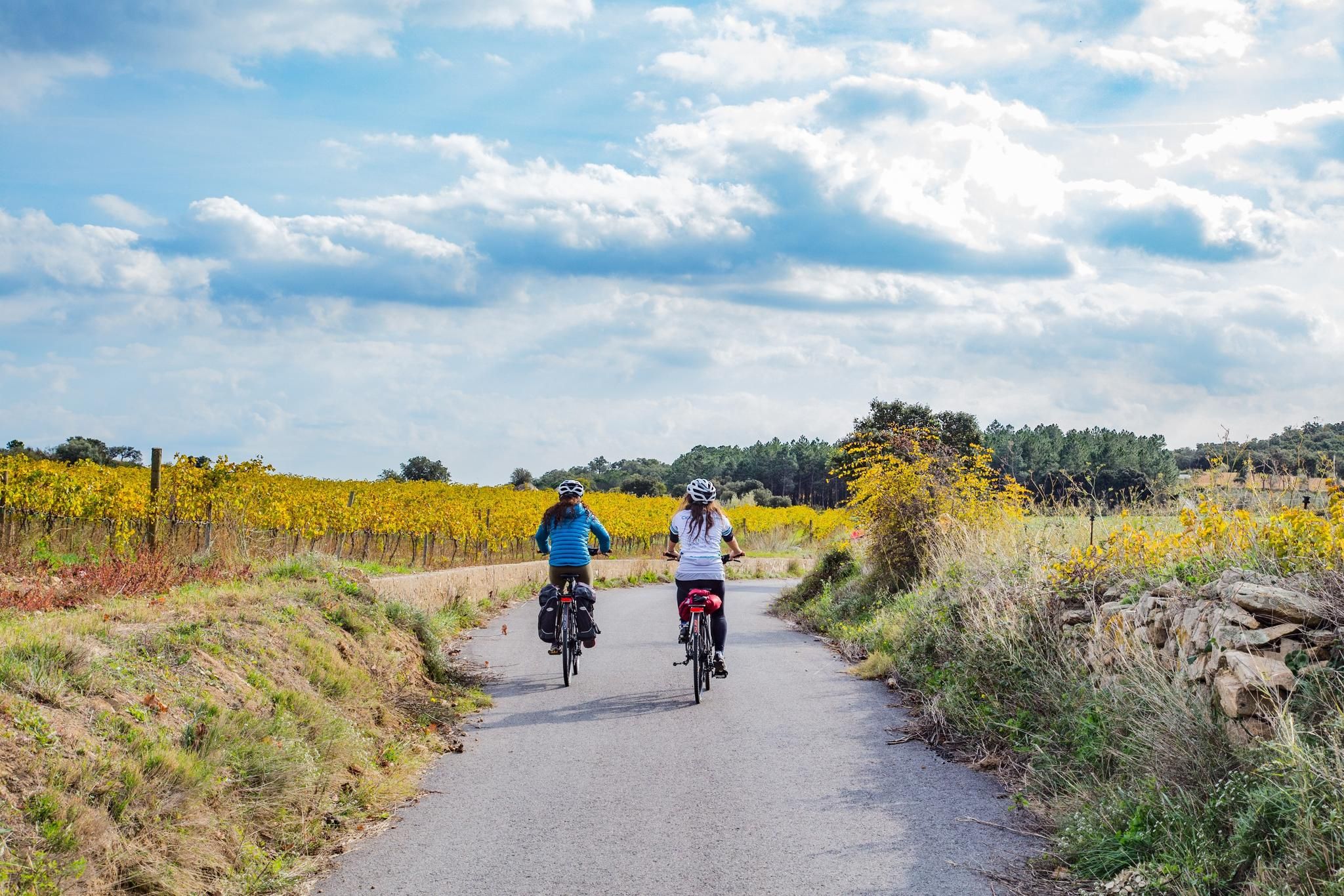
A journey from the Pyrenees to the Costa Brava – Pirinexus Route
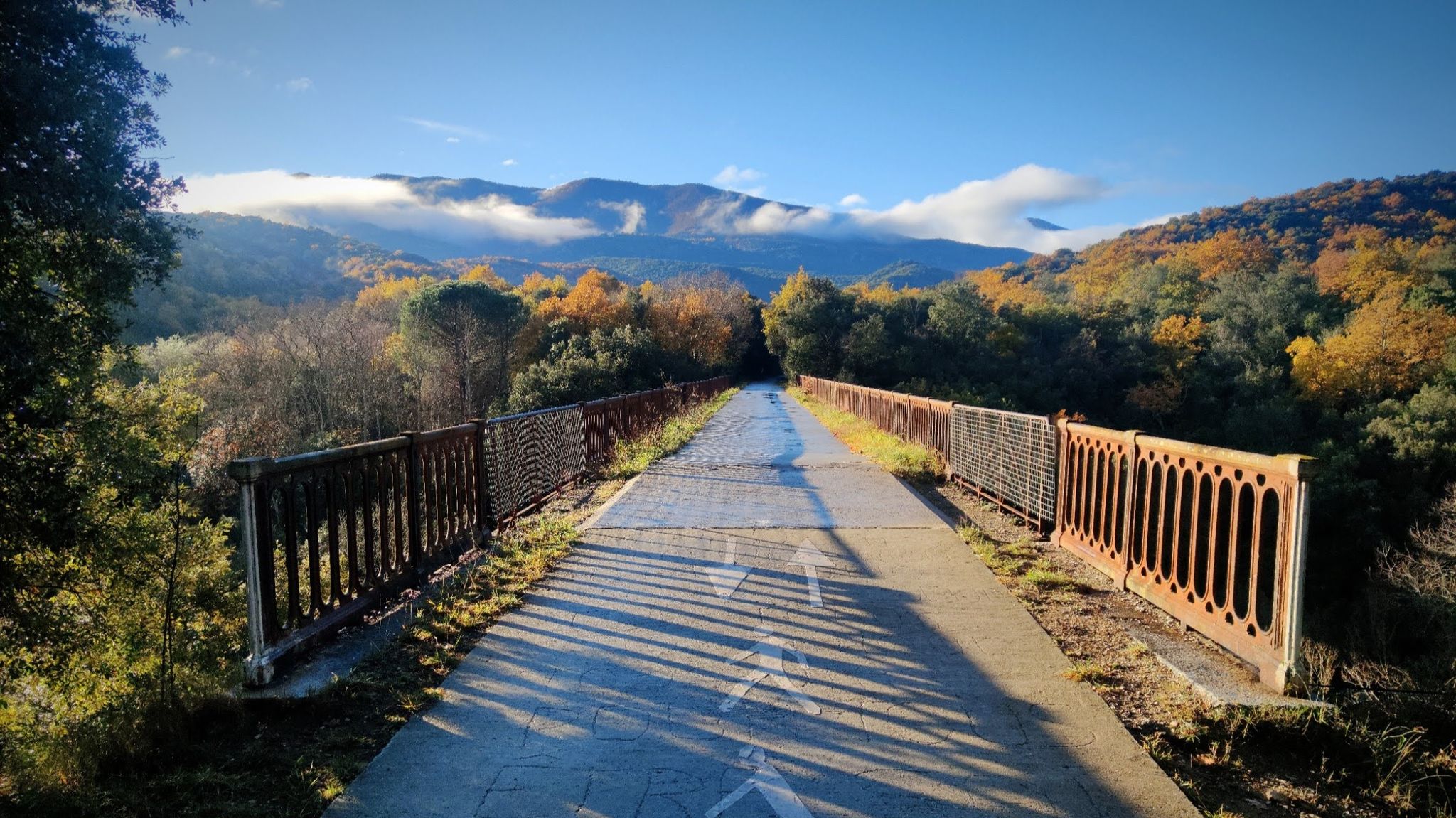
Landscapes and monuments of the Empordà plain by bike -- Pirinexus
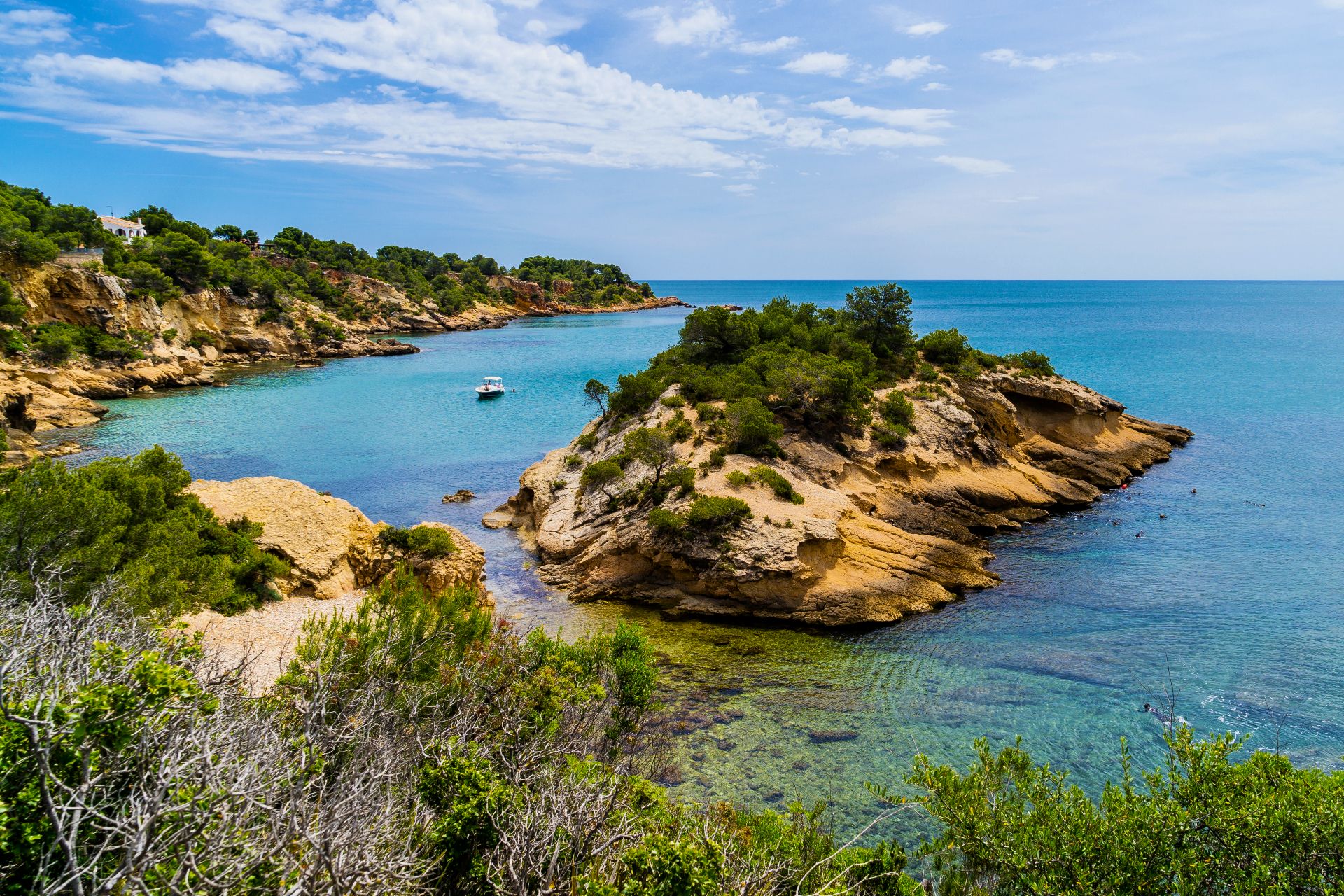
The Catalan coast on foot – Mediterranean Path (GR 92)
Costa Brava on foot from Girona – Camí de Ronda
Road Cycling Routes around Palamós
Running Trails around Palamós
Hiking around Palamós
Cycling around Palamós
MTB Trails around Palamós
Other adventures around Palamós


Tips from the Community

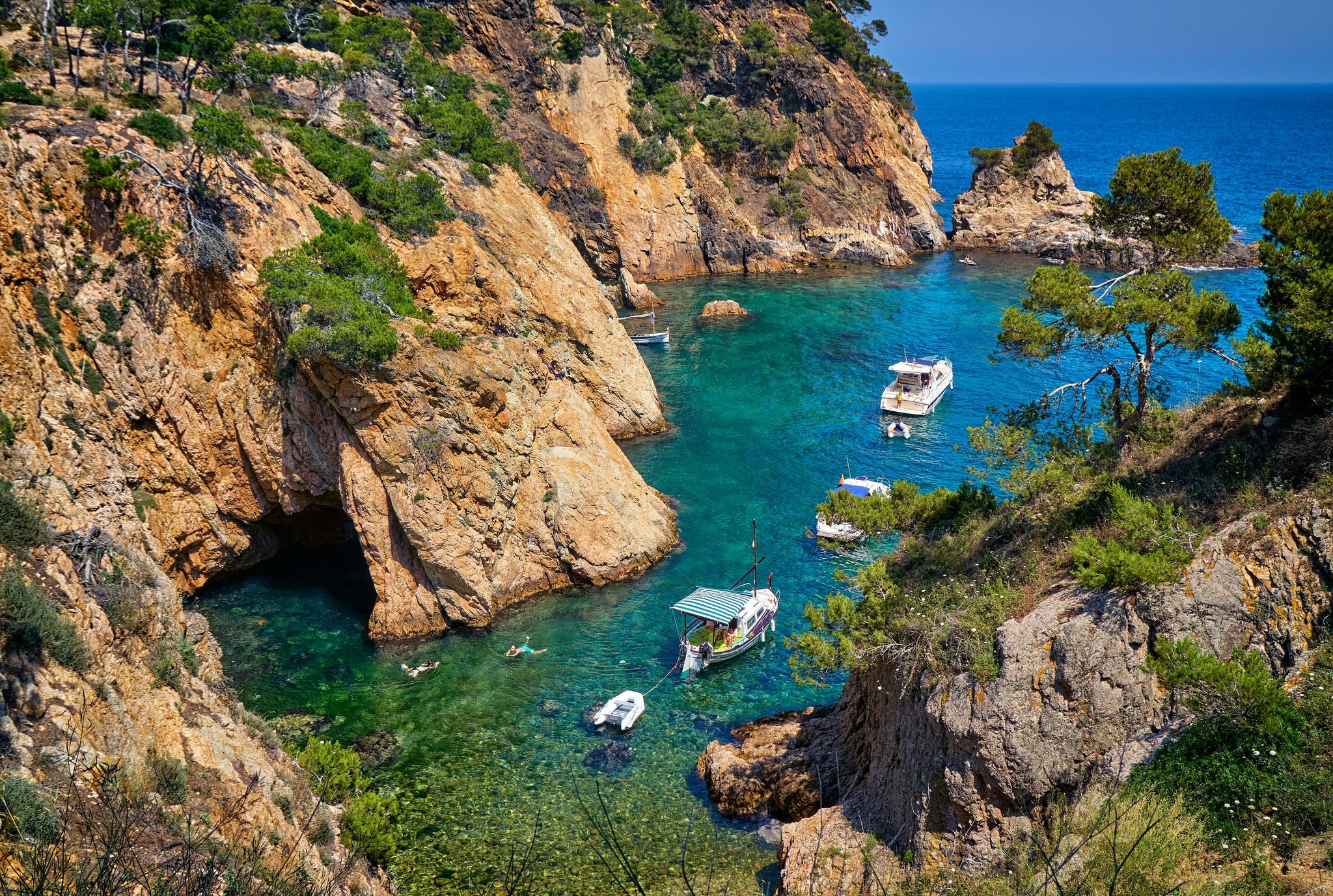
Cala Cap Roig is a beautiful natural area that takes its name from the reddish rock formation that divides the beach in two.
7
0

The dolmen has the shape of a rectangular burial chamber, composed of large vertical stone slabs (orthostats) that support a horizontal upper slab (cover). It is surrounded by a tumulus, an accumulation of earth and stones that originally covered the entire structure, giving it the appearance of a small hill. It is approximately 7.5 metres long, with an inner chamber of 2 metres. Its entrance faces southeast, probably for astronomical or ritual reasons. It was used as a collective tomb, where the ancient inhabitants deposited the remains of the deceased along with offerings, tools, pottery and other funerary objects.
3
0
It was first documented in the 19th century, when the first archaeological investigations in the area began. The objects found in the dolmen, such as pottery and flint tools, have helped to understand the funerary and social customs of its builders. Legends related to witches and magic rituals circulate around the dolmen, common in the popular stories of the area. Like many dolmens, its orientation could be related to the position of the sun during the solstices, which reinforces its symbolic and spiritual importance.
3
0
It is one of the best preserved megalithic monuments in the region. This dolmen, built during the late Neolithic or Chalcolithic period (around 2,700-2,200 BC), is an impressive testimony to the funerary and spiritual practices of the prehistoric communities that inhabited this area.
4
0

There are also dolmens in Spain!
0
0

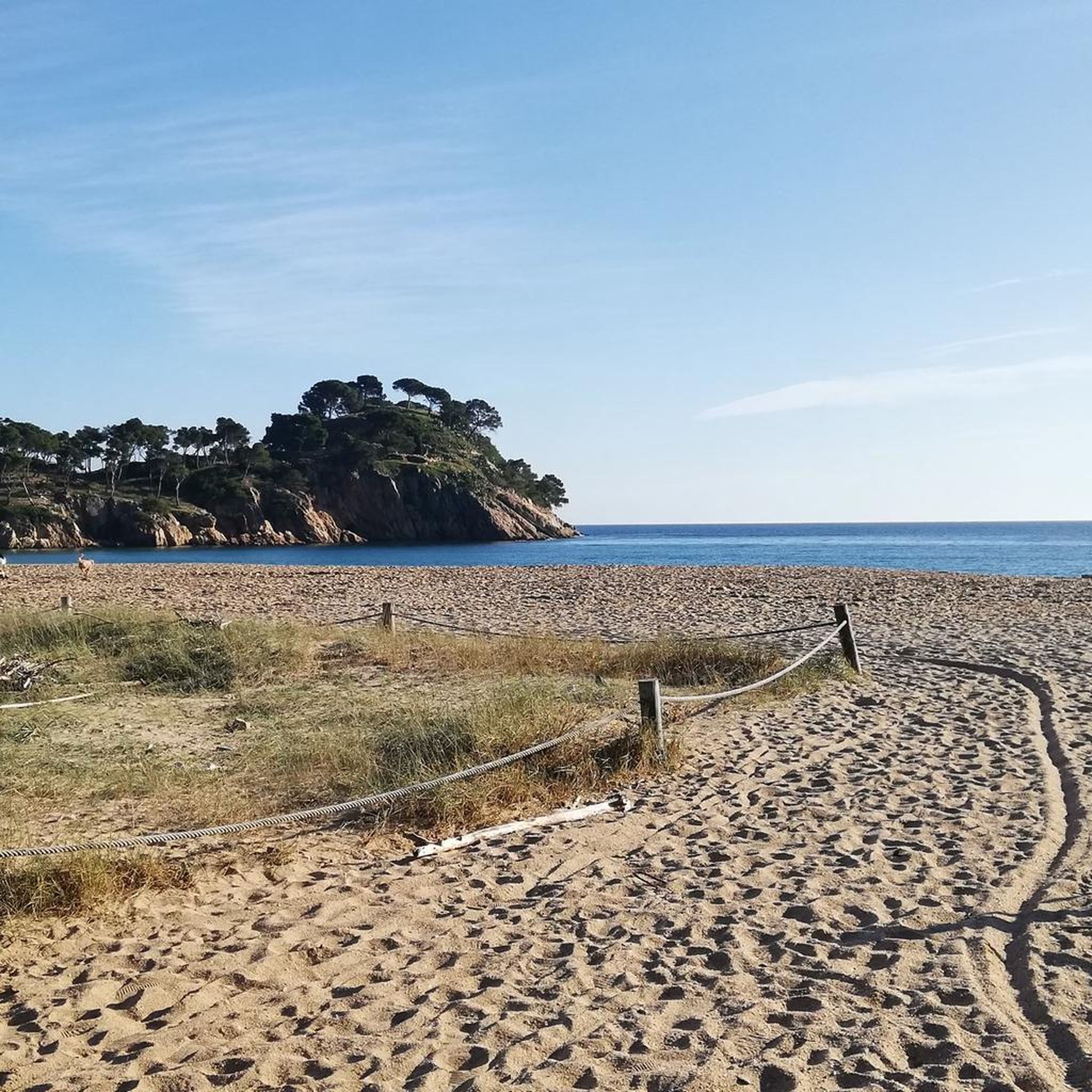
This branch takes you to Castell beach, one of the few virgin beaches on the Costa Brava, surrounded by pine trees and dunes. A spectacular place, worth visiting.
0
0

Impressive dolmen that is located a few meters from the center of Romanyà de la Selva and that makes us imagine the first hominids living in this maritime area of the Gavarres.
1
0

Costa Brava beach whose name comes from the islet of Cap Roig that separates the beach into two coves. The rock formation has very characteristic reddish tones, basically due to the feldspar crystals that make up a large part of it. It is an ideal location for snorkeling.
3
1
Frequently Asked Questions
What natural features can I explore around Palamós?
Palamós offers a diverse range of natural features, from its stunning Mediterranean coastline to inland mountain ranges. You can discover unique rock formations like the reddish tones of Cap Roig Cove, expansive sandy beaches such as Platja del Castell, and the distinctive The Dark Rock of La Fosca Beach. Inland, the Gavarres Massif provides cork and holm oak forests with numerous trails.
Are there historical or archaeological natural monuments in the area?
Yes, Palamós blends natural beauty with ancient heritage. A notable example is the Dolmen of the Cova d'en Daina, a well-preserved megalithic monument dating from the late Neolithic or Chalcolithic period. Additionally, Platja del Castell is known for significant Iberian archaeological remains nearby, adding a historical dimension to its natural appeal.
Which natural monuments are suitable for families?
Several natural monuments around Palamós are family-friendly. The Dark Rock of La Fosca Beach and Cap Roig Cove are both excellent choices, offering beautiful beaches and opportunities for gentle exploration. Platja del Castell is also a great option, with fine sand and space for children to play, plus kayak rentals for water activities.
Can I find good viewpoints among the natural monuments?
Absolutely. The region is dotted with natural viewpoints offering spectacular vistas. Puig d'Arques, a mountain in the Gavarres massif, features a wooden viewpoint at its summit where you can see panoramic views of Les Gavarres, La Costa Brava, Gironès, and l'Empordà. Many coastal coves and cliffs, such as those along the Castell – Cap Roig Natural Interest Area, also provide dramatic sea views.
What kind of outdoor activities can I do near these natural monuments?
The natural monuments around Palamós are perfect starting points for various outdoor activities. You can enjoy cycling on routes like the 'Palamós Main Beach – Port of Palamós loop' or 'View of Cap Roig – Palamós–Palafrugell Greenway loop' found in the Cycling around Palamós guide. For gravel biking, explore routes such as 'La Fosca Beach – Castell Beach loop' from the Gravel biking around Palamós guide.
Are there hiking trails near the natural monuments?
Yes, Palamós offers numerous hiking opportunities. You can explore coastal paths like the 'Cala Estreta from Cala de la Fosca - Camino de Ronda on the Costa Brava' or the 'S'Alguer Cove – Castell Beach loop'. These and many other trails are detailed in the Hiking around Palamós guide, allowing you to discover hidden coves and dramatic cliff views.
What is the Gavarres Massif, and what can I do there?
The Gavarres Massif is a mountain range located north of Palamós, designated as a Natural Interest Area. It's characterized by its dense cork and holm oak forests, offering a network of trails ideal for hiking or cycling. Visitors can enjoy the tranquility of nature, discover natural viewpoints, and experience a different landscape from the coastal areas.
Where can I experience the unique coastal beauty of Palamós?
Palamós's coastline is a major draw. Beyond the well-known beaches, explore picturesque spots like Cala S'Alguer, often described as untouched by time with traditional fishermen's houses. The Castell – Cap Roig Natural Interest Area also features an attractive coastal stretch, including parts of the renowned Camí de Ronda, celebrated for its wild nature and unique rock formations shaped by centuries of sea and wind erosion.
Are there opportunities for wild swimming or snorkeling?
The transparent waters of Palamós's coastline and coves are perfect for wild swimming and snorkeling. Cap Roig Cove, with its distinctive reddish rock formations, is highlighted as an ideal location for snorkeling. Many other hidden coves along the coast also offer opportunities to explore vibrant marine life and spectacular underwater rock formations.
What makes the coastline of Palamós unique?
The coastline of Palamós is unique due to its blend of natural beauty and historical elements. It features wide beaches and hidden coves with crystal-clear waters, dramatic cliffs shaped by erosion, and traditional buildings that tell the story of the municipality's maritime history. The presence of significant Iberian archaeological remains near beaches like Platja del Castell further adds to its distinct character.
Is there a natural monument with a unique story or legend?
Yes, The Dark Rock of La Fosca Beach has a fascinating legend. It's said that the beach owes its name to a large black rock, which is believed to be the stubborn remnant of a palace burned down after the Greek goddess Pyrene, fleeing Geryon, settled there. The rock resisted all inclement weather, standing as a witness to that terrible night, giving the beach its name, 'La Fosca' (the dark one).
What is the best time of year to visit the natural monuments in Palamós?
The natural monuments around Palamós are enjoyable throughout much of the year. Spring and early autumn offer pleasant temperatures for hiking and exploring the coastal paths and inland forests. Summer is ideal for water activities like swimming and snorkeling in the coves, though it can be busier. The mild Mediterranean climate generally allows for outdoor activities even in winter, albeit with cooler temperatures.
Most popular routes around Palamós
Most popular attractions around Palamós

Get inspired with the komoot mobile app


Explore more
Extend your search for the best caves by checking out these guides of the top ones around Palamós:
