Cruïlles, Monells I Sant Sadurní De L'Heura
Cruïlles, Monells I Sant Sadurní De L'Heura
Top 20 Natural Monuments around Cruïlles, Monells I Sant Sadurní De L'Heura
Best natural monuments around Cruïlles, Monells I Sant Sadurní De L'Heura are primarily defined by the Les Gavarres Massif, an extensive low mountain range in the Baix Empordà region. This area features dense forests of cork oak and maritime pine, along with ancient granite formations and elevations between 300 and 530 meters. The landscape also holds significant cultural history, including over 40 megalithic burial sites. Visitors can explore a diverse natural and historical environment, with many popular hiking trails.
Best…
Last updated: July 15, 2026
Castell Beach
Highlight • Beach
Translated by Google •
Tip by

The Dark Rock of La Fosca Beach
Highlight • Natural Monument
Translated by Google •
Tip by
Sign up now to discover places like this
Get recommendations on the best single tracks, peaks, & plenty of other exciting outdoor places.
Sign up for free
Dolmen of the Cova d'en Daina
Highlight • Historical Site
Translated by Google •
Tip by

El Morro del Vedell
Highlight • Natural Monument
A narrow passage between the rock and the cliff allows you to pass …
Translated by Google •
Tip by
Castell de Palagret
Highlight • Castle
Translated by Google •
Tip by

Sign up for free to discover even more natural monuments around Cruïlles, Monells I Sant Sadurní De L'Heura.
Sign up for free
Already have an account?
Start today with a free account
Your next adventure awaits.
Login or Signup
Popular around Cruïlles, Monells I Sant Sadurní De L'Heura
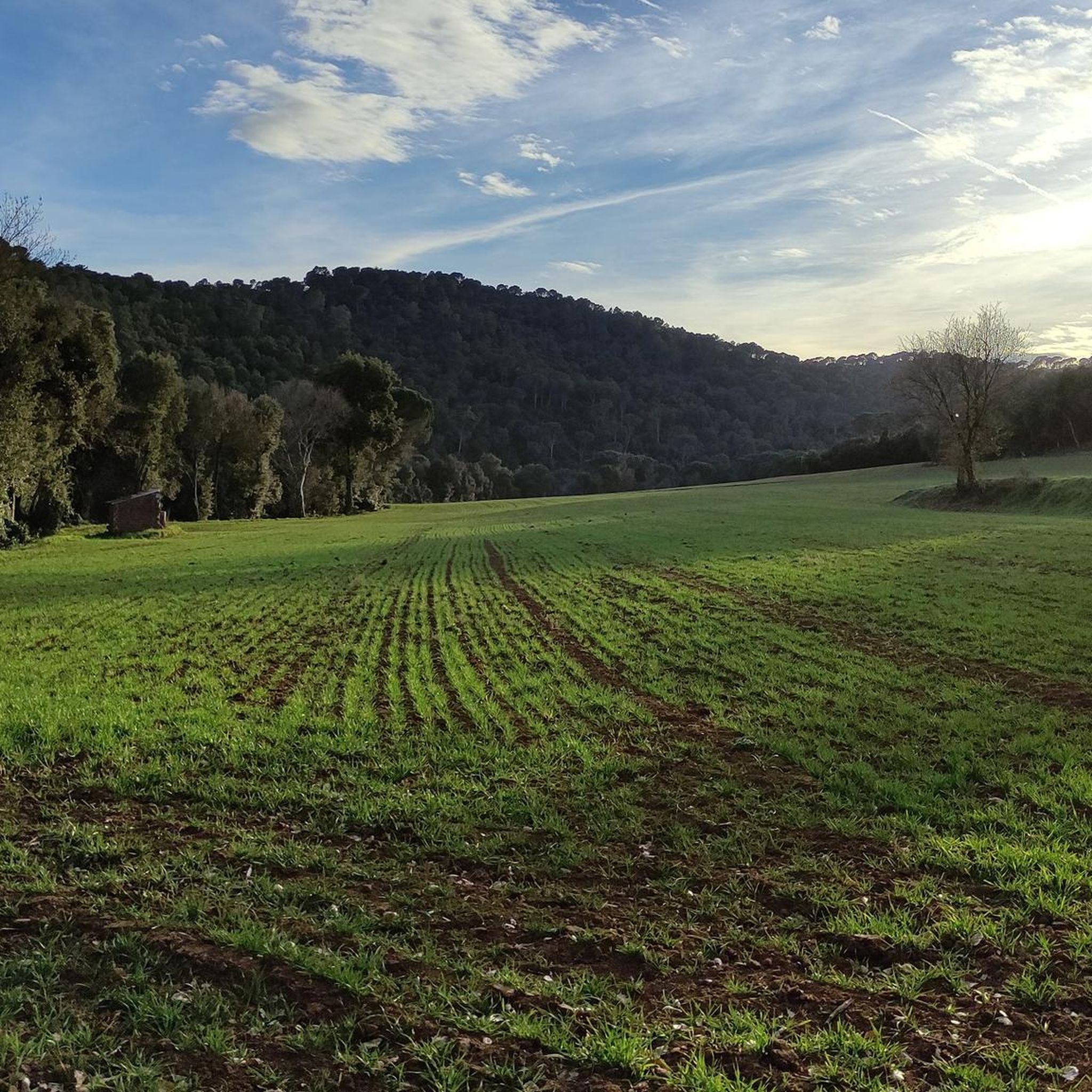
Cycling around Cruïlles, Monells I Sant Sadurní De L'Heura
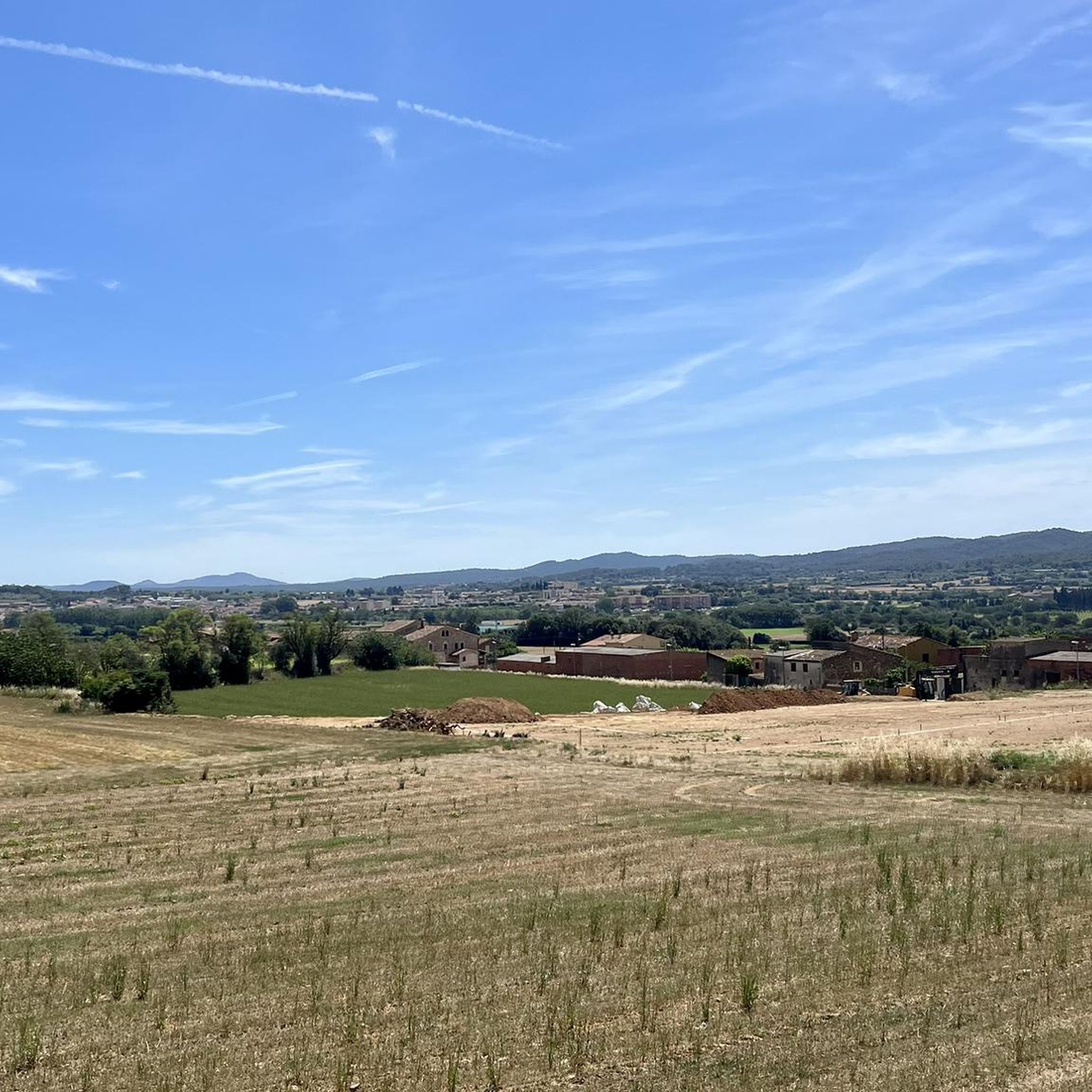
Road Cycling Routes around Cruïlles, Monells I Sant Sadurní De L'Heura
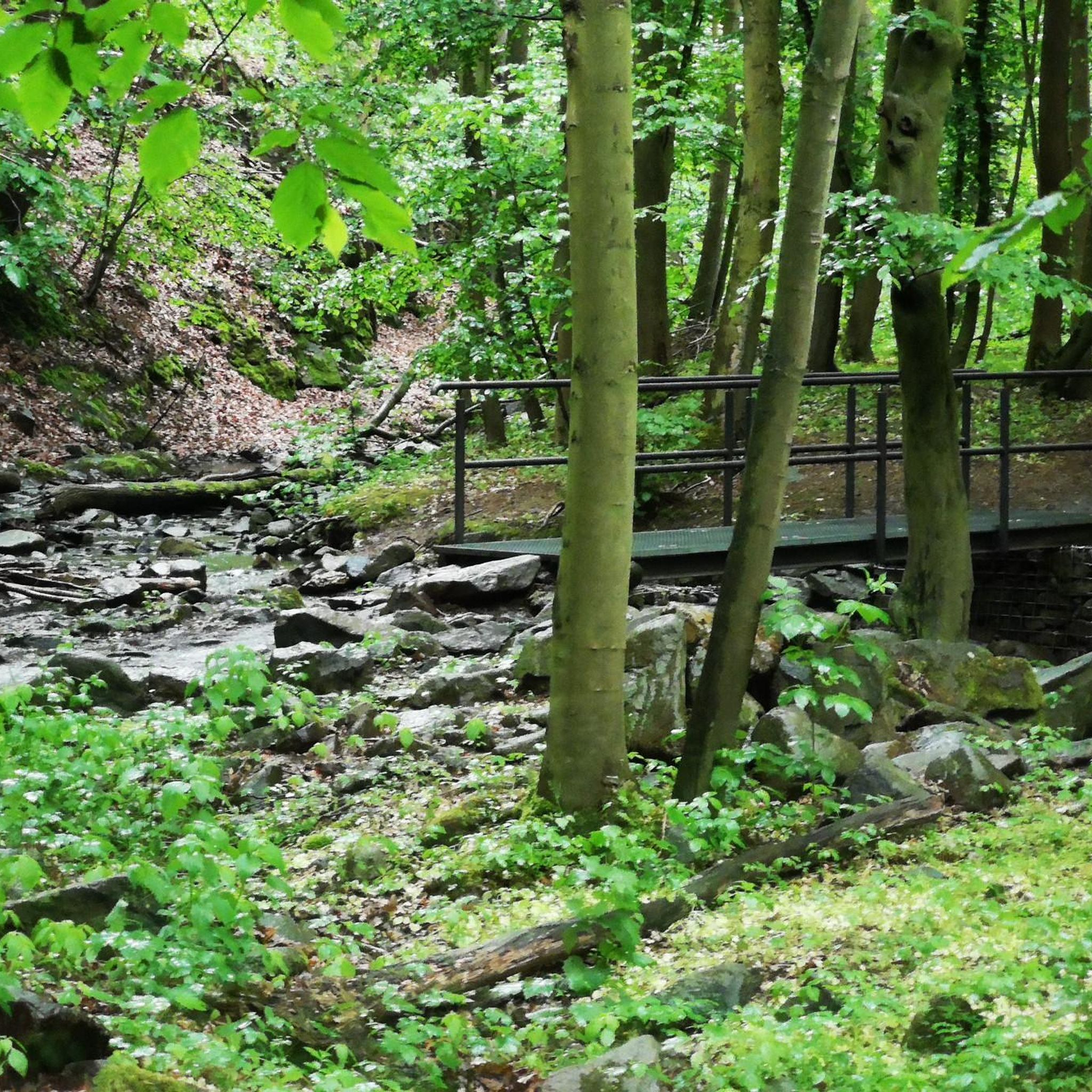
Hiking around Cruïlles, Monells I Sant Sadurní De L'Heura
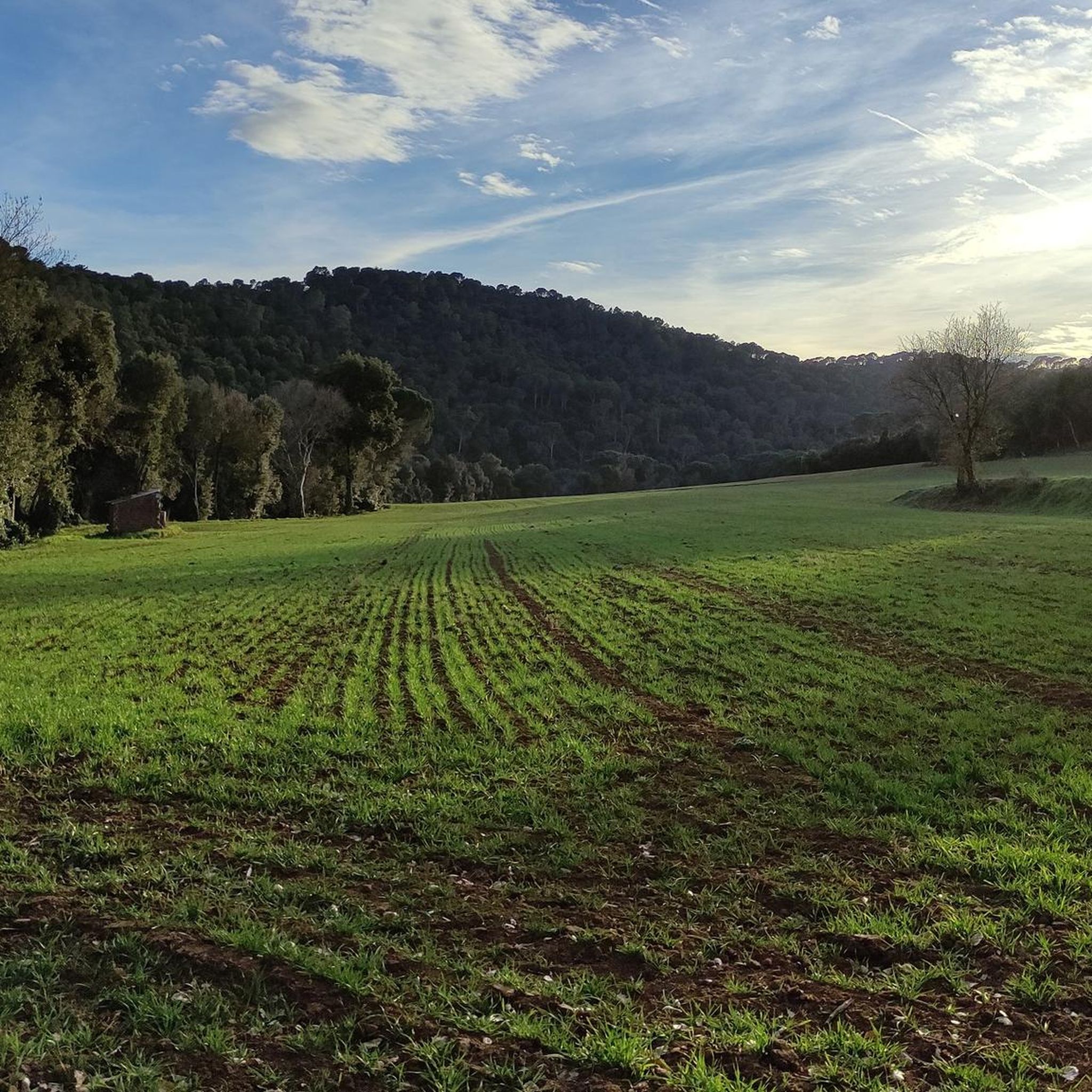
Gravel biking around Cruïlles, Monells I Sant Sadurní De L'Heura
MTB Trails around Cruïlles, Monells I Sant Sadurní De L'Heura
Running Trails around Cruïlles, Monells I Sant Sadurní De L'Heura
Tips from the Community

The dolmen has the shape of a rectangular burial chamber, composed of large vertical stone slabs (orthostats) that support a horizontal upper slab (cover). It is surrounded by a tumulus, an accumulation of earth and stones that originally covered the entire structure, giving it the appearance of a small hill. It is approximately 7.5 metres long, with an inner chamber of 2 metres. Its entrance faces southeast, probably for astronomical or ritual reasons. It was used as a collective tomb, where the ancient inhabitants deposited the remains of the deceased along with offerings, tools, pottery and other funerary objects.
3
0
It was first documented in the 19th century, when the first archaeological investigations in the area began. The objects found in the dolmen, such as pottery and flint tools, have helped to understand the funerary and social customs of its builders. Legends related to witches and magic rituals circulate around the dolmen, common in the popular stories of the area. Like many dolmens, its orientation could be related to the position of the sun during the solstices, which reinforces its symbolic and spiritual importance.
3
0
It is one of the best preserved megalithic monuments in the region. This dolmen, built during the late Neolithic or Chalcolithic period (around 2,700-2,200 BC), is an impressive testimony to the funerary and spiritual practices of the prehistoric communities that inhabited this area.
4
0

There are also dolmens in Spain!
0
0

This branch takes you to Castell beach, one of the few virgin beaches on the Costa Brava, surrounded by pine trees and dunes. A spectacular place, worth visiting.
0
0

Impressive dolmen that is located a few meters from the center of Romanyà de la Selva and that makes us imagine the first hominids living in this maritime area of the Gavarres.
1
0

The castle of Palagret or Mabarrera is in the middle of the Palagret valley, at the top of a small hill, 178 m high, in the northernmost foothills of the Gavarres massif to the south-east of the Celrà center and to the south- west of Juià. Strategically located to control the Roman-era road that allowed access to Girona from the Baix Empordà through the Gavarres. Important medieval vestiges of the licorella walls of a rectangular construction as well as pre-Romanesque elements are preserved from the castle. The preserved remains could be dated to the 10th and 11th centuries,[1] and its last occupants left the premises between the end of the 15th century and the beginning of the 16th.[2] It is a building in Celrà (Gironès) declared a cultural asset of national interest.
0
0
Dated between 2700 – 2200 BC, in the middle of the Neolithic period, it is made up of a covered gallery 7 meters long in the shape of a U raised with granite slabs. Originally, it incorporated a circular tomb and a cromlech (structure formed by stones or menhirs stuck in the ground in a circular or elliptical shape). This type of “Catalan gallery” tombs are typical of the late Neolithic and respond to an evolution of the “corridor tombs”. They are made up of a geometric chamber where human remains and grave goods were deposited, and a corridor that is almost as wide as the chamber. https://patrimoni.gencat.cat/en/collection/cova-den-daina
0
0
Frequently Asked Questions
What are the primary natural features defining the area around Cruïlles, Monells i Sant Sadurní de l'Heura?
The region is primarily defined by the Les Gavarres Massif, an extensive low mountain range. This area is characterized by dense forests of cork oak and maritime pine, along with ancient granite, slate, and schist formations. It offers a landscape of gentle, undulating topography and significant natural beauty.
What kind of wildlife can I expect to encounter in the natural monuments of this region?
The dense forests of Les Gavarres Massif are home to a rich diversity of wildlife. You might spot various bird species like owls, long-eared owls, and hawks, as well as 14 species of endangered bats. Wild boars, badgers, amphibians, and reptiles also inhabit the area, with kingfishers and grass snakes found along watercourses.
Are there any significant historical or archaeological natural monuments to explore?
Yes, the region boasts a rich historical heritage. The Les Gavarres Massif contains over 40 megalithic burial sites, including the well-preserved Dolmen of the Cova d'en Daina, which dates back to around 2,700-2,200 BC. You can also find traces of Iberian and Roman settlements, medieval parish villages, and traditional structures like old charcoal ovens and lime kilns.
What outdoor activities can I enjoy within the natural monuments around Cruïlles, Monells i Sant Sadurní de l'Heura?
The area offers numerous opportunities for outdoor activities. You can explore marked trails perfect for hiking, cycling, and scenic drives within the Les Gavarres Massif. For more specific routes, consider the options available in the nearby guides for Cycling, Road Cycling, and Gravel Biking.
Are there family-friendly natural monuments suitable for children?
Absolutely. Several natural monuments are great for families. Castell Beach offers fine sand and services, including walkways for reduced mobility. The Dark Rock of La Fosca Beach is another popular spot with a promenade and local legends. El Morro del Vedell is also marked as family-friendly, offering a cove with thick sand.
What is the best time of year to visit the natural monuments in this region?
Spring and autumn are particularly recommended for visiting the natural monuments. During these seasons, you can experience a quiet, green escape with abundant nature, birdsong, and breathtaking scents and colors, making for an ideal immersion in the natural environment.
Where can I find panoramic views of the landscape?
For exceptional panoramic views, head to peaks within the Les Gavarres Massif such as Puig d'Arques (527 m) or Puig Gavarra (532 m). These offer sweeping vistas of Les Gavarres, the Costa Brava, Gironès, and Empordà. Montigalar Summit is another notable rock outcropping providing sea views.
Are there any coastal natural monuments or beaches worth visiting?
Yes, the region features beautiful coastal natural monuments. Castell Beach is a popular choice, offering over 300 meters of fine sand surrounded by pine trees. Another must-see is The Dark Rock of La Fosca Beach, known for its distinctive black rock that divides the beach and its local legends.
What geological features are characteristic of the natural monuments here?
The geological foundation of the Les Gavarres Massif consists of ancient granite, slate, and schist formations. This gives the landscape its gentle, undulating topography and contributes to the unique soil composition that supports the region's characteristic cork oak and maritime pine forests.
How accessible are the natural monuments for visitors with varying mobility?
The gentle topography of the Les Gavarres Massif makes many routes accessible to a wide range of visitors. Additionally, specific sites like Castell Beach offer amenities such as walkways for people with reduced mobility, ensuring a more inclusive experience.
Is there another significant natural area nearby for nature enthusiasts?
While not directly within Cruïlles, Monells i Sant Sadurní de l'Heura, the Parc Natural dels Aiguamolls de l'Empordà is a significant natural area in the broader Empordà region. It's a vital wetland known for its exceptional birdlife, including flamingos and various migratory species, offering excellent opportunities for birdwatching and nature trails.
What do visitors particularly appreciate about the natural monuments in this area?
Visitors highly value the diverse natural and historical environment. The combination of extensive low mountain ranges, beautiful coastal features, and ancient megalithic sites like the Dolmen of the Cova d'en Daina offers a unique blend of natural beauty and cultural heritage. The tranquility and immersive nature experience, especially in Les Gavarres, are frequently highlighted.
Most popular routes around Cruïlles, Monells I Sant Sadurní De L'Heura
Most popular attractions around Cruïlles, Monells I Sant Sadurní De L'Heura

Get inspired with the komoot mobile app


Explore more
Extend your search for the best caves by checking out these guides of the top ones around Cruïlles, Monells I Sant Sadurní De L'Heura:
