Top 18 Natural Monuments around Cáceres
Best natural monuments around Cáceres offer diverse landscapes and rich biodiversity in Extremadura, Spain. The province features unique granite rock formations, Mediterranean forests, and dehesa ecosystems. These areas are characterized by ancient geological features, significant wildlife habitats, and historical elements. Visitors can explore a variety of natural settings, from river gorges to open woodlands.
Best natural monuments around Cáceres
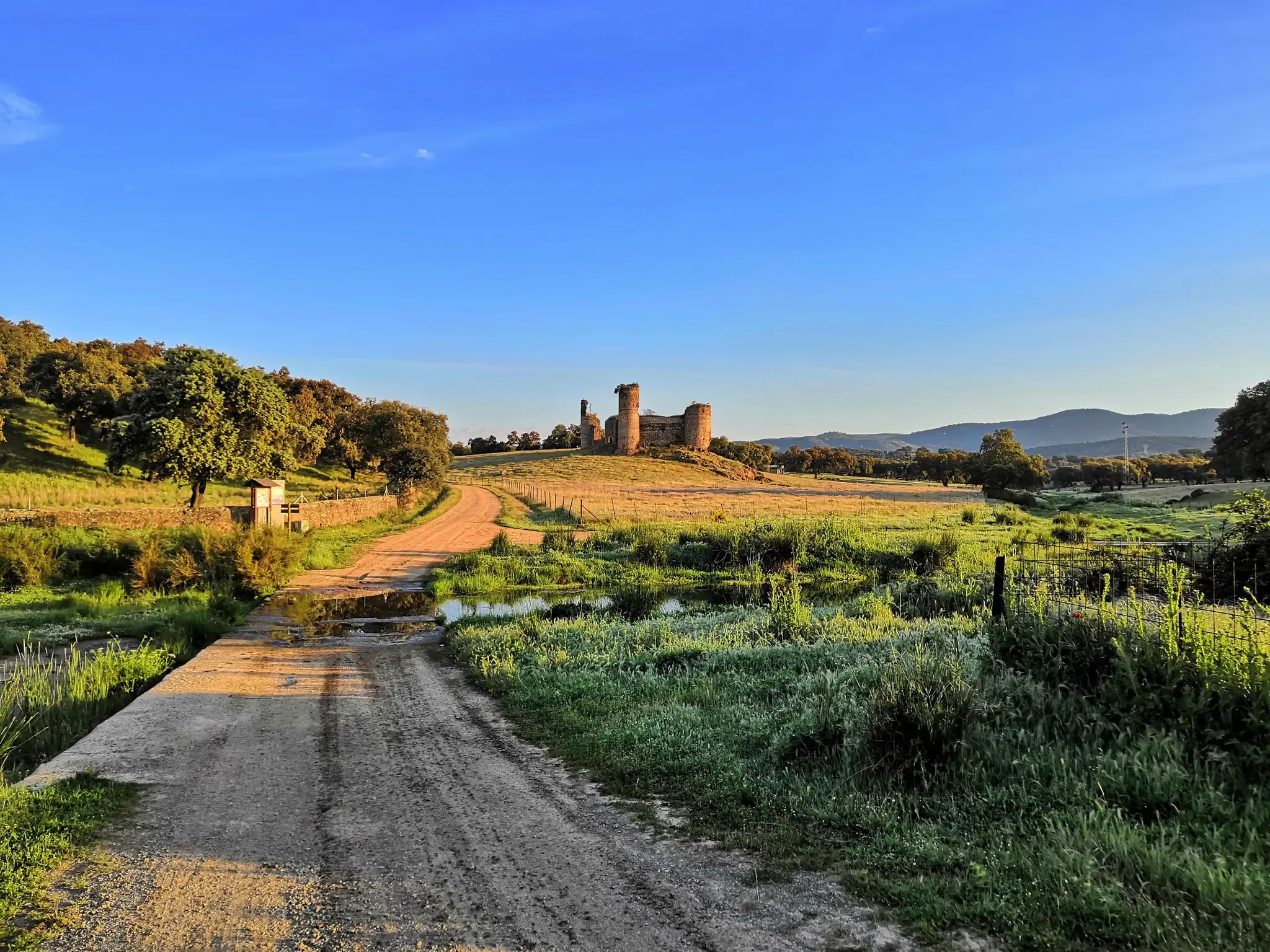
- The most popular natural monuments is Los Barruecos Natural Monument, a natural_monument known for its unique granite rock formations. This…
Last updated: June 18, 2026
Los Barruecos Natural Monument
Highlight • Natural Monument
Translated by Google •
Tip by

Los Barruecos – Game of Thrones Filming Location
Highlight • Natural Monument
Tip by

Sign up now to discover places like this
Get recommendations on the best single tracks, peaks, & plenty of other exciting outdoor places.
Sign up for free
Anthropomorphic Tomb
Highlight • Historical Site
Translated by Google •
Tip by
Lower Barrueco Pond
Highlight • Natural Monument
Translated by Google •
Tip by
El Bolo, Los Barruecos
Highlight • Natural Monument
Translated by Google •
Tip by
Sign up for free to discover even more natural monuments around Cáceres.
Sign up for free
Already have an account?
Start today with a free account
Your next adventure awaits.
Login or Signup

Other adventures around Cáceres

Tips from the Community

There are various hiking trails, all easy and all beautiful, we walked the blue route (2 hours) and part of the green route, so beautiful.
8
0
It is truly a very special area and the information center offers a lot of background information about the origin of the special structures.
9
0
The spectacular landscape of Los Barruecos (in Malpartida de Cáceres, Extremadura) served as the setting for the famous dragon battle in the fourth episode of the seventh season of Game of Thrones. During filming, the Charca del Barrueco de Arriba was digitally transformed to simulate the confrontation between the armies of the Lannisters and Daenerys Targaryen.
8
0

If we pay attention, among the different granitic formations we will find this interesting anthropomorphic tomb.
0
0

Los Barruecos is a natural site considered by many to be one of the most original and interesting in the country. Located 14 kilometers from Cáceres, in the municipality of Malpartida de Cáceres, this enclave boasts a varied flora, fauna and a rich archaeological heritage.
14
0

Nice view at sunset a few meters from the Vostell Museum
2
0

Great fot gravel bikes and for every Game of Thrones fans.
0
0
Los Barruecos is a natural area declared a natural monument by the Junta de Extremadura in February 1996.
18
0
Frequently Asked Questions
What are some of the most notable natural monuments to visit around Cáceres?
The region around Cáceres offers several remarkable natural monuments. Among the most popular is Los Barruecos Natural Monument, known for its unique granite rock formations and as a haven for white storks. Other significant sites include Monfragüe National Park, renowned for its birdwatching opportunities and Mediterranean forest, and Cornalvo Natural Park, which features dehesas and a historic Roman dam.
Are there family-friendly natural monuments around Cáceres?
Yes, several natural monuments are suitable for families. Los Barruecos Natural Monument, including areas like Lower Barrueco Pond and El Bolo, Los Barruecos, offers easy walking routes and interesting geological features that children often enjoy. Cornalvo Natural Park also provides serene hiking trails, especially around its reservoir, which are great for family outings.
What kind of wildlife can I observe in the natural monuments of Cáceres?
The natural monuments around Cáceres are rich in biodiversity, especially for birdwatching. Monfragüe National Park is a prime location for observing large raptors like griffon vultures, black vultures, and Spanish imperial eagles. Los Barruecos is famous for its colonies of white storks nesting on granite boulders. Cornalvo Natural Park also boasts diverse birdlife, including endangered species, and the region as a whole is home to various mammals like the Iberian lynx in Monfragüe.
Are there any historical or archaeological sites within these natural monuments?
Yes, the natural landscapes often intertwine with rich history. In Los Barruecos, you can find archaeological remains such as rock art and Anthropomorphic Tombs carved into granite. Cornalvo Natural Park features the impressive Roman Cornalvo dam, which is still in use. Berrocal de la Data also combines geological wonders with prehistoric dolmens and ancient cave paintings.
What outdoor activities can I do near the natural monuments around Cáceres?
The area offers a wide range of outdoor activities. You can enjoy hiking on trails of varying difficulty, explore mountain biking routes, or go road cycling. For detailed routes and guides, you can check out the Hiking around Cáceres, MTB Trails around Cáceres, and Road Cycling Routes around Cáceres guides.
What is the best time to visit the natural monuments in Cáceres?
Spring (March to May) is often considered ideal due to pleasant temperatures, vibrant flora (especially orchids in Cornalvo), and active birdlife. Autumn (September to November) also offers comfortable weather and beautiful landscapes. For birdwatching, particularly raptors, Monfragüe National Park is excellent year-round, with winter offering unique opportunities to see migratory species.
Are there accessible routes for people with reduced mobility in these natural areas?
Yes, Los Barruecos Natural Monument offers the "Ruta de los Sentidos," which is designed to be accessible for people with reduced mobility, allowing everyone to enjoy its unique granite formations and natural beauty.
Can I go stargazing in the natural monuments around Cáceres?
Absolutely. Areas like Los Barruecos Natural Monument, Monfragüe National Park, and Berrocal de la Data are known for their low light pollution, making them excellent spots for astronomical observation. The reflections on the water in Los Barruecos can particularly enhance the dramatic night sky.
What do visitors enjoy most about Los Barruecos Natural Monument?
Visitors frequently praise Los Barruecos Natural Monument for its unique granite formations and the opportunity to see white storks. Many also appreciate its historical significance, including the Vostell Malpartida contemporary art museum, and its role as a filming location for *Game of Thrones*. The scenic views, especially at sunset, are also highly recommended.
What unique geological features can I expect to see?
The natural monuments around Cáceres are characterized by diverse geological formations. Los Barruecos Natural Monument and Berrocal de la Data are famous for their whimsical granite rock formations, sculpted by millennia of erosion. Monfragüe National Park features dramatic gorges and cliffs carved by the Tagus and Tiétar rivers, while Cornalvo Natural Park showcases rolling dehesas and small mountain ranges.
What should I wear for hiking in the natural areas around Cáceres?
For hiking in the natural monuments around Cáceres, it's advisable to wear comfortable, layered clothing suitable for the season. Sturdy hiking shoes are essential, especially for trails with uneven terrain. During warmer months, bring sun protection (hat, sunscreen) and plenty of water. In cooler seasons, a waterproof jacket might be useful.
Are there any specific regulations or permits needed to visit certain natural monuments?
While most areas are freely accessible, some, like the Cueva de Castañar de Ibor, have restricted access and require permits due to their delicate nature. It's always a good idea to check the specific regulations for each natural monument, especially for activities like guided tours or access to sensitive areas.
Most popular routes around Cáceres
Most popular attractions around Cáceres

Get inspired with the komoot mobile app


Explore more
Extend your search for the best caves by checking out these guides of the top ones around Cáceres:
