The best walks and hikes around Cáceres
4.2
(222)
1,163
hikers
110
hikes
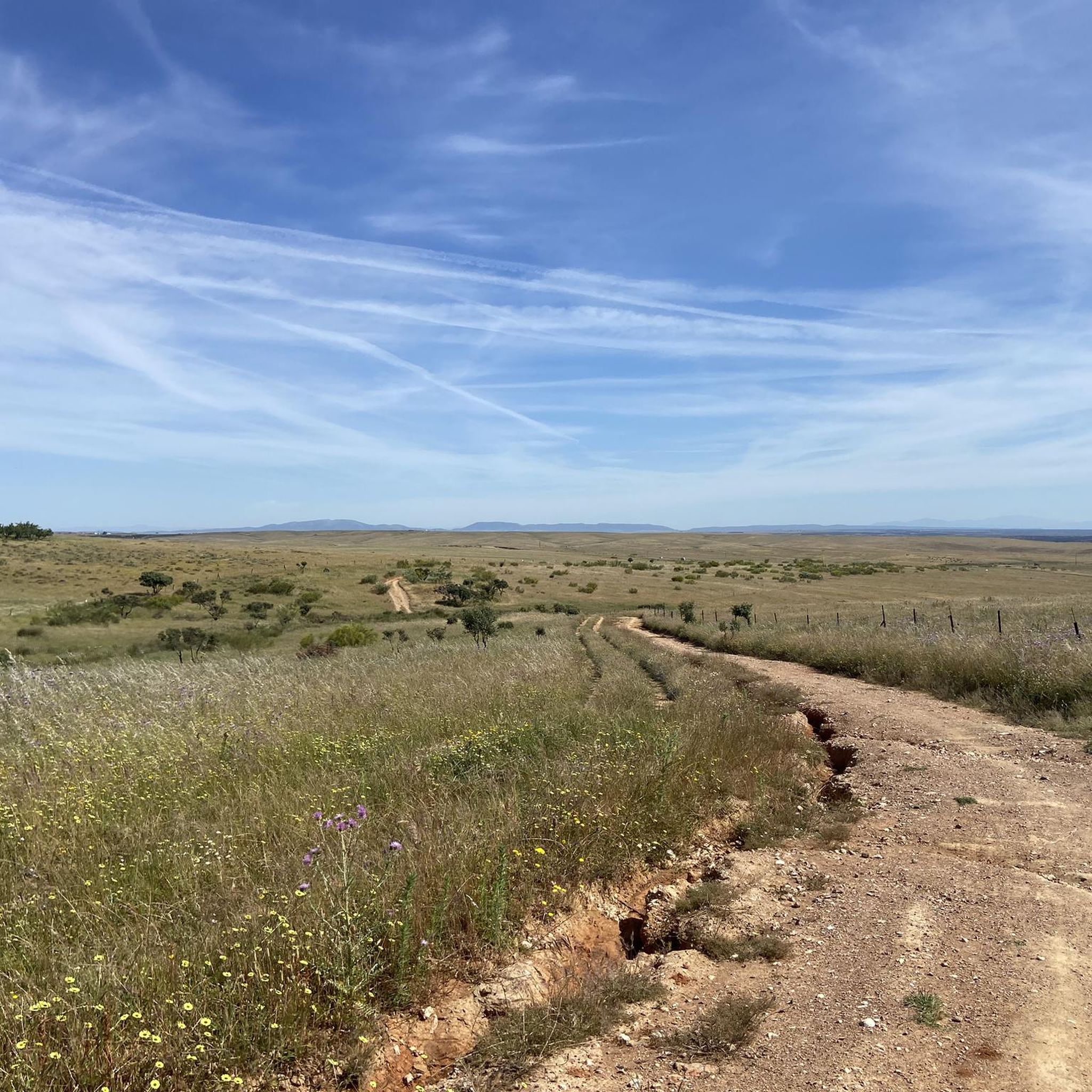
Hiking around Cáceres offers diverse landscapes, from dramatic gorges and river valleys to ancient forests and unique geological formations. The region is characterized by its varied terrain, including granite rock formations, lush valleys, and historic urban areas. Hikers can explore protected areas like Monfragüe National Park and the Garganta de los Infiernos Nature Reserve, which feature natural pools and waterfalls. This blend of natural beauty and cultural heritage provides a wide range of trails for different preferences.
Best hiking trails…
Last updated: May 10, 2026
4.7
(3)
11
hikers
7.18km
01:56
90m
90m
Easy hike. Great for any fitness level. Easily-accessible paths. Suitable for all skill levels.
4.5
(11)
110
hikers
4.89km
01:19
70m
70m
Easy hike. Great for any fitness level. Easily-accessible paths. Suitable for all skill levels.

Sign up for free
4.2
(16)
90
hikers
19.3km
05:17
300m
300m
Hard hike. Very good fitness required. Easily-accessible paths. Suitable for all skill levels.
4.6
(22)
71
hikers
5.14km
01:27
110m
110m
Hard hike. Great for any fitness level. Sure-footedness, sturdy shoes and alpine experience required.
4.5
(4)
54
hikers
Hard hike. Good fitness required. Sure-footedness, sturdy shoes and alpine experience required.
Get access to more routes and recommendations from other explorers.
Sign up for free
Already have an account?
Our route recommendations are based on thousands of hikes, rides, and runs completed by other people on komoot.
Start today with a free account
Your next adventure awaits.
Login or Signup
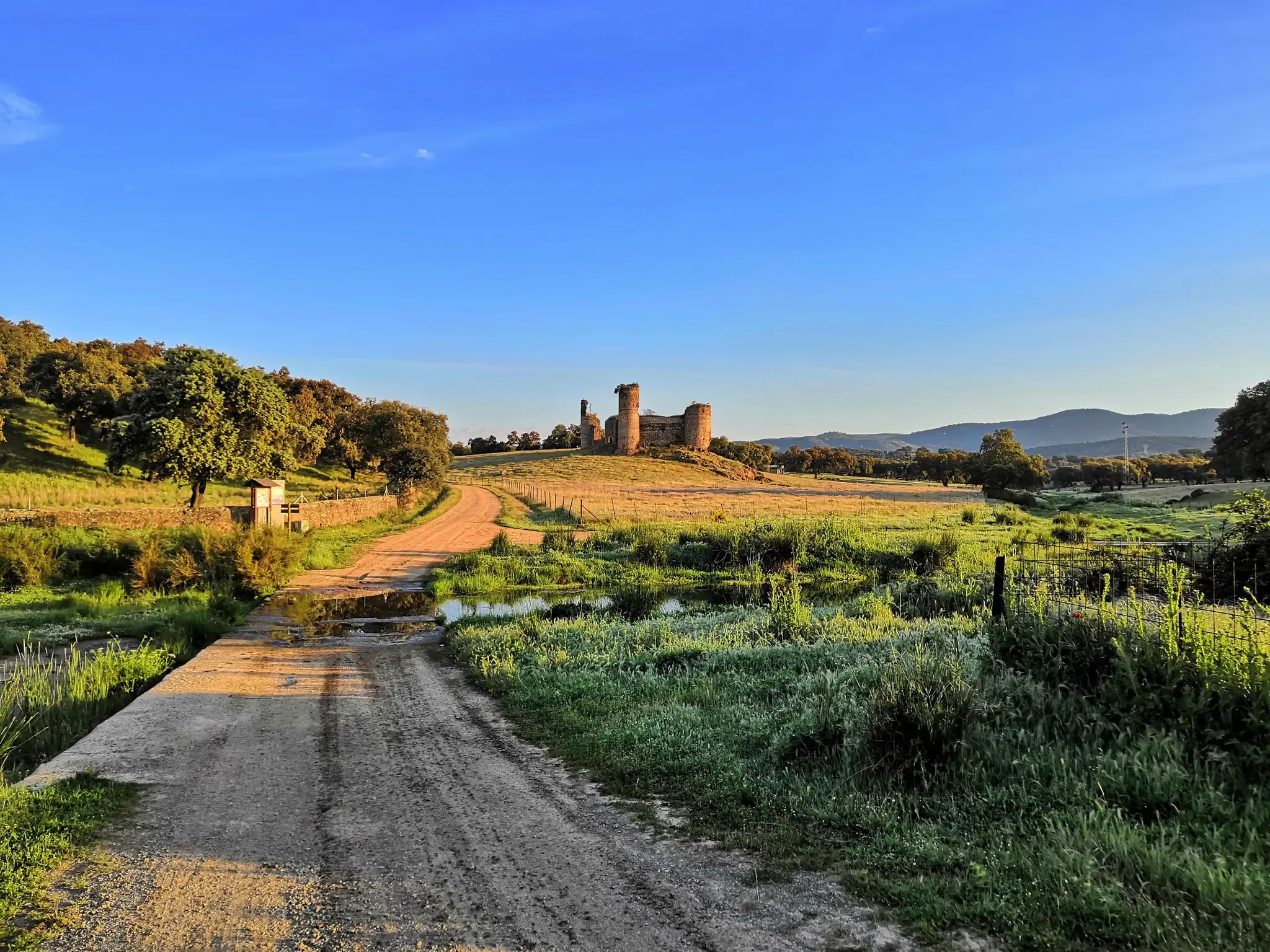
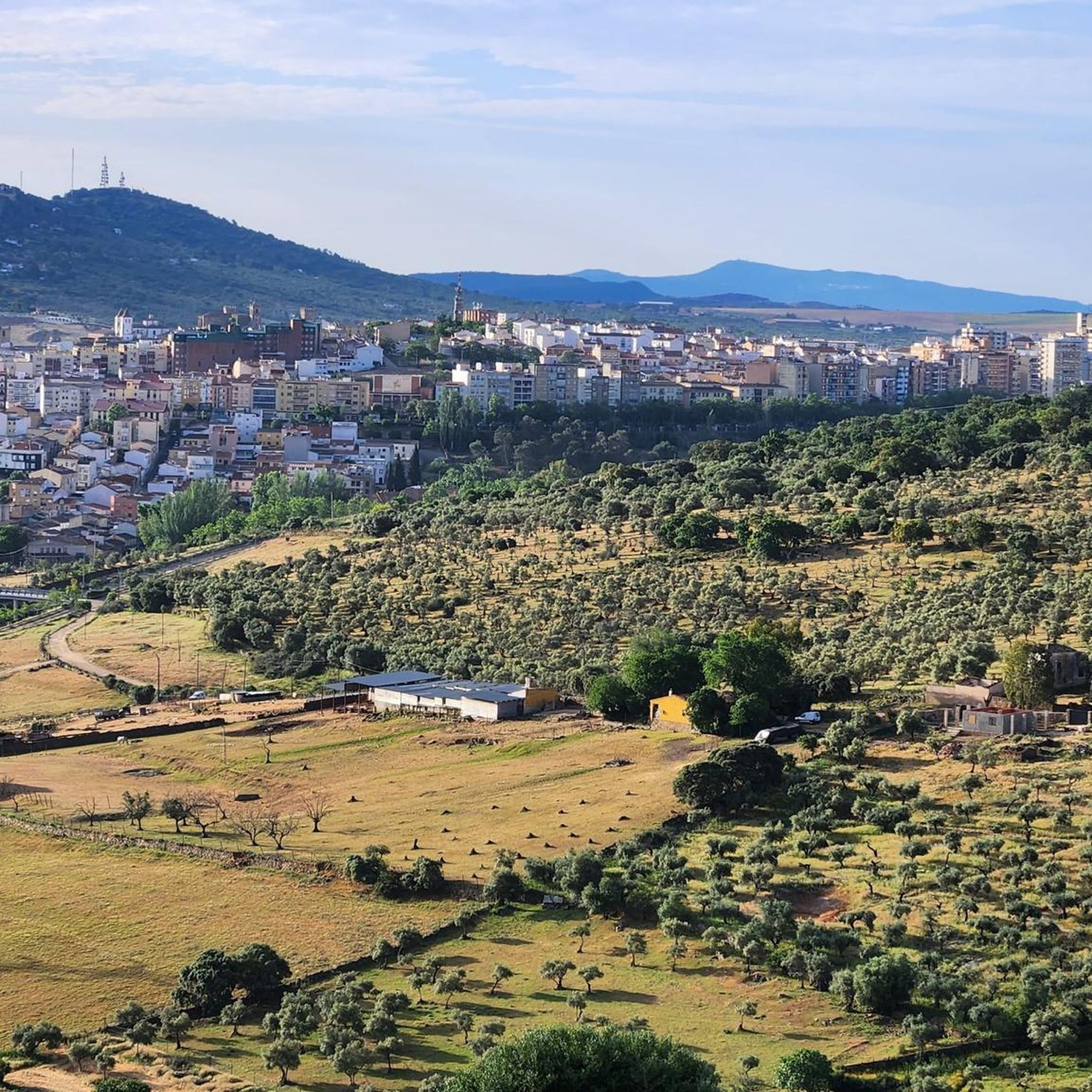
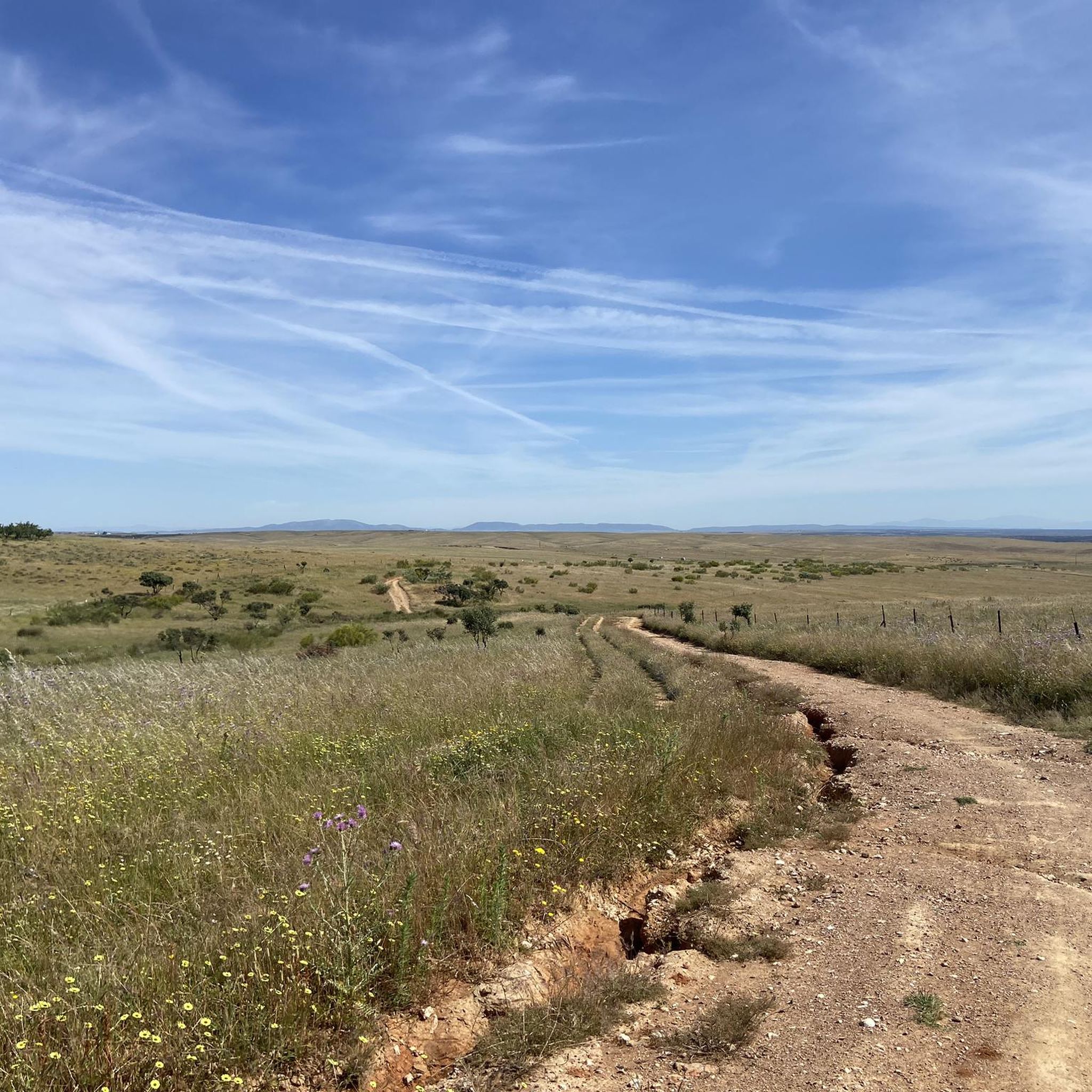
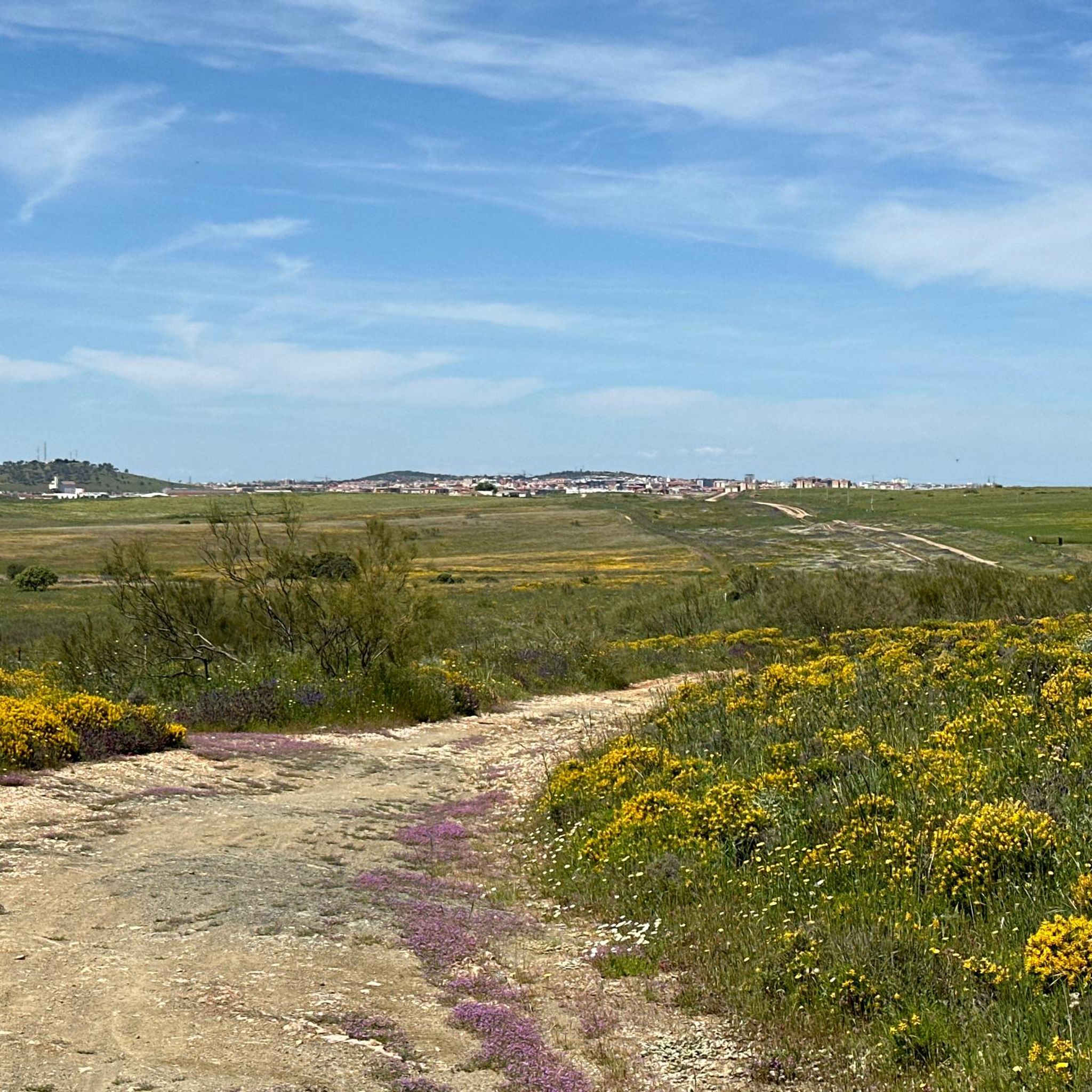

Other adventures around Cáceres

Tips from the Community

Small museum. With extremely friendly staff, free admission.
0
0
To enjoy all the beauty, walk to the parador in the former, fourteenth-century palace of the marquises of Torreorgaz, truly magnificent. The restaurant serves good local dishes.
0
0

beautiful new walking and cycling path
0
0

The historic center of Cáceres, declared a UNESCO World Heritage Site, is one of the most impressive monumental complexes in Spain. Walking through its cobbled streets is like traveling to the Middle Ages, thanks to its excellent state of preservation and the absence of modern buildings that alter its aesthetics.
14
1
In 2011, the redevelopment and remodeling works of the Plaza Mayor were completed, led by architects Antonino Antequera, Francisco Pol Méndez and Asunción Rodríguez Montejano. The project included the creation of several spaces, such as the Summer Plaza, a shady place with trees and fountains; the Winter Square, flanked by a fountain wall and a continuous stone bench; the new Music Forum, in the Balbos Forum, next to the Town Hall, for chamber concerts; and a large central free space for events, whose pavement formally recalls the vernacular Cáceres brick vault, and which has water fountains to combat the summer heat. If you visit Cáceres, you cannot miss exploring this emblematic Plaza Mayor and admiring its rich history and architecture.
6
0
Being able to walk anywhere through its narrow cobbled streets is like traveling to another era. You will be surrounded by mansions, Renaissance palaces and churches crowned with stork nests and you will understand why Cáceres is a World Heritage City. Prepare your camera to photograph one of the most beautiful historic centers in Spain.
14
1
This gate was one of the access points opened due to the need for passage between the main gates of the wall. This gate was one of the accesses opened due to the need for passage between the main gates of the wall. The current appearance dates back to the 18th century. The outer arch, towards the walkway, is topped by a niche that contains a modern image of Saint Anne with the Virgin and Child. The interior is made up of a succession of beautiful screw vaults made of brick, characteristic of Cáceres. Recommendations: From this gate you can access two places, Postigo Street and Plaza Publio Hurtado, the fastest way to get to Plaza de San Juan.
24
0
This palace, also known as “the House of Tricks” is located on General Ezponda Street. Ordered to be built by D. Pedro García de Galarza, Bishop of Coria in 1579, the palace was renovated in the 16th century in Plateresque style, highlighting the corner window of the tower and the courtyard with columns inside with the Bishop's coat of arms. Galarza. It currently houses offices of the Bishopric of Coria-Cáceres. D. Pedro García de Galarza would leave his mark on numerous religious buildings in the city, as he also ordered the renovation of the Episcopal Palace and founded the seminary of his own name, which would be demolished in the mid-20th century.
32
0
Frequently Asked Questions
How many hiking trails are available around Cáceres?
Cáceres offers a diverse network of over 100 hiking trails, catering to various preferences and skill levels. These routes explore everything from historic city centers to natural parks and river valleys.
What types of terrain can I expect on hikes in Cáceres?
The terrain around Cáceres is quite varied. You'll find paths through ancient forests, along dramatic gorges and river valleys, and across unique granite rock formations. Some trails also navigate through historic urban areas, offering a blend of natural beauty and cultural heritage.
Are there any family-friendly hiking options in Cáceres?
Yes, many trails in Cáceres are suitable for families. For an easy and accessible option, consider the "Ruta de los Pilones" in the Garganta de los Infiernos Nature Reserve, which is an easy 6-kilometer round trip where children can enjoy the natural pools. The Cáceres: Prince's Park and Historic Quarter Loop is also an easy 4.5-mile route that explores the city's green spaces and historic sites.
Where can I find trails with impressive viewpoints in Cáceres?
For panoramic views, the Cerro Otero Viewpoint – View of the Landscape loop from Santo Toribio is an excellent choice, offering varied landscapes and expansive vistas. Additionally, Monfragüe National Park features the renowned Salto del Gitano Viewpoint, providing spectacular views over the Tagus River.
Are there any circular hiking routes around Cáceres?
Yes, Cáceres has several circular routes. The Cáceres: Prince's Park and Historic Quarter Loop is a popular circular trail within the city. Outside the city, you can find circular walks around Los Barruecos Natural Monument, known for its unique granite formations.
What natural attractions or landmarks can I see while hiking in Cáceres?
Cáceres is rich in natural and historical landmarks. You can explore the unique granite rock formations at Los Barruecos Natural Monument, or discover the natural pools and waterfalls of the Garganta de los Infiernos Nature Reserve. The historic Historic Centre of Cáceres, a UNESCO World Heritage site, also offers cultural sights like the Torre de Bujaco and the Palace and Tower of the Storks.
Are there any challenging treks for experienced hikers in Cáceres?
Yes, Cáceres offers routes for more experienced hikers. Some trails within Monfragüe National Park require good fitness, and the Geopark of Villuercas, Ibores and Jara is known for routes recommended for more extreme hiking. Within the city, routes like Cáceres Main Square – Torre de Bujaco loop from Cáceres are rated as difficult, despite their shorter length, due to elevation changes and terrain.
Can I find trails with waterfalls or natural swimming spots in Cáceres?
Absolutely. The Garganta de los Infiernos Nature Reserve in the Jerte Valley is famous for its spectacular waterfalls and natural pools, such as the "pilones," where you can bathe in summer. The Jerte Valley also features trails like the Garganta de las Nogaleas, which leads to stunning waterfalls. In the Sierra de Gata, you can discover natural swimming pools like Jevero and the Cervigona waterfall.
What is the best season for hiking in Cáceres?
Spring and autumn are generally the best seasons for hiking in Cáceres. Spring offers pleasant temperatures and the spectacular cherry blossoms in the Jerte Valley. Autumn brings mild weather and vibrant fall colors, particularly in areas like the Valle del Ambroz. Summers can be very hot, making early morning or late afternoon hikes preferable, while winters are generally mild but can be cooler at higher elevations.
Are there any long-distance hiking routes that pass through Cáceres?
Yes, Cáceres is part of significant long-distance routes. The historic Ruta Vía de la Plata (Silver Route), an ancient Roman road, passes through the province. Another notable trail is the Camino de los Descubridores, a 133-kilometer route starting in Cáceres and ending in Guadalupe, traversing various historical towns.
What do other hikers enjoy most about hiking in Cáceres?
The hiking trails in Cáceres are highly rated by the komoot community, with an average score of 4.17 stars from over 220 reviews. Hikers often praise the region's diverse landscapes, from the historic charm of the city routes to the natural beauty of the river valleys and unique geological formations. The variety of trails, suitable for different abilities, is also frequently highlighted.
Are there any trails accessible by public transport from Cáceres?
While many trails require a car to reach their starting points, some urban routes like the Cáceres: Prince's Park and Historic Quarter Loop are easily accessible directly from the city center. For trails further afield, local bus services connect Cáceres to some towns, but checking specific routes and schedules in advance is recommended for accessing trailheads.
Can I find trails that are suitable for dog walking in Cáceres?
Many natural areas and trails in Cáceres are dog-friendly, especially those outside protected national park zones where specific regulations might apply. It's always advisable to keep dogs on a leash, especially in areas with wildlife or livestock, and to check local signage for any restrictions. The more rural and less crowded trails are generally good options for walking with your dog.
Most popular attractions around Cáceres

Get inspired with the komoot mobile app


Explore more
Browse the best Hikes in other regions.
