Top 20 Natural Monuments around El Ràfol D'Almúnia
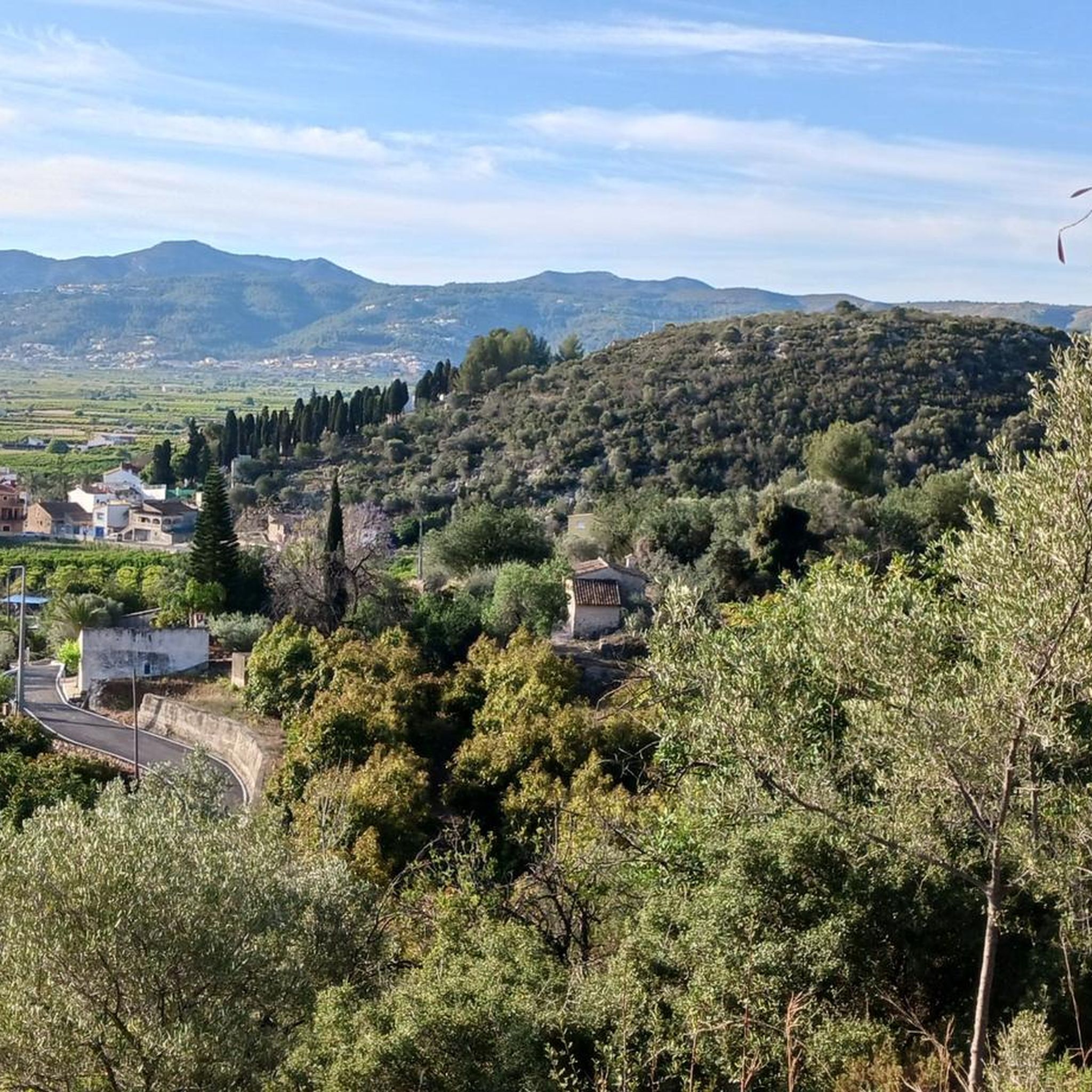
Best natural monuments around El Ràfol D'Almúnia are found in the Marina Alta region of Spain, offering a variety of natural attractions. The area features diverse landscapes, from significant wetlands to ancient caves and scenic routes. El Ràfol D'Almúnia provides opportunities for outdoor activities and exploration of its natural beauty and historical sites. This region is characterized by its unique ecosystems and geological formations.
Best natural monuments around El Ràfol D'Almúnia
- The most popular natural monuments is Forat de la…
Last updated: August 25, 2026
Natural area of the "Font Salà"
Highlight • Natural Monument
Translated by Google •
Tip by

The Salty Spring
Highlight • Natural Monument
Showing Translation
Tip by

Sign up now to discover places like this
Get recommendations on the best single tracks, peaks, & plenty of other exciting outdoor places.
Sign up for free
Dark Cave
Highlight • Cave
Translated by Google •
Tip by

Marjal de Pego-Oliva Natural Park
Highlight • Natural Monument
Translated by Google •
Tip by

Summit of Sierra de Segària
Highlight • Summit
Translated by Google •
Tip by

Sign up for free to discover even more natural monuments around El Ràfol D'Almúnia.
Sign up for free
Already have an account?
Start today with a free account
Your next adventure awaits.
Login or Signup
Popular around El Ràfol D'Almúnia

Tips from the Community

The descent from returns the same way back to the Portet d'Ondara. I made the descent eastwards to the old aqueduct path. This is significantly more demanding compared to the ascent via the west side. Slopes/descents of up to approx. 40% are present. The vegetation and the poorly visible yellow trail marking often cause you to pause and look around. Stone towers and GPS help with orientation. Overall, however, progress is slow. The signpost at the bottom of the aqueduct path already gives a hint: 1:10h for approx. 800m of path to the Portet d'Ondara.
0
0
The view is worth it. However, in the summer months (when it gets over 30 degrees) it is recommended to ascend only early in the morning, so that you descend again by 11 am. I ascended from the west side (in the shade in the morning). Up to Portet d'Ondara the path is still reasonably recognizable. From there to the summit "Cim de Segària" the path and terrain are difficult to recognize and require sure-footedness. Sturdy mountain boots are helpful due to the rugged terrain and sharp stones. It is also possible with trail running shoes, but they suffer greatly. Up to the summit, you often have to search for the path or yellow markings, which are also completely missing in places. According to the maps, the path is classified as T2 (SAC scale). Due to the poor visibility of the path, rugged and sharp stones, I would tend towards at least T3. In some places, you also have to climb over a few larger stones or make bigger jumps.
0
0

Unfortunately, it's no longer a hidden gem. Even now, in February 2026, you can see cars and camper vans parked there. The whole area wasn't particularly inviting for swimming.
0
0

This spot, which feeds the Bullent River, is visited by residents of Oliva, visitors from other towns, and even foreign tourists. It is undoubtedly a privileged place worth visiting, especially for its location within the natural park, its proximity to the beach, and its health tourism, as it is an underground source of thermal waters—with a considerable sulfur content—whose waters have traditionally been recognized as beneficial for treating dermatological diseases.
2
0

An approximately 1 km long area within the Sierra Segaria, which contains various caves - the Cova Fosca is of course the largest, most famous, and most spectacular!
1
0

La Font Salada is a thermal spring in the Natural Park of Marjal de Pego-Oliva, in Oliva (Valencia). Its waters maintain a constant temperature between 21 and 24ºC, allowing bathing all year round. They are attributed beneficial properties for the skin. It is a popular place for bathing and enjoying nature, with a restaurant in the area and free access.
2
1
La Font Salada is a hot spring in the Pego-Oliva Marsh Natural Park, in Oliva (Valencia). Its waters maintain a constant temperature of between 21 and 24°C, allowing for year-round bathing. They are said to have beneficial properties for the skin. It is a popular place for bathing and enjoying nature, with a restaurant in the area and free admission.
1
0

Those who wish to take a secluded dip can visit the spring known as Font Salada, both in winter and summer, as the waters maintain their temperature year-round. "Its waters have traditionally been recognized as beneficial against dermatological diseases." <citation needed>
0
1
Frequently Asked Questions
What unique natural monuments can I explore near El Ràfol d'Almúnia?
You can discover a variety of unique natural monuments. The Forat de la Juvea is a fascinating natural hole through a mountain, offering spectacular views and a potential thirty-meter waterfall during the rainy season. Another notable site is the Dark Cave (Cova Fosca), known for its geological importance and beautiful views from its entrance, suitable for caving and abseiling with guides. Additionally, the Cova del Cocoví within El Ràfol d'Almúnia features prehistoric rock art and impressive views of the La Rectoría area.
Are there any natural springs or swimming spots among the natural monuments?
Yes, the area features refreshing natural springs. The Salty Spring offers cool, swimmable waters and beautiful views of the Oliva-Pego marsh. Another popular spot is the Natural area of the "Font Salà", a thermal spring with waters maintaining a constant temperature between 21 and 29°C year-round, known for its beneficial properties and popular for bathing.
What kind of natural landscapes can I expect to see in the region?
The region around El Ràfol d'Almúnia boasts diverse natural landscapes. You can explore significant wetlands like the Marjal de Pego-Oliva Natural Park, which features extensive rice fields, canals, and rich biodiversity. There are also impressive geological formations in caves, and scenic routes that highlight the area's agricultural heritage and offer panoramic views.
Are there family-friendly natural monuments suitable for children?
Absolutely. The Marjal de Pego-Oliva Natural Park is excellent for families, offering easy walking and cycling trails, including wooden boardwalks. The Salty Spring and the Natural area of the "Font Salà" are also family-friendly, providing opportunities for swimming and enjoying nature in a relaxed setting.
What outdoor activities can I do near these natural monuments?
The area offers a range of outdoor activities. You can enjoy mountain hikes, with routes like the 'Rocky Staircase Trail' or 'Font Grossa Washhouse loop' (find more at Mountain Hikes around El Ràfol D'Almúnia). For cyclists, there are MTB trails, including challenging routes like the 'Vall d'Ebo Pass loop' (MTB Trails around El Ràfol D'Almúnia), and touring bicycle routes such as the 'Pego–Sagra Road loop' (Cycling around El Ràfol D'Almúnia). Birdwatching is also popular, especially in the Marjal de Pego-Oliva Natural Park.
What is the best season to visit the natural monuments around El Ràfol d'Almúnia?
The region is enjoyable year-round, but spring and autumn offer pleasant temperatures for outdoor activities like hiking and cycling. The thermal waters of the Font Salà maintain a constant temperature, making it suitable for bathing even in cooler months. November has been noted for good weather for cycling in the Marjal de Pego-Oliva Natural Park.
Are there any historical or cultural sites integrated with the natural monuments?
Yes, some natural sites also hold historical significance. The Cueva de las Calaveras (Cave of Skulls) near Benidoleig is a prehistoric cave with explanatory signs detailing ancient life. The Cova del Cocoví within El Ràfol d'Almúnia is notable for its prehistoric rock art, offering insights into the region's past alongside its natural beauty. The Ruta de la Bolata hiking trail also highlights the area's agricultural heritage and traditional irrigation systems.
What do visitors appreciate most about the natural monuments in this area?
Visitors frequently praise the diverse natural beauty, from the tranquil wetlands of the Marjal de Pego-Oliva Natural Park to the impressive geological formations of caves like the Forat de la Juvea. The refreshing and beneficial waters of the Salty Spring and Font Salà are also highly valued for relaxation and enjoyment. The komoot community has shown strong appreciation, with these sites receiving over 260 upvotes and more than 80 photos.
Is parking available for visiting the natural monuments?
Parking information varies by site. For the Marjal de Pego-Oliva Natural Park, access is easy from the N-332 or CV-700. If visiting the Font Salada within the park, note that parking has recently been restricted, but a new small car park (Racó del Fuster) is nearby, with the spring a short walk away.
Are there any challenging trails or activities for experienced adventurers?
Yes, for those seeking a challenge, the Dark Cave (Cova Fosca) is described as having medium difficulty, often involving climbing and requiring good shoes and a head for heights. It's also a site for caving and abseiling, which should be done with experienced guides and proper safety equipment. Some mountain biking and cycling routes in the wider area are also rated as difficult.
Can I observe wildlife at these natural monuments?
The Marjal de Pego-Oliva Natural Park is a significant wetland and a refuge for aquatic flora and fauna. It's an excellent spot for birdwatching, with herons, ducks, and other birdlife commonly seen. The park is rich in biodiversity, also home to rare fish and turtles.
Most popular routes around El Ràfol D'Almúnia
Most popular attractions around El Ràfol D'Almúnia

Get inspired with the komoot mobile app


Explore more
Extend your search for the best caves by checking out these guides of the top ones around El Ràfol D'Almúnia:
