Top 6 Natural Monuments around Fuenlabrada
Natural monuments around Fuenlabrada offer a blend of preserved agricultural landscapes and riparian ecosystems within the metropolitan area of Madrid. The region features significant natural spaces such as the Parque Agrario de Fuenlabrada, dedicated to sustainable farming and local produce. The Arroyo Culebro, an intermittent stream, provides a green corridor with ecological value, particularly in its upper reaches with lagoons. These areas connect to the broader Parque Regional del Sureste, known for its diverse ecosystems and rich biodiversity.
Best natural…
Last updated: July 1, 2026
The Invincible Holm Oak
Highlight • Natural Monument
This oak is known as 'The Invincible' and is over 200 years old. It is 15 meters high, has …
Translated by Google •
Tip by

Polvoranca Park Waterfall
Highlight • Waterfall
Translated by Google •
Tip by

Sign up now to discover places like this
Get recommendations on the best single tracks, peaks, & plenty of other exciting outdoor places.
Sign up for free
Hermitage and Centenary Elm
Highlight • Religious Site
Translated by Google •
Tip by

Valdeserrano Fountain
Highlight • Structure
Translated by Google •
Tip by
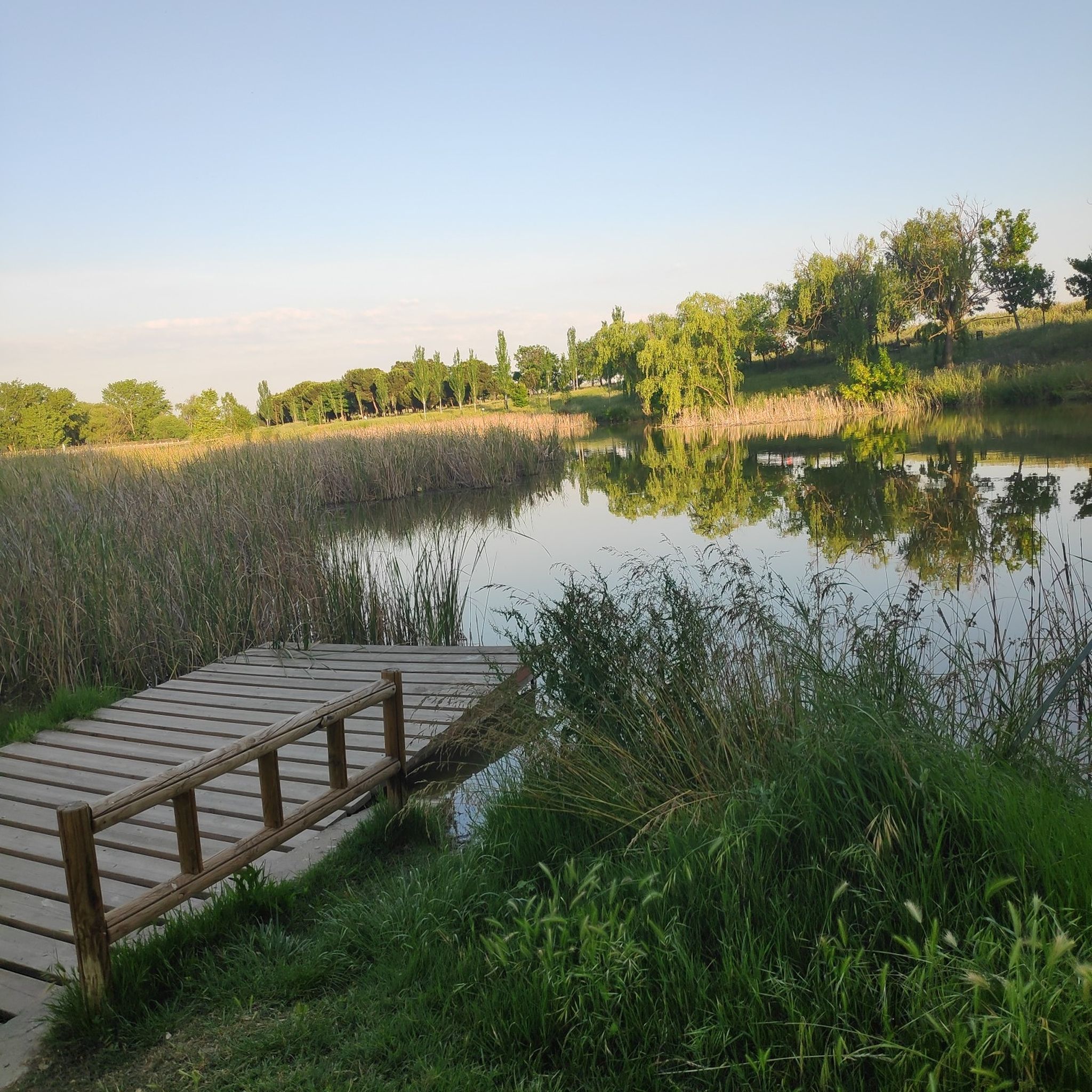
Duck Lake, El Restón Park
Highlight • Lake
Translated by Google •
Tip by
Start today with a free account
Your next adventure awaits.
Login or Signup

Tips from the Community

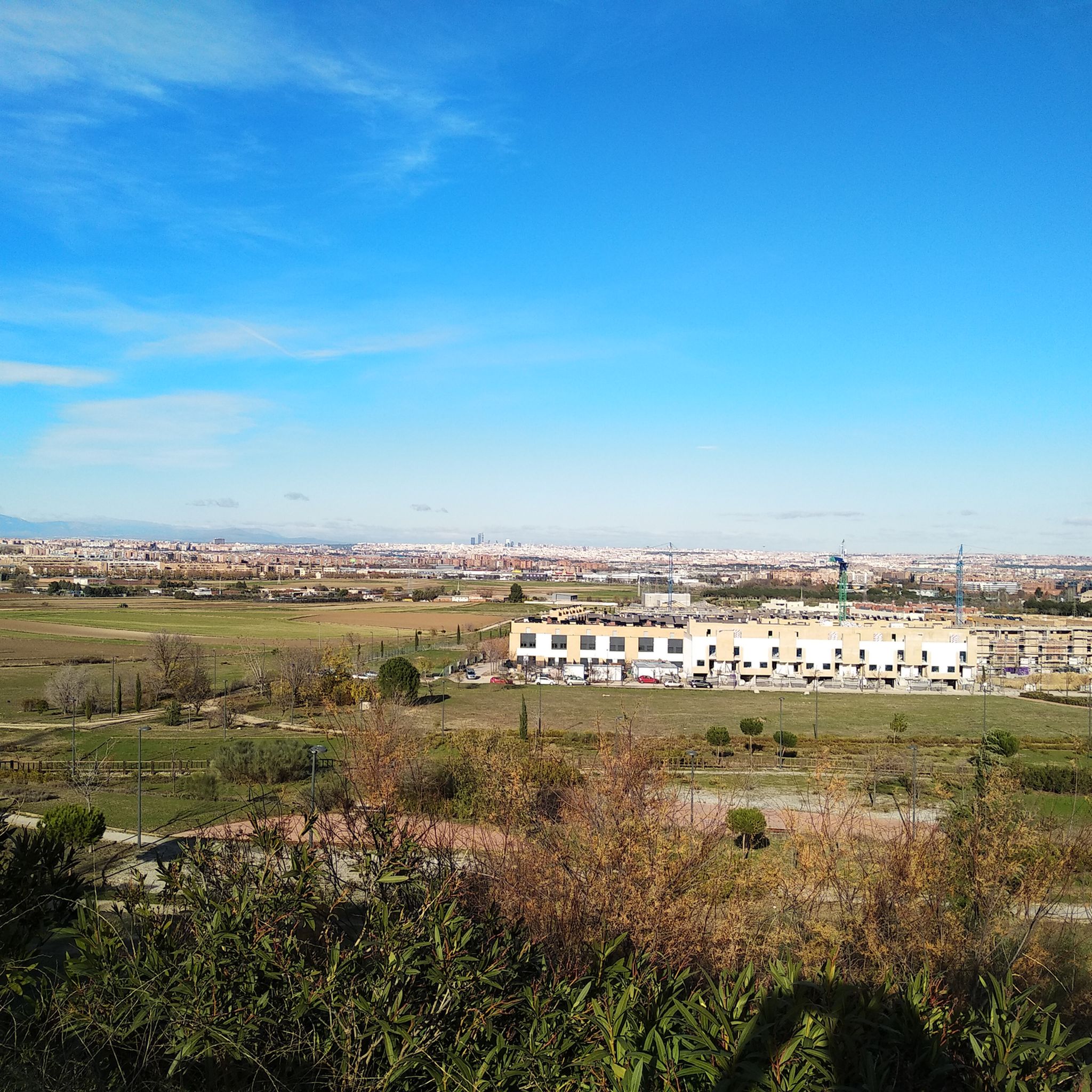
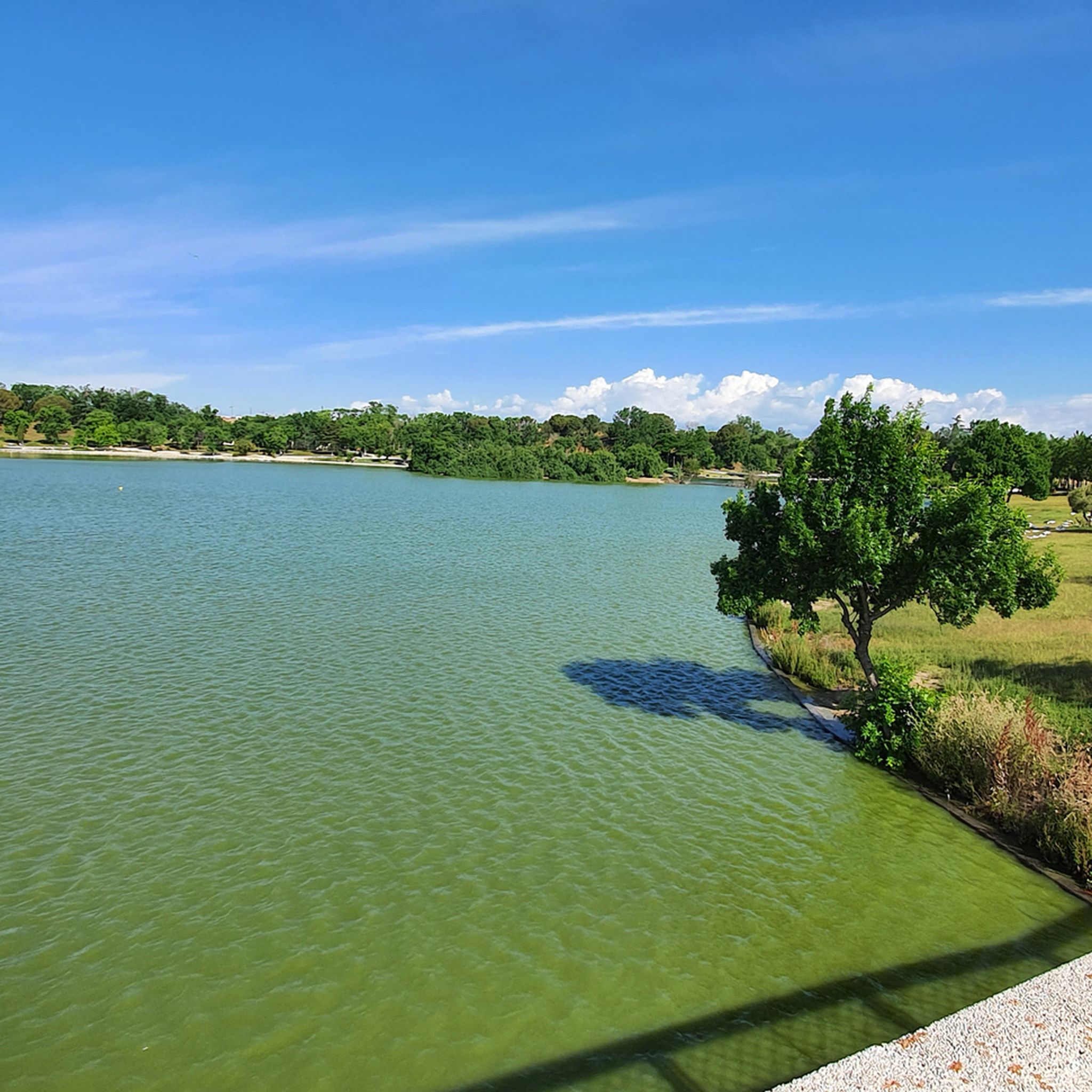
There is a small viewpoint from where you can see the entire lake and you can enjoy a small waterfall.
1
0
The new fountain does not have drinking water. Twenty meters further down is the original source of Valdeserrno but it only has water in some springs.
1
0
Popularly known as El Restón Lakes Park, it has shade in summer, a variety of trees, benches to sit on, and two ponds with plenty of ducks.
2
0
There is a new fountain with non-potable water. Twenty meters further down is the original Valdeserrano fountain that only flows water some springs.
1
0

Right in front of the Hermitage you will find an elm tree that is over 100 years old. These trees are very representative of the Madrid area but it is increasingly difficult to find old ones like this.
0
0

Particularly my place to relax in the middle of a march, fountain, bench to rest and good views, I recommend going through here
0
0

just behind the station we find this tree, one of the representative trees of the community of Madrid
1
0

When a tree has its own name, it is for something. This oak is known as 'The Invincible' and is over 200 years old. It is 15 meters high, has a 20 meter diameter crown and a pyramidal trunk that branches four meters from the ground. As a curiosity, to say that it was cloned in 2018. The Community of Madrid created a genetic bank of unique trees in the region in order to be able to clone them in case they become ill or die and thus maintain this valuable natural heritage. https://bigjoe.es
2
0
Frequently Asked Questions
What are some unique natural monuments to visit in Fuenlabrada?
Fuenlabrada offers several unique natural monuments. You can visit The Invincible Holm Oak, a more than 200-year-old tree known for its impressive size and cloning initiative. Another notable spot is the Hermitage and Centenary Elm, featuring an elm tree over 100 years old, which is a representative species of the Madrid area.
What natural features can I expect to see in Fuenlabrada's natural areas?
In Fuenlabrada's natural areas, you can expect to see a blend of preserved agricultural landscapes, riparian ecosystems, and urban green spaces. The Polvoranca Park Waterfall offers a tranquil spot with a small viewpoint overlooking a lake. The Arroyo Culebro provides a valuable riparian ecosystem with seasonal water flow and lagoons, supporting diverse flora and fauna. The Parque Agrario de Fuenlabrada showcases extensive agricultural fields and paths.
Are there family-friendly natural monuments around Fuenlabrada?
Yes, several natural monuments in Fuenlabrada are suitable for families. The Invincible Holm Oak, Polvoranca Park Waterfall, and the Hermitage and Centenary Elm are all considered family-friendly. Additionally, Duck Lake, El Restón Park, is a popular spot with shade, benches, and plenty of ducks, making it ideal for a family outing.
Are there hiking opportunities near Fuenlabrada's natural monuments?
Yes, there are several hiking opportunities. The Parque Agrario de Fuenlabrada features an extensive network of paths and livestock trails perfect for walking. You can find various routes, including those around Polvoranca Park. For more detailed hiking routes, explore the Hiking around Fuenlabrada guide, which includes trails like 'Parque de Polvoranca — circular desde Fuenlabrada' and 'Olivar Park and Valdeserrano Fountain Loop'.
Can I go cycling near the natural monuments in Fuenlabrada?
Absolutely. The Parque Agrario de Fuenlabrada is well-suited for cycling along its paths. The linear park developed along sections of the Arroyo Culebro also offers cycling possibilities. For dedicated cycling routes, check out the Road Cycling Routes around Fuenlabrada guide and the Gravel biking around Fuenlabrada guide for various options.
What is the best season to visit Fuenlabrada's natural monuments?
The best season to visit Fuenlabrada's natural monuments largely depends on your preference. Spring offers lush greenery and the Arroyo Culebro at its fullest flow, while autumn provides pleasant temperatures and beautiful foliage. Summers can be hot, but areas with shade like El Restón Park or early morning visits are still enjoyable. Winters are generally mild, making outdoor activities possible year-round.
Are there any natural areas in Fuenlabrada where I can spot wildlife?
Yes, the Arroyo Culebro and its connection to the broader Parque Regional del Sureste are excellent for wildlife spotting, especially birdwatching. The presence of water, even if seasonal, supports diverse flora and fauna. The Parque Regional del Sureste is known for its rich biodiversity, particularly birdlife, with up to 120 different species finding food in the riparian vegetation.
What is the Parque Agrario de Fuenlabrada and why is it important?
The Parque Agrario de Fuenlabrada is an 800-hectare agricultural park dedicated to preserving the agricultural landscape within the Madrid metropolitan area. It's important because it promotes sustainable agricultural practices, fosters agroecology, and ensures the continuity of agricultural use. It also contributes to urban food security and preserves cultural, historical, and ecological values, offering a unique connection to nature and local food production.
What is the Arroyo Culebro and what are its features?
The Arroyo Culebro is a natural, intermittent stream approximately 28 km long that flows through the northeastern part of Fuenlabrada. Its ecological value is significant, especially in its upper reaches where it forms lagoons like the Laguna de la Recomba. The stream's flow varies seasonally, peaking in spring. A linear park has been developed along some sections, providing a valuable green corridor within the urban environment.
How is Fuenlabrada connected to the Parque Regional del Sureste?
While Fuenlabrada is not entirely within the protected area of the Parque Regional del Sureste, the Arroyo Culebro, which flows through Fuenlabrada, is part of the Tajo river basin, deeply integrated into the hydrology of this regional park. This proximity provides Fuenlabrada residents with access to one of the most ecologically rich and diverse natural spaces in the Community of Madrid, known for its riverine forests, wetlands, and diverse bird species.
Are there any natural monuments with historical significance?
Yes, the Hermitage and Centenary Elm is a natural monument with historical significance. The elm tree itself is over 100 years old and represents a species historically common in the Madrid area. Its location just behind the station, adjacent to the hermitage, adds to its cultural and historical context within the community.
What do visitors enjoy most about the natural monuments in Fuenlabrada?
Visitors particularly enjoy the tranquility and natural beauty offered by these sites. The Polvoranca Park Waterfall is appreciated as a relaxing spot with good views. The ancient trees like The Invincible Holm Oak and the Hermitage and Centenary Elm are admired for their age and presence. The overall appeal lies in finding peaceful natural escapes within an urbanized setting.
Most popular routes around Fuenlabrada
Most popular attractions around Fuenlabrada

Get inspired with the komoot mobile app


Explore more
Extend your search for the best caves by checking out these guides of the top ones around Fuenlabrada:
