Top 20 Natural Monuments around Piélagos
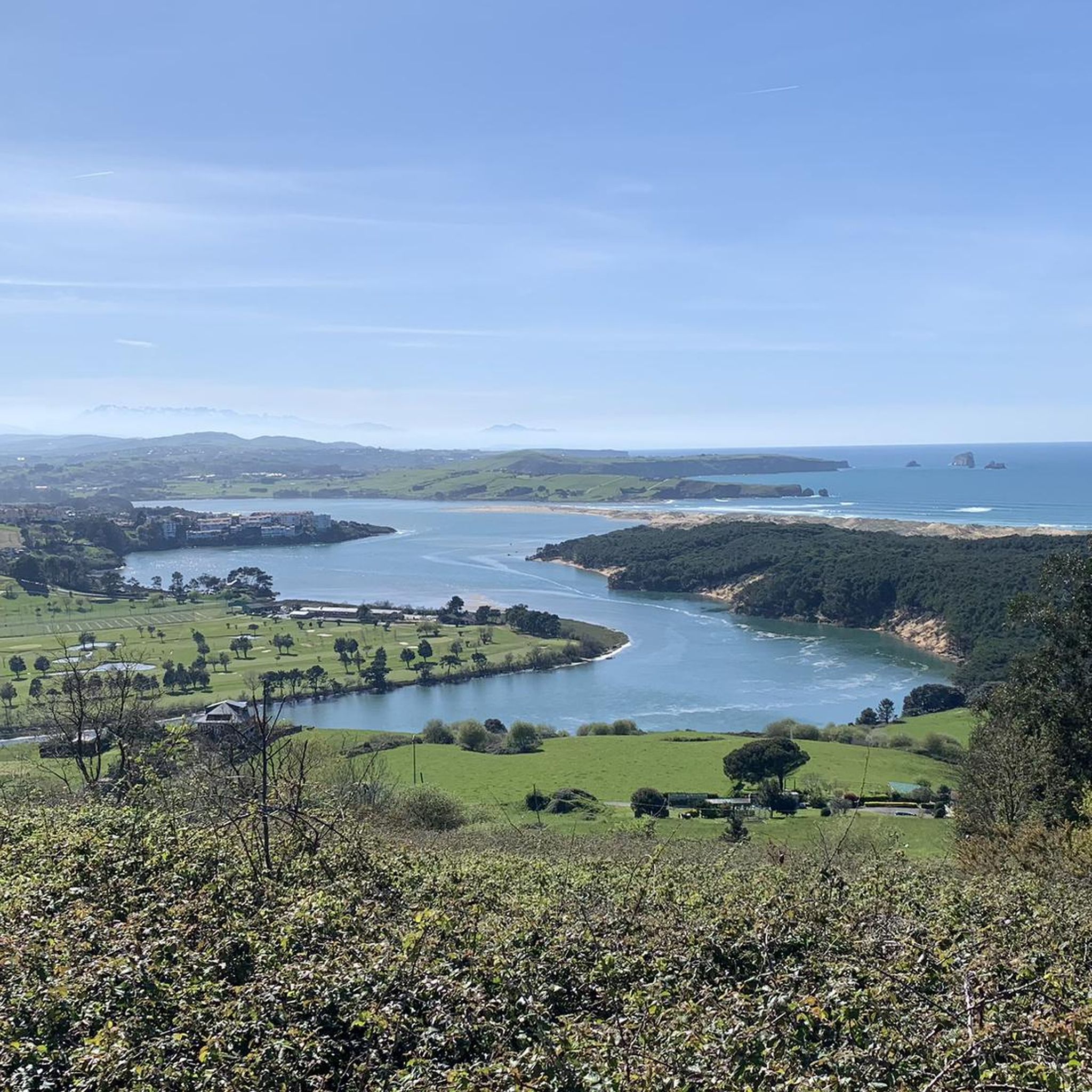
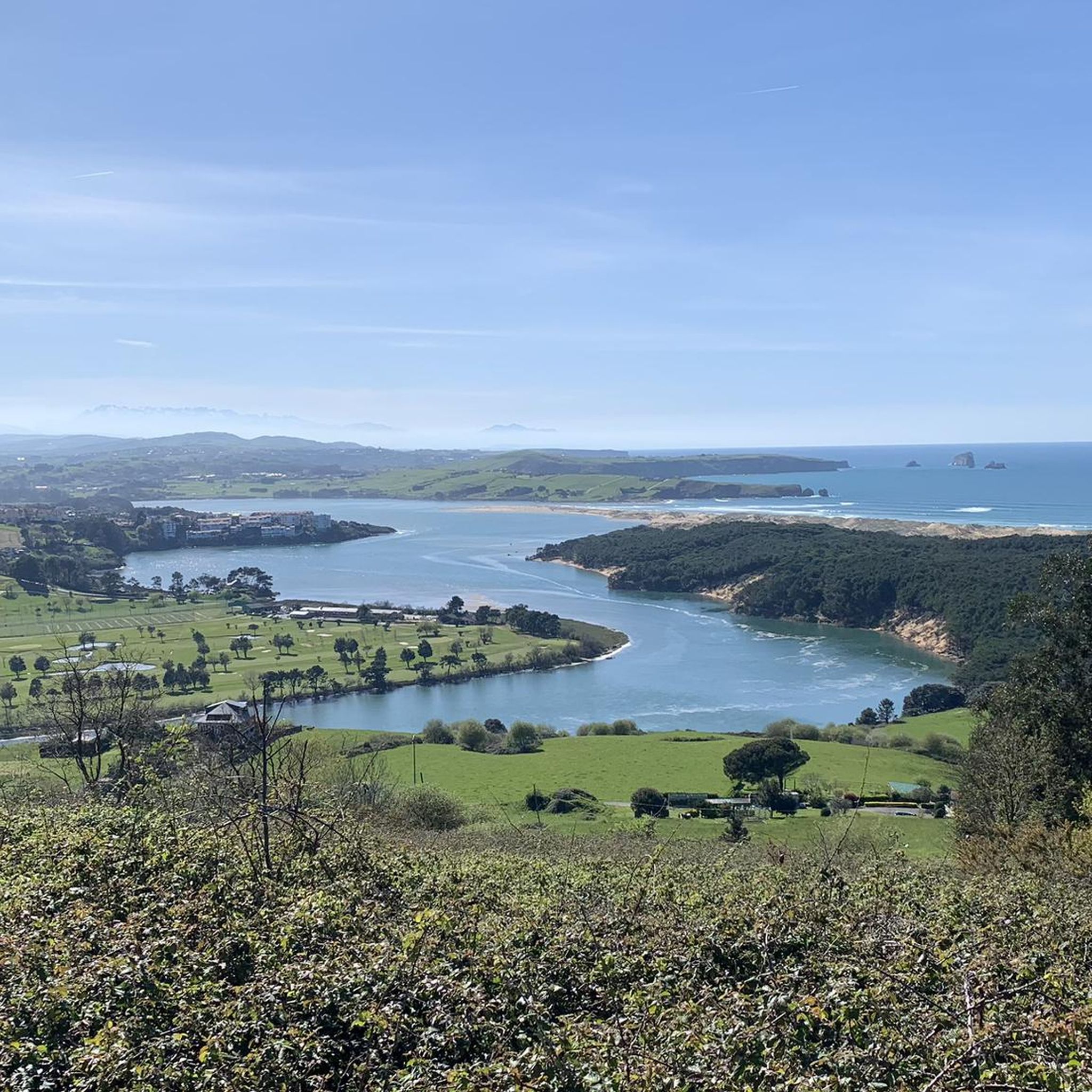
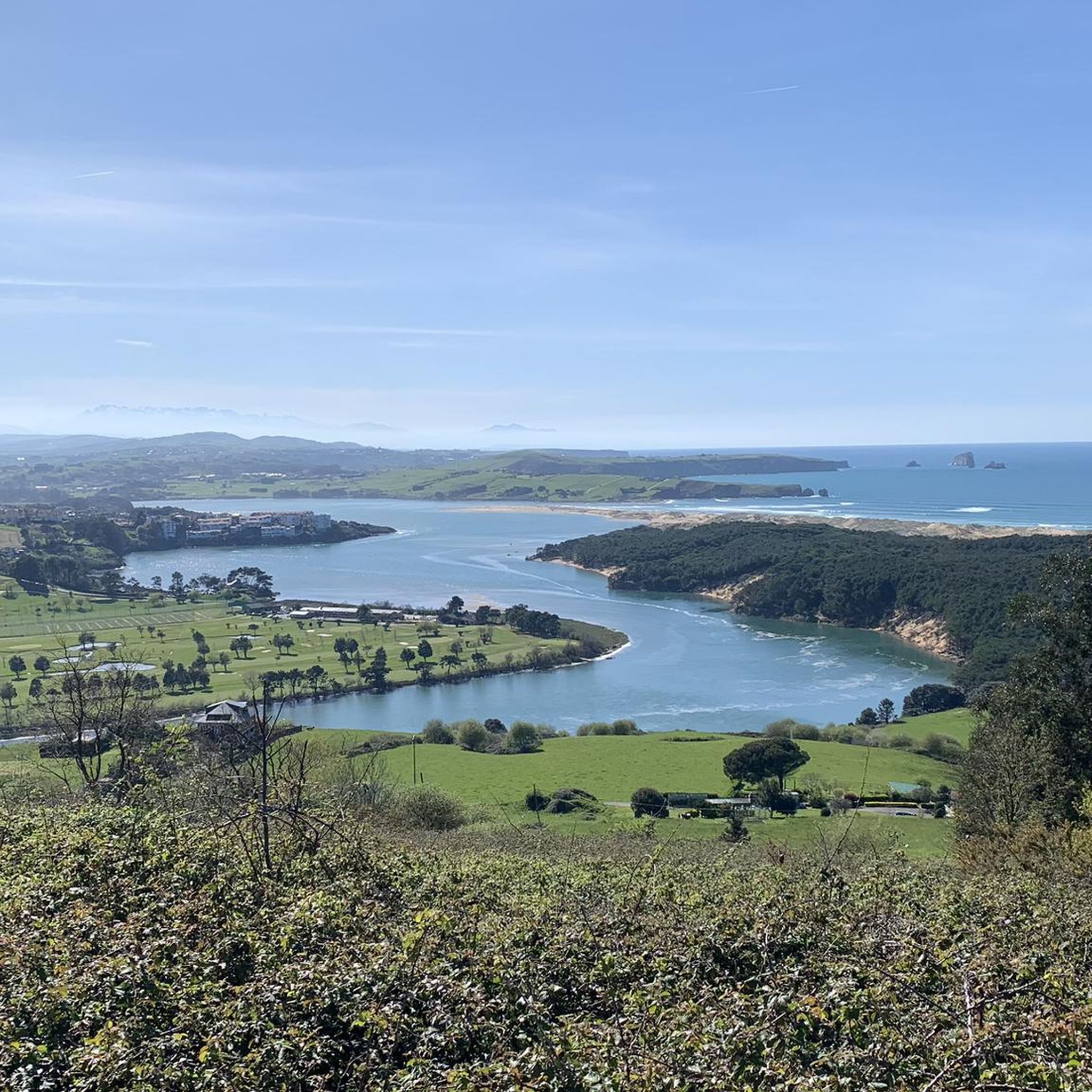
Best natural monuments around Piélagos are primarily found within the Dunes of Liencres Natural Park, a protected area at the mouth of the Pas River in Cantabria. This region features one of northern Spain's significant dune systems, alongside diverse coastal landscapes. The area is characterized by its geomorphological and ecological importance, offering a variety of natural features. It is part of the broader Costa Quebrada Geological Park, known for its unique coastal landforms.
Best natural monuments around Piélagos
- The most…
Last updated: October 5, 2026
Canallave Beach
Highlight • Beach
Translated by Google •
Tip by

Costa Quebrada Rock Formations
Highlight (Segment) • Natural Monument
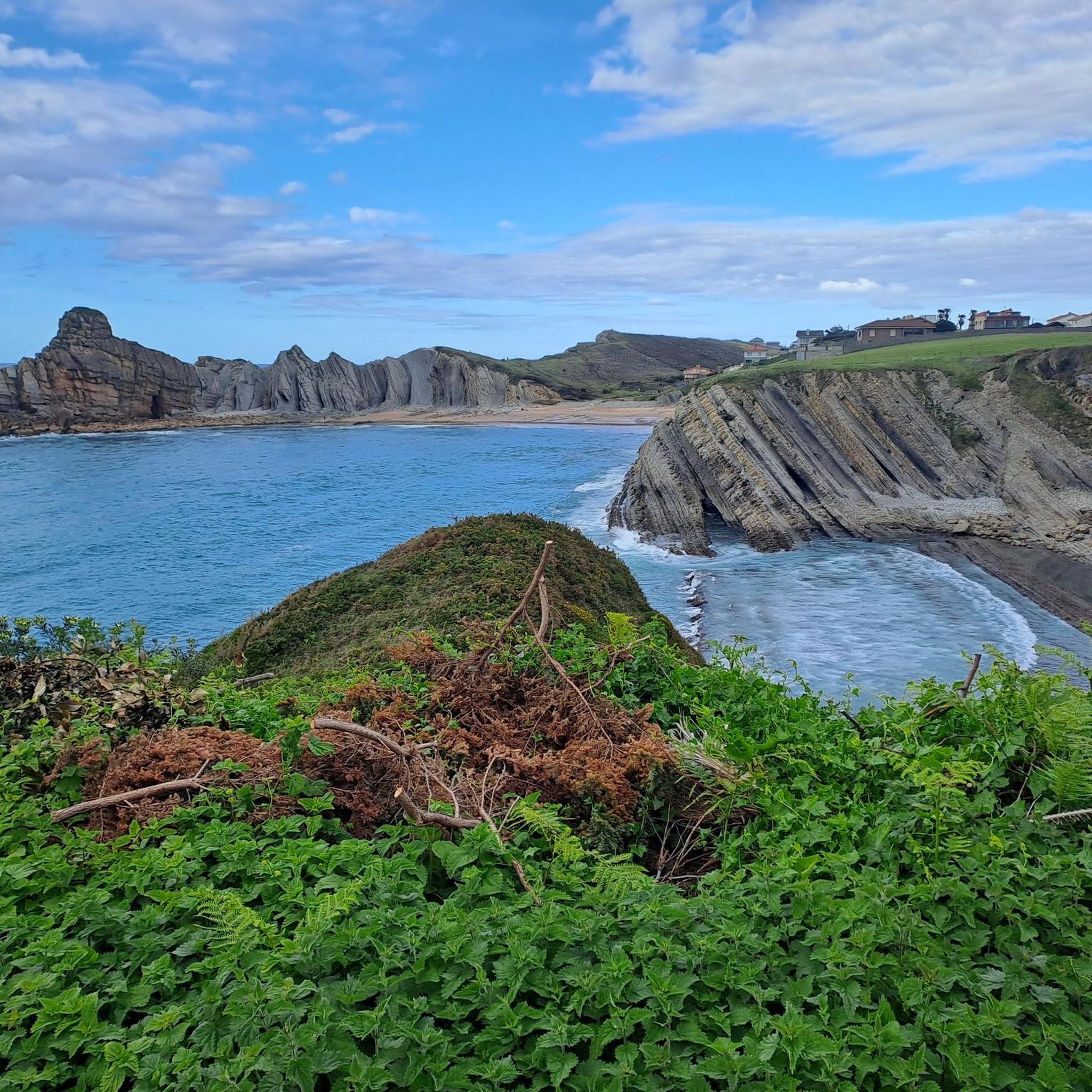
Costa Quebrada is a stretch of coastline that constitutes a true classroom of sea and land where both teachers, in a book of stone sheets …
Translated by Google •
Tip by

Sign up now to discover places like this
Get recommendations on the best single tracks, peaks, & plenty of other exciting outdoor places.
Somocuevas Beach
Highlight • Beach
Translated by Google •
Tip by
Santa Justa Beach
Highlight • Beach
Translated by Google •
Tip by

El Sable Beach
Highlight • Beach
Translated by Google •
Tip by

Sign up for free to discover even more natural monuments around Piélagos.
Already have an account?
Start today with a free account
Your next adventure awaits.
Popular around Piélagos
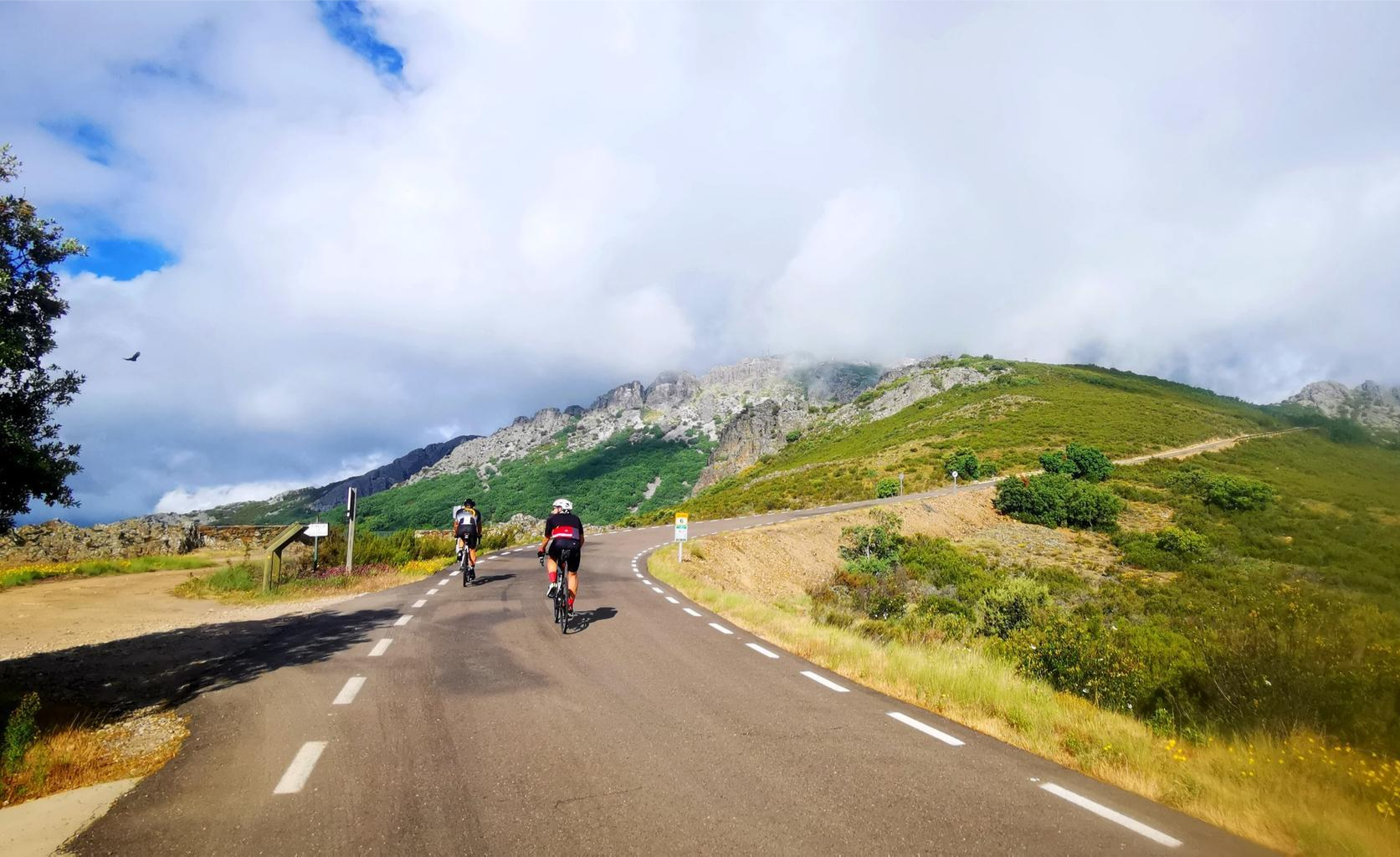
Legendary climbs - Ports of La Vuelta a España
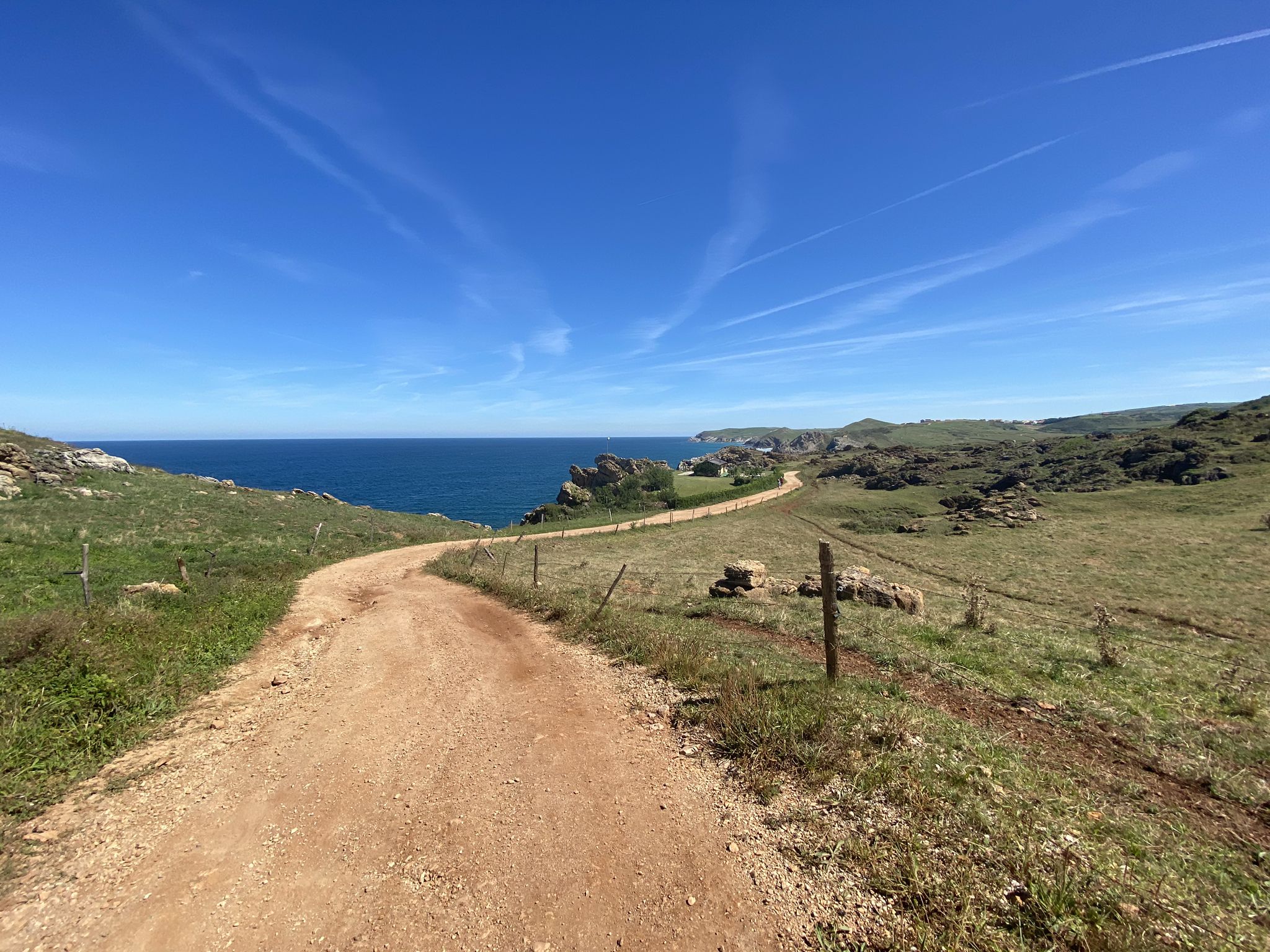
Paths and waves – surf trip by bike in Cantabria
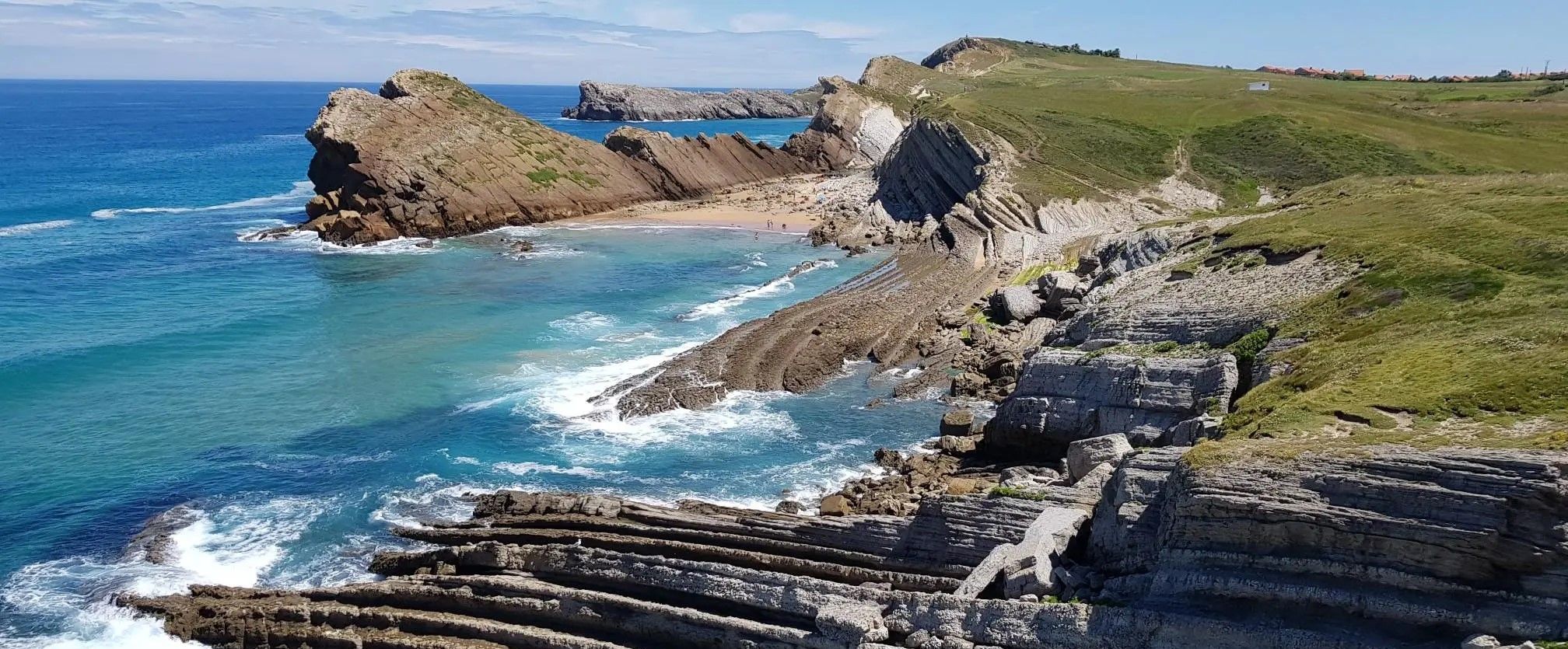
Water everywhere — Amazing routes near Santander
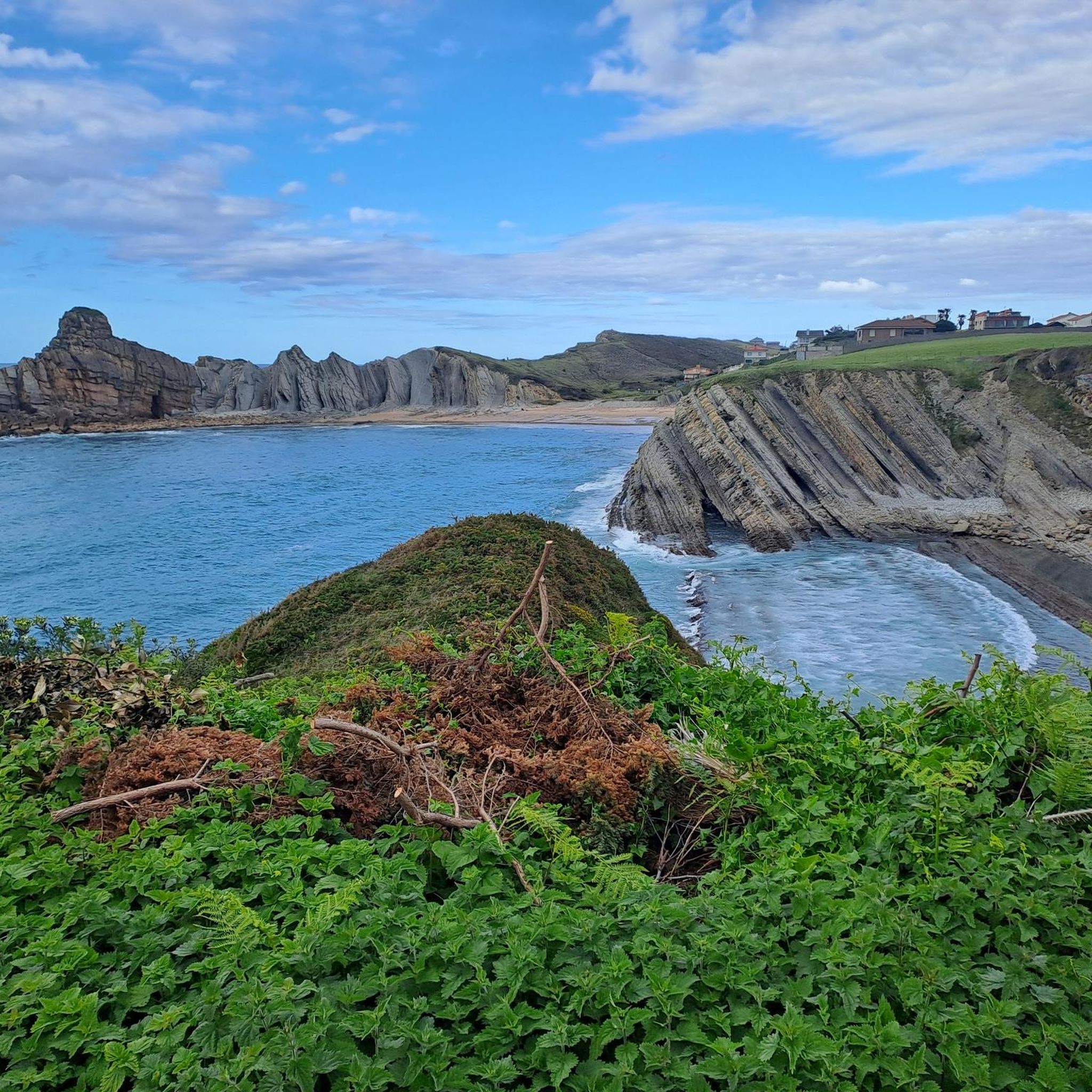
Hiking around Piélagos
Road Cycling Routes around Piélagos
Running Trails around Piélagos
Cycling around Piélagos
MTB Trails around Piélagos

Gravel biking around Piélagos


Tips from the Community


The Santa Justa beach is a beautiful and unique Cantabrian cove known for housing the Hermitage of Santa Justa embedded in the cliff rock and for its strong currents. It is located next to the town of Ubiarco, in the municipality of Santillana del Mar.
0
0

The Costa Quebrada is a magnificent coast for hiking. The access to the bay is currently closed (13.4.26).
1
0
Tagle Beach is a wild cove in the municipality of Suances, and often has high waves and strong currents.
0
1

El Sable Beach, located in Tagle, a town in the municipality of Suances (Cantabria), is a natural gem perfect for those seeking tranquility and scenic beauty.
4
0

A unique, rugged coastline with high geological value. Some paths lead close to the steep, dramatic cliffs. Interesting flora.
0
0

The beautiful Sable beach is in Tagle (Suances). It is also known as Tagle beach and its sandbank measures approximately 200 meters of very fine sand in a spectacular enclave. It can be reached by car as it has a small parking lot that fills up quickly and with basic services, including surveillance.
1
0
Santa Justa beach is located in Ubiarco (Santillana del Mar) with approximately 100 meters of very fine sand. On one of its sides (right) there is a stony ground and a small wooden bridge because the Rabió Stream ends here. From it we can clearly see the hermitage of Santa Justa nestled in the rock and the Tower of San Telmo on top.
2
0
Frequently Asked Questions
What are the main natural features to explore in Piélagos?
The primary natural area is the Dunes of Liencres Natural Park, which features one of northern Spain's most significant dune systems. Within this park, you'll find extensive maritime pine forests, the mouth of the Pas River, and diverse coastal landscapes. The broader region is also part of the Costa Quebrada Geological Park, known for its unique coastal landforms and geological significance.
Are there good hiking opportunities within the natural monuments of Piélagos?
Yes, the Dunes of Liencres Natural Park offers easily accessible hiking routes suitable for various fitness levels, including families. There are built paths with informative boards to enhance the visitor experience and protect the environment. For more extensive hiking options, you can explore the hiking routes around Piélagos.
What makes the Dunes of Liencres Natural Park unique?
The park is unique for its extensive and well-preserved dune system, which is one of the most important in northern Spain. These dunes are constantly shaped by wind and coastal currents. It also boasts beautiful beaches like Valdearenas and Canallave, a maritime pine forest, and significant biodiversity, especially for birdwatching.
Can I visit the natural monuments with my family or dog?
Yes, many areas within the Dunes of Liencres Natural Park are family-friendly, offering easy trails and picnic spots. Beaches like Canallave Beach and Arnía Beach are also noted as family-friendly. The park's trails are generally suitable for those with pets, though it's always advisable to keep dogs on a leash to protect local wildlife and ensure other visitors' comfort.
What kind of wildlife can I expect to see in the natural monuments?
The Dunes of Liencres Natural Park is a significant location for birdwatching, especially during winter when migratory waterfowl like mallards, herons, and egrets are common. Waders with long beaks and legs are also frequently seen in the muddy coastal environments. The specialized plant life adapted to sandy, salty conditions is also a highlight.
Are there any beaches within the natural monuments of Piélagos?
Absolutely. The Dunes of Liencres Natural Park includes two picturesque beaches: Canallave Beach, popular with surfers due to its wind and choppy seas, and Valdearenas, a long beach with fine golden sand. Other notable beaches in the area include Somocuevas Beach and Arnía Beach, known for their unique rock formations.
What are the geological highlights of the Piélagos coastline?
The Piélagos coastline, particularly within the Costa Quebrada Geological Park, is renowned for its exceptional coastal forms and geological features. You can observe unique rugged coastlines and rock formations, such as those at Costa Quebrada Rock Formations and Arnía Beach, where rocks are more than 90 million years old. These sites offer insights into the Earth's geological history.
How accessible are the natural monuments in Piélagos, especially for parking and public transport?
The Dunes of Liencres Natural Park offers ample parking facilities, making it convenient for visitors arriving by car. While specific public transport routes directly to all natural monuments might vary, the main areas of the park are generally accessible. Some beaches, like Somocuevas Beach, have parking areas nearby, though access to the beach itself might involve stairs.
When is the best time of year to visit the natural monuments around Piélagos?
The natural monuments around Piélagos can be enjoyed year-round. Spring and autumn offer pleasant temperatures for hiking and exploring, with fewer crowds. Summer is ideal for beach activities, though it can be busier. Winter is excellent for birdwatching, as migratory waterfowl are abundant. The geological features and coastal views are impressive in any season.
What do visitors particularly enjoy about the natural monuments in Piélagos?
Visitors frequently praise the stunning coastal views and the unique rugged coastline, especially along the Costa Quebrada. The diverse landscapes, from sandy dunes to ancient rock formations, are highly appreciated. Many also enjoy the peaceful atmosphere and the opportunities for outdoor activities like hiking and surfing, as highlighted by the komoot community's numerous upvotes and shared photos.
Are there other outdoor activities besides hiking near the natural monuments?
Yes, beyond hiking, the Piélagos area offers a variety of outdoor activities. The beaches, particularly Canallave Beach, are popular for surfing. You can also find numerous cycling opportunities, including MTB trails, road cycling routes, and gravel biking routes, many of which pass through or near the natural monuments.
Are there any viewpoints offering panoramic views of the natural monuments?
Yes, elevated points within the Dunes of Liencres Natural Park, such as La Picota (almost 300 meters high), provide panoramic and aerial views of the entire area, including the Pas Estuary and the extensive dune system. Many coastal paths also offer wonderful views of the cliffs and the Cantabrian Sea.
Are there easy walking trails suitable for all fitness levels?
Yes, the Dunes of Liencres Natural Park is well-equipped with built paths that are generally easy to navigate, making them suitable for all fitness levels, including families with young children or those seeking a leisurely stroll. These paths allow visitors to enjoy the natural beauty without strenuous effort.
Most popular routes around Piélagos
Most popular attractions around Piélagos

Get inspired with the komoot mobile app


Explore more
Extend your search for the best caves by checking out these guides of the top ones around Piélagos:
