Top 20 Natural Monuments around Villaconejos
Best natural monuments around Villaconejos include diverse geological formations and unique natural habitats within the Community of Madrid, Spain. The area features striking landscapes carved by natural processes, such as ravines and wetlands. These natural settings provide environments for varied flora and fauna, alongside points of geological and historical interest. Villaconejos offers opportunities to explore natural features and observe local wildlife.
Best natural monuments around Villaconejos
- The most popular natural monuments is Birdwatching Hide at San Juan Lagoons, a…
Last updated: July 1, 2026
Laguna Seca de las Esteras
Highlight • Lake
Translated by Google •
Tip by

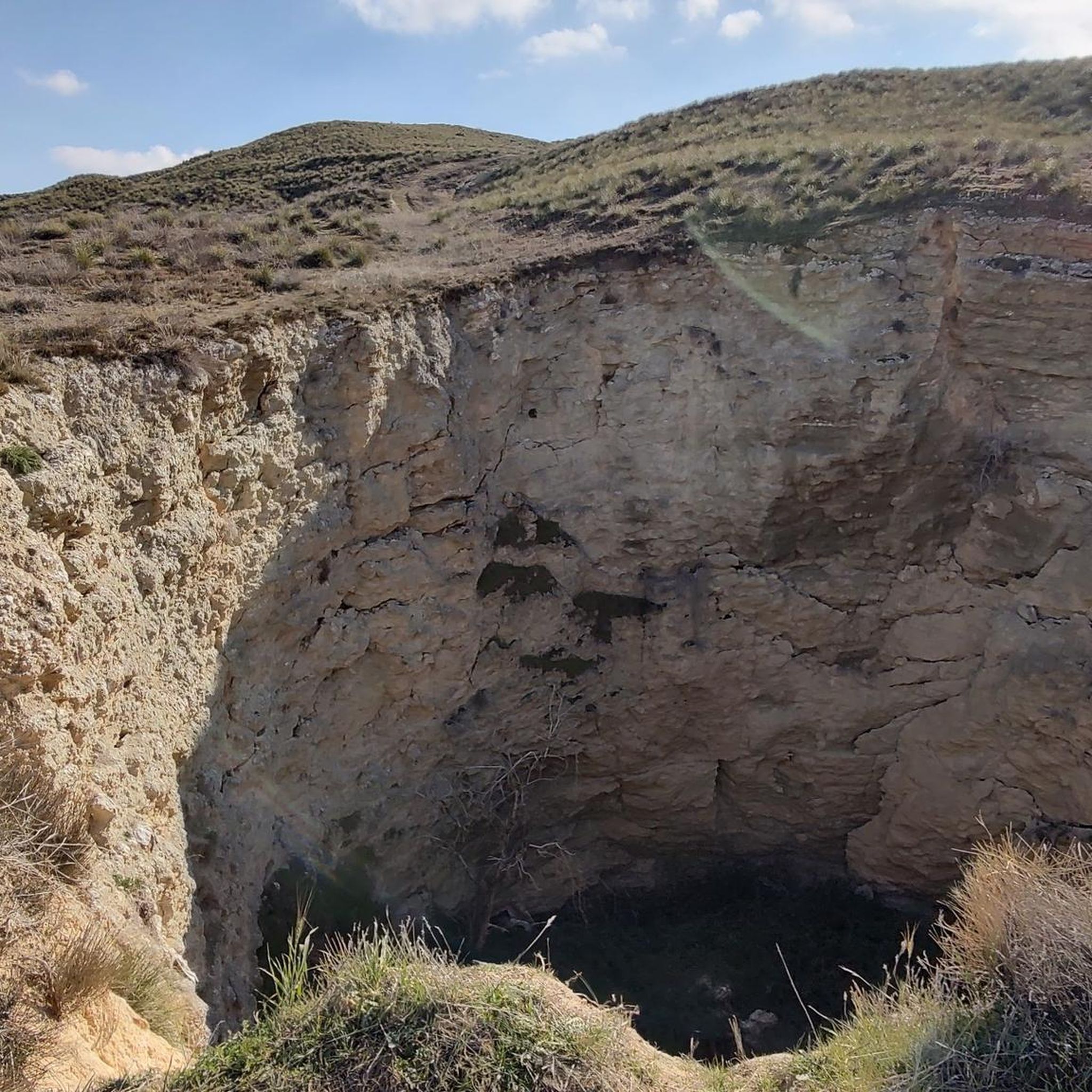
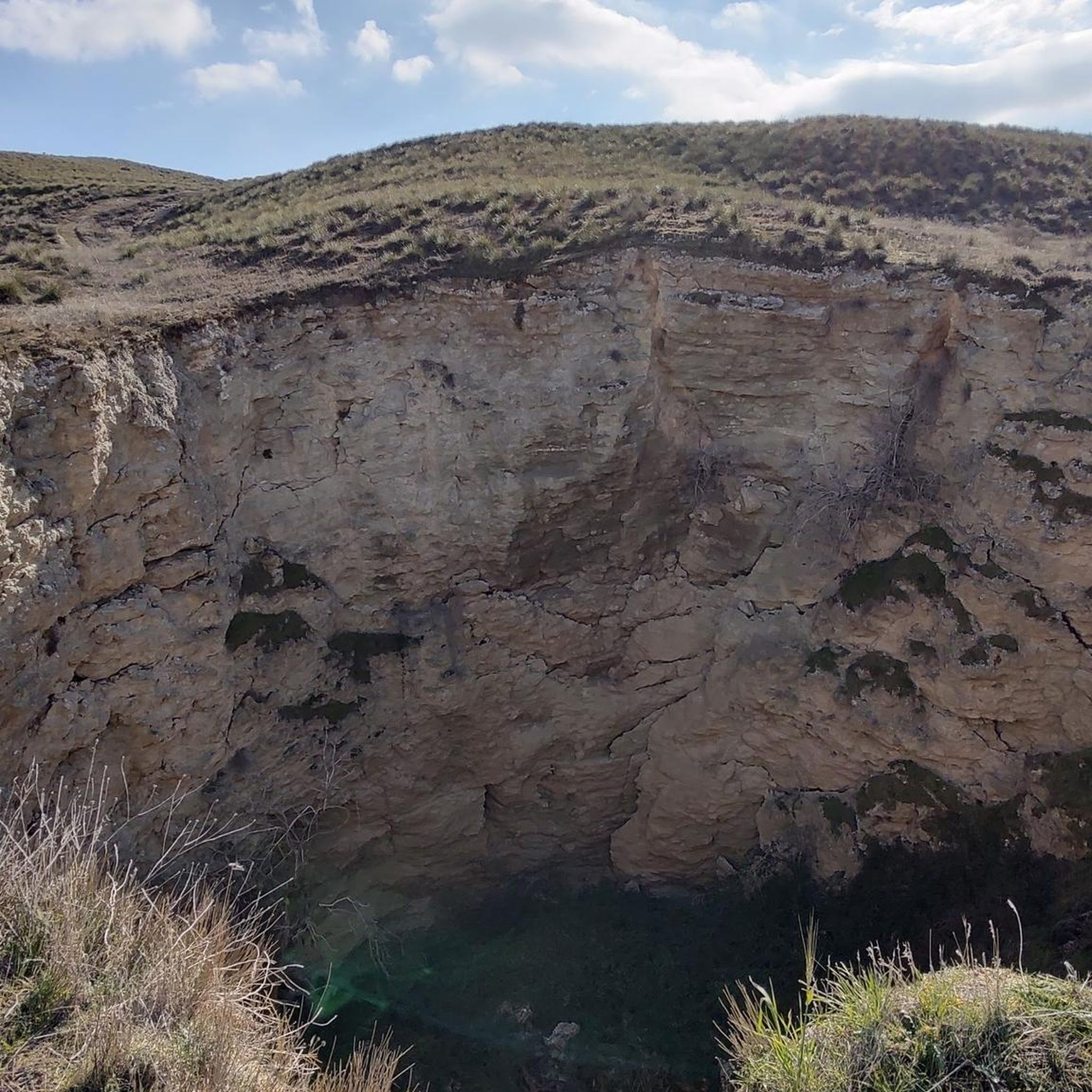
The Chinchón Sinkhole
Highlight • Cave
Translated by Google •
Tip by

Sign up now to discover places like this
Get recommendations on the best single tracks, peaks, & plenty of other exciting outdoor places.
Sign up for free
Birdwatching Hide at San Juan Lagoons
Highlight • Viewpoint
Translated by Google •
Tip by

Jardín del Príncipe
Highlight • Natural Monument
Translated by Google •
Tip by

Chinescos Pond
Highlight • Lake
It is an artificial lake with three islets where …
Translated by Google •
Tip by
Sign up for free to discover even more natural monuments around Villaconejos.
Sign up for free
Already have an account?
Start today with a free account
Your next adventure awaits.
Login or Signup

Tips from the Community

In spring and during the rainy season, the blue surface of the Esteras lagoon is an environmental jewel in the arid landscape of the rural moorland. The volume of water depends on rainfall and evaporation. During long periods of high temperatures, the water disappears and becomes a white salt lake with a noticeable crust of mineral salts. In this case, it is advisable not to enter the lake to closely observe the sodium sulphate crystals because it is a mud trap, the wetland is always under the salt.
0
0

The Garden of the Prince in Aranjuez, also known as the Garden of the Prince of Asturias, is a space of great beauty and historical relevance. The name is due to Charles IV, who ordered its creation when he still held the title of Prince of Asturias. This garden preserves previous elements, such as the Island's orchard. I hope you enjoy your visit to the Jardín del Príncipe in Aranjuez! 🏰🌳🌸
14
0

Huge garden where the monarchs walked surrounded by a splendid security fence adorned with stones and wrought iron in the purest royal style.
2
0

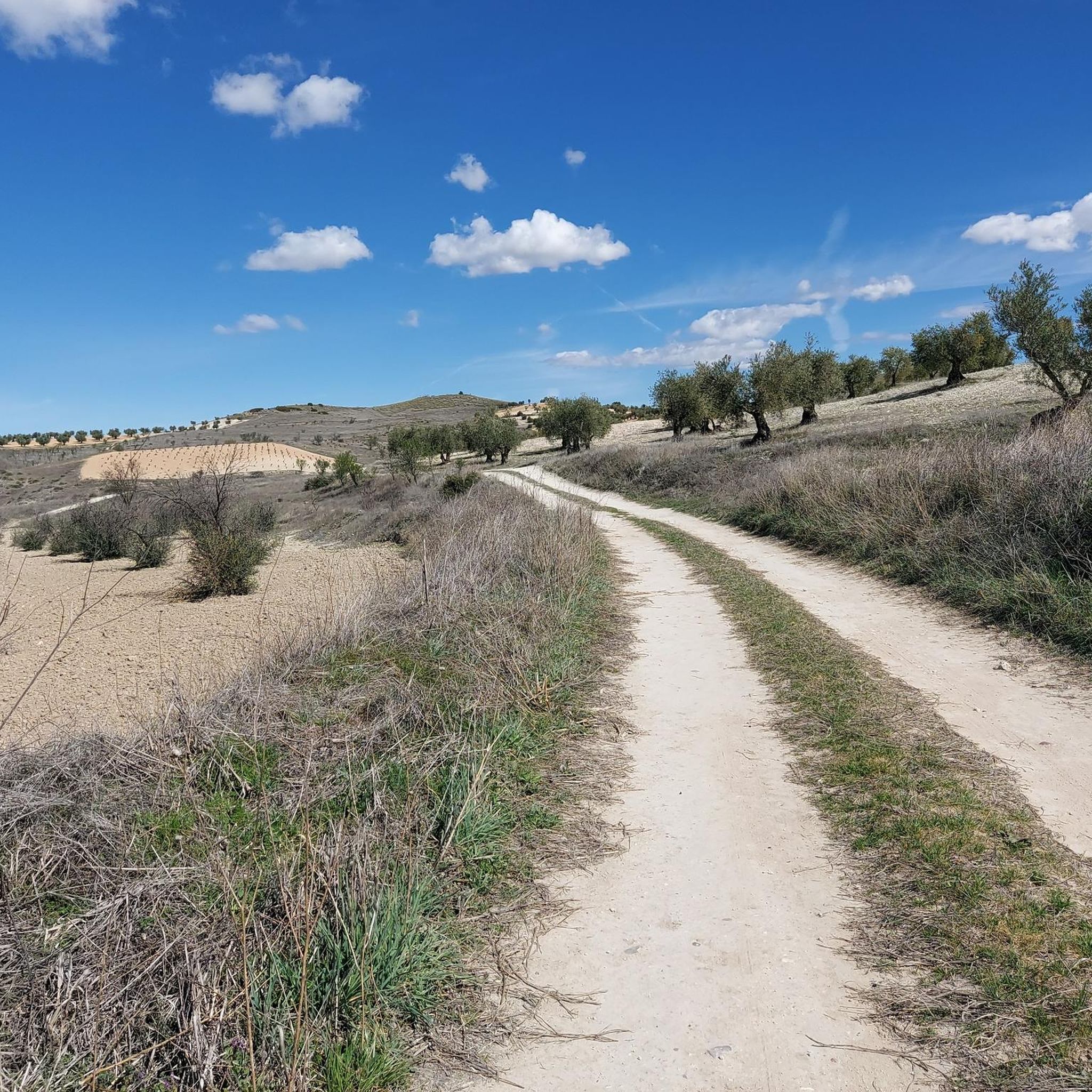
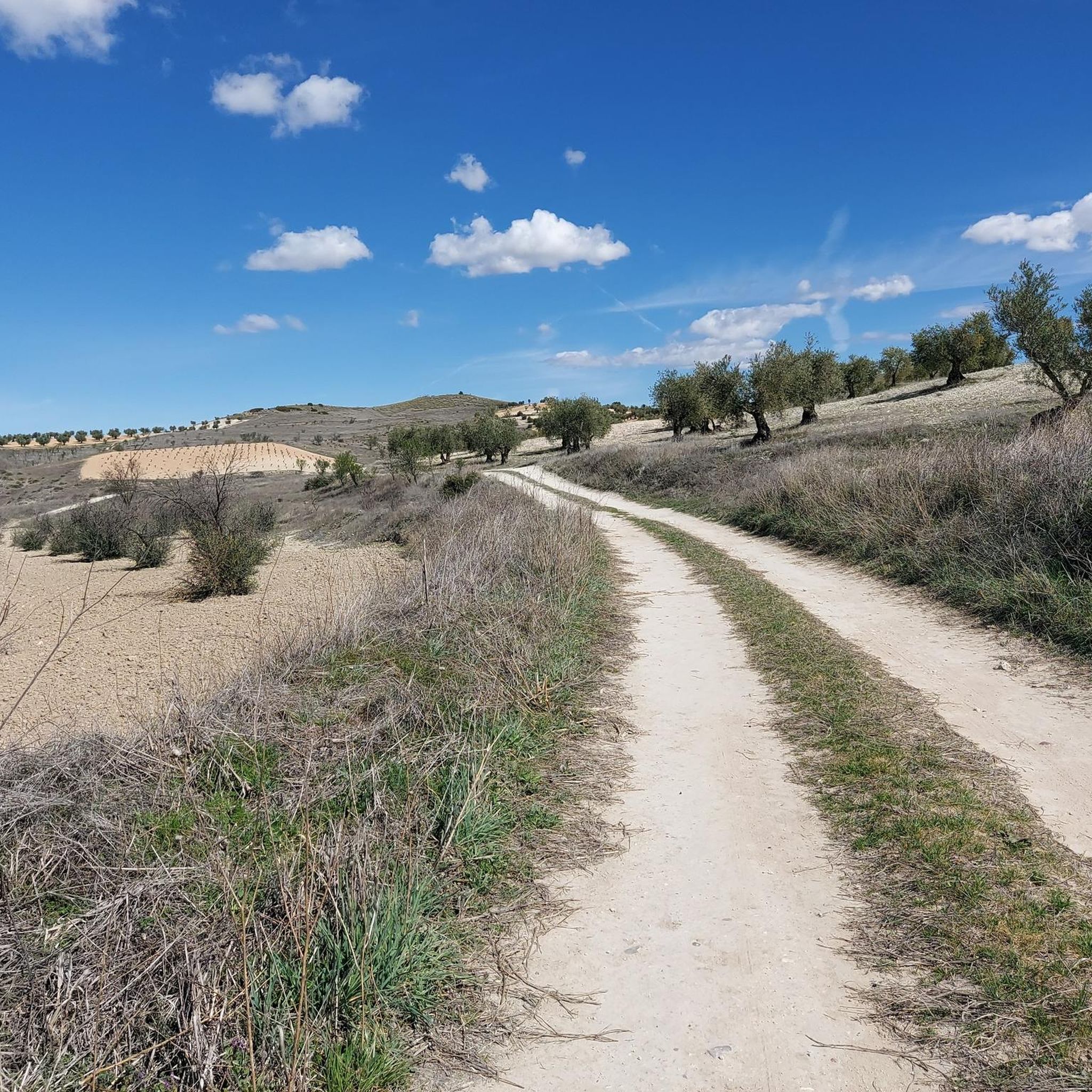
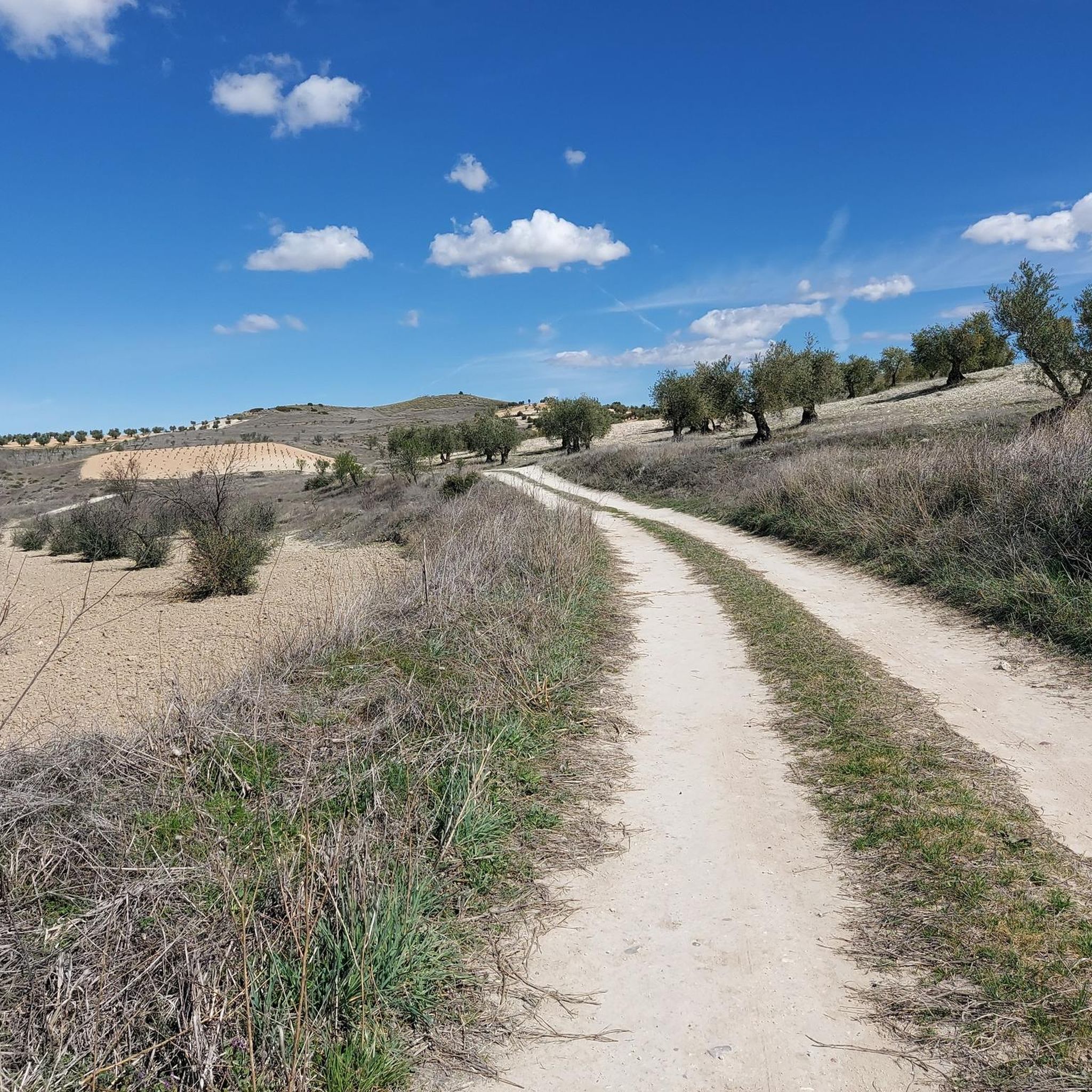
At this point on the path of La Blanca, at the height of the San Juan lagoons, there is a viewpoint frequented by bird lovers. It is a perfect point to see the fauna that inhabits this seasonal wetland.
0
0

The route enters the Cañada del Raso through the access to a gypsum factory, leaves the facilities on the right and passes through the Laguna Seca or Las Esteras wetland, a valuable lake ecosystem in a natural depression in the land that floods temporarily, creating a hypersaline wetland of great geological, botanical and faunal importance of high environmental value, a small wonder in the páramo landscape.
0
0

Impressive and wide park to the northeast of the Palace, of 150 hectares, delimited by the Tagus river, and that stands out for its botanical wealth.
5
1

It's kind of scary to look out. Better do it with caution
0
0
You can find this place in the middle area of the Prince's Gardens, accessing through the Puerta de la Plaza Redonda. It is an artificial lake with three islets where you can see a Greek-style temple with Ionic columns that emulate being made of marble, which was built at the beginning of the 18th century by Juan de Villanueva, who was the architect of the Prado museum building.
10
0
Frequently Asked Questions
What are some of the most unique natural monuments to visit around Villaconejos?
The region offers diverse natural monuments. You can explore the unique geological formations of The Chinchón Sinkhole, a significant natural depression. Another notable site is Laguna Seca de las Esteras, a valuable hypersaline wetland that transforms into a white salt lake during dry periods. For birdwatching, the Birdwatching Hide at San Juan Lagoons provides an excellent point to observe local fauna.
What kind of geological features can I expect to see in the natural monuments around Villaconejos?
Villaconejos is known for its striking geological formations, particularly the Barranco de Villacabras. This ravine features gypsum terrain with steep slopes and cliffs up to 50 meters high, carved by centuries of erosion. You'll also find unique natural depressions like The Chinchón Sinkhole and the hypersaline Laguna Seca de las Esteras, which showcases fascinating salt crusts.
Are there any natural monuments with historical significance in the Villaconejos area?
Yes, the Barranco de Villacabras holds historical significance due to its medicinal waters. In the 19th century, rainwater filtered through saline layers in the ravine became enriched with minerals, gaining renown for its purgative and skin-healing properties. Additionally, the Jardín del Príncipe, though a designed landscape, is a natural monument with significant historical relevance, ordered by Charles IV.
What wildlife can I observe at the natural monuments near Villaconejos?
The natural monuments around Villaconejos offer opportunities for wildlife observation. The Barranco de Villacabras provides a rich habitat for diverse fauna and flora. The seasonal wetlands, such as the San Juan Lagoons, are frequented by bird lovers, and the Birdwatching Hide at San Juan Lagoons is a perfect spot to see the local birdlife.
Tell me more about the Barranco de Villacabras.
The Barranco de Villacabras, located just three kilometers from Villaconejos, is a striking natural monument. It's characterized by its gypsum terrain, where a stream has carved steep slopes and cliffs up to 50 meters high. Historically, its filtered rainwater was prized for its medicinal properties. The ravine is also home to a diverse array of flora and fauna, and a spectacular giant poplar tree marks its entrance.
What makes the Laguna Seca de las Esteras a unique natural monument?
Laguna Seca de las Esteras is a valuable hypersaline wetland ecosystem. It's unique because it floods temporarily, and during long periods of high temperatures, the water evaporates, leaving behind a white salt lake with a noticeable crust of sodium sulfate crystals. This transformation creates a distinct and environmentally significant landscape within the arid moorland.
Is The Chinchón Sinkhole accessible for all visitors?
The Chinchón Sinkhole is categorized as a challenging natural monument. While it's a fascinating geological feature, visitors are advised not to get too close due to its nature. Some routes leading to it can be very demanding, so it's best suited for experienced explorers.
Are there family-friendly natural monuments around Villaconejos?
Yes, several natural monuments are suitable for families. The Birdwatching Hide at San Juan Lagoons is a family-friendly viewpoint. Additionally, the Jardín del Príncipe and Chinescos Pond, with its artificial lake and Greek-style temple, are also considered family-friendly and offer pleasant environments for a visit.
Can I bring my dog to the natural monuments in Villaconejos?
While specific regulations for each natural monument may vary, many outdoor areas in Villaconejos are generally dog-friendly, especially on trails and in open spaces. It's always recommended to keep dogs on a leash and ensure you clean up after them to preserve the natural environment for everyone.
What outdoor activities can I do near these natural monuments?
The area around Villaconejos offers a variety of outdoor activities. You can enjoy hiking on routes like 'Barranco de Picote – circular from Titulcia via the Jarama river' or 'Chinchón, Laguna de San Juan, and Sima de Peñaquemada Loop'. For cycling enthusiasts, there are road cycling routes such as 'Titulcia Main Square – Plaza Mayor de Chinchón loop' and MTB trails like 'Old Bridge of Titulcia – Titulcia Main Square loop'. You can find more details on these activities in the hiking, road cycling, and MTB guides for Villaconejos.
What is the best time to visit the natural monuments in Villaconejos?
The best time to visit often depends on your interests. For observing the unique characteristics of the Laguna Seca de las Esteras, the rainy season or spring is ideal to see its blue surface before it dries into a salt lake. For birdwatching at the San Juan Lagoons, visiting during the rainy season is also recommended. Generally, spring and autumn offer pleasant temperatures for hiking and exploring.
Are there viewpoints to enjoy scenic vistas of the natural monuments?
Yes, there are several spots to take in the views. The Birdwatching Hide at San Juan Lagoons offers a perfect point to observe the seasonal wetland and its fauna. The Barranco de Villacabras itself, with its steep cliffs and unique geological formations, provides many scenic vistas as you explore its trails.
Most popular routes around Villaconejos
Most popular attractions around Villaconejos

Get inspired with the komoot mobile app


Explore more
Extend your search for the best caves by checking out these guides of the top ones around Villaconejos:
