Top 10 Natural Monuments around Santiago De Compostela
Best natural monuments around Santiago De Compostela include diverse landscapes and unique ecological features. The region is known for its historical and architectural marvels, complemented by natural sites in its vicinity. These areas provide opportunities for nature exploration and respite from urban environments. The landscape features a mix of forests, rivers, and coastal formations.
Best natural monuments around Santiago De Compostela
- The most popular natural monuments is View of the Cathedral of Santiago de Compostela from Monte do Gozo,…
Last updated: July 1, 2026
Santa Irene Fountain
Highlight • Natural Monument
Translated by Google •
Tip by

Carballeira de San Lourenzo
Highlight • Forest
Translated by Google •
Tip by

Sign up now to discover places like this
Get recommendations on the best single tracks, peaks, & plenty of other exciting outdoor places.
Sign up for free
Alameda
Highlight • Forest
Tip by
Lavacolla Spring (Sionlla Stream)
Highlight • River
Translated by Google •
Tip by

View of the Cathedral of Santiago de Compostela from Monte do Gozo
Highlight • Viewpoint
Translated by Google •
Tip by

Sign up for free to discover even more natural monuments around Santiago De Compostela.
Sign up for free
Already have an account?
Start today with a free account
Your next adventure awaits.
Login or Signup
Popular around Santiago De Compostela
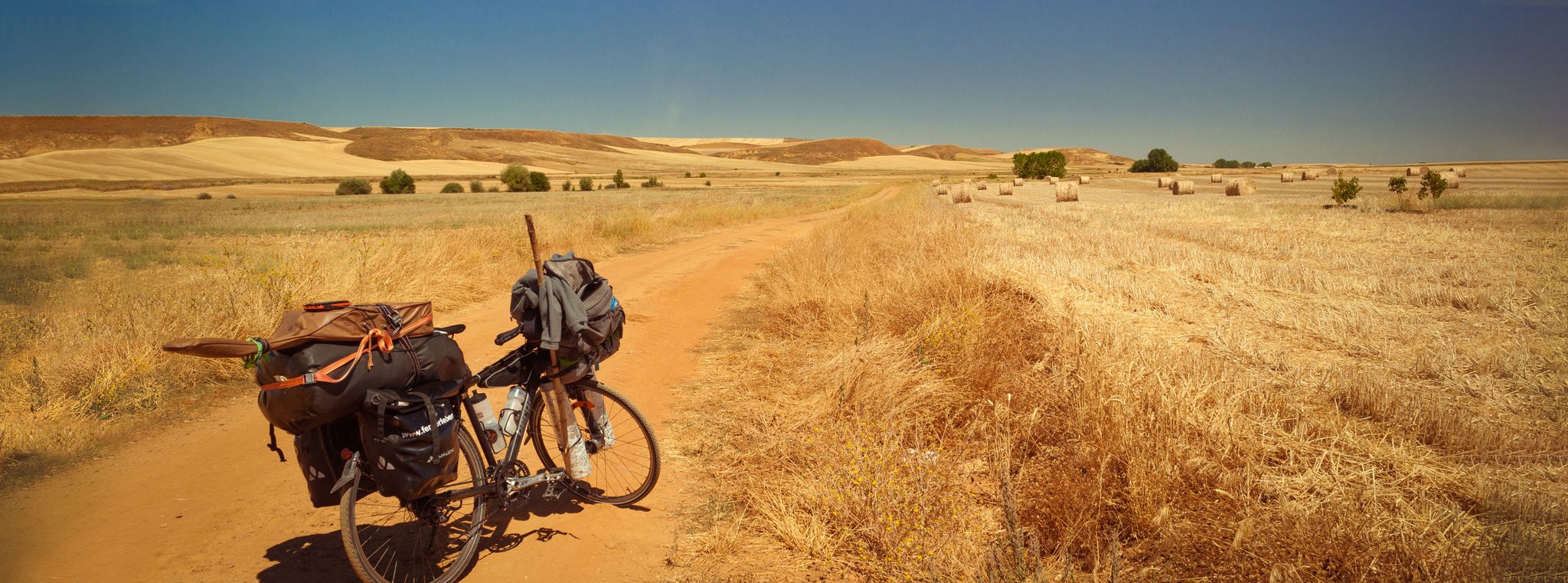
Camino Francés and Camino Finisterre – Cycling pilgrimages in Spain
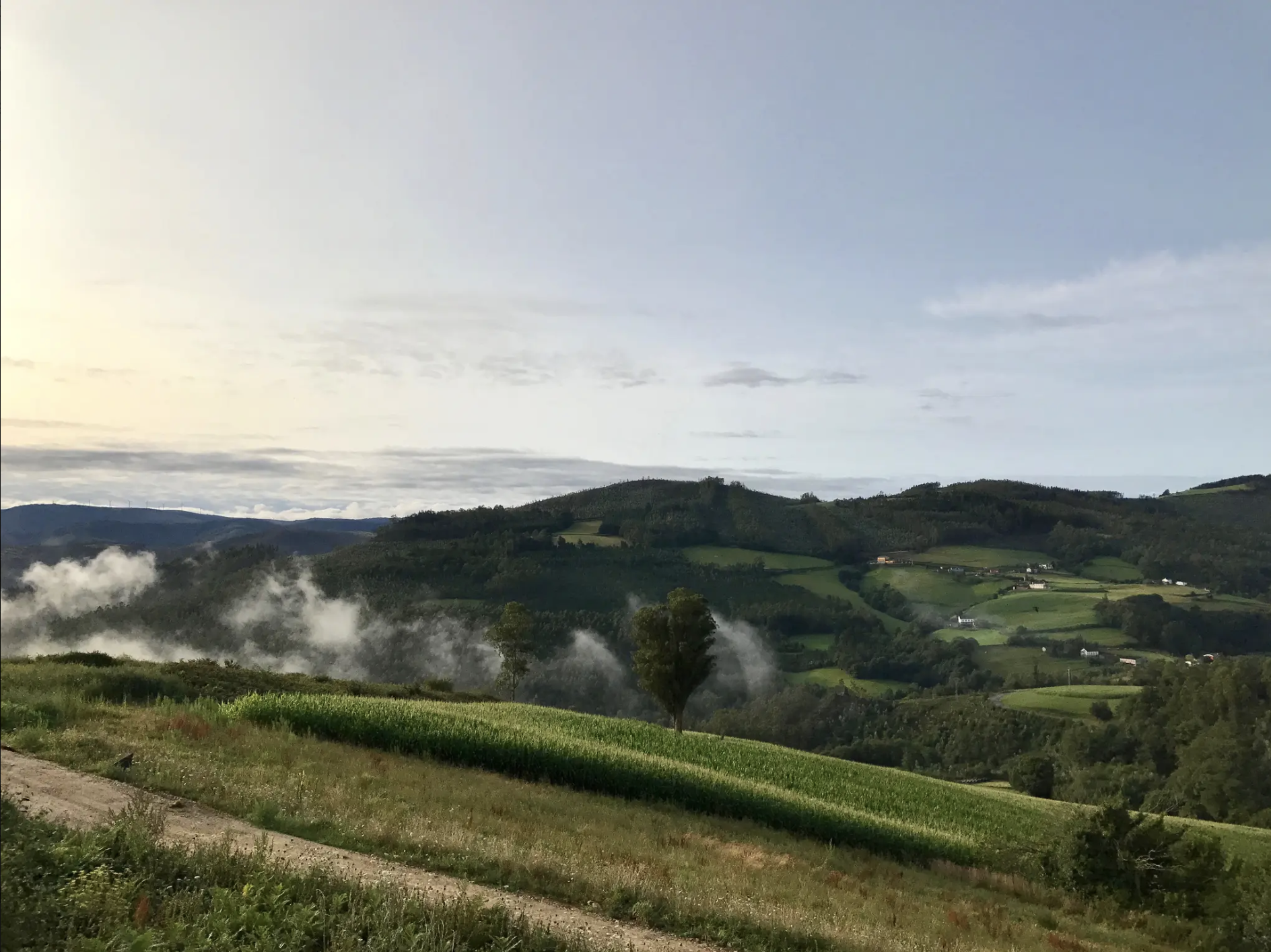
Camino del Norte (in reverse) – Discovering northern Spain's stunning coastline
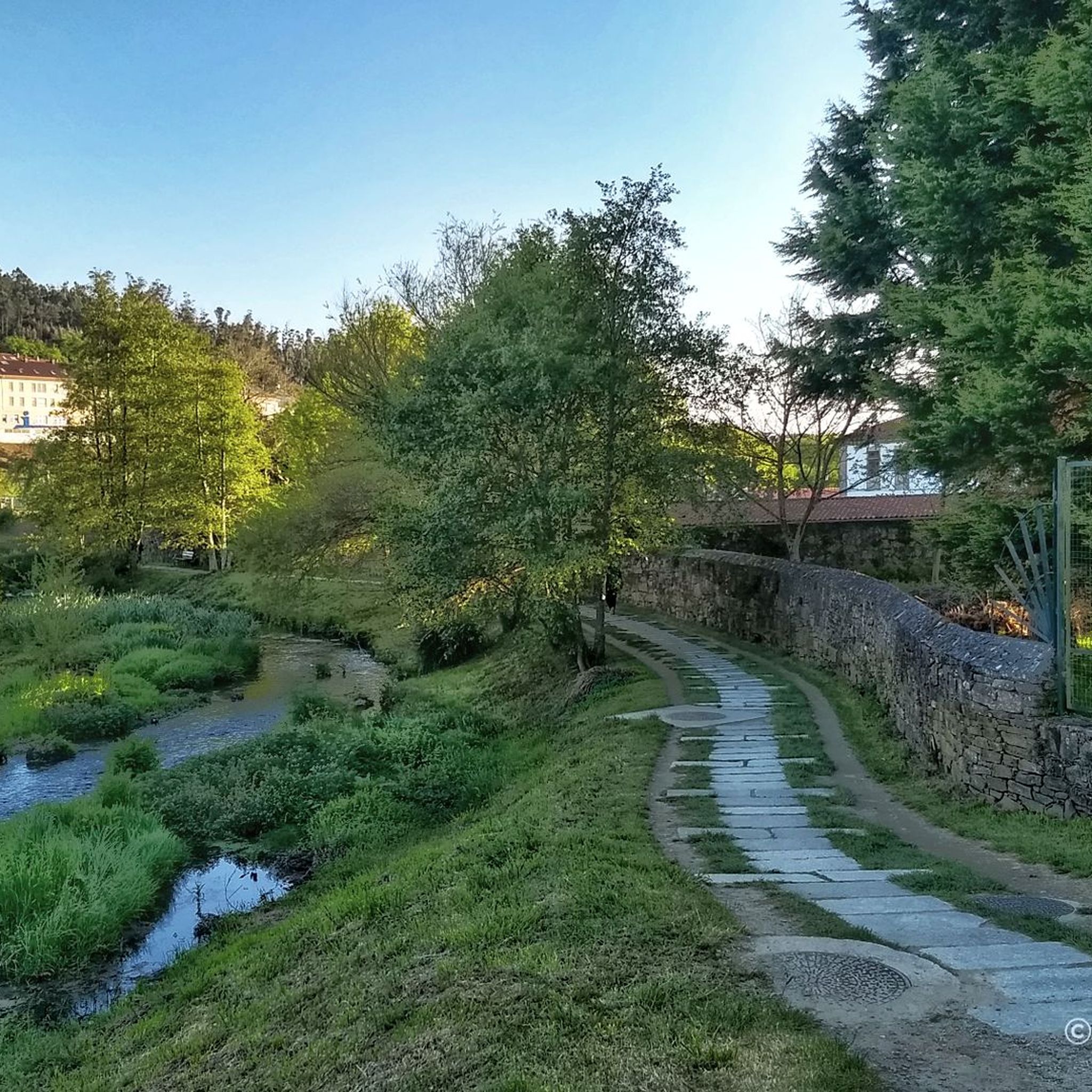
Hiking around Santiago De Compostela
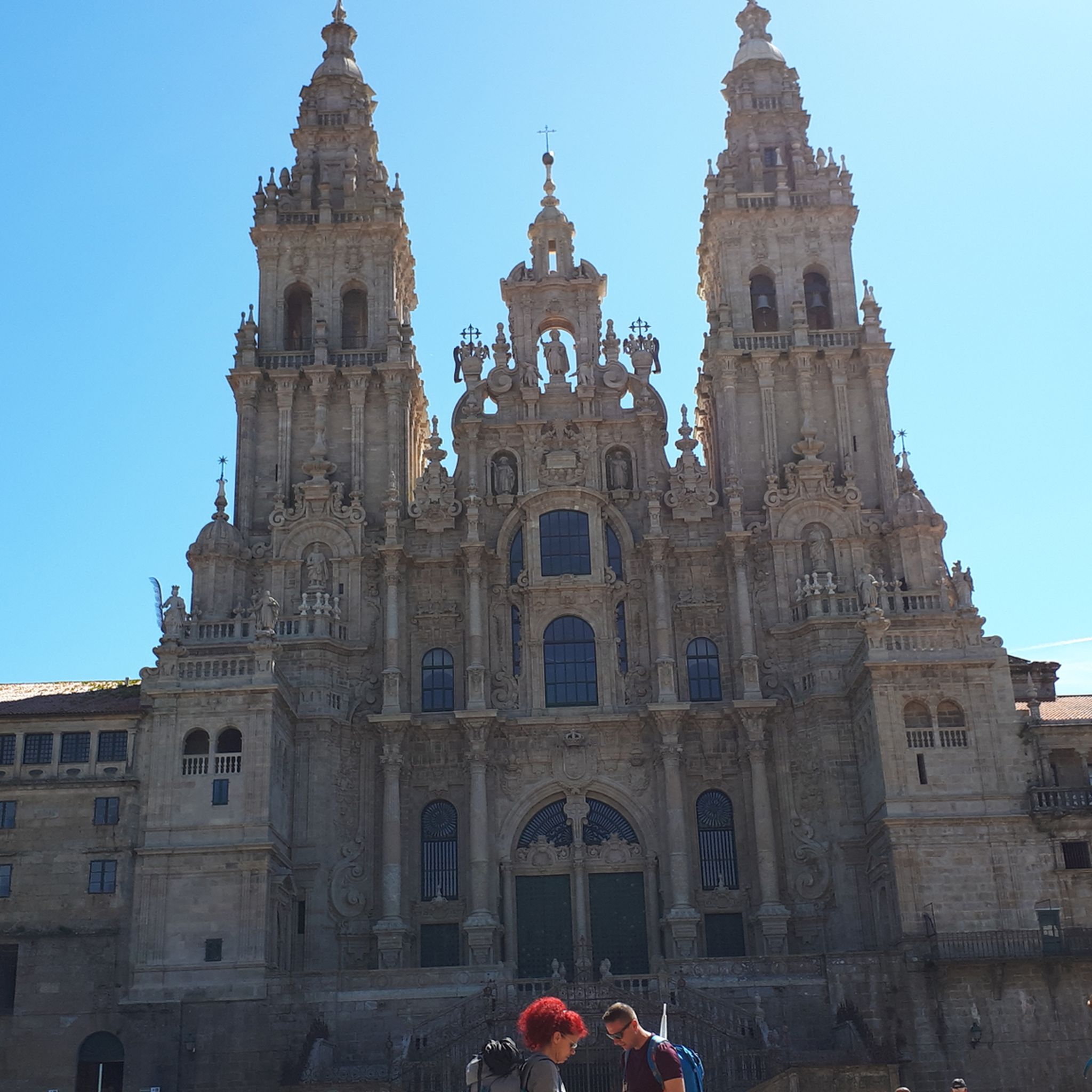
Cycling around Santiago De Compostela
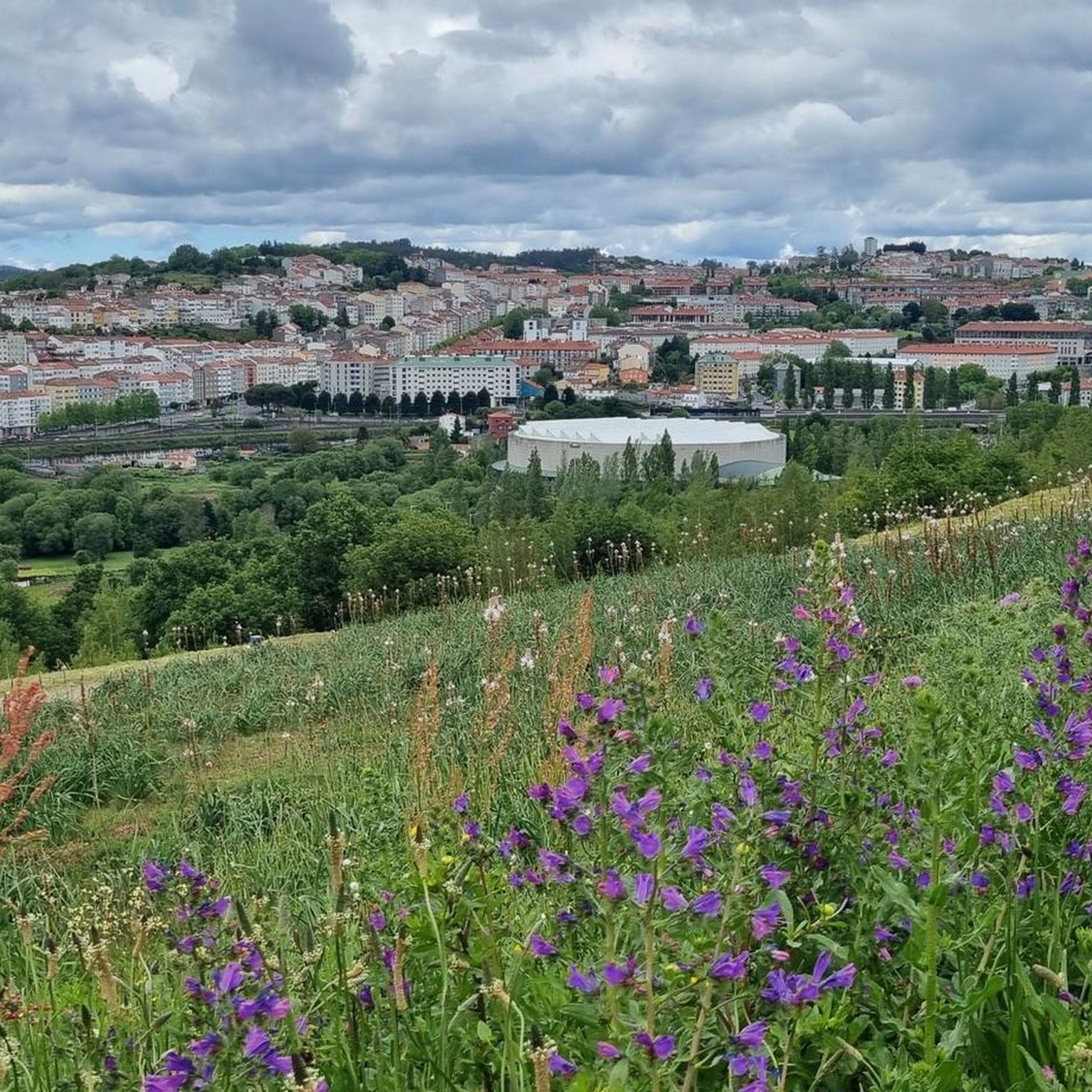
Road Cycling Routes around Santiago De Compostela
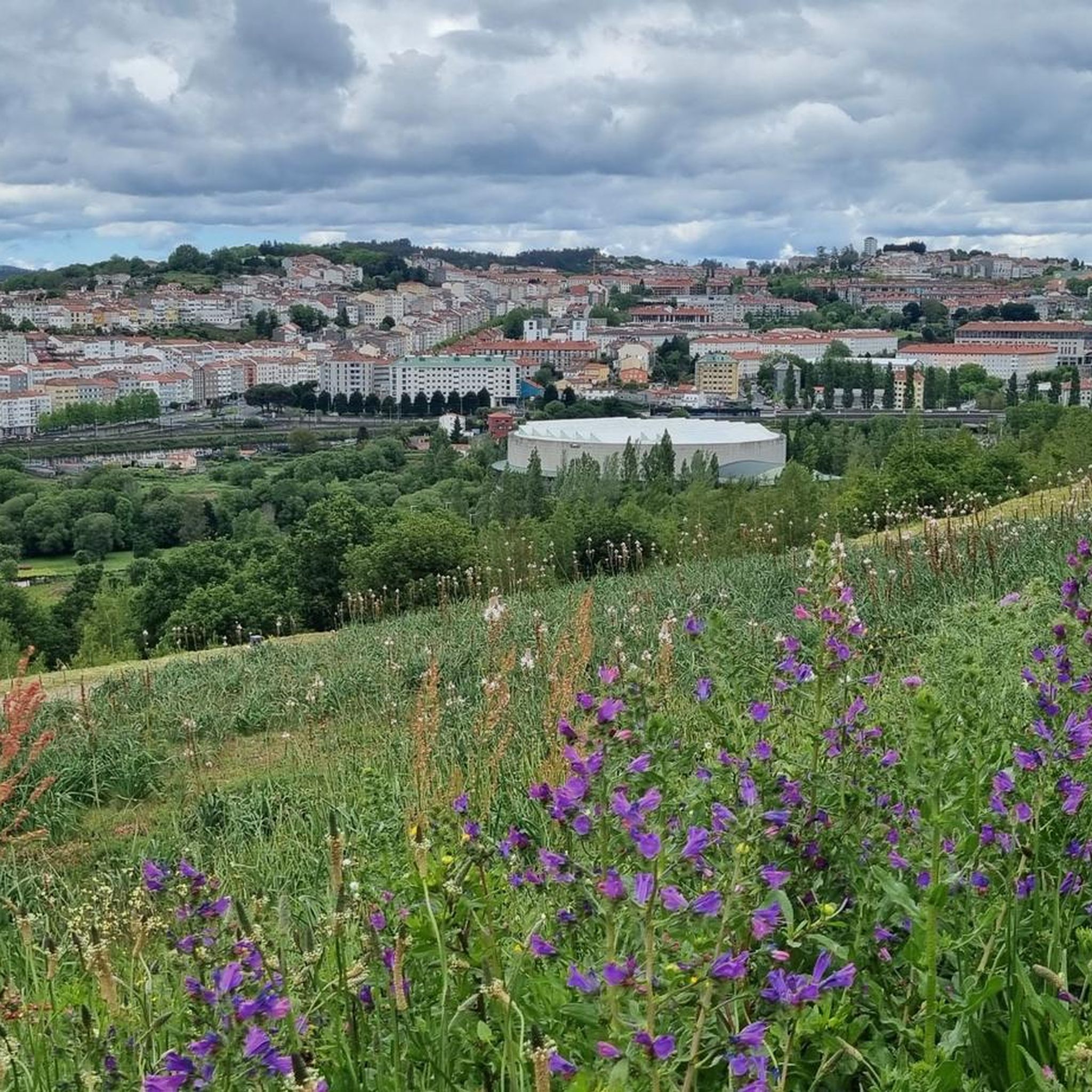
Running Trails around Santiago De Compostela
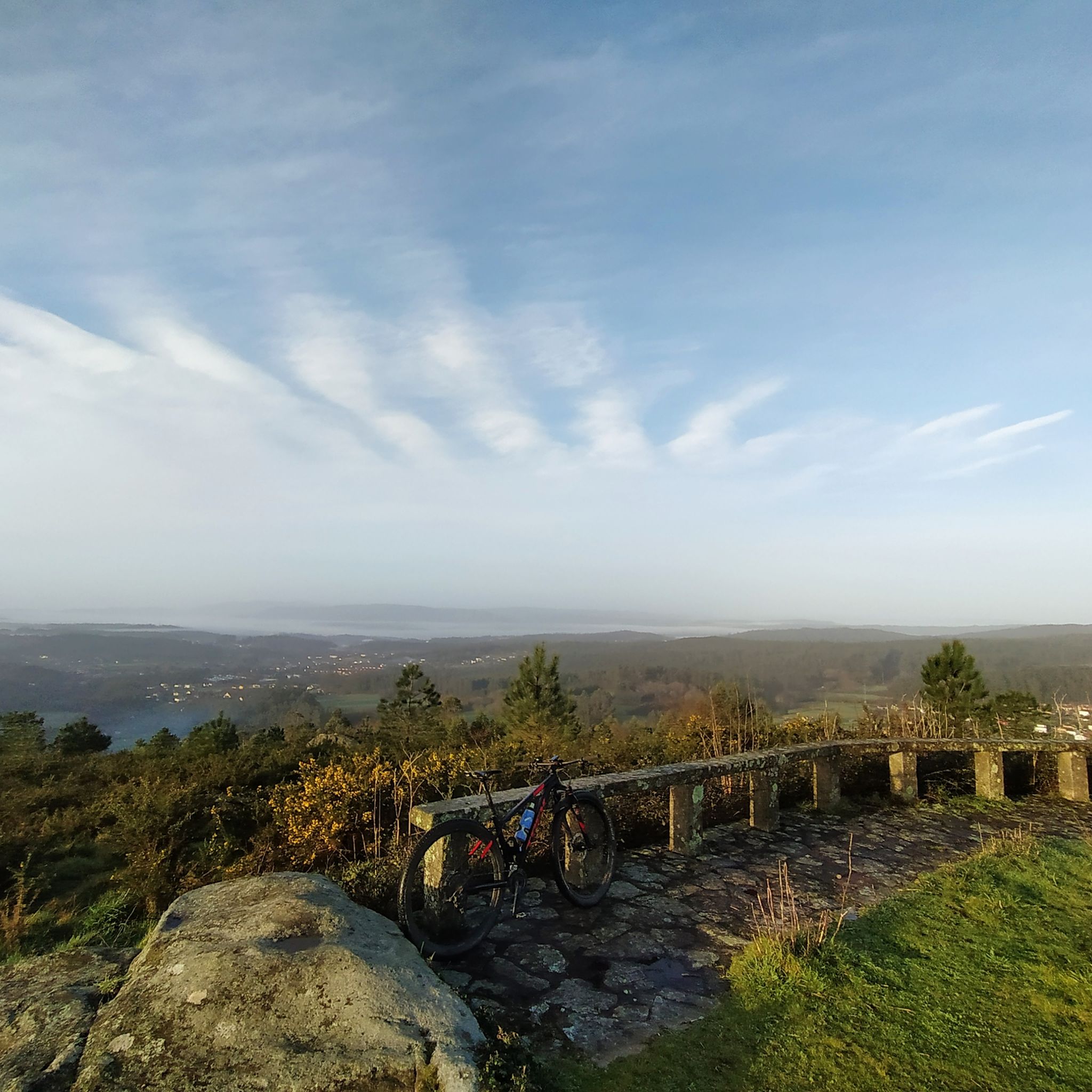
MTB Trails around Santiago De Compostela

Gravel biking around Santiago De Compostela


Tips from the Community

The city's excellent walking area, a stone's throw from the Old Town and also the New
0
0

The stream meanders through the valley. In summer it is a refreshing
1
1

Lavacolla has a history closely linked to the Camino de Santiago. It is known for being one of the last stopping points for pilgrims before reaching the Cathedral of Santiago de Compostela. Tradition indicates that in the stream of the Sionlla River, located in Lavacolla, pilgrims washed and changed their clothes as an act of purification before entering the city. It is believed that the name Lavacolla comes from this tradition of washing, although there are also theories that link it to "lava" (low pasture) and "colla" (hill).
0
1
The trees in this park are impressive.
0
0

The Alameda has been the main point of reference for walks and relaxation for the inhabitants of Santiago since the 19th century. It offers a cozy, natural environment and is also often visited by tourists. The park has a privileged location along part of the historic city and offers beautiful views of the western facade, the most monumental side of the city. The variety of ornamental trees, such as oaks, beautiful eucalyptus trees and a pergola with a view of Mount Pedroso, make the Alameda extra special. It is a place where time has left its mark, with historical features such as different walking paths for the different social classes from the 19th century, arched entrance gates and beautiful statues and sculptures. The granite benches with artistic cast iron backrests from the famous Sargadelos factory are also notable.
3
0

The park is natural with a few old and new art projects
1
0

Not very inviting, short refreshment possible 🤙
1
1

During the 1993 Holy Year, the pilgrim sculptures by the Galician sculptor Acuña were added to the Monte do Gozo viewpoint. They point to the Cathedral of Santiago de Compostela, which can be seen from here for the first time.
6
1
Frequently Asked Questions
Which natural monuments offer the best panoramic views around Santiago de Compostela?
For stunning panoramic views, head to Monte do Gozo, a significant stop for pilgrims that offers a clear view of the Cathedral of Santiago de Compostela. Another excellent spot is Pico Sacro, a distinctive quartz outcrop known for its unique pyramid shape, providing extensive views of the Ulla valley and Santiago itself. The Alameda park also provides beautiful views of the historic city.
Are there family-friendly natural monuments to visit near Santiago de Compostela?
Yes, several natural monuments are suitable for families. The Carballeira de San Lourenzo, with its centuries-old oak grove, is a pleasant and easy-to-explore forest. The Alameda park is also a popular choice for walks and relaxation. Additionally, the Lavacolla Spring (Sionlla Stream) offers a refreshing natural setting with historical significance for pilgrims.
What kind of outdoor activities can I do near the natural monuments?
The region around Santiago de Compostela offers a variety of outdoor activities. You can find numerous cycling routes, including touring bicycle, road cycling, and gravel biking options. For example, there are routes like the 'Santiago de Compostela - Negreira Return' for touring bicycles, or the 'Santiago de Compostela - Padrón Loop' for road cycling. You can explore more options for cycling in the Cycling around Santiago De Compostela guide.
Do any natural monuments have historical or cultural significance related to the Camino de Santiago?
Absolutely. Monte do Gozo is a crucial pilgrim stop, offering the first glimpse of the Cathedral. The Santa Irene Fountain, known as the Fountain of Eternal Youth, is located directly on the Way of St. James and has a chapel dedicated to Saint Irene. The Lavacolla Spring (Sionlla Stream) is historically significant as pilgrims traditionally washed here as an act of purification before entering Santiago.
Where can I experience ancient forests and rich biodiversity?
For an immersive experience in ancient forests and rich biodiversity, visit Fragas do Eume Natural Park. This park is one of Europe's best-preserved Atlantic forests, characterized by its temperate rainforest ecosystem, diverse flora, and a wide array of bird and mammal species. It also houses the historic San Juan de Caaveiro Monastery, adding a cultural dimension to its natural beauty.
Are there any unique geological formations or coastal natural monuments nearby?
Yes, Pico Sacro is a unique quartz outcrop with a distinctive pyramid shape and a deep cave, rich in Galician mythology. For coastal formations, the Dunes of Corrubedo and Carregal and Vixán Lagoons Natural Park features an impressive mobile dune over a kilometer long, alongside freshwater and saltwater lagoons. This park is also an internationally recognized Ramsar site for its ecological importance.
What kind of wildlife can I expect to see in these natural areas?
The natural monuments around Santiago de Compostela are home to diverse wildlife. Fragas do Eume Natural Park boasts 103 bird species, 41 mammal species, and various amphibians like the Iberian frog. The Dunes of Corrubedo and Carregal and Vixán Lagoons Natural Park is excellent for birdwatching, with species like Kentish Plover and grey heron, and also supports otters and various reptiles.
What are some lesser-known natural gems around Santiago de Compostela?
Beyond the well-known spots, the Carballeira de San Lourenzo offers a tranquil escape with its ancient oak grove and historical ties to a convent. While not a 'hidden gem' in terms of being unknown, its serene atmosphere provides a peaceful natural experience close to the city.
What is the best time of year to visit the natural monuments?
The best time to visit the natural monuments around Santiago de Compostela is generally during spring (April-June) and autumn (September-October). During these seasons, the weather is typically mild and pleasant for outdoor activities, and the landscapes are particularly vibrant, whether with spring blossoms or autumn foliage. Summer can also be enjoyable, but it can be warmer and more crowded.
Are there opportunities for birdwatching near Santiago de Compostela?
Yes, the Dunes of Corrubedo and Carregal and Vixán Lagoons Natural Park is an exceptional location for birdwatching. Its contrasting freshwater and saltwater lagoons create diverse wetland ecosystems that attract numerous bird species, including Kentish Plover, grey heron, and mallards. It's recognized as a Special Protection Area by the European Union for its avian populations.
Can I find walking trails within the natural monuments?
Many natural monuments offer walking trails. Fragas do Eume Natural Park has numerous hiking routes that allow you to explore its temperate rainforest and discover hidden waterfalls. The Dunes of Corrubedo Natural Park features well-maintained walking trails such as Camino del agua, Camino del mar, and Camino del viento, offering diverse perspectives of the coastal landscape and lagoons.
What do visitors enjoy most about the natural monuments around Santiago de Compostela?
Visitors frequently appreciate the blend of natural beauty and historical significance. The panoramic views from spots like Monte do Gozo are highly rated. The serene atmosphere of places like Carballeira de San Lourenzo and the unique legends associated with Santa Irene Fountain also receive positive feedback. The opportunity to connect with nature while experiencing the Camino de Santiago's heritage is a common highlight.
Most popular routes around Santiago De Compostela
Most popular attractions around Santiago De Compostela

Get inspired with the komoot mobile app


Explore more
Extend your search for the best caves by checking out these guides of the top ones around Santiago De Compostela:
