Top 12 Natural Monuments around Blanca
Best natural monuments around Blanca are situated within the Ricote Valley, a region known for its lush landscapes and the Segura River. The area features a blend of scenic beauty and unique ecological value, offering diverse natural attractions. Blanca is part of the Murcia region in Spain, characterized by its natural features and cultural heritage. The landscape provides opportunities to explore various natural formations and viewpoints.
Best natural monuments around Blanca
- The most popular natural monuments is Cortao de las…
Last updated: October 18, 2026
Acequia de la Andelma
Highlight • Structure
Translated by Google •
Tip by

Almeces
Highlight • Summit
Translated by Google •
Tip by

Sign up now to discover places like this
Get recommendations on the best single tracks, peaks, & plenty of other exciting outdoor places.
Cortao de las Peñas
Highlight • Viewpoint
Translated by Google •
Tip by

Pico de La Pila
Highlight • Summit
Translated by Google •
Tip by
Puerto Frío Pass
Highlight • Mountain Pass
Translated by Google •
Tip by
Sign up for free to discover even more natural monuments around Blanca.
Already have an account?
Start today with a free account
Your next adventure awaits.


Tips from the Community

A very demanding climb, almost 400 meters of elevation gain in less than 3 kilometers, with gradients of up to 22%. With good gearing, you can reach the top without much trouble (as it's partially paved), but it will require a lot of effort. The views, as you might expect, are splendid.
0
0
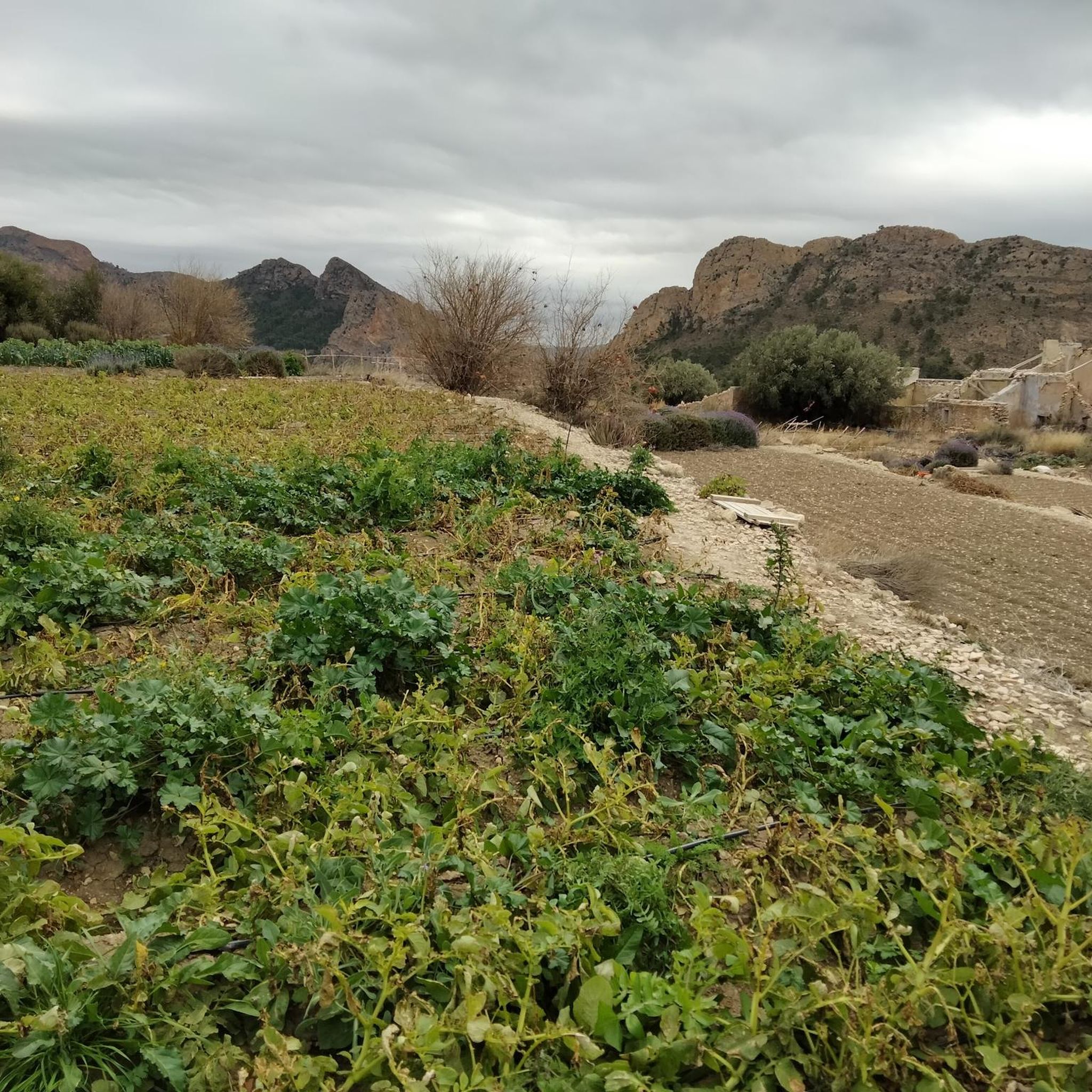
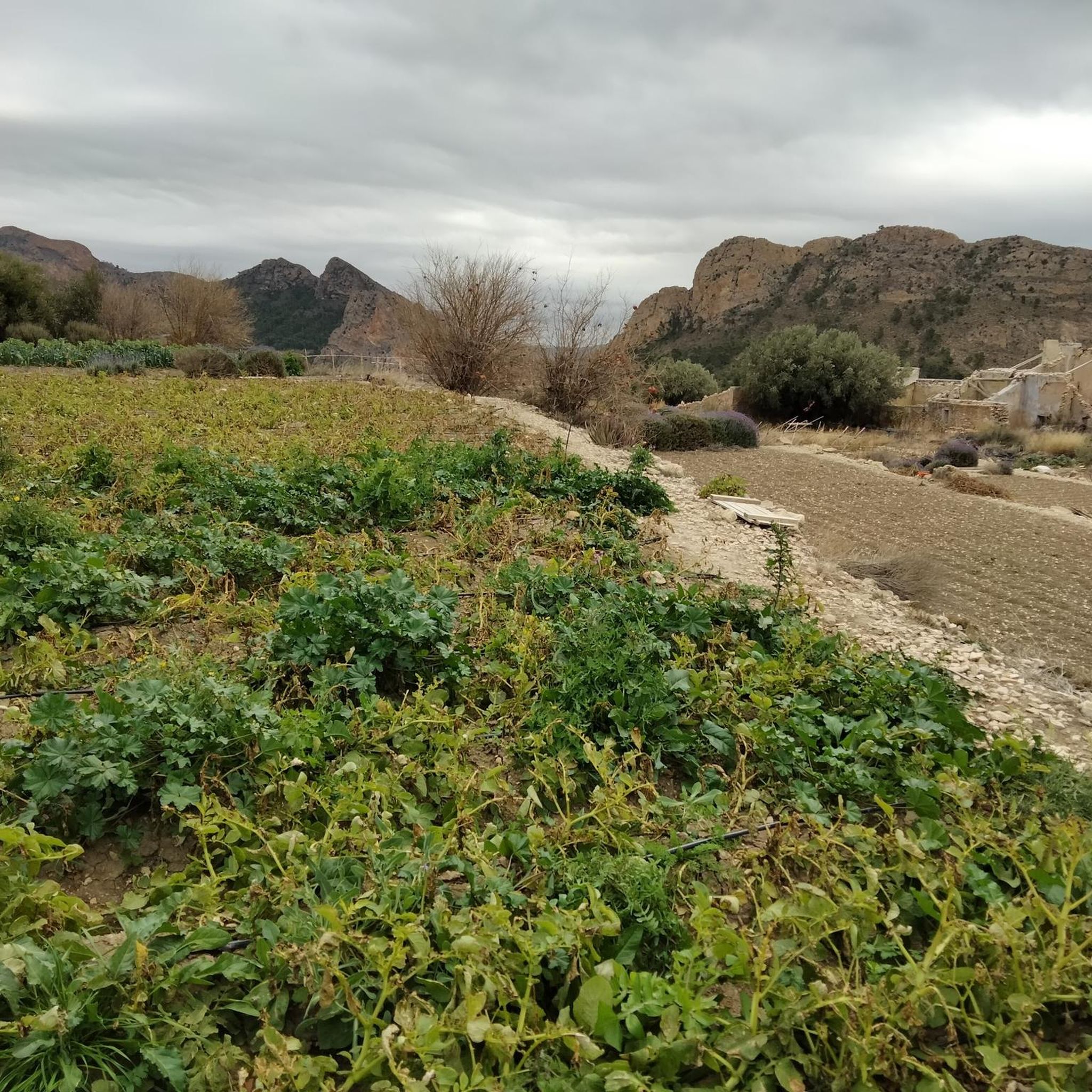
Pico de los Almeces, at 1,123 meters, is the highest point in the Sierra de Ricote mountain range. Reaching it is a challenge for hiking enthusiasts, but the reward is well worth it: breathtaking panoramic views, unspoiled nature, and a unique sense of accomplishment. The circular route is approximately 17 km long, with an elevation gain of 770 meters. It begins on the outskirts of the town of Ricote and winds through stunning natural landscapes, passing through pine forests, rosemary bushes, and trails that meander through the mountains.
0
0

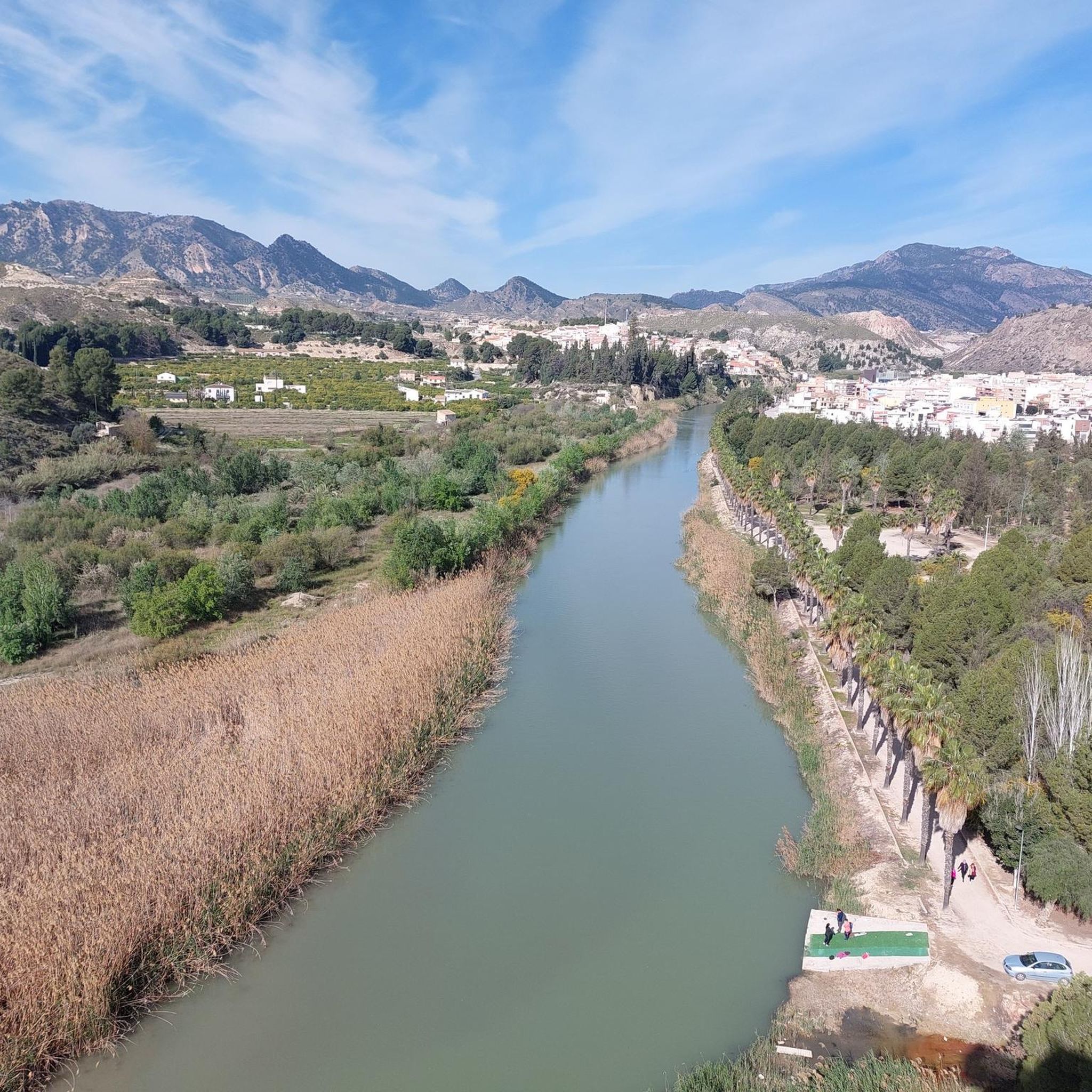
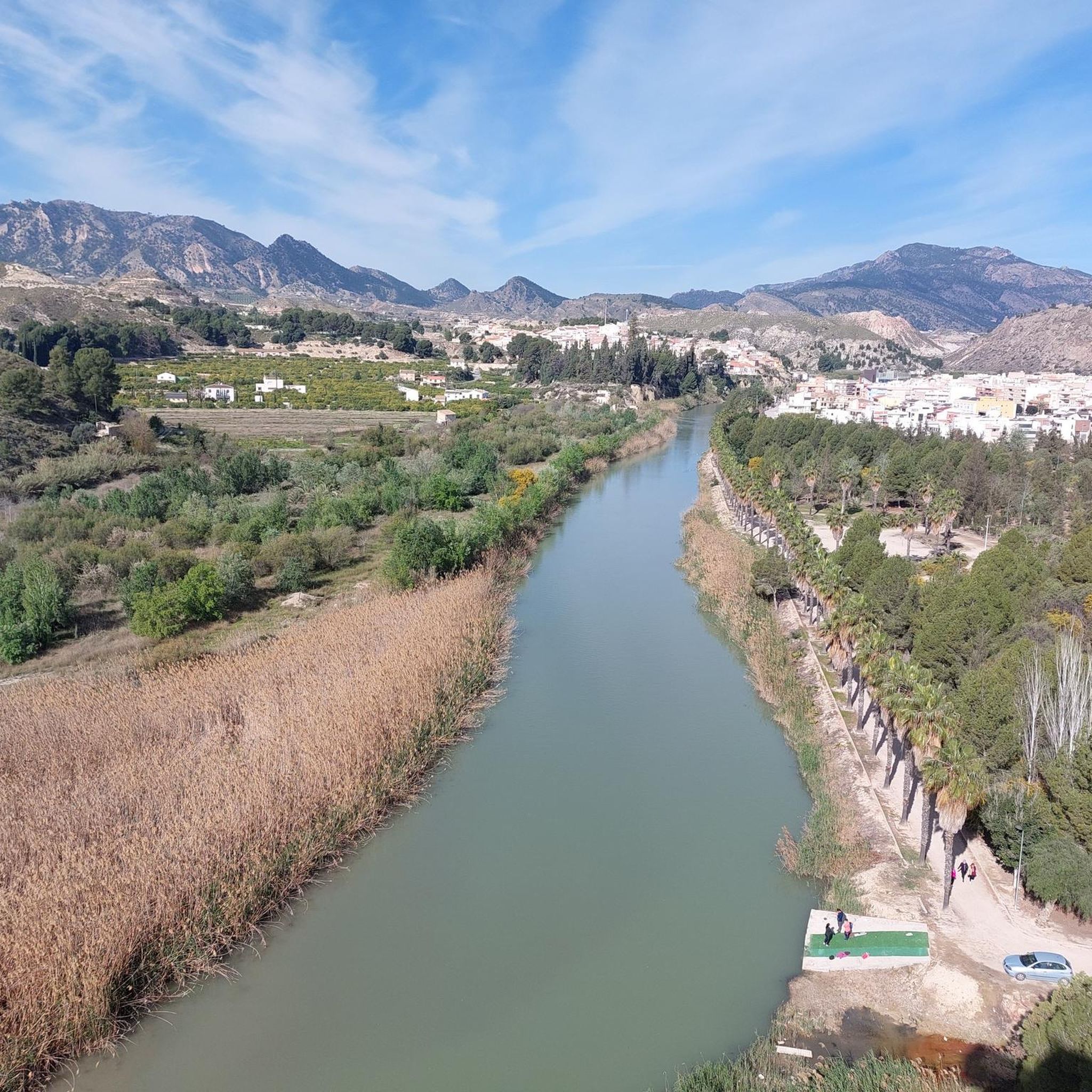
In this area you will find what remains of the more than 80 kilometers of irrigation ditches that date back to the Arab and Roman era. Here we can find important vegetation typical of humid areas such as ivy, sarsaparilla, elm or maidenhair.
0
0

Make sure you have enough water and leave the tough climb on time
1
1

Beautiful views as we pass through a popular place for nature lovers. It is the Cortao de las Peñas as we go up or down from Puerto Frío. Without a doubt, an ideal place to take a break or recover energy from the viewpoint.
2
0

There were more than eighty kilometers of ditches of Arab or Roman origin that irrigated the Ciezana orchard, but today there are barely two kilometers left that preserve their traditional mud structure. The Andelma canal, whose name means "water source" runs along the river behind the Museo Molino de Teodoro, an old flour mill. Its historical, archaeological and ethnographic value is undoubted and it also has great ecological value - here we can find ivy, sarsaparilla, elms and maidenhair.
1
0
This is a good place to rest and admire the spectacular views of the mountains that surround Murcia.
3
0
The last two or three kilometers to this summit, also known as ''la Bola de la Sierra de la Pila'', are along a steep paved road. The incredible views and peaceful serenity when you reach the top will make the effort worth it. Remember that because this summit is quite high, it can get quite cold here, even in summer. Bring a windbreaker or warm coat in case you need to.
4
0
Frequently Asked Questions
What are some of the most popular natural monuments to visit around Blanca?
Visitors frequently enjoy the stunning vistas from Cortao de las Peñas, a popular viewpoint ideal for nature lovers. Another favorite is the summit of Almeces, offering spectacular panoramic views at 1,124 meters. The Puerto Frío Pass is also highly regarded for its scenic mountain views and as a place to rest.
Are there natural monuments around Blanca that offer challenging hikes or significant elevation gains?
Yes, for those seeking a challenge, the ascent to Almeces is demanding but rewards with spectacular panoramic views from its 1,124-meter summit. Similarly, reaching the Pico de La Pila involves a steep paved road in its final kilometers, but the incredible views and peaceful serenity at the top are well worth the effort.
What kind of natural features can I expect to see in the Blanca area?
The Blanca area, nestled in the Ricote Valley, is rich in diverse natural features. You'll find lush landscapes with lemon and orange groves, the meandering Segura River, and rugged mountain ranges like the Sierra de la Pila. The geology includes limestone, sandstone, dolomite, and marl formations. Notable features also include historical irrigation systems, river beaches like El Arenal, and numerous viewpoints offering expansive vistas of the valley and mountains.
Are there any historical or cultural natural monuments in the region?
Absolutely. The Acequia de la Andelma is a significant historical natural monument. This ancient irrigation ditch, with Arab or Roman origins, showcases the region's rich heritage and traditional agricultural practices. It also holds ecological value, supporting unique vegetation typical of humid areas like ivy and elms.
What outdoor activities can I do near the natural monuments around Blanca?
Beyond exploring the monuments themselves, the region offers a variety of outdoor activities. You can enjoy white-water rafting on the Segura River, with routes spanning 14.5 km. For land-based adventures, there are numerous trails for running, gravel biking, and hiking. You can find detailed routes and guides for running, gravel biking, and hiking around Blanca.
Are there family-friendly natural monuments or activities suitable for children?
While specific 'family-friendly' categories aren't always assigned, many natural monuments offer accessible experiences. The viewpoints, such as Cortao de las Peñas, provide beautiful scenery without strenuous effort. El Arenal River Beach is a popular spot for families to relax, swim, and enjoy canoeing on the Segura River. Easy hiking trails, like 'The Norias Trail' (PR-MU 28), are also suitable for families.
What is the best time of year to visit the natural monuments around Blanca?
The Ricote Valley and its natural monuments are beautiful throughout the year. Spring offers lush green landscapes and pleasant temperatures, ideal for hiking and exploring. Summer is perfect for water activities like swimming at El Arenal River Beach or rafting on the Segura River, though it can be quite warm. Autumn brings golden hues to the scenery, and winter offers cooler temperatures suitable for hiking, especially at higher elevations like Pico de La Pila where it can be colder.
Can I spot wildlife in the natural areas around Blanca?
Yes, the Sierra de la Pila Regional Park, which partially encompasses Blanca, is a designated Birdlife Protection Zone (ZEPA) and is known for its rich biodiversity. You may be able to spot birds of prey such as golden eagles and peregrine falcons. The park's diverse flora also includes Mediterranean oaks and juniper.
Are there specific viewpoints that offer the best panoramic views of the Ricote Valley?
Blanca is renowned for its viewpoints. The Cortao de las Peñas offers beautiful views as you pass through. Other notable viewpoints mentioned in the region include Mirador de la Peña and Mirador del Castillo, which provide stunning vistas of the Ricote Valley and the Segura River. The Mirador del Alto de Bayna, with its metallic bridge over the Segura, also offers a unique perspective.
What makes the Ricote Valley, where Blanca is located, a unique natural monument?
The Ricote Valley is unique for its blend of natural beauty and cultural heritage. It's characterized by lush landscapes, extensive lemon and orange groves, and the vital presence of the Segura River. Its rich Arabic heritage is evident in traditional irrigation systems, creating a culturally significant natural setting. The valley's tranquil environment and verdant scenery make it a distinctive natural monument in itself.
Are there any river beaches or places to swim near the natural monuments?
Yes, El Arenal River Beach is a popular and well-established spot on the Segura River in Blanca. It has been a bathing area for over 50 years and offers amenities like tables and a beach bar. It's an ideal location for a refreshing swim and also provides opportunities for canoeing, allowing you to experience the natural environment from the water.
What kind of terrain can I expect on hiking trails near Blanca's natural monuments?
The terrain around Blanca varies, reflecting the diverse natural monuments. In the Sierra de la Pila Regional Park, you'll encounter rugged mountain ranges with steep slopes composed of limestone, sandstone, dolomite, and marl. Trails can range from easy paths along the river or through groves to more challenging routes with significant elevation gains, such as those leading to summits like Almeces or Pico de La Pila.
Most popular attractions around Blanca

Get inspired with the komoot mobile app


Explore more
Extend your search for the best caves by checking out these guides of the top ones around Blanca:
