Top 8 Mountain Passes around Garriguella
Mountain passes around Garriguella are situated in the Albera mountains, an eastern extension of the Pyrenees. This region is characterized by extensive pine and holm oak forests, cereal fields, olive groves, and vineyards. The area serves as a natural border between Spain and France, featuring historical routes and diverse terrain. It provides opportunities for exploring natural landscapes and significant historical sites.
Best mountain passes around Garriguella
- The most popular mountain pass is Banyuls Pass, a mountain pass that serves…
Last updated: July 1, 2026
Banyuls Pass
Highlight • Mountain Pass
Translated by Google •
Tip by

Rumpissa Pass
Highlight • Mountain Pass
Translated by Google •
Tip by

Sign up now to discover places like this
Get recommendations on the best single tracks, peaks, & plenty of other exciting outdoor places.
Sign up for free
Ascent to Coll de Banyuls from Espolla
Highlight (Segment) • Mountain Pass
Translated by Google •
Tip by

N-260a Ascent to Portbou and GR-92 Tunnel
Highlight (Segment) • Mountain Pass
Translated by Google •
Tip by

Old Portbou Border Crossing
Highlight • Historical Site
Translated by Google •
Tip by

Sign up for free to discover even more mountain passes around Garriguella.
Sign up for free
Already have an account?
Start today with a free account
Your next adventure awaits.
Login or Signup
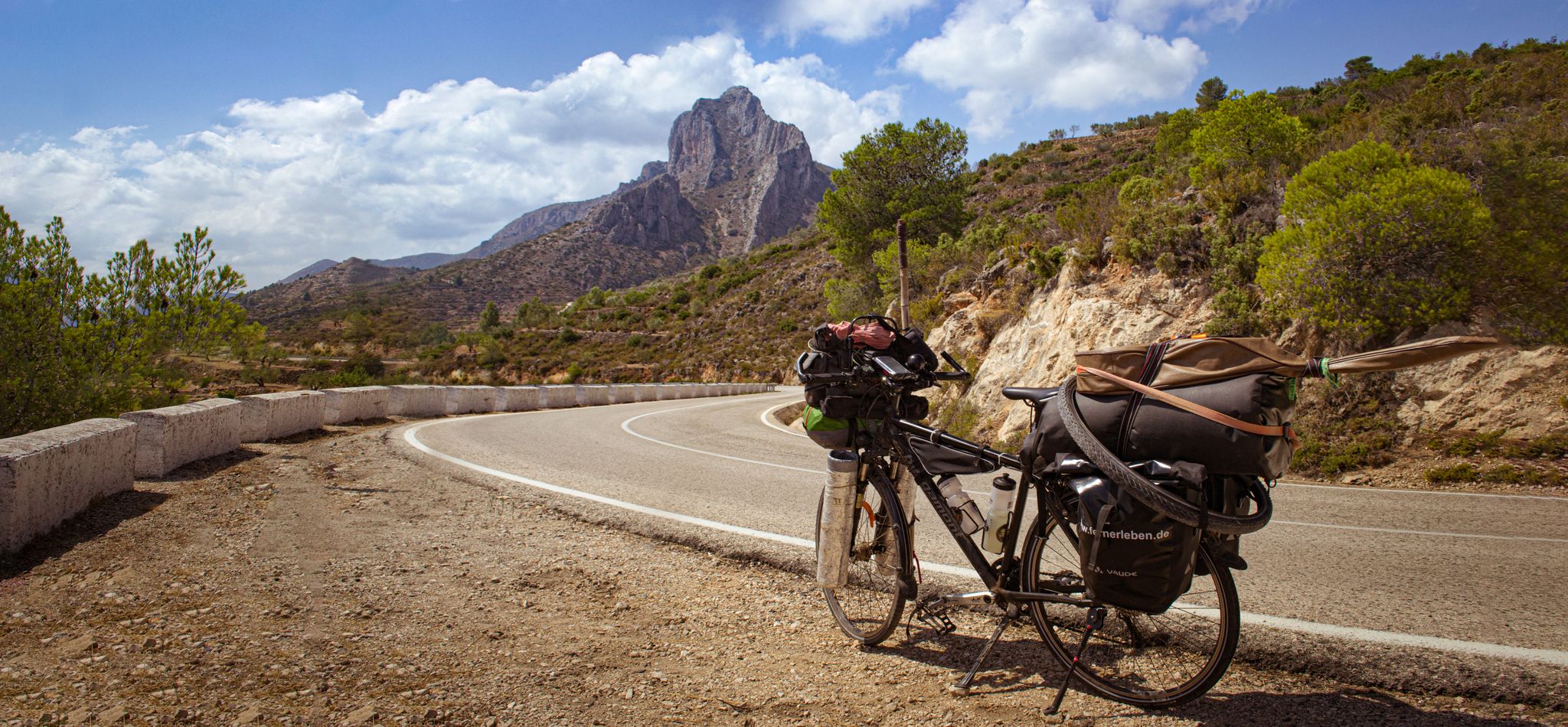
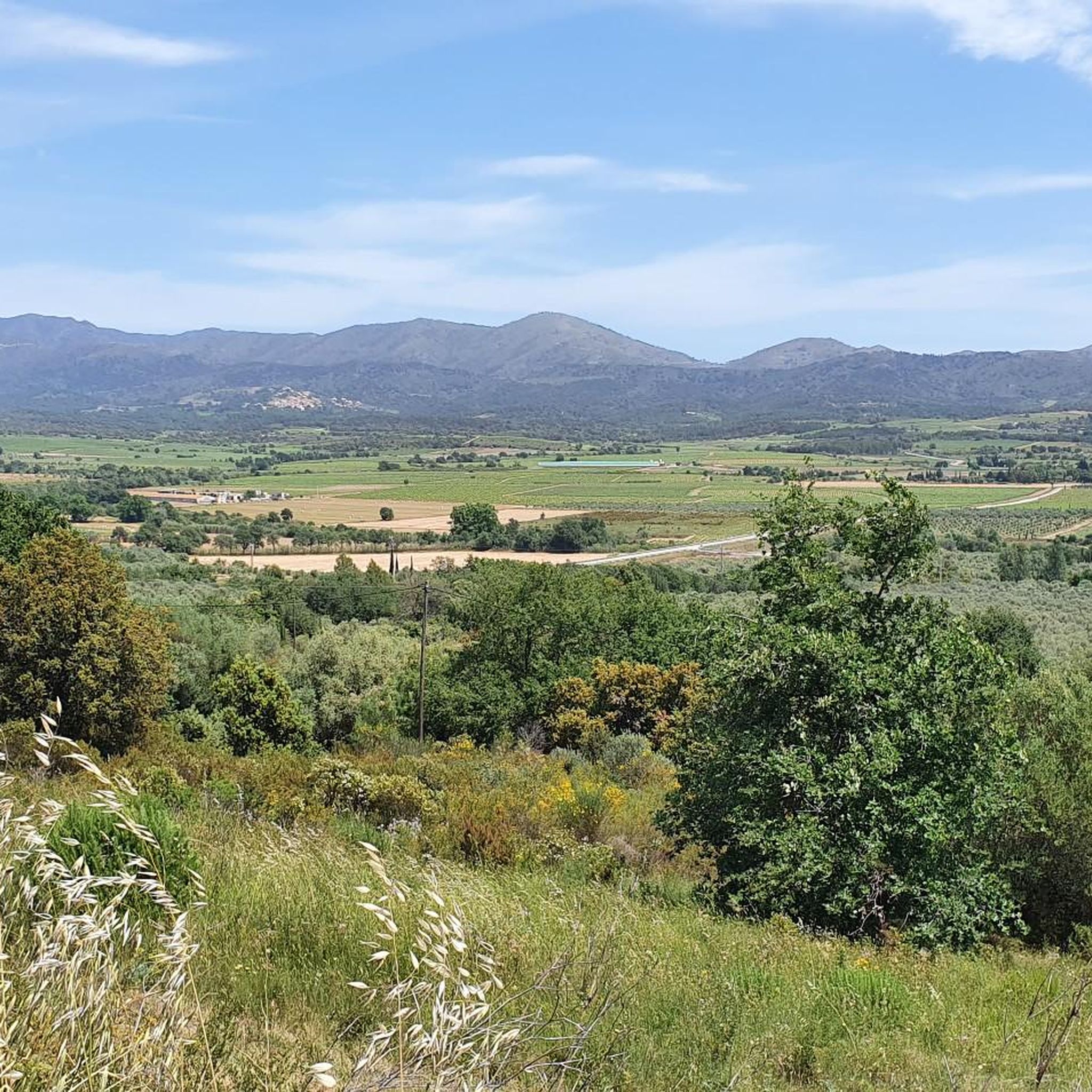
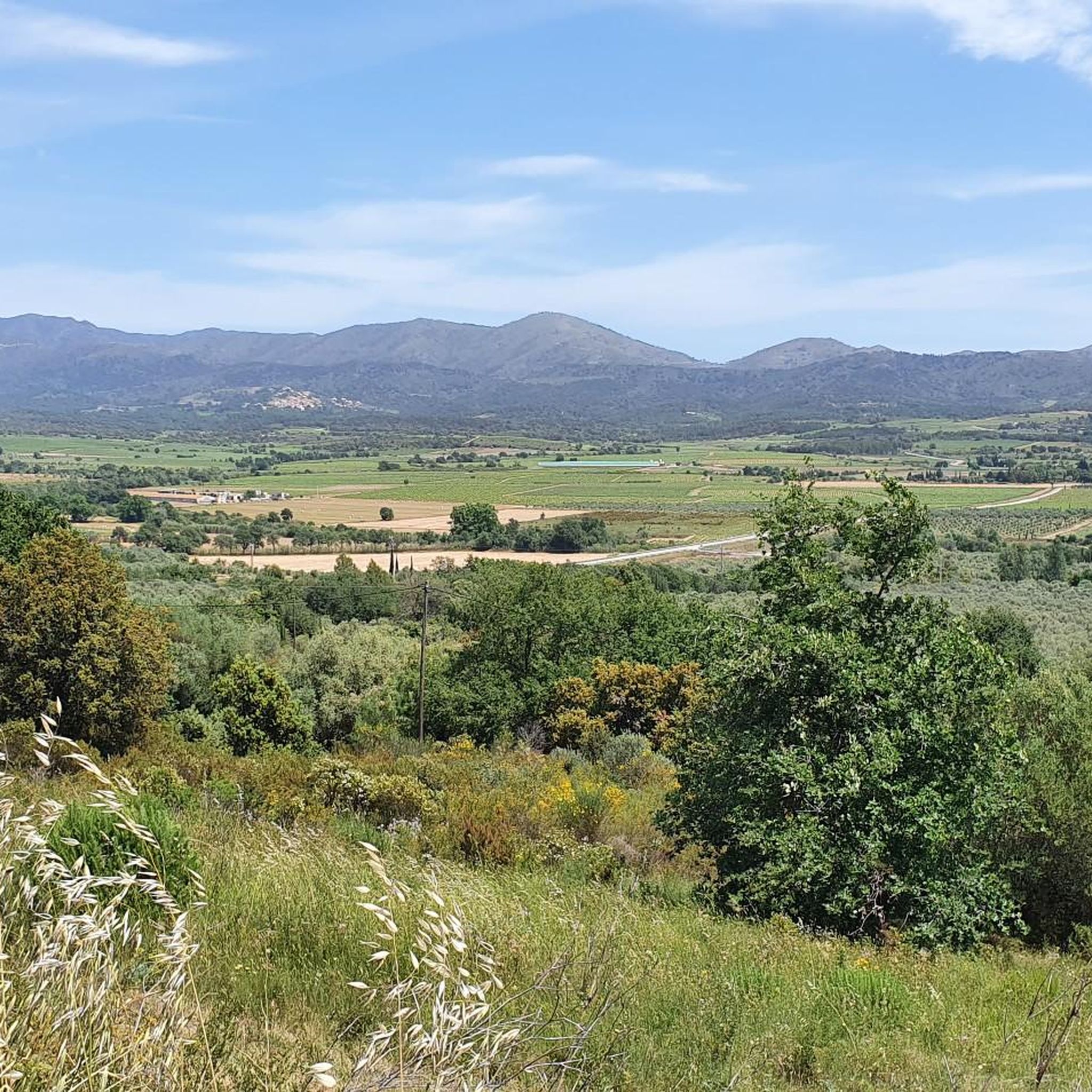
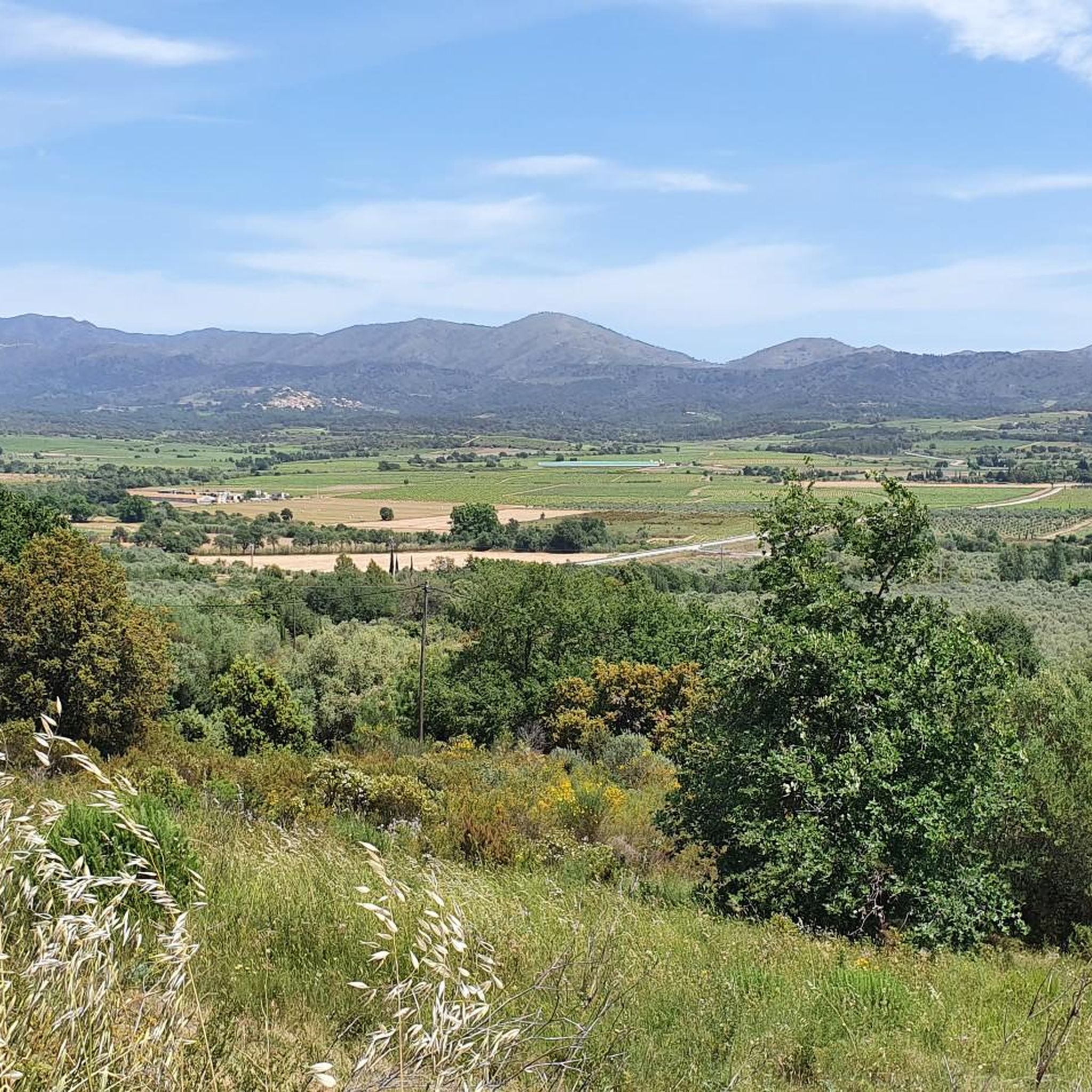

Other adventures around Garriguella

Tips from the Community

Beautiful route and a great view
0
0

Nice pleasant climb
0
1

This is the old road from or to Portbou. Almost no traffic, no tunnels but good views on the tunnels on the new road
0
0

The Green MEPs Jordi Solé and François Alfonsi, and the Social Democrat Éric Andrieu, launched a letter to Pedro Sánchez and Emmanuel Macron, presidents of Spain and France respectively, calling for the reopening of the crossings to be discussed at the 27th Franco-Spanish summit on 19 January in Barcelona. The letter, signed by 31 MEPs, was presented at a press conference at the European Parliament in Strasbourg. Two days later, on 20 January, residents of Espolla reopened the coll for the annual Feria de l'Oli y de l'Olivera in the village. However, on 23 January the French authorities closed the crossing again.
3
0

very nice to drive with great views
1
0

Cross-border crossing between the two states that divided Catalonia after signing the Treaty of the Pyrenees on November 7, 1659. It is part of the Walter Benjamin Route, in total it is approximately 15 km (we know that Benjamin spent a night in the middle of the road) that can be done in one direction for about 5 or 6 hours to return by train from Banyuls to in Portbou. The route, which is signposted, is relatively easy and also coincides with an old smugglers' trail and with the so-called Lister Route, since it was here where the Republican general retreated with his troops in 1939, after of the defeat against the Francoist side.
0
1
From this viewpoint you can see at the bottom an area irrigated by the Orlina River that nourishes about 3000m2 full of centuries-old oaks, ideal for going down and regaining strength. If you look the way you came you will see the Espolla and in the opposite direction the Coll de Bañuls. One km from here you will find a Generalitat farm that is working on the implantation of an extinct species of roof rack.
2
0
A newly paved road with little traffic in winter, but you should pay attention on weekends and in summer, as vehicles travel at high speed. When you approach the tunnel, you can cross it on the lane or sidewalk parallel to the road. The noise is deafening, but it is safe. The ascent to tunnel G-92 offers panoramic views of Portbou, the sidings, beaches and mountain tops. It will take approximately 30 minutes to travel it on an electric bicycle in eco mode.
0
0
Frequently Asked Questions
What are some popular mountain passes to explore around Garriguella?
The region offers several notable mountain passes. Among the most popular are Banyuls Pass, known for its historical significance and panoramic views, and Rumpissa Pass, which marks the border between Spain and France and is part of the Walter Benjamin Route. Another well-regarded route is the Ascent to Coll de Banyuls from Espolla, offering a scenic cycling experience through ancient oak forests.
What kind of views can I expect from the mountain passes near Garriguella?
Many mountain passes in the area offer superb panoramic views. From Banyuls Pass, you can enjoy breathtaking vistas of France's Côte Vermeille and Spain's Bay of Roses. Other passes like Rumpissa Pass and the N-260a Ascent to Portbou also provide stunning outlooks, including views of Spain from the French side or the Portbou freight railway station and coastline.
Are there any historically significant mountain passes in the Garriguella region?
Yes, several passes hold significant historical importance. Banyuls Pass served as a route for individuals fleeing repression during the Franco regime, with memorial plaques commemorating these events. Rumpissa Pass is part of the Walter Benjamin Route, named after the philosopher who fled Nazi persecution through this pass. The Old Portbou Border Crossing also played a crucial role during the Spanish Civil War and World War II as an escape route.
What are the cycling conditions like on the mountain passes around Garriguella?
Cycling conditions vary. The approach to Banyuls Pass from the Catalan side is generally more gradual and pleasant, while the French side features steep ramps up to 20%. Routes like the Ascent to Coll de Banyuls from Espolla offer roads with minimal vehicle traffic, making them suitable for cyclists. The N-260a Ascent to Portbou features a newly paved road with many hairpin bends, though it can have high-speed vehicle traffic on weekends and in summer.
Are there family-friendly mountain passes or trails near Garriguella?
While specific 'family-friendly' categories aren't always assigned to mountain passes, many trails in the region offer diverse terrain suitable for various skill levels. The more gradual ascents, such as the Catalan side of Banyuls Pass, can be more approachable. For dedicated family-friendly hiking options, consider exploring the broader selection of Mountain Hikes around Garriguella, which includes routes like the 'Cova de Veta Negra – Sant Salvador Castle loop'.
What outdoor activities can I do near these mountain passes?
The region around Garriguella is excellent for various outdoor activities. You can find numerous mountain hikes, including loops like 'Cova de Veta Negra – Sant Salvador Castle loop'. For cyclists, there are extensive road cycling routes and gravel biking trails that traverse the scenic landscapes, vineyards, and olive groves.
Is there a refuge or shelter available on any of the passes?
Yes, on the Catalan side of Banyuls Pass, there is a small but robust publicly accessible refuge. It is equipped with a table, oven, and even an extra bedroom, making it a useful stop for explorers. There is also a spring nearby, though its flow can be very sparse.
What is the best time of year to visit the mountain passes around Garriguella?
The region's Mediterranean climate generally makes spring and autumn ideal for visiting, offering pleasant temperatures for hiking and cycling. Summers can be hot, while winters are milder but some higher routes might be affected by weather. The area is characterized by vineyards and olive groves, which are particularly beautiful during the growing seasons.
Are there any challenging mountain passes for experienced hikers or cyclists?
Yes, the region offers challenging options. The French side of Banyuls Pass is known for its very tough, steep ramps that can reach up to 20%, making it a demanding climb for cyclists. For hikers, the wider Albera Massif, where these passes are located, contains trails with varying difficulties, including more strenuous ascents and descents.
Can I find cafes or accommodation near the mountain passes?
Garriguella itself, and nearby towns, offer various amenities including cafes, pubs, and accommodation options. While the passes themselves are often in wilder, unspoiled areas, you'll find services in the villages at their base or within a short drive. For example, Espolla is a starting point for the Ascent to Coll de Banyuls, and Portbou is near the N-260a Ascent and Old Portbou Border Crossing.
What kind of natural environment can I expect around the mountain passes?
The mountain passes around Garriguella are situated in the Albera Massif, an eastern extension of the Pyrenees. This area is celebrated for its wild and unspoiled natural environment, characterized by extensive pine and holm oak forests, cereal fields, olive groves, and vineyards. You'll find a sense of tranquility and numerous trails that meander through these diverse landscapes.
Is public transport available to reach the mountain passes?
Public transport options directly to the mountain passes can be limited, as many are in more remote natural areas. It is generally recommended to reach the starting points of routes or passes by car. However, some towns near the passes, like Portbou, are accessible by train, and from there, you might find local transport or cycling/hiking routes to the passes.
Most popular routes around Garriguella
Most popular attractions around Garriguella

Get inspired with the komoot mobile app


Explore more
See even more epic mountain passes by checking out these guides around Garriguella:
