Top 20 Natural Monuments around La Pobla De Claramunt
Best natural monuments around La Pobla De Claramunt are situated within the Anoia region of Catalonia, Spain. This area features the Anoia river valley and surrounding mountain ranges, offering diverse natural landscapes. The region is characterized by its ecological and geological features, providing opportunities for outdoor activities. Visitors can explore various natural attractions that highlight the local environment.
Best natural monuments around La Pobla De Claramunt
- The most popular natural monuments is Sant Jeroni Summit, a summit that is…
Last updated: July 1, 2026
Sant Jeroni Summit
Highlight • Summit
Translated by Google •
Tip by

Sant Jeroni Trail, Montserrat
Highlight (Segment) • Trail
Translated by Google •
Tip by

Sign up now to discover places like this
Get recommendations on the best single tracks, peaks, & plenty of other exciting outdoor places.
Sign up for free
Cap de Mort rock formation
Highlight • Natural Monument
Tip by
Miranda of Santa Magdalena
Highlight • Viewpoint
Translated by Google •
Tip by
Roca Foradada (Holed Rock)
Highlight • Natural Monument
Translated by Google •
Tip by

Sign up for free to discover even more natural monuments around La Pobla De Claramunt.
Sign up for free
Already have an account?
Start today with a free account
Your next adventure awaits.
Login or Signup
Tips from the Community

I really loved this place — it’s truly unique. Montserrat Monastery has an incredible atmosphere and stunning views. The hike from the monastery to Sant Jeroni is especially memorable: the trail includes many stone steps, but it’s well-maintained and quite manageable. Along the way, you’re constantly rewarded with breathtaking views of the необычні скельні formations and surrounding landscapes. At the top, the 360-degree panoramic view is absolutely spectacular and makes the whole hike worth it.
0
0

After a short, strenuous climb, you are rewarded with a magnificent view.
1
0

A classic for visitors to Montserrat and its surroundings.
0
0


Route with spectacular views. You must bring enough water and appropriate shoes.
0
0

The detour here is worth it.
2
0
Frequently Asked Questions
What are the most popular natural monuments around La Pobla De Claramunt?
The most popular natural monuments, as appreciated by the komoot community, include Sant Jeroni Summit, the highest peak of Montserrat offering expansive views, and Roca Foradada (Holed Rock), a unique geological formation with panoramic vistas. Another favorite is Miranda of Santa Magdalena, a viewpoint providing wide views of the eastern Montserrat massif.
What natural features can I explore in the immediate vicinity of La Pobla de Claramunt?
Locally, you can explore the Parc Fluvial del riu Anoia, which offers accessible paths along the river, footbridges, and picnic areas amidst diverse riverside vegetation. The broader Serra de Miralles-Queralt also presents a rich landscape of pine and holm oak forests, scrubland, and significant geological formations, particularly around Tossa de Montbui with its calcareous reliefs.
Are there family-friendly natural areas near La Pobla de Claramunt?
Yes, the Parc Fluvial del riu Anoia is ideal for families. It features flat, circular routes perfect for strolls or bike rides, with amenities like fountains and picnic areas. It's an accessible and enjoyable natural escape for all ages to connect with nature and observe the river ecosystem.
What outdoor activities can I do near these natural monuments?
The region offers a variety of outdoor activities. You can enjoy gravel biking with routes like 'Pont de la O – View of Castellfollit del Boix loop' or 'Paper Mill – Riu Anoia Dam loop'. For mountain enthusiasts, there are mountain hikes such as the 'Sant Jeroni Summit loop'. Cycling is also popular, with routes like 'House loop from Vilanova del Camí'. You can find more details on these activities in the respective guides: Gravel biking around La Pobla De Claramunt, Mountain Hikes around La Pobla De Claramunt, and Cycling around La Pobla De Claramunt.
Are there hiking trails near the natural monuments?
Absolutely. The Serra de Miralles-Queralt is crisscrossed by long-distance (GR) and short-distance (SL) hiking trails. For more challenging mountain hikes, the Montserrat area, home to natural monuments like Sant Jeroni Summit and Miranda of Santa Magdalena, offers routes like the 'Sant Jeroni Summit loop'. You can explore various hiking options in the Mountain Hikes around La Pobla De Claramunt guide.
What geological features are notable in the natural monuments around La Pobla de Claramunt?
The region is rich in geological interest. The Serra de Miralles-Queralt features significant calcareous reliefs shaped by karst processes, particularly around Tossa de Montbui. Further afield, the Montserrat area boasts unique formations like Roca Foradada (Holed Rock), a large natural arch formed by wind and water, and the distinctive Cap de Mort rock formation, known for its skull-like appearance.
What is the best time of year to visit the natural monuments in this region?
The region generally offers pleasant conditions for outdoor activities for much of the year. Spring and autumn are often ideal for hiking and cycling due to milder temperatures. Summer can be warm, especially in the river valleys, but higher elevations like the Serra de Miralles-Queralt or Montserrat offer cooler air. Winter conditions can vary; while lower areas are generally accessible, higher mountain trails might experience colder temperatures.
Are there any hidden natural monuments or lesser-known spots worth visiting?
While the main highlights are well-known, exploring the extensive network of trails within the Serra de Miralles-Queralt can lead to hidden viewpoints and tranquil spots. The area's diverse landscape and rich biodiversity mean there are always new corners to discover beyond the most frequented paths, offering a more secluded experience of nature.
What should I bring for trails around the natural monuments?
For trails in the region, especially those in the Serra de Miralles-Queralt or Montserrat, it's advisable to bring appropriate hiking or trail running shoes, sufficient water, sun protection (hat, sunscreen), and layers of clothing suitable for changing weather conditions. For more challenging routes, particularly those involving climbing or via ferrata sections like near Cap de Mort rock formation, specialized equipment such as a helmet, harness, and via ferrata radiator might be necessary.
Can I reach these natural monuments using public transport?
While some natural areas and trailheads might be accessible by public transport, direct access to all natural monuments can be limited. For areas like the Parc Fluvial del riu Anoia, local transport might be available from La Pobla de Claramunt. For destinations further afield, such as Montserrat, public transport options like trains and buses are available to the base of the mountain, from where you can continue by rack railway, cable car, or on foot to reach specific highlights.
What kind of views can I expect from the viewpoints?
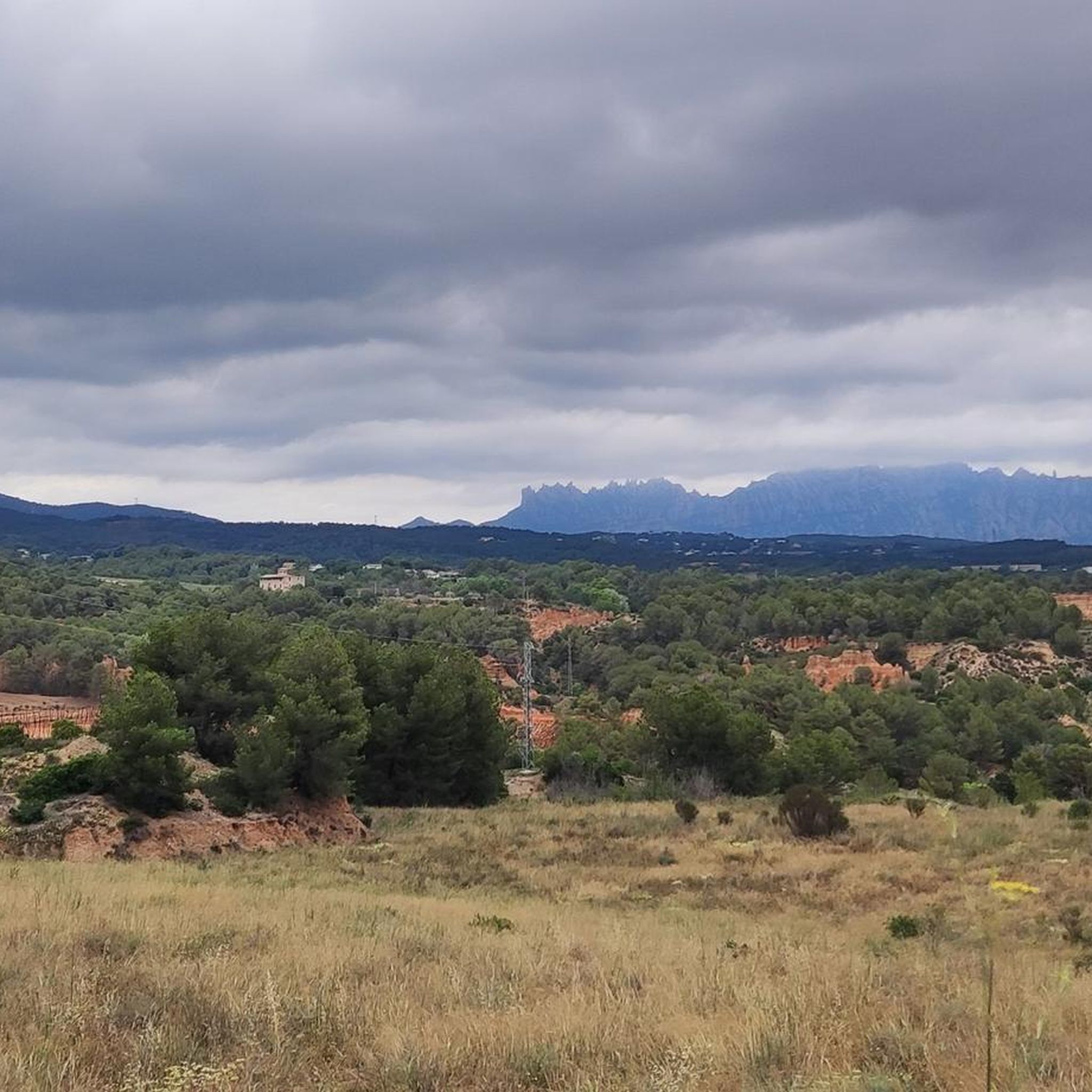
The viewpoints in the region offer diverse and expansive vistas. From elevated points in the Serra de Miralles-Queralt, you can enjoy panoramic views of the Miralles mountain range, the Conca d'Òdena, and even the Montserrat mountains. Highlights like Sant Jeroni Summit and Miranda of Santa Magdalena provide breathtaking wide-ranging views of the Montserrat massif and the surrounding landscape.
Are there any historical or cultural sites integrated with the natural monuments?
Yes, the region often blends natural beauty with historical elements. For instance, the exploration of the Serra de Miralles-Queralt can be combined with visits to historical sites like the Claramunt Castle, which adds a cultural dimension to the natural experience. In Montserrat, the Miranda of Santa Magdalena is near a hermitage with historical significance, once potentially a castle.
Most popular routes around La Pobla De Claramunt
Most popular attractions around La Pobla De Claramunt

Get inspired with the komoot mobile app


Explore more
Extend your search for the best caves by checking out these guides of the top ones around La Pobla De Claramunt:
