The best walks and hikes around La Pobla De Claramunt
4.5
(640)
5,612
hikers
213
hikes
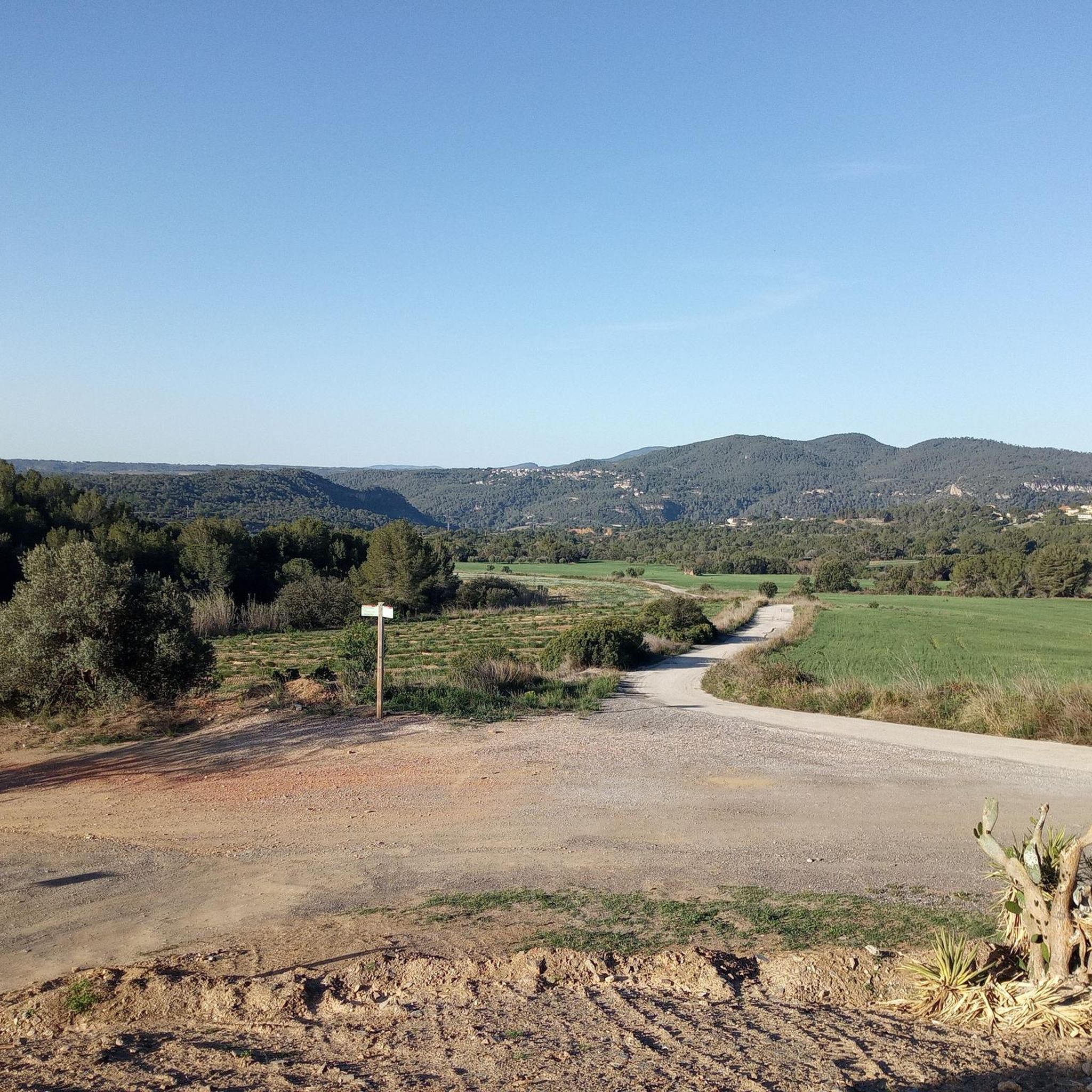
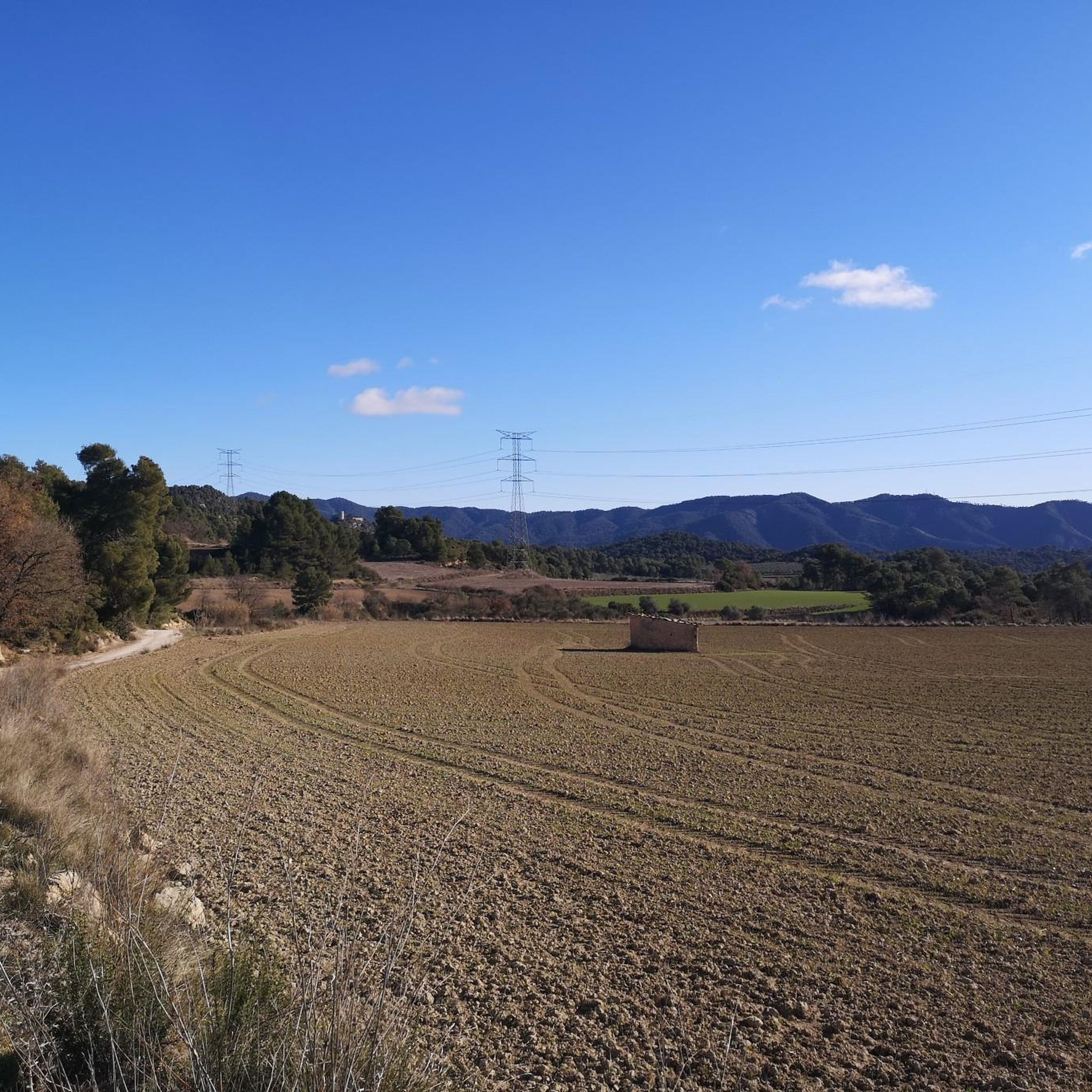
Hiking around La Pobla De Claramunt, located in the Anoia region of Catalonia, offers diverse landscapes for outdoor activities. The area features mountains and dense forests, characteristic of a Mediterranean climate with pine forests and cultivated areas. The Anoia River flows through the region, creating varied terrain from river valleys to mountain ridges. Prominent natural landmarks include the Els Tres Mollons mountain and the historic Claramunt Castle.
Best hiking trails around La Pobla De Claramunt
- The most popular hiking route is Esgavellats Entrance – Can Titó Bridge loop from Vilanova del Camí, a 7.6 miles (12.3 km) trail that takes 3 hours 34 minutes to complete. This route traverses varied terrain near the Anoia River.
- Another top favourite among local hikers is Church of Santa María – Claramunt Castle loop from la Pobla de Claramunt, an easy 2.1 miles (3.4 km) path. This trail explores historical sites and offers views of Claramunt Castle.
- Local hikers also love the Prehistoric Park of Capellades loop from Capellades, a 4.3 miles (6.9 km) trail leading through natural landscapes and historical areas, often completed in about 1 hour 55 minutes.
- Hiking around La Pobla De Claramunt is defined by mountains, dense forests, and river valleys, with historical sites like Claramunt Castle integrated into many routes. The network offers options for different ability levels, from easy walks to more challenging trails.
- The routes in La Pobla De Claramunt are highly rated by the komoot community with an average score of 4.5 stars from over 550 reviews. More than 5000 hikers have used komoot to explore La Pobla De Claramunt's varied terrain.
Last updated: July 1, 2026
5.0
(3)
38
hikers
12.3km
03:34
310m
310m
Moderate hike. Good fitness required. Mostly accessible paths. Sure-footedness required.
4.0
(1)
31
hikers
3.37km
01:05
150m
150m
Easy hike. Great for any fitness level. Easily-accessible paths. Suitable for all skill levels.

Sign up for free
4.0
(6)
14
hikers
6.92km
01:55
130m
120m
Easy hike. Great for any fitness level. Easily-accessible paths. Suitable for all skill levels.
15
hikers
6.16km
01:54
230m
230m
Easy hike. Great for any fitness level. Easily-accessible paths. Suitable for all skill levels.
8
hikers
8.76km
02:37
280m
280m
Moderate hike. Good fitness required. Easily-accessible paths. Suitable for all skill levels.
Get access to more routes and recommendations from other explorers.
Sign up for free
Already have an account?
Our route recommendations are based on thousands of hikes, rides, and runs completed by other people on komoot.
Start today with a free account
Your next adventure awaits.
Login or Signup

Tips from the Community

A very beautiful ruin that can be visited. Check online beforehand to see if it is open 😎
0
0

The Museu Molí Paperer de Capellades is a museum dedicated to the paper industry, located in the town of Capellades, in the Catalan region of l'Anoia. The museum occupies the old premises of a paper mill, called Molí de la Vila, which preserves the structure of the paper mills of the 18th century. Next to the building there is an artificial lake fed by a water source, known as the "bassa" and which is fed by the Carme - Capellades aquifer. The museum explains the history of papermaking, and preserves original tools for manual papermaking. In fact, in its underground premises paper is still made with these artisanal techniques.
0
0
The Capellades prehistoric park is a cultural facility located in the Cinglera del Capelló, the cliff on which the town of Capellades sits, in the Catalan region of l'Anoia. This area, in addition to its geological and landscape value, has great archaeological value, due to the presence of around twenty sites from various periods. The cliff itself is one of the park's attractions. Its origin is in the action of carbonated waters that, by fossilizing plant colonies, form fall travertines, a type of fossil waterfall that is locally called "capellons". Its growth formed cornices, grottoes and caves that were used as shelter by groups of prehistoric settlers. One of these caves constitutes the best preserved Paleolithic archaeological site in the complex, known as "l'Abric Romaní", used as a refuge by groups of Neanderthals and which has been excavated since 1983.
0
0

Claramunt Castle is a Romanesque fortress from the 10th century. It is located on a hill that dominates all the surrounding lands and the course of the Anoia River, so it enjoys magnificent views.
0
0

The Can Titó bridge is a construction that separates the city from the growing agricultural fields on the other side of the Anoia River. This farming area is called Les Parellades.
0
0
Castle that is located above the center of La Pobla de Claramunt on its west side and that offers spectacular views of the entire valley of the Anoia River and the mountains that surround it.
0
0
From the cross of Les Planes there are spectacular views of the entire Conca de Òdena. The mountain reaches almost five hundred and fifty meters in height and from a straight path that comes directly from the Village of Claramunt.
0
0

La Pobla de Claramunt Castle is a 10th century Romanesque medieval castle located in the Serra de la Guàrdia overlooking the municipality of La Pobla de Claramunt. The castle sits on a hill 453 m high, and occupies an area of 5,400 m². Visiting hours **From 01.05 to 30.09** Morning: 10 - 1.30 pm (+30) / Afternoon: 4 - 6.30 pm (+30) **From 01.10 – 30.04** Morning: 9.30 – 1.30 pm (+30) / Afternoon: 3 – 4.30 pm (+30) From Wednesday to Sunday, including public holidays. Closed on non-holiday Mondays and Tuesdays, December 25 and 26 and January 1 and 6.
0
0
Frequently Asked Questions
How many hiking trails are available in La Pobla de Claramunt?
There are over 200 hiking routes in La Pobla de Claramunt, catering to various skill levels. This includes approximately 68 easy trails, 126 moderate routes, and 24 more challenging options for experienced hikers.
What kind of terrain can I expect on hikes around La Pobla de Claramunt?
The terrain in La Pobla de Claramunt is quite diverse, ranging from river valleys along the Anoia River to mountain ridges and dense Mediterranean pine forests. You'll encounter a mix of track roads, aromatic garrigue trails, and areas with dry-stone constructions. Some routes also feature significant elevation changes.
Are there any family-friendly hiking options in La Pobla de Claramunt?
Yes, La Pobla de Claramunt offers several easy hikes suitable for families. For instance, the Church of Santa María – Claramunt Castle loop is an easy 3.4 km path that explores historical sites and provides views of the castle. Another good option is "El Camí dels Pous," which offers access to recreational areas.
Can I find circular hiking routes in the area?
Absolutely. Many trails in La Pobla de Claramunt are circular, allowing you to start and end at the same point. An example is the Esgavellats Entrance – Can Titó Bridge loop, a moderate 12.3 km route traversing varied terrain near the Anoia River. Another is the Stone Cross of Els 3 Mollons – Les Planes loop, offering scenic views.
What historical landmarks or attractions can I see while hiking?
A central attraction is the Claramunt Castle, perched atop a hill, which is integrated into many routes. You can explore its historic ruins and enjoy panoramic views. The old town of La Pobla de Claramunt also features public washhouses and engraved facades. For impressive natural formations, consider visiting the Cap de Mort rock formation.
Are there any specific viewpoints or natural features worth seeing?
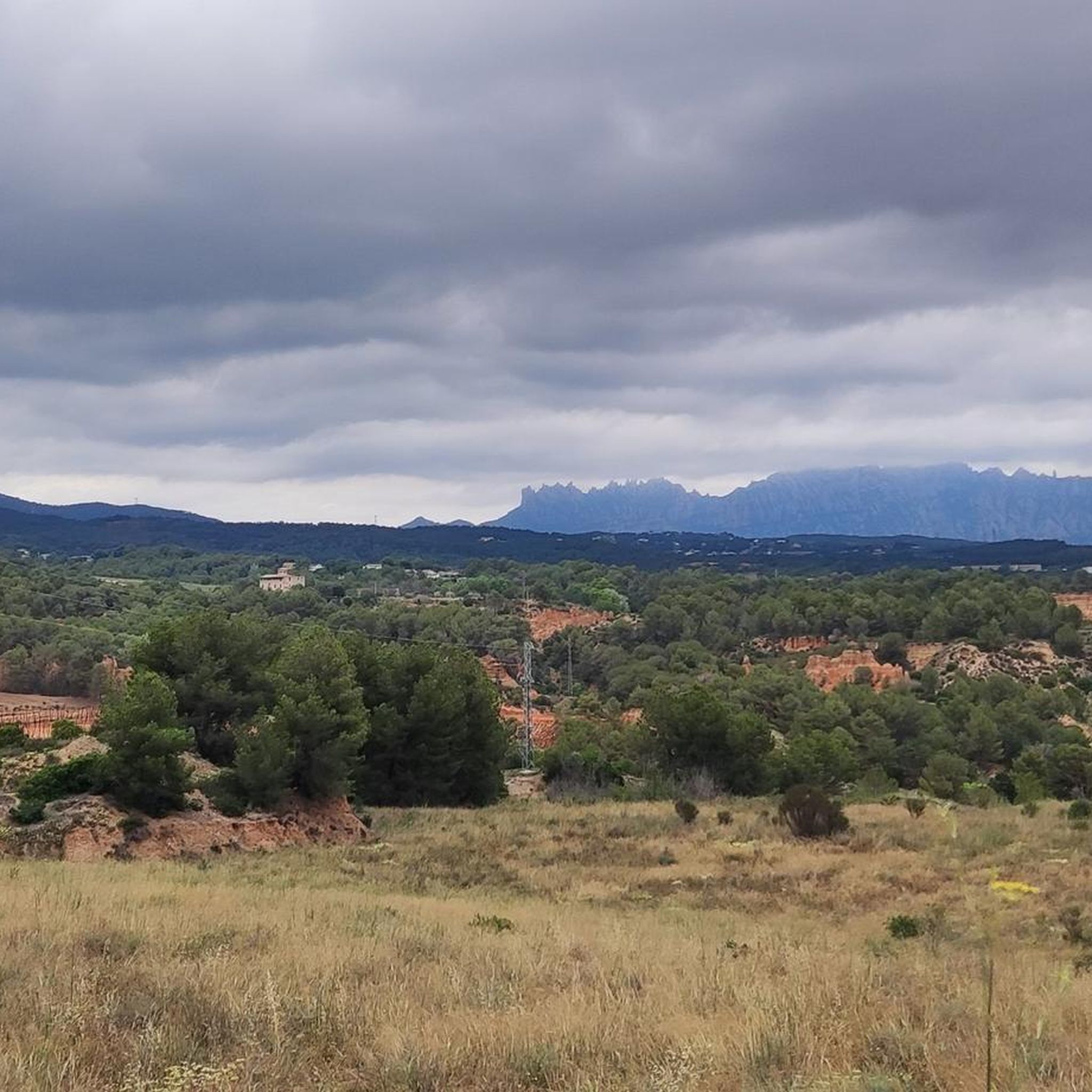
Hikers can enjoy spectacular views of the Conca d'Òdena and the Montserrat mountains from various points. The Els Tres Mollons mountain offers panoramic views, and you can find numerous natural springs hidden within the mountains. The Miranda of Santa Magdalena is another notable viewpoint.
What do other hikers say about the trails in La Pobla de Claramunt?
The trails in La Pobla de Claramunt are highly rated by the komoot community, with an average score of 4.5 stars from over 550 reviews. Hikers often praise the diverse landscapes, the well-marked paths, and the combination of natural beauty with historical sites like Claramunt Castle.
Is there parking available near the trailheads?
Yes, parking is generally available in and around La Pobla de Claramunt, particularly near popular trailheads and attractions like Claramunt Castle. For specific routes, it's advisable to check the route details on komoot for designated parking areas.
Can I reach La Pobla de Claramunt by public transport for hiking?
La Pobla de Claramunt is accessible by public transport, which can be a convenient option for hikers. For detailed information on routes and schedules, it's best to consult local public transport providers or use online journey planners.
Are there any challenging hikes for experienced trekkers?
Yes, for more experienced hikers, there are challenging trails that demand greater physical endurance. Some routes, like "La Ruta Circular" around the Anoia River, offer incredible natural views and significant elevation changes. There are also longer routes, some extending over 49 km or 71 km, such as the "Travessa Ariadna Bonell."
Are permits required for hiking in La Pobla de Claramunt?
Generally, permits are not required for hiking on the established trails in La Pobla de Claramunt. However, if you plan to venture into specific protected areas or private lands, it's always wise to check for any local regulations or access requirements beforehand.
Are there any trails that lead to the Montserrat Natural Park?
While La Pobla de Claramunt is conveniently close to the Montserrat Natural Park, the trails within this guide focus on the immediate vicinity of La Pobla. However, you can find routes that offer views of the Montserrat mountains, and the park itself offers additional diverse hiking alternatives with impressive peaks like Sant Jeroni Summit.
Most popular routes around La Pobla De Claramunt
Most popular attractions around La Pobla De Claramunt

Get inspired with the komoot mobile app


Explore more
Browse the best Hikes in other regions.
