Top 9 Natural Monuments around Talarrubias
Best natural monuments around Talarrubias are found in the Siberia extremeña region of Spain, characterized by expansive reservoirs and unique Mediterranean landscapes. This area offers diverse natural attractions, including significant rock formations and rich biodiversity. The landscape provides opportunities for outdoor activities and exploration of its natural features.
Best natural monuments around Talarrubias
- The most popular natural monuments is La Chiquita Cave, a cave that was the first with paintings discovered by science in Cáceres province. It has been…
Last updated: October 17, 2026
La Chiquita Cave
Highlight • Cave
Translated by Google •
Tip by

Garcia de Sola Reservoir
Highlight • Lake
Translated by Google •
Tip by
Sign up now to discover places like this
Get recommendations on the best single tracks, peaks, & plenty of other exciting outdoor places.
Cerro Masatrigo
Highlight • Summit
Translated by Google •
Tip by
Canal de las Dehesas – Guadiana Natural Trail
Highlight • Trail
Translated by Google •
Tip by
Masatrigo Mountain and La Serena Reservoir
Highlight • Lake
Translated by Google •
Tip by

Sign up for free to discover even more natural monuments around Talarrubias.
Already have an account?
Start today with a free account
Your next adventure awaits.
Tips from the Community

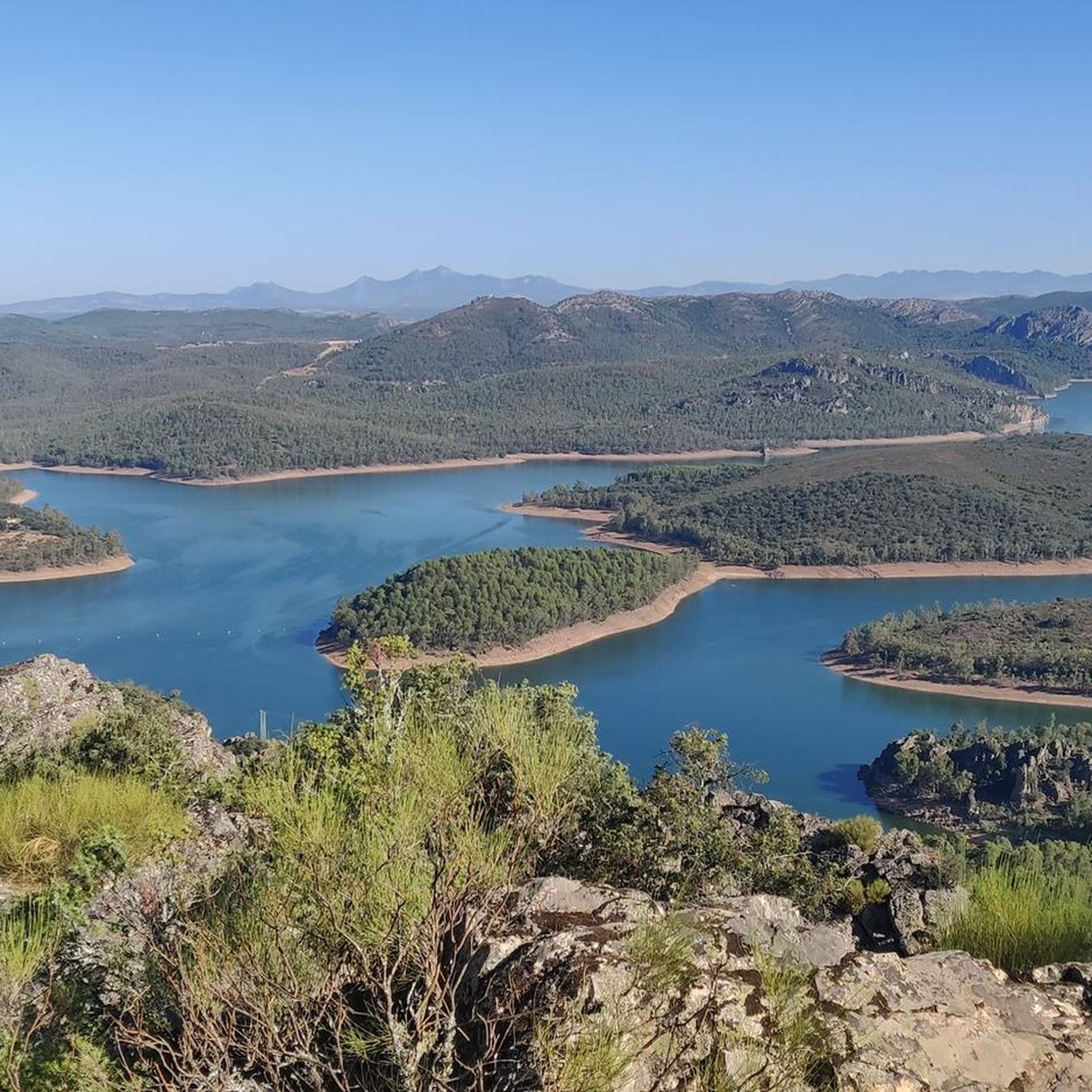
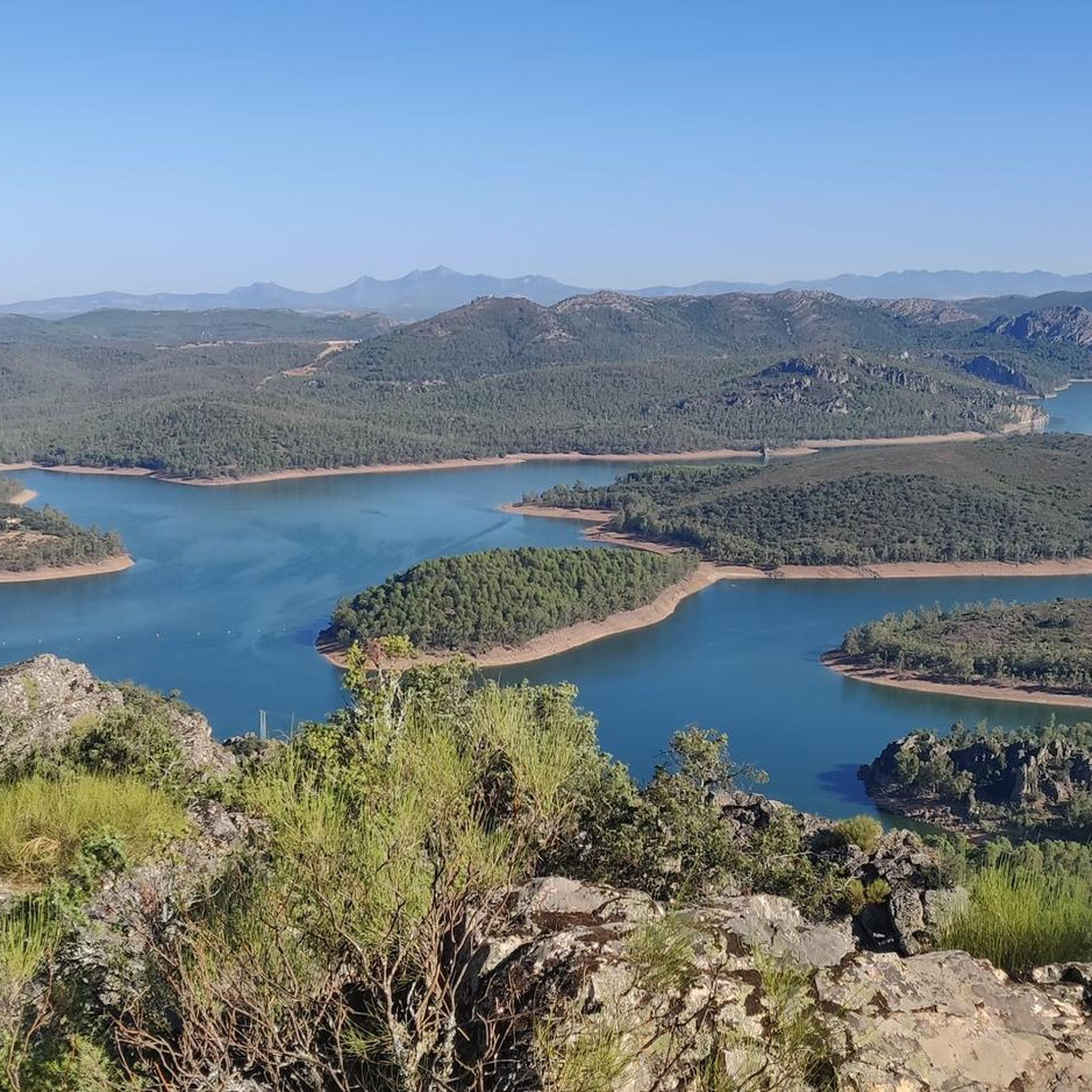
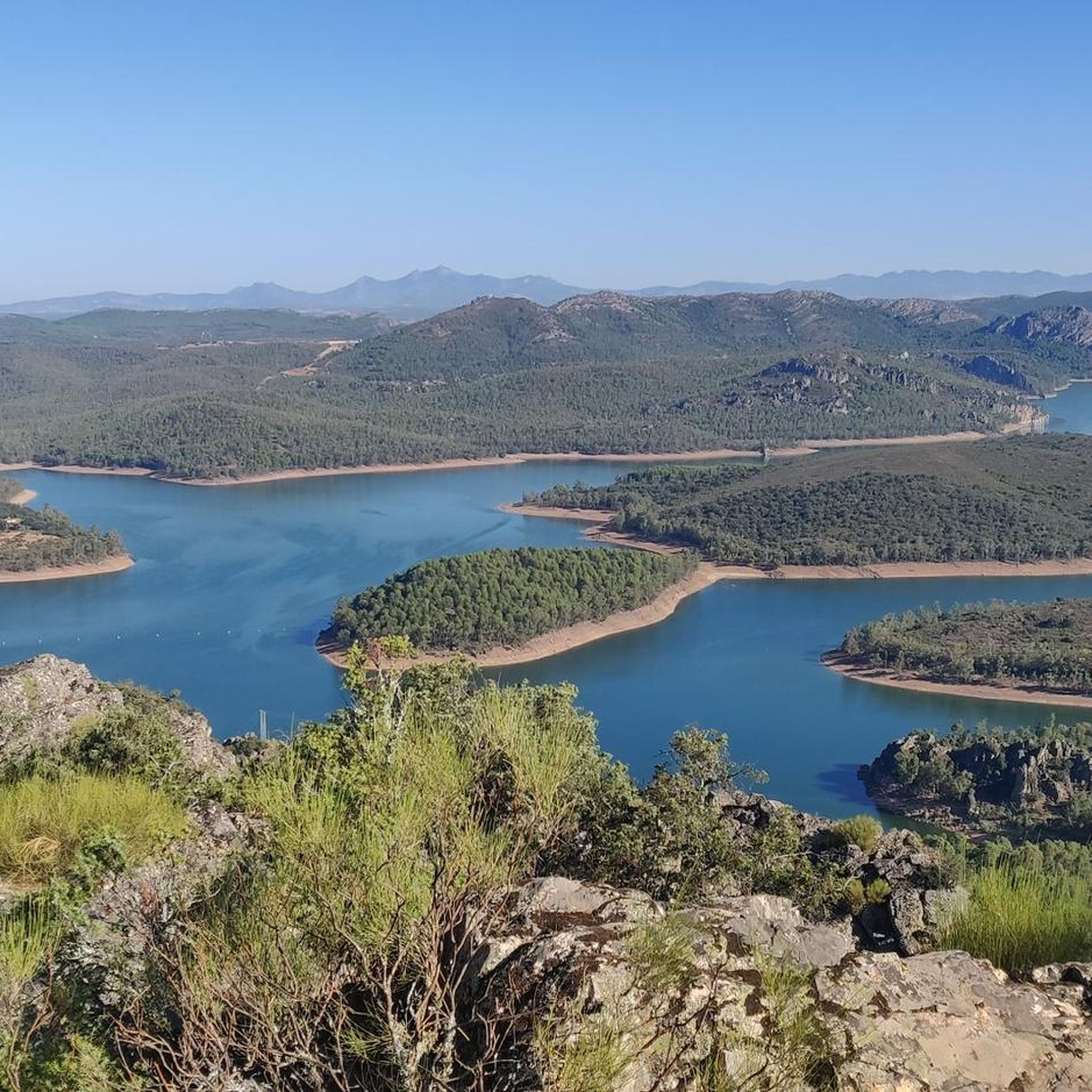
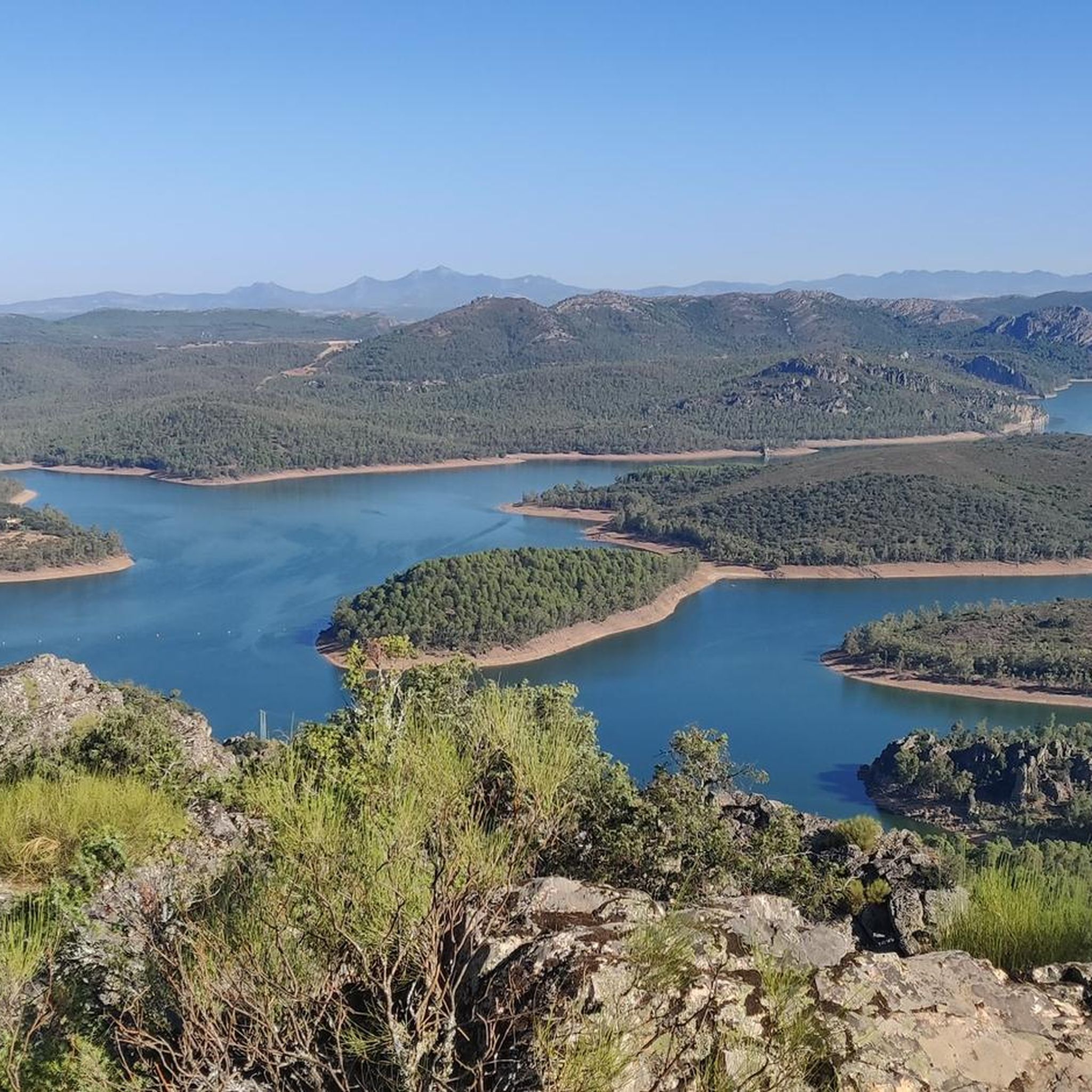
The García de Sola Reservoir, also known as Puerto Peña, is located on the Guadiana River, in the La Siberia Extremeña region (Badajoz). It was built in 1962 as part of the Badajoz Plan and has a capacity of 554 hm³. It is an emblematic site for its natural, scenic, and recreational value.
5
0
The Canal de las Dehesas is part of the Guadiana Nature Trail (GR-114), a route that runs along the Guadiana River basin from Albacete to Huelva. It's very popular for cycling and hiking.
5
0

This spectacular reservoir was built during the 1960s. The reflection of the sunsets in the water and the surrounding landscape make it a must-see if you're exploring the Guadiana Nature Trail.
0
1

Stage 2. Herrera del Duque/Orellana la Vieja 88 kilometers. 1,020 meters of elevation gain. Compared to the previous stage, the second day of the trip is a pleasant walk through the vast rural and livestock plains of the Guadiana River, passing through the pastures of the García de Sola and Orellana reservoirs. The first contact with the inland sea of García de Sola is the serene river environment of the beaches and piers of Peloche; when the reservoir level is high, the water reaches the town streets. The route continues along a fairly quiet and scenic road to the Puerto Peña dam, tracing the curves and inlets of the reservoir's shore. Puerto Peña is a narrowing in the course of the Guadiana River that was used to build the García de Sola dam. There is also an active tourism center and hiking trails. The surroundings of the river gorge and the canyon's cliffs are an important wildlife reserve. There is a large colony of griffon vultures, white and black storks, cranes, falcons, eagle owls, buzzards, and kites, and it is possible to see flocks of the rare long-tailed wagtail. The mountain range is a lush forest populated by strawberry trees, holm oaks, cork oaks, pines, eucalyptus, pyrénergos, and the rest of the scrubland typical of Mediterranean forests. The route crosses the Puerto Peña gorge and continues along the Canal de las Dehesas track, one of the large canals built along the middle course of the Guadiana River during the Badajoz Plan hydraulic project. The path is completely flat and the surface is excellent. In some places, panels display environmental values and interesting landscape features. In spring, the rockrose flowers fill the green hills of the dehesas with white dots. The kilometers fly by on a bike, contemplating the meanders of the Orellana Reservoir. At the Casas de Don Pedro junction, the Guadiana Nature Trail turns toward Talarrubias and, before reaching it, enters a Cordel de Merinas (Merinas Cordillera) toward the Roman site of Lacimurga. The ruins are on the banks of the reservoir; it was a strategic crossing for the Guadiana River for centuries, even before the Romans built walls and expanded a primitive oppidum from the 5th century BC, founding a powerful Roman city of the Flavian dynasty on the plains of the Guadiana and Zújar rivers. The road surface is excellent for gravel bikes; it climbs along the foothills of the Maribáñez mountain range, passes through Orellana de la Sierra, and ends the stage in Orellana la Vieja.
0
1
It was the first cave with paintings discovered by science in the province of Cáceres. It's a place shrouded in legend about a snake and has been used as both a refuge and a ritual meeting place for centuries.
4
0
Cerro Masatrigo is a hill located in the municipality of Esparragosa de Lares. This hill is known for its almost perfect conical shape, which has earned it the nickname "the magic mountain" It rises 501 meters above sea level and 161 meters above the surrounding terrain. After the construction of the La Serena Dam, Cerro Masatrigo became a peninsula surrounded by the waters of the reservoir.
7
0
The García de Sola Reservoir is an impressive work of engineering located in the Extremadura region, near Talarrubias, in the province of Badajoz. The reservoir is located in an environment of great beauty, surrounded by imposing rock formations and dense vegetation composed of Mediterranean forests, pine forests and eucalyptus trees. It is a place of great value for birdlife, with species such as the griffon vulture, black vulture, black stork, golden eagle and peregrine falcon.
5
0

Located in the middle of the La Serena Reservoir and at 501 meters above sea level, it offers us wonderful views at 360 degrees. The Masatrigo hill, for sure, will surprise us with its shape and its curious name. It is called this way because for many its shape is assimilated to a pile of wheat.
1
1
Frequently Asked Questions
What are some of the most notable natural monuments to explore around Talarrubias?
The region offers a variety of impressive natural monuments. Key highlights include Garcia de Sola Reservoir, known for its imposing rock formations and rich birdlife, and Cerro Masatrigo, a distinctive conical hill offering panoramic views over the La Serena Reservoir. Another significant site is La Chiquita Cave, which holds historical importance with ancient paintings.
What unique geological features can I expect to see in the natural monuments around Talarrubias?
The area is characterized by striking geological formations. You'll find imposing rock formations surrounding the García de Sola Reservoir and the exceptional, almost perfect conical shape of Cerro Masatrigo. The region's reservoirs themselves are vast natural features, created by engineering but integrated into the landscape, offering expansive water bodies and unique shorelines.
What kind of wildlife can be observed in the natural monuments of the Siberia extremeña region?
The natural monuments are a haven for diverse wildlife, especially birdlife. The Garcia de Sola Reservoir is a valuable area for species such as the Griffon vulture, Black vulture, Black stork, Golden eagle, and Peregrine falcon. Puerto Peña Reservoir also hosts a significant colony of Griffon vultures, along with white storks and some rare Black storks. Other fauna includes Iberian magpies, genets, foxes, and various raptors.
Are there opportunities for hiking near the natural monuments?
Yes, the region provides several hiking opportunities. For example, you can explore the Cerro Masatrigo Botanical Trail, which is a 4.5 km route. The wider area around Talarrubias offers various trails, including moderate routes like the Castillo de Herrera del Duque loop or the Mirador Celeste de Galizuela. You can find more hiking options in the Hiking around Talarrubias guide.
Can I go cycling around the natural monuments in Talarrubias?
Absolutely. The natural monuments and surrounding areas are popular for cycling. The Canal de las Dehesas – Guadiana Natural Trail is excellent for both cycling and hiking. You can also find road cycling routes, such as the 'Surround the Garcia de Sola Reservoir' circular route. For more options, check the Road Cycling Routes around Talarrubias and Cycling around Talarrubias guides.
What water-based activities are available at the reservoirs?
The expansive reservoirs, such as La Serena and García de Sola, offer opportunities for various water-based activities. These include fishing, as well as tranquil spots for photography and enjoying the serene beauty of the water. Puerto Peña Reservoir even features a beach that received a Blue Flag in 2023, making it an attractive destination for recreation and swimming.
Are there any historical or archaeological sites within the natural monuments area?
Yes, the region has a rich history. La Chiquita Cave is a significant site, being the first cave with paintings discovered by science in Cáceres province, used as a refuge and ritual meeting place for centuries. Additionally, prehistoric shelters with schematic cave paintings have been found in La Panda, within the natural setting of the La Serena Reservoir area.
Are the natural monuments around Talarrubias suitable for families?
Many of the natural monuments are family-friendly. The Garcia de Sola Reservoir is categorized as family-friendly, offering beautiful scenery for all ages. Areas like the Puerto Peña Reservoir, with its Blue Flag beach, provide recreational opportunities suitable for families. When planning, consider the difficulty of specific trails, but generally, the natural beauty can be enjoyed by everyone.
When is the best time of year to visit the natural monuments around Talarrubias?
The best time to visit largely depends on your preferred activities. Spring (March to May) offers pleasant temperatures and vibrant flora, with rockrose flowers filling the hills. Autumn (September to November) also provides mild weather ideal for hiking and birdwatching. Summers can be very hot, making water activities more appealing, while winters are generally mild but can be cooler for outdoor exploration.
What should I bring when visiting the natural monuments, especially regarding weather?
Given the varied climate, it's advisable to bring layers of clothing. In warmer months, pack light, breathable clothing, sun protection (hat, sunscreen), and plenty of water. For cooler seasons, include warmer layers, a waterproof jacket, and sturdy hiking shoes. Binoculars are highly recommended for birdwatching enthusiasts, especially around the reservoirs.
Are there places to eat or stay near the natural monuments, particularly around Puerto Peña?
While specific establishments are not detailed in the guide data, the Puerto Peña area is a major tourist draw, suggesting that amenities such as cafes, restaurants, and accommodation options are available to cater to visitors. It's always a good idea to check local listings or inquire in nearby towns like Talarrubias for current services.
What do visitors enjoy the most about the natural monuments in this region?
Visitors particularly appreciate the stunning natural beauty, the tranquility of the reservoirs, and the rich biodiversity. The impressive rock formations, the unique conical shape of Cerro Masatrigo, and the opportunities for birdwatching are frequently highlighted. The blend of scenic landscapes with options for hiking, cycling, and water activities makes the area highly appealing.
Most popular attractions around Talarrubias

Get inspired with the komoot mobile app


Explore more
Extend your search for the best caves by checking out these guides of the top ones around Talarrubias:
