Santa María Del Tiétar
Santa María Del Tiétar
Top 7 Natural Monuments around Santa María Del Tiétar
Best natural monuments around Santa María Del Tiétar are located in the Tiétar Valley, at the southern edge of the Sierra de Gredos. This area is characterized by diverse landscapes, a pleasant microclimate, and rich flora and fauna. It provides opportunities for outdoor exploration, from ancient trees to panoramic viewpoints. The region offers a variety of natural attractions for visitors.
Best natural monuments around Santa María Del Tiétar
- The most popular natural monuments is Puerto de Casillas – Entrance to…
Last updated: July 1, 2026
Puerto de Casillas – Entrance to the Valle de Iruelas Nature Reserve
Highlight • Mountain Pass
The port of Casillas is one …
Translated by Google •
Tip by

El Abuelo Chestnut Tree (Castañar de El Tiemblo)
Highlight • Natural Monument
Translated by Google •
Tip by

Sign up now to discover places like this
Get recommendations on the best single tracks, peaks, & plenty of other exciting outdoor places.
Sign up for free
The Grand Chestnut of El Tiemblo
Highlight • Natural Monument
Be careful to access the parking lot of the castañar you have to pay, €6 per car + €2 for each occupant.
Translated by Google •
Tip by

Toros de Guisando
Highlight • Monument
Translated by Google •
Tip by

Charca de los Cangrejos
Highlight • Lake
Translated by Google •
Tip by

Sign up for free to discover even more natural monuments around Santa María Del Tiétar.
Sign up for free
Already have an account?
Start today with a free account
Your next adventure awaits.
Login or Signup
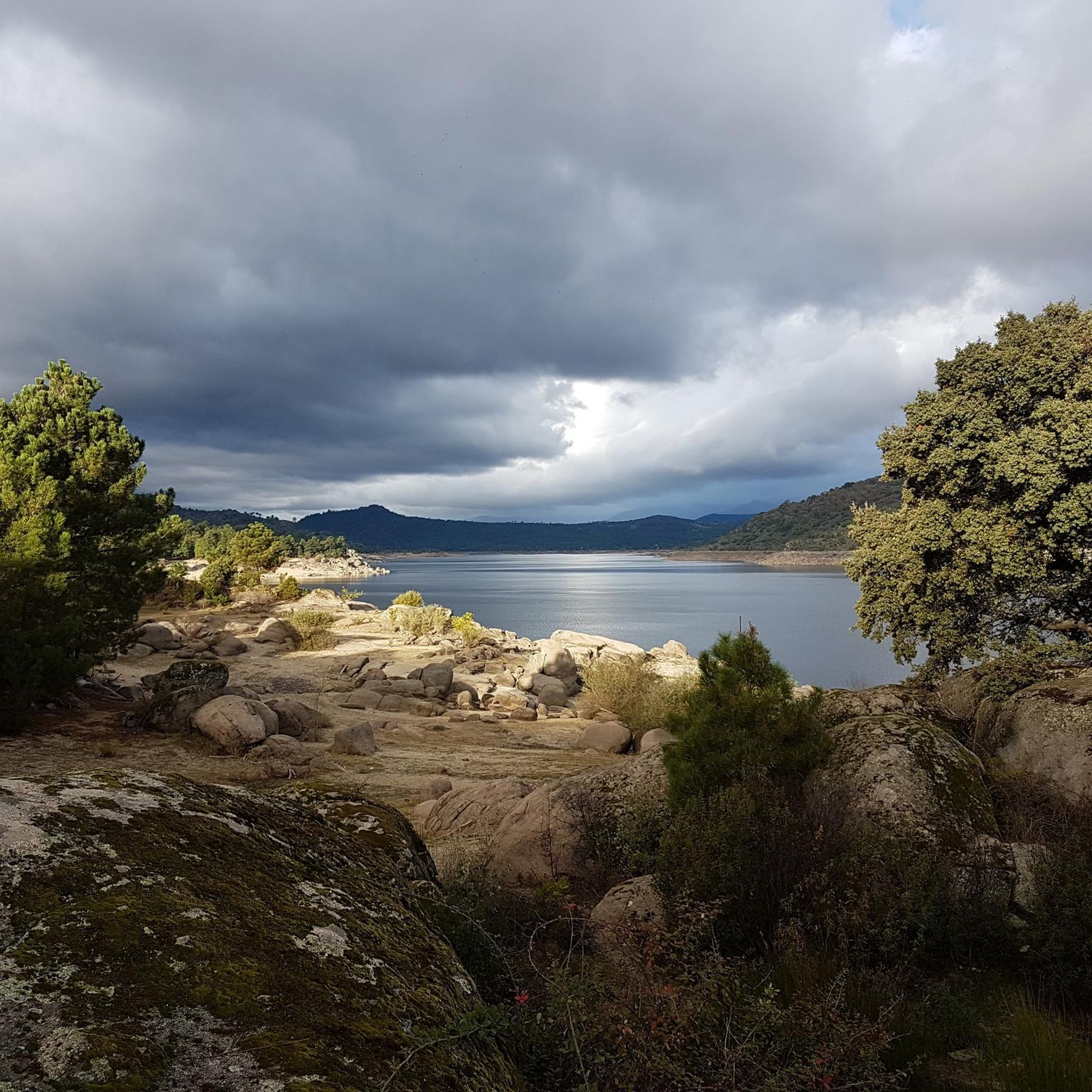
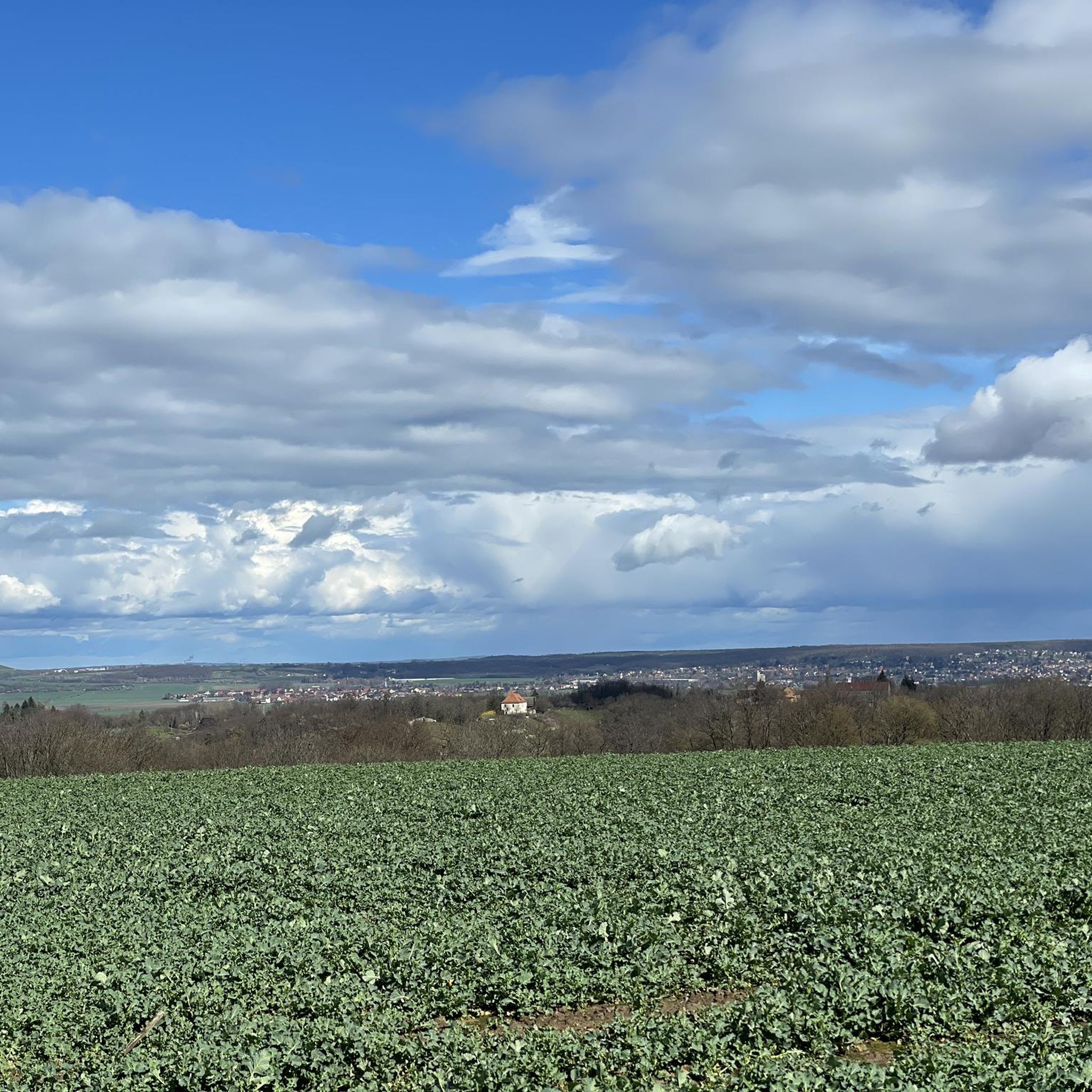
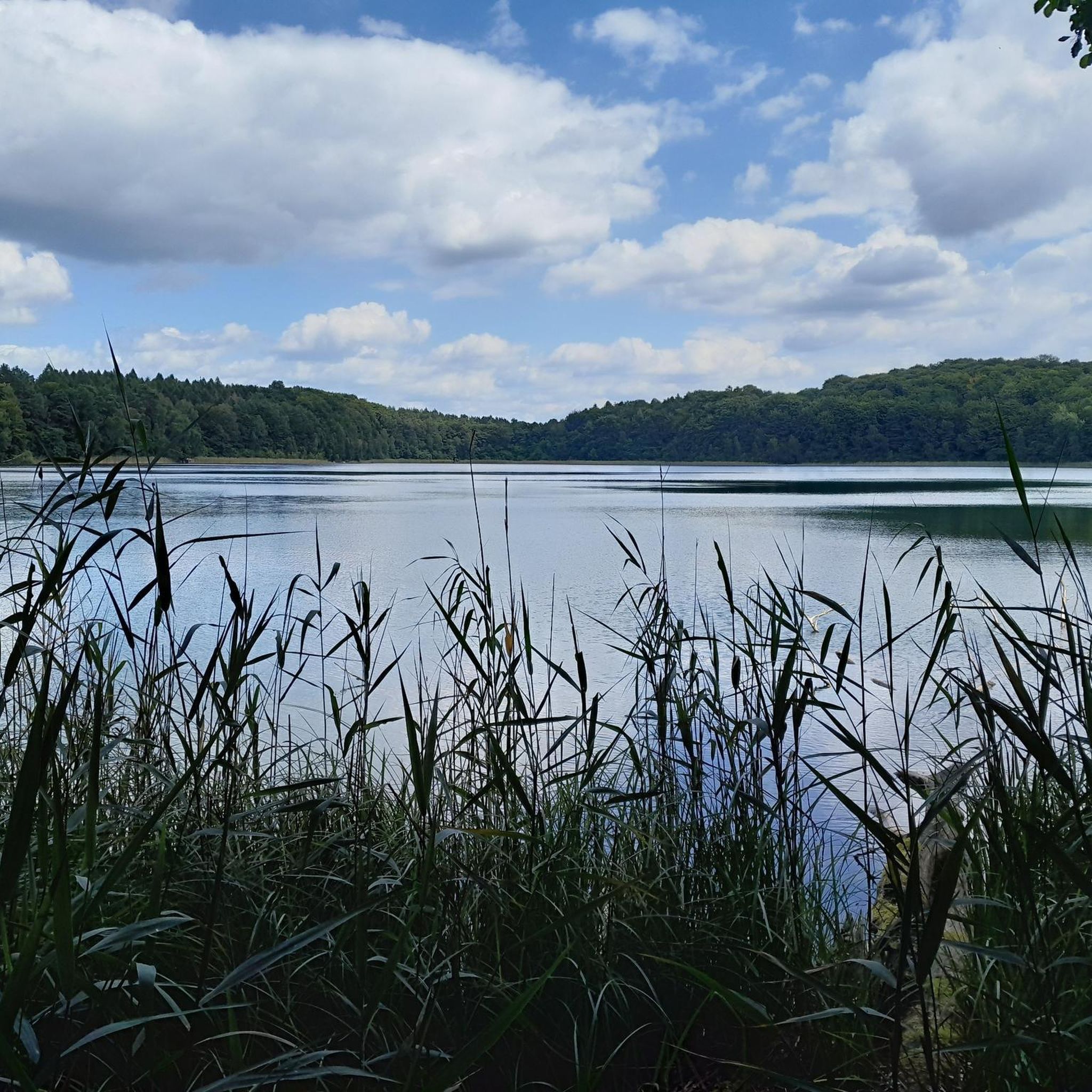
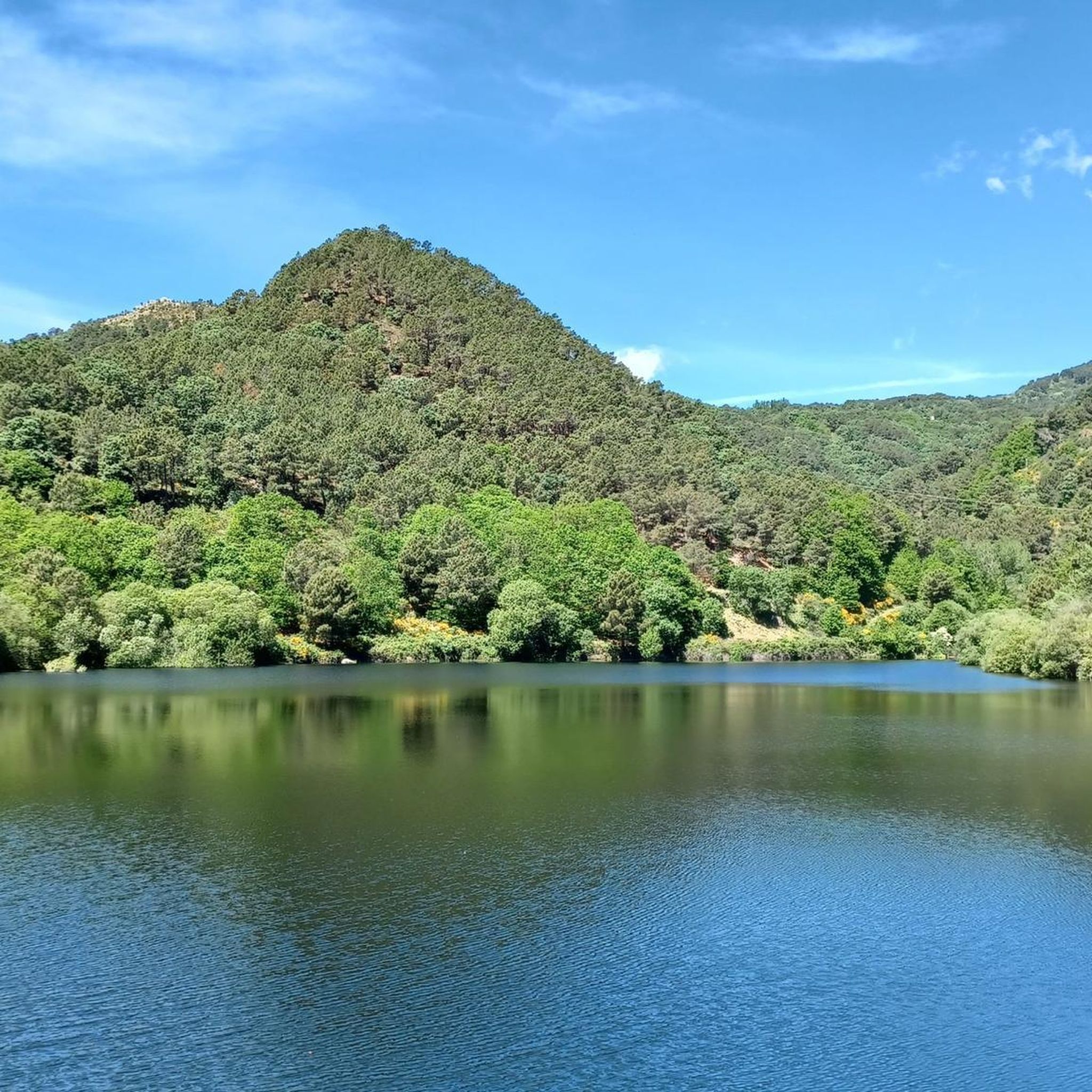

Tips from the Community

Los Toros de Guisando are a set of zoomorphic sculptures of Vettonian origin, carved in granite between the 4th and 2nd centuries BC. They probably represent bulls or verracos and were linked to rituals for the protection of livestock and the delimitation of territory.
0
0

phenomenal
0
1

A nice climb from the El Burguillo reservoir. The first part is asphalt in very good condition (as of November 1, 2025), and the second part is a dirt track, also in very good condition. It's a demanding climb; the asphalt section offers some flatter sections, but the dirt track is practically a continuous gradient of around 10%.
0
1

A must-see if you go to the El Tiemblo chestnut grove.
0
0

The arrangement of the sculptures is interesting: they are side by side, forming a line in a north-south direction and all of them facing west, to the hill of Cerro de Guisando, from which they receive their name. The Tórtolas stream, which is located behind it, marks the natural border between the communities of Castilla y León and Madrid.
13
0

It is a place where you can admire stone carvings that are more than 2,000 years old that were recovered and taken there so that they can be contemplated by visitors who wish to do so. You have to pay a small entrance fee of €2 to ensure the conservation and maintenance of the sculptures, but it is definitely worth it. These are 4 bulls carved in stone from the 3rd century BC. next to an old inn or inn called "Juradera" in which the pact was signed between Enrique IV and his sister Isabel.
21
0

The Guisando Bulls are an outstanding example of Vetona sculpture, a pre-Roman art, found in the municipality of El Tiemblo, in the province of Ávila. These are four large granite statues that represent bulls. These sculptures date from the 6th or 3rd century BC. and they are considered one of the most outstanding examples of Veton sculpture, associated with Celtic culture. Although their exact meaning is unclear, it is believed that the Guisando Bulls could have a symbolic or religious purpose related to fertility and the protection of livestock. There has also been speculation about its possible connection with ritual ceremonies.
12
0

A true Ent
0
0
Frequently Asked Questions
What are some of the most popular natural monuments to visit around Santa María Del Tiétar?
Visitors frequently enjoy the expansive views from Puerto de Casillas – Entrance to the Valle de Iruelas Nature Reserve, which offers vistas of the Valle de Iruelas and the Burguillo Reservoir. Another highly regarded site is the ancient El Abuelo Chestnut Tree (Castañar de El Tiemblo), estimated to be over 500 years old, and the impressive The Grand Chestnut of El Tiemblo, part of a spectacular chestnut grove.
Are there family-friendly natural monuments in the Santa María Del Tiétar area?
Yes, several natural monuments are suitable for families. The El Abuelo Chestnut Tree (Castañar de El Tiemblo) and The Grand Chestnut of El Tiemblo are both family-friendly forest areas. Additionally, Charca de los Cangrejos is a pond with very easy access, perfect for a relaxed family outing.
What kind of natural features can I expect to see in the region?
The Santa María Del Tiétar region, nestled in the Tiétar Valley, offers diverse natural features. You'll find ancient trees like the impressive chestnut trees in El Tiemblo, panoramic mountain passes such as Puerto de Casillas, and serene lakes like Charca de los Cangrejos. The area is characterized by oak and pine forests, gorges, and reservoirs, providing a rich natural landscape.
Are there any historical or cultural sites among the natural monuments?
Yes, the region offers a blend of natural beauty and historical significance. The Toros de Guisando are notable pre-Roman granite sculptures from the 3rd century BC, representing an important historical site alongside the natural landscape. Additionally, the Zahúrdas de La Cancha are Bronze Age megaliths historically used as shepherds' huts, blending natural and ethnographic heritage.
What outdoor activities can I do near these natural monuments?
The area around Santa María Del Tiétar is excellent for outdoor activities. You can explore various routes for mountain biking, cycling, and gravel biking. For example, there are numerous MTB trails, cycling routes, and gravel biking paths that allow you to discover the natural beauty of the region.
Are there hiking trails near the natural monuments?
Absolutely. Puerto de Casillas is considered an essential hiking route in the Central System, offering stunning panoramic views. The area also features the Ruta de los Molinos, which explores a gorge with old mills, and circular routes around the Embalse del Pajarero through chestnut groves. Many of the nearby cycling and MTB routes can also be adapted for hiking.
What is the best time to visit the natural monuments around Santa María Del Tiétar?
The region benefits from a pleasant microclimate, making it enjoyable for much of the year. Spring and autumn are particularly beautiful, with lush greenery or vibrant fall colors, and comfortable temperatures for outdoor activities. The Castañar de El Tiemblo, for instance, is especially stunning in autumn when the chestnut leaves change color.
Can I find viewpoints with expansive landscapes?
Yes, the region is known for its viewpoints. Puerto de Casillas offers expansive, panoramic views of the Valle de Iruelas Natural Reserve, the Burguillo Reservoir, and the Sierras de la Paramera. The Embalse del Pajarero also features a viewpoint overlooking the reservoir and surrounding chestnut grove.
Are there any hidden gems or less-known natural spots worth exploring?
Beyond the main attractions, the scenic road through the Iruelas Valley (Gorge) offers a tranquil experience winding through beautiful oak and pine forests alongside the reservoir. Charca de los Cangrejos is another peaceful pond that creates a very beautiful landscape during wet seasons, often less crowded than other spots.
What do visitors enjoy most about the natural monuments in Santa María Del Tiétar?
Visitors frequently highlight the impressive scale and age of the ancient trees, such as the 500-year-old El Abuelo Chestnut Tree, often described as 'imposing' and a 'true Ent.' The panoramic views from mountain passes like Puerto de Casillas are also highly appreciated for their wide landscapes and ecological value, especially for spotting black vultures and imperial eagles.
Is it possible to spot wildlife near the natural monuments?
Yes, the Valle de Iruelas Natural Reserve, accessible via Puerto de Casillas, is a significant area for wildlife. It is home to 120 pairs of black vultures, as well as imperial eagles, golden eagles, and other species. The diverse forests of black pine, oaks, holm oaks, and junipers provide a rich habitat for various fauna.
Are there any natural monuments suitable for dog walking?
While specific dog-friendly designations aren't always explicit for every natural monument, many of the forest trails and open natural areas, such as those around the chestnut groves or the Embalse del Pajarero, are generally suitable for walks with dogs, provided they are kept under control and local regulations are followed. Always ensure to clean up after your pet.
Most popular routes around Santa María Del Tiétar
Most popular attractions around Santa María Del Tiétar

Get inspired with the komoot mobile app


Explore more
Extend your search for the best caves by checking out these guides of the top ones around Santa María Del Tiétar:
