Top 9 Natural Monuments around Lindridge
Best natural monuments around Lindridge include a blend of historic parkland and natural features. Lindridge, located near Bishopsteignton in Teignbridge, UK, offers diverse natural elements within its landscape. These areas provide natural beauty and points of interest, showcasing how natural quarries can be integrated and enhanced, and revealing geological features within woodland settings. The region's natural attractions offer opportunities for exploration within a historic context.
Best natural monuments around Lindridge
- The most popular natural monument is Titterstone Clee Hill summit…
Last updated: July 1, 2026
Titterstone Clee Hill summit
Highlight • Natural Monument
Tip by

Worcestershire Natural Flood Management Project – Leaky Dams in Wyre Forest
Highlight • Natural Monument
The aim of this project is to reduce flooding in
the Dowles Brook catchment, by implementing at large number of …
Tip by

Sign up now to discover places like this
Get recommendations on the best single tracks, peaks, & plenty of other exciting outdoor places.
Sign up for free
Ruskin Land
Highlight • Forest
Tip by
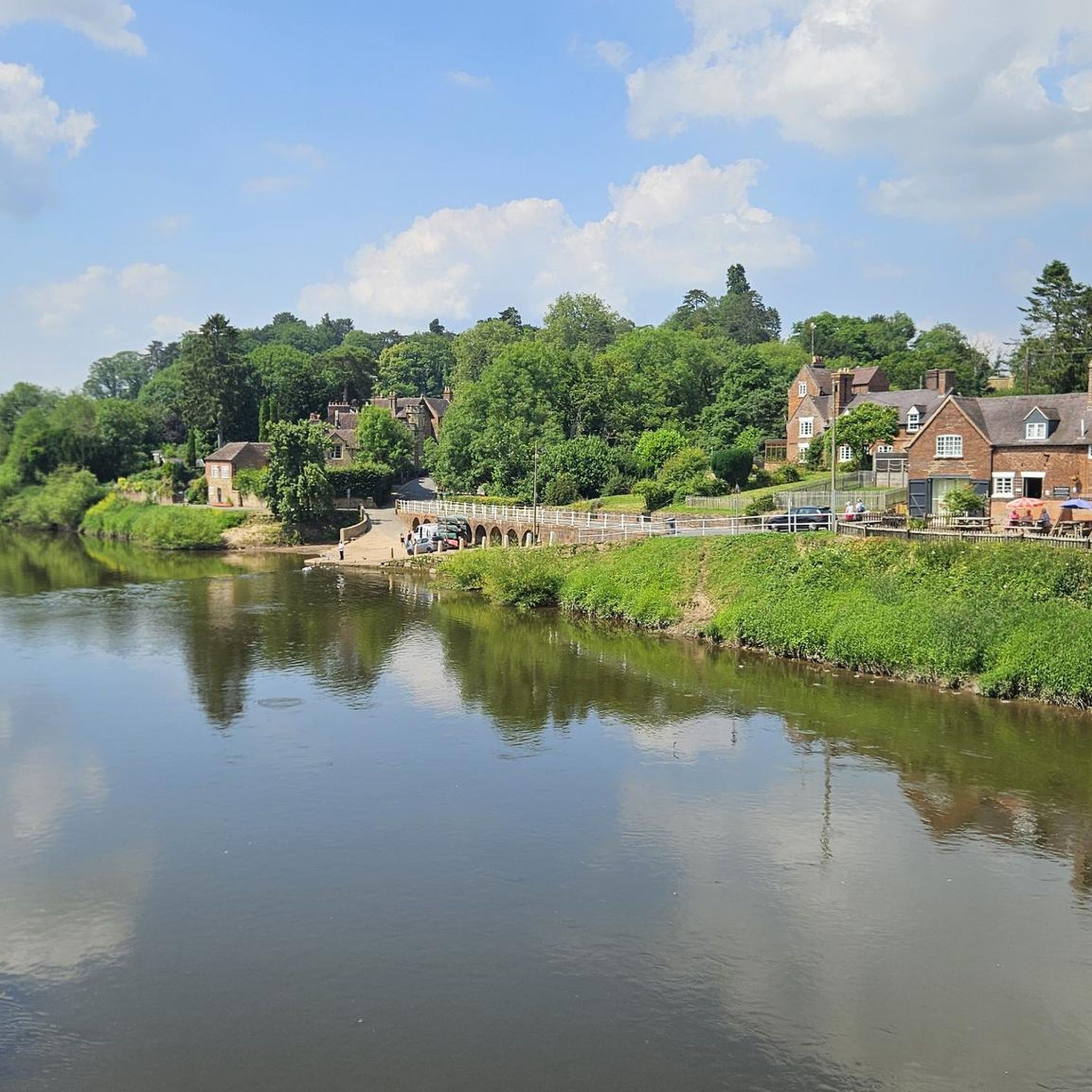
Prior's Mill and Weir
Highlight • Natural Monument
Tip by
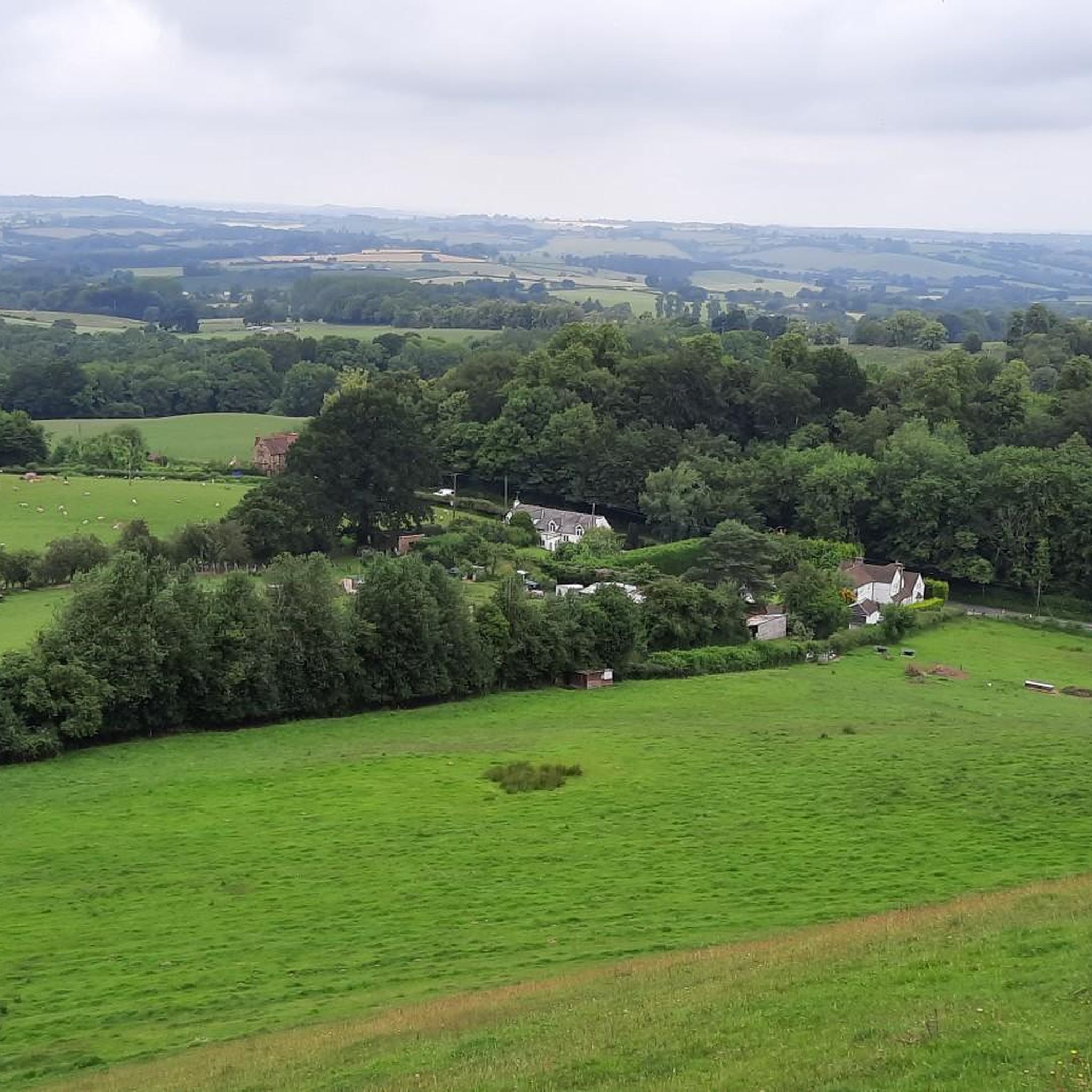
Walsgrove Hill Summit View
Highlight • Viewpoint
Tip by

Sign up for free to discover even more natural monuments around Lindridge.
Sign up for free
Already have an account?
Start today with a free account
Your next adventure awaits.
Login or Signup

Tips from the Community

It's a steep pull up Walsgrove Hill from the north, and in the winter it will be slippery and muddy due to the activities of the sheep that live in this field. However, it offers fine views across to the clocktower and beyond.
0
0
A real picturesque old mill, and the Geopark Way affords a really good view of the weir and house from a number of angles.
0
0


The Wyre Forest Beaver enclosure is worth stopping at. Can't guarantee to see any but you never know 😁
0
0

View to the West The lower part of Walsgrove Hill and the hill on which Abberley clock tower stands are Silurian siltstone. The valley of the River Teme cuts into soft mudstones of the upper Silurian Old Red Sandstone with the harder sandstones of the lower Devonian Old Red Sandstone forming the Bromyard plateau. The low hummocky ground at the base of these hills is underlain by Carboniferous age Coal Measures rocks. These form the southerly tip of the Wyre Forest coalfield. Coal was mined here until the early twentieth century. To the north west, the Clee Hills are also formed of Carboniferous rocks. A molten layer of rock pushed between the layers and formed a hard black dolerite rock, the Dhustone, which slowed the erosion of these still prominent hills and is quarried for roadstone to this day. Source: Local signage
0
0
Prior's Mill is a former seventeenth century timber-framed water mill, with twentieth century alterations, and now used as a private residence. Next to it is a very high weir on the Dick Brook. There used to be several mills on this stream long ago.
0
0
Worcestershire Natural Flood Management (NFM) Project in the Wyre Forest. The aim of this project is to reduce flooding in the Dowles Brook catchment, by implementing at large number of small scale, natural interventions in upstream areas to help slow the flow of water and hold it back during times of high flows. These measures involve working on the tributaries of the Dowles Brook and could include things such as planting hedges, creating wetland areas. attenuation ponds, leaky dams, soll aeration and other land management techniques The intention is to slow the flood peak on the Dowdes so it does not coincide with the flood peak on the River Severn at Bewdley. Water moving at speed through the landscape is incredibly destructive and leads to erosion, soil loss and widespread damage, therefore slowing down the water has a wealth of positive impacts. It is the intention that many more features will be installed over the riext few years with the aim of slowing the flow throughout the catchment. If you would like more information, or are a landowner who is keen to get involved. please contact the NFM Project Officer al Worcestershire County Council. www.worcestershire.gov.uk/NFM Natural Flood Management - Leaky Dams Trees are sourced from the immediate stream side and used to build a lattice. Over time, especially in high flow, smaller woody debris accumulates naturally, and this increases the effectiveness of the leaky dam. The dars are wedged behind living tree stumps to prevent them moving or floating away, over time they bed in and naturalise as part of the landscape. Leaky dams work with nature, providing a food source and habitat for wildlife. This timber lattice allows wildlife, such as fish, to move freely upstream and downstream. Leaky dams are constructed to allow free passage of water in normal flows, and only hold water back when required during high rainfall. The backed up water is pushed out of the channel into appropriate sites upstream where silts are deposited. A single structure has little impact, but a series of leaky dams at various locations can help reduce the risk of flooding downstream. Felling by the river bank allows more sunlight to reach the watercourse and its banks. This leads to the growth of marginal vegetation, creating further food sources and habitats for wildlife.
0
0
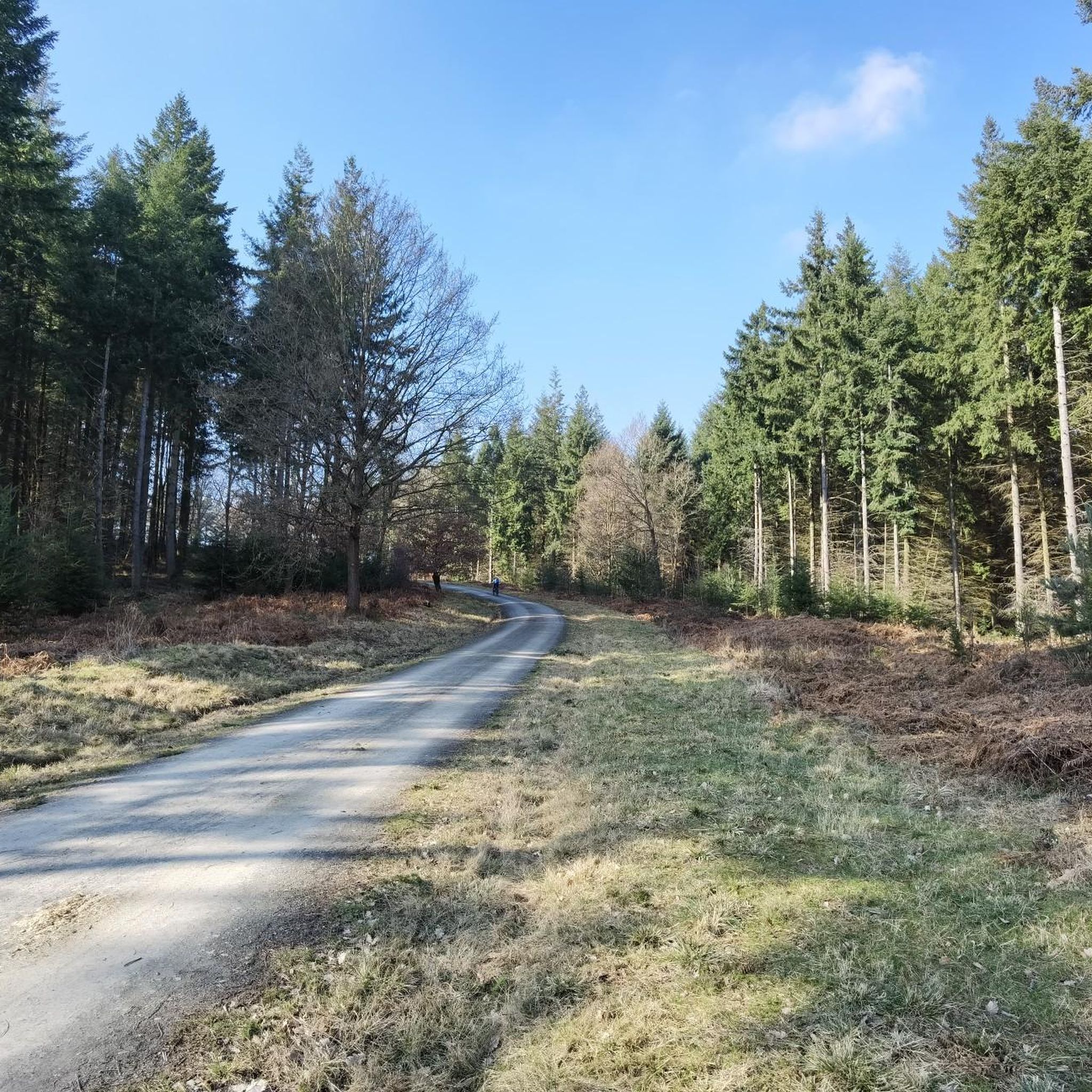
This area of the Wyre Forest Site of Special Scientific Interest belongs to John Ruskin's charity, the Guild of St George and is managed by the Wyre Community Land Trust. We are managing this area to support a mixture of high forest and heathland, which are valuable habitats for bats, birds and other species. In large areas of the woodland, the trees. are relatively young, and mainly comprise oak with bracken and bramble. This lack of diversity is a result of changes in woodland management following World War 1. when much of the woodland was no longer coppiced because of a collapse in the charcoal industry. In order to improve the habitat diversity, some trees have been removed to give those remaining more space to grow into large mature trees. The trees that are felled are extracted and processed at the Wyre Community land Trust's woodyard and sawmill at St George's Farm and used to make a variety of timber products and firewood. Volunteers have helped plant trees to ensure the forest has a diverse mixture of tree species that is more resilient to pests, disease and the effects of climate change.
0
0
Frequently Asked Questions
What unique natural features can I explore around Lindridge?
Lindridge offers a blend of historic parkland and natural elements. You can explore sites like Titterstone Clee Hill summit, which features a radar dome and offers exceptional views. Another interesting spot is Prior's Mill and Weir, showcasing a picturesque old mill and a high weir on the Dick Brook. The region also includes areas like The Dell Quarry, transformed into a garden, and the picturesque rocks and quarry within King's Wood, offering a glimpse into the area's natural geology and historical industrial uses.
What kind of views can I expect from the natural monuments in this area?
The natural monuments around Lindridge offer diverse scenic views. From Titterstone Clee Hill summit, you can enjoy exceptional panoramic views of the surrounding landscapes on a clear day. Walsgrove Hill Summit View provides fantastic vistas towards Abberley Hill and its distinctive clock tower, showcasing the geological formations of the Abberley and Malvern Hills Geopark.
Are there any natural monuments with historical significance near Lindridge?
Yes, several natural monuments in the area have historical connections. Titterstone Clee Hill summit is the site of an Iron Age hillfort, though its landscape has been altered by significant quarrying. Prior's Mill and Weir features a former seventeenth-century timber-framed water mill. Additionally, the picturesque rocks and quarry in King's Wood are found alongside former lime kilns, hinting at past industrial activity within the natural setting.
Are there family-friendly natural monuments in the Lindridge area?
Yes, there are natural monuments suitable for families. The Worcestershire Natural Flood Management Project – Leaky Dams in Wyre Forest offers an educational experience about environmental management and is located within the family-friendly Wyre Forest. Ruskin Land, also in Wyre Forest, is managed to support diverse habitats and is a pleasant area for families to explore.
What outdoor activities can I do near the natural monuments around Lindridge?
The area around Lindridge offers various outdoor activities. You can find numerous cycling routes, including road cycling, mountain biking, and general touring. For example, there are several road cycling routes, MTB trails like the Wyre Forest Blue Route, and general cycling routes that pass by or are close to these natural features.
What geological features can be observed at the natural monuments?
The natural monuments around Lindridge showcase significant geological history. Walsgrove Hill Summit View is part of a ridge formed during the Silurian period and lies within the Abberley and Malvern Hills Geopark, an area spanning 700 million years of natural history. The lower parts of Walsgrove Hill and Abberley clock tower are Silurian siltstone, while the valley of the River Teme cuts into soft mudstones. Titterstone Clee Hill summit also shows evidence of extensive quarrying, which has altered its ancient Iron Age hillfort landscape.
How is nature being preserved or managed in the Lindridge area?
Conservation efforts are visible in the region. The Worcestershire Natural Flood Management Project – Leaky Dams in Wyre Forest aims to reduce flooding by implementing small-scale, natural interventions like leaky dams and wetland creation, which also provide habitat for wildlife. Ruskin Land, part of the Wyre Forest Site of Special Scientific Interest, is managed to support a mixture of high forest and heathland, valuable habitats for bats, birds, and other species.
Can I spot wildlife at the natural monuments around Lindridge?
Yes, there are opportunities for wildlife spotting. The Worcestershire Natural Flood Management Project – Leaky Dams in Wyre Forest creates habitats and food sources for wildlife, with leaky dams designed to allow fish to move freely. Ruskin Land is managed specifically to support valuable habitats for bats, birds, and other species within the Wyre Forest.
What do visitors find most interesting about the natural monuments in Lindridge?
Visitors appreciate the diverse experiences offered. Many enjoy the exceptional views from summits like Titterstone Clee Hill and Walsgrove Hill. The picturesque setting of Prior's Mill and Weir is also a favorite, offering multiple angles to view the old mill and high weir. The blend of natural beauty with historical and environmental significance, such as the Leaky Dams project, also captures visitors' interest.
Are there any natural monuments that are easily accessible or suitable for an easy walk?
While specific accessibility details vary, areas within the Wyre Forest, such as the vicinity of the Worcestershire Natural Flood Management Project – Leaky Dams and Ruskin Land, often feature trails suitable for easier walks. The Dell Quarry, mentioned in region research, is a cultivated garden space that would likely offer a gentle exploration. Always check local signage for trail conditions.
What is the best time of year to visit the natural monuments around Lindridge?
The best time to visit depends on your preferences. Spring and summer offer lush greenery and warmer weather, ideal for exploring the cultivated gardens like The Dell Quarry and enjoying the full views from summits. Autumn brings vibrant foliage to areas like King's Wood. While winter can be bleak on exposed summits like Titterstone Clee Hill, it can offer crisp, clear views, though trails might be muddy, especially on Walsgrove Hill.
Where can I find parking for natural monuments around Lindridge?
While specific parking information for each natural monument isn't detailed, many popular outdoor areas and trailheads in the wider Lindridge and Wyre Forest region typically offer designated parking facilities. It is advisable to check local maps or specific highlight pages for the nearest parking options before your visit.
Can I bring my dog to the natural monuments?
Many natural areas around Lindridge, especially within the Wyre Forest, are generally dog-friendly, provided dogs are kept under control, often on a lead, to protect wildlife and ensure the safety of other visitors. Always look for specific signage at each location regarding dog policies, especially near managed sites like Ruskin Land or the Leaky Dams project.
Most popular attractions around Lindridge

Get inspired with the komoot mobile app


Explore more
Extend your search for the best caves by checking out these guides of the top ones around Lindridge:
