Top 5 Natural Monuments around Kemble
Best natural monuments around Kemble are found within the Cotswolds Area of Outstanding Natural Beauty (AONB), a region characterized by rolling hills, valley formations, and diverse ecosystems. The landscape features gently sloping lowlands, dissected by small streams flowing towards the River Thames, along with woodlands and hedgerows. This area provides a variety of natural features and historical geological sites for exploration.
Best natural monuments around Kemble
- The most popular natural monuments is Source of the River Thames, a river…
Last updated: August 24, 2026
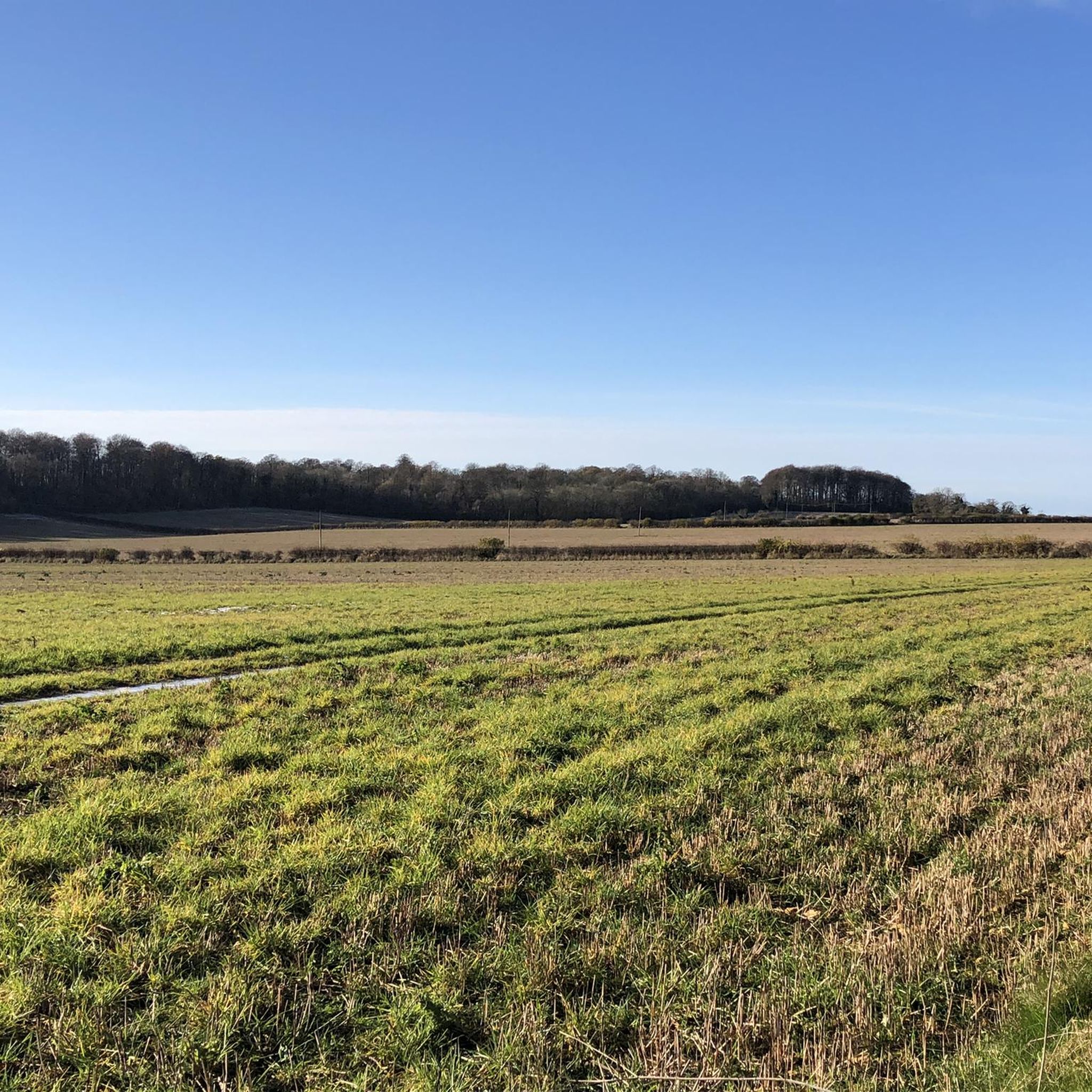
Daglingworth Gravel Track
Highlight (Segment) • Natural
Tip by

Cirencester Amphitheatre
Highlight • Historical Site
Tip by

Sign up now to discover places like this
Get recommendations on the best single tracks, peaks, & plenty of other exciting outdoor places.
Sign up for free
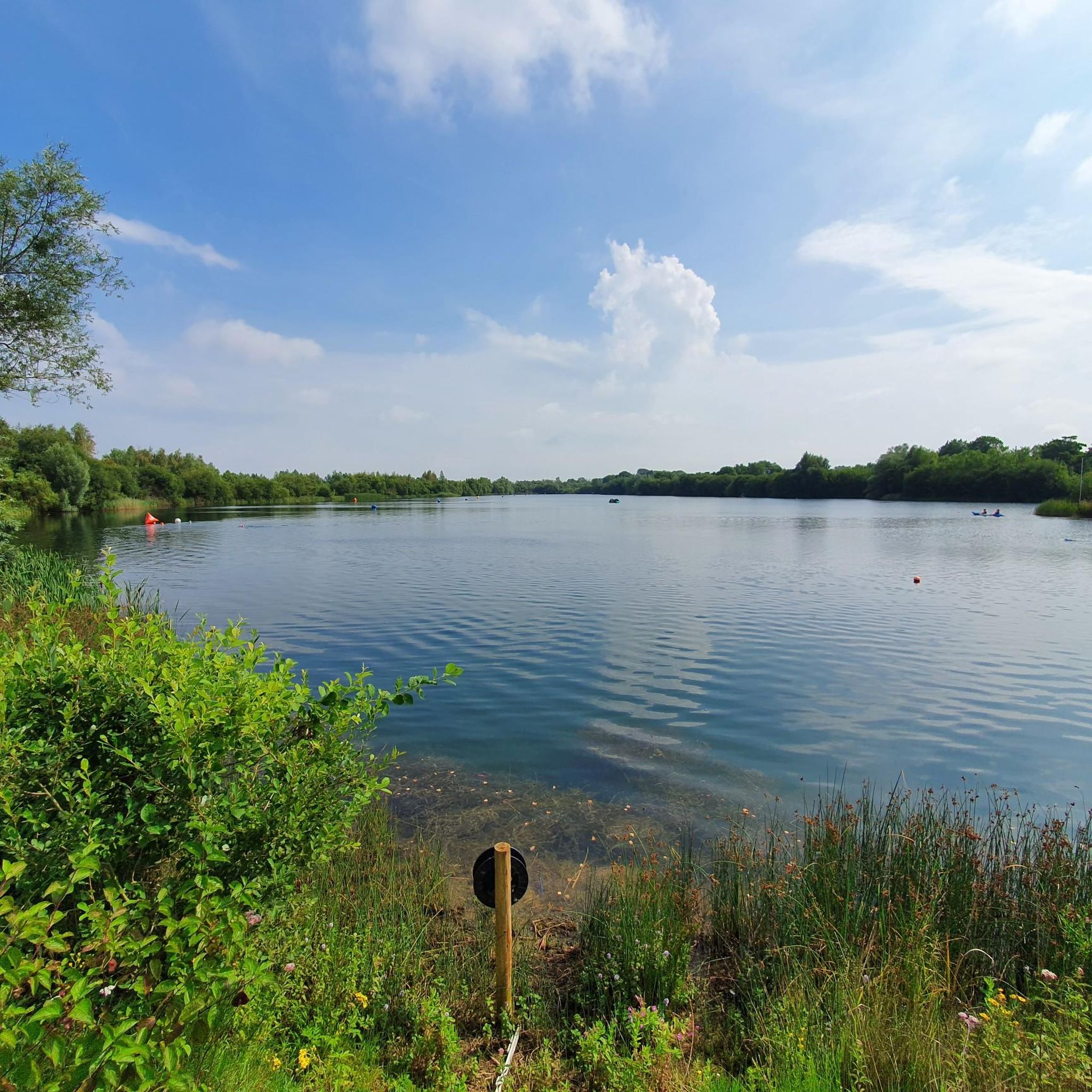
Source of the River Thames
Highlight • River
Tip by

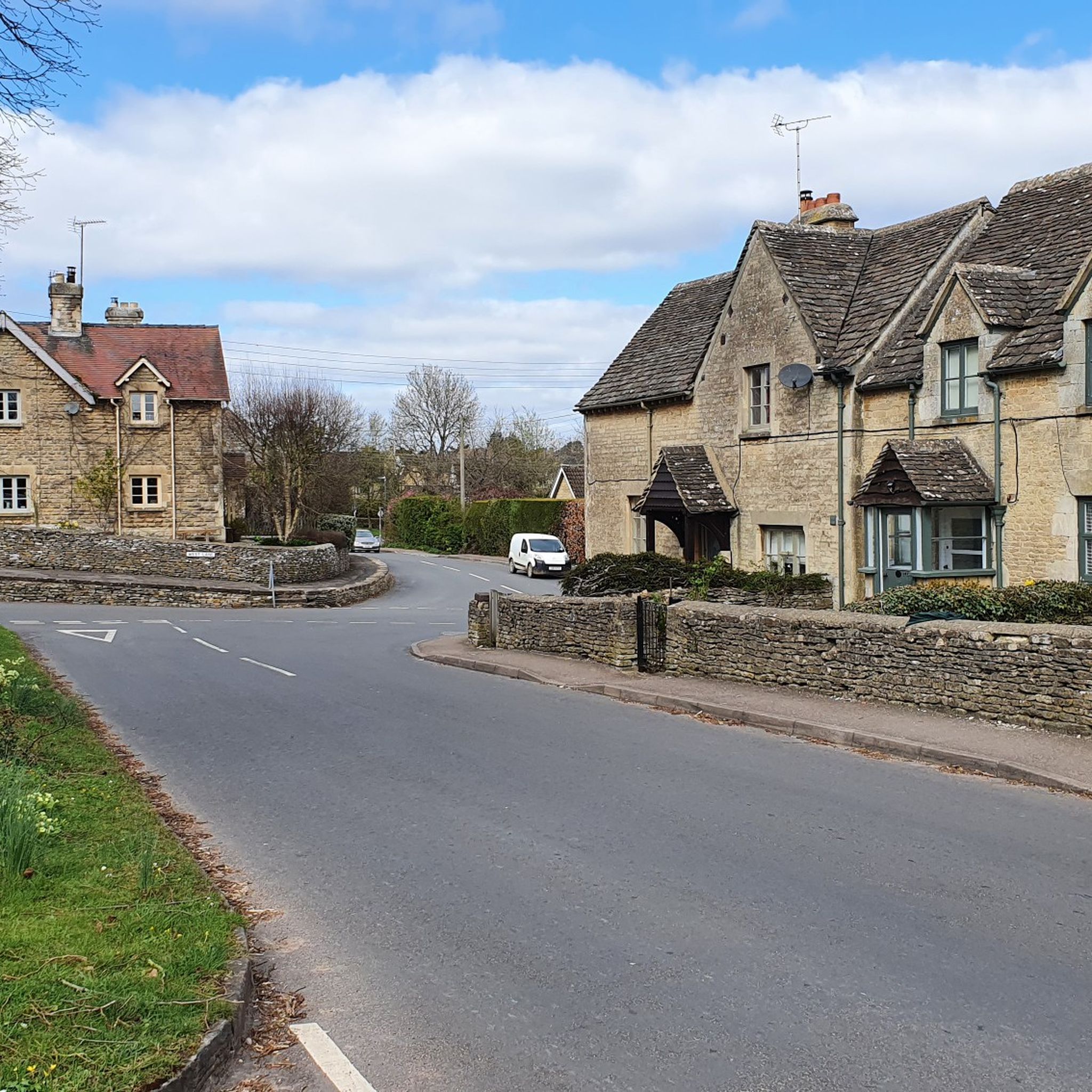
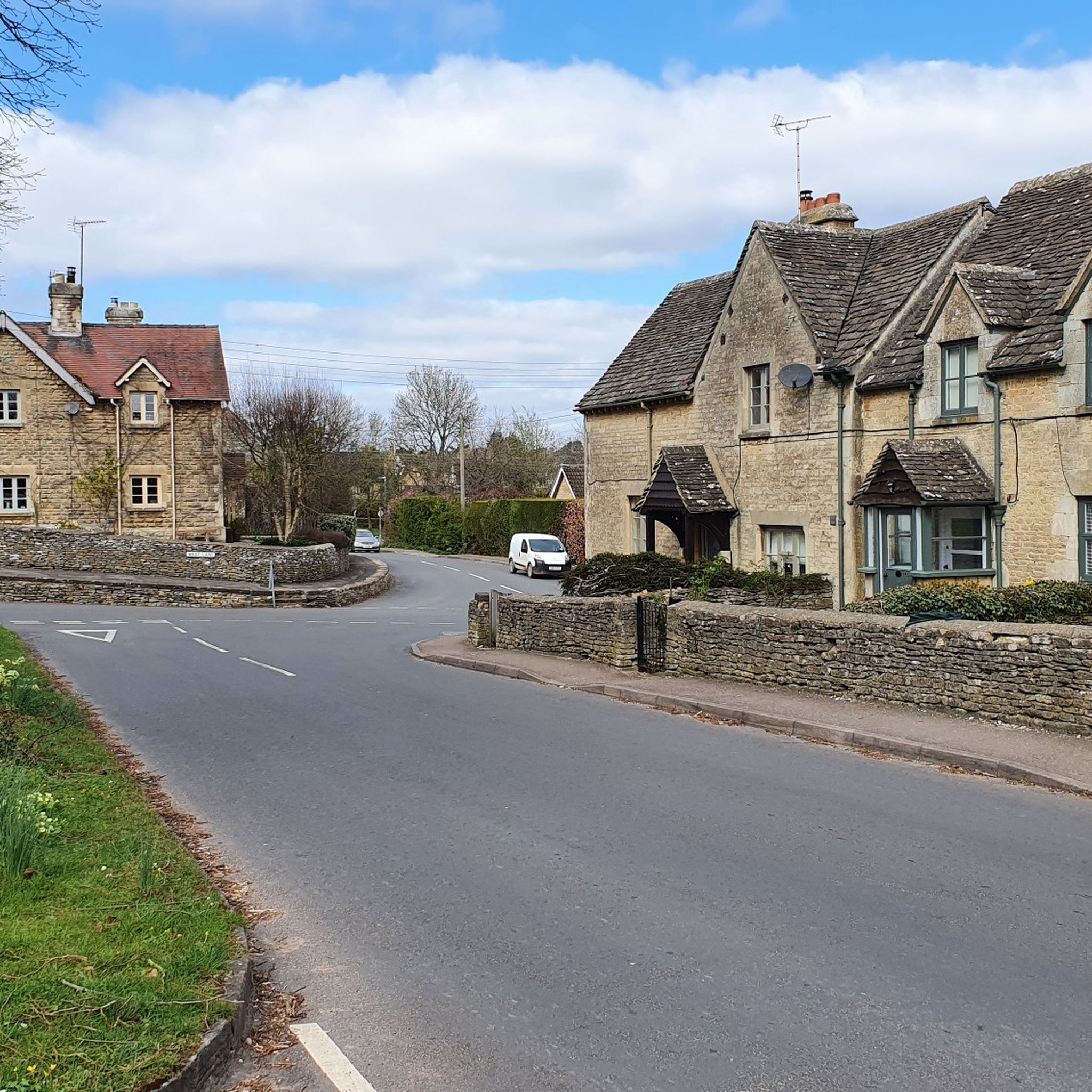
The Tallest Yew Hedge in the World
Highlight • Natural Monument
Tip by

Coronation Tree Carving, Cirencester Park
Highlight • Monument
Professional tree carver Andy O'Neill, of Bristol-based Wild Wood Carving, began work on the cedar in August and used a range of chainsaws to sculpt intricate designs into the tree.
Tip by
Start today with a free account
Your next adventure awaits.
Login or Signup

Tips from the Community

The path has been dry, unfortunately not a drop of water to be seen at the spring.
0
0

If You Have Never Seen the Source of River Thames, Probably worth a look.
0
0

A commemorative carving to celebrate King Charles III's coronation. Professional tree carver Andy O'Neill, of Bristol-based Wild Wood Carving, began work on the cedar in August and used a range of chainsaws to sculpt intricate designs into the tree. The wildlife-themed totem encompasses a variety of animals including butterflies, bees, owls, dormice, lady birds, a Roman snail and a Goshawk. On top is a bucks head to represent the park’s history.
0
0
This yew hedge planted in 1720 is 13.1m (43ft) high and surrounds the house belonging to Earl Bathurst.
1
0

Lovely gravel track connecting Welsh Way to Daglingworth via Quarry
0
0

park at the end of the hike. start of hike missed but is easy to find from top of railway road. We came back via road as access that isn't recorded has a very high turnstile and so not as accessible as the rest of the walk
2
1

Passes Daglingworth Quarry. Hanson Aggregates works Daglingworth Quarry, extracting limestone aggregate for road building, ornamental driveway stone and dust for brick making. Extraction of stone from the site is believed to have started in 1905, since when it has been in almost continuous use. The planning permission for the quarry expires in 2042 and progressive restoration is currently being undertaken. A wide variety of fossils are known from the Daglingworth Quarry. Oysters, pectinids (scallops) and echinoids (sea urchins) can be found within the Taynton Limestone and Hampen Formations. Discovered within the sandy lenses of Hampen Formation are rare plant fragments, and dinosaur footprints have been found near the top of the formation. These are now on display at the quarry office. The Shipton Member is generally devoid of fossils except, for a few beds containing borings and burrows made by marine animals such as molluscs and worms. At the top of this member is the Excavata bed where gastropods and the echinoids, Clypeus and Cidaris are found in abundance. Trace fossils, borings and bivalves are found in many beds throughout the Ardley Member. Fossils from large reptiles have been found from near the top of the member
0
0
Good way to cross the A417. Could be muddy in depths of winter I suspect.
0
0
Frequently Asked Questions
What kind of natural features can I expect to see around Kemble?
Kemble, situated within the Cotswolds Area of Outstanding Natural Beauty (AONB), offers a diverse landscape. You can explore gently sloping lowlands, valley formations, and small streams that feed into the River Thames. Notable features include ancient woodlands like Kemble Wood, significant geological sites such as Kemble Cuttings, and the iconic Source of the River Thames.
Are there any significant geological sites to explore near Kemble?
Yes, for those interested in geology, the Kemble Cuttings are a significant site. These railway and road cuttings are the type locality for the 'Kemble Beds,' offering insights into the region's sedimentary limestone bedrock and geological history. Additionally, the Daglingworth Gravel Track passes by Daglingworth Quarry, known for its wide variety of fossils, including oysters, pectinids, and echinoids.
What outdoor activities are available near Kemble's natural monuments?
The area around Kemble is excellent for various outdoor activities. You can enjoy walking and cycling along the dismantled railway corridors, which have become important wildlife habitats. For more structured routes, there are numerous options for road cycling, touring cycling, and running. You can find detailed routes and guides for Road Cycling, General Cycling, and Running Trails around Kemble.
Are the natural monuments around Kemble suitable for families?
Many natural monuments and nearby attractions are family-friendly. For instance, The Tallest Yew Hedge in the World is an impressive sight that children often enjoy. The walks to the Source of the River Thames are also generally gentle and picturesque, suitable for a family outing. The broader Cotswolds AONB offers many accessible paths for leisurely family walks.
Can I visit these natural monuments with my dog?
Yes, many of the natural areas and walking paths around Kemble are dog-friendly, especially within the Cotswolds AONB. The walks through meadows to the Source of the River Thames and through Kemble Wood are generally suitable for dogs, provided they are kept under control, especially near livestock. Always check local signage for specific restrictions.
When is the best time of year to visit the natural monuments around Kemble?
The natural monuments around Kemble can be enjoyed year-round, but each season offers a different experience. Spring brings blooming wildflowers and fresh greenery, while summer provides pleasant weather for longer walks. Autumn showcases beautiful fall foliage, particularly in woodlands like Kemble Wood. Even in winter, a crisp walk to the Source of the River Thames can be tranquil, though some paths might be muddy.
Do any of Kemble's natural monuments have historical significance?
Absolutely. The Source of the River Thames holds significant geographical and historical importance as the starting point of one of England's most iconic rivers. The Kemble Cuttings offer a glimpse into the region's ancient geological past. Additionally, the nearby Cirencester Amphitheatre, though man-made, is a historical site that blends with the natural landscape, showcasing Roman history in the area.
Are there any lesser-known natural spots or hidden gems near Kemble?
Beyond the well-known sites, the dismantled railway corridors near Kemble offer unique walking and cycling routes. These former railway lines have naturally regenerated into prominent tree lines and wildlife habitats, some even designated as Sites of Special Scientific Interest (SSSI). They provide excellent opportunities to observe local wildlife and enjoy a quieter natural experience.
What do visitors particularly enjoy about the natural monuments in Kemble?
Visitors appreciate the peaceful atmosphere and scenic views offered by the natural monuments. The walk to the Source of the River Thames is often described as picturesque and tranquil. The geological significance of sites like Daglingworth Quarry, with its fossils, also draws interest. The overall beauty of the Cotswolds AONB, with its rolling hills and diverse ecosystems, is a major draw for nature enthusiasts and walkers.
How much time should I allocate to visit the natural monuments around Kemble?
The time needed varies depending on which monuments you wish to visit and your activity level. A visit to the Source of the River Thames from Kemble Station, including the walk, might take 1-2 hours. Exploring Kemble Wood or the dismantled railway corridors could be a half-day activity. If you plan to combine several sites or undertake a longer cycling or running route, a full day or more would be beneficial to fully appreciate the area.
Is public transport available to reach the natural monuments near Kemble?
Kemble has a railway station, making it accessible by train. From Kemble Station, you can walk to the Source of the River Thames through meadows. Local bus services may also connect Kemble to surrounding villages and towns within the Cotswolds, providing access points to various natural areas. It's advisable to check current bus schedules for specific routes.
Are there any wheelchair-accessible natural monuments or trails near Kemble?
While many natural paths in the Cotswolds AONB are unpaved and can be uneven, some sections of the dismantled railway corridors might offer flatter, more accessible surfaces. For specific wheelchair-accessible routes, it is recommended to consult local accessibility guides or contact the Cotswolds AONB visitor information for the most up-to-date information on suitable trails.
Most popular routes around Kemble
Most popular attractions around Kemble

Get inspired with the komoot mobile app


Explore more
Extend your search for the best caves by checking out these guides of the top ones around Kemble:
