Lymington And Pennington
Lymington And Pennington
Top 20 Natural Monuments around Lymington And Pennington
Natural monuments around Lymington And Pennington are characterized by coastal landscapes, saltmarsh ecosystems, and diverse natural features. The region encompasses significant areas of coastal marshes and mudflats, alongside unique geological formations. These natural features provide habitats for varied flora and fauna, offering opportunities for observation and exploration. The area's geography includes shingle spits and inland ponds, contributing to its natural appeal.
Best natural monuments around Lymington And Pennington
- The most popular natural monuments is Tennyson Monument, a man-made monument…
Last updated: October 16, 2026
Tennyson Monument
Highlight • Monument
Tip by

Dead Trees Marsh, New Forest National Park
Highlight • Natural Monument
Tip by

Sign up now to discover places like this
Get recommendations on the best single tracks, peaks, & plenty of other exciting outdoor places.
Hatchet Pond
Highlight • Lake
Tip by

Hurst Spit
Highlight • Beach
Tip by

Military Road (A3055), Isle of Wight
Highlight (Segment) • Trail
Tip by

Sign up for free to discover even more natural monuments around Lymington And Pennington.
Already have an account?
Start today with a free account
Your next adventure awaits.
Popular around Lymington And Pennington
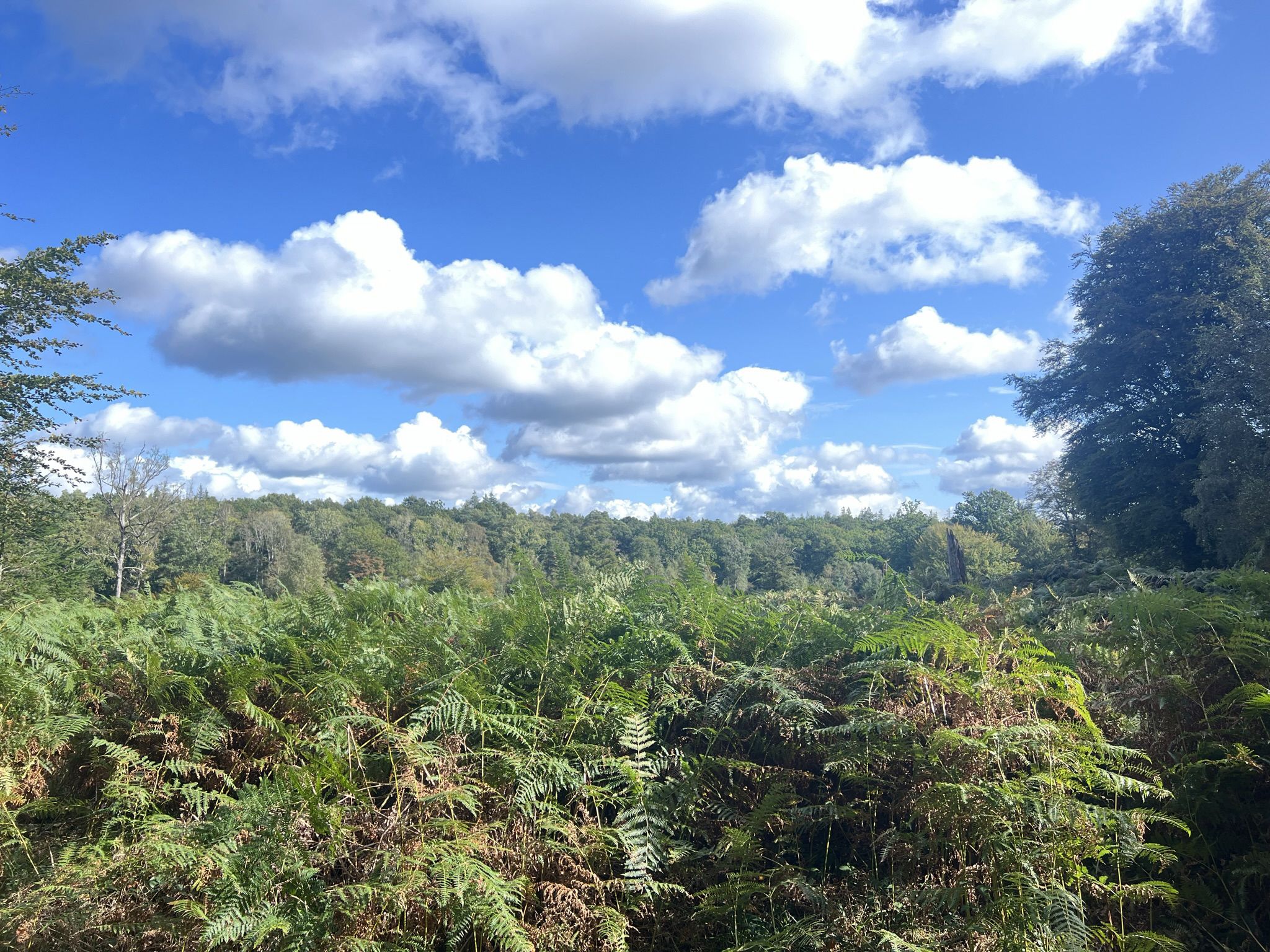
New Forest National Park – A Walk in the Parks
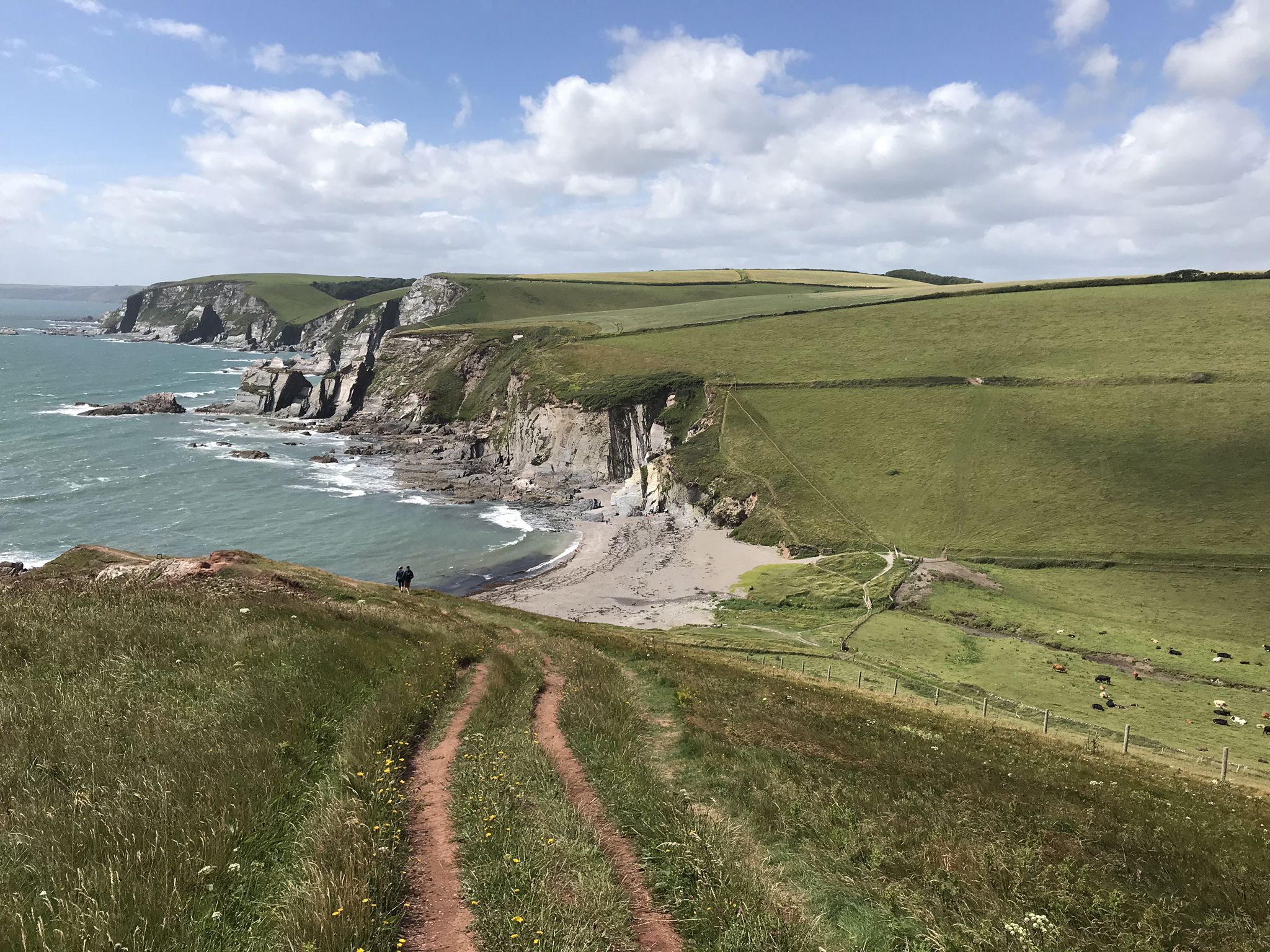
E9 Plymouth to Dover — An epic exploration of England's south coast
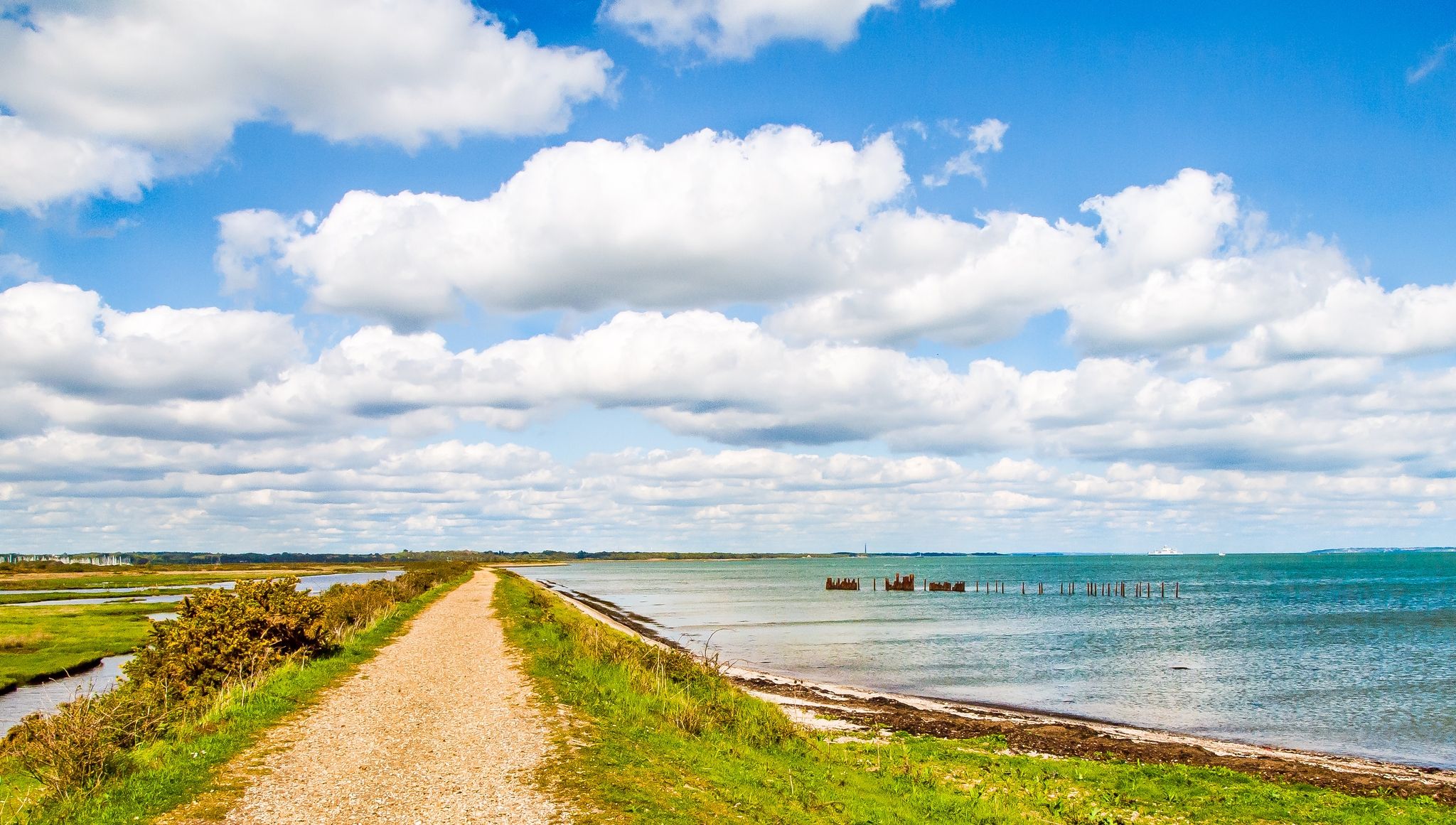
Solent Way — A picturesque hike along the Hampshire coastline

New Forest - Walking in the National Park
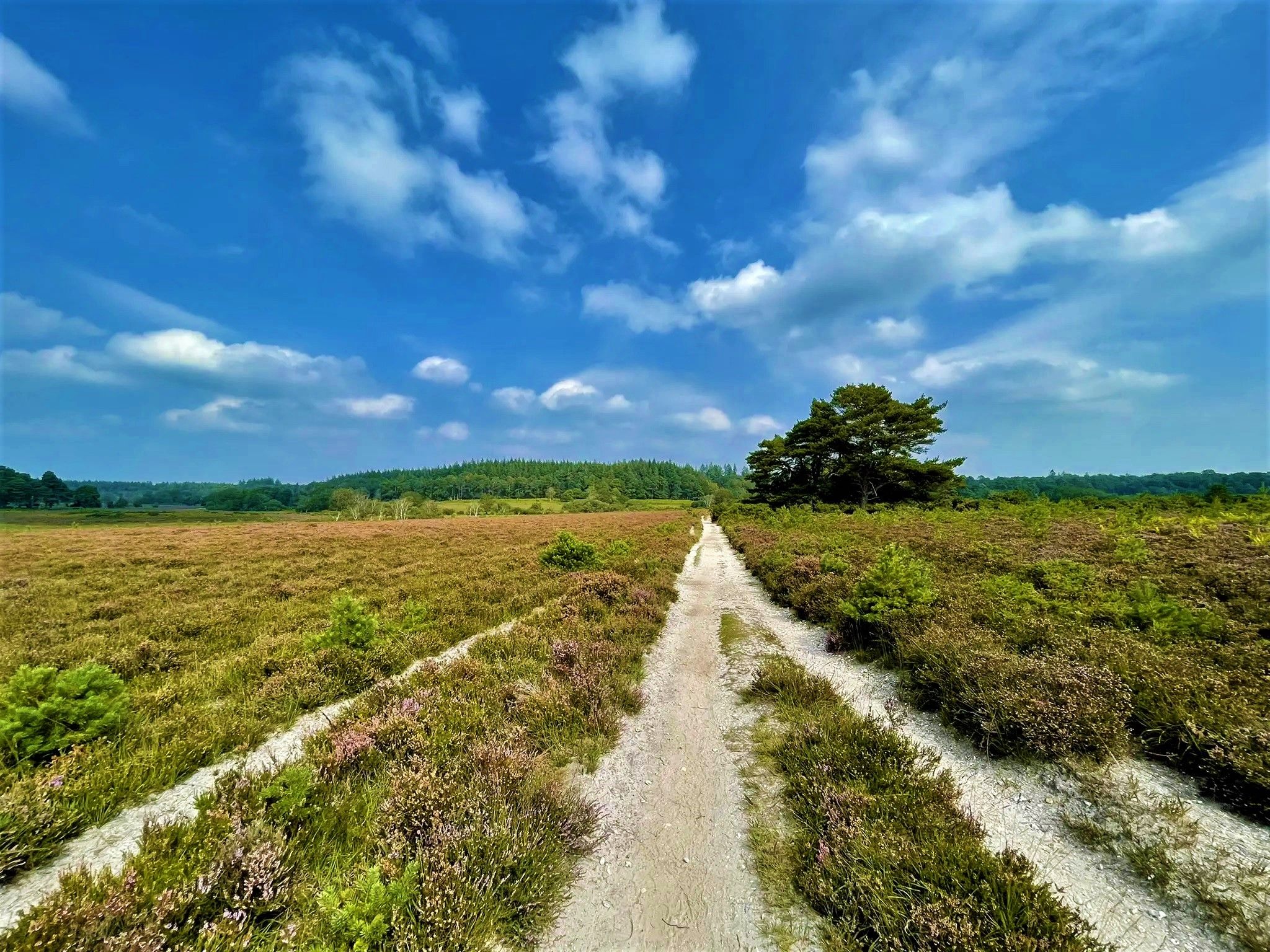
Heath, coast, woods and wildlife – hikes in the New Forest National Park
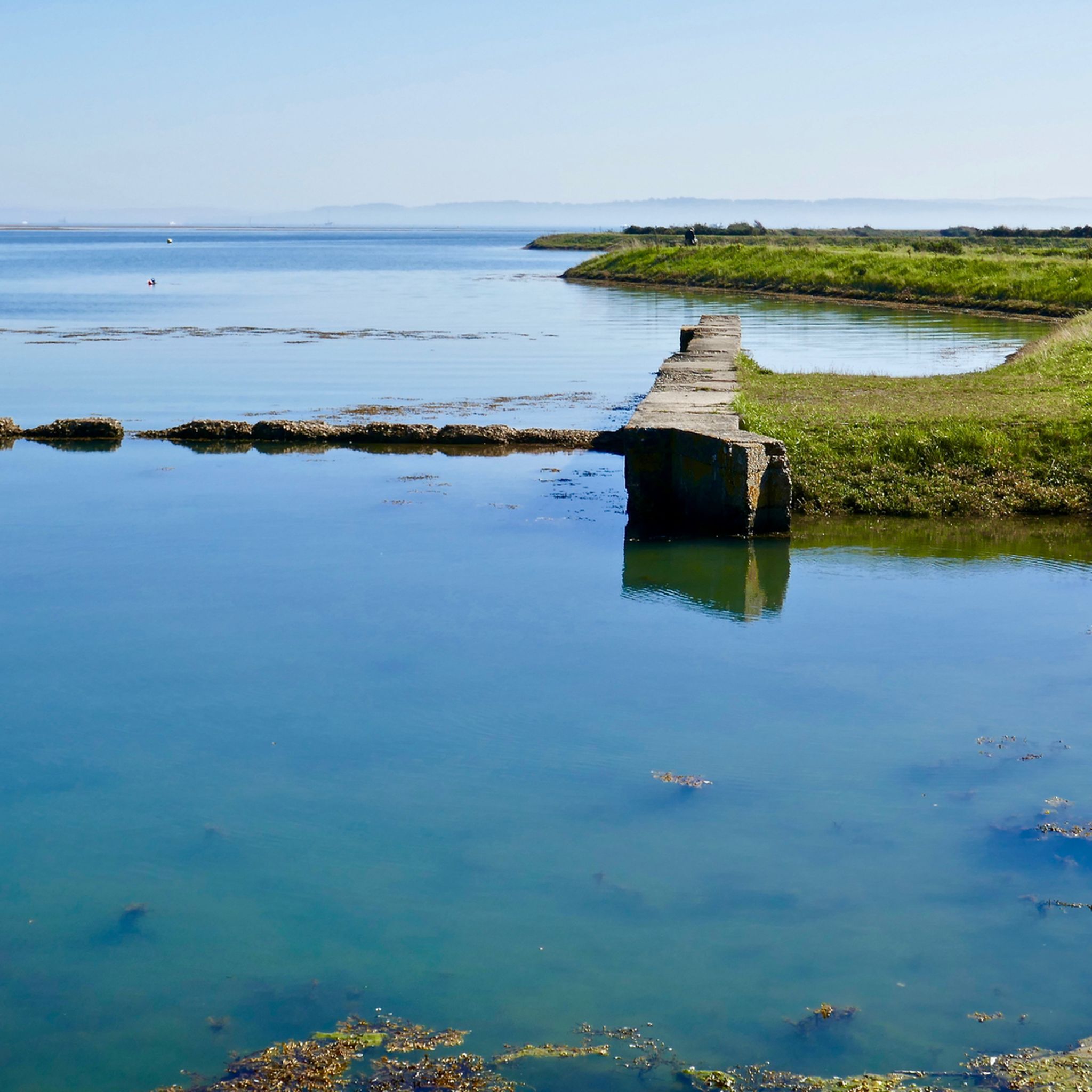
Hiking around Lymington And Pennington
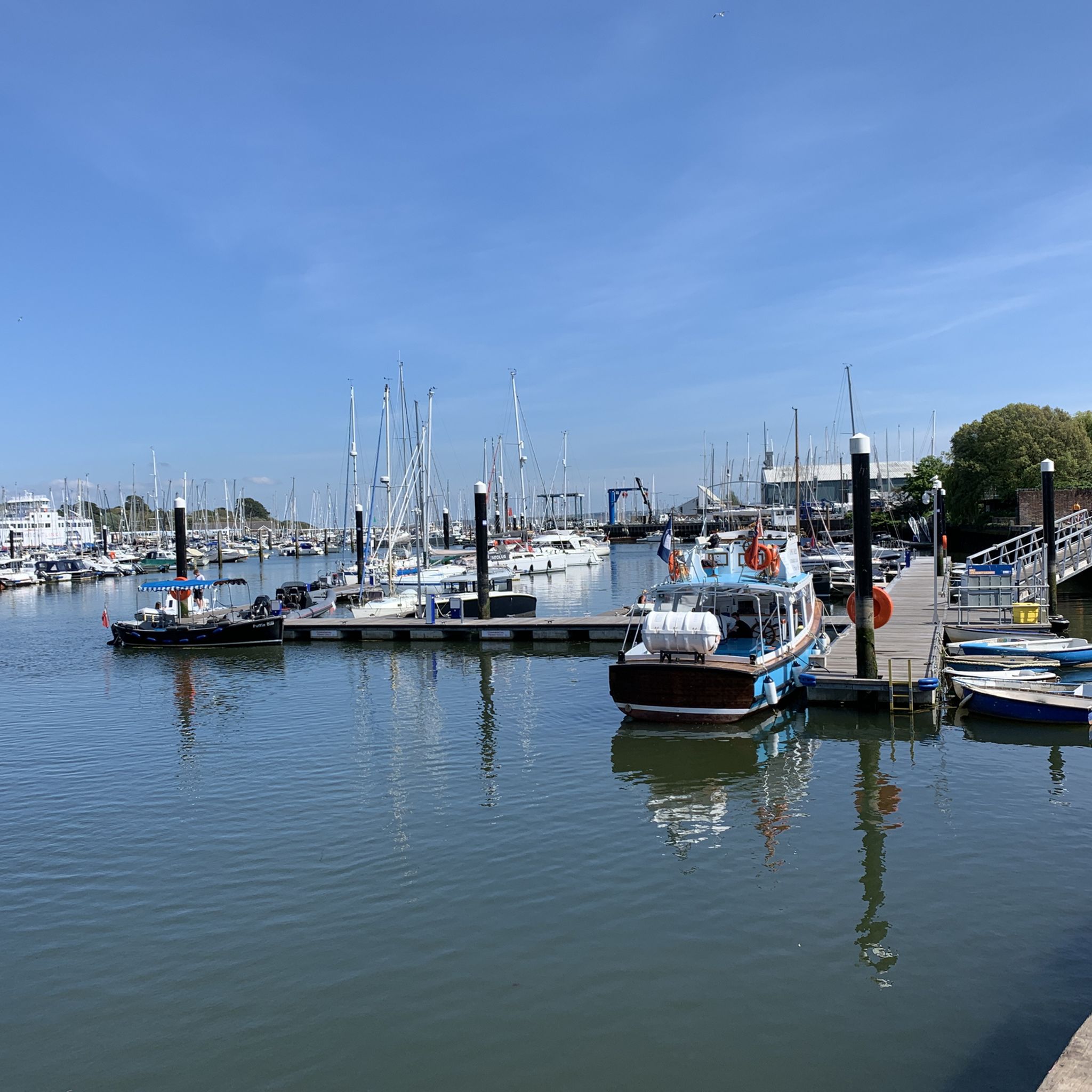
Road Cycling Routes around Lymington And Pennington
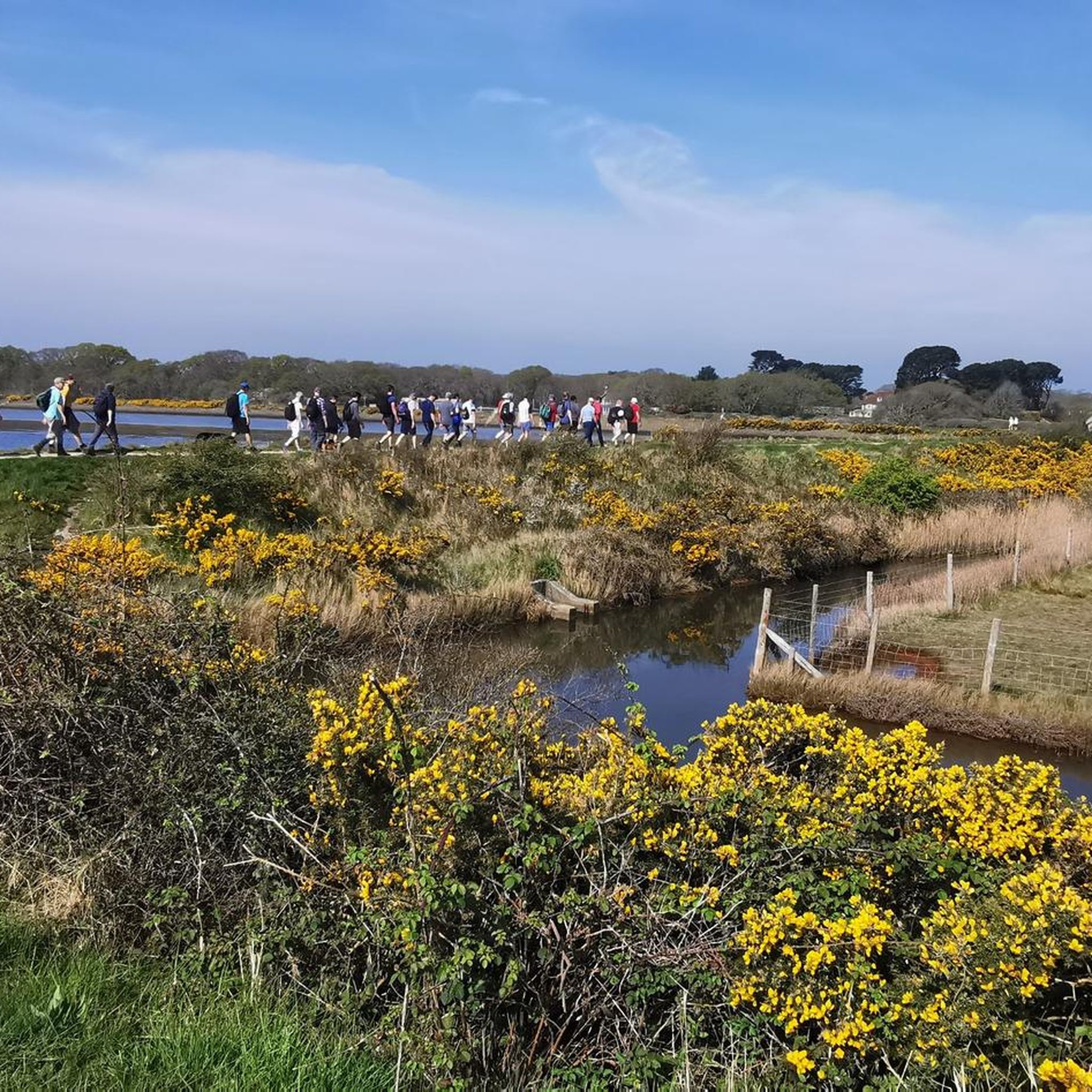
Running Trails around Lymington And Pennington
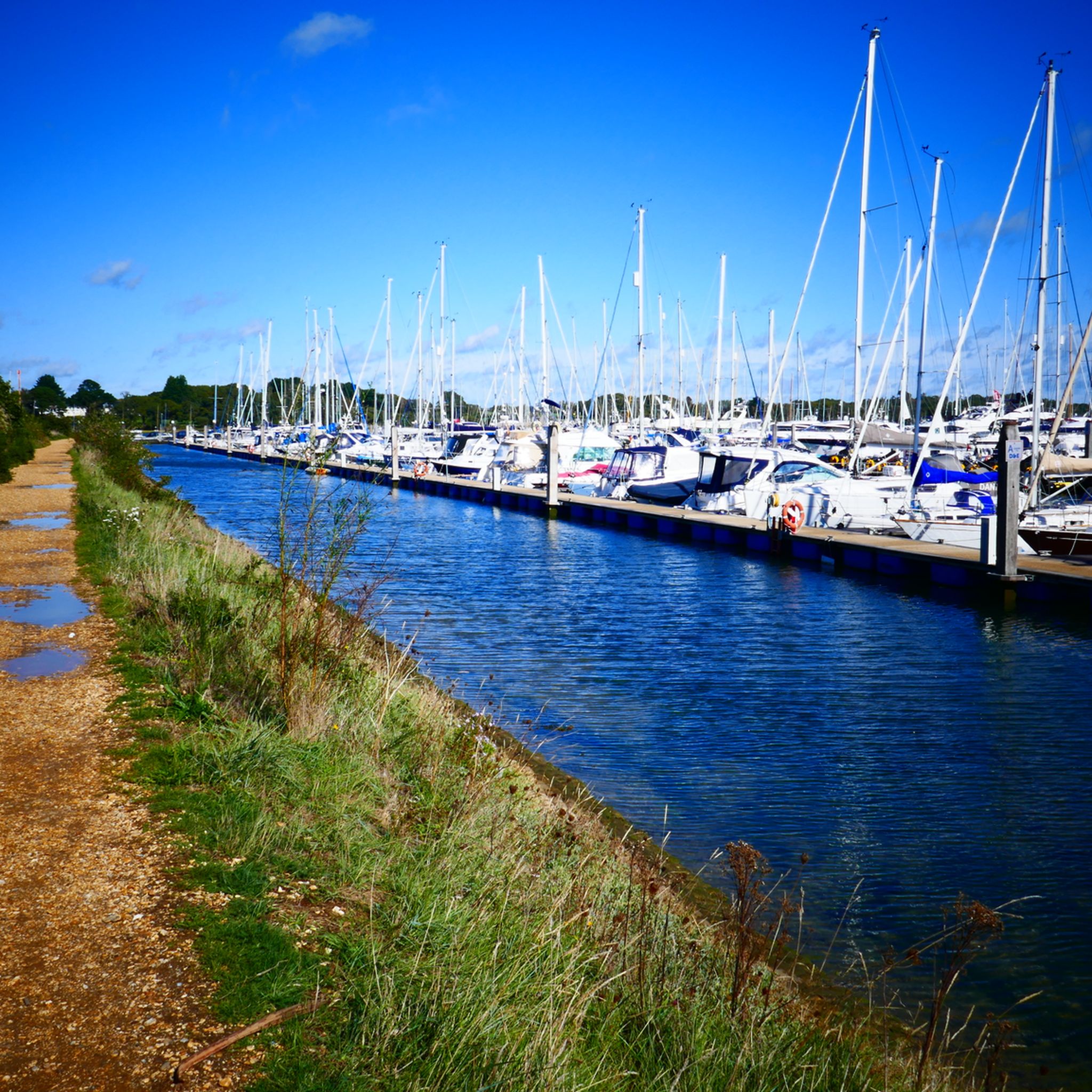
Cycling around Lymington And Pennington
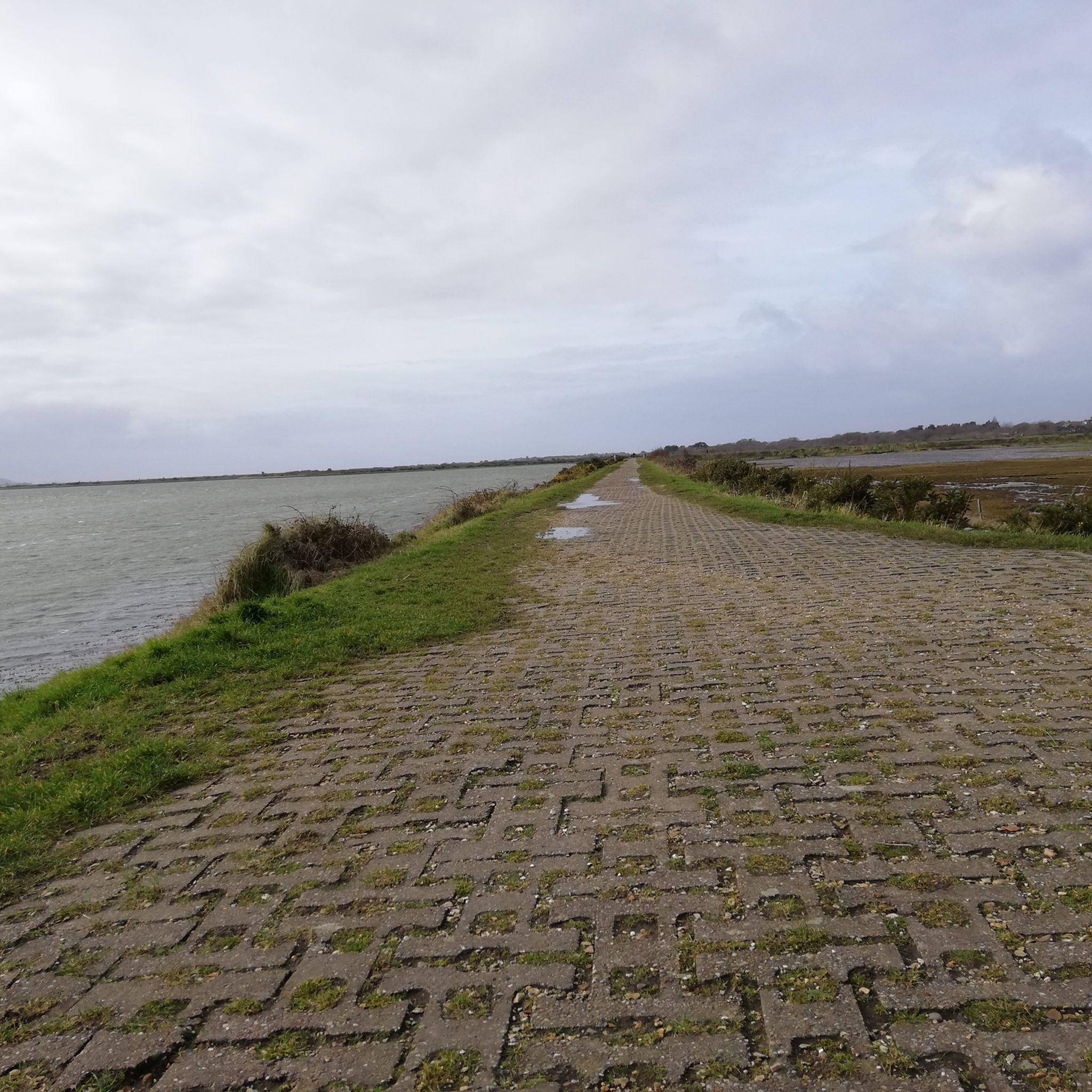
MTB Trails around Lymington And Pennington
Other adventures around Lymington And Pennington


Tips from the Community

An amazing and very charming place that hides some secrets from the past..
2
0

I regularly ride around the Isle of Wight once a year, and can recommend both the Military Road and the inland route taken by the "blue and white flags". In the warmer months of the year (April to October), I would suggest going on a weekday, when there is less holiday traffic.
0
0

Wonderful walk on the cliffs overlooking the sea, wonderful walk
1
0

Also known as Hurst spit, is a hook-shaped shingle spit which extends for 1.4 miles (2.25 km) from the Hampshire shore into the Solent towards the Isle of Wight. The spit forms a barrier which shelters a Site of Special Scientific Interest known as Hurst Castle And Lymington River Estuary. The spit shelters an area of saltmarsh and mudflats known as Keyhaven and Pennington marshes. At the end of the spit is Hurst Castle, an artillery fortress originally built on the orders of King Henry VIII ( not a very nice man at all ), and much enlarged in the 19th century. Hurst Point Lighthouse was built on the end of Hurst Spit in the 1860s.
0
0
Nothing lives in this place. Legend from commoners ( habitants of the new forest ), tell of the death of a young boy here in the early 1800's. His family buried him here and within days the woods around his body decayed and died. Birds won't even sit on the branches. it's a very eerie place.
1
0

With Alfred Tennyson, 1st Baron Tennyson, (or Alfred Lord Tennyson), to whom this monument is dedicated, we go back in time to the middle of the 19th century, because the poet, who was already a prominent figure at that time, lived from 1809 to 1892. I had to research the term “Poet Laureate” mentioned by mi1994, and of course Wikipedia also knows something about it: “In the United Kingdom, Poet Laureate is the office of a court poet whose job it is to write poems for official occasions and national events.” Tennyson was awarded this honorary office by Queen Victoria in 1850 and raised to the peerage in the same year.
4
0

The phenomenally beautiful Hurst Beach. Gorgeous views of the sea and lovely views of Milford on Sea. For beach enthusiasts, this is a must!
1
0

Frequently Asked Questions
What unique natural features define the Lymington And Pennington area?
The region is characterized by its diverse coastal landscapes, including extensive saltmarsh ecosystems and mudflats. You'll find unique geological formations like the Hurst Spit, a prominent shingle spit, and inland features such as Hatchet Pond, a serene lake set into heathland. These areas provide habitats for varied flora and fauna.
Where are the best places for birdwatching in Lymington And Pennington?
The Lymington and Keyhaven Marshes Nature Reserve is an internationally important area for birdlife. It serves as crucial breeding, feeding, and roosting grounds for a wide array of species. During winter, you can spot large flocks of Brent geese, grey plover, and dunlin, while summer brings black-headed gulls and terns. Raptors like marsh harriers are also frequently seen. The seawall offers excellent viewing opportunities.
Are there family-friendly natural monuments to visit?
Yes, several natural monuments are suitable for families. Hatchet Pond is a beautiful spot where you can often see local wildlife like horses, donkeys, and cows. The Dead Trees Marsh, New Forest National Park offers a unique and photogenic scene that can be intriguing for children. Many of the walking trails along the coast are also suitable for families.
What historical sites are associated with the natural monuments in this region?
The most notable historical landmark is Hurst Castle, located at the very tip of Hurst Spit. This coastal fortress was built by Henry VIII and adds a significant historical dimension to the natural landscape. You can walk along the spit to reach it or take a seasonal ferry from Keyhaven.
What walking opportunities are available near these natural monuments?
A network of footpaths, including sections of the Solent Way, provides excellent walking opportunities. You can walk along the seawall at the Lymington and Keyhaven Marshes for stunning views, or traverse Hurst Spit to Hurst Castle. For more detailed routes, explore the hiking guide for Lymington And Pennington, which includes trails like the 'Lymington Marshes — New Forest National Park' and 'Lymington Circuit'.
Can I cycle near the natural monuments in Lymington And Pennington?
Yes, there are several cycling opportunities. The region offers routes suitable for gravel biking, such as those found in the gravel biking guide for Lymington And Pennington. Routes like the 'Hatchet Pond loop' allow you to explore the natural surroundings by bike.
What is the best time of year to visit for wildlife spotting?
The Lymington and Keyhaven Marshes offer excellent wildlife spotting year-round. Winter is particularly good for observing large flocks of migratory birds like Brent geese and various waders. In summer, you can see breeding terns and other coastal birds. Spring and autumn also provide opportunities to see migrating species.
Where can I find panoramic views of the area?
For spectacular panoramic views, visit the Tennyson Monument, which is at the highest point for miles around. Hurst Spit also offers long views along the coast, across the Solent, and towards the Isle of Wight, including The Needles.
What kind of unique flora can be found in the natural monuments?
The salt marsh and shingle areas, particularly at the Lymington and Keyhaven Marshes and Hurst Spit, support specialist, salt-tolerant plants. You can find species like glasswort, common cordgrass, yellow horned-poppy, sea campion, sea aster, and golden-samphire. The saline lagoons also host specialized organisms like the lagoon shrimp and foxtail stonewort.
Are there any running trails near these natural monuments?
Yes, the area provides various running trails. You can find routes in the running guide for Lymington And Pennington, such as the 'Lymington and Solent Way Loop' or the 'Keyhaven Harbour – Lymington and Keyhaven Marshes loop'. These trails allow you to experience the natural beauty while jogging.
What are the parking options near the natural monuments?
Parking is generally available near popular access points for the natural monuments. For instance, there is often an ice cream van at the entrance to the car park on Hatchet Road near Hatchet Pond. Access points for the Solent Way and the Lymington and Keyhaven Marshes also typically have designated parking areas.
How can I reach the natural monuments by public transport?
Lymington is accessible by train, and local bus services operate within the New Forest area, connecting to various villages and points of interest. From Lymington, some natural monuments like the Lymington and Keyhaven Marshes can be reached via local transport or by walking. For Hurst Spit, a seasonal ferry service runs from Keyhaven to Hurst Castle, offering an alternative to walking the full length of the spit.
Most popular routes around Lymington And Pennington
Most popular attractions around Lymington And Pennington

Get inspired with the komoot mobile app


Explore more
Extend your search for the best caves by checking out these guides of the top ones around Lymington And Pennington:
