Top 16 Natural Monuments around Thurgoland
Best natural monuments around Thurgoland include a variety of natural features and outdoor spaces in South Yorkshire, England. The area is characterized by diverse woodland, moorland landscapes, and the meandering River Don Valley. Thurgoland offers opportunities for exploring scenic beauty, walking trails, and historical sites within its natural settings. Its elevated position provides expansive views of the surrounding countryside, including towards the Peak District National Park.
Best natural monuments around Thurgoland
- The most popular natural monuments is Wharncliffe Crags,…
Last updated: June 29, 2026
Wharncliffe Crags
Highlight • Natural Monument
Tip by

Bailey Hill Motte
Highlight • Natural Monument
Tip by

Sign up now to discover places like this
Get recommendations on the best single tracks, peaks, & plenty of other exciting outdoor places.
Sign up for free
Dragon's Den Cave
Highlight • Cave
Tip by

Thorncliffe Wood
Highlight • Forest
Tip by

View of the Peak District
Highlight • Viewpoint
Tip by

Sign up for free to discover even more natural monuments around Thurgoland.
Sign up for free
Already have an account?
Start today with a free account
Your next adventure awaits.
Login or Signup
Tips from the Community

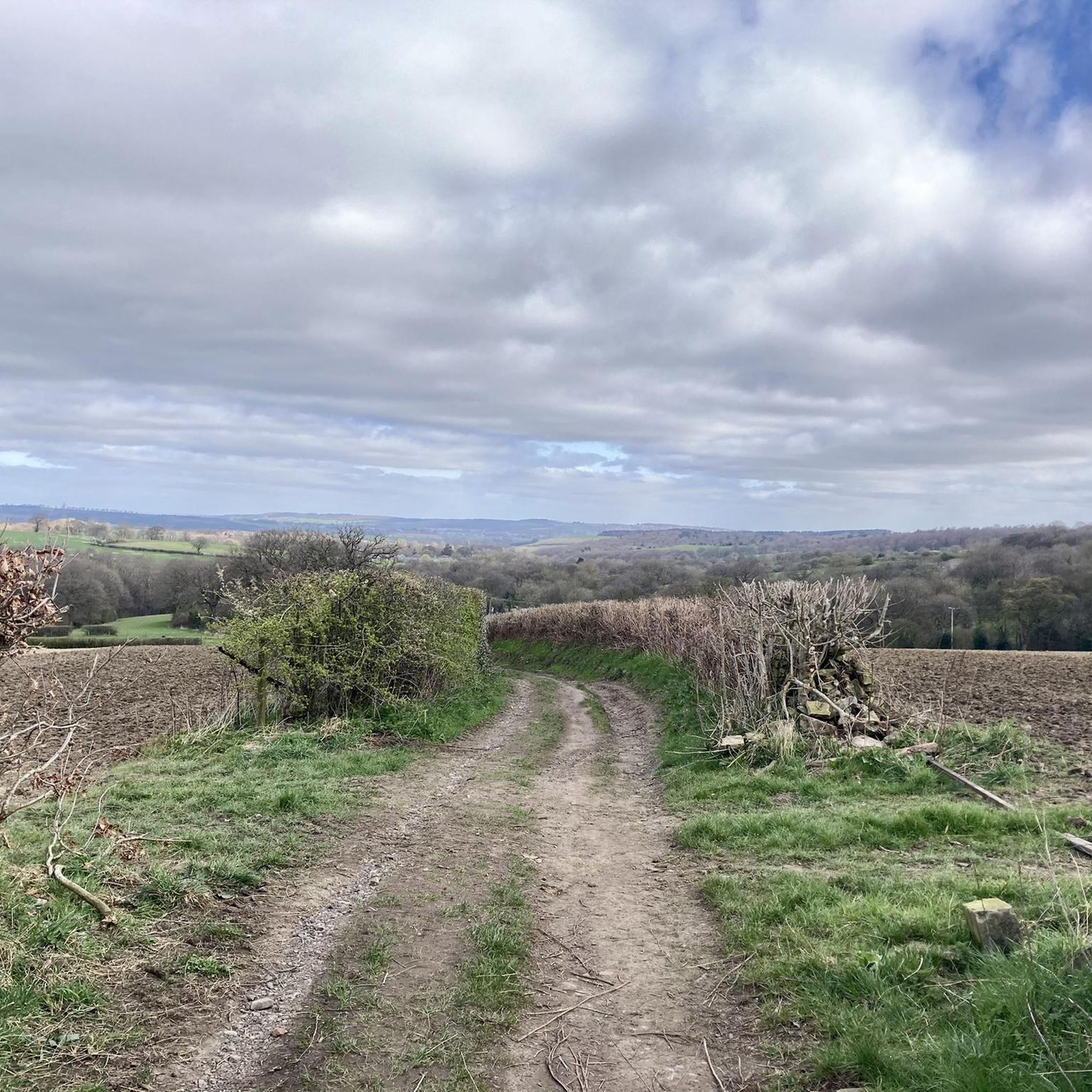
Have driven out to ride here but the komoot 'upgrade' seems to be a way of forcing purchase and it won't now show me the route. Area is great though and well worth a visit - some major uphills but some great downhill sections. Will definitely be returning. Some of the paths are currently being dug up by the council so are currently closed.
0
0

Wharncliffe Crags is a gritstone escarpment north-west of Sheffield and a designated Site of Special Scientific Interest. The area spans several miles and includes Wharncliffe Woods, home to diverse wildlife such as tree pipits, nightjars, newts, and dragonflies. The woods feature a network of forest tracks and trails ideal for exploration.
1
0

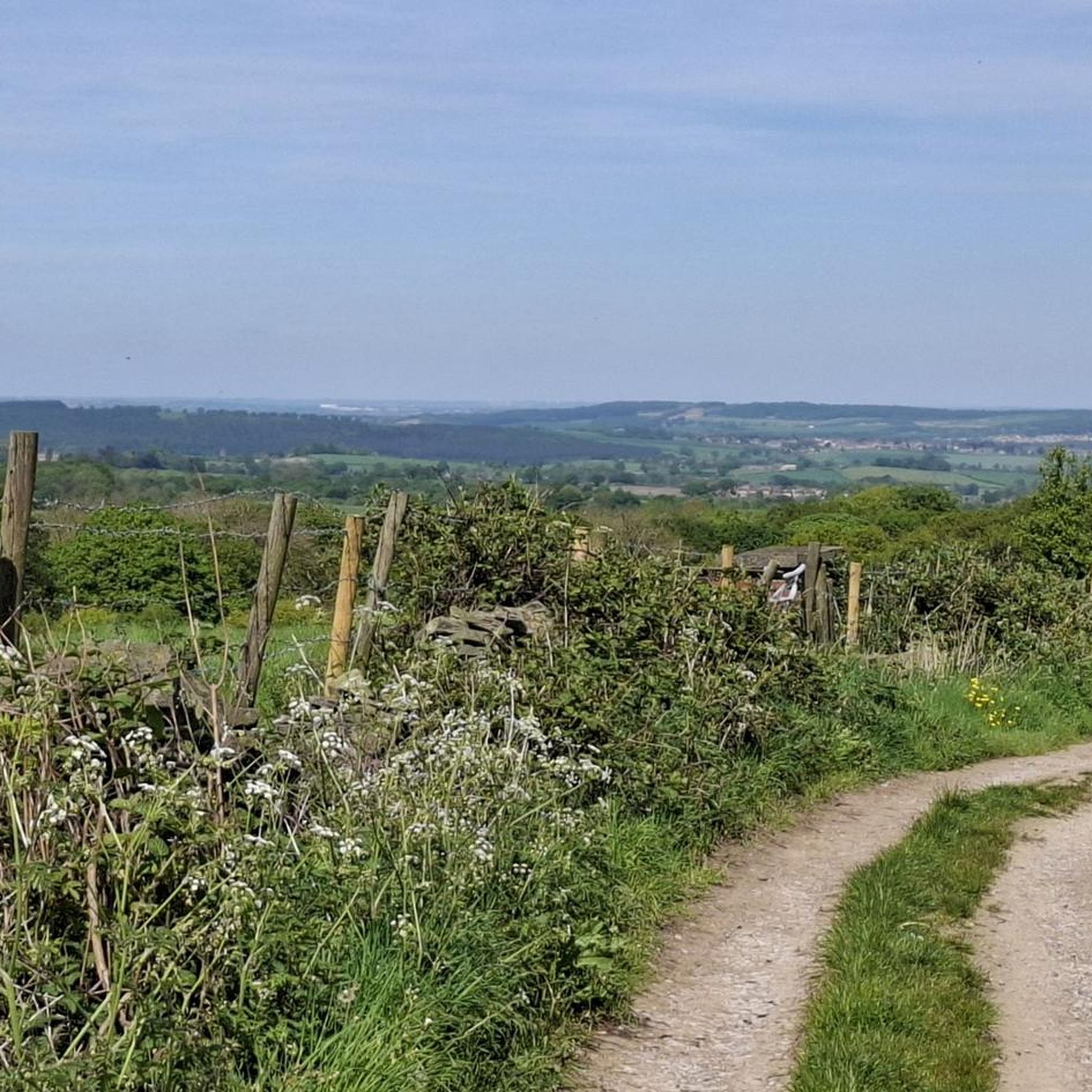
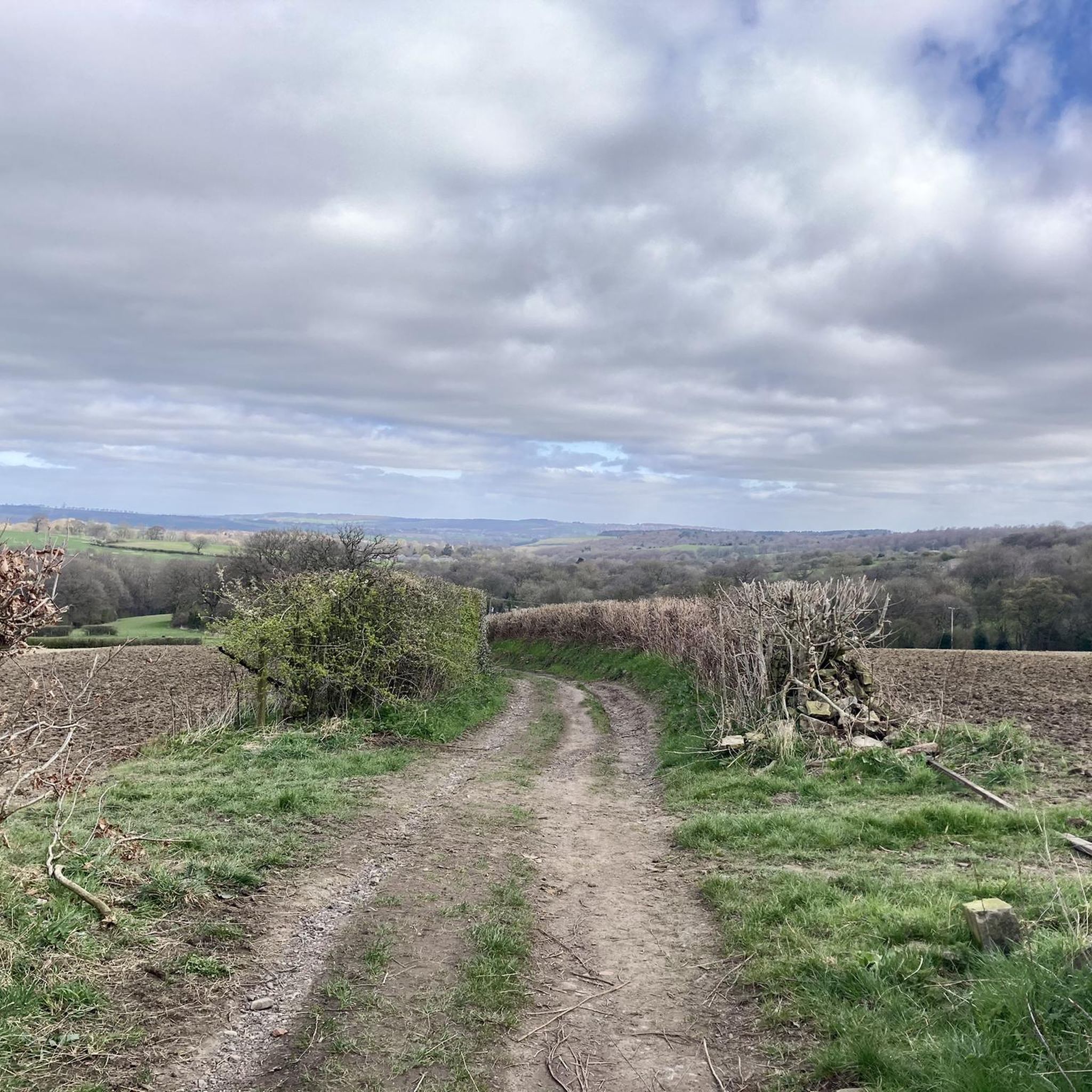
As you near the Peak District, you will experience a transformation in the surroundings. The region is renowned for its scenic hills, valleys, and delightful villages. Appreciate the evolving scenery as you move from urban regions to the rural and undulating terrain of the national park. Anticipate encountering frequent uphill stretches, as this route poses a challenge. At times, the inclines can be quite steep, requiring me to push a bike instead of cycling.
0
0

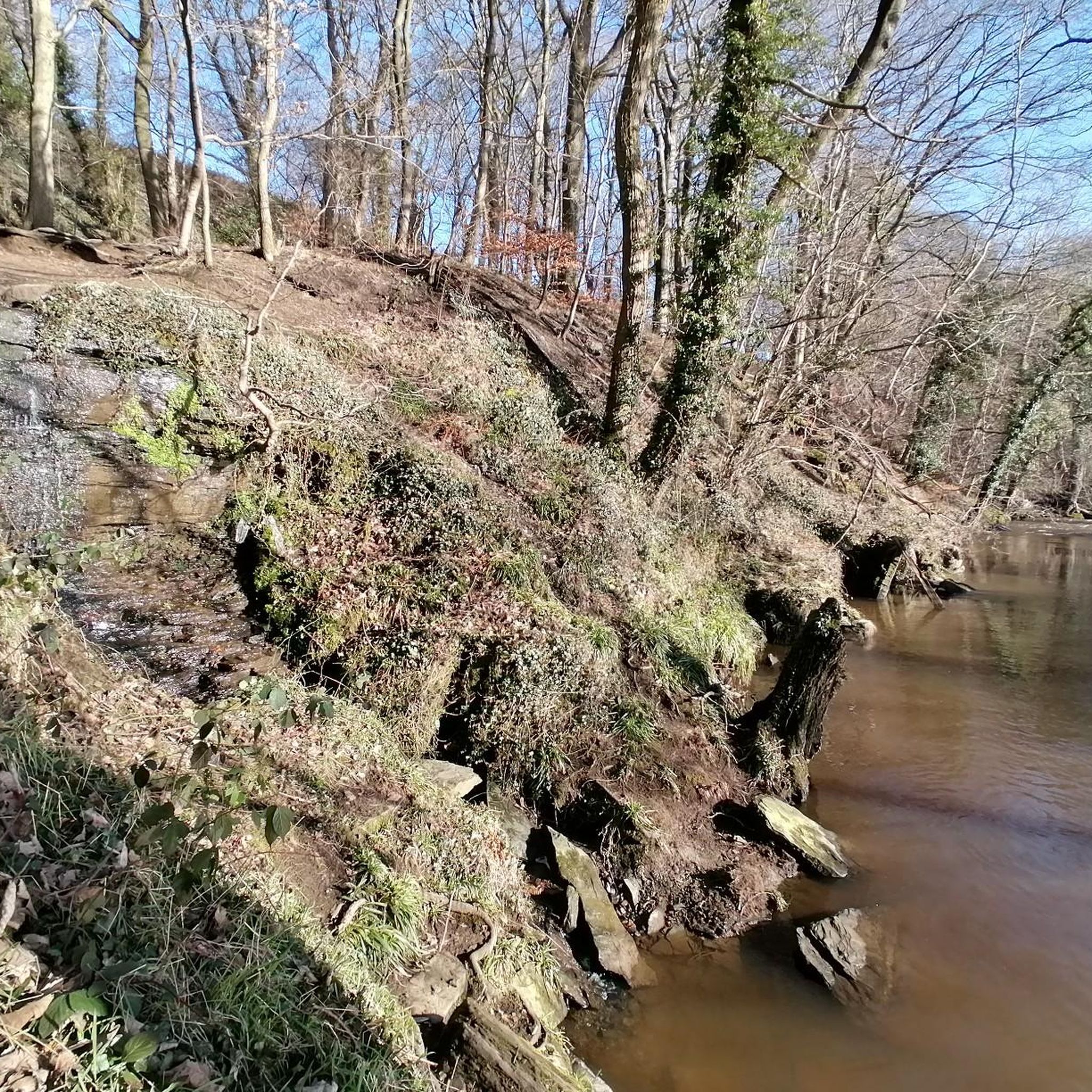
The tale of the Dragon of Wantley tells how a dragon, living in a cave in the crags (there is still a cave known as ‘Dragon’s Den’ near Wharncliffe Lodge), terrorised the locals by preying upon their children and cattle. The knight, More of More Hall takes on the dragon in battle, wearing a suit of spiked armour, waiting in a pond for the dragon to come and drink. More kills the dragon either (depending on which version you read) with a blow or by allowing the dragon to coil around him and squeeze, thus impaling itself of his spikes.
1
0

Hidden behind the Church of St Nicholas. Legend has it this place is haunted. You can't really tell from the photo but the Motte is fairly steep and is easier to get up than down!
5
0

This is not far from the Church of St Nicholas and the Old Horns and is a bit of a hidden gem. The remains of the motte can be climbed (and should be) to appreciate just how hard it would be to storm one of these defensive structures. On top of the motte would have been a wooden keep which has long since gone. This and the church indicate the importance of this area around 900 years ago.
2
0

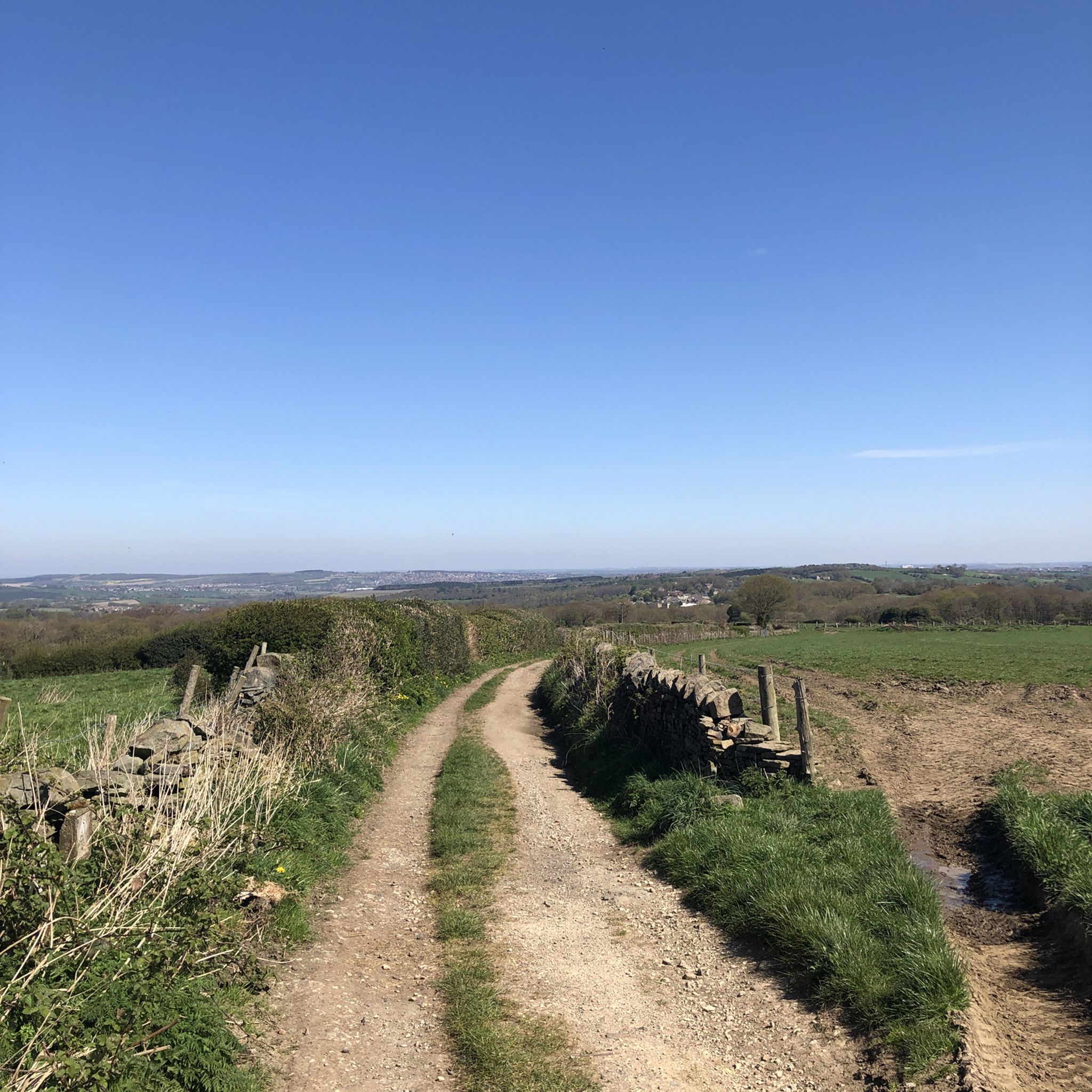
With breath-taking landscapes, rich history and miles of traffic-free bike paths, the Peak District is a dream for cyclists. Founded in 1951, the Peak District was the first area to become an official national park in the UK. Its 555 square miles (1,444 km2) extends across Derbyshire, Cheshire, Greater Manchester, West Yorkshire and South Yorkshire. With a huge amount of wildlife diversity and pretty gray-stone villages heralding back to the UK's industrial era, the Peak District is a fantastic destination to cycle.
1
0

This ancient woodland still bears the scars of the industrial revolution; the humps and hollows of past coal mining and iron working still visible. These days, you will find Thorncliffe Wood to be a tranquil and beautiful spot—a far cry from the industry of days gone by . Whilst the woodland is predominantly sycamore, you can also see a significant number of oak trees, as well as beech, ash, willow, birch and elm.
2
0
Frequently Asked Questions
What are some of the most popular natural monuments to visit around Thurgoland?
Visitors frequently enjoy Wharncliffe Crags, a significant gritstone escarpment and Site of Special Scientific Interest. Another popular spot is Bailey Hill Motte, a historical natural monument offering insights into the area's past. Thorncliffe Wood, an ancient woodland, is also highly appreciated for its tranquility and historical remnants.
Are there any natural monuments around Thurgoland with historical significance?
Yes, several natural monuments in the area have historical importance. Bailey Hill Motte is a prime example, being the remains of a defensive structure from around 900 years ago. Additionally, Dragon's Den Cave is linked to the local legend of the Dragon of Wantley. Thorncliffe Wood also bears visible scars from past coal mining and iron working, showcasing the region's industrial heritage.
What kind of views can I expect from natural monuments in the Thurgoland area?
Thurgoland's elevated position provides expansive vistas. From certain points, such as the View of the Peak District, you can enjoy breathtaking landscapes stretching towards the Peak District National Park. The River Don Valley also offers picturesque scenery, and the Thurgoland Boundary Walk provides spectacular views of the valley floor.
Are there family-friendly natural monuments or walks suitable for children around Thurgoland?
Yes, Thorncliffe Wood is noted as family-friendly, offering a tranquil setting for walks. The Trans Pennine Trail, which passes through Thurgoland Parish, features wide, groomed gravel paths suitable for pushchairs and is great for family walks or cycles. Langsett Reservoir also has well-maintained paths ideal for leisurely strolls with children.
What outdoor activities can I do near the natural monuments in Thurgoland?
The area around Thurgoland's natural monuments is excellent for various outdoor activities. You can enjoy hiking, cycling, and gravel biking. For hiking, consider routes like the Wortley Wagyu Burger Bar – California Quarry Remains loop or the Thurgoland Tunnel – Wortley Wagyu Burger Bar loop. For cycling, there are road cycling routes like the Strines and Sugworth Road loop, and gravel biking options such as the Elsecar Heritage Centre – Thurgoland Tunnel loop. You can find more details on these activities and routes in the hiking around Thurgoland guide, road cycling routes around Thurgoland guide, and gravel biking around Thurgoland guide.
Are there any unique natural features or geological formations to see?
Absolutely. Wharncliffe Crags is a prominent gritstone escarpment, offering a dramatic natural landscape. The area also features the meandering River Don Valley and diverse woodland and moorland landscapes. The Thurgoland Tunnel, while man-made, is a unique feature of the Trans Pennine Trail, an abandoned railway tunnel with distinctive acoustics.
What is the best time of year to visit Thurgoland for exploring its natural monuments?
The natural monuments around Thurgoland can be enjoyed year-round, with each season offering a different experience. Spring and summer bring lush greenery and wildflowers, while autumn provides beautiful colors in the woodlands. Winter walks can be tranquil, especially around Langsett Reservoir with its changing moorland scenery. The well-maintained paths at places like Langsett Reservoir and the Trans Pennine Trail make them accessible in various conditions.
Are there any natural monuments that are dog-friendly?
Many of the natural areas around Thurgoland are dog-friendly, especially those with walking trails. Langsett Reservoir and Bagger Wood are popular choices for walks with dogs, offering plenty of space to explore. The Trans Pennine Trail is also suitable for dogs, though it's always best to keep them on a lead where livestock or wildlife are present. Always check local signage for specific restrictions.
Where can I find information about walking trails that include natural monuments?
The Thurgoland Boundary Walk is a 9-mile circular route that encompasses various natural features, including open fields, dense woodland, and the River Don valley. The Trans Pennine Trail also passes through the parish, offering a blend of natural beauty and industrial heritage. For more detailed descriptions of walks, you can visit visitpenistone.co.uk for the Thurgoland Boundary Walk.
Are there any natural monuments that are accessible for people with limited mobility or pushchairs?
The Trans Pennine Trail, which runs through Thurgoland, has sections with wide, groomed gravel paths that are generally accessible to wheelchair users and those with pushchairs. Langsett Reservoir also features well-maintained paths suitable for leisurely strolls, making it a good option for varying mobility levels.
What wildlife might I encounter at the natural monuments in Thurgoland?
The diverse habitats around Thurgoland support a variety of wildlife. At Wharncliffe Crags and its surrounding woods, you might spot tree pipits, nightjars, newts, and dragonflies. Bagger Wood is known for its rich wildlife, and the woodlands in general are home to diverse flora and fauna. The River Don Valley also provides a habitat for various species.
Are there any cafes or pubs near the natural monuments in Thurgoland?
Yes, the area offers options for refreshments. Near Langsett Reservoir, there is a cafe and a pub, providing convenient stops for visitors. The village of Thurgoland itself, and nearby Wortley, also have local pubs and eateries where you can relax after exploring the natural monuments.
Most popular routes around Thurgoland
Most popular attractions around Thurgoland

Get inspired with the komoot mobile app


Explore more
Extend your search for the best caves by checking out these guides of the top ones around Thurgoland:
