Top 20 Natural Monuments around Ville De Bruxelles - Stad Brussel
Best natural monuments around Ville De Bruxelles - Stad Brussel include a diverse range of green spaces and natural features. This region, despite its urban character, offers expansive forests, botanical gardens, and tranquil parks. These areas provide opportunities to explore ancient woodlands, observe varied flora, and enjoy natural landscapes within close proximity to the city. The natural monuments here are characterized by their ecological significance and historical preservation.
Best natural monuments around Ville De Bruxelles - Stad Brussel
- The most…
Last updated: July 12, 2026
Sonian Forest
Highlight • Forest
Translated by Google •
Tip by

Domaine Solvay
Highlight • Castle
Translated by Google •
Tip by
Sign up now to discover places like this
Get recommendations on the best single tracks, peaks, & plenty of other exciting outdoor places.
Sign up for free
Drowned Children Ponds
Highlight • Lake
Tip by

Sonian Forest
Highlight • Forest
Translated by Google •
Tip by

Geographic Arboretum of Tervuren
Highlight • Forest
Translated by Google •
Tip by
Sign up for free to discover even more natural monuments around Ville De Bruxelles - Stad Brussel.
Sign up for free
Already have an account?
Start today with a free account
Your next adventure awaits.
Login or Signup
Popular around Ville De Bruxelles - Stad Brussel
Naples to North Cape — Two friends, one purpose and many scoops of ice-cream
Fries, nature and beer – experience Flanders by bike
Brussels by bike – 8 themed rides
Flanders by bike – the Iconic Cultural Cycle Routes
Running Trails around Ville De Bruxelles - Stad Brussel
Road Cycling Routes around Ville De Bruxelles - Stad Brussel
Cycling around Ville De Bruxelles - Stad Brussel
Hiking around Ville De Bruxelles - Stad Brussel
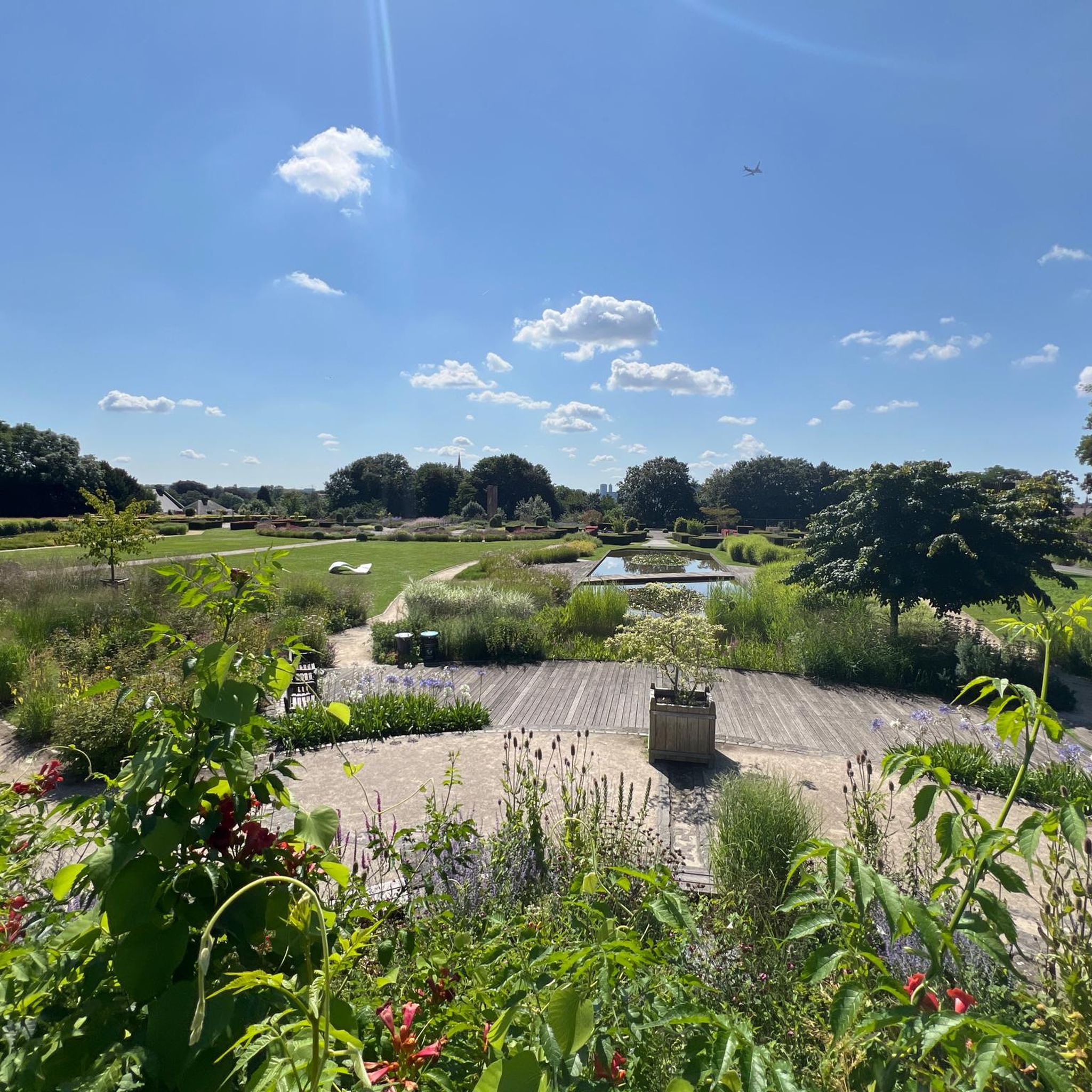
MTB Trails around Ville De Bruxelles - Stad Brussel
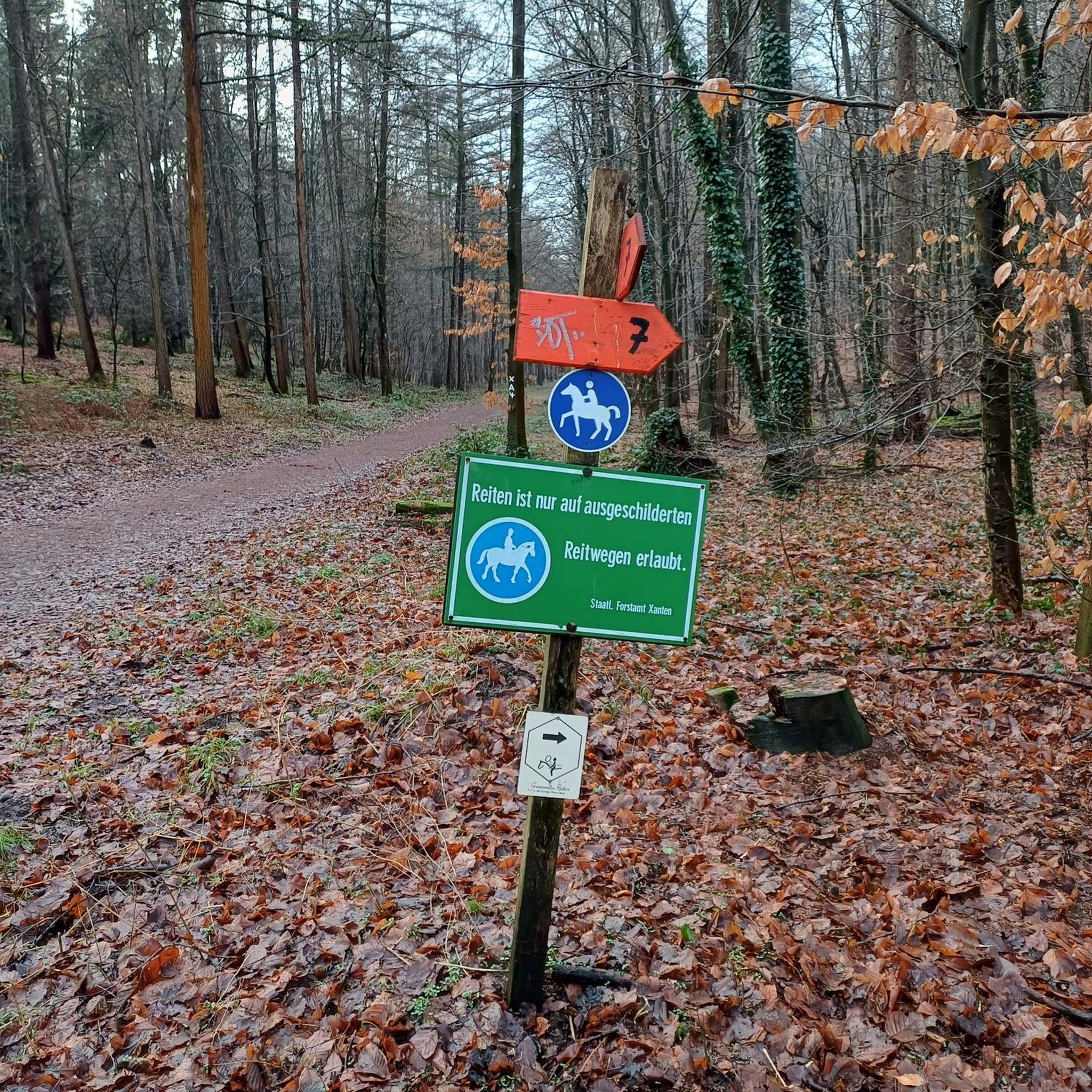
Gravel biking around Ville De Bruxelles - Stad Brussel
Other adventures around Ville De Bruxelles - Stad Brussel


Tips from the Community

This tour goes for kilometers through the forest. In spring it is beautiful with the hyacinths and wood anemones. In summer nice and cool.
0
0

A change of scenery guaranteed...but also a sad observation...global warming is causing terrible damage to certain species of trees...visit this arboretum quickly before many trees die 😩😩😩
1
0

Nice location because you can imagine yourself in different parts of the world by the large number of exotic trees that were planted here sorted by their habitat. This allows you to walk from the West Coast of America to China through the different forests that were planted to imitate nature there as closely as possible.
1
0

To see and don't hesitate to get lost there
1
0

Beautiful to walk in any weather. Many paths around here are also bike-free, which is still pleasant for the walker.
2
0

Enjoying the Sonian Forest is easy from the various access gates. These access gates are located on the edge of the forest, are easily accessible and are therefore the ideal starting point to explore the forest. There are eight access gates. Information about this can be found at https://www.zonienwoud.be/praktisch/toegangspoorten/
11
0

The Sonian Forest, also known as the Zoniënwoud, is a large forest area centrally located in Belgium, southeast of Brussels. It covers approximately 4,421 hectares and is best known for its old beech trees, some of which are over 200 years old. The forest has a rich history dating back to the Iron Age and has had various functions over the centuries, such as providing firewood and timber for the construction of houses and ships, and as a backdrop for hunting scenes. The current forest landscape with deciduous trees has its origins in the Austrian period (1714-1795).
12
0

The path which crosses the Solvay estate and which passes near the Château de La Hulpe is in good condition and has only a few holes filled with water... but easily avoidable.
2
0
Frequently Asked Questions
What natural features can I explore in the natural monuments around Ville De Bruxelles - Stad Brussel?
The natural monuments in the Brussels region offer a diverse range of features. You can find expansive forests like the Sonian Forest, known for its ancient beech trees and ecological significance. There are also serene lakes, such as the Drowned Children Ponds, and unique arboretums like the Geographic Arboretum of Tervuren, which features over 400 different tree species from around the world. Many parks also include varied flora, wetlands, and open green spaces.
Are there family-friendly natural monuments in the Brussels region?
Yes, several natural monuments are well-suited for families. The Sonian Forest offers vast spaces for walks and exploration. Geographic Arboretum of Tervuren is also family-friendly, providing an educational experience with its diverse tree collections. Additionally, parks like Tournay-Solvay Park and Tenbosch Park are known for their playgrounds and opportunities to observe wildlife like ducks and birds, making them great for children.
Which natural monuments are suitable for dog owners?
Many natural monuments around Brussels are dog-friendly, especially the larger forest areas. The Zonienwald (Sonian Forest) is a popular choice for dog owners, offering extensive trails for long walks. It's always advisable to check local regulations regarding leashes and specific restricted areas within each park or forest.
What are the best times to visit the natural monuments around Brussels?
The natural monuments are beautiful year-round, but each season offers a unique experience. Spring brings blooming flowers and fresh greenery, while autumn transforms the forests with vibrant fall colors. Summer is ideal for longer walks and picnics, and even winter can be magical with frosty landscapes, though some paths might be muddy or icy. The Geographic Arboretum of Tervuren is freely accessible from sunrise to sunset, making it flexible for visits.
How can I reach the natural monuments using public transport?
Many natural monuments in Brussels are accessible via public transport. For instance, the Forêt de Soignes (Sonian Forest) has various access gates that are easily reachable. Parks within the city, such as Tenbosch Park and Parc Josaphat, are typically well-served by local bus, tram, or metro lines. It is recommended to check specific routes and schedules for your chosen destination.
Are there options for parking near these natural monuments?
Yes, parking options are generally available near the larger natural monuments and parks. For the Sonian Forest, there are several designated access gates with parking facilities. Similarly, parks like Bois de la Cambre and Parc Roi Baudouin often have nearby parking areas. For smaller, urban parks, street parking or public car parks in the vicinity might be available.
What kind of outdoor activities, like hiking or cycling, can I do near these natural monuments?
The natural monuments around Brussels are excellent for outdoor activities. The Sonian Forest is particularly popular for hiking, cycling, and mountain biking, with a vast network of trails. You can find numerous routes for hiking and cycling in the region, including routes that pass through or near these natural areas. For runners, there are also dedicated running trails.
Are there easy trails for a relaxed walk in the natural monuments?
Absolutely. Many natural monuments offer easy and accessible paths suitable for relaxed walks. Parks like Tenbosch Park and Parc Josaphat provide gentle, paved, or well-maintained trails perfect for a leisurely stroll. Even larger areas like the Bois de la Cambre and parts of the Sonian Forest have less strenuous routes ideal for a casual outing.
Are there any natural monuments with historical significance in the Brussels area?
Yes, several natural monuments in the Brussels area are rich in history. The Sonian Forest has a history dating back to the Iron Age, with its current deciduous landscape originating from the Austrian period (1714-1795). Domaine Solvay, for example, combines natural beauty with historical architecture, featuring the Château de Béthune and extensive parkland. Rouge-Cloître also boasts historical architecture alongside its natural wetlands.
Where can I find cafes or refreshments near the natural monuments?
Many natural monuments, especially those closer to urban areas, have cafes or refreshment options nearby. For instance, the Bois de la Cambre features the Chalet Robinson, a brasserie and restaurant located on an island. Parks like Tenbosch Park and Parc Josaphat are situated in neighborhoods with various cafes and eateries. For larger forest areas, it's advisable to check specific access points for available amenities.
Are there any unique or less-known natural monuments worth discovering?
Beyond the well-known sites, Brussels offers some unique natural gems. Tournay-Solvay Park, with its rich and often exotic flora and the ruins of Solvay Castle, provides a picturesque and less crowded experience. Rouge-Cloître, with its wetlands and unique soil composition, is considered an 'alchemy place' popular with locals and offers a chance to spot wild foxes early in the morning.
Is the Sonian Forest accessible during winter?
Yes, the Sonian Forest remains accessible during winter. While some paths might be muddy or icy, especially after rain or snow, the forest is open for visitors to enjoy its winter beauty. It's recommended to wear appropriate footwear and check local conditions before heading out.
Are there any natural monuments that are wheelchair accessible?
While many natural monuments feature varied terrain, some areas offer better accessibility for wheelchairs. Urban parks like Tenbosch Park and Parc Josaphat often have paved paths suitable for wheelchairs. For larger natural areas, specific access points or main trails might be accessible, but it's best to research individual locations for detailed accessibility information.
What makes the Sonian Forest a significant natural monument?
The Sonian Forest is highly significant due to its status as a UNESCO World Heritage Site since 2017. It is an exceptional, vulnerable, and ancient woodland, spanning over 4,421 hectares. It's renowned for its ancient beech trees, some over 200 years old, and represents a crucial example of the postglacial expansion process of such forests, exhibiting comprehensive ecological patterns of European beech stands.
What can I expect to see at the Geographic Arboretum of Tervuren?
At the Geographic Arboretum of Tervuren, you can explore a unique collection of over 400 different tree species from around the world. These trees are planted in miniature forests, representing the normal biotopes of the plants. It's a vast 310-hectare domain, originally established for aesthetic and health reasons, offering a chance to walk through diverse global forest landscapes within one location.
Most popular routes around Ville De Bruxelles - Stad Brussel
Most popular attractions around Ville De Bruxelles - Stad Brussel

Get inspired with the komoot mobile app


Explore more
Extend your search for the best caves by checking out these guides of the top ones around Ville De Bruxelles - Stad Brussel:
