Top 14 Natural Monuments around Quiévrain
Natural monuments around Quiévrain showcase the region's diverse natural heritage and geological formations. The area features unique ecosystems, including ancient rock formations, extensive wetlands, and protected sandy reserves. These sites offer opportunities for outdoor recreation and observing local biodiversity. Quiévrain is situated within the larger Hauts-Pays Natural Park, providing a vast landscape for exploration.
Best natural monuments around Quiévrain
- The most popular natural monument is Le Caillou-qui-Bique, a natural monument that is a 25-meter high stone planted on a…
Last updated: June 28, 2026
Le Caillou-qui-Bique
Highlight • Natural Monument
A little step back in time... …
Translated by Google •
Tip by

Mer de Sable State Reserve
Highlight • Natural
Translated by Google •
Tip by

Sign up now to discover places like this
Get recommendations on the best single tracks, peaks, & plenty of other exciting outdoor places.
Sign up for free
Marais d'Harchies-Hensies-Pommerœul Nature Reserve
Highlight • Natural Monument
Translated by Google •
Tip by

The Nail Tree of Stambruges
Highlight • Natural Monument
There are now two of them carrying the wishes and hopes of recovery. The oldest, a black locust tree, fell to the ground in …
Translated by Google •
Tip by

Bois d'Angre
Highlight • Forest
Translated by Google •
Tip by
Sign up for free to discover even more natural monuments around Quiévrain.
Sign up for free
Already have an account?
Start today with a free account
Your next adventure awaits.
Login or Signup

Tips from the Community

Attention change of regulation, a part of the reserve is forbidden to bicycles. I saw it this morning.
0
0

Michel Raulier: The Nail Tree of Stambruges Tree worship in our region is very ancient. Proof of this is the discovery in Blicquy, in the place called "Ville d'Anderlecht," of a set of 120 posts up to 90 cm in diameter. These may have served as supports for offerings, as evidenced by the numerous iron pins found in the filling holes. This could correspond to an artificial sacred grove housing deities, similar to Lucan's description of petrified forests in Pharsalia. In the past, trees, with their longevity and majestic shape, aroused a sense of sacredness in the minds of our ancestors. They were also believed to be capable of helping people solve their problems, particularly health problems. Many customs exist: walking around the tree, driving nails to fix the ailment, and tying cloths or fabrics to bind it. These trees were often Christianized by the installation of religious images or a chapel nearby. One example among others is that of Notre Dame de Foy. In Foy, near Dinant, a woodcutter discovered a 15th-century statuette in the heart of a very ancient oak tree in 1609. Long forgotten, the figurine bearing the image of the Virgin had been placed in a niche carved into the trunk. Over time, the wood completely covered it and erased its memory. In Stambruges, there is one of these remarkable trees, and beside it is a chapel, called "the chapel of Erconpuch" or, by another name, "the chapel of Arc-au-Puche," dedicated to the Virgin Our Lady of Arc-au-Puits, formerly called the Virgin of the Woods.
1
0

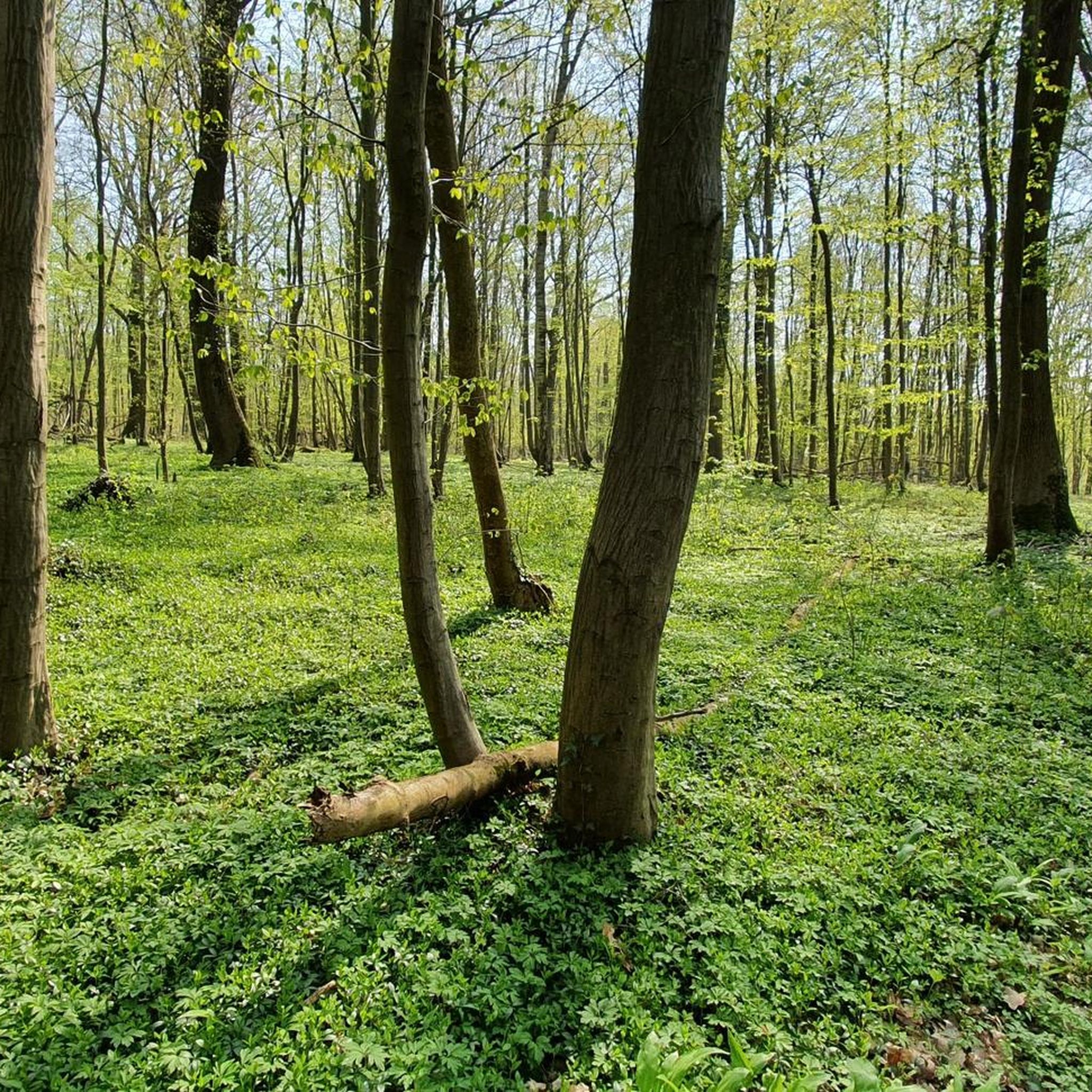
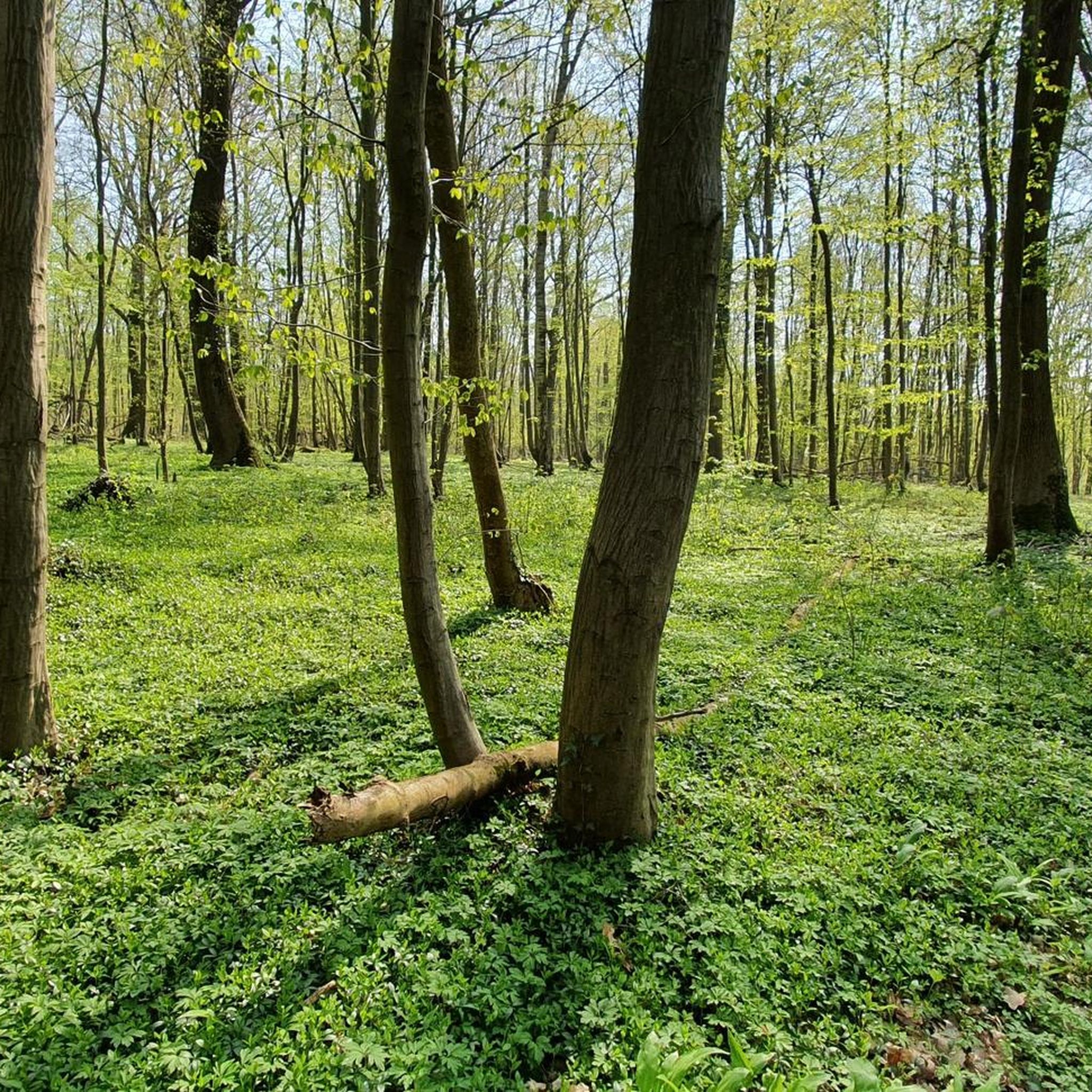
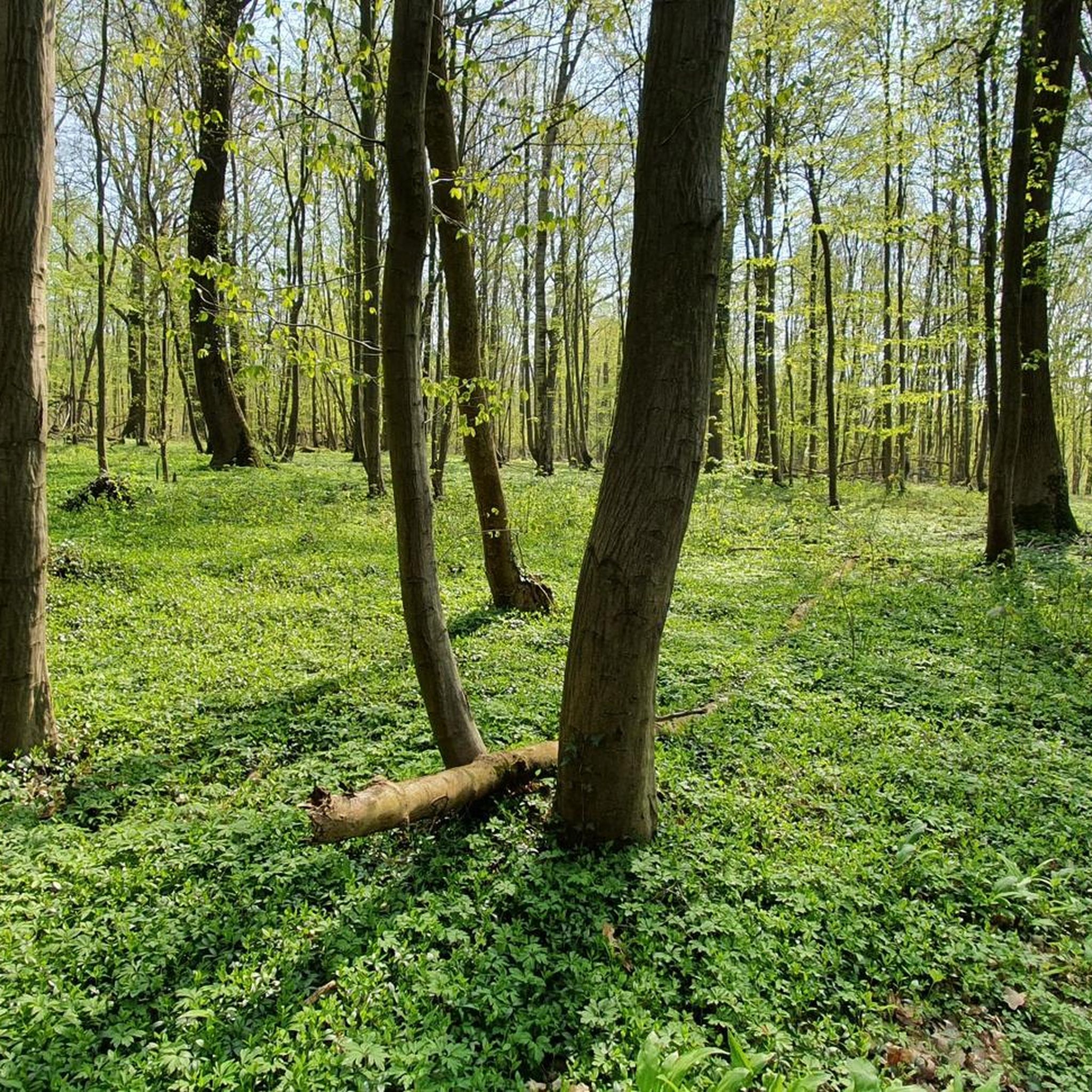
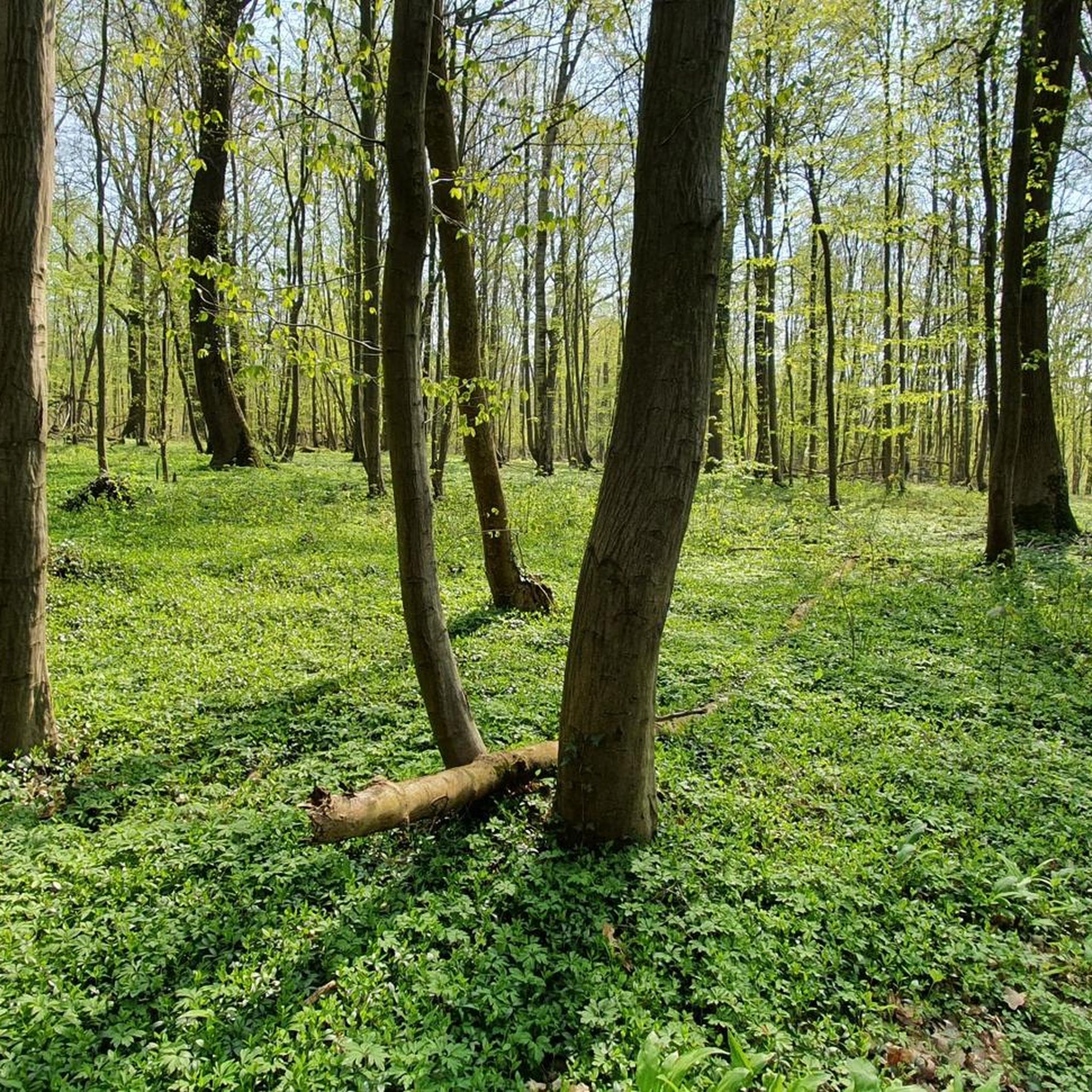
The Bois d'Angre, located in Honnelles, is a forest renowned for the Caillou-qui-Bique, a 370 million year old pudding rock. This forest is home to rich biodiversity with oaks, ash trees and various rare species. A place of legends and hikes, the Angre woods is a precious natural site in Wallonia, managed by Natagora and other organizations to preserve its unique fauna and flora.
2
0
The Mer de Sable nature reserve is a 22-hectare protected area, renowned for its peat moors and young birch forests. Formerly a pond that dried up in the 19th century, the site is home to exceptional flora, including heather and carnivorous plants such as the sundew. The reserve, classified as a major heritage site in Wallonia, offers marked trails for hiking and observing local biodiversity.
2
0

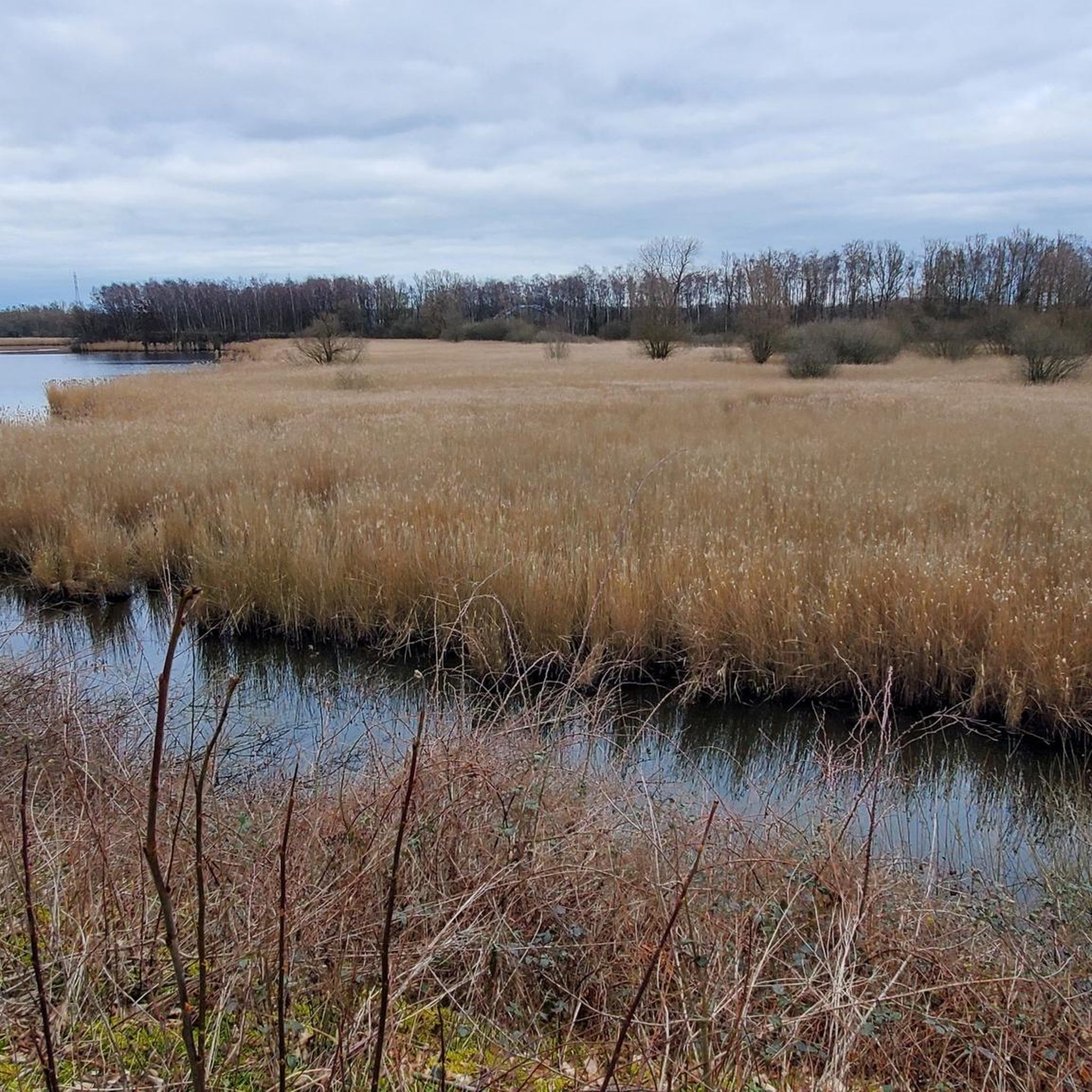
Ornithological nature reserve, with magnificent species. Several observation points set up for bird watching. accessible to PMR.
3
0

Special, that sandy area and a nice place to eat (there is also a restaurant)
2
1

This rock formation is very special in the forest!
2
0

There are two viewing huts on the route. But especially many ornithologists. This must clearly be a special place!
9
0
Frequently Asked Questions
What are some of the most unique natural monuments to visit near Quiévrain?
Near Quiévrain, you can explore several distinctive natural monuments. The Le Caillou-qui-Bique is a remarkable 25-meter high stone with a rich local legend. The Mer de Sable State Reserve offers a unique landscape of peat moors and rare flora, including carnivorous plants. Additionally, the Marais d'Harchies-Hensies-Pommerœul Nature Reserve is an extensive wetland area, known for its significant bird biodiversity.
Are there family-friendly natural monuments around Quiévrain?
Yes, several natural monuments in the area are suitable for families. The Mer de Sable State Reserve features marked trails that are great for exploring its unique ecosystem with children. The Hauts-Pays Natural Park, which encompasses Quiévrain, offers numerous green spaces and trails perfect for family walks and outdoor activities. The Bois d'Angre is also considered family-friendly, offering walks through a forest rich in biodiversity and local legends.
What kind of wildlife can I expect to see in the natural monuments near Quiévrain?
The natural monuments around Quiévrain are rich in biodiversity. The Marais d'Harchies-Hensies-Pommerœul Nature Reserve is a haven for birdwatchers, with over 300 bird species observed, including many rare and threatened ones. The Mer de Sable State Reserve is notable for its exceptional flora, such as heather and carnivorous plants like the sundew, and its young birch forests. The Bois d'Angre also boasts rich biodiversity with various tree species and associated fauna.
Are there opportunities for hiking or cycling near these natural monuments?
Absolutely. The Hauts-Pays Natural Park, where Quiévrain is located, features a well-marked network of 300 km of trails, ideal for scenic walks, bike rides, or horseback excursions. For specific activities, you can find numerous MTB trails, gravel biking routes, and road cycling routes around Quiévrain that pass by or through these natural areas.
What is the historical or cultural significance of Le Caillou-qui-Bique?
The Le Caillou-qui-Bique is not just a geological marvel but also steeped in local folklore. The legend tells of Saint-Ghislain outsmarting the devil, who intended to destroy an abbey with the massive stone. This narrative adds a fascinating cultural layer to the natural landmark, making it a compelling spot for those interested in local tales and geological curiosities. A café-restaurant, 'Le Chalet Du Garde,' has been present near the site since 1892, further enhancing its historical appeal.
Can I find any unique geological formations in the Quiévrain area?
Yes, the region is known for its unique geological features. The most prominent is Le Caillou-qui-Bique, a 25-meter high stone planted on a ridge, composed of fragments of several natural elements. The Bois d'Angre is also known for its 'poudingue' (hard rock sediment) formation, which is 370 million years old.
What is the best time to visit the natural monuments around Quiévrain?
The natural monuments around Quiévrain can be enjoyed throughout the year, each season offering a different charm. Spring and summer are ideal for observing the rich flora, especially the carnivorous plants in the Mer de Sable State Reserve and the diverse birdlife in the Marais d'Harchies-Hensies-Pommerœul Nature Reserve. Autumn provides beautiful foliage in areas like the Hauts-Pays Natural Park and Bois d'Angre, while winter offers peaceful, crisp walks.
Are there any natural monuments with historical or religious significance?
Yes, The Nail Tree of Stambruges is a natural monument with significant historical and religious ties. This site features two rag trees where people drive nails and leave objects, continuing a tradition related to healing and wishes. It's associated with a legend of a statue of the Virgin Mary and is invoked for healing various ailments, making it a unique blend of nature and cultural belief.
What makes the Marais d'Harchies-Hensies-Pommerœul Nature Reserve special?
The Marais d'Harchies-Hensies-Pommerœul Nature Reserve is special because it's the largest reed-covered area in Wallonia, spanning over 50 hectares. Formed in subsidence zones from past mining activities, these wetlands are a critical habitat for over 300 bird species, many of which are rare or threatened. It's an exceptional site for birdwatching and observing a unique ecosystem shaped by both natural processes and historical human activity.
Is the Hauts-Pays Natural Park easily accessible for outdoor activities?
Yes, the Hauts-Pays Natural Park, which includes Quiévrain, is very accessible for outdoor activities. It boasts a well-marked network of 300 km of trails, making it perfect for scenic walks, bike rides, or horseback excursions. The park emphasizes environmental preservation and offers numerous green spaces, such as the trails of Baisieux and the Grand Place of Audregnies, which is the largest green square in Belgium, providing excellent opportunities for relaxation and outdoor fun.
Are there any cafes or restaurants near the natural monuments?
Yes, for instance, near Le Caillou-qui-Bique, you'll find 'Le Chalet Du Garde,' a café-restaurant that has been present since 1892, offering a historical and recreational stop. While specific cafes for every monument aren't listed, Quiévrain and the surrounding villages within the Hauts-Pays Natural Park offer various options for refreshments and meals.
What kind of flora can be found in the Mer de Sable State Reserve?
The Mer de Sable State Reserve is renowned for its exceptional flora. It features peat moors and young birch forests. You can find heather and unique carnivorous plants like the sundew (Drosera intermedia). Other notable species include the brown rhyncospore (Rhynchospora fusca) and the flooded lycopod (Lycopodiella inundata), which are rare in Wallonia, making it a significant botanical site.
Most popular routes around Quiévrain
Most popular attractions around Quiévrain

Get inspired with the komoot mobile app


Explore more
Extend your search for the best caves by checking out these guides of the top ones around Quiévrain:
