Top 20 Natural Monuments around Ittre
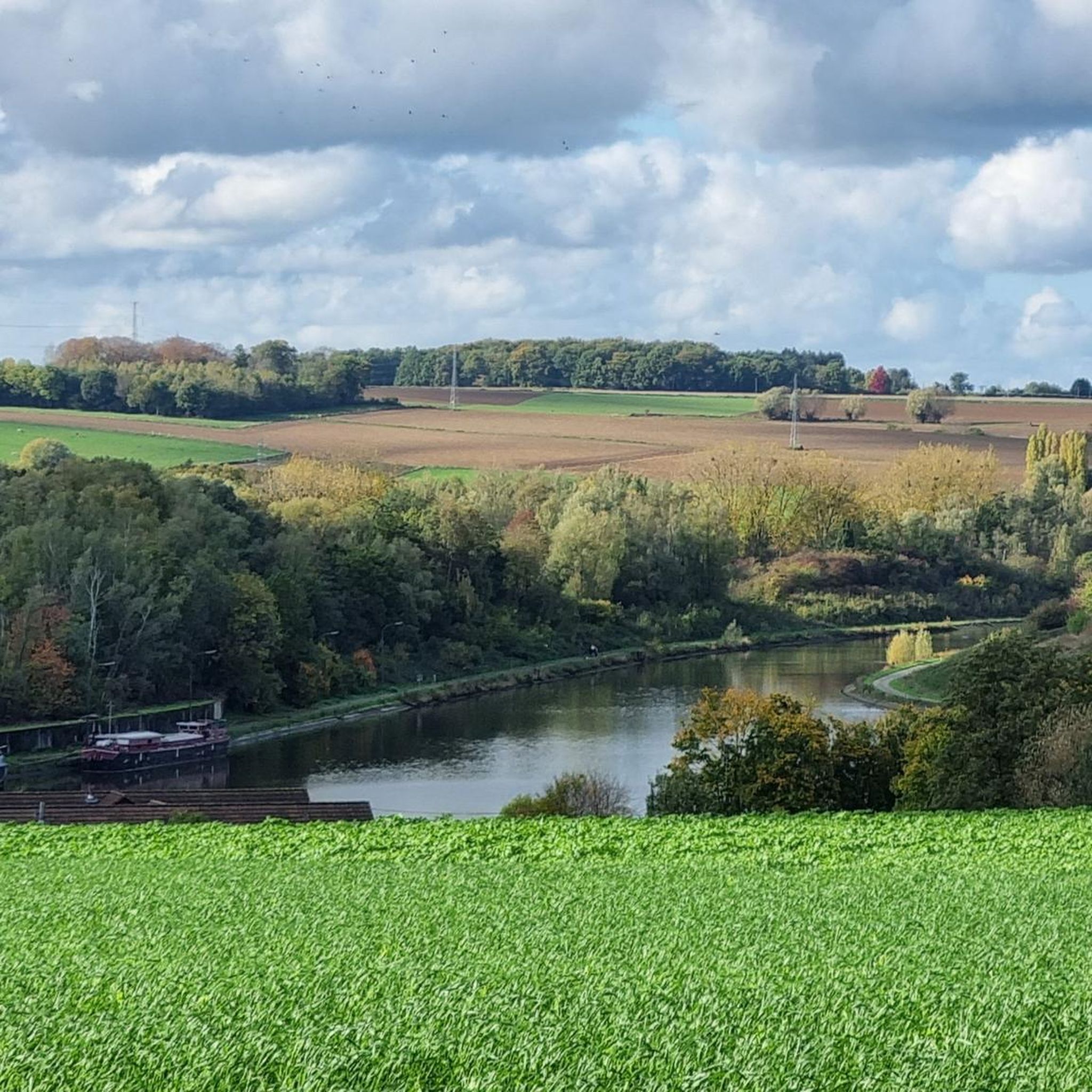
Best natural monuments around Ittre encompass a landscape characterized by extensive woodlands, diverse waterways, and open fields. This region in Walloon Brabant, Belgium, offers varied natural features for outdoor exploration. The area provides a network of trails suitable for different activity levels, showcasing the Belgian countryside. These natural spaces offer opportunities to experience local flora and fauna.
Best natural monuments around Ittre
- The most popular natural monuments is Hallerbos — The Bluebell Forest, a forest known for its purple…
Last updated: June 28, 2026
Hallerbos — The Bluebell Forest
Highlight • Forest
Translated by Google •
Tip by

Hallerbos
Highlight • Forest
Tip by

Sign up now to discover places like this
Get recommendations on the best single tracks, peaks, & plenty of other exciting outdoor places.
Sign up for free
Steenputbeek Valley
Highlight (Segment) • Forest
Translated by Google •
Tip by

Bluebell Woods of Hallerbos
Highlight • Forest
Translated by Google •
Tip by

Bluebells in Hallerbos
Highlight • Forest
Translated by Google •
Tip by

Sign up for free to discover even more natural monuments around Ittre.
Sign up for free
Already have an account?
Start today with a free account
Your next adventure awaits.
Login or Signup

Tips from the Community

Fairly well marked, one or two nice climbs.
0
0

The Hallerbos (French: Bois de Hal) is a forest with an area of 552 ha southeast of Halle (511 ha on Halle territory). The forest is largely owned by the Flemish Region and a small part by the Walloon Region and private properties. The Hallerbos is a quiet recreation area, which is highly appreciated by the population of the surrounding highly urbanized areas. It is very accessible thanks to the many paths, and for an introduction there are three hiking trails. The forest is part of the Flemish Ecological Network, has been a Flemish nature reserve since 2021 and is protected in Europe as a Natura 2000 area 'Hallerbos and nearby forest complexes with source areas and heaths' (BE2400009) (together with other sub-areas such as the Markvallei, Zuunvallei with the Gaasbeek domain, De Wolfsputten, Kesterbeekvallei, Kesterheide, the Terrijst forest reserve, Lembeekbos, Zevenbronnen, Gasthuisbos, Begijnenbos). Since 2023, the forest has been part of the Brabantse Wouden National Park.
0
0
The Hallerbos (French: Bois de Hal) is a forest with an area of 552 ha southeast of Halle (511 ha on Halle territory). The forest is largely owned by the Flemish Region and a small part by the Walloon Region and private properties. The Hallerbos is a quiet recreation area, which is highly appreciated by the population of the surrounding highly urbanized areas. It is very accessible thanks to the many paths, and for an introduction there are three hiking trails. The forest is part of the Flemish Ecological Network, has been a Flemish nature reserve since 2021 and is protected in Europe as a Natura 2000 area 'Hallerbos and nearby forest complexes with source areas and heaths' (BE2400009) (together with other sub-areas such as the Markvallei, Zuunvallei with the Gaasbeek domain, De Wolfsputten, Kesterbeekvallei, Kesterheide, the Terrijst forest reserve, Lembeekbos, Zevenbronnen, Gasthuisbos, Begijnenbos). Since 2023, the forest has been part of the Brabantse Wouden National Park.
1
0


Beautiful forest outside busy Brussels. End of April the forest get's a natural carpet colouring practically the whole forst in a blue/purple color. Magic! Make sure to walk a bit further then the classic entrance to enjoy the peaceful nature.
3
0

The ‘Hallerbos’, also known as the blue forest, is one of the 3 extensive forest areas in the Brussels capital area. It is an ancient forest with a mix of young and older trees. The giant Sequoia trees are pretty impressive as well as the beautiful purple carpet of bluebells, which bloom around mid-April. Crossing the forests on a mix of gravel and singletrack dirt roads make up for a visit well worth it!
0
0

Magnificent walk in the Bois de Hal, a veritable carpet of flowers, endless hyacinths, it's splendid.
2
0

The Hallerbos is the most important and most extensive forest area between Zenne and Zoniën. The forest is a crowd favorite thanks to the beautiful purple carpet of bluebells, which bloom around mid-April. The varied relief provides wonderful hiking opportunities and makes a visit to this forest more than worthwhile
3
0
Frequently Asked Questions
What types of natural features can I expect to see in Ittre's natural monuments?
Ittre's natural landscape is characterized by diverse features, including extensive woodlands like the Bois des Nones Forest, open agricultural fields, and significant waterways such as the Brussels-Charleroi Canal and the Sennette River. You'll also find peaceful bodies of water like the Mill Pond and the Zevenbronnen Pond, offering a blend of dense forests, riverside paths, and serene natural spaces.
What makes Hallerbos — The Bluebell Forest a must-visit natural monument?
Hallerbos — The Bluebell Forest is renowned for its stunning purple carpet of wild hyacinths and white wood anemones that bloom around mid-April. This creates an enchanting and magical atmosphere, attracting nature lovers and photographers from afar. It's also a European protected 'Natura 2000 area' and a Flemish nature reserve, making it a unique ecological site.
Are there other notable natural monuments besides Hallerbos?
Yes, beyond Hallerbos, you can explore the Steenputbeek Valley, a forest and trail area managed by Natuurpunt, featuring ancient Cambrium rocks and varied flora. Another serene spot is the Pond of Le Grand Bois Commun, located within an 80-hectare forest, much of which is declared a Nature Reserve.
What kind of outdoor activities can I do near Ittre's natural monuments?
The region around Ittre offers a variety of outdoor activities. You can enjoy road cycling on routes like the 'Ronquières Boat Lift – Old Canal Path loop' or explore gravel biking trails such as the 'Ravel L141 – Long Meadows Trail loop'. For mountain biking, options include the 'Tramway Path – Forest Trail Among the Ferns loop'. You can find more details on these activities in the Road Cycling Routes around Ittre, Gravel biking around Ittre, and MTB Trails around Ittre guides.
Are there family-friendly natural monuments or trails around Ittre?
Many natural areas around Ittre are suitable for families. Hallerbos — The Bluebell Forest and Steenputbeek Valley are both considered family-friendly, offering accessible trails and natural beauty. The Steenputbeek Valley even has a nice playground for children. The diverse network of trails includes relaxed strolls with gentle elevation changes, perfect for all ages.
What is the best time of year to visit Ittre's natural monuments?
Each season offers a unique experience. Spring is particularly notable, especially mid-April, when the wild hyacinths bloom in Hallerbos — The Bluebell Forest. However, the blend of woodlands, fields, and waterways provides a diverse and engaging natural environment for exploration year-round, with autumn offering beautiful foliage and summer providing pleasant conditions for walks.
What is the typical difficulty level of walking trails around Ittre's natural monuments?
The walking trails around Ittre cater to various fitness levels. You can find relaxed strolls with gentle elevation changes, such as paths along the Brussels-Charleroi Canal, as well as more demanding treks like the 'Trail along the Sennette – Lovers' Tunnel loop from Virginal-Samme'. Many trails offer a mix of dense woodlands and open fields, providing varied terrain.
Are the natural trails and monuments around Ittre dog-friendly?
While many natural areas in Belgium are dog-friendly, it's always best to check specific regulations for each site. For example, at the Pond of Le Grand Bois Commun, visitors are asked to keep dogs on leashes to protect the declared Nature Reserve. Generally, dogs are welcome on trails but should be kept under control.
Can I spot any wildlife in the natural monuments around Ittre?
Yes, the diverse ecosystems around Ittre support various wildlife. In areas like the Maasdalbeek Springs, you might spot bats, including the pipistrelle and water bat, as well as deer. Numerous birds like the tawny owl, sparrowhawk, buzzard, black woodpecker, and woodcock also thrive here. The blackthorn butterfly can be found in blackthorn thickets or forest edges.
Are there any natural monuments around Ittre that have historical significance?
While Ittre's natural monuments are primarily valued for their ecological and scenic beauty, some areas also hold historical context. For instance, the Steenputbeek Valley is noted as a place Hendrik Conscience enjoyed on his hikes, and it features ancient Cambrium rocks, some 550 million years old, that were previously mined. The Maasdalbeek Springs and Burial Mound also hints at historical human presence with its burial mound.
What are some hidden natural gems or less-known spots near Ittre?
Beyond the more popular sites, the Maasdalbeek Springs and Burial Mound offers a unique combination of natural springs, special plants like marsh marigold, and a historical burial mound, providing a tranquil and less-frequented experience. The various small ponds and lesser-known forest paths within the extensive woodlands also offer opportunities for quiet exploration.
What do visitors enjoy most about the natural monuments around Ittre?
Visitors particularly appreciate the diverse and accessible outdoor experiences. The blend of dense woodlands, open agricultural fields, and waterside paths along canals and rivers provides a varied and engaging natural environment. The seasonal displays, especially the bluebells in Hallerbos, are highly celebrated, as are the well-maintained trails suitable for different fitness levels.
Most popular attractions around Ittre

Get inspired with the komoot mobile app


Explore more
Extend your search for the best caves by checking out these guides of the top ones around Ittre:
