Top 11 Natural Monuments around Court-Saint-Étienne
Natural monuments around Court-Saint-Étienne offer a blend of ecological interest and historical significance within this Walloon Brabant municipality. The region features diverse natural landscapes, including protected parks, ancient trees, and unique geological formations. These sites provide opportunities for exploring the area's natural heritage and cultural past.
Best natural monuments around Court-Saint-Étienne
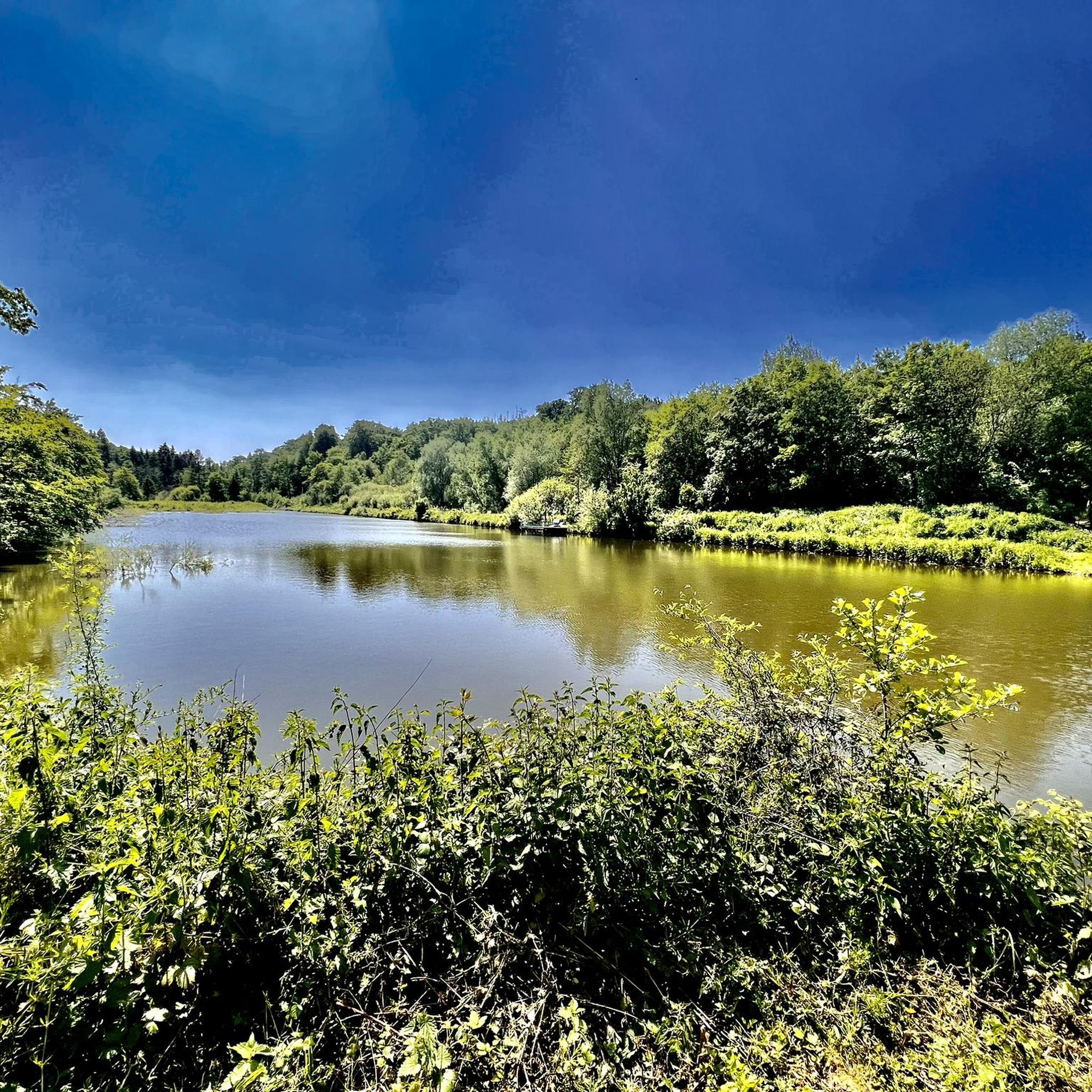
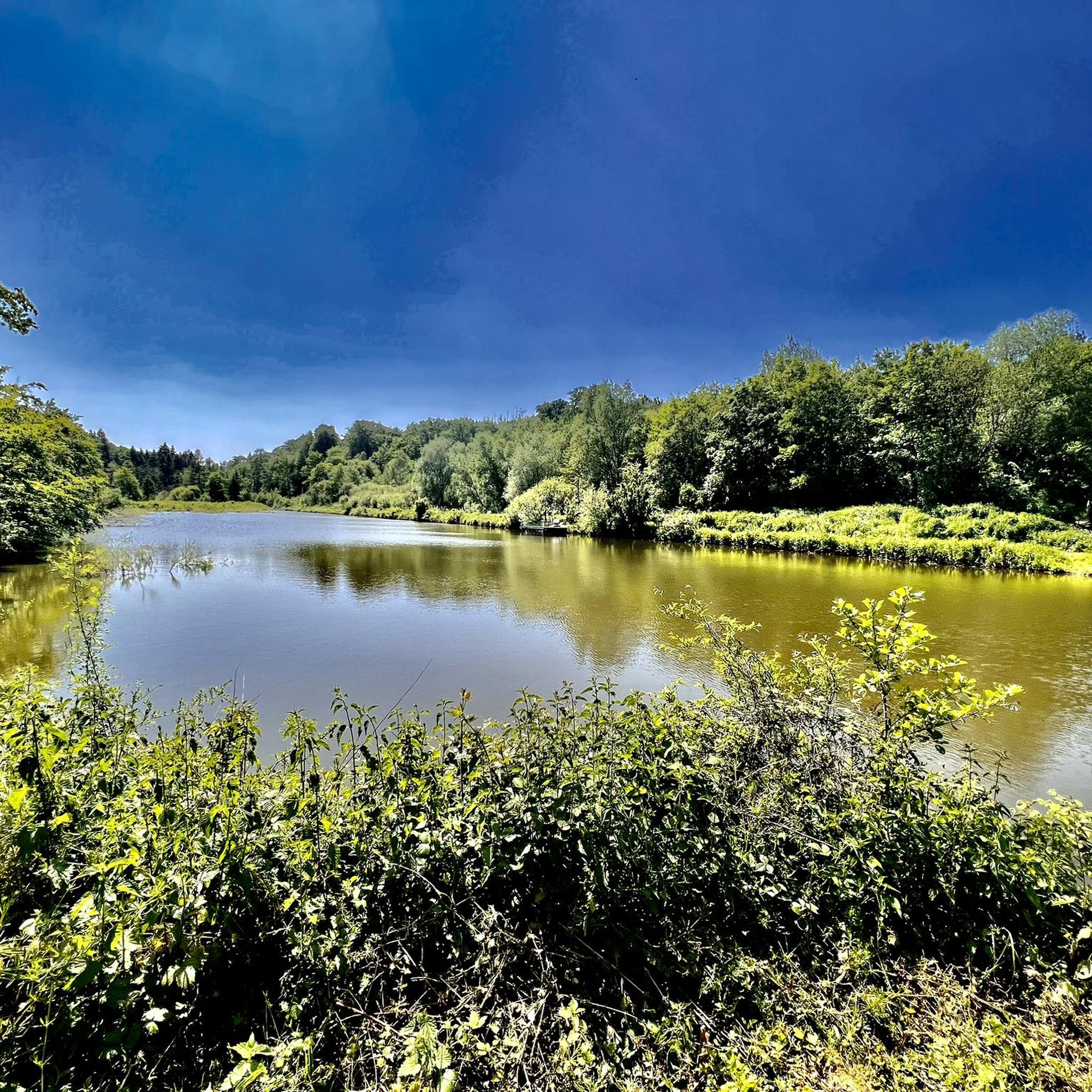
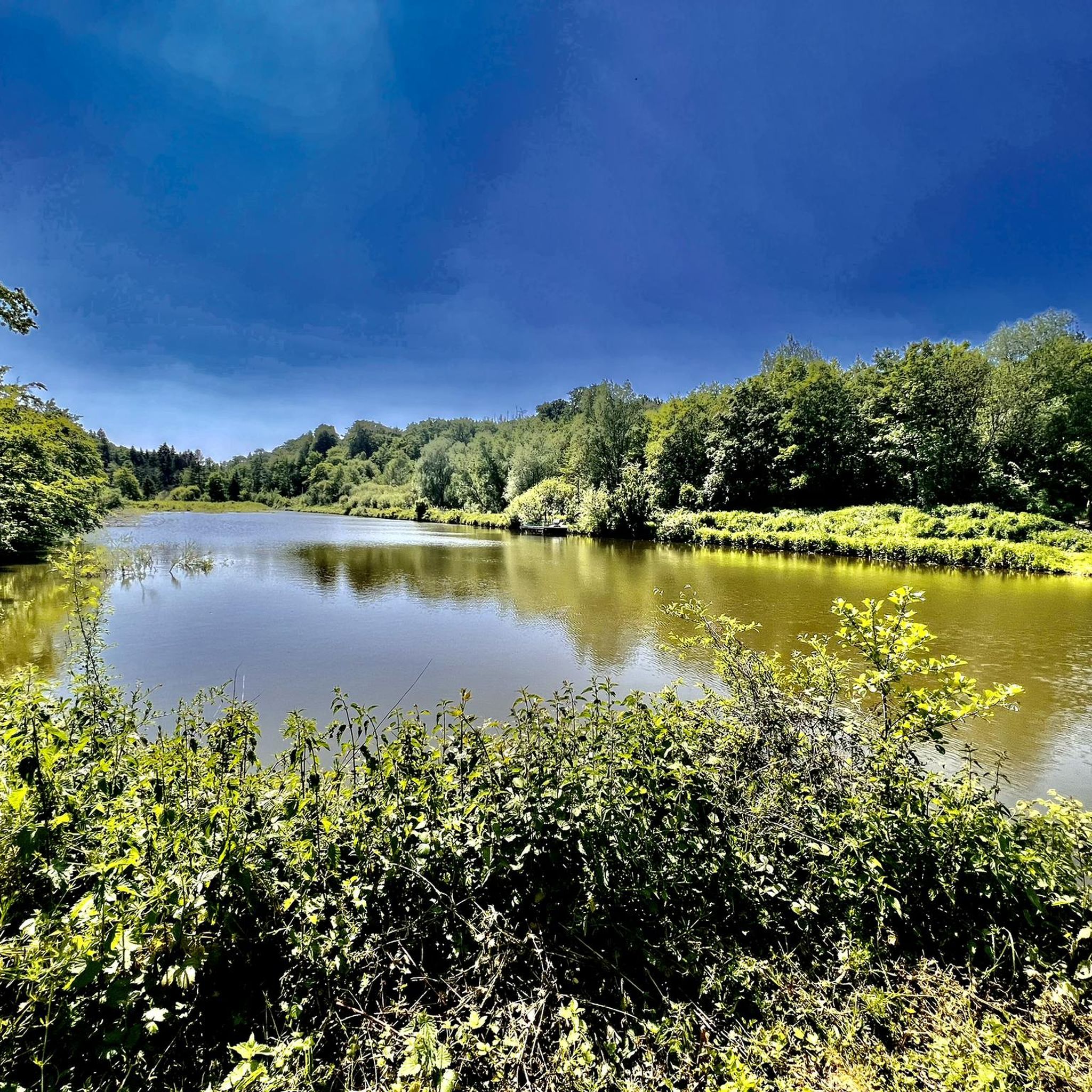
- The most popular natural monuments is Biodiversity Observation Site, a viewpoint that offers a quiet place to observe nature. This site provides views of a large pond and…
Last updated: June 28, 2026
Translated by Google •
Tip by

Hougoumont Chestnut Trees
Highlight • Natural Monument
Translated by Google •
Tip by
Sign up now to discover places like this
Get recommendations on the best single tracks, peaks, & plenty of other exciting outdoor places.
Sign up for free
Biodiversity Observation Site
Highlight • Viewpoint
Translated by Google •
Tip by

Monument of the Wounded Eagle
Highlight • Monument
Translated by Google •
Tip by
Beaver Dams and Habitat
Highlight • Natural Monument
Tip by

Sign up for free to discover even more natural monuments around Court-Saint-Étienne.
Sign up for free
Already have an account?
Start today with a free account
Your next adventure awaits.
Login or Signup
Tips from the Community

These old trees are the last witnesses of the Battle of Waterloo. Currently, only 1 of the 3 is still alive, but a new tree has been planted to succeed the other 2.
0
0
Monument representing the loss of the French imperial army during the Battle of Waterloo. It is located along a busy road, but there is a footpath where you can walk.
1
0

Silent living witnesses of Europe's historic turning point.
4
0

One of a total of two birdwatching huts in this part of the nature reserve of the former sedimentation ponds of the Genappe sugar factory. This one offers by far the best view with a beautiful large pond. The lookout hut is accessible via a simple gate (everything else is fenced) and a few stairs. A wonderfully quiet place too and well maintained. The classic information boards with birds that you could observe are present. The surroundings are also beautiful with a lovely path that leads you to the access to the stairs to the hut and offers beautiful views since you are already at a height before you climb to the lookout hut.
4
0


A beautiful stop along the Ravel L141. It is really enjoyable here. Herons, ducks and other birds galore in a beautiful setting. And with a bit of luck, the reflection on the water will make it all even more picturesque. I just couldn't get enough of it.
9
0
The Réserve Naturelle des Décanteurs de la Sucrerie de Genappe is an important nature reserve in Genappe. It is the largest nature reserve in Brabant Wallon, with an area of 77 hectares. This nature reserve was originally part of the old sugar factory of Genappe, and included several green areas and settling basins. It officially became a nature reserve in 2015. The reserve is rich in biodiversity, with more than 200 bird species recorded in the last twenty years. This makes it one of the most important ornithological sites in Wallonia. The reserve is also home to several special vegetation communities. The reserve is managed by the Department of Nature and Forests of the Walloon Region (DNF) with the collaboration of the ASBL Environnement Dyle.
10
0
"Aux Derniers Combattants de la Grande Armée" "For the Last Warriors of the Grand Army" “Aux Officers, Sous-Officiers Et Soldats De l'Escadron Polonais Tombes à Mont-Saint-Jean Le 18 juin 1815" "For the officers, non-commissioned officers and soldiers of the Polish Escadron fallen too Mont-Saint-Jean on June 18, 1815"
7
0
Frequently Asked Questions
What unique natural and historical sites can I explore around Court-Saint-Étienne?
Court-Saint-Étienne offers a blend of natural beauty and historical intrigue. You can visit La Pierre qui tourne, an enigmatic 4-ton stone surrounded by local legends of it rotating at midnight. Another significant site is the Hougoumont Chestnut Trees, which are living witnesses to the Battle of Waterloo, bearing scars from the conflict.
Are there any notable parks or nature reserves in Court-Saint-Étienne?
Yes, the region boasts several significant green spaces. The Parc du Château de Court-Saint-Étienne is a 20-hectare 19th-century English garden with diverse tree species and over 150 varieties of Buxus. Additionally, the Parc de Wisterzée is a protected heritage site, home to one of Belgium's oldest hornbeams, potentially planted in 1550. The Bois de Lauzelle, partly within the municipality, is a large forest area with marked walking circuits and rich biodiversity, integrated into the Natura 2000 network.
What kind of wildlife observation opportunities are available?
The area provides excellent spots for observing nature. The Biodiversity Observation Site offers a quiet place with views of a large pond within a nature reserve. Another prime location is the Observatory at Réserve Naturelle Domaniale des Dicentraires at the Sucrerie de Genappe, known for its rich biodiversity, including over 200 bird species, making it one of Wallonia's most important ornithological sites.
Are there family-friendly natural monuments to visit?
Many natural monuments in the area are suitable for families. The Biodiversity Observation Site and the Observatory at Réserve Naturelle Domaniale des Dicentraires are great for quiet observation. The Parc du Château de Court-Saint-Étienne offers leisurely strolls in a beautiful setting, and the Hougoumont Chestnut Trees provide a historical context that can engage older children.
Can I see evidence of beavers in the wild?
Yes, you can visit the Beaver Dams and Habitat, a natural monument showcasing the impressive activity of beavers. Visitors can observe the dams and the altered landscape created by these animals. Be prepared for potentially muddy or wet trails, so appropriate footwear is recommended.
What historical trees or sites related to justice can I find?
The Arbre de la Justice (Tree of Justice) in Square Baronne Boël is a significant historical site. It consists of a central lime tree surrounded by eight others, replanted in 1957 after the original was destroyed. This site holds cultural value, as the original tree may have served as an ancient pillory and is associated with feudal justice, even appearing on the coat of arms of Court-Saint-Étienne.
What outdoor activities can I do near these natural monuments?
The region around Court-Saint-Étienne offers various outdoor activities. For mountain biking, you can explore trails like the 'Steep Forest Path' or 'Singletrack in the Forest' as part of the MTB Trails around Court-Saint-Étienne guide. Running enthusiasts can find routes such as 'Chapelle du Try-au-Chêne' or 'Lac d’Agnissart' in the Running Trails around Court-Saint-Étienne guide. Gravel biking is also popular, with options like 'Gravel Path by the River' available in the Gravel biking around Court-Saint-Étienne guide.
Are there any natural monuments with historical military significance?
Yes, the Hougoumont Chestnut Trees are a poignant example. These ancient trees at Hougoumont Farm played a crucial role in the Battle of Waterloo and still bear the scars of bullet impacts from June 18, 1815, serving as a living monument to this historical event.
What do visitors appreciate most about the natural monuments in Court-Saint-Étienne?
Visitors often highlight the peaceful atmosphere and the opportunity for quiet observation. For instance, the Biodiversity Observation Site is described as a 'wonderfully quiet place' and a 'suspended moment' to respect nature. The impressive work of beavers at the Beaver Dams and Habitat also leaves a strong impression on visitors.
Are there any other remarkable trees in the commune beyond the main sites?
Yes, Court-Saint-Étienne features other remarkable trees throughout the commune that contribute to its green character and historical depth. These include commemorative trees, such as a lime tree planted in 1930 to mark Belgium's centenary and the 'Arbre de la Belle Alliance' (an ash tree) planted in 1906.
Where can I find more information about protected heritage sites in the region?
For a broader overview of protected heritage sites, including natural monuments, you can consult resources like Wikipedia's list of protected heritage sites in Court-Saint-Étienne.
Most popular routes around Court-Saint-Étienne
Most popular attractions around Court-Saint-Étienne

Get inspired with the komoot mobile app


Explore more
Extend your search for the best caves by checking out these guides of the top ones around Court-Saint-Étienne:
