Top 20 Natural Monuments around Sint-Gillis-Waas
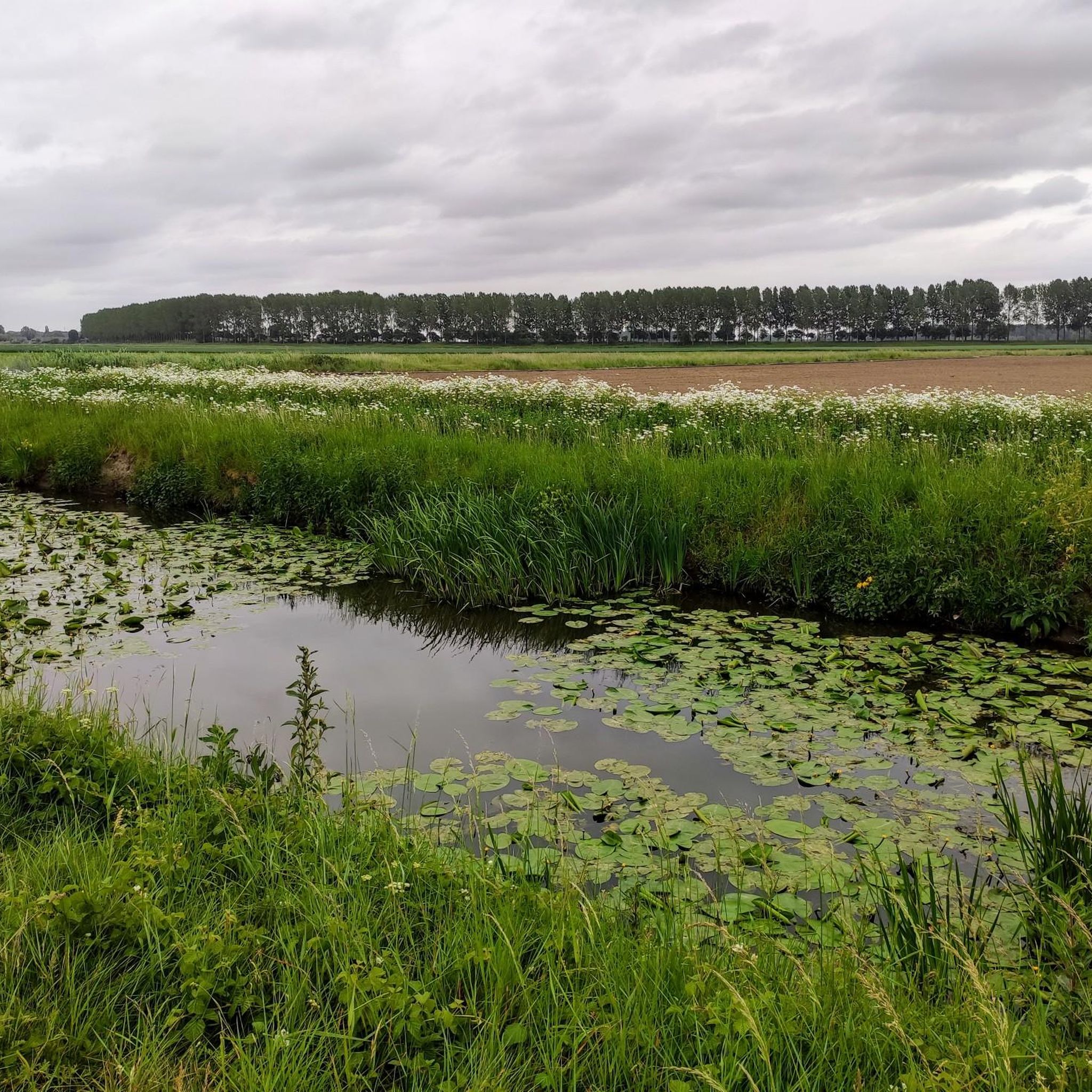
Best natural monuments around Sint-Gillis-Waas include diverse landscapes such as expansive forests, unique creek areas, and renovated municipal parks. This municipality in East Flanders, Belgium, offers a blend of natural beauty and historical significance. The region is characterized by its green spaces, dikes, and water features, providing varied outdoor experiences. These areas are suitable for those seeking connection with nature and recreational activities.
Best natural monuments around Sint-Gillis-Waas
- The most popular natural monuments is Visitor Center Verdronken Land van Saeftinghe…
Last updated: June 28, 2026
Visitor Center Verdronken Land van Saeftinghe
Highlight • Rest Area
Translated by Google •
Tip by

Spanish Line in Stropersbos
Highlight • Historical Site
Translated by Google •
Tip by
Sign up now to discover places like this
Get recommendations on the best single tracks, peaks, & plenty of other exciting outdoor places.
Sign up for free
Hof ter Saksen Castle
Highlight • Castle
Translated by Google •
Tip by

Oude Durme Nature Reserve
Highlight (Segment) • Natural
Translated by Google •
Tip by
Fort Sint-Jacob and Staats-Spaanse Lines
Highlight • Historical Site
Translated by Google •
Tip by

Sign up for free to discover even more natural monuments around Sint-Gillis-Waas.
Sign up for free
Already have an account?
Start today with a free account
Your next adventure awaits.
Login or Signup

Tips from the Community

On this elevated gravel path, you'll discover a special piece of the past and nature at Fort Sint-Jacob. This historic fort is part of the impressive Staats-Spaanse Linies and was strategically located between Fort Sint-Joseph and Fort Sint-Livinus, as part of the line of communication between Hulst and Sas van Gent. Here you can still feel the traces of the Eighty Years' War, when the fort was constructed in 1634 to protect the hinterland against invasions. Just a few years later, it fell into other hands, making the story of this place all the more captivating. Once, Fort Sint-Jacob was a compact, square redoubt with sturdy earthen ramparts and a protective moat. Today, these outlines are still clearly visible in the landscape, allowing visitors to literally walk through history. Thanks to careful restorations, including a reconstructed courtyard and a new drawbridge, the fort has been brought back to life. At the same time, nature has been allowed to run wild here. The area is managed by Staatsbosbeheer and has become a tranquil nature reserve. Whether you are interested in history, enjoy walking or cycling, or simply want to escape the hustle and bustle for a while: Fort Sint-Jacob invites you to come and see, discover, and enjoy.
6
0

Beveren purchased the estate in 1982. It boasts the striking 18th-century neoclassical castle, but the farm, ice cellars, and orangery are also worth a visit. During the Middle Ages, the estate was called "Shaecx" after the oldest residents of the fiefdom, the Noethaeckx family. This is how the place got its name. It was Jean-Baptist Versmessen, chief alderman of the Land van Waas castellany, who laid out the estate in its current form in 1781. The English landscape garden appears in 19th-century illustrations. It remained in the Versmessen family until textile manufacturer Edmond Meert purchased the property. The castle was severely damaged during WWII, leaving only a ruin. Restoration took place between 2004 and 2007, and it is now hoped to restore the interior to its former grandeur.
6
0

Beautiful domain with a beautiful park. In the summer months on Saturdays and Sundays the terrace is open in the coach house.
3
0

The Hof ter Saksen castle in Beveren is not only dazzlingly beautiful to look at, it is especially the park that is a real eye-catcher. The Hof ter Saksen castle park plays with the senses of the visitor. And the plants are so beautiful and sophisticated that each season gives its own colour, atmosphere and identity. You can stroll there for free from 10 am, in the summer until 8 pm and in the winter until 4.30 pm. Dogs on a leash are only welcome on the designated paths, not in the stream valley, the nature garden and the high-stem orchard. More information at https://www.waasland.be/hof-ter-saksen-0
4
0
Wonderful route, not much shadow, use sunscreen and battle the wind
0
0

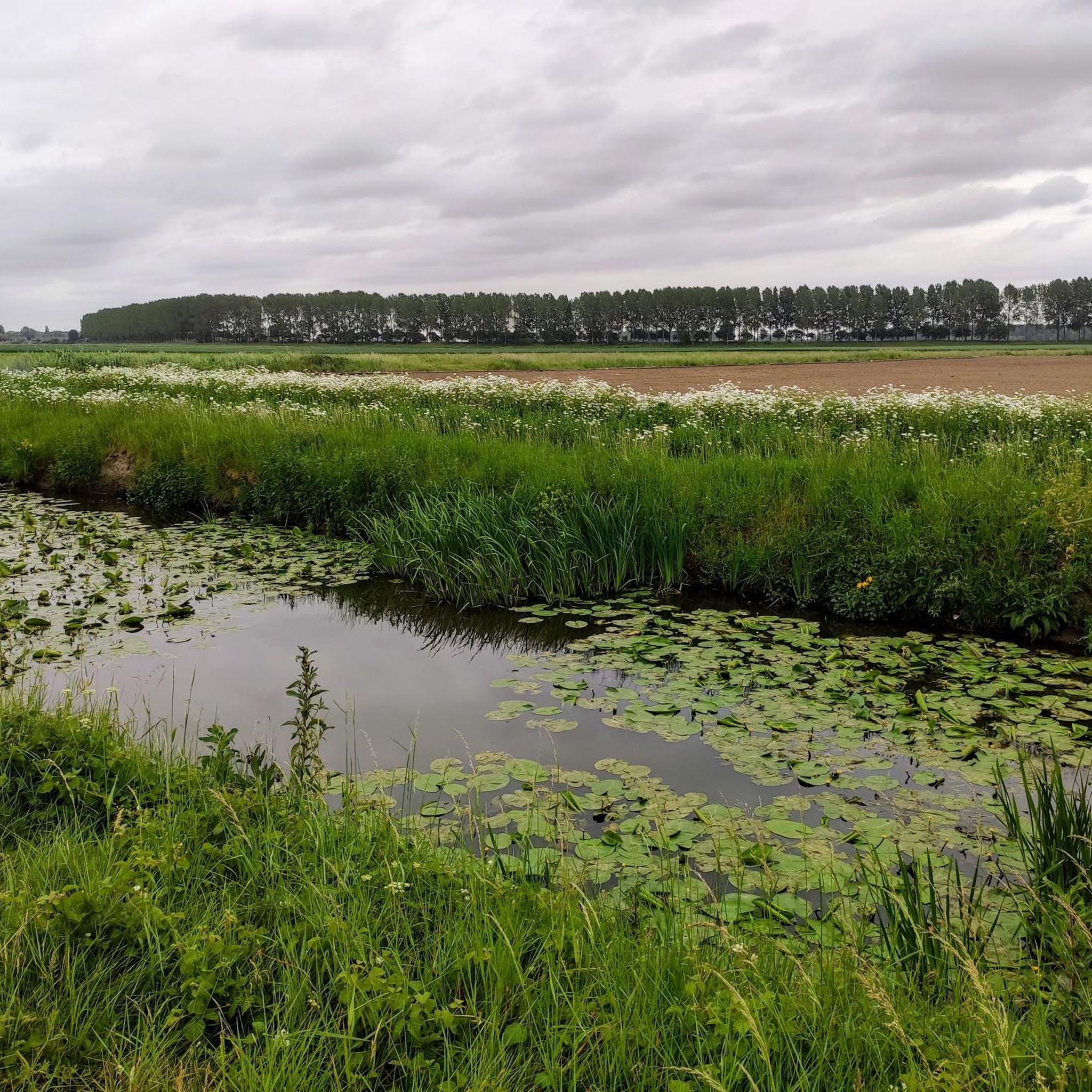
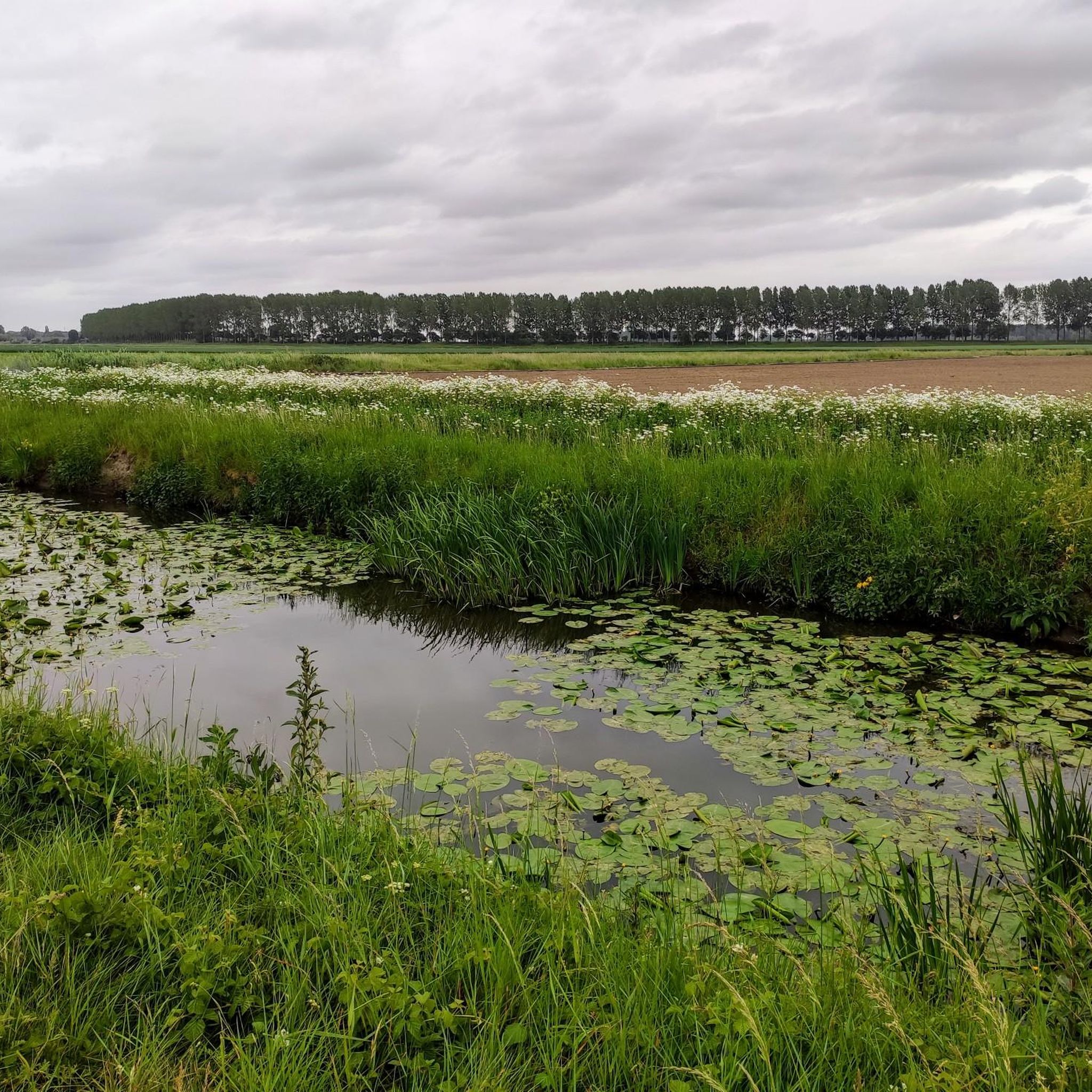
Nice and quiet place to walk (or even cycle). If you are lucky you might see sheep on the path. Here and there on the route there are benches to rest.
2
0
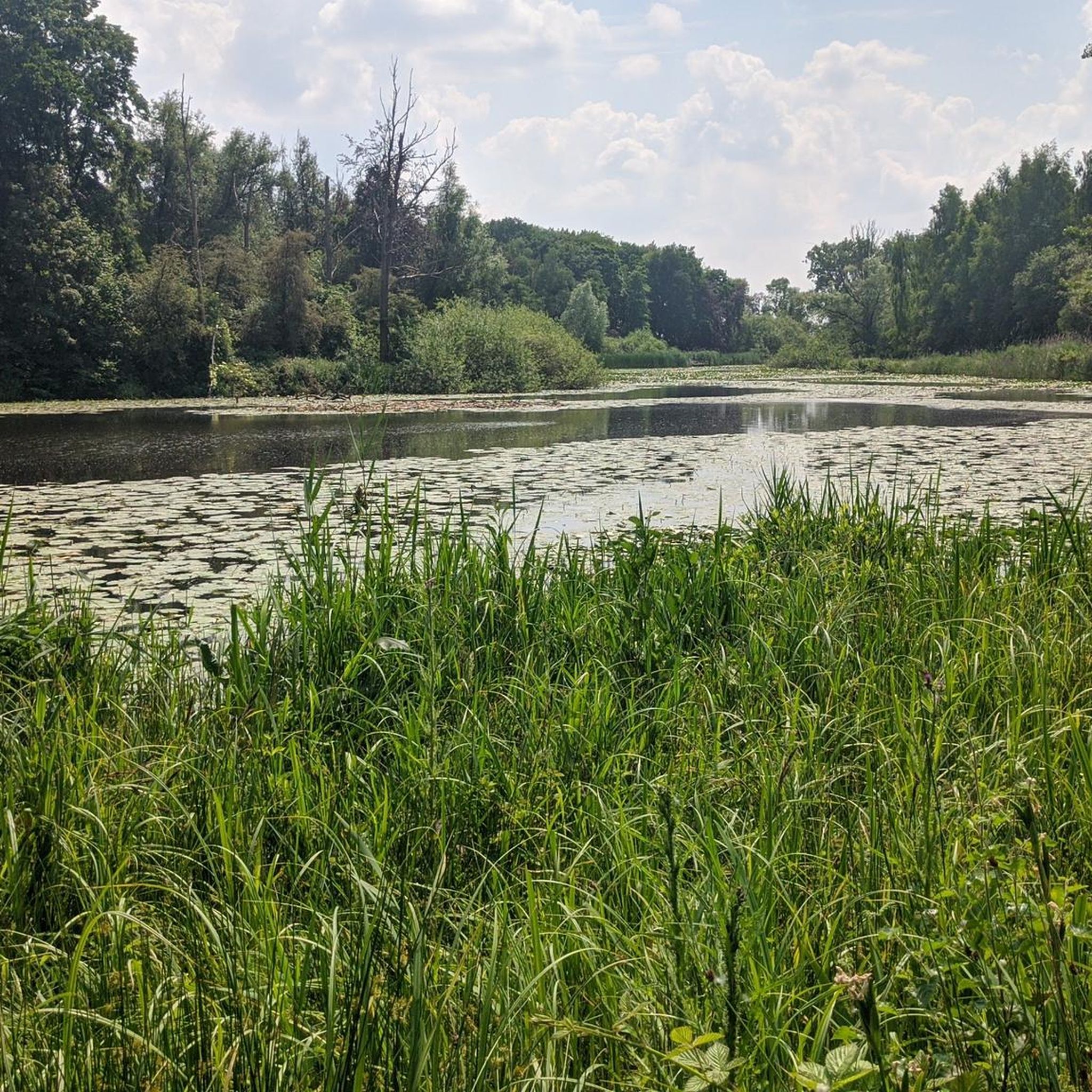
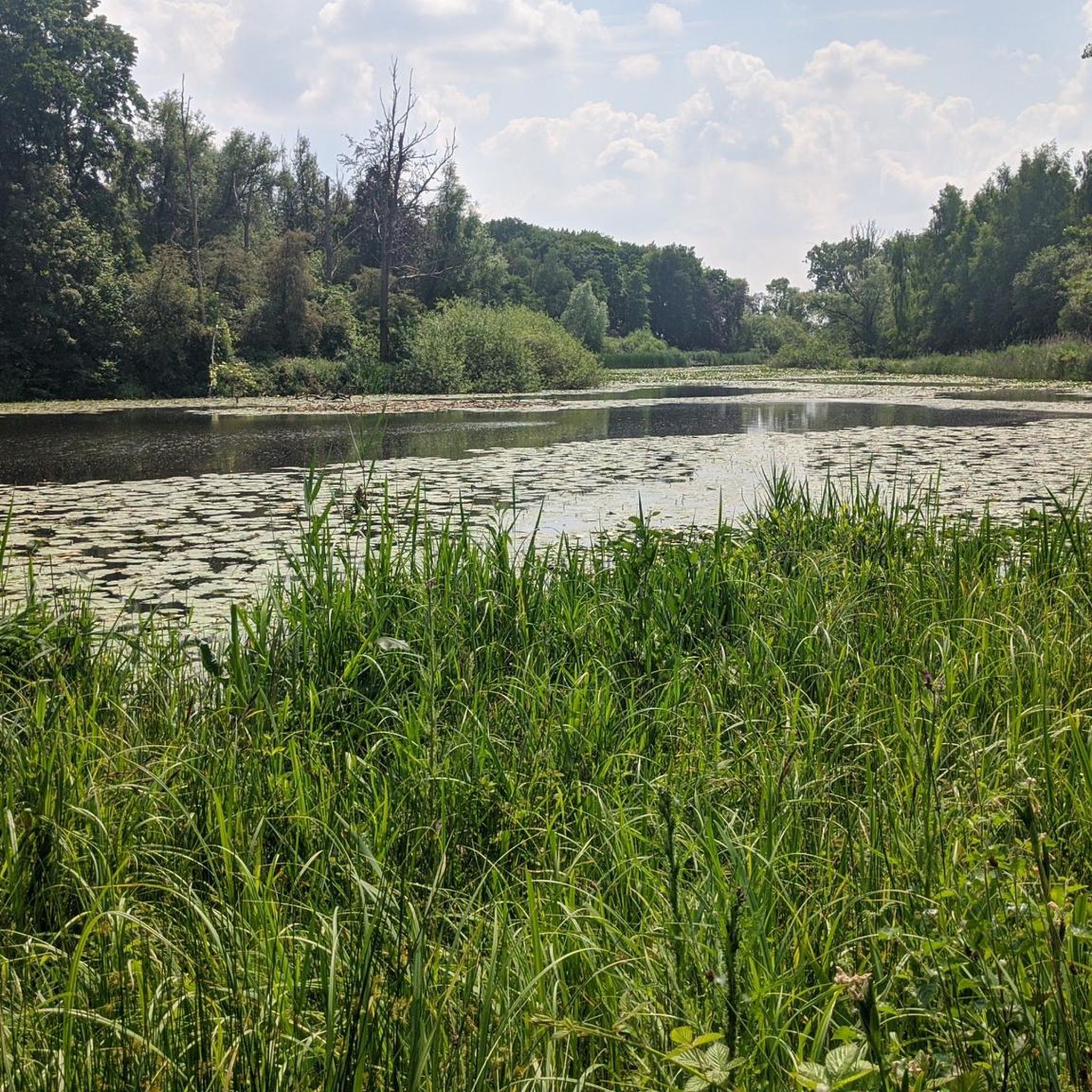
Beautiful and quiet forest (if in high season). The hiking trails are almost in order, sometimes it can be a bit muddy during heavy rain. If you are lucky you might spot some deer 😊
1
0
Frequently Asked Questions
What are some of the most popular natural monuments to visit in Sint-Gillis-Waas?
Visitors frequently enjoy the unique marshy landscape around the Visitor Center Verdronken Land van Saeftinghe, which serves as an excellent starting point for exploration. The historical remnants at the Spanish Line in Stropersbos also draw many, as does the beautiful Hof ter Saksen Castle with its public educational nature park.
What kind of natural features can I expect to see in Sint-Gillis-Waas?
Sint-Gillis-Waas offers a diverse range of natural features, including expansive forests like Het Stropersbos, unique creek areas with ponds and dense reed beds such as Natuurgebied Panneweel (Kreken van Saleghem), and historical dikes. You'll also find renovated municipal parks with innovative water features, and areas with valuable alder carr forests, open heathland, and even large grazers like Konik horses.
Are there natural monuments with historical significance in Sint-Gillis-Waas?
Yes, several natural monuments in the region hold historical importance. The Spanish Line in Stropersbos features remnants of a 2.5 km long defensive line from the War of the Spanish Succession in 1701. The Koningsdijk is a historic dike with beautiful tree-lined paths, originally constructed after the Eighty Years' War. Additionally, Hof ter Saksen Castle is set within an estate that includes historical buildings and a castle park.
Which natural monuments are suitable for families with children?
For families, Het Stropersbos is an excellent choice, offering a dedicated play zone, a bivouac area for overnight stays, and the adventurous 'Laarzenpad'. The Gemeentepark Sint-Gillis-Waas has a 'fairy tale room', boardwalks, and various play opportunities. Sportpark Houtvoort also features an engaging play landscape and multi-zone for sports. Hof ter Saksen Castle is a public educational nature park with walking paths suitable for all ages.
What outdoor activities can I do near these natural monuments?
The region around Sint-Gillis-Waas is ideal for various outdoor activities. You can enjoy extensive hiking through forests and nature reserves, with routes like the 'Heather Stropersbos' or 'Great Saleghem Channel' loops. There are also numerous options for gravel biking and road cycling, with scenic routes such as the 'Clingebos Forest Path' or 'Path Along the Waterway'. For more details on routes, you can explore the hiking guide, gravel biking guide, and road cycling guide for Sint-Gillis-Waas.
Are there any nature reserves focused on wildlife observation?
Yes, Natuurgebied Panneweel (Kreken van Saleghem) is a unique landscape perfect for observing diverse flora and fauna, particularly birds and aquatic life. The presence of salamanders in its purified water indicates good water quality. The Oude Durme Nature Reserve is another area where you can find rare plant species and observe local wildlife.
What is the best time of year to visit the natural monuments in Sint-Gillis-Waas?
The natural monuments in Sint-Gillis-Waas can be enjoyed year-round, but spring and autumn are particularly pleasant. Spring brings blooming native flora, beneficial for bees, and fresh greenery. Autumn offers beautiful foliage, especially in forested areas like Het Stropersbos and along the Koningsdijk. Summer is great for longer days and outdoor activities, while winter provides a tranquil, often misty, atmosphere.
Are there any natural monuments that are wheelchair accessible?
While specific accessibility details for all natural monuments are not extensively documented, the recently renovated Gemeentepark Sint-Gillis-Waas is designed with modern infrastructure, including boardwalks, which may offer better accessibility. For other areas, it's advisable to check specific conditions, as many natural paths might be unpaved or uneven.
Where can I find parking facilities near these natural monuments?
Parking is available at several locations. For instance, the Visitor Center Verdronken Land van Saeftinghe offers ample parking. Hof ter Saksen Castle also provides parking facilities for visitors. For other natural areas, roadside parking or designated small lots might be available, but it's recommended to check local signage.
What makes Het Stropersbos a unique natural monument?
Het Stropersbos is unique due to its expansive forest complex, which includes valuable alder carr forests and open heathland. It's home to large grazers like Konik horses that help maintain its diverse landscape. The forest also holds historical remnants of the 'Linie' from the War of the Spanish Succession. For recreation, it features a dedicated play zone, a bivouac area, and an adventurous 'Laarzenpad' (boot path).
Can I find cafes or refreshment options near the natural monuments?
While specific cafes directly within every natural monument are not common, the Visitor Center Verdronken Land van Saeftinghe offers facilities, and the Natuur.huis Panneweel at Natuurgebied Panneweel serves as a hub. For more extensive options, you'll typically find cafes and restaurants in the nearby towns and villages of Sint-Gillis-Waas, often a short drive or cycle away from the natural areas.
What is the Great Saleghem Channel and why is it worth visiting?
The Great Saleghem Channel is part of the larger Kreken van Saleghem creek area, a unique landscape formed by historical floods and human influence. It's worth visiting for its tranquil setting, diverse ecosystems, and the opportunity to observe various bird species and aquatic life. The area is characterized by a sequence of gently sloping banks, grasslands, reed beds, and melancholic willows, offering a serene natural experience.
Most popular routes around Sint-Gillis-Waas
Most popular attractions around Sint-Gillis-Waas

Get inspired with the komoot mobile app


Explore more
Extend your search for the best caves by checking out these guides of the top ones around Sint-Gillis-Waas:
