Top 20 Bike Parks around Thimister-Clermont
Best bike parks around Thimister-Clermont are characterized by a network of VTT trails that traverse the region's varied terrain. The area, situated in the Belgian province of Liège, offers a mix of rolling hills, forests, and rural landscapes. While not traditional bike parks with chairlifts, the local routes provide mountain biking experiences through natural settings and charming villages. These trails often combine physical activity with scenic views, making the region suitable for outdoor exploration.
Best bike parks around Thimister-Clermont
- The…
Last updated: June 28, 2026
Oosterberg Climb
Highlight (Segment) • Climb
Translated by Google •
Tip by

Fairytale forest
Highlight (Segment) • Trail
Translated by Google •
Tip by

Sign up now to discover places like this
Get recommendations on the best single tracks, peaks, & plenty of other exciting outdoor places.
Sign up for free
Mining Site House and Park
Highlight • Historical Site
Translated by Google •
Tip by

The Plombières Shafts
Highlight • Historical Site
Translated by Google •
Tip by
Switchback heaven Berofosse
Highlight (Segment) • Trail
Tip by

Sign up for free to discover even more bike parks around Thimister-Clermont.
Sign up for free
Already have an account?
Start today with a free account
Your next adventure awaits.
Login or Signup


Tips from the Community

The former mining area now features a playground, a shelter with barbecue facilities, and a Bike Park. Very well-maintained and recommended.
1
0

From the Hoëgne, the 60m climb uphill to Berofosse seems like a serious climb, were it not for the beautiful, long zigzag path that makes it much easier. Near the top, you pass the ruins of a medieval tower from which the Hoëgne valley was surveyed. No further information is available.
1
0

This was the approximate location of the former mine shafts of the former Plombières mine. The name Bleyberg, as the town was known until 1919, is closely linked to the history of lead and zinc ore mining. The first written references to mining in this region date back to 1365, when it was known as "Bradersbergh." These ores were mined for many centuries – sometimes successfully, sometimes under difficult conditions. In 1922, the foundry in Plombières was finally closed for good. This brought an end to a centuries-old mining tradition, the traces of which can still be seen in the landscape today.
17
0
Two marked hiking trails, approximately 1.7 km and 3 km in length, start from the Maison du Site Miner (Maison du Site Mining). Both routes lead through a nature reserve created on former mining land. Along the trails, there are 12 information stations, providing information about the viaduct, the slag heap landscape, and the "La Gueule" cave, among other things. Admission is free, and pets are allowed. The site is accessible and has the Certified Access-i label. Dry restrooms are also available for visitors.
52
0


The oldest mention of the mine dates back to the year 1365. Jan van Wambeke, dean of the chapter of Saint Servatius in Maastricht, wrote that he had received interest from the Duchy of Limburg due to the Bradersbergh mine. Mining took place where veins of ore rose to the surface. In addition to opencast mining, there were four thirty-meter-deep shafts in the Braesberg or Bleyberg, which led into an 800-meter mine gallery. The region is rich in heavy metals, as there are other quarries where zinc has been extracted, such as in Völkerich, Welkenraedt (Lantzenberg), Walhorn and La Calamine (Altenberg). In 1427, Philip the Good, Duke of Burgundy, rented the lead mine for one ninth of the revenue and for fifteen years to three men from Aachen: Jean Bernage and the brothers Herman and Geryt Pael. Under the reign of this triumvirate, the mine was extensively flooded. Then came three other tenants: Jean van der Moer, Guillaume Nekens and Pierre Danckaerts. According to Jean de Dalhem, intendant of the Duchy of Limburg, this second trio was still tenants in 1445. In the centuries that followed, setbacks, such as war devastations and floods, and prosperity alternated. At that time, the Braesberg, where the ore deposits are around a meter thick, was mainly mined north of today's village.
6
0

Tough climb with loose stones, make sure to turn around when you reach the top, the view is beautiful.
1
0

Frequently Asked Questions
What kind of mountain biking experiences can I expect around Thimister-Clermont?
The Thimister-Clermont region offers a network of VTT (mountain bike) trails that provide a mix of physical challenges and scenic beauty. While not traditional bike parks with chairlifts, you'll find routes with rolling hills, forests, and rural landscapes, often passing through charming villages. Expect challenging climbs, technical descents, and intermediate forest trails.
Are there any challenging trails for experienced mountain bikers?
Yes, experienced riders can find several challenging trails. For instance, Oosterberg Climb offers a tough ascent with loose stones and a descent featuring gullies and large boulders. Another option is Switchback heaven Berofosse, a challenging singletrack with multiple switchbacks, a technical drop, and a rock garden. The Descent from the Youth Hostel to Kattenroth also provides technical passages with roots, stones, and small drops.
Are there family-friendly mountain biking options in the area?
Yes, the region offers family-friendly options. The Mining Site House and Park features a small mountain bike parkour specifically designed for children, alongside marked hiking trails and an exhibition on mining history. The general VTT routes, while varied, often include sections suitable for different skill levels, allowing families to choose less technical paths.
What kind of natural scenery and viewpoints can I discover on the trails?
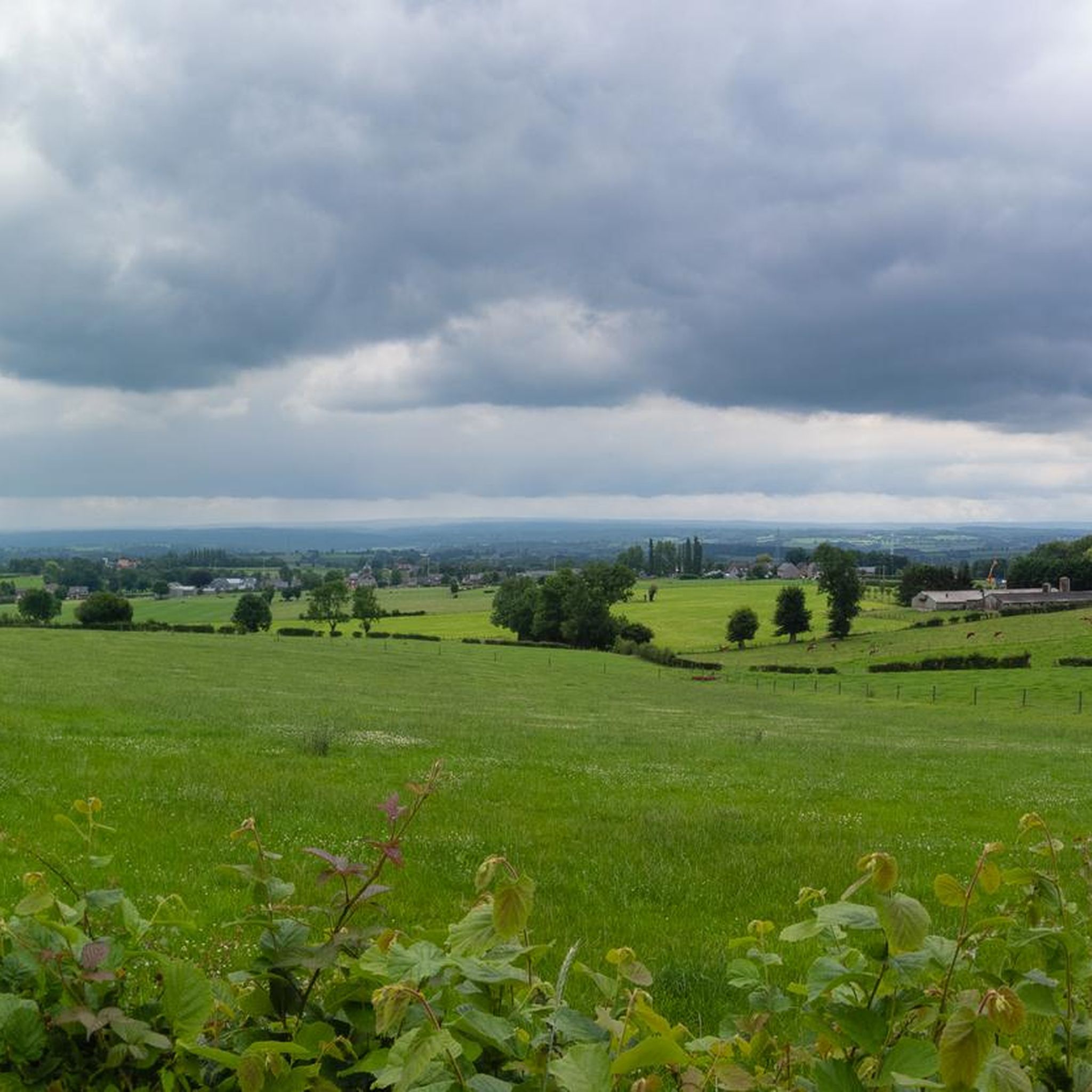
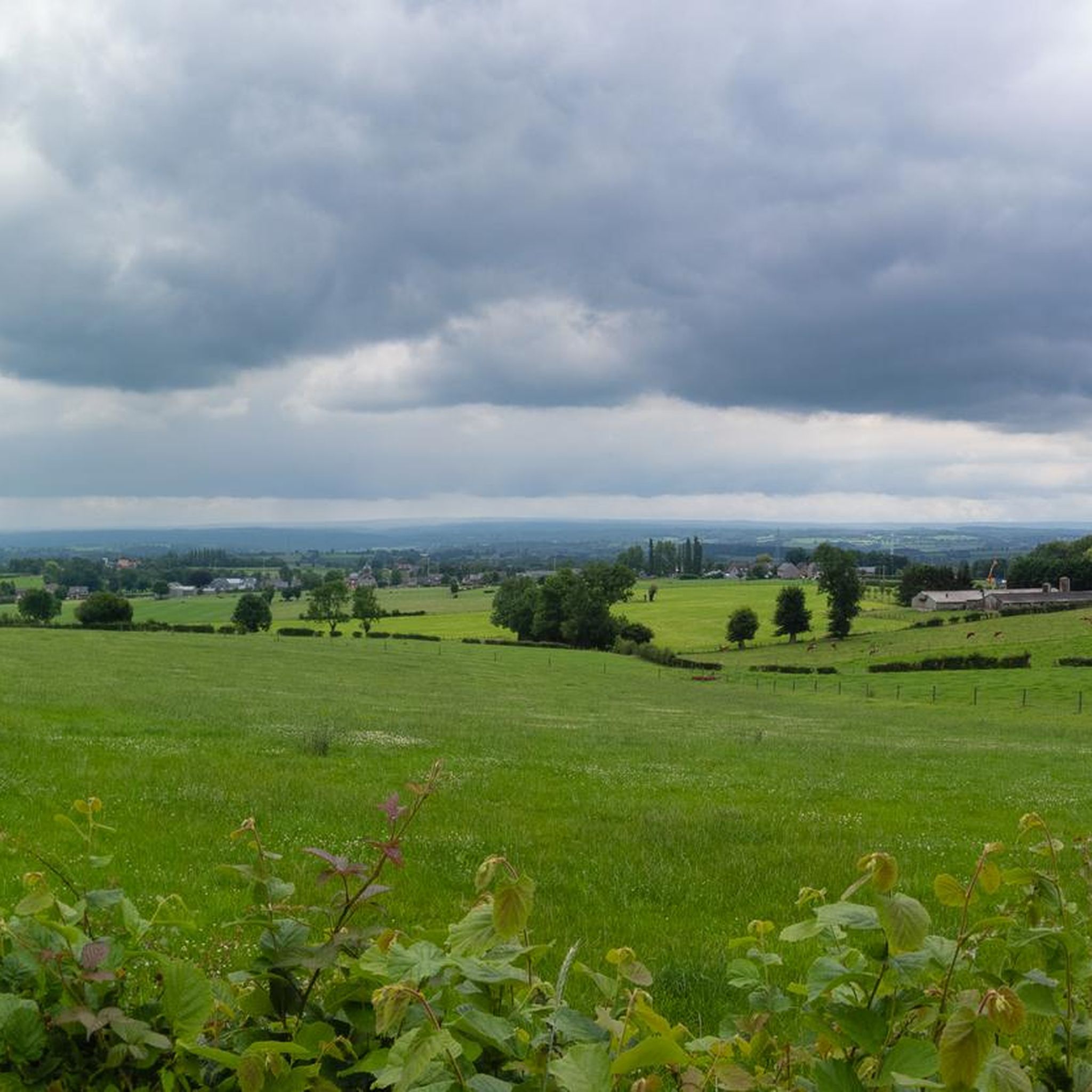
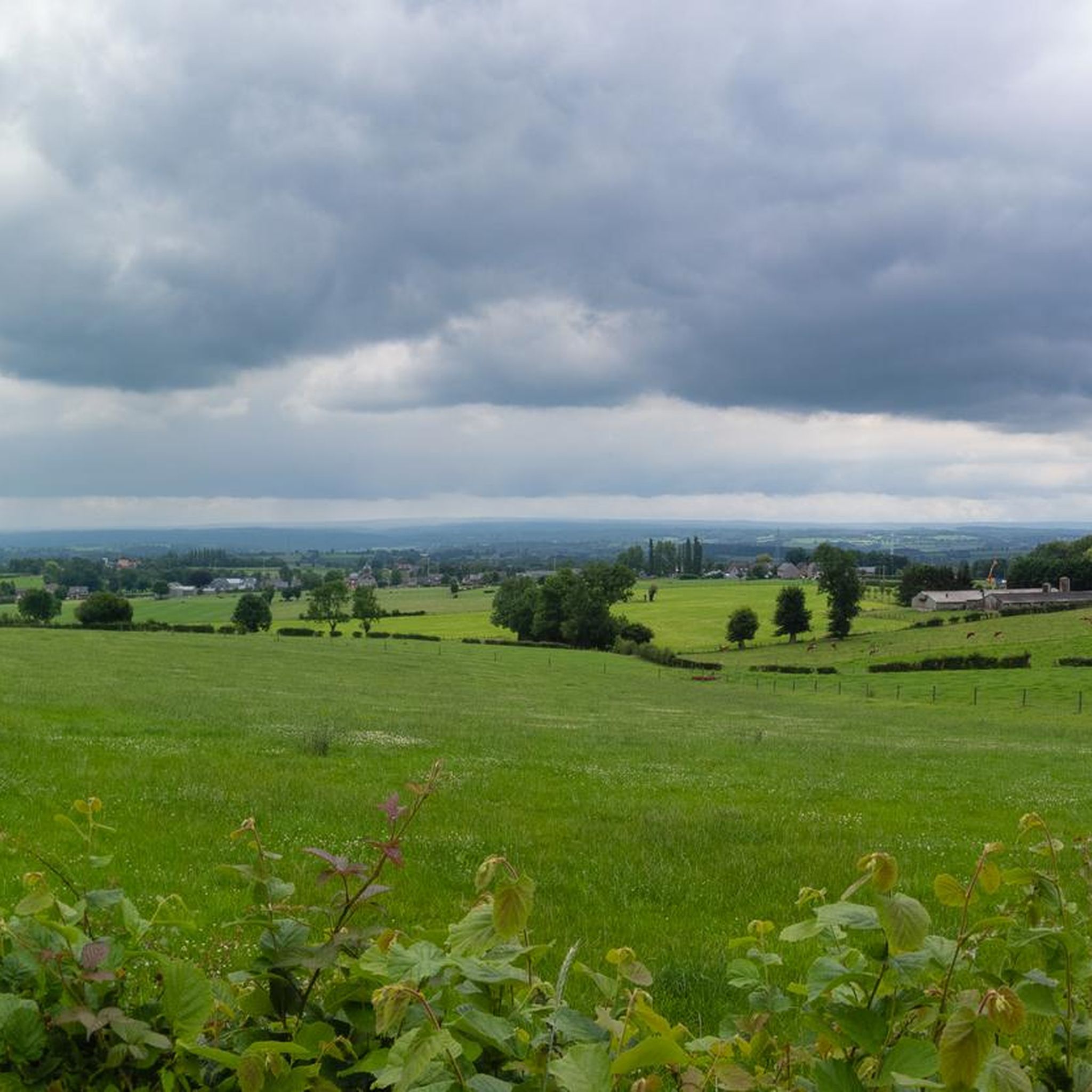
The trails around Thimister-Clermont are known for their natural beauty. You can expect picturesque, bucolic landscapes, pretty wooded paths (Joli sentier boisé), and sections along RAVeL paths. Oosterberg Climb, for example, offers beautiful views of the South Limburg landscape, including the Camerig, Terziet, and Kuttingen.
Are there any historical or cultural sites accessible by bike?
Yes, the Mining Site House and Park is a notable historical site where you can find a small bike parkour for children, as well as information stations about the viaduct, slag heap landscape, and the 'La Gueule' cave. The 'Balade VTT numéro 10' circuit also showcases the diverse landscapes and five villages within the Thimister-Clermont commune, offering a glimpse into local life and history.
Where can I start a mountain bike route in Thimister-Clermont and find amenities?
The 'Balade VTT numéro 10' circuit can be started from the Thimister town square, where an explanatory panel is located behind the church. In the town center, you'll find amenities such as Horeca (hotels, restaurants, cafes), shops, a bakery, and a pharmacy, making it a convenient starting point for your ride.
What other outdoor activities are available near the bike trails?
Beyond mountain biking, the region offers a variety of outdoor activities. You can explore numerous hiking trails, such as those detailed in the Hiking around Thimister-Clermont guide, or embark on more strenuous Mountain Hikes around Thimister-Clermont. There are also dedicated MTB Trails around Thimister-Clermont for different skill levels.
What do visitors enjoy most about mountain biking in Thimister-Clermont?
Visitors appreciate the blend of natural beauty and varied terrain. They enjoy the challenging climbs and technical descents, the scenic vistas from viewpoints like Oosterberg Climb, and the immersive experience of riding through forests and charming villages. The partly rooted and washed-out trails, like those in Fairytale forest, are often highlighted for their fun and engaging nature.
Are there any specific off-road mountain bike routes?
Yes, while many routes use public roads and paths, some dedicated off-road sections exist. For example, a specific 'Parcours VTT' mentioned by Cirkwi is approximately 10 kilometers long and is identifiable by yellow-backed triangular and double-circle markers, explicitly stating it does not use public roads.
What is the best time of year to go mountain biking in Thimister-Clermont?
The region's VTT trails are generally enjoyable throughout the warmer months, from spring to autumn, when the weather is most favorable for outdoor activities. While winter biking is possible, some technical trails, like the Descent from the Youth Hostel to Kattenroth, can become significantly more challenging due to wet conditions and increased erosion, requiring higher technical skills.
Are there any intermediate trails suitable for trail bikes?
Yes, the Fairytale forest is an intermediate forest trail that is partly rooted and washed-out, making it quite fun and suitable for trail bikes (e.g., 130-140 mm travel). It can also be easily combined with other trails in the area for a longer ride.
Most popular routes around Thimister-Clermont
Most popular attractions around Thimister-Clermont

Get inspired with the komoot mobile app


Explore more
Still looking for your perfect bike park? Check out our guides in these places:
