Top 20 Natural Monuments around Crisnée
Best natural monuments around Crisnée provide insight into the natural and historical landscape of this municipality in the Belgian province of Liège. The area features a mix of protected natural sites and historically significant estates with extensive gardens and parks. These locations offer diverse natural features, from unique flora in nature reserves to established forests and cultivated landscapes.
Best natural monuments around Crisnée
- The most popular natural monument is Overbroek Nature Reserve, a nature reserve protected at the European…
Last updated: June 28, 2026
Heks Castle
Highlight • Castle
The palatial castle was built from 1770, probably …
Translated by Google •
Tip by

Observation tower Nature reserve De Herkwinning
Highlight • Viewpoint
Translated by Google •
Tip by

Sign up now to discover places like this
Get recommendations on the best single tracks, peaks, & plenty of other exciting outdoor places.
Sign up for free
Heks Castle
Highlight • Castle
Translated by Google •
Tip by

Overbroek Nature Reserve
Highlight • Natural
Translated by Google •
Tip by
Horne Forest
Highlight • Forest
Translated by Google •
Tip by

Sign up for free to discover even more natural monuments around Crisnée.
Sign up for free
Already have an account?
Start today with a free account
Your next adventure awaits.
Login or Signup

Tips from the Community

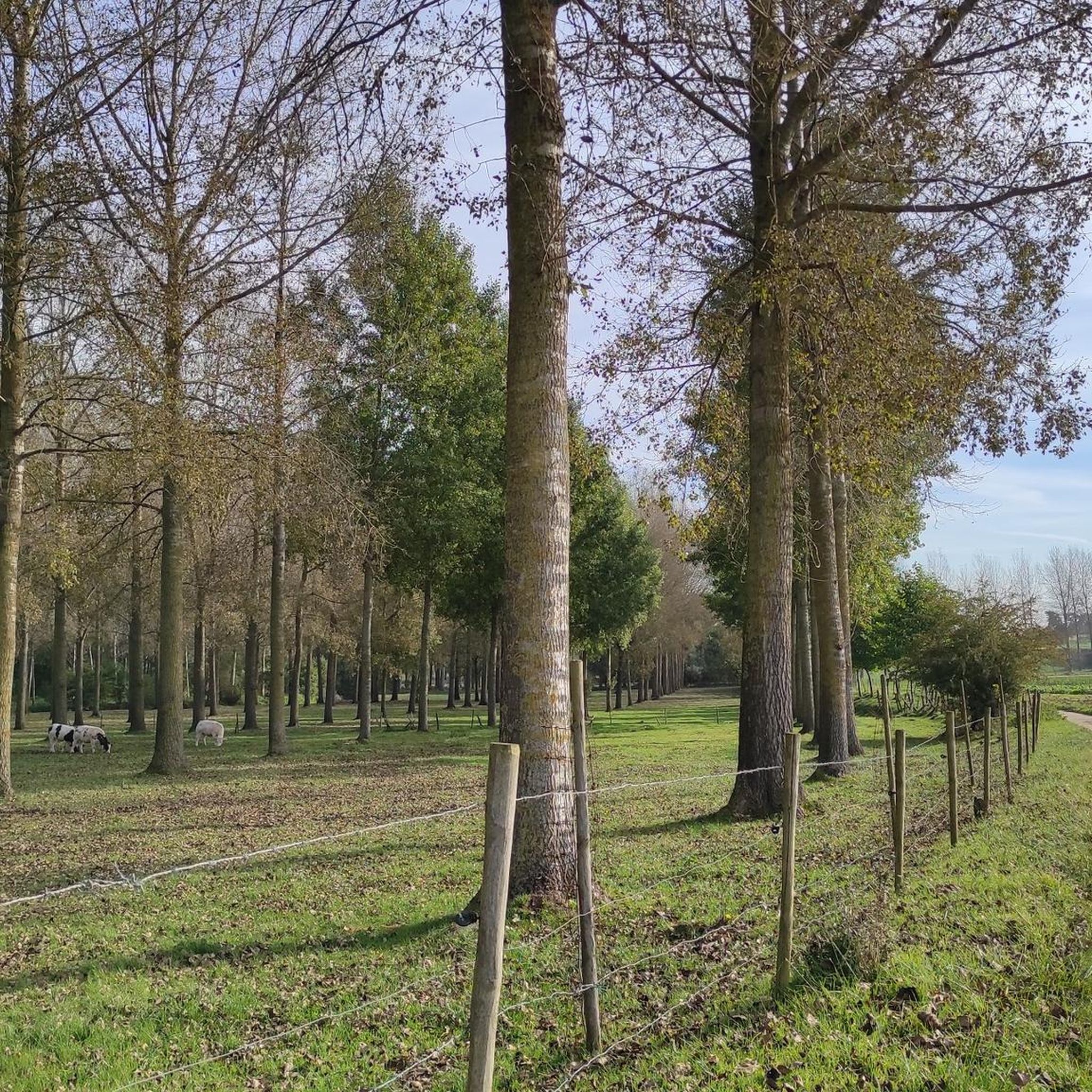
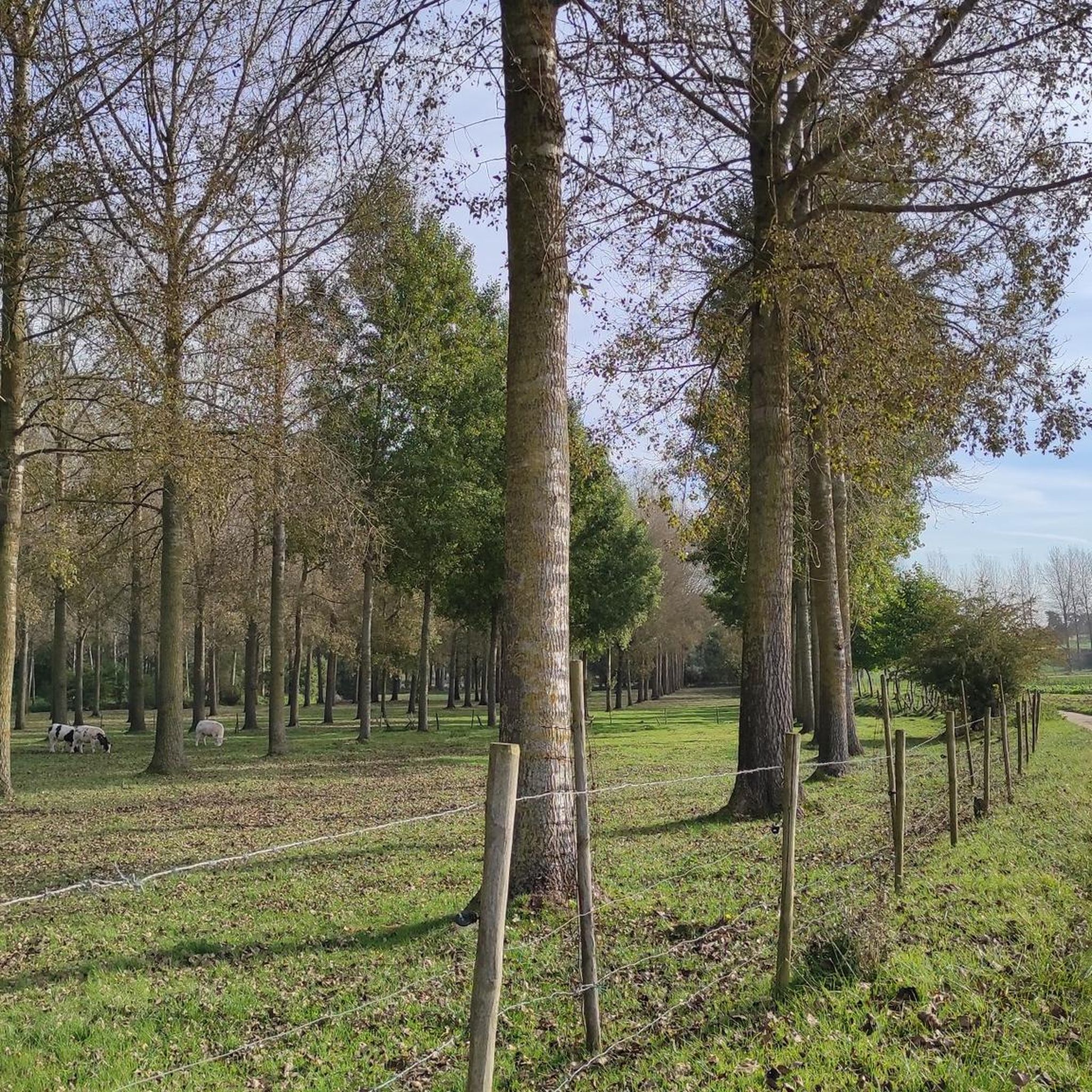
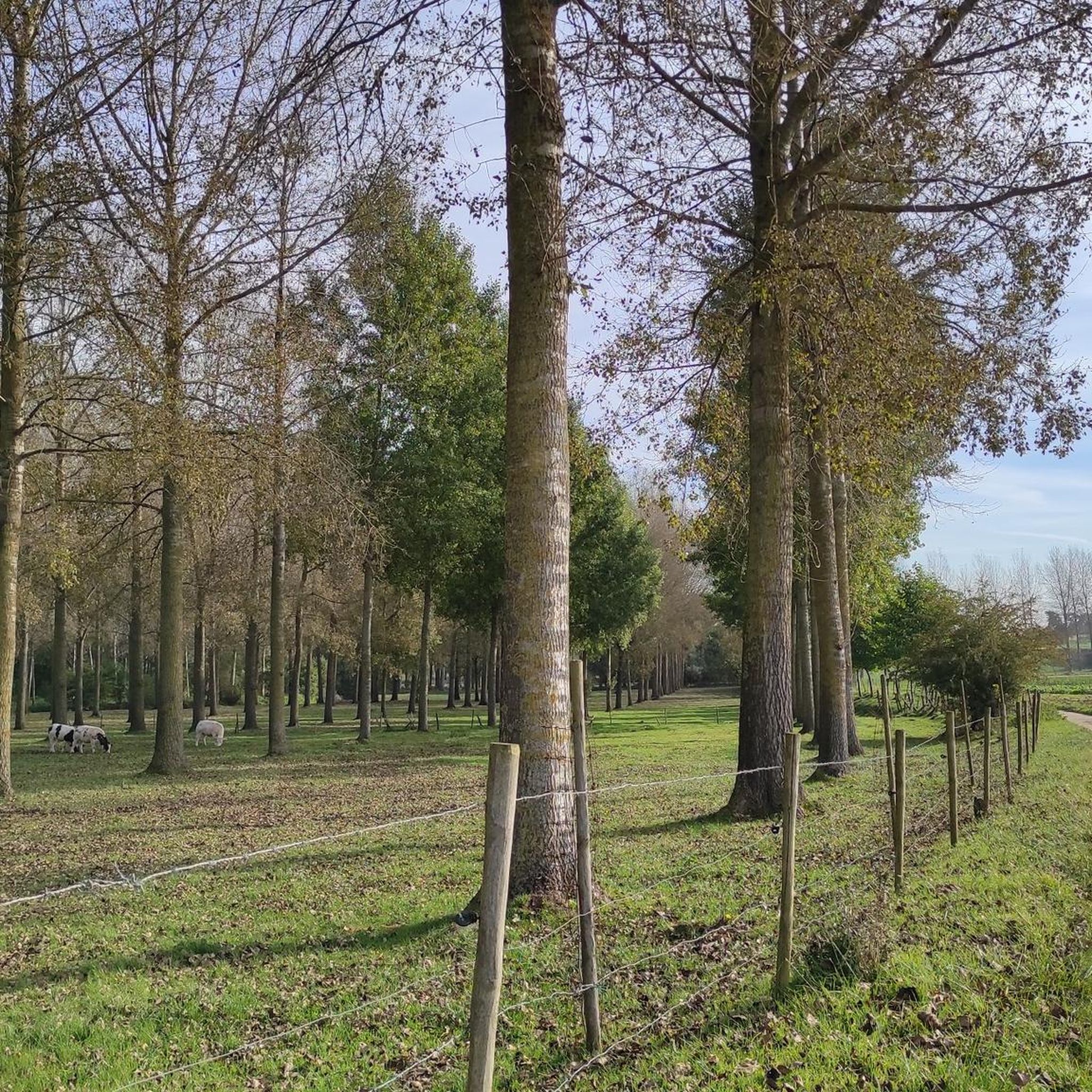
Deciduous forest traversed by the Hornebeek stream. In recent decades, it has dried out considerably, especially during the summer, with the stream also drying up because the Water Group operates a drinking water extraction facility here. This permit is expiring so the stream and wet forest can slowly recover.
1
0
Through the Hornebos forest of deciduous trees and shrubs. Nature management here means "leave everything that falls or blows over." The Hornebeek stream accompanies you along the avenue. The first source immediately runs to the left of the road, while the second source emerges 200m from the right, passing under the road, where they continue together.
1
0

With luck, spot a deer?!
1
1

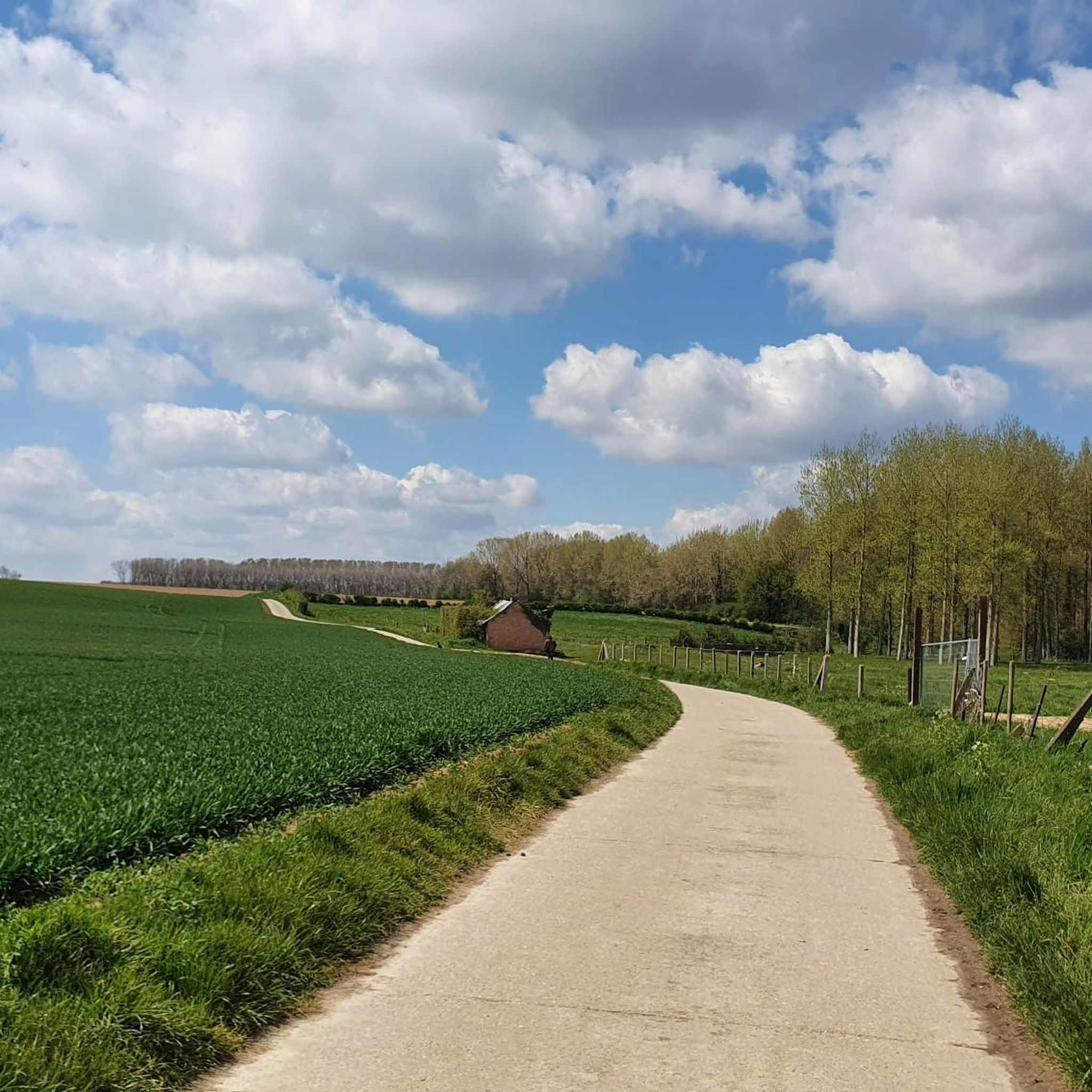
Thanks to various valuable vegetation, hikers will definitely find something to their liking in this nature reserve. But this stream valley is also the perfect place for bird watching. Moreover, from the lookout tower you have a view over a beautiful part of the Herkwinning area. The cross-pollination between natural development and good nature management ensures that this is a diverse and valuable piece of greenery.
6
1
This deciduous forest, one of the few in Droog-Haspengouw, originally belonged to the domain of Bovelingen Castle. The forest is rich in plants, including Slender Primrose and Giant Beetle Orchid. The highest point is about 130 meters above sea level. From there you have a beautiful view over the clay plateau of Haspengouw. There are sunken roads in the forest. The Peterkerebrukensloop originates in the forest, which flows into the Herk. An underground tunnel connected this stream with the castle ponds. In 1980, this forest was purchased by the Agency for Nature and Forests. Then the damp parts were overgrown with poplar and Norway spruce. In 1985 these trees were replaced by more natural vegetation, and in 2002 a further 15 hectares, bordering the forest, were planted with trees.
3
1
You can also explore the Overbroek-Egoven nature reserve under the guidance of a guide. More information: https://www.natuurpunt.be/natuurgebied/overbroek-eoven
4
0

The Hornebos was once part of the Bovelingen castle grounds and is now highly recommended. Especially the diversity of the views, which are available for historical and forest management reasons, make it really worthwhile. Some parts also have a fairytale-like feel. Perhaps that is why the municipality of Rukkelingen-Loon launched a fairytale walk for smaller walkers in April this year - with an educational side. They can now go out with the Grondelingers, while Komoters can, for example, do one of the "Hidden Beautiful Hornebos" walks: https://www.wandeleninlimburg.be/nl/routes/3378294/
7
0
The badger path that runs along the former railway line provides you with access to this lookout tower. But what is he looking forward to? You will mainly see part of the De Herkwinning nature reserve and stream area, which you can read more about here: https://www.natuurenbos.be/herkwinning The beautifully restored, historically important Hoeve Herkwinning is also nearby. And at the entrance to the viewing platform, benches await you and - in addition to the information board about what you see on the platform - you will find two additional information boards, specifically about Railway 23 and the Mombeek Valley.
7
0
Frequently Asked Questions
What are some of the most popular natural monuments around Crisnée?
Visitors frequently enjoy the Overbroek Nature Reserve, known for its unique flora including wild daffodils and rare plants. Another popular spot is the Observation tower Nature reserve De Herkwinning, which offers excellent bird watching opportunities. Additionally, Heks Castle, with its historical gardens and landscape park, is highly appreciated for its beauty and cultural significance.
What kind of natural features can I expect to see in Crisnée?
Crisnée offers a diverse range of natural features. You can explore protected areas like the Overbroek Nature Reserve with its calcareous grasslands, poplar forests, wet meadows, and reed beds. The region also features historical estates with extensive gardens, such as those at Heks Castle, and established forests like Horne Forest, which is known for its varied flora and peaceful atmosphere.
Are there any historical or cultural natural monuments in Crisnée?
Yes, Crisnée features several sites with historical and cultural significance. Heks Castle is a prime example, with its 18th-century origins, period gardens, and landscape park. The gardens, especially the rose garden, are historically preserved. Additionally, Crisnée is home to a protected "Horse chestnut tree and border marker," which signifies historical land divisions and local heritage.
Are there family-friendly natural attractions in Crisnée?
Many natural monuments around Crisnée are suitable for families. The Overbroek Nature Reserve and the Observation tower Nature reserve De Herkwinning are great for exploring nature and bird watching. Horne Forest also offers a fairytale walk designed for smaller children, making it an engaging option for families.
What is the best time of year to visit the natural monuments around Crisnée?
The best time to visit depends on what you wish to experience. Spring (April to May) is ideal for seeing the horse chestnut trees in bloom and wild daffodils in the Overbroek Nature Reserve. The gardens of Heks Castle are open to the public on specific weekends in June and September, which are excellent times to see the roses. Autumn offers beautiful foliage in areas like Horne Forest and the chance to find conkers.
Are there any protected natural areas in Crisnée?
Yes, Crisnée is home to several protected natural areas. The Overbroek Nature Reserve is protected at the European level as part of the Natura 2000 area "Forests and Calcareous Grasslands of Haspengouw." Additionally, a specific "Horse chestnut tree and border marker" within Crisnée is officially recognized as a protected heritage site, highlighting its local importance.
Are there any viewpoints to enjoy the scenery around Crisnée?
Yes, the Observation tower Nature reserve De Herkwinning provides excellent views over a beautiful part of the De Herkwinning nature reserve and stream area, perfect for bird watching. Horne Forest also offers diverse views and scenic spots throughout its trails.
What outdoor activities can I do near the natural monuments in Crisnée?
Beyond visiting the natural monuments themselves, you can enjoy various outdoor activities. There are numerous hiking trails around Crisnée, including easy and moderate options like the "Water retention basin on the Jeker – Mariagrot loop." For cyclists, there are MTB trails and running routes that explore the local countryside.
Are there hiking trails near these natural monuments?
Absolutely. Many natural monuments are integrated into or are close to hiking trails. For example, the Observation tower Nature reserve De Herkwinning is accessible via the badger path. You can find a variety of hiking routes around Crisnée, ranging from easy to moderate, such as the "Water retention basin on the Jeker loop from Herstappe" or the "Mariagrot loop from Crisnée."
Are the natural monuments around Crisnée suitable for dog walking?
While specific rules for each site may vary, many natural areas and trails around Crisnée are generally dog-friendly. For instance, Horne Forest is a good option for walks with your dog. It's always advisable to keep dogs on a leash, especially in nature reserves like Overbroek Nature Reserve, to protect local wildlife and flora.
What do visitors enjoy most about the natural monuments around Crisnée?
Visitors particularly enjoy the tranquility and natural beauty of the area. The unique flora in places like Overbroek Nature Reserve, the historical charm of Heks Castle's gardens, and the diverse landscapes of Horne Forest are frequently praised. The opportunity for bird watching from the Observation tower Nature reserve De Herkwinning is also a highlight for many.
Are there any hidden natural gems near Crisnée?
Beyond the well-known sites, the region's smaller, protected natural heritage sites, such as the "Horse chestnut tree and border marker," offer a glimpse into Crisnée's unique local history and natural preservation efforts. Exploring the less-traveled paths within areas like Horne Forest can also reveal peaceful, secluded spots and diverse flora.
Most popular routes around Crisnée
Most popular attractions around Crisnée

Get inspired with the komoot mobile app


Explore more
Extend your search for the best caves by checking out these guides of the top ones around Crisnée:
