The best cycling routes around Langenzersdorf
4.5
(1912)
10,874
riders
21
rides
Touring cycling around Langenzersdorf offers diverse landscapes at the foot of the Bisamberg hill, with direct connections to Vienna and the Danube. The region is characterized by flat, well-developed paths along the Danube and Marchfeld Canal, as well as rolling hills and vineyards in the southern Weinviertel. Cyclists can explore a mix of fields, forests, and riverside scenery, providing varied terrain for different preferences.
Best touring cycling routes around Langenzersdorf
- The most popular touring cycling route is Wine cycle route…
Last updated: October 10, 2026
4.3
(45)
172
riders
47.1km
02:55
350m
350m
Moderate bike ride. Good fitness required. Mostly paved surfaces. Suitable for all skill levels.
4.2
(18)
80
riders
61.7km
04:29
70m
70m
Moderate bike ride. Good fitness required. Mostly paved surfaces. Suitable for all skill levels.

4.9
(16)
224
riders
Moderate bike ride. Good fitness required. Mostly paved surfaces. Suitable for all skill levels.
5.0
(7)
48
riders
77.5km
04:57
670m
670m
Hard bike ride. Very good fitness required. Mostly paved surfaces. Suitable for all skill levels.
19
riders
Easy bike ride. Great for any fitness level. Mostly paved surfaces. Suitable for all skill levels.
Get access to more routes and recommendations from other explorers.
Already have an account?
Our route recommendations are based on thousands of hikes, rides, and runs completed by other people on komoot.
Start today with a free account
Your next adventure awaits.
Popular around Langenzersdorf
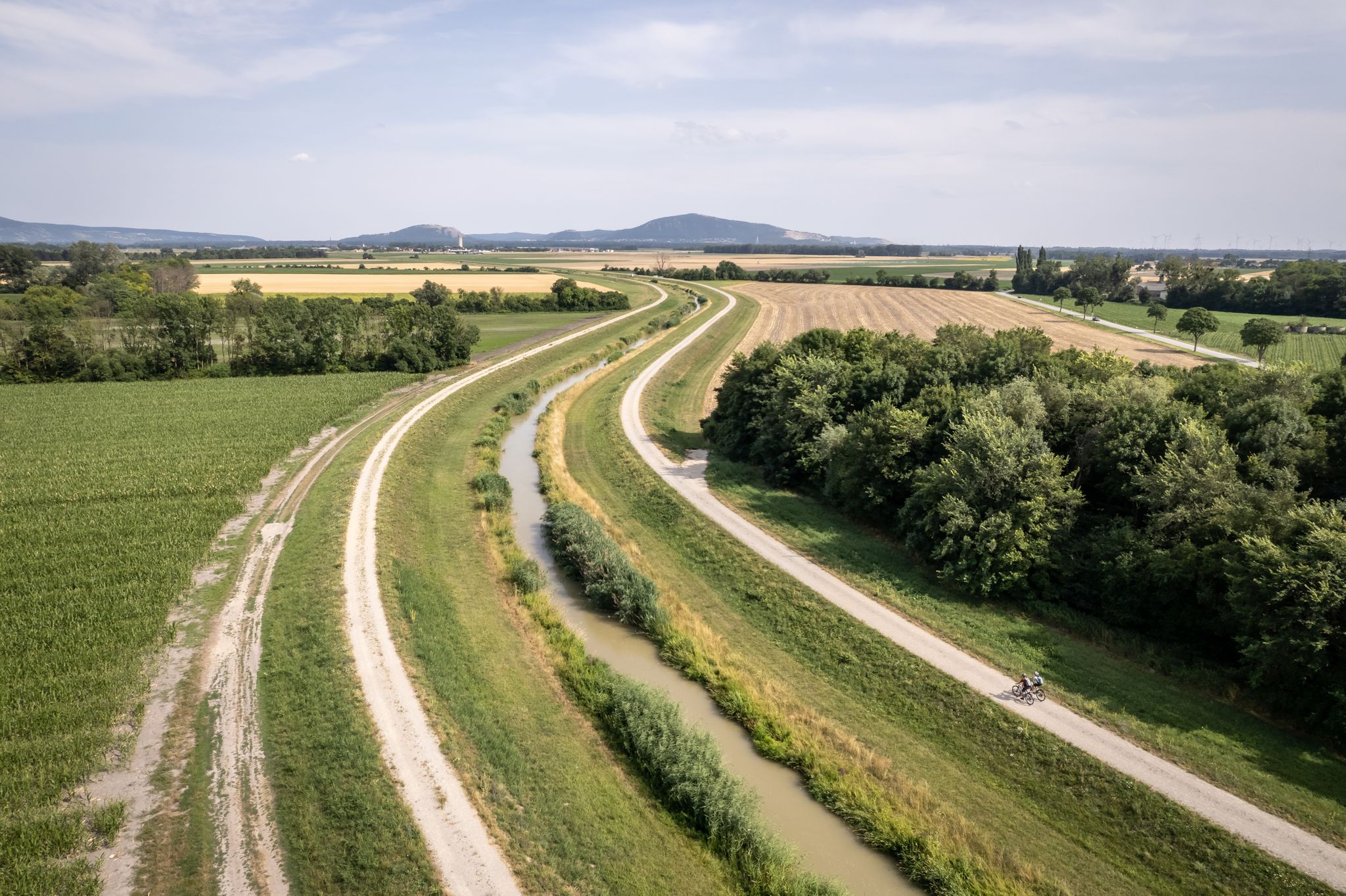
To the Weinviertel! – joyous cycling on Vienna's doorstep
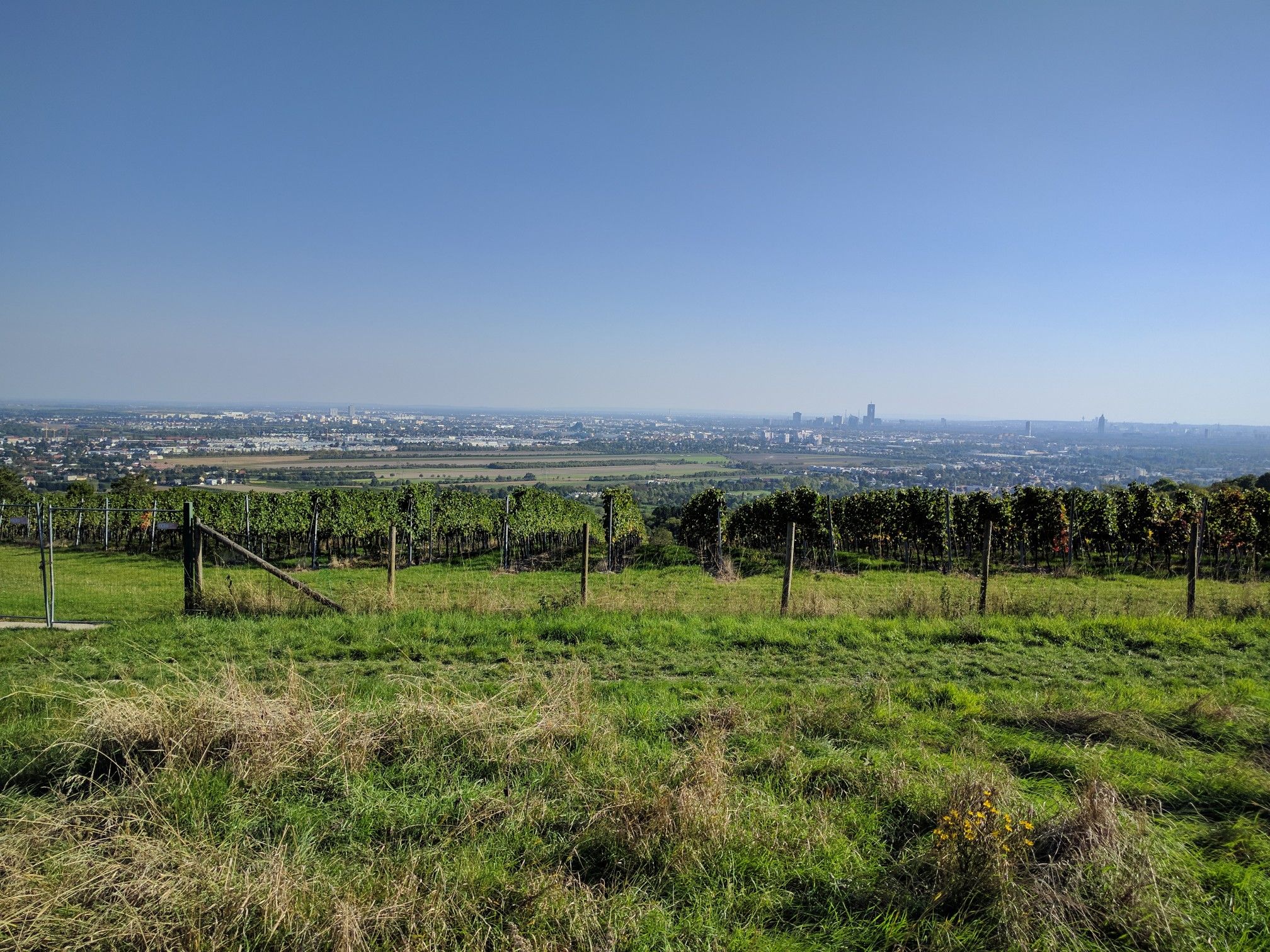
Hiking between Vienna and the Vineyards
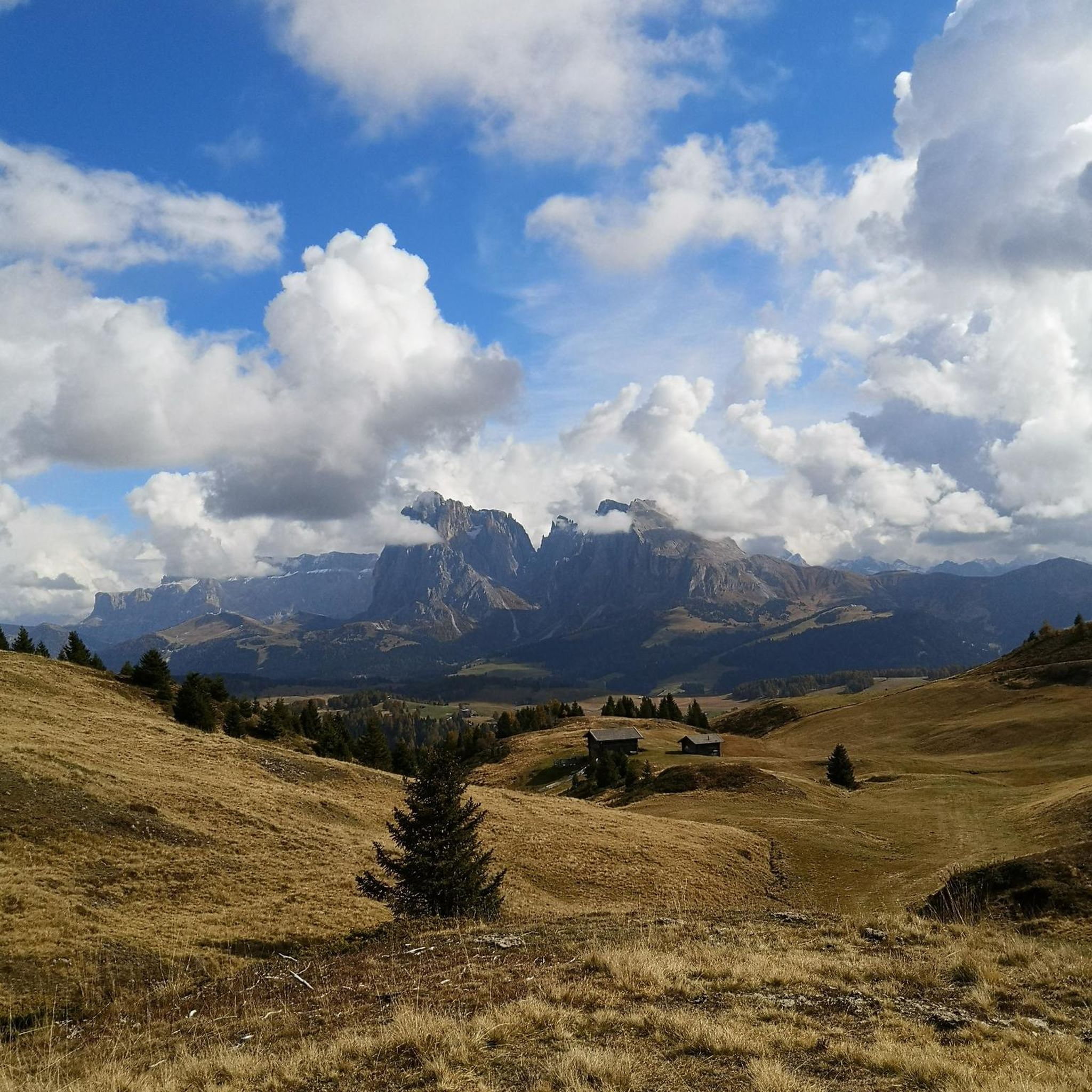
Gravel biking around Langenzersdorf
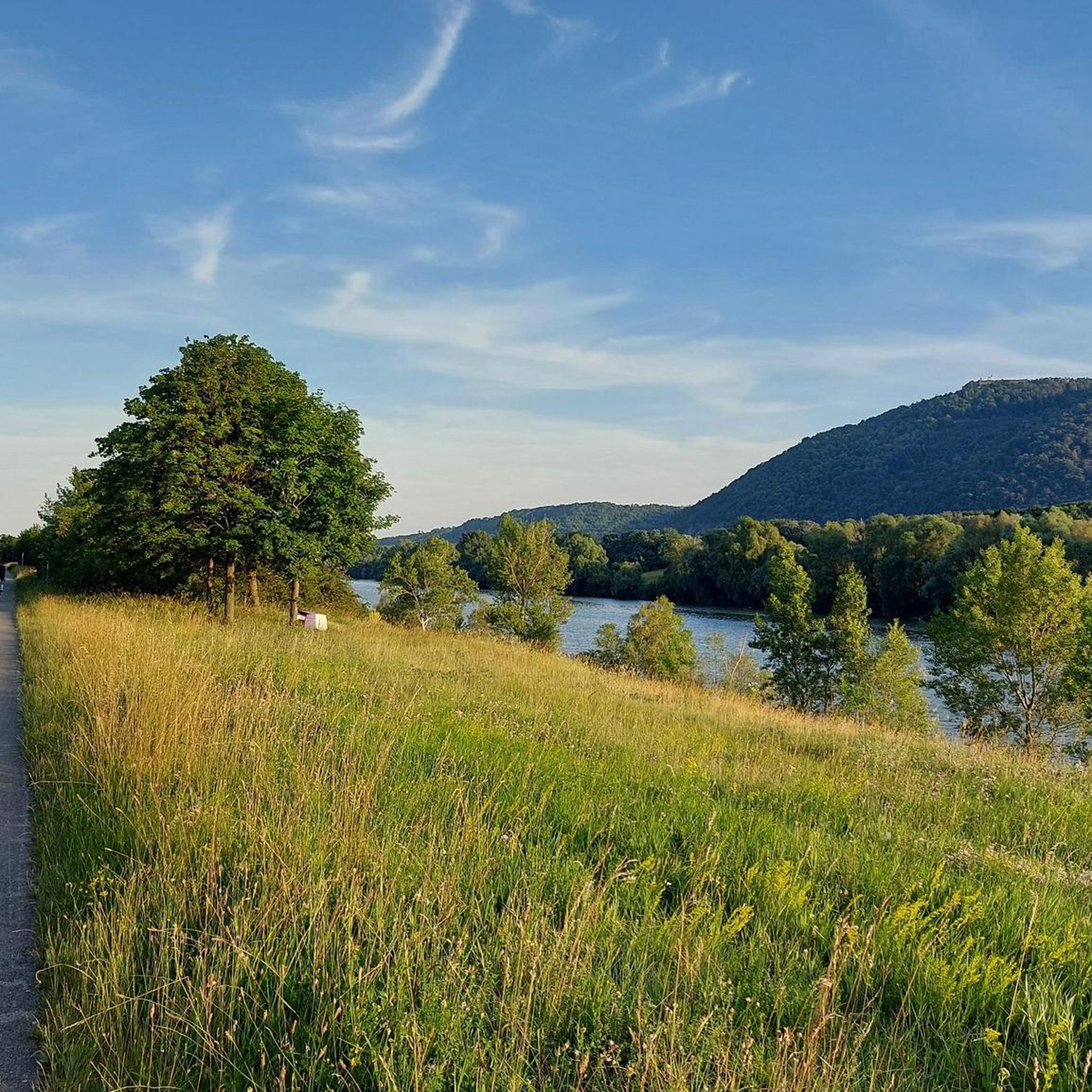
Hiking around Langenzersdorf
Road Cycling Routes around Langenzersdorf
Running Trails around Langenzersdorf
MTB Trails around Langenzersdorf

Mountain Hikes around Langenzersdorf


Tips from the Community

Rest stop with beautiful view
0
0

The Kellergasse begins at the intersection of Clessgasse – Hagenbrunner Straße and leads steeply uphill to the north. In numerous cellars, it repeatedly says „Ausg’steckt is“.
3
0
The contract for the construction of the Reichsrat building was awarded to Hansen as a result of a competition announced by the k. k. Ministry on October 12, 1864 (participants Heinrich Ferstel, Theophil Hansen and Friedrich Schmidt as well as Ignaz Ullmann [Prague], August Ottmar von Essenwein [Graz] and Nikolaus Ybl [Pest]). The building, created by him from 1874 to 1883 in Hellenistic forms (foundation laid on September 2, 1874), shows rich articulation and is adorned externally with sculptures and paintings; Hansen himself explained the choice of architectural style (thereby simultaneously fulfilling his wish to erect a monumental building in this style) by stating that the roots of democracy were to be found in the Greek polis.
4
0

Probably the most beautiful waste incineration plant
0
0

The „Hundertwasser Power Plant“ is officially the Spittelau waste incineration plant (MVA) in Vienna's 9th district. It is one of Vienna's most famous landmarks and a prime example of how to reconcile necessary industry with art and environmental protection.
1
0

From the cycle path at the northern tip of Danube Island, there is a particularly clear and open view of Leopoldsberg. Where Danube Island ends and the view opens up upstream, Leopoldsberg rises prominently above the river and, together with the neighboring Kahlenberg, forms the distinctive boundary of the Vienna Woods. The church and the walls of the former fortifications on the summit are clearly visible from this perspective.
1
0
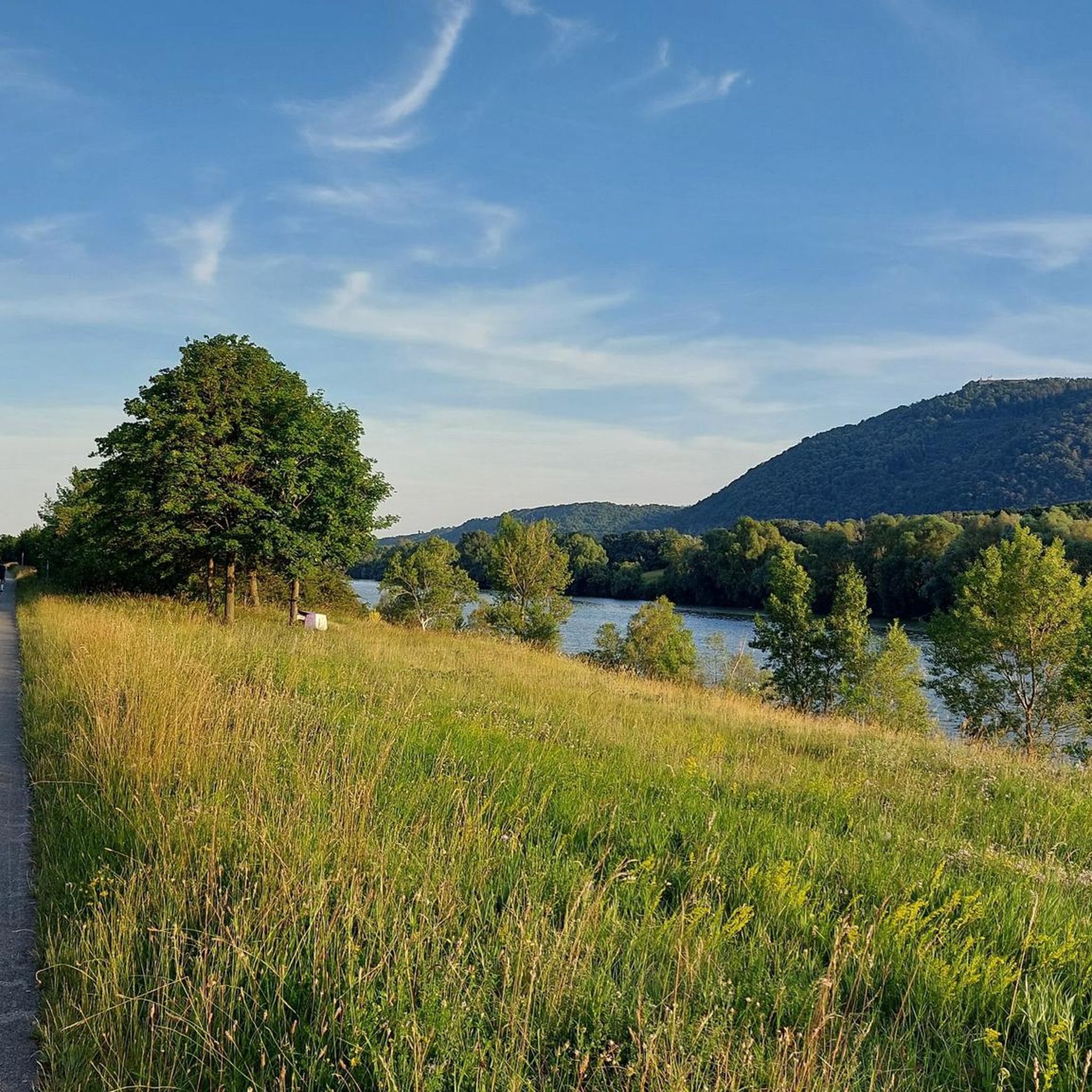
From this spot, you have beautiful views of the Kahlenberg and Leopoldsberg hills. Particularly along the shoreline, several viewpoints offer opportunities to admire the hills and the surrounding landscape. The view is a popular highlight for cyclists. Just take a short break, enjoy the view, and capture the stunning perspectives.
1
0

The Spittelau Waste Incineration Plant in Vienna is a fascinating example of the combination of functionality and art, designed by the famous Austrian artist Friedensreich Hundertwasser. Here are some interesting aspects of this unique facility: 1. Architecture: - The waste incineration plant was built between 1988 and 1992 and is characterized by its artistically designed façade, which Hundertwasser designed after a major fire in 1989. - The striking 120-meter-high chimney tower is a central design element and makes the plant a popular photo subject in Vienna. 2. Functionality: - The plant has a total installed capacity of 460 MW and plays an important role in waste management and energy generation in Vienna. - It converts waste into energy, thus contributing to the city's sustainable energy supply. 3. **Visitor Services**: - Guided tours of the plant's exterior and interior are offered, giving visitors insight into the innovative technology and artistic design. - The **Hundertwasser district heating system** is another highlight that illustrates the connection between art and energy supply. 4. **Cultural Significance**: - The waste incineration plant is not only a functional building, but also a symbol of the creative integration of art into architecture and urban planning. - It demonstrates how industrial facilities can be designed in an aesthetically pleasing way to enhance the cityscape. The Spittelau waste incineration plant is thus an impressive example of modern architecture that is both environmentally friendly and artistically valuable.
4
1
Frequently Asked Questions
How many touring cycling routes are available around Langenzersdorf?
Langenzersdorf offers a diverse network of over 20 touring cycling routes. These routes cater to various skill levels, including easy, moderate, and difficult options, allowing cyclists to explore the region's unique landscapes.
What kind of terrain can I expect on touring cycling routes in Langenzersdorf?
The terrain around Langenzersdorf is quite varied. You'll find flat, well-developed paths along the Danube and the Marchfeld Canal, perfect for relaxed rides. As you venture towards the southern Weinviertel and the Bisamberg, the routes transition to rolling hills and vineyards, offering a mix of challenges and scenic beauty.
Are there any easy touring cycling routes suitable for beginners in Langenzersdorf?
Yes, Langenzersdorf has 4 easy touring cycling routes, ideal for beginners or those seeking a relaxed ride. An excellent option is the View of the Danube – Korneuburg Market Square loop from Bisamberg, which offers gentle gradients and pleasant views.
Can I find circular touring cycling routes in the Langenzersdorf area?
Absolutely. Many routes in the region are designed as loops, allowing you to start and end in the same location. For example, the Vienna City Hall – View of Leopoldsberg loop from Langenzersdorf is a popular circular route that combines urban and natural landscapes.
What are some scenic viewpoints or landmarks I can discover along the cycling routes?
The region is rich in scenic spots. The Bisamberg hill offers breathtaking views over Vienna and the Danube. Along the routes, you might encounter historical points of interest like the Leopoldsberg Castle or the picturesque Greifenstein Danube Oxbow. The vineyards of the Weinviertel also provide a beautiful backdrop.
Are there family-friendly cycling options in Langenzersdorf?
Yes, the flat and well-developed paths along the Danube and the Marchfeld Canal are particularly suitable for families. The Marchfeld Canal cycle route, for instance, offers a relaxed ride through quiet areas, making it a great choice for a family outing.
What natural features define the cycling experience in Langenzersdorf?
The cycling experience in Langenzersdorf is largely defined by its proximity to the Danube River, the prominent Bisamberg hill, and the extensive vineyards of the Weinviertel. You'll cycle through a mix of oak-mixed forests, meadows, fields, and along the riverside, offering diverse natural beauty.
Is it possible to combine cycling with wine tasting in Langenzersdorf?
Definitely! Langenzersdorf marks the beginning of the southern Wine Road Weinviertel. Many cycling routes, such as the Wine cycle route – Danube-Veltliner, wind through charming wine cellar lanes and vineyards. This provides an excellent opportunity to stop at local wine taverns (Heurigen) and enjoy regional culinary delights.
What do other touring cyclists enjoy most about cycling in Langenzersdorf?
The area is highly rated by the komoot community, with an average score of 4.5 stars from over 1700 reviews. Cyclists often praise the diverse landscapes, the well-maintained paths along the Danube, and the charming vineyard routes. The accessibility from Vienna and the variety of routes for all skill levels are also frequently highlighted.
Are there any challenging touring cycling routes for experienced cyclists?
For experienced cyclists seeking a challenge, Langenzersdorf offers 7 difficult routes. The Bottle sculptures – Würnitzer Teich loop from Bisamberg is a demanding option with significant elevation gain, taking you through varied terrain and offering a rewarding experience.
Can I access the cycling routes using public transport?
Langenzersdorf is well-connected to Vienna's public transport network, making it easy to reach with your bike. The extensive cycle path network provides direct connections to Vienna and the Danube Island, allowing for convenient access to many starting points.
Are there places to eat and drink along the cycling routes?
Yes, especially in the Weinviertel region, you'll find numerous traditional wine taverns (Heurigen) where you can enjoy local food and wine. Along the Danube and in the towns, there are also cafes and restaurants to refuel during your ride.
What is the best time of year for touring cycling in Langenzersdorf?
The spring and autumn months generally offer the most pleasant conditions for touring cycling in Langenzersdorf, with mild temperatures and beautiful scenery. Summer is also popular, especially for rides along the Danube, though it can be warmer. Winter cycling is possible on cleared paths, but some routes might be less accessible.
Most popular routes around Langenzersdorf
Most popular attractions around Langenzersdorf

Get inspired with the komoot mobile app


Explore more
Browse the best Cycling routes in other regions.
