Top 12 Natural Monuments around Davagna
Natural monuments around Davagna are primarily found within the Ligurian Apennines, offering access to diverse landscapes. Davagna is situated within the Metropolitan City of Genoa, providing a starting point for exploring the region's natural features. The area is characterized by mountain peaks, extensive forests, and panoramic viewpoints. These natural attractions draw visitors seeking outdoor recreation and scenic vistas.
Best natural monuments around Davagna
- The most popular natural monuments is Monte Fasce Summit, a summit that offers views of the…
Last updated: August 22, 2026
Villetta Di Negro Park and Waterfall
Highlight • Parking
Translated by Google •
Tip by

Monte Fasce Summit
Highlight • Summit
Translated by Google •
Tip by

Sign up now to discover places like this
Get recommendations on the best single tracks, peaks, & plenty of other exciting outdoor places.
Sign up for free
Monument to the Redeemer
Highlight • Monument
The view of Recco and the …
Translated by Google •
Tip by
Summit of Monte Bado
Highlight • Summit
The view ranges from the Ligurian hinterland to the western Alps on one side to …
Translated by Google •
Tip by
Lake Val Noci
Highlight • Lake
Translated by Google •
Tip by

Sign up for free to discover even more natural monuments around Davagna.
Sign up for free
Already have an account?
Start today with a free account
Your next adventure awaits.
Login or Signup
Tips from the Community

Can you swim in this lake or not, because it is a reservoir? Best regards:)
0
0

Villetta Di Negro, for many Genoese “Dinegro” just to save space, is a municipal park in the center of the city of Genoa, on a small hill overlooking Piazza Corvetto and Piazzale Mazzini, partially covered with the bastions, called “Luccoli”, the walls dating back to the 17th century. The villa was built at the beginning of the 19th century by the Marquis Gian Carlo Di Negro and the park was decorated both with tall trees and paths with flowerbeds leading to the main villa, from which the view extended to the sea, with the presence of numerous statues, in keeping with the classical style of the period. In the second half of the 19th century, after the death of the Marquis Di Negro, the complex was bought by the City of Genoa and the villa was used as the Botanical Garden of the University of Genoa. During the bombings of World War II, the villa was practically destroyed except for the terrace overlooking the buildings in Piazza Fontane Marose, and in the following years it was rebuilt in modern style to house the Edoardo Chiossone Museum of Oriental Art. In the period between the two world wars, the garden was enriched both with alien plants and with two artificial "caves", one large and one small. In addition, the waterfall was designed by creating overhangs and pools to make the flow of water more spectacular.
1
0

Going up from the asphalt side as you say, once at the top of the mountain, is there the possibility of continuing down the other side? Thank you
0
0

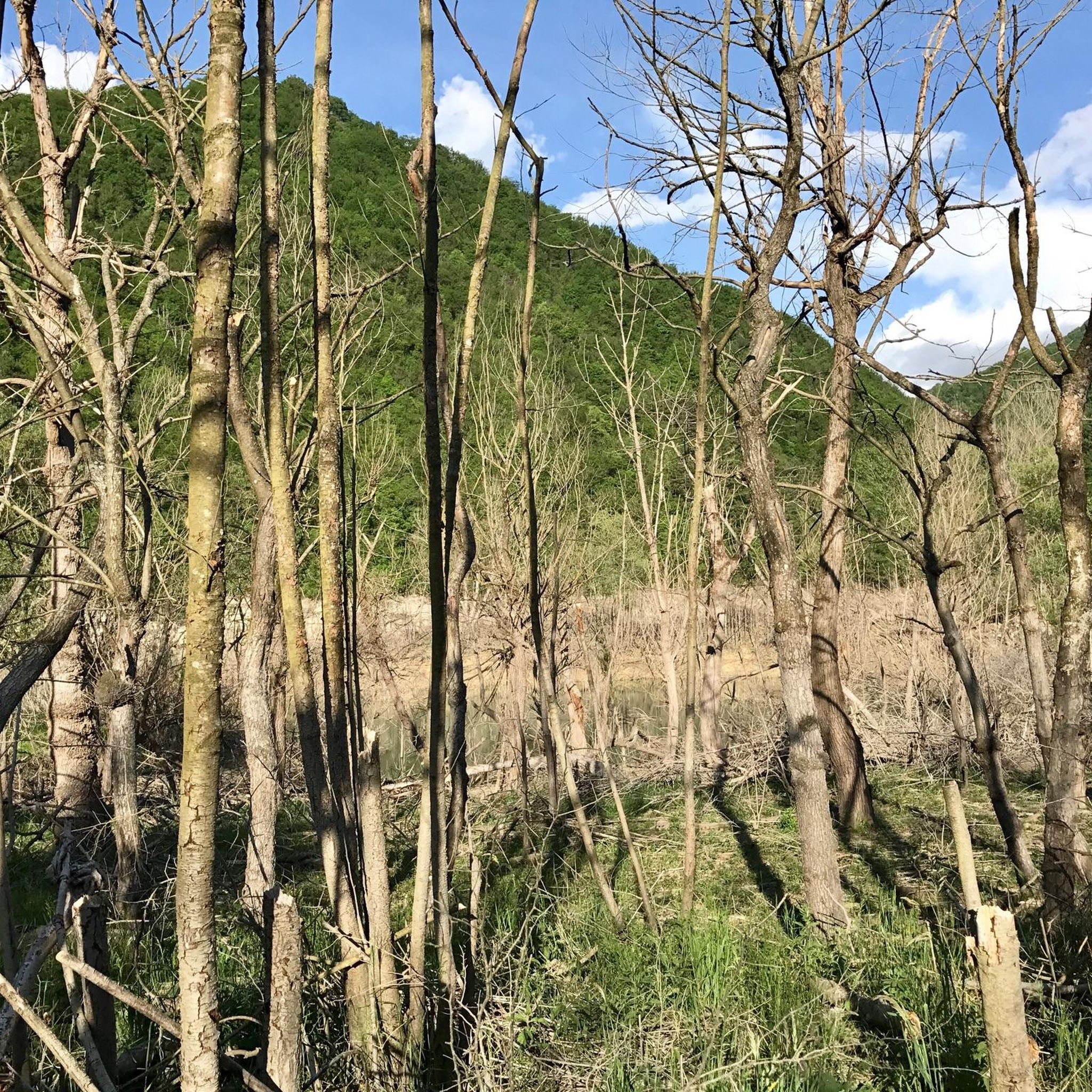
The Val di Noci lake is an artificial lake in the Ligurian Apennines located in the municipality of Montoggio. Maximum depth 42 meters
0
0

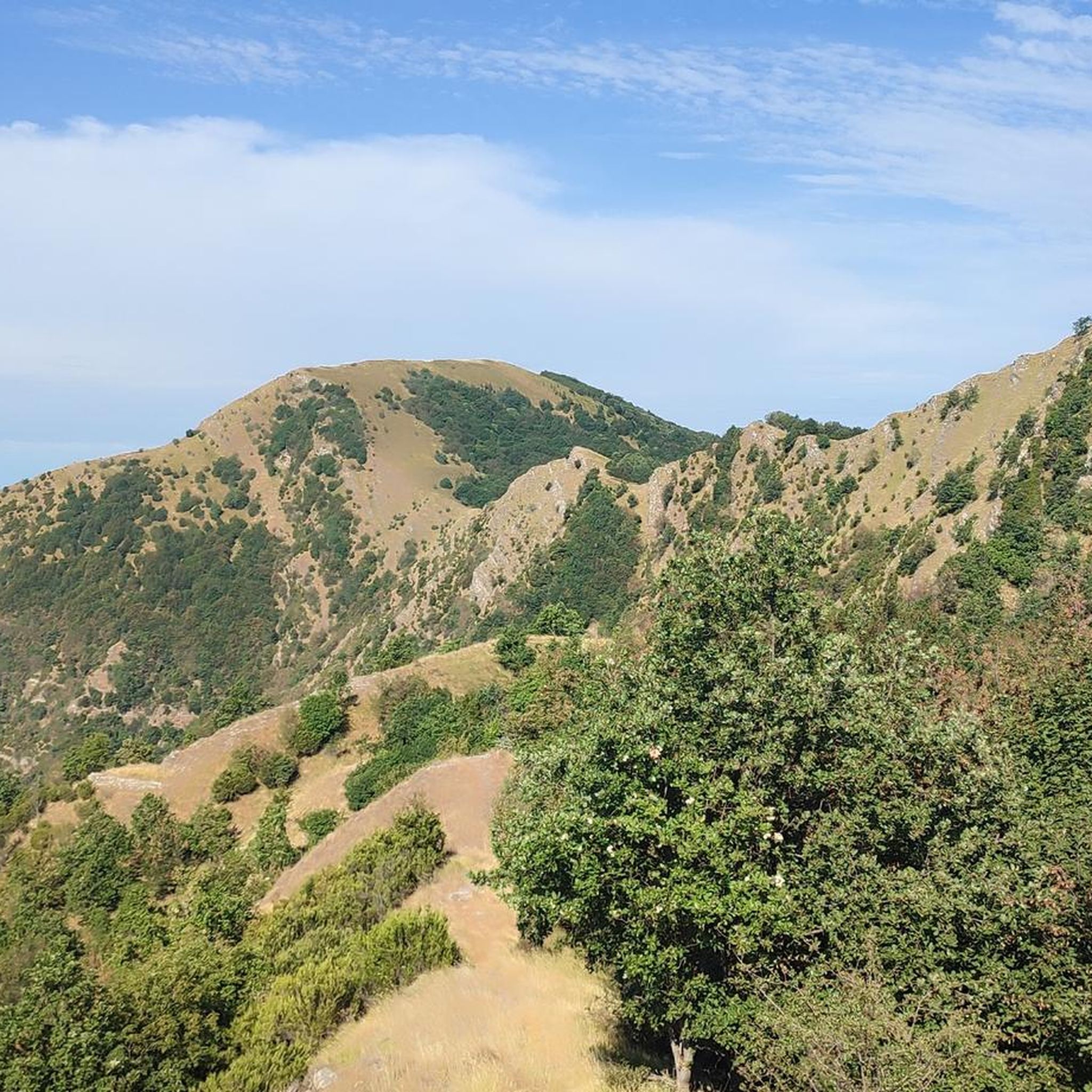
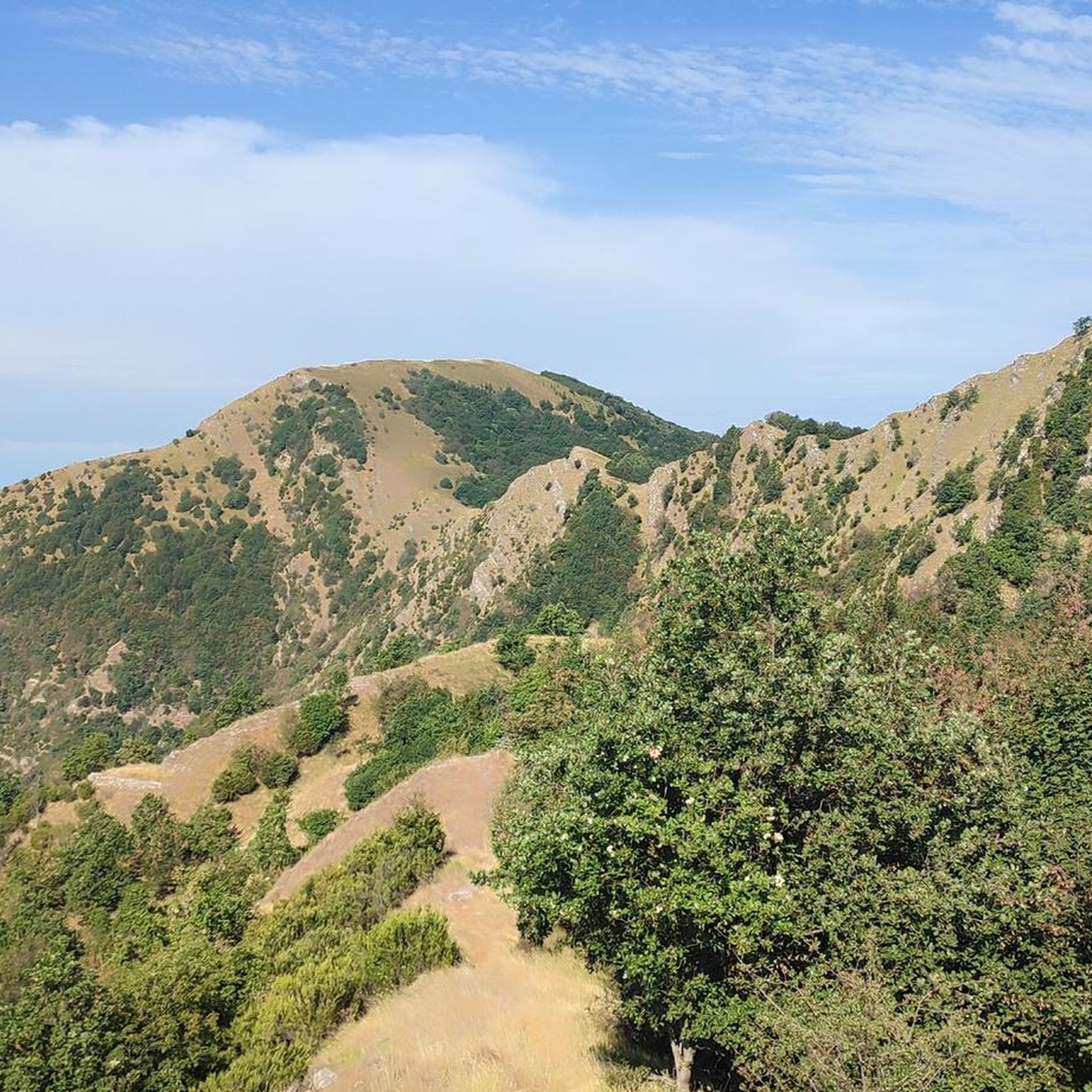
Monte Fasce (832 meters above sea level) is one of the symbols of the city of Genoa. The radio and television repeaters that occupy the long and narrow summit ridge are visible from all over the city. The name derives from the presence of white limestone layers that emerge among the grass and shrubs of its slopes and which give the mountain a "bands" appearance. From its top you can enjoy a splendid view of the Ligurian Riviera and the Apennines.
0
0

A beautiful public park with a waterfall. From here you have a good view over the city and the harbour. It is also an oasis of calm.
1
1

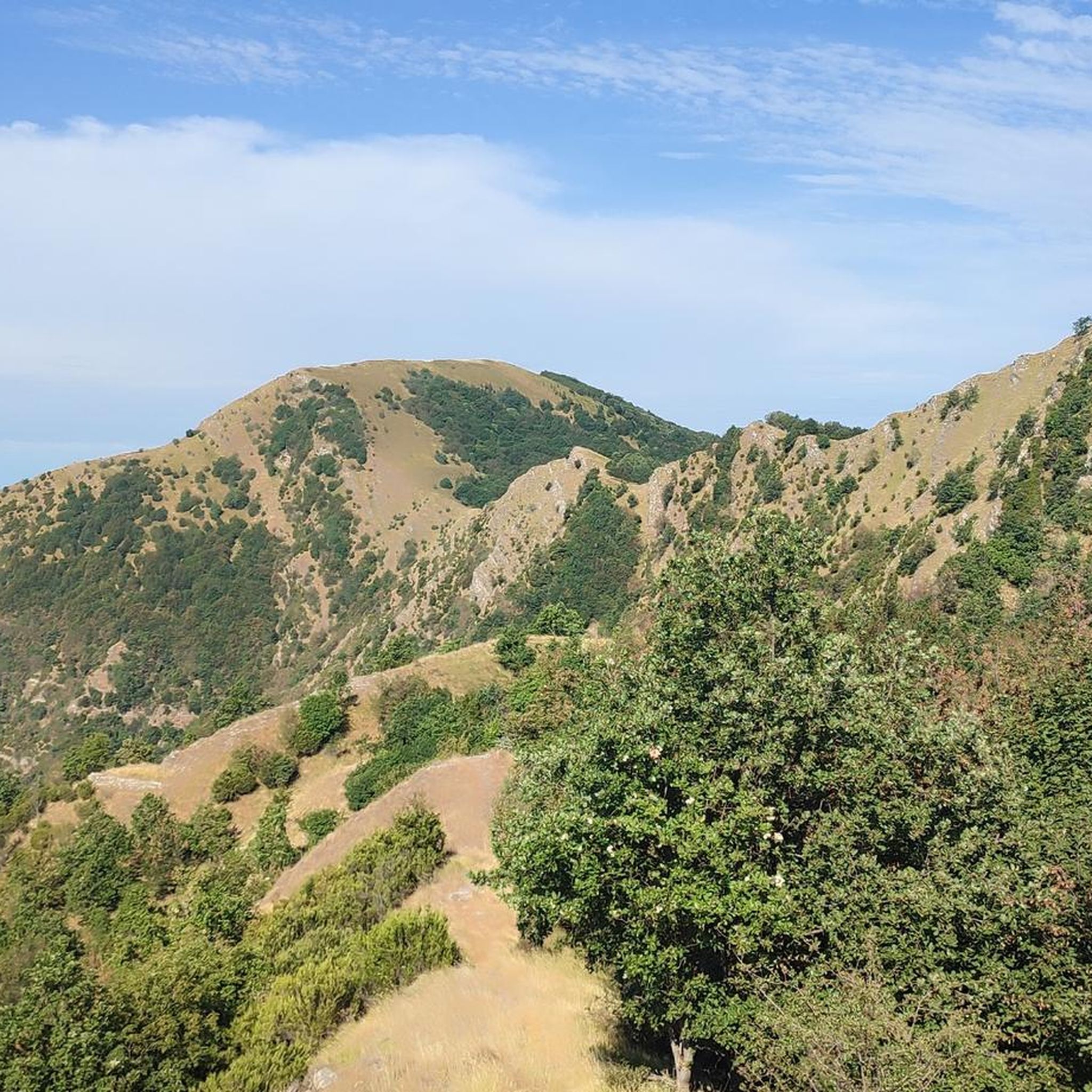
Top of 911 meters above sea level from where you can enjoy a spectacular view! The view ranges from the Ligurian hinterland to the western Alps on one side to the Gulf of Genoa and the east on the other. The well-marked path starts from the asphalted road that climbs after Cornua houses towards Genoa. Keeping to the right, the path begins after 500 meters. No difficulty. But be careful there are no water points. Stock up at Case Cornua.
0
0
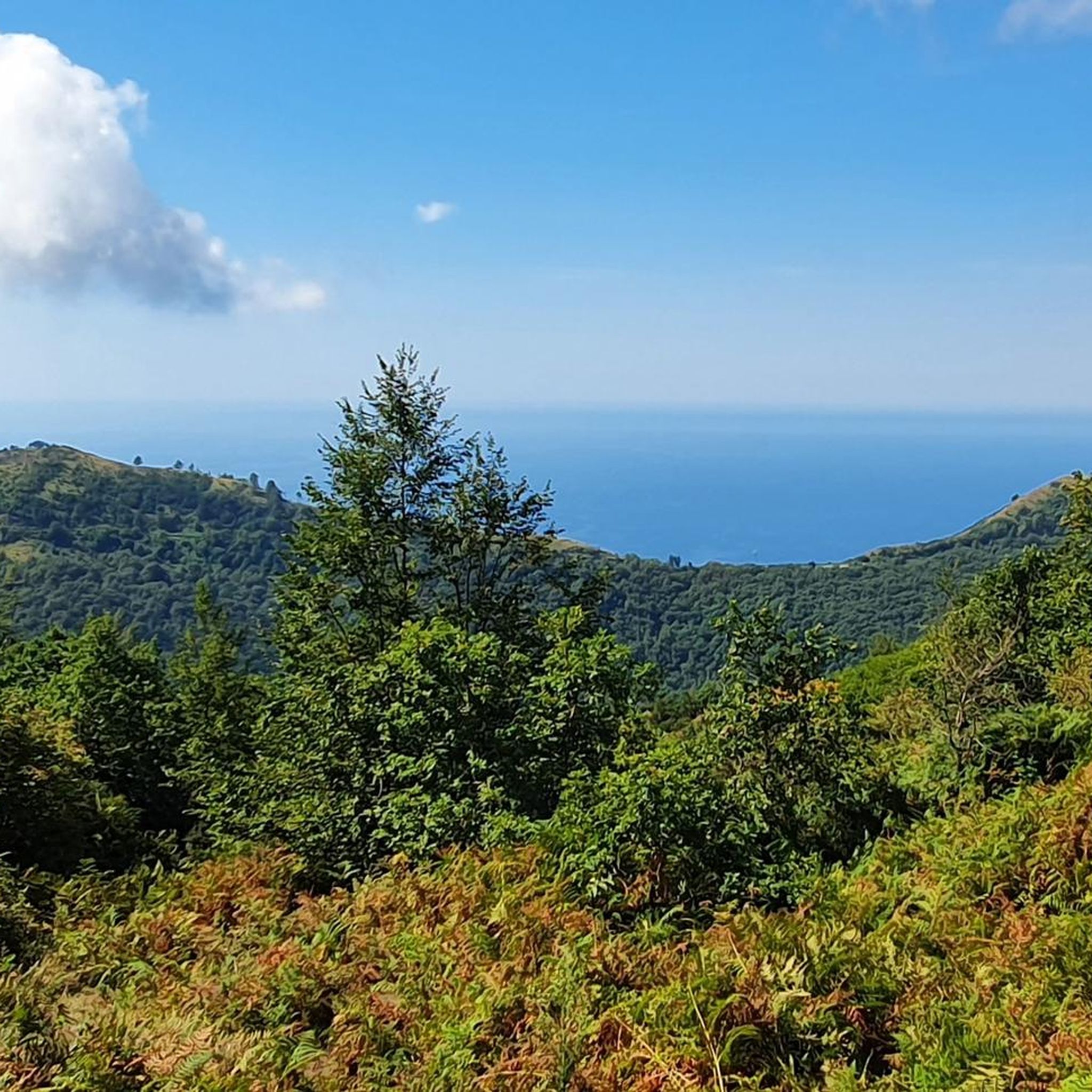
The monument to the Redeemer erected in 1966 is a real crossroads on the ridge that separates the Sori valley from the Golfo Paradiso. The view of Recco and the Portofino mountain is beautiful and rewarding. It can be reached from S. Apollinare above Sori or from Recco. Or even coming down from M.Cornua.
2
0
Frequently Asked Questions
What are some popular natural monuments to visit near Davagna?
While Davagna itself is a gateway, the surrounding Ligurian Apennines offer several notable natural monuments. You can explore the panoramic views from Monte Fasce Summit, which overlooks the Ligurian Riviera and the Apennines. Another popular spot is the Summit of Monte Bado, offering spectacular views ranging from the Ligurian hinterland to the Gulf of Genoa. For a unique experience, visit Villetta Di Negro Park and Waterfall in Genoa, an urban oasis with a designed waterfall and city views.
Are there any natural parks or protected areas near Davagna?
Yes, Davagna is an excellent starting point for exploring the Regional Natural Park of Antola. This protected area is characterized by extensive beech forests, diverse flora and fauna, and unique geological formations. It offers a serene environment for nature immersion and numerous hiking opportunities.
What kind of views can I expect from the natural monuments around Davagna?
The natural monuments in the area are renowned for their expansive vistas. From Monte Fasce Summit, you can enjoy panoramic views of Genoa, the Ligurian Riviera, and the Apennines. The Summit of Monte Bado provides a spectacular 360-degree outlook, stretching from the Ligurian hinterland to the western Alps and the Gulf of Genoa. Even the Monument to the Redeemer offers beautiful views of Recco and the Portofino mountain.
What outdoor activities can I do near these natural monuments?
The region around Davagna is ideal for various outdoor activities. You can find numerous running trails, including challenging routes like "From Torriglia to Monte Antola" within the Regional Natural Park of Antola. For cycling enthusiasts, there are many routes, such as the "Palazzo Fieschi, Casella – Passo della Scoffera loop." Road cyclists can also find suitable paths like the "San Cosimo di Struppa Church – San Martino di Struppa Church loop." You can find more details on these activities in the Running Trails around Davagna, Cycling around Davagna, and Road Cycling Routes around Davagna guides.
Are there any family-friendly natural attractions near Davagna?
Yes, Villetta Di Negro Park and Waterfall in Genoa is considered family-friendly. It's a municipal park with a designed waterfall, offering an oasis of calm and views over the city and harbor, suitable for a relaxed outing with children.
What is Monte Antola and why is it significant?
Monte Antola, standing at 1,597 meters, is a prominent peak in the Ligurian Apennines and is often called the "mountain of the Genoese." It's famous for its extensive floral displays, especially narcissus blooms in spring, and offers expansive 360-degree panoramic views that can reach the Ligurian coast, the Mediterranean Sea, and even the Alps on clear days. It's a popular destination for hikers, mountain bikers, and in winter, snowshoeing and skiing.
What is the best season to visit the natural monuments around Davagna?
The best time to visit largely depends on your preferred activity. Spring is particularly beautiful, especially around Monte Antola, when narcissus blooms blanket its meadows. Summer and early autumn are excellent for hiking and enjoying the panoramic views. Winter offers opportunities for snowshoeing and skiing in higher elevations like Monte Antola, though some trails might be more challenging due to snow and ice.
Are there any historical or man-made monuments integrated with the natural landscape?
Yes, the Monument to the Redeemer, erected in 1966, is a man-made monument located on a ridge that offers beautiful views of Recco and the Portofino mountain. Additionally, Monte Fasce Summit features radio and television repeaters that are visible from across Genoa, blending man-made structures with the natural summit.
What do visitors enjoy most about the natural monuments near Davagna?
Visitors frequently praise the breathtaking panoramic views, especially from summits like Monte Fasce and Monte Bado. The tranquility and natural beauty of areas like the Regional Natural Park of Antola are also highly valued. Many appreciate the diverse hiking opportunities and the sense of escape into nature, even close to urban areas.
Are there accommodations or places to eat near the natural monuments?
While Davagna itself offers local amenities, within the Regional Natural Park of Antola, the Rifugio Parco Antola near the summit of Monte Antola provides accommodation for those wishing to extend their visit. For other natural monuments, it's advisable to check for facilities in nearby towns or plan to bring your own provisions, especially for longer hikes.
What are the geological features of the natural monuments in this area?
The region is part of the Ligurian Apennines, characterized by diverse geological formations. Monte Fasce, for instance, gets its name from the white limestone layers that emerge on its slopes. The Regional Natural Park of Antola also features unique geological formations, including the spectacular rock formations of Savignone, contributing to the varied landscapes you can explore.
Are there any hidden gems among the natural monuments near Davagna?
While not strictly hidden, the Monte Lavagnola Summit is a less frequently mentioned peak compared to Monte Antola, yet it offers priceless views and is known for the pyramid on its top. It can be reached from Torriglia or the Portello Pass, providing a rewarding experience for those seeking a slightly different perspective of the Ligurian Apennines.
Most popular attractions around Davagna

Get inspired with the komoot mobile app


Explore more
Extend your search for the best caves by checking out these guides of the top ones around Davagna:
