Top 13 Natural Monuments around Saint-Christophe
Natural monuments around Saint-Christophe offer diverse natural attractions in the Aosta Valley. This region features alpine lakes, mountain passes, and unique geological formations. The landscape is characterized by its mountainous terrain and glacial history, providing a setting for various natural features. Visitors can explore a range of natural sites, from high-altitude lakes to protected wetlands.
Best natural monuments around Saint-Christophe
- The most popular natural monuments is Lake Chamolé, a lake that was once a glacier. This mountain lake is…
Last updated: June 28, 2026
Lake Chamolé
Highlight • Lake
As you approach the lake you have a wonderful view of Mont Blanc, the valley of the Great Saint Bernard and the Gran Combin.
Translated by Google •
Tip by

Les Iles Nature Reserve
Highlight • Natural Monument
These lakes now provide refuge …
Translated by Google •
Tip by

Sign up now to discover places like this
Get recommendations on the best single tracks, peaks, & plenty of other exciting outdoor places.
Sign up for free
Col de Champillon
Highlight • Mountain Pass
Translated by Google •
Tip by

View of the Aosta Valley from the Côte de Gargantua Nature Reserve
Highlight • Viewpoint
Translated by Google •
Tip by

Green Waters
Highlight • Natural Monument
The mixture of these minerals brings out …
Translated by Google •
Tip by

Sign up for free to discover even more natural monuments around Saint-Christophe.
Sign up for free
Already have an account?
Start today with a free account
Your next adventure awaits.
Login or Signup
Popular around Saint-Christophe
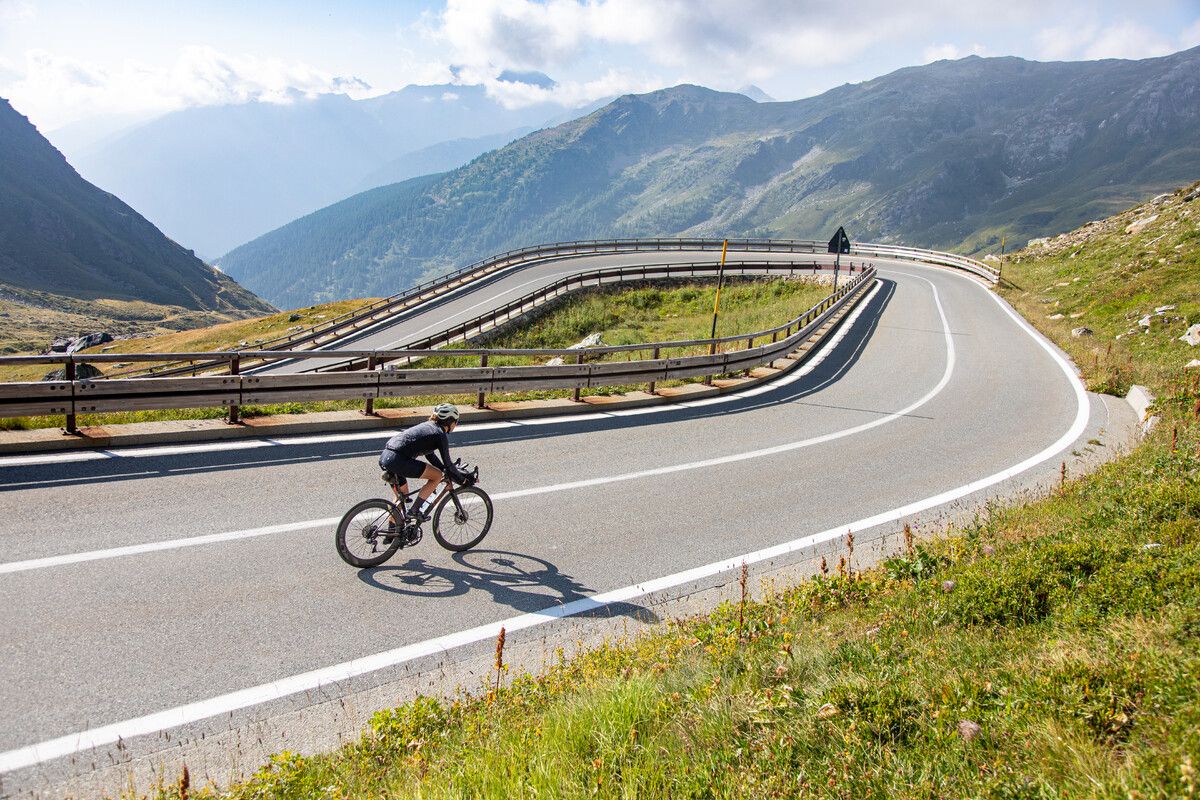
Road cycling in the Aosta Valley – major climbs and alpine routes
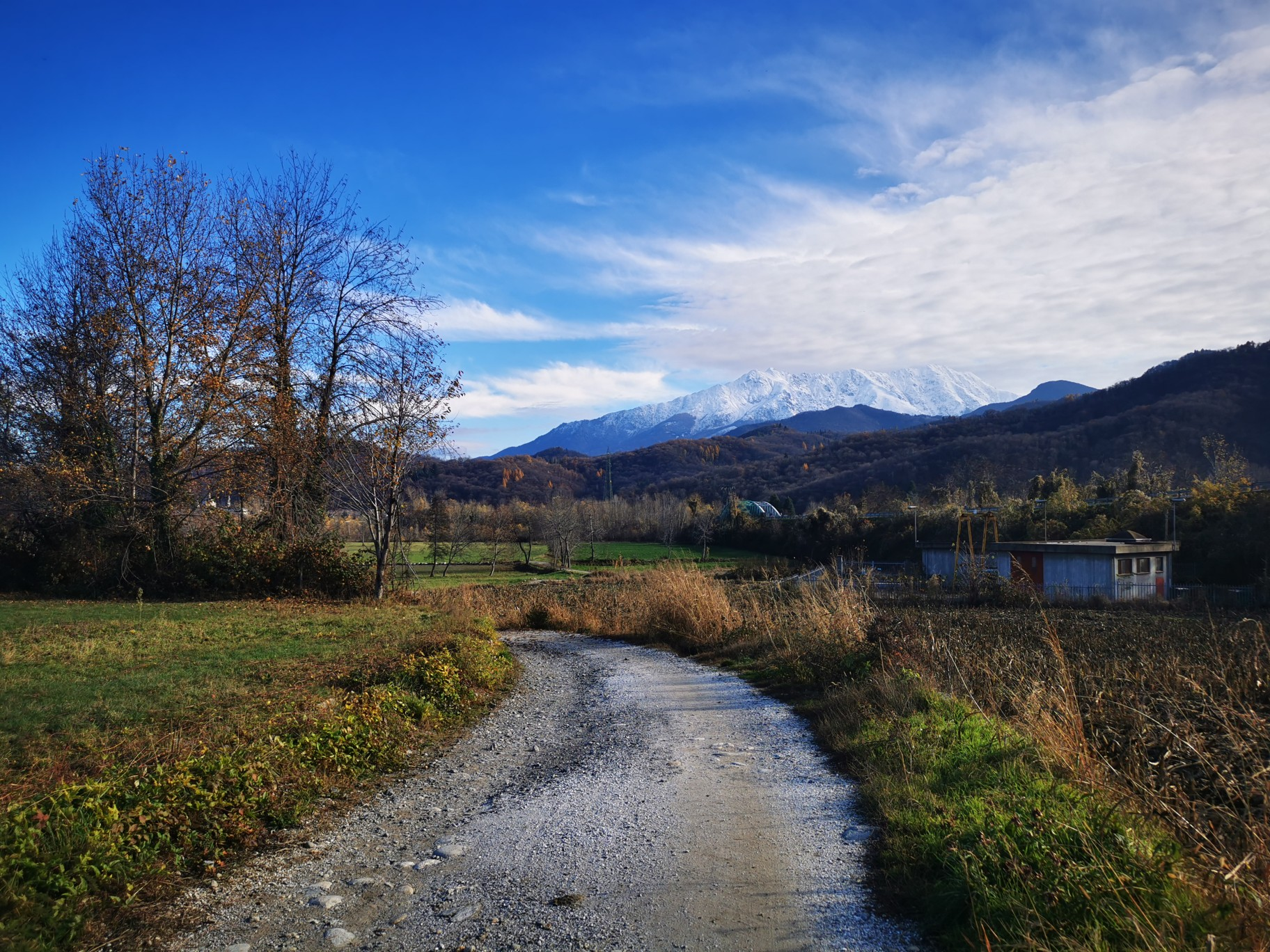
The alpine northwest – mountain gravel between Piedmont and the Aosta Valley
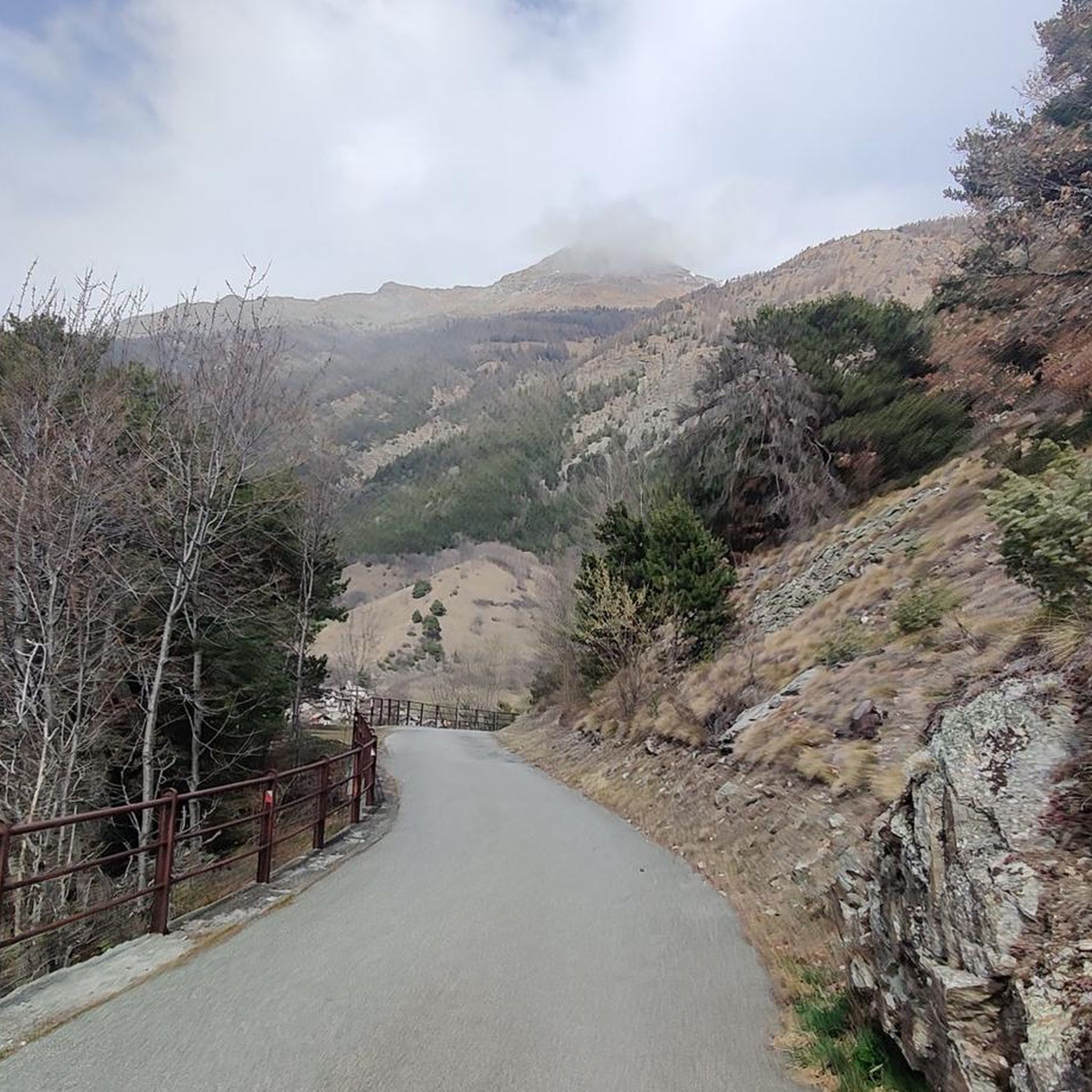
Road Cycling Routes around Saint-Christophe
Hiking around Saint-Christophe
Running Trails around Saint-Christophe
Cycling around Saint-Christophe

Gravel biking around Saint-Christophe
MTB Trails around Saint-Christophe
Mountain Hikes around Saint-Christophe


Tips from the Community

Very panoramic hill, reachable only with bike on your shoulder
0
0

Les Iles: This area is a wetland in the central part of the valley, where former mining activities have led to the formation of lakes. These lakes now provide refuge and food for countless bird species. It is an important resting place for migratory birds and is also home to several breeding birds.
6
0

The Côte de Gargantua nature reserve, known for containing the elongated spur, the "giant's little finger" (as legend has it) is located in Gressan. The spur, born from deposits of glacial origin, has stimulated popular imagination and generated the legend which gives the name of this very particular area: the Côte would be the little finger of the giant Gargantua, a character invented by Rabelais, buried under a blanket of debris.
1
0

It's worth going to see it, then it's better to return via the short detour path because the descent towards Chamolé is not very enjoyable.
1
0
Small lake which is worth the short detour before taking the descent to Pila.
1
0

This mountain lake at an altitude of 2300 meters was once a glacier. As you approach the lake you have a wonderful view of Mont Blanc, the valley of the Great Saint Bernard and the Gran Combin.
26
0

The Col de Champillon, located at an altitude of 2,709 meters, offers a breathtaking panoramic view. From the top of the pass it is possible to admire many legendary peaks, such as Mont Blanc, the southern face of the Grand Combin and, to the south, the Gran Paradiso massif. The terrain gets steep in some sections on both sides, but the trail is easy and non-technical, so you can definitely sprint on the way down.
4
0

Superb alpine lake on the slopes of the Testa Nera peak (2820m). Unmissable stopping point for those aiming for the Arbolle lake and its refuge.
3
0
Frequently Asked Questions
What types of natural monuments can I explore around Saint-Christophe in the Aosta Valley?
The Saint-Christophe area in the Aosta Valley is rich in diverse natural monuments. You can discover high-altitude alpine lakes like Lake Chamolé, impressive mountain passes such as Col de Champillon, and unique geological formations. The region also features protected wetlands like Les Iles Nature Reserve and rivers with distinctive colors, including Gaula Stream and Green Waters.
Are there family-friendly natural monuments around Saint-Christophe?
Yes, Les Iles Nature Reserve is categorized as family-friendly. It's a wetland area with artificial lakes that provide a peaceful environment for walks and birdwatching, making it suitable for visitors of all ages.
Where can I find unique geological formations near Saint-Christophe?
For unique geological formations, visit the Green Waters. This natural phenomenon is caused by dissolved minerals like copper and manganese, resulting in striking green to intense turquoise water. The Romans even discovered mineral deposits here, which were exploited until the 1950s.
What kind of views can I expect from the natural monuments?
Many natural monuments offer breathtaking panoramic views. From Lake Chamolé, situated at 2300 meters, you can enjoy views of Mont Blanc and the Gran Combin. Similarly, Col de Champillon, at 2,709 meters, provides a stunning panorama of Mont Blanc, the Grand Combin, and the Gran Paradiso massif.
What outdoor activities can I do near these natural monuments?
The area around Saint-Christophe offers a variety of outdoor activities. You can find numerous routes for gravel biking, cycling, and running. For instance, there are gravel biking routes like 'Giro dei Ru di Roisan' and cycling paths such as 'Along the Ru Pompillard from Saint-Christophe'. You can explore more options in the dedicated guides for Gravel biking around Saint-Christophe, Cycling around Saint-Christophe, and Running Trails around Saint-Christophe.
Are there opportunities for wildlife spotting at the natural monuments?
Yes, Les Iles Nature Reserve is an excellent spot for wildlife spotting. This wetland area serves as an important refuge and feeding ground for countless bird species, including both migratory and breeding birds.
What is special about the water features in this region?
The water features around Saint-Christophe are quite unique. Gaula Stream is known for its distinctive water color, influenced by meltwater from the nearby White Waters basin, especially vibrant in spring and early summer. Similarly, Green Waters displays striking green and turquoise hues due to the presence of dissolved minerals.
How accessible are the natural monuments around Saint-Christophe?
Some natural monuments, like Lake Chamolé, are easily accessible, particularly from the arrival point of a chairlift. Other locations, such as Col de Champillon, involve trails that, while potentially steep in sections, are generally considered easy and non-technical for hiking.
What do visitors enjoy most about the natural monuments in Saint-Christophe?
Visitors frequently highlight the stunning panoramic views, the tranquility of the alpine lakes, and the unique natural phenomena. The ease of access to some high-altitude spots, like Lake Chamolé via chairlift, is also highly appreciated, allowing for impressive mountain experiences without overly strenuous effort.
Are there any historical aspects connected to the natural monuments?
While the primary focus is natural beauty, some sites have historical connections. For example, the Green Waters site is historically significant because the Romans discovered and exploited mineral deposits there, guided by the distinctive water colors, continuing until the 1950s.
What is the best time to visit the natural monuments around Saint-Christophe?
The best time to visit largely depends on the specific monument and desired activity. For vibrant water colors at Gaula Stream, spring and early summer are ideal due to meltwater. For high-altitude hikes to places like Lake Chamolé and Col de Champillon, the warmer months from late spring to early autumn typically offer the most favorable weather conditions.
Most popular routes around Saint-Christophe
Most popular attractions around Saint-Christophe

Get inspired with the komoot mobile app


Explore more
Extend your search for the best caves by checking out these guides of the top ones around Saint-Christophe:
