Top 8 Natural Monuments around Trequanda
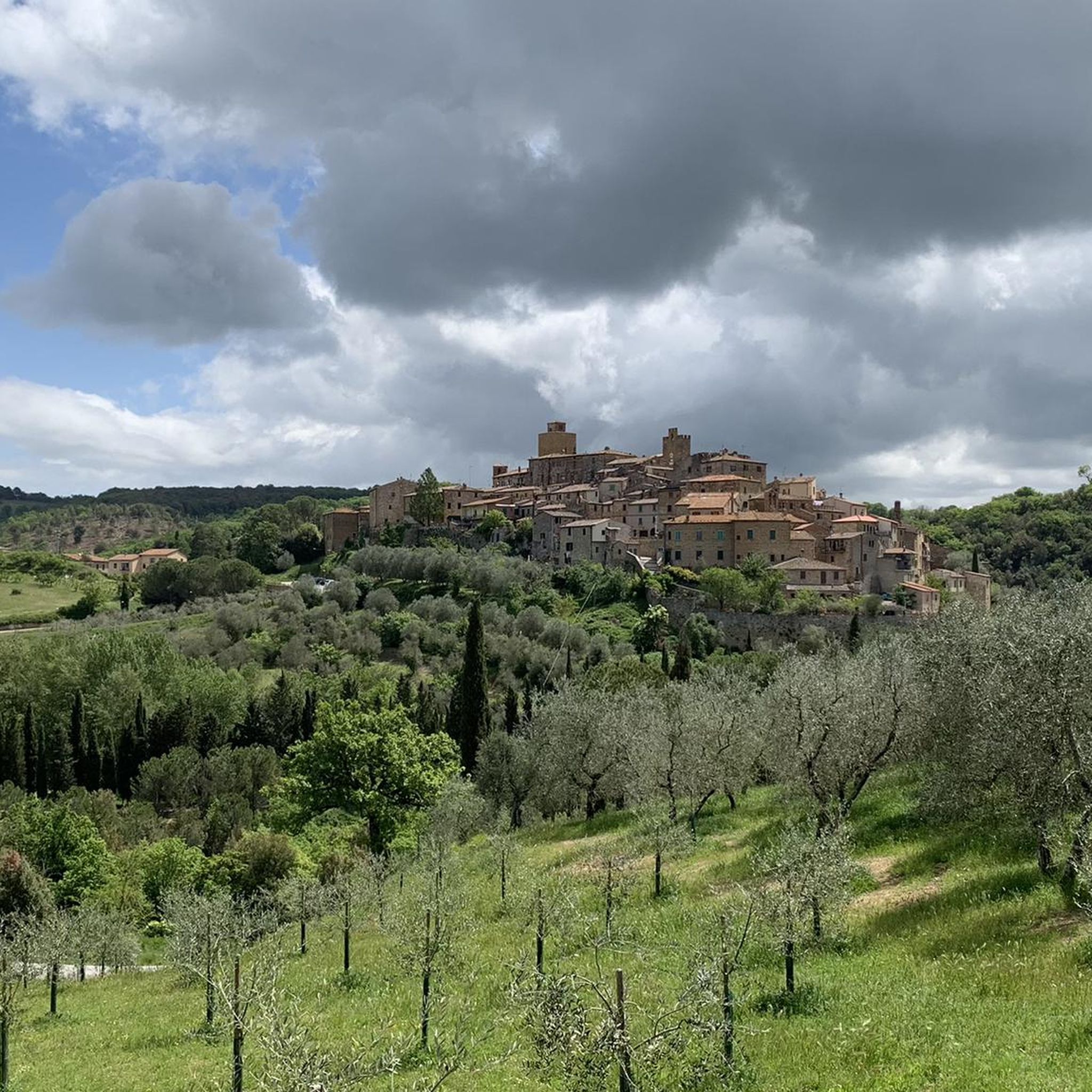
Best natural monuments around Trequanda are characterized by the region's picturesque countryside. The area's natural allure lies in its rolling hills, extensive vineyards, and olive groves, offering a quintessential Tuscan experience. This landscape provides panoramic views, particularly in the Val d'Orcia and Crete Senesi regions. Visitors can explore these areas through numerous hiking trails and nature walks, immersing themselves in the tranquil ambiance.
Best natural monuments around Trequanda
- The most popular natural monument is Gladiator's Cypresses, a natural monument…
Last updated: June 28, 2026
Horti Leonini Gardens
Highlight • Natural Monument
Showing Translation
Tip by

Bagno Vignoni Thermal Baths
Highlight • Natural Monument
Bagno Vignoni, …
Translated by Google •
Tip by

Sign up now to discover places like this
Get recommendations on the best single tracks, peaks, & plenty of other exciting outdoor places.
Sign up for free
Parco dei Mulini Archaeological Site and Thermal Springs
Highlight • Historical Site
Translated by Google •
Tip by

From Chiusure to Buonconvento
Highlight (Segment) • Viewpoint
Translated by Google •
Tip by

View of Monte Amiata from Pienza
Highlight • Viewpoint
Continuing towards Viale di Circonvallazione, SS del Monte Amiata and then SC della Pieve, you will arrive at the crossroads to take the gladiator's …
Showing Translation
Tip by
Sign up for free to discover even more natural monuments around Trequanda.
Sign up for free
Already have an account?
Start today with a free account
Your next adventure awaits.
Login or Signup

Tips from the Community

Pretty here, very pretty
0
0

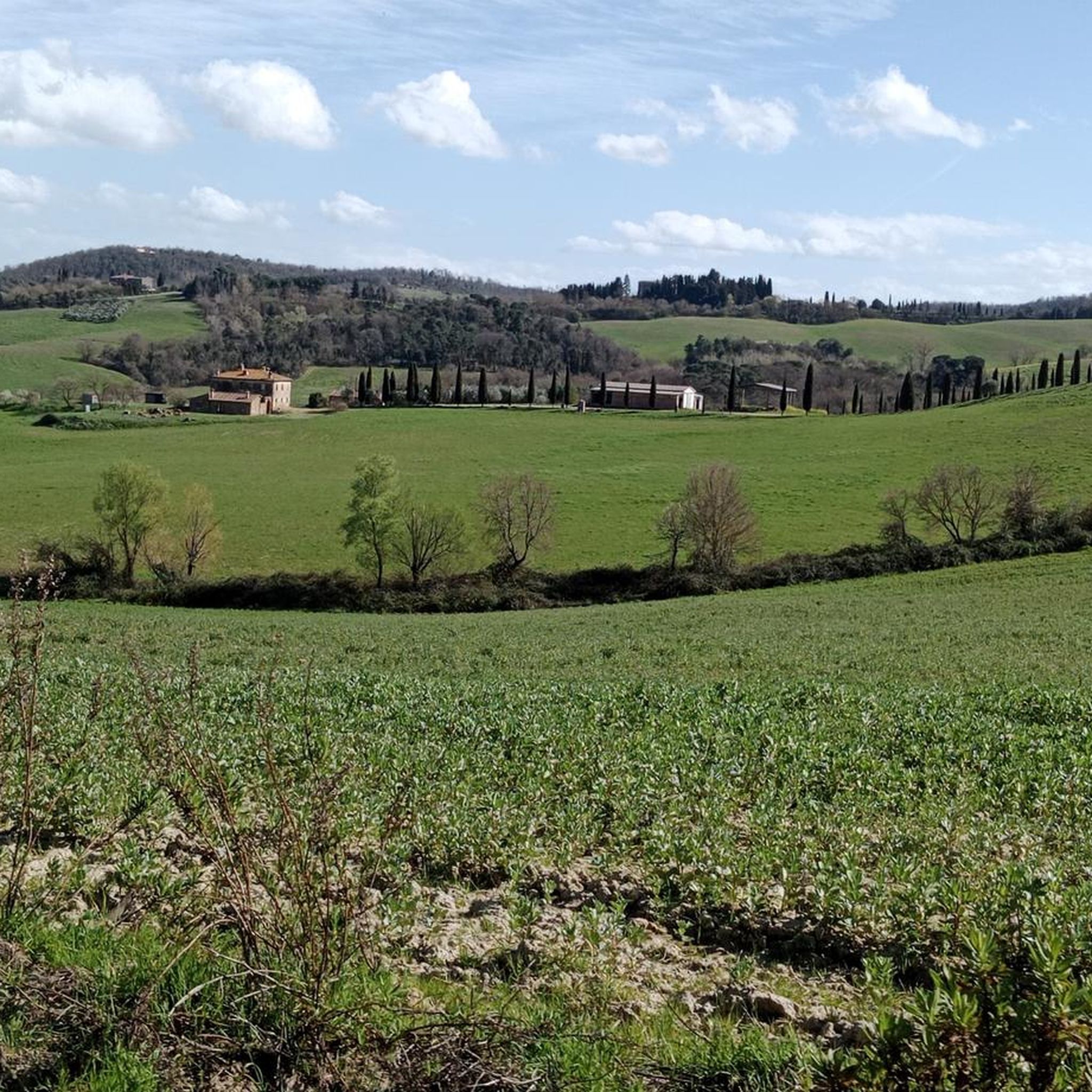
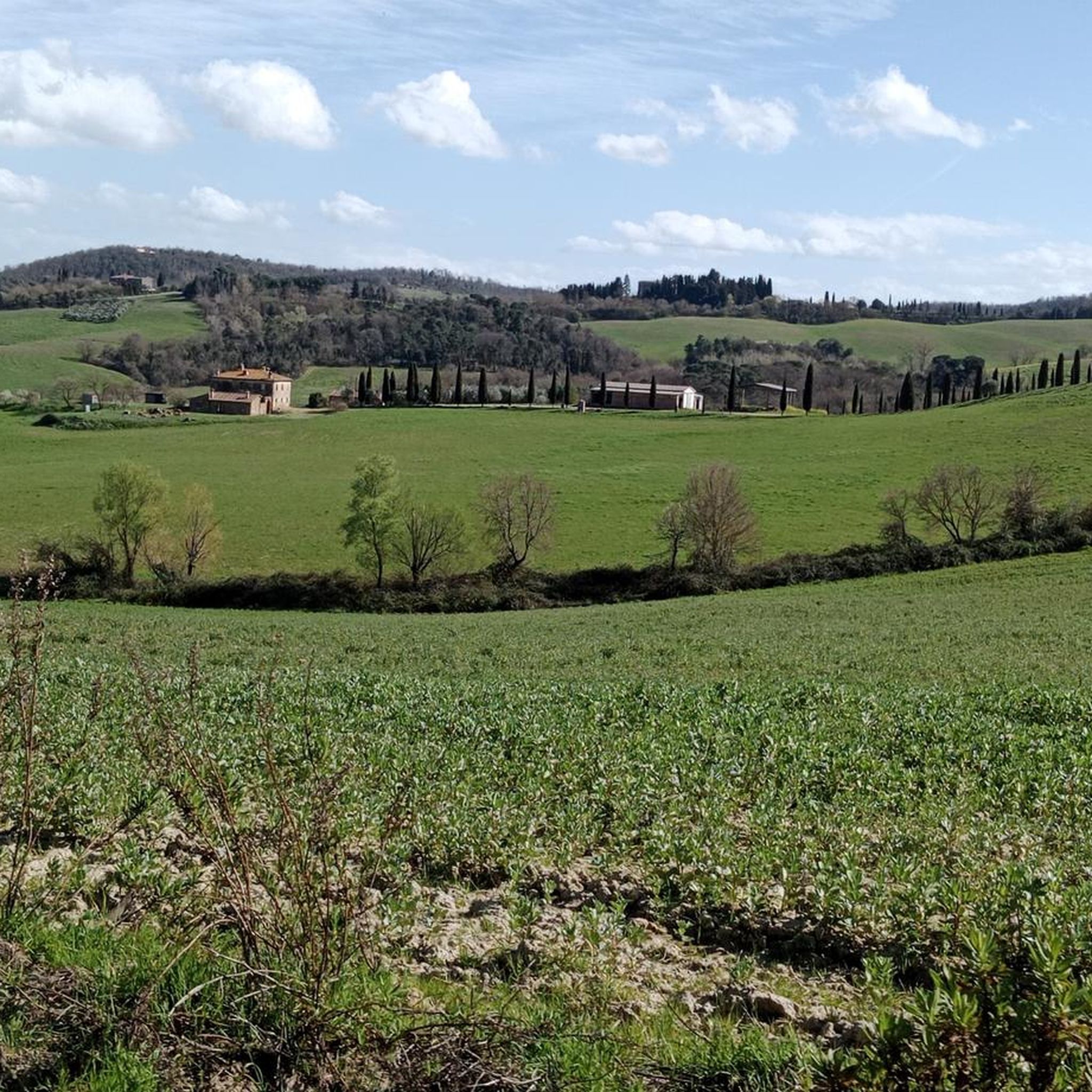
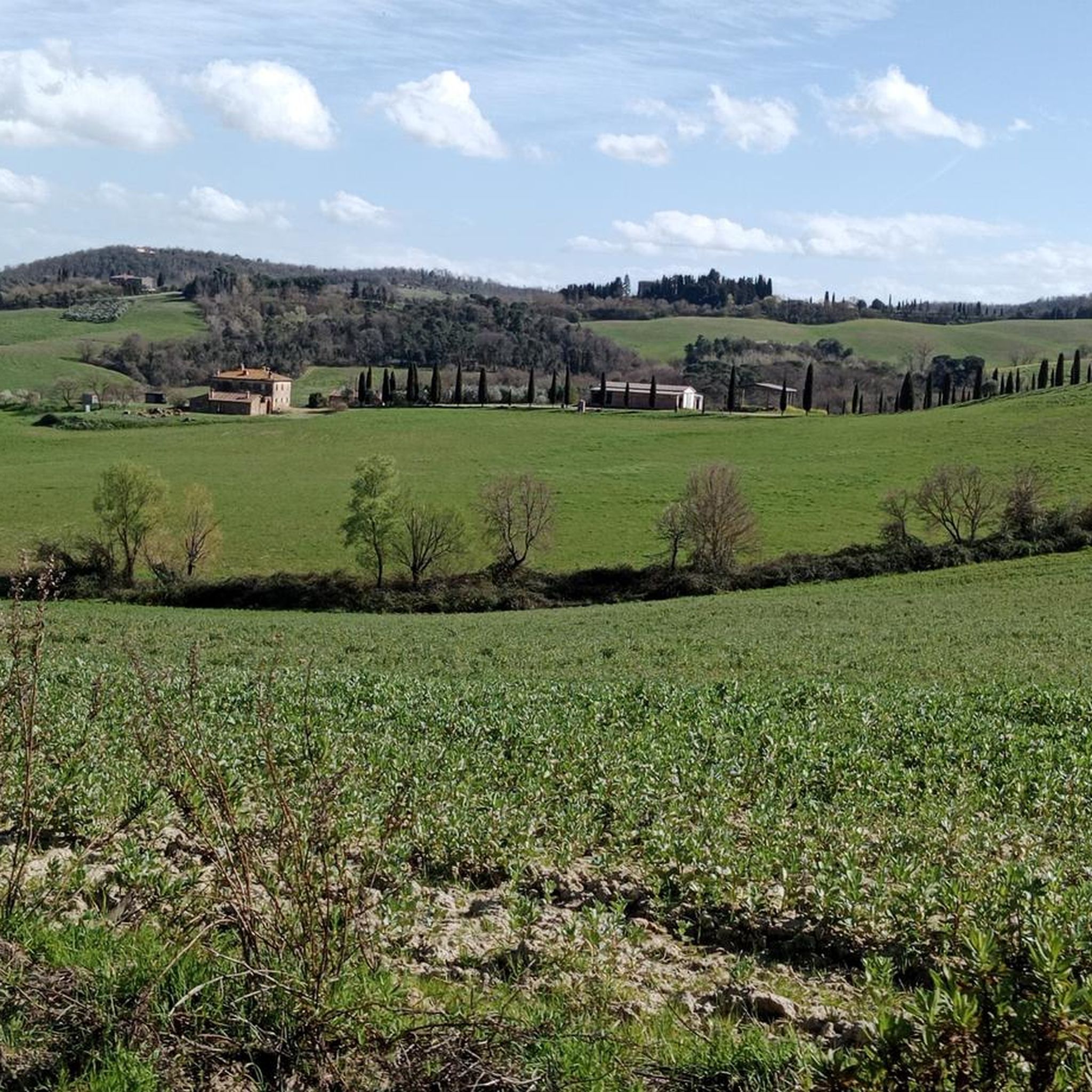
This is a very scenic route. Continuing towards Viale di Circonvallazione, SS del Monte Amiata and then SC della Pieve, you will arrive at the crossroads to take the gladiator's cypress trail, a famous stretch of trail in the final scene of the film.
1
0
The Horti Leonini are a splendid Renaissance garden in the heart of San Quirico d’Orcia, created in the 16th century at the behest of Diomede Leoni. Characterized by perfect geometry and precisely manicured boxwood hedges, they represent a rare example of a public Italian garden. Divided between a flat formal section and a more natural area that climbs towards the woods, they offer a pleasant contrast between order and spontaneity. In the center is a statue of Cosimo III de’ Medici, while the paths invite quiet walks immersed in greenery. They are an ideal place for a relaxing break, amidst art, history, and landscape harmony.
1
0

The Horti Leonini are a magnificent example of a classic Italian garden, laid out around 1580 by Diomede Leoni, after whom it is named. Leoni was a connoisseur of ancient and Renaissance art who, on behalf of the Medici, acquired works of art from Roman circles. Francesco I de' Medici himself gifted him a plot of land in the heart of San Quirico d'Orcia, where the Horti, which still retain their original appearance, would later be established. The gardens are divided into two sections: The lower, diamond-shaped area is enclosed by walls and clipped holm oaks and consists of triangular flowerbeds bordered by a double boxwood hedge. At its center is a sculpture attributed to the Sienese artist Bartolomeo Mazzuoli, depicting Cosimo III de' Medici (1688). In the other section stands the head of Janus Bifrons, a Roman-era sculpture that symbolically marks the boundary between the more natural and the formally designed parts of the garden. A travertine staircase leads to the upper plaza.
0
0

Ruins of the thermal baths above, and below, paradise with light blue water in the pools. A dream.
0
0

The Horti Leonini are a public garden located in the ancient bastions of San Quirico d'Orcia (province of Siena). The Horti have maintained their original structure to this day, constituting a well-preserved example of a classic 16th-century Italian garden and a model of park arrangement revived in subsequent centuries. taken from: https://it.wikipedia.org/wiki/Horti_Leonini ═════════════════ 👇 here is the video in 4K 👇 https://youtu.be/MUBZ51VCcuE
0
0

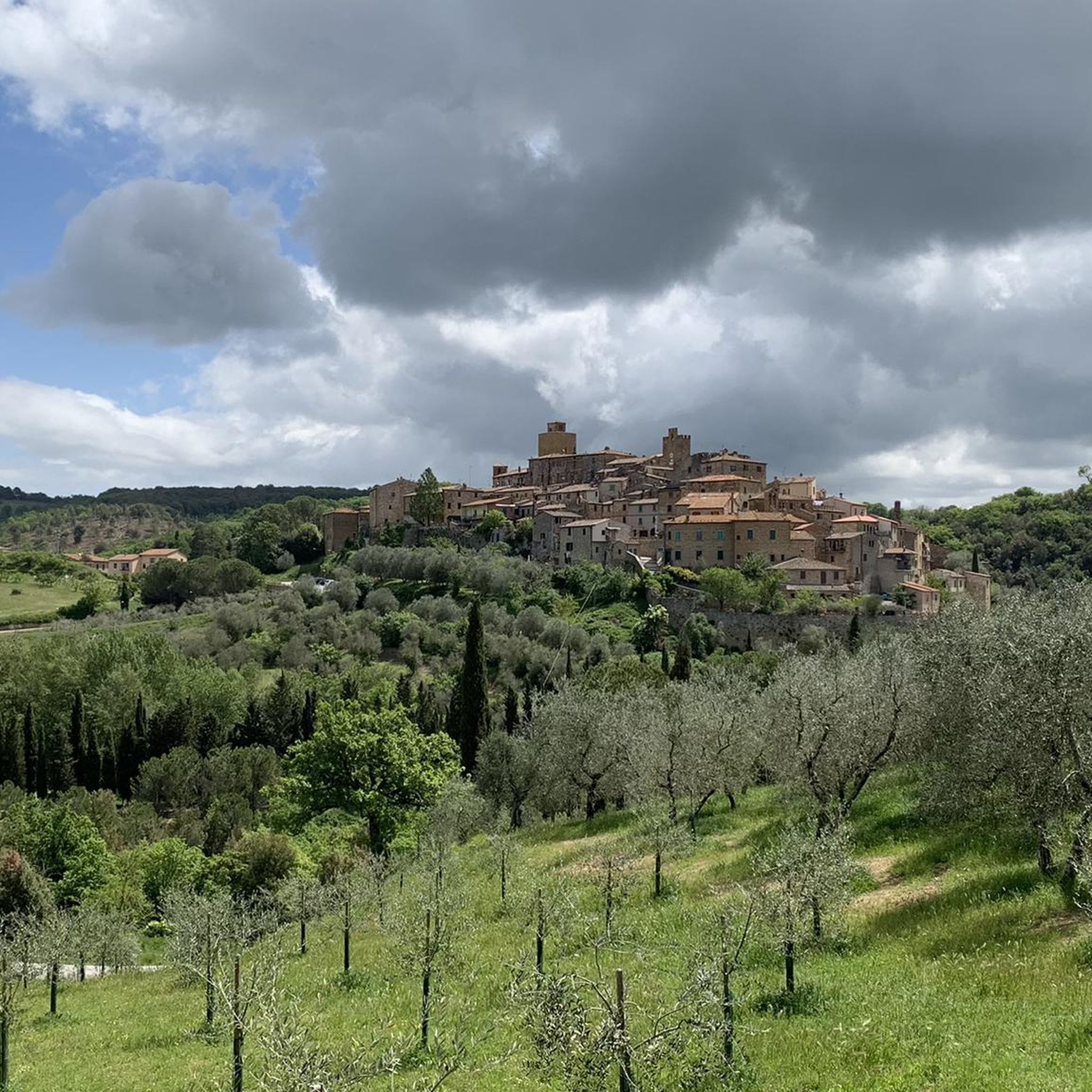
Bagno Vignoni is a small medieval village built more than a thousand years ago, in the heart of the Val d'Orcia. Peculiar to this village is the main square, consisting of a thermal pool (where it is not possible to swim) which makes the landscape truly unique. Below the hill on which the village stands there are two other pools with thermal water. The water flows from above the city to the ponds, overflows and flows into the river.
2
0

An incredibly beautiful landscape. The hiking trails are fixed and well developed. A dreamy panorama opens up every few steps.
0
0
Frequently Asked Questions
What kind of natural landscapes can I expect to see around Trequanda?
The Trequanda area is renowned for its picturesque countryside, characterized by gently rolling hills, extensive vineyards, and olive groves. This idyllic scenery, especially visible in the Val d'Orcia and Crete Senesi regions, offers panoramic views and a quintessential Tuscan experience.
Are there any historical natural monuments in the Trequanda area?
Yes, you can visit the Horti Leonini Gardens, a well-preserved example of a classic 16th-century Italian garden. Another significant site is the Parco dei Mulini Archaeological Site and Thermal Springs, which features an excavation of ancient mills and unique sulphurous thermal water formations.
Where can I find unique geological formations or natural phenomena near Trequanda?
The Parco dei Mulini Archaeological Site and Thermal Springs is notable for its run-off sulphurous thermal water that creates wonderfully colored sediments and light blue pools. Additionally, the broader Valdichiana Senese area, where Trequanda is located, includes the Archaeological Natural Park of Belverde and Fontevetriana, which features fascinating caves formed in travertine blocks.
Are there family-friendly natural monuments around Trequanda?
Yes, both the Horti Leonini Gardens and the Bagno Vignoni Thermal Baths are categorized as family-friendly. The gardens offer a beautiful, structured outdoor space, while Bagno Vignoni provides a unique historical village experience centered around a thermal pool.
What outdoor activities can I do near these natural monuments?
The region around Trequanda is excellent for various outdoor activities. You can enjoy extensive hiking and nature walks through woods, olive groves, and across the countryside. For cycling enthusiasts, there are numerous routes, including those for touring bicycles and mountain bikes. You can find more details on routes in the Cycling around Trequanda, Running Trails around Trequanda, and MTB Trails around Trequanda guides.
Are there any famous viewpoints among the natural monuments?
Absolutely. The Gladiator's Cypresses is a popular viewpoint featuring the iconic cypress trees seen in the film Gladiator, offering a beautiful panoramic view. Another scenic spot is the area From Chiusure to Buonconvento, known for its countless scenic descents and views overlooking the Monte Oliveto Maggiore monastery.
What is special about the Bagno Vignoni Thermal Baths?
The Bagno Vignoni Thermal Baths are unique for their central Renaissance-era square, which features a large thermal pool. This village has been cherished for its thermal water springs since Etruscan and Roman times, and while you can't swim in the main square's pool, you can often find free access to the thermal waters a little further downstream in the Parco dei Mulini.
What do visitors enjoy most about the natural monuments around Trequanda?
Visitors frequently praise the stunning panoramic views, the tranquil ambiance of the Tuscan countryside, and the opportunity for immersive nature walks. The blend of cultivated landscapes with historical sites and unique geological features is also highly appreciated, offering a diverse experience for all.
Are there any natural monuments that are less crowded or considered hidden gems?
While the main attractions are popular, the broader Valdichiana Senese area offers less crowded natural experiences. The Archaeological Natural Park of Belverde and Fontevetriana, with its tall oak woods and ancient caves, provides a unique and often quieter exploration opportunity for those interested in prehistory and geology.
What is the best time of year to visit the natural monuments around Trequanda?
The spring (April-May) and autumn (September-October) months are generally ideal. During these periods, the weather is pleasant for outdoor activities like hiking and cycling, and the landscapes are particularly vibrant with spring blooms or autumn colors. Summer can be very hot, while winter offers a quieter, but potentially colder, experience.
Can I explore the natural monuments with a dog?
Many natural areas and trails around Trequanda are dog-friendly, especially for walks through the countryside, vineyards, and olive groves. However, specific rules may apply to certain historical sites or protected areas. It's always advisable to keep dogs on a leash and ensure they are well-behaved, especially in cultivated areas or near wildlife.
Are there any natural monuments that involve a challenging climb?
Yes, reaching the Gladiator's Cypresses viewpoint involves a challenging climb with peaks of up to 24%, making it a rewarding experience for those seeking a more strenuous hike.
Most popular attractions around Trequanda

Get inspired with the komoot mobile app


Explore more
Extend your search for the best caves by checking out these guides of the top ones around Trequanda:
