Top 20 Natural Monuments around Foligno
Best natural monuments around Foligno are found in the heart of Umbria, a region characterized by its green landscapes, mountains, and river valleys. The area offers a blend of scenic beauty and natural features, including waterfalls, ancient forests, and unique wetlands. Foligno's surroundings provide diverse natural attractions for exploration.
Best natural monuments around Foligno
- The most popular natural monuments is Croce di Sasso Piano (Sasso Piano Cross), a summit that offers panoramic views of the Umbrian landscape and the…
Last updated: August 22, 2026
Croce di Sasso Piano (Sasso Piano Cross)
Highlight • Summit
Translated by Google •
Tip by

Monte Subasio Summit
Highlight • Summit
Translated by Google •
Tip by
Sign up now to discover places like this
Get recommendations on the best single tracks, peaks, & plenty of other exciting outdoor places.
Sign up for free
Clitunno Springs
Highlight • Lake
Dream apartments, treat yourself to the relaxation you deserve.
A gastronomic experience in the Parco della Poesia and a garden with …
Translated by Google •
Tip by

Rasiglia Springs and Waterfalls
Highlight • Waterfall
Translated by Google •
Tip by

Abbadessa Caves of Pale
Highlight • Cave
This mineral, depositing over millennia, has given rise to spectacular caves, including the Abbadessa Caves, …
Translated by Google •
Tip by

Sign up for free to discover even more natural monuments around Foligno.
Sign up for free
Already have an account?
Start today with a free account
Your next adventure awaits.
Login or Signup
Popular around Foligno


Tips from the Community

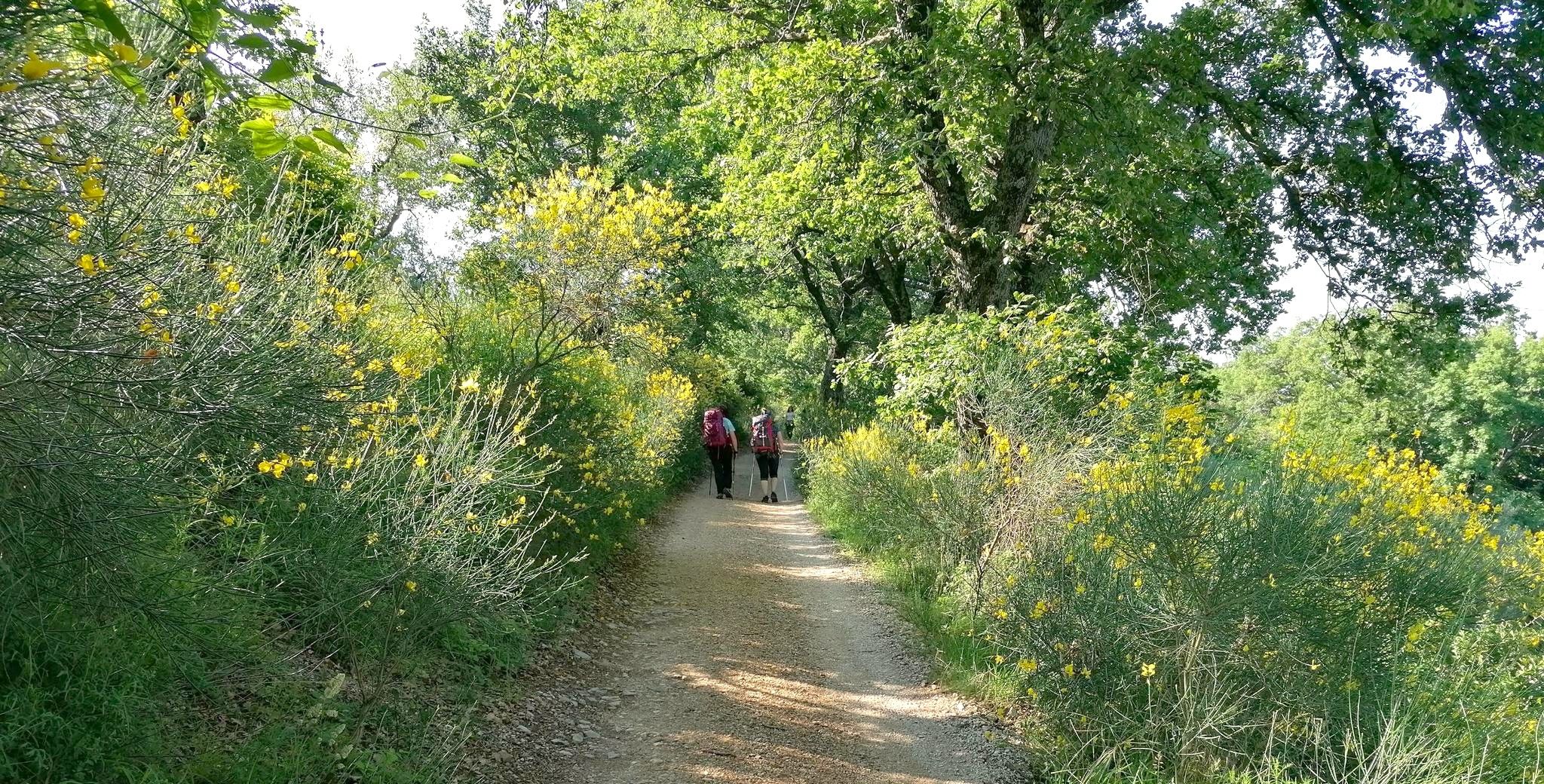
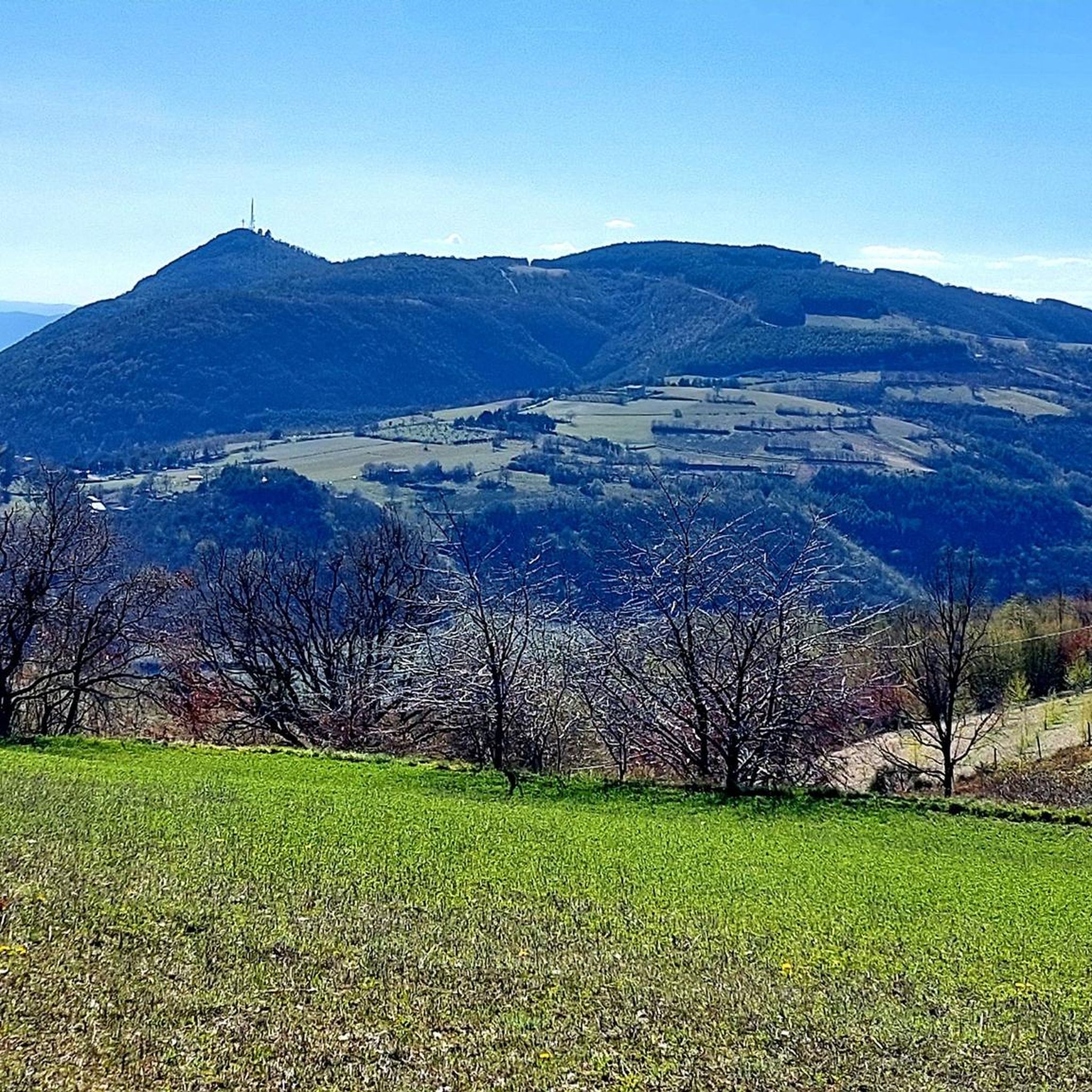
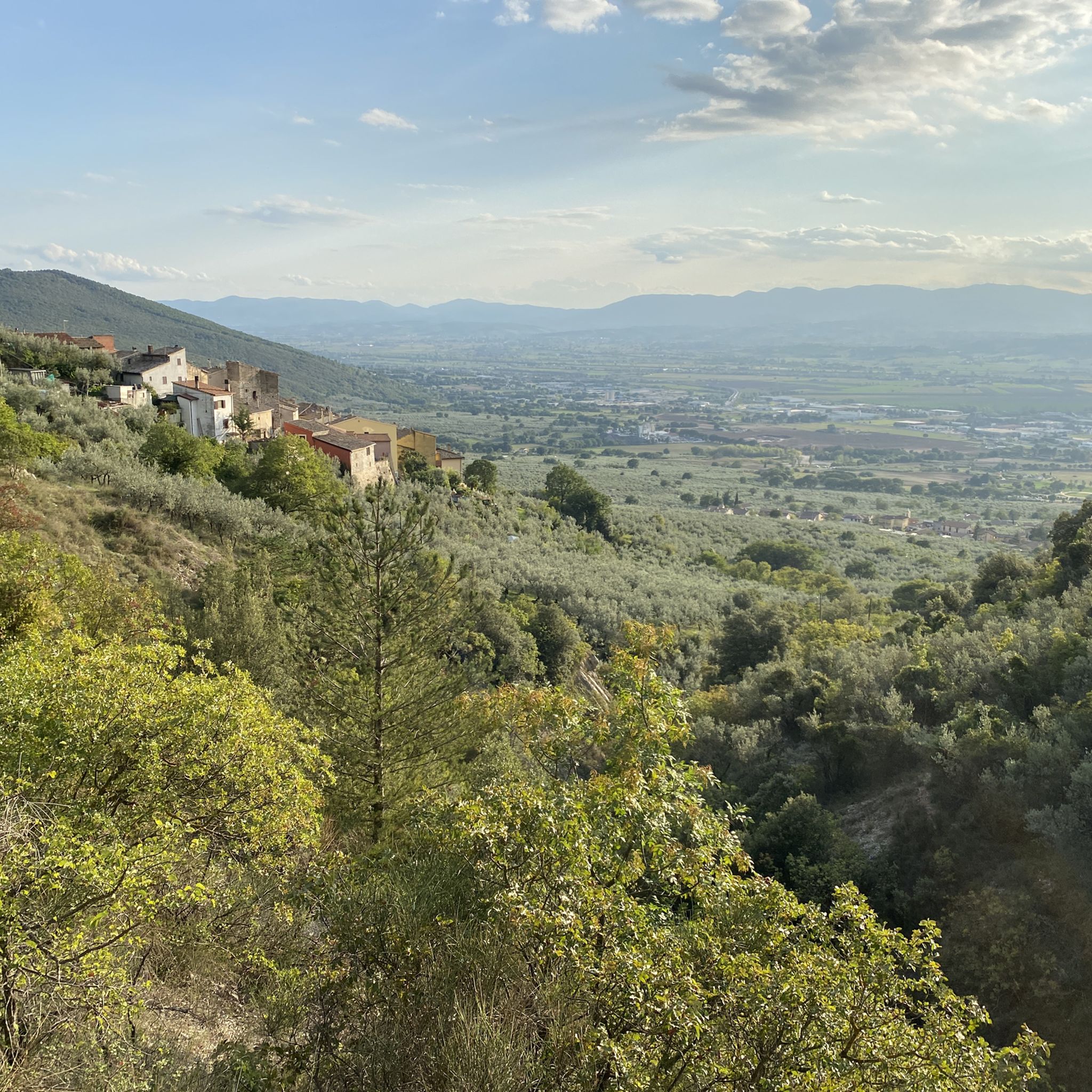
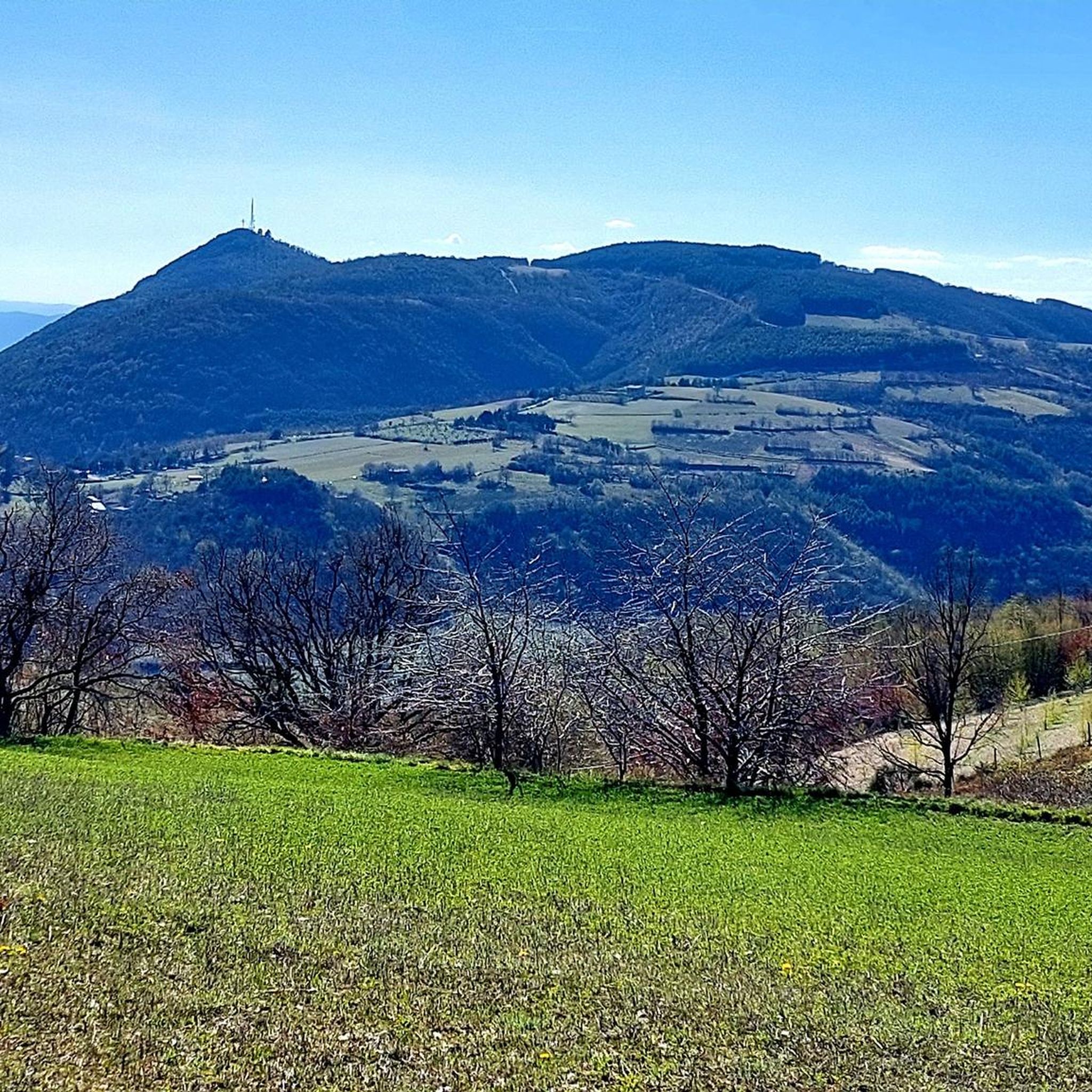
In front of this small sacred monument, known as Croce di Sasso Piano, which crowns the summit of the same name, I wish to offer those who linger here a brief reflection by Saint Francis of Assisi: + “And we give you [God-Father] thanks, ... because through his cross and his blood and his death you wanted to redeem us, who were captive.” (NbR XXIII, 3)
0
0

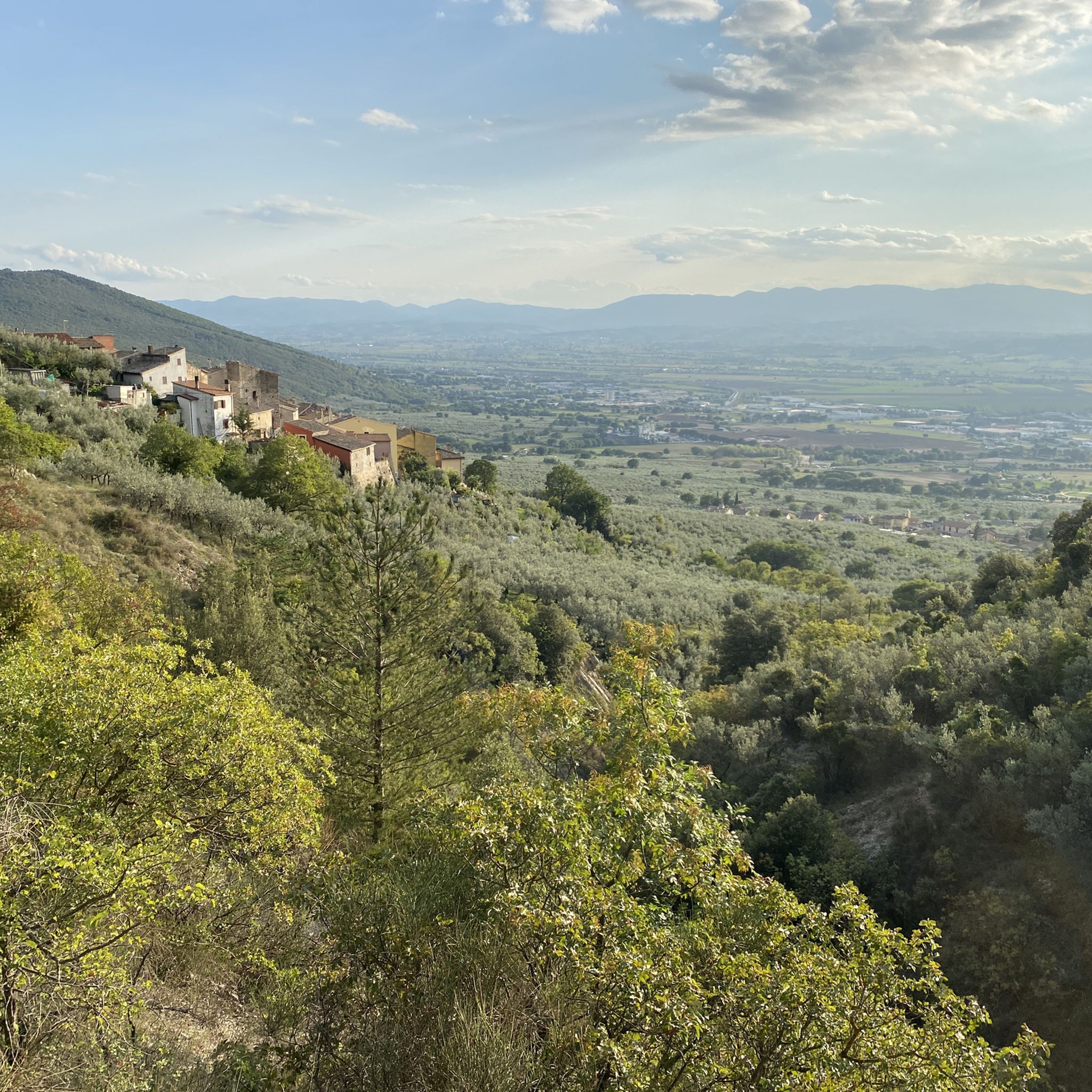
A WONDERFUL SMALL VILLAGE THAT WILL LEAVE YOU OPEN-MOUTHED
0
0

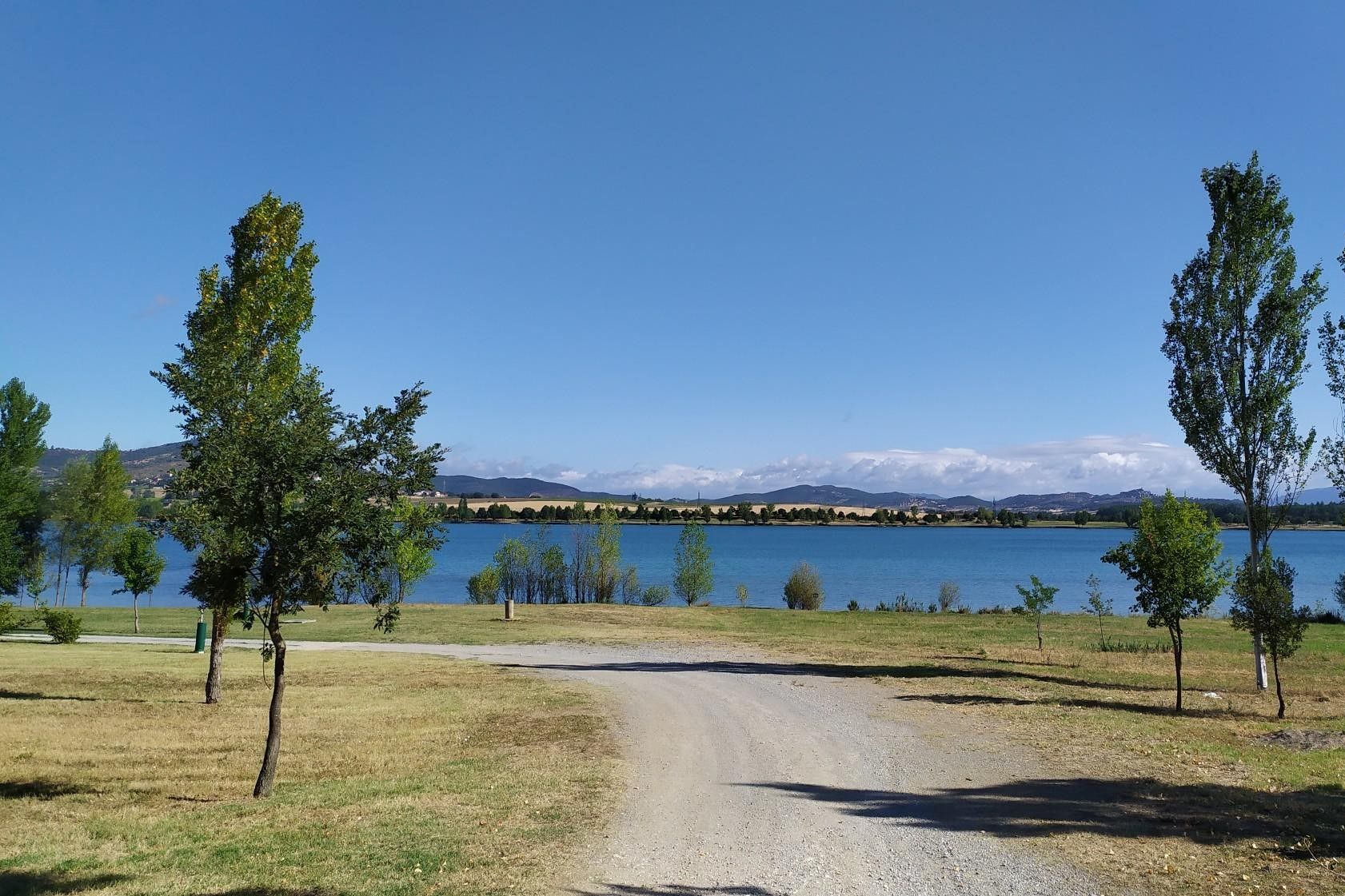
The Park - Fonti del Clitunno, Ristorante Pizzeria, Campello Sul Clitunno A body of water with a circumference of just over 400 meters and an area of almost 10,000 square meters, this small lake is home to numerous plant species that contribute to the fame of the Fonti del Clitunno. Moss, seagrass, water horsetail, sedge, curled brosca, giant shrimp, marsh forget-me-not, and water nasturtium, also known as watercress, are just some of the plants found in the pond. Around the banks are the trees that characterize the surroundings, most notably the cypress poplar, covered in dense foliage in summer. Then there's the weeping willow, whose spread dates back to the fashion that spread this plant in Paris in the 1840s, which is said to have shaded Napoleon's tomb on Saint Helena. Text / Source: Fonti del Clitunno - Ristorante Pizzeria, Campello Sul Clitunno https://www.fontidelclitunno.it/
14
0
Fonti del Clitunno - Ristorante Pizzeria, Campello Sul Clitunno Dream apartments, treat yourself to the relaxation you deserve. A gastronomic experience in the Parco della Poesia and a garden with tables for pampering yourself. From here, O Clitumnus, the white herds and the bull, the greatest holocaust, have repeatedly dipped into your sacred waters, bringing Roman triumphs to the temples of the gods. History Have you ever seen the Fonti del Clitunno? If not, and I don't think so, otherwise you would have told me about it, go and see. "I saw it recently and regret having done it too late." Thus wrote Pliny the Younger to a friend, and his advice still holds true today. The Fonti del Clitunno as we see them today are different from those of the first century, during Pliny's time. A violent earthquake in 444 AD changed the face of the area and was likely the cause of the narrowing of the Clitunno River, which had previously been navigable. The layout of the Clitunno springs as we see them today is thanks to the patient work of Paolo Campello della Spina, who, between 1860 and 1865, removed the earth to make room for the pond and encouraged the growth of vegetation that still characterizes the Clitunno springs today. A few years later, Giosue Carducci wrote the barbaric ode "Alle Fonti del Clitunno." Text/Source: Fonti del Clitunno - Ristorante Pizzeria, Campello Sul Clitunno https://www.fontidelclitunno.it/
14
0

Access to the park costs €3 (worth the stay)
1
0

Rasiglia, or the little Venice. Along the Menotre valley, reachable with a challenging but not prohibitive climb, the well-maintained road, deserves a passage and a refreshing stop. Excellent local beer! 😉
0
0

The Abbadessa Caves in Pale are an interesting karst phenomenon, created mainly by the waters of the Menotre River. These can be found in the underground system created by the waters of the Menotre River, whose precipitation in the underground caves has led to the numerous stalactites and stalagmites. Please note that the caves can currently only be visited on Saturdays and Sundays under expert guidance. Duration approx. 30 minutes, price 6 euros (as of 2024).
0
0

Pale stands on a travertine counter shaped by the calcium-rich waters of the Menotre River. This mineral, depositing over millennia, has given rise to spectacular caves, including the Abbadessa Caves, so called since the 17th century. There are other caves in the area, many of them partially unexplored; the Sasso di Pale and its underground treasures are a privileged destination for speleology enthusiasts.
0
0
Frequently Asked Questions
What are some of the most popular natural monuments to visit around Foligno?
Among the most appreciated natural monuments are Croce di Sasso Piano (Sasso Piano Cross), offering breathtaking panoramic views of the Umbrian landscape and Assisi. Another favorite is Monte Subasio Summit, known for its extensive vistas and connection to Saint Francis. Visitors also enjoy the unique Clitunno Springs, a historically significant body of water with diverse plant life.
Are there family-friendly natural monuments near Foligno?
Yes, the Clitunno Springs are considered family-friendly, offering a serene environment with unique plant species. Additionally, the Rasiglia Springs and Waterfalls provide a charming medieval village setting with numerous streams and cascades, which can be an engaging experience for families.
What kind of natural features can I expect to see around Foligno?
Foligno's surroundings boast a diverse range of natural features. You can explore majestic summits like Croce di Sasso Piano and Monte Subasio Summit, unique bodies of water such as the Clitunno Springs, and captivating waterfalls like the Menotre Waterfalls and Rasiglia Springs and Waterfalls. The region also features ancient forests, deep gorges, and the unique wetland ecosystem of Colfiorito Park.
Are there any historical or cultural sites integrated with the natural monuments?
Absolutely. The Clitunno Springs have significant historical ties, mentioned by Pliny the Younger and celebrated by Giosue Carducci. The Menotre River, near the Menotre Waterfalls, was historically vital for paper mills, some of which contributed to the first edition of the Divine Comedy. The Abbey of Sassovivo, while primarily a Benedictine complex, is set within ancient holm-oak woods, blending history with a serene natural environment. Colfiorito Park also holds archaeological significance with remains of the ancient Roman city of Plestia.
What outdoor activities can I do near these natural monuments?
The area around Foligno offers various outdoor activities. You can enjoy hiking, running, and gravel biking. For example, near the Menotre Waterfalls, there's a well-marked 2 km path connecting Pale and Belfiore. You can find numerous routes for these activities, such as the 'Menotre Waterfalls – Hermitage of Saint Mary Jacob loop' for hiking, or explore gravel biking routes like 'Enchanted Plains – Colfiorito Regional Park loop'. For more details on routes, visit the Hiking around Foligno, Running Trails around Foligno, and Gravel biking around Foligno guides.
Are there hiking trails near the natural monuments around Foligno?
Yes, there are many hiking trails. For instance, near the Menotre Waterfalls, you can hike to the Hermitage of Santa Maria Giacobbe. The Colfiorito Park also offers numerous trails for walking and hiking. You can find routes like 'Pale - loop tour - Special Conservation Zone Sasso di Pale' or 'Pavillon Colfiorito – Colfiorito Marsh loop'. For a comprehensive list of trails, refer to the Hiking around Foligno guide.
What is the best time of year to visit the natural monuments around Foligno?
Spring (especially May) is highly recommended for visiting natural monuments like Croce di Sasso Piano, where you can see wonderful flowers. Autumn also offers pleasant temperatures and beautiful foliage, particularly in forested areas like the Abbey of Sassovivo. Summer can be warm, but areas with waterfalls or higher altitudes like Monte Subasio provide cooler escapes. Winter might offer a different, quieter experience, though some trails could be more challenging.
Can I visit caves near the natural monuments?
Yes, near the Menotre Waterfalls, you can explore the Abbadessa Caves of Pale. These caves are an interesting karst phenomenon with numerous stalactites and stalagmites, formed by the calcium-rich waters of the Menotre River. Please note that visits to the Abbadessa Caves typically require expert guidance and are often limited to weekends.
What makes Colfiorito Park a unique natural monument?
Colfiorito Park is unique due to its high-altitude marsh, which is a Ramsar-designated wetland of international importance. It's a significant biodiversity hotspot, especially for migratory birds, and features a rare peat bog ecosystem. The marsh boasts perennial waters with aquatic vegetation like white water lilies, making it one of the best examples of wetlands in central Italy.
Are there any natural monuments offering panoramic viewpoints?
Yes, several natural monuments provide stunning panoramic views. Croce di Sasso Piano (Sasso Piano Cross) offers extensive views of the Umbrian landscape and Assisi. Monte Subasio Summit, the local mountain of Assisi, also provides breathtaking panoramic vistas from its large summit plateau. The Abbey of Sassovivo, situated on a rocky spur, offers broad views over the Valle Umbra.
What are the Menotre Waterfalls known for?
The Menotre Waterfalls are known for their captivating natural oasis where the Menotre River descends through a series of striking cascades, including the enchanting 'Velo della Sposa' (Veil of the Bride). The river has also carved a deep gorge, creating a picturesque landscape of lush forests and craggy rocks. The area is ideal for nature lovers and offers hiking opportunities along a 2 km path connecting Pale and Belfiore.
Is public transport available to reach the natural monuments?
While specific public transport routes directly to all natural monuments can be limited, Foligno itself is well-connected. For destinations like the Menotre Waterfalls near Pale, local bus services might operate, but often, reaching these natural areas requires a combination of public transport to nearby towns and then walking or a short taxi ride. It's advisable to check local bus schedules for the most up-to-date information.
Most popular routes around Foligno
Most popular attractions around Foligno

Get inspired with the komoot mobile app


Explore more
Extend your search for the best caves by checking out these guides of the top ones around Foligno:
