Top 20 Natural Monuments around Pramollo
Best natural monuments around Pramollo are found in a region renowned for its exceptional geological heritage, situated on the Italian-Austrian border. This area, part of the Carnic Alps Geopark, features numerous geostops highlighting significant natural monuments. Its natural attractions are defined by unique rock formations, fossil records, and a scenic alpine environment. The region offers insights into Earth's ancient history, showcasing millions of years of geological processes.
Best natural monuments around Pramollo
- The most popular natural monument is 13 Lakes…
Last updated: April 30, 2026
13 Lakes Plateau (Pian dei 13 Laghi)
Highlight (Segment) • Lake
Translated by Google •
Tip by

Mount Cucetto
Highlight • Summit
Translated by Google •
Tip by

Sign up now to discover places like this
Get recommendations on the best single tracks, peaks, & plenty of other exciting outdoor places.
Sign up for free
Monte Sette Confini
Highlight • Summit
Translated by Google •
Tip by

Lake of the Cannons
Highlight • Lake
Translated by Google •
Tip by

Lake Lauson
Highlight • Lake
Translated by Google •
Tip by

Sign up for free to discover even more natural monuments around Pramollo.
Sign up for free
Already have an account?
Start today with a free account
Your next adventure awaits.
Login or Signup


Tips from the Community


excellent trip with the possibility of loops
0
0

A beautiful circular hike. Beware, however, of the misleading two-hour indication! Messner might be able to manage it. If you're a regular hiker, no less than three hours or more... WARNING: Once you reach Lake Cannoni or Ramella, if you suffer from vertigo, do not follow the signs for trail A on the right. There are exposed sections, and one section is equipped with a damaged rope. Turn left and you will rejoin the outward route at the level of the early 1900s forts.
1
0

Comfortable footwear for mostly soft terrain
0
0

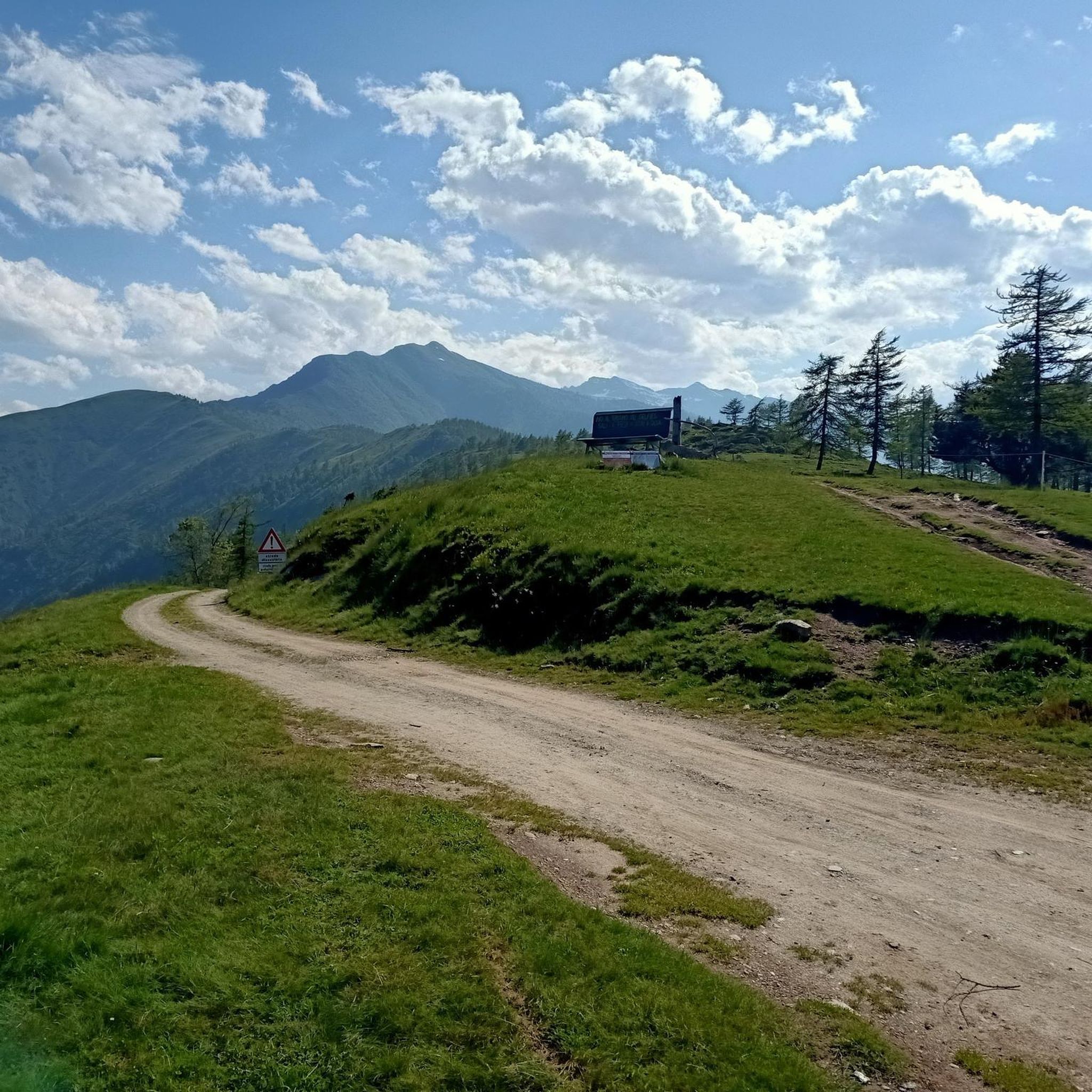
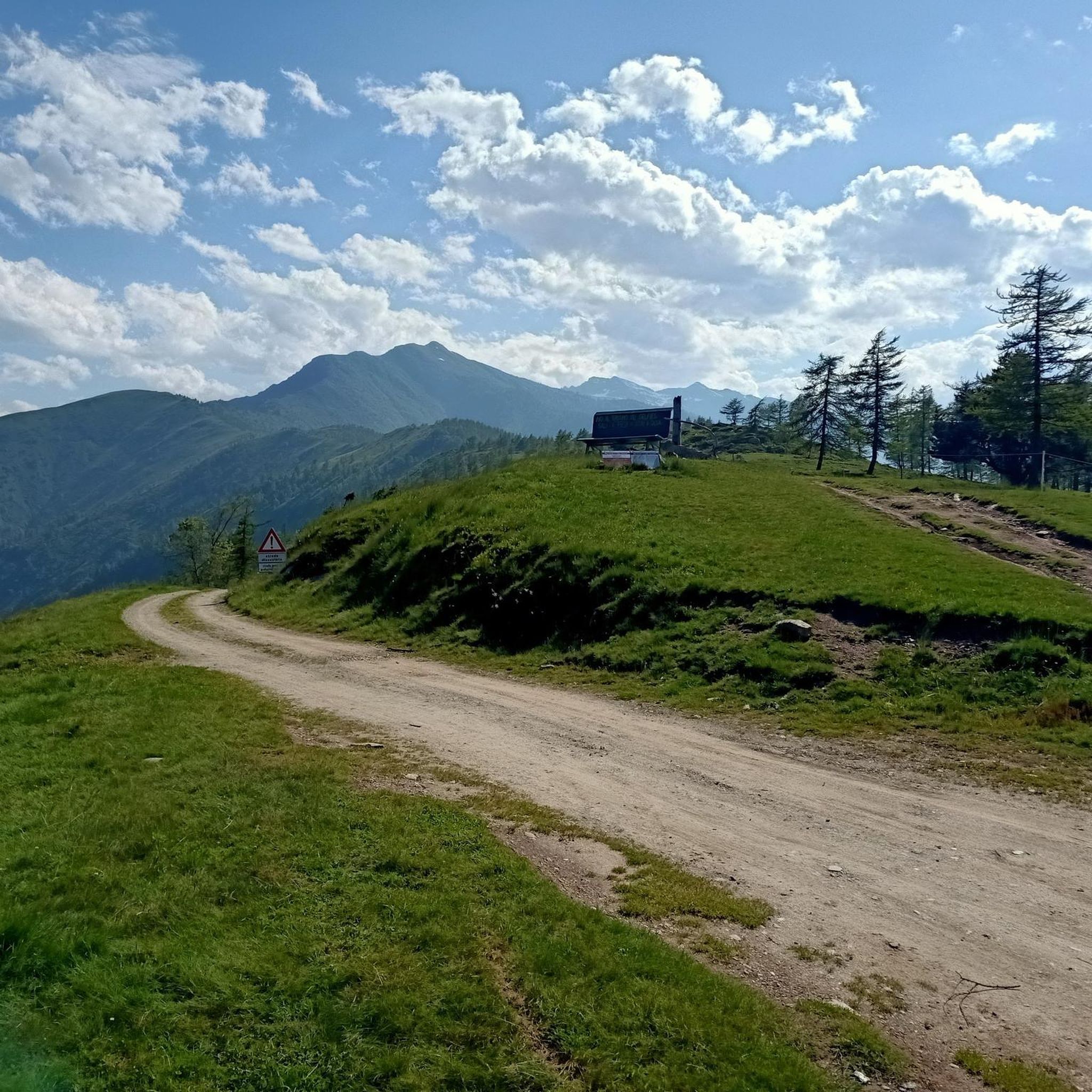
Lake of the Germanasca valley, in the Conca Cialancia provincial park, reachable with a circular excursion starting from Linsard. It is likely that on holidays there will be many people, given that it can be reached by motorized vehicles (preferably off-road) thanks to the connecting dirt road
2
0

Mount Sette Confini (1,358 m above sea level) is a mountain in the Monginevro Alps in the Cottian Alps, located in Piedmont. The mountain is located at the convergence of three valleys: Val Chisola to the north and northeast, Val Noce to the south and the Grandubbione valley to the west. Colle Sperina separates it from Mount Freidour along the Noce/Chisola watershed, Colle Prà l'Abbà from Mount Sartonet along the Chisola/Dubbione watershed and Colle Colletto separates it from Mount Fajè following the Noce/Dubbione watershed, in the direction of Colle del Crò. The relief is mainly covered by thick broad-leaved forests, which thin out on the southern slope. Near the summit there is a commemorative plaque dedicated to the incident where some Royal Air Force soldiers died on nearby Mount Freidour.
0
0


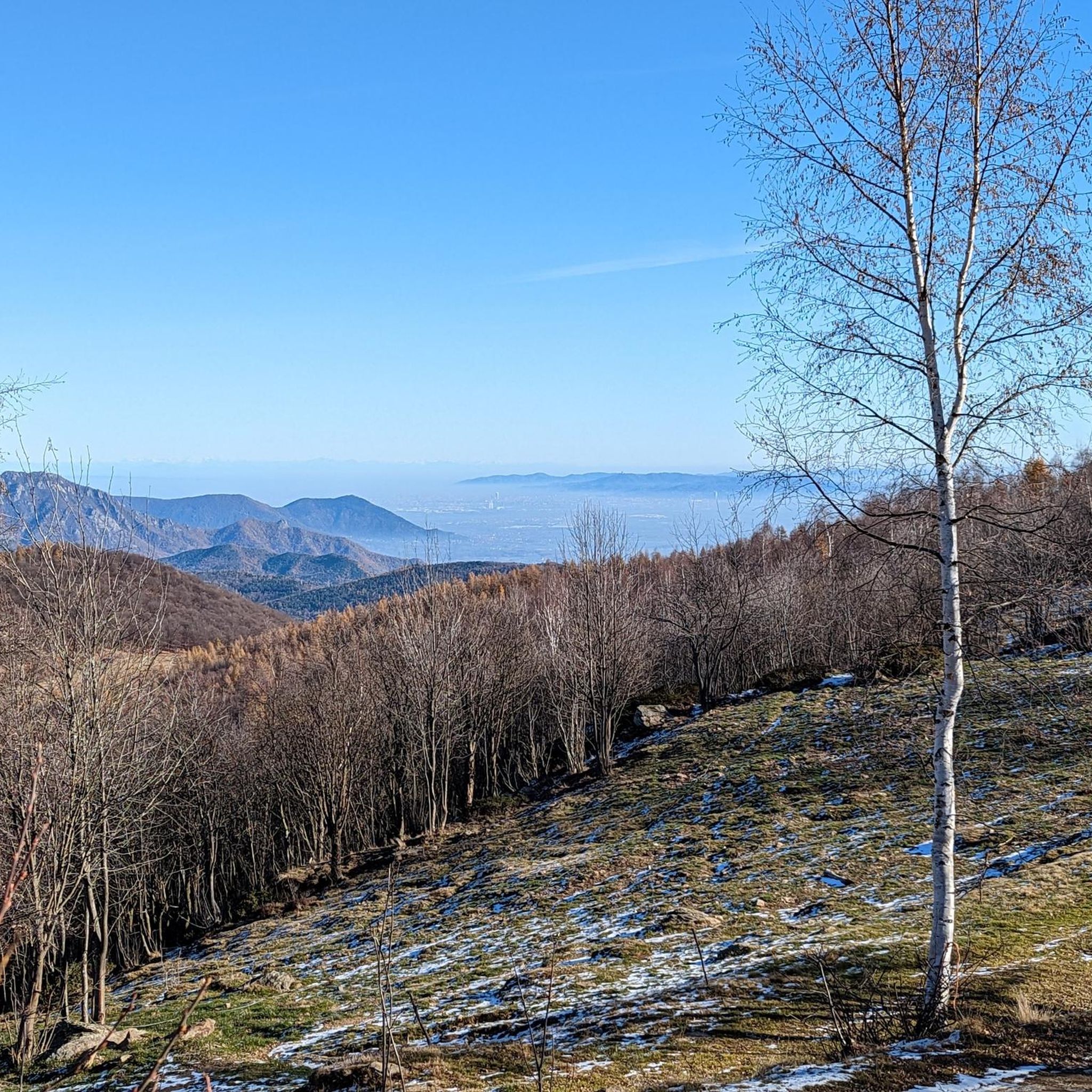
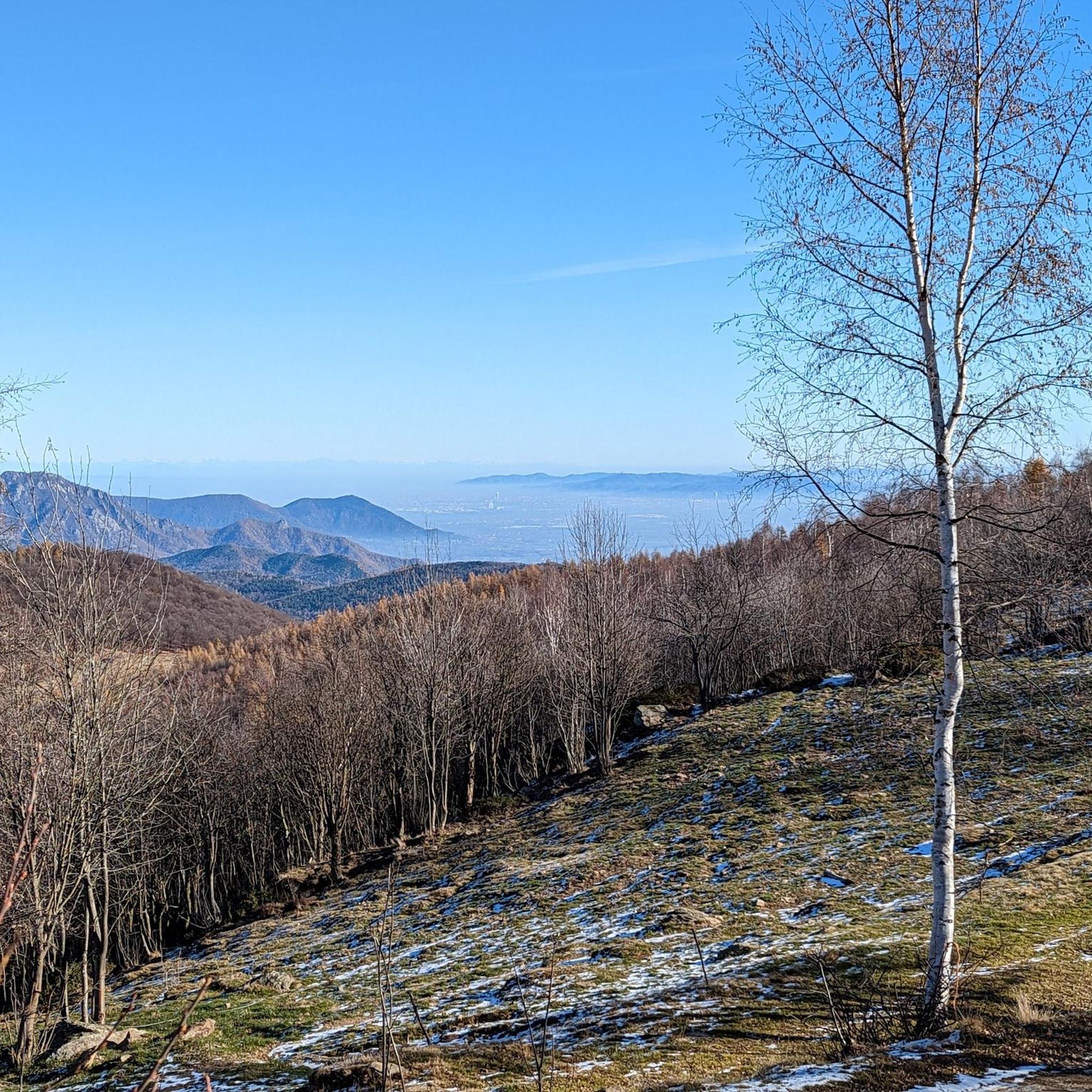
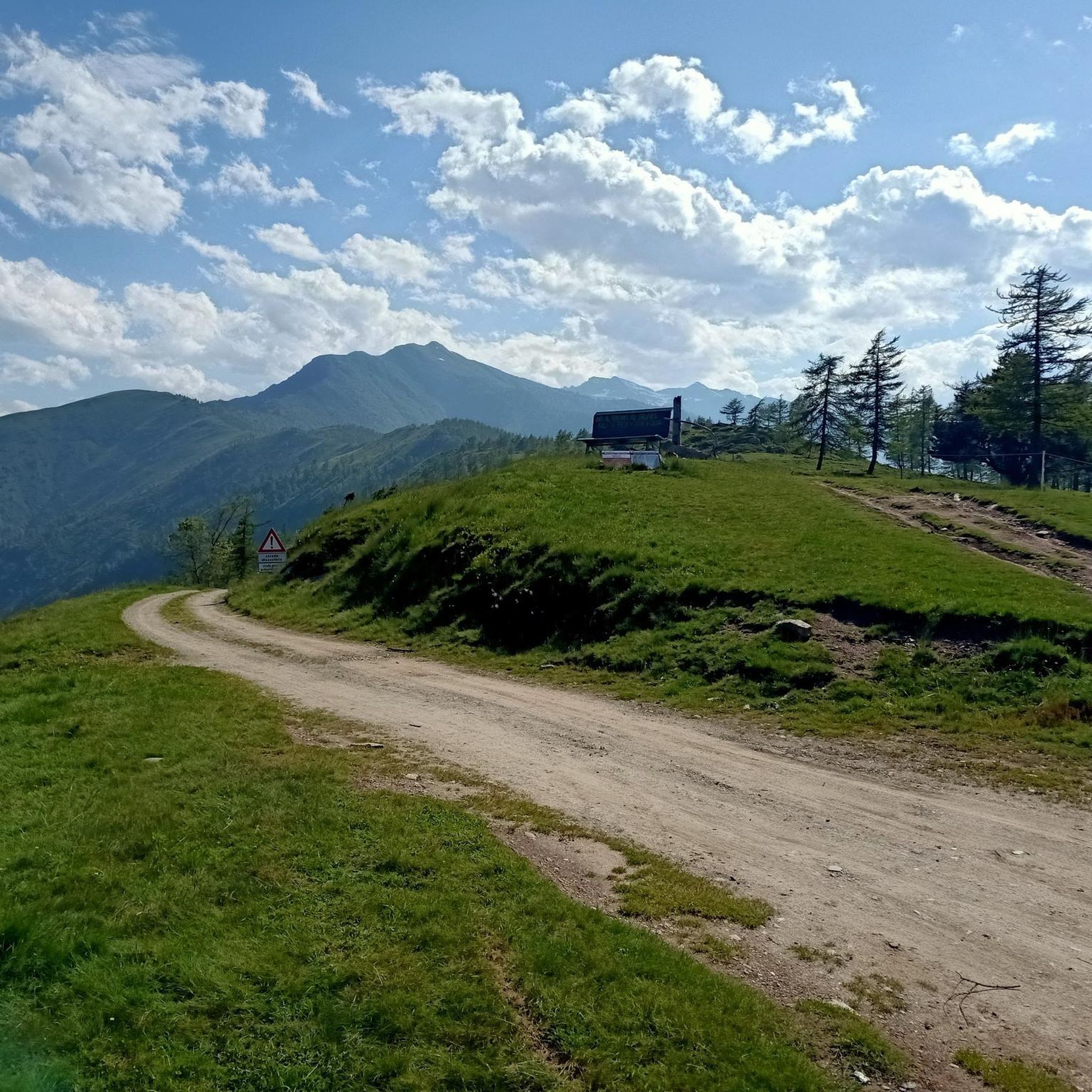
Cima Monte Cuccetto is located at 1700 m above sea level and is in fact one of the most beautiful peaks, the effort to get there is rewarded by the breathtaking views that the summit offers.
0
0
Frequently Asked Questions
What unique geological features can I explore in Pramollo?
Pramollo is renowned for its exceptional geological heritage, primarily along the Pramollo-Nassfeld Cross-border Geotrail. You can explore ancient sedimentary rocks, including the Permo-Carboniferous Pontebbano succession, which are rich in marine and continental fossils. Notable features include quartz pebble conglomerates, algal limestone, and ripple mark rocks, which are sandstone layers with perfectly preserved wave-formed ripples from 300 million years ago.
Are there any ancient fossil sites around Pramollo?
Yes, Pramollo is internationally recognized for its ancient sedimentary rocks, deposited between 310 and 275 million years ago, which contain well-preserved fossils. These include ancient flora like huge tree ferns, small coal deposits, and even footprints of large amphibians and terrestrial arthropods such as scorpions. The site boasts the oldest terrestrial vertebrate footprint discovered in Italy.
What kind of rock formations can be found in Pramollo for activities like bouldering?
The Passo Pramollo-Nassfeld area offers incredibly varied geology, appealing to climbers and those interested in rock formations. You'll find rough and polished limestone, three types of polished conglomerate, ferrous rocks, and a unique conglomerate with large quartz crystals and granite. This diversity provides a wide range of climbing styles and scenic backdrops.
What are some notable lakes to visit in the Pramollo area?
The region features several beautiful lakes. The most popular is the 13 Lakes Plateau (Pian dei 13 Laghi), where 11 to 12 lakes are visible depending on the season. Another must-see is Lake of the Cannons, situated at 2586 meters above sea level. You can also visit Lake Lauson in the Conca Cialancia provincial park, offering magnificent views.
Where can I find panoramic views or summits around Pramollo?
For breathtaking panoramic views, consider visiting Mount Cucetto, a summit at 1692 meters above sea level, offering 360-degree vistas across the Turin and Cuneo plains to the Chisone and Germanasca valleys. The 13 Lakes Plateau also provides access to many peaks with stunning landscapes.
Are there family-friendly natural monuments or activities in Pramollo?
While specific 'family-friendly' tags aren't always present, the geological sites along the Pramollo-Nassfeld Cross-border Geotrail offer an educational and engaging experience for families interested in Earth's history. The scenic 13 Lakes Plateau, accessible by chairlift, can also be a pleasant destination for families, though some trails from there can be challenging.
What outdoor activities, like hiking or cycling, are available near Pramollo's natural monuments?
Pramollo offers a variety of outdoor activities. For hiking, you can explore routes like the 'Ridge walk from Rifugio Vaccera to Monte Cialmetta' or the 'Big Bench Lazzarà – Colle Lazzarà loop'. Mountain biking enthusiasts can try trails such as the 'Ciardonet Pass – Colle del Crò loop'. You can find more details on these and other routes in the Hiking around Pramollo and MTB Trails around Pramollo guides.
What is the best time of year to visit Pramollo's natural monuments?
The alpine environment of Pramollo suggests that late spring, summer, and early autumn are generally the best times to visit. During these months, the weather is more favorable for exploring the geological sites, hiking trails, and enjoying the lakes, with less snow cover and milder temperatures.
Are there any historical aspects related to the natural monuments in Pramollo?
Yes, some natural monuments in Pramollo have historical significance. For instance, Lake of the Cannons is known for its historical military structures, including two cannon positions from 1905 that remain in place. The geological formations themselves tell a story of millions of years of Earth's history, including ancient glaciations and fluctuating sea levels.
What do visitors enjoy the most about the natural monuments in Pramollo?
Visitors frequently praise the breathtaking landscapes and panoramic views, especially from summits like Mount Cucetto. The serene beauty of the lakes, such as the 13 Lakes Plateau, is also highly appreciated. Many enjoy the unique geological insights offered by the ancient rock formations and fossil sites, providing a journey back in time.
How can I access the natural monuments, and is parking available?
Access to many natural monuments, especially along the Pramollo-Nassfeld Cross-border Geotrail, is often via designated geostops. For highlights like the 13 Lakes Plateau, you can go up on foot or use a chairlift. For Mount Cucetto, it's reachable via pedestrian paths or a dirt driveway from Serremarchetto or Perosa Argentina. Parking information for specific trailheads or sites is usually available locally or through tourist information centers.
Are there any specific trails or geotrails to explore the geological heritage?
Absolutely. The primary way to explore Pramollo's geological heritage is via the **Pramollo-Nassfeld Cross-border Geotrail**. This trail is part of the Carnic Alps Geopark and features numerous 'Geostops' that highlight significant natural monuments, unique rock formations, and fossil records, offering a deep dive into Earth's ancient history.
What are the difficulty levels of hiking trails around Pramollo's natural monuments?
Hiking trails around Pramollo's natural monuments vary in difficulty. For example, the ascent to the 13 Lakes Plateau can be challenging, with paths sometimes leading over scree slopes requiring good footwear. Some sections near Lake of the Cannons can be exposed. Trails like 'Ridge walk from Rifugio Vaccera to Monte Cialmetta' are rated moderate, while others like 'Monte Servin and Monte Cialmetta Loop' are difficult. Always check specific route details for difficulty.
Most popular routes around Pramollo
Most popular attractions around Pramollo

Get inspired with the komoot mobile app


Explore more
Extend your search for the best caves by checking out these guides of the top ones around Pramollo:
