Top 8 Natural Monuments around Armùngia/Armungia
Natural monuments around Armùngia/Armungia are found in a region of significant natural beauty in southeastern Sardinia. The town overlooks the Flumendosa Valley, characterized by green valleys, rivers, and rich natural environments. This area provides access to notable natural attractions, including parts of the Sette Fratelli Regional Park. The landscape offers diverse features, from river valleys to rugged mountains and dense forests.
Best natural monuments around Armùngia/Armungia
- The most popular natural monuments is Pranu Muttedu Archaeological Park, an archaeological site…
Last updated: July 12, 2026
Sacred Well of Funtana Coberta
Highlight • Historical Site
Translated by Google •
Tip by

Sacred Well Is Pirois
Highlight • Historical Site
Translated by Google •
Tip by

Sign up now to discover places like this
Get recommendations on the best single tracks, peaks, & plenty of other exciting outdoor places.
Sign up for free
Pranu Muttedu Archaeological Park
Highlight • Historical Site
Translated by Google •
Tip by

Covered fountain
Highlight • Historical Site
Translated by Google •
Tip by

Nuraghe Goni
Highlight • Historical Site
Translated by Google •
Tip by
Sign up for free to discover even more natural monuments around Armùngia/Armungia.
Sign up for free
Already have an account?
Start today with a free account
Your next adventure awaits.
Login or Signup
Popular around Armùngia/Armungia
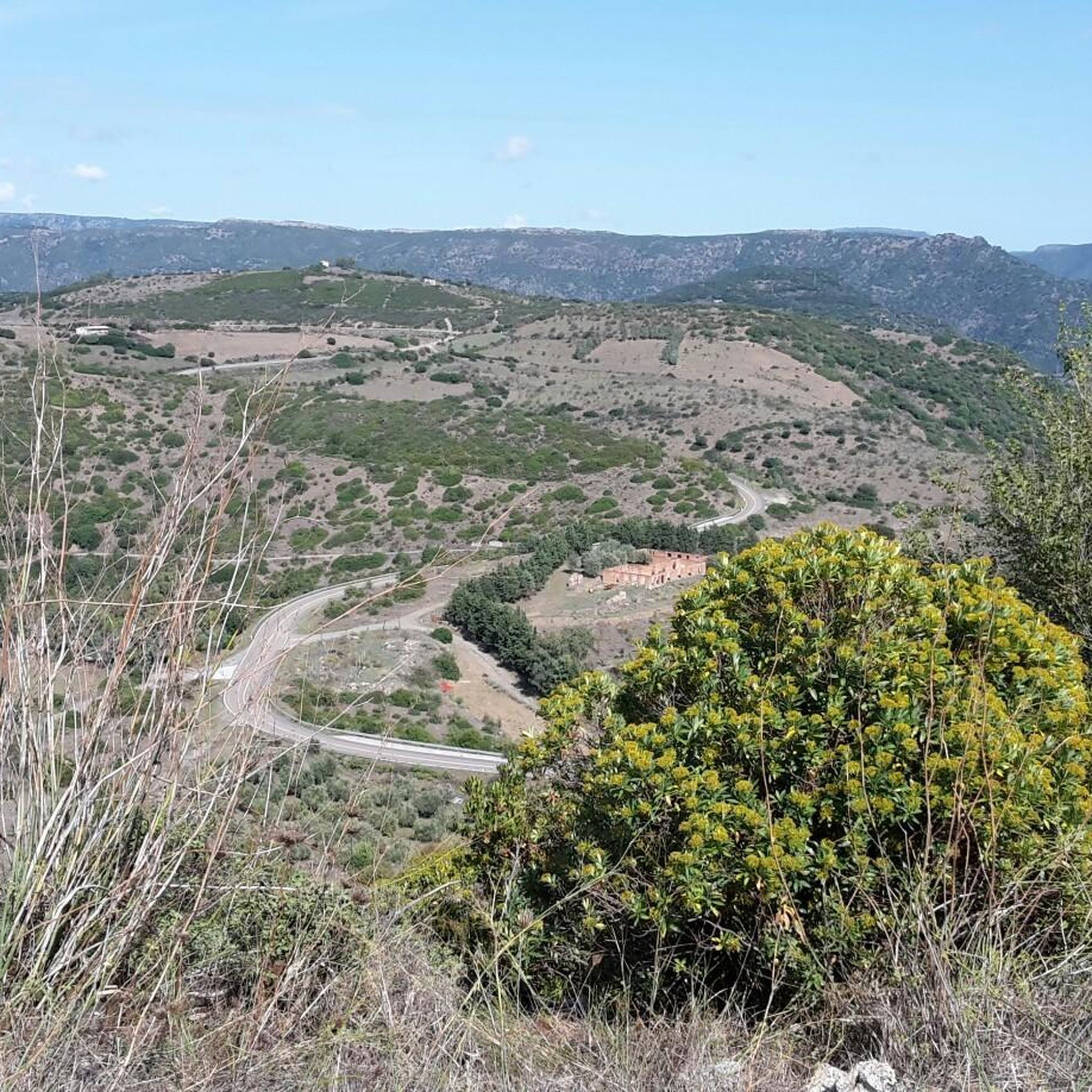
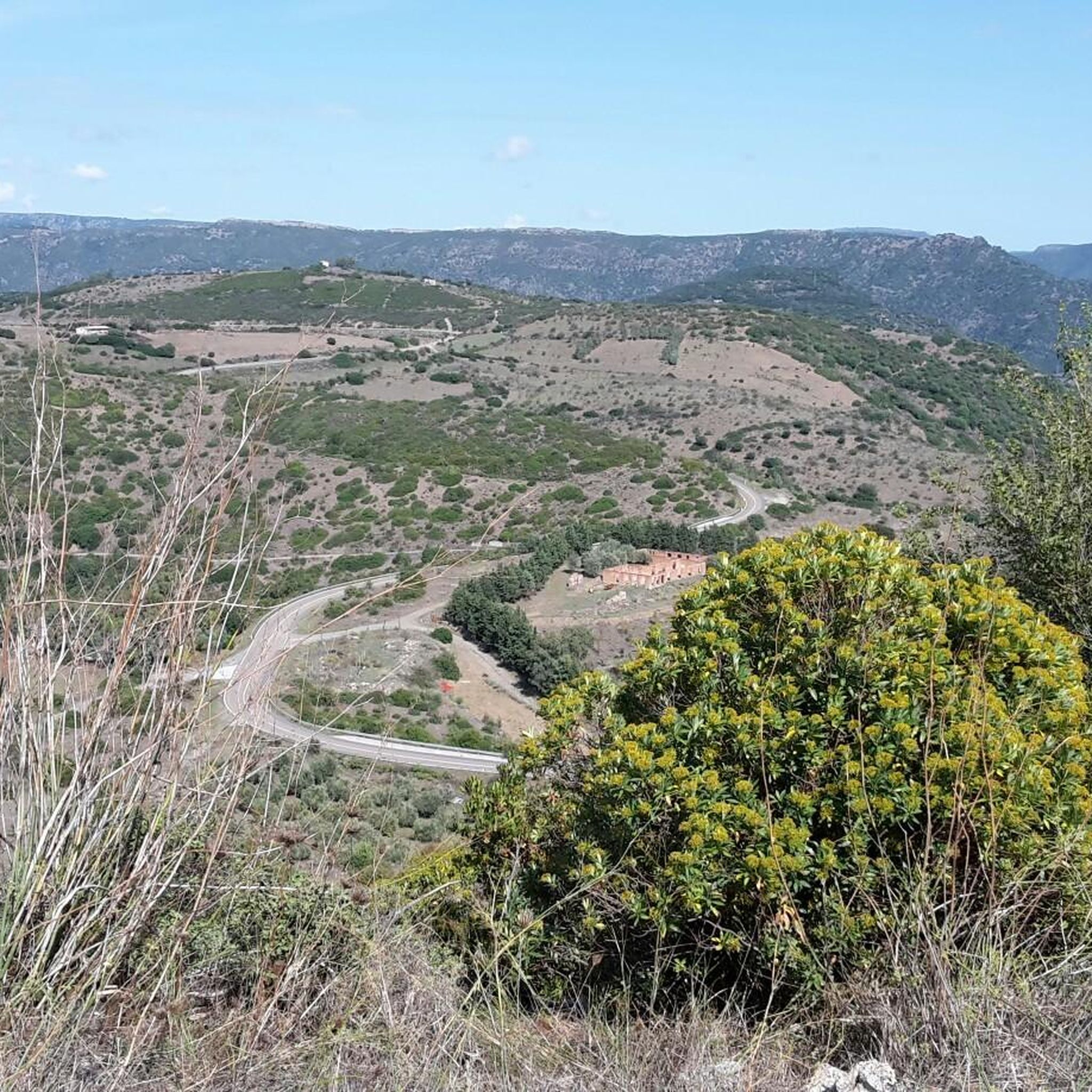
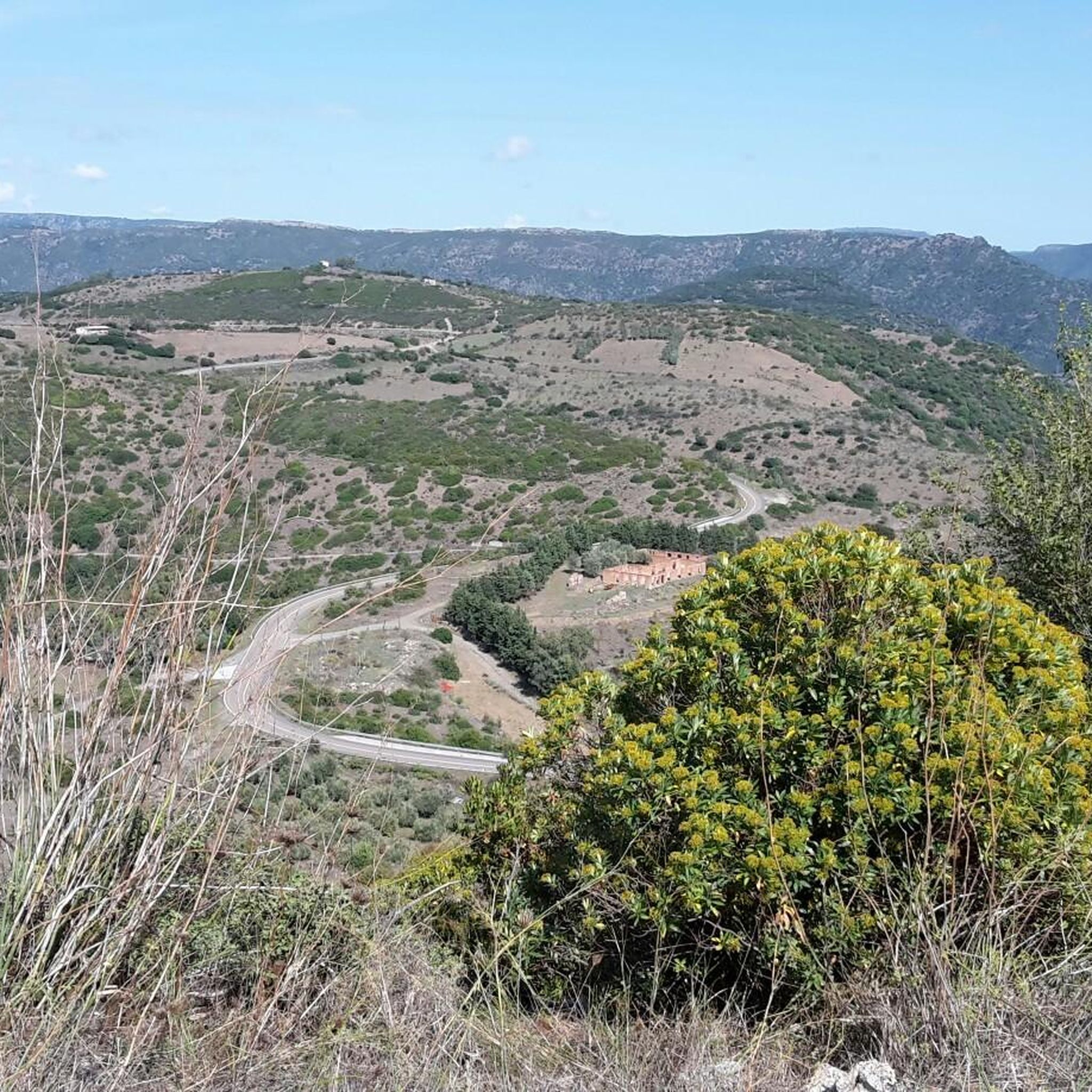
Tips from the Community

It is one of the most famous, interesting, and intact of the approximately thirty Nuragic well-temples where the water cult was practiced: the name "covered well" itself expresses its function and excellent state of preservation. Three kilometers from Ballao, a town in the historic region of Gerrei – along Provincial Road 13, which leads from the town to Escalaplano – lies the sacred well of Funtana Coberta, nestled in a green valley floor, enclosed to the east by a small hill. The entire building, ten and a half meters long, was constructed from irregular, roughly hewn limestone blocks of uniform thickness, carved on the exposed side. The floor plan is unusual: two wings of different lengths create an atrium whose original flooring is still visible. As is common with sacred wells, the monument is divided into three parts: on the surface, the small outdoor atrium (or vestibule), rectangular and almost two meters wide; an access staircase with twelve narrow steps, well crafted and covered with a stepped ceiling composed of twelve sloping architraves that fit into the walls and echo the shape of the underlying steps leading down to the floor of the tholos chamber; more precisely, the tholos chamber was built in the shape of a small nuragic: it is a semi-subterranean chamber with an almost circular plan, three and a half meters wide at the bottom and covered by a false dome five and a half meters high. Noteworthy is the construction of the dome, surrounded by a drum wall, to which a projecting body is attached that delimits the access staircase and the two wings of the atrium in antis. Also noteworthy is the slight curvature of the walls, almost as if to 'invite' the faithful into the interior of the temple. The floor is made of limestone slabs carefully arranged in a radial pattern. Here is the well shaft, dug into the rock, five meters deep, and covered with 36 rows of stones, with an average opening of one meter wide, from which the water spring flows. Source and further information: https://www.sardegnaturismo.it/it/esplora/funtana-coberta
0
0

A few dozen meters of dirt road to visit this beautiful place: covered fountain (this is the intuitive translation) dates back to 1,200 BC and is absolutely worth knowing. At the entrance to the dirt road there is a descriptive panel of the place.
0
0
Digression to visit this magical place, with spectacular views and full of energy. Road with ruthless stretches where it is almost mandatory to push the bike. But it is absolutely worth it!
0
0

Very nice and well kept, there is also water
0
0

The Pranu Muttedu Park takes the nickname "Sardinian Stonehenge" because it seems to date back to an age before the renowned British monument. The archaeological site is among the largest in Sardinia.
2
0

This well is an ancient Nuragic sacred well, a peculiar cult structure present in Sardinia during the Bronze Age, dedicated to the cult of water. It is located in front of a hill, where there are the remains of Nuraghe Nurresu, a nuragic village. Finding these authentic jewels while hiking in the region is always an interesting experience.
2
0
Frequently Asked Questions
What natural features can I explore around Armùngia/Armungia?
The region around Armùngia/Armungia offers diverse natural features. You can explore the scenic
Flumendosa Valley
with its green landscapes, rivers, and natural pools. TheSette Fratelli Regional Park
provides rugged mountains, dense forests, and unique formations like the Arco dell'Angelo. Additionally, the area is known for ancient well-temples and natural springs.Are there any unique geological formations or natural wonders to see?
Yes, the Flumendosa Valley is home to the impressive
Su Stampu de Su Turrunu
near Sadali, a unique karstic phenomenon where a waterfall flows through a sinkhole into a natural pool within a cave. TheSette Fratelli Regional Park
also features the Arco dell'Angelo, a natural pink granite arch offering breathtaking views.What historical natural monuments are there around Armùngia/Armungia?
The area is rich in historical natural monuments. You can visit the Sacred Well of Funtana Coberta, one of the most intact Nuragic well-temples dedicated to the water cult. Another significant site is the Sacred Well Is Pirois, an ancient Nuragic cult structure near the remains of Nuraghe Nurresu. The Pranu Muttedu Archaeological Park, known as the "Sardinian Stonehenge," is also a prominent historical natural monument.
Are there family-friendly natural monuments around Armùngia/Armungia?
Yes, the Is Alinus Spring is a family-friendly natural monument. It offers a rest area with fresh, drinkable water, making it a pleasant stop for families. The natural pools in the Flumendosa Valley can also be an enjoyable experience for families looking to explore nature.
What kind of wildlife can I expect to see in the natural areas?
The
Sette Fratelli Regional Park
is a sanctuary for diverse wildlife. You might spot Sardinian deer, wild boars, and mouflons. The park is also home to various bird species, including golden eagles, buzzards, and peregrine falcons. There's even a deer enclosure within the park.What outdoor activities can I do near these natural monuments?
The region offers various outdoor activities. You can find numerous hiking trails in the
Sette Fratelli Regional Park
and along theFlumendosa Valley
. For cycling enthusiasts, there are many routes available. You can explore road cycling routes, MTB trails, and touring bicycle routes around Armùngia/Armungia.Are there hiking trails near the natural monuments?
Yes, the
Sette Fratelli Regional Park
offers numerous hiking trails catering to different skill levels, leading to panoramic viewpoints. TheFlumendosa Valley
also provides scenic paths for hiking. For specific routes, you can check out the MTB Trails around Armùngia/Armungia guide, which includes trails like "Villasalto and Gerrei – between nuraghi and valleys" that pass through natural areas.What is the best time to visit the natural monuments around Armùngia/Armungia?
The best time to visit is generally during spring (April-June) and autumn (September-October) when the weather is mild and pleasant for outdoor activities like hiking and exploring. Summers can be hot, while winters are cooler and wetter.
Are there any viewpoints offering panoramic scenery?
Absolutely. The Nuraghe Goni offers spectacular views of the surrounding landscape. Within the
Sette Fratelli Regional Park
, the Arco dell'Angelo provides a breathtaking panorama of the Castiadas Valley, the Campidano di Cagliari, and the Colostrai pond.Can I find natural pools or wild swimming spots in the area?
Yes, the
Flumendosa River
in the Flumendosa Valley offers stunning natural pools, perfect for exploring the wild side of Sardinia's nature and enjoying a refreshing dip. The area around Sadali, also in the Flumendosa region, is known for charming waterfalls and idyllic streams.What do visitors enjoy most about the natural monuments around Armùngia/Armungia?
Visitors particularly enjoy the blend of historical significance with natural beauty. The well-preserved ancient sites like the Sacred Well of Funtana Coberta and the Sacred Well Is Pirois offer an interesting experience while hiking. The spectacular views from places like Nuraghe Goni and the serene natural environments of the Flumendosa Valley are also highly appreciated.
Are there any caves to explore in the natural parks?
Yes, the
Sette Fratelli Regional Park
contains several caves, includingGrotta Fra' Conti
andsu Stumpu 'e Giumpau
. Additionally, the uniqueSu Stampu de Su Turrunu
in the Flumendosa region involves a waterfall flowing into a natural pool within a cave, offering a fascinating natural experience.Most popular routes around Armùngia/Armungia
Most popular attractions around Armùngia/Armungia

Get inspired with the komoot mobile app


Explore more
Extend your search for the best caves by checking out these guides of the top ones around Armùngia/Armungia:
