Top 9 Natural Monuments around Villa Latina
Best natural monuments around Villa Latina are concentrated within a region known for its historical significance and diverse natural landscape. The Villa Latina estate, officially recognized as a Natural Monument in 2007, features ancient woodlands and historical ruins. The surrounding area in Frosinone province offers a variety of natural features, including mountain ranges and summits. This area provides opportunities to explore both natural beauty and historical sites.
Best natural monuments around Villa Latina
- The most popular natural monuments is Mount…
Last updated: June 28, 2026
Monks' Pass
Highlight • Mountain Pass
Translated by Google •
Tip by

Mount La Meta
Highlight • Summit
Translated by Google •
Tip by

Sign up now to discover places like this
Get recommendations on the best single tracks, peaks, & plenty of other exciting outdoor places.
Sign up for free
Monte Cairo Summit Cross
Highlight • Summit
Translated by Google •
Tip by
Fonte Fredda (Monte Cavallo)
Highlight • Natural Monument
Translated by Google •
Tip by
Monte Forcellone
Highlight • Summit
Translated by Google •
Tip by
Sign up for free to discover even more natural monuments around Villa Latina.
Sign up for free
Already have an account?
Start today with a free account
Your next adventure awaits.
Login or Signup

Tips from the Community

In August, you can only climb at the top with a guide, after booking the tour.
0
0

Passage point for the Meta and other paths
0
0

Mount La Meta 2242m Abruzzo Lazio and Molise National Park
0
0

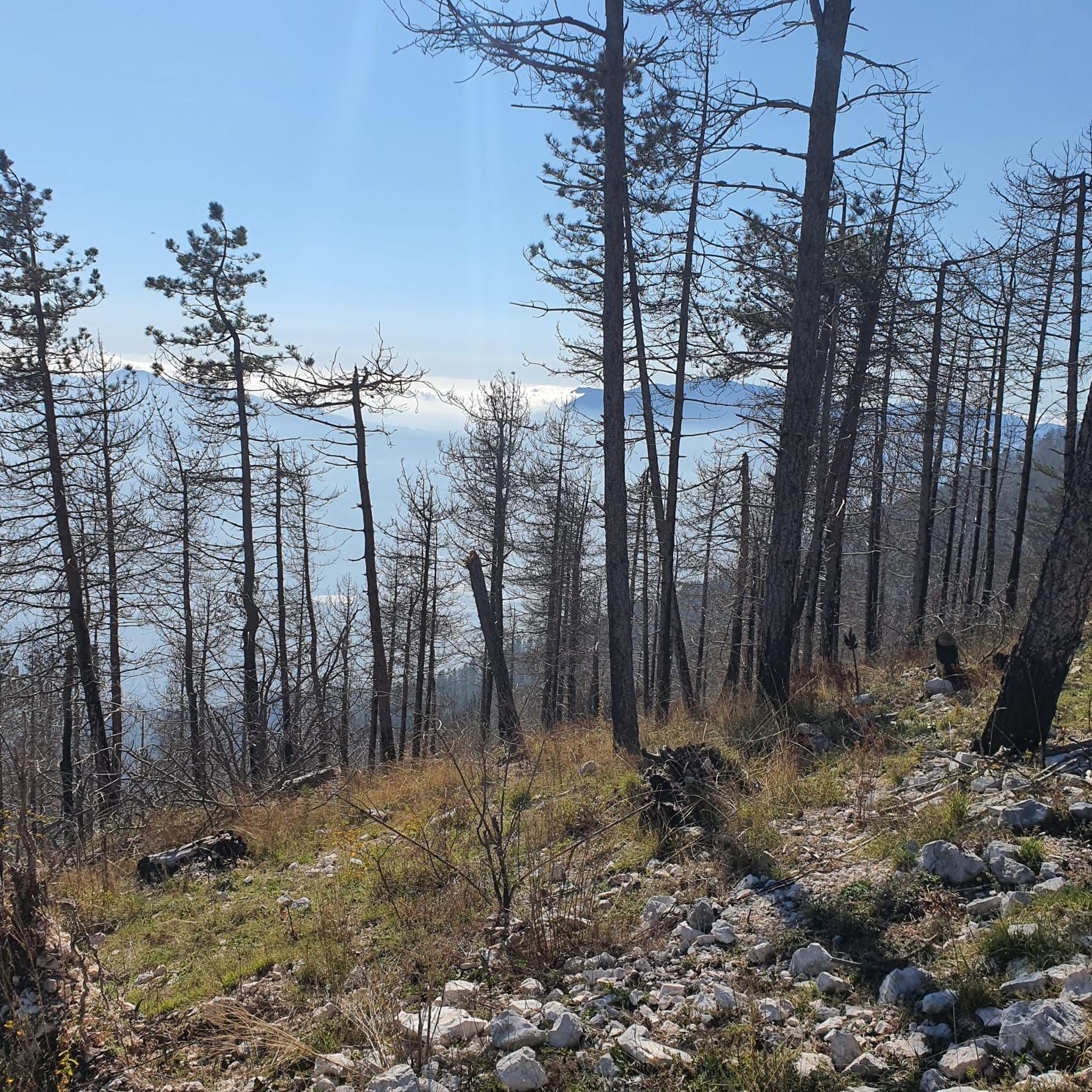
(1967mt) The Monaci Pass is located on the border between Abruzzo, Lazio and Molise, crossed since ancient times by pilgrims, traders and bandits. The monks used to place a stone when they reached the pass. Over the years, piles of a couple of meters high have formed, clearly visible in the center of the plateau, making it a characteristic sign of recognition. The name of the Monaci Pass comes from a legend: three monks died during a storm while trying to cross the pass. The story is plausible, given the difficulty in identifying it if you come from the west and there is fog, and considering that historically the mule track that passes it connected the territories of the important abbeys of S. Vincenzo al Volturno and Montecassino. This very particular territory is the kingdom of a historic herd of Apennine chamois, which performs acrobatics between leaps, cliffs and steep meadows, grazing on grass or resting comfortably on sheer walls.
0
0

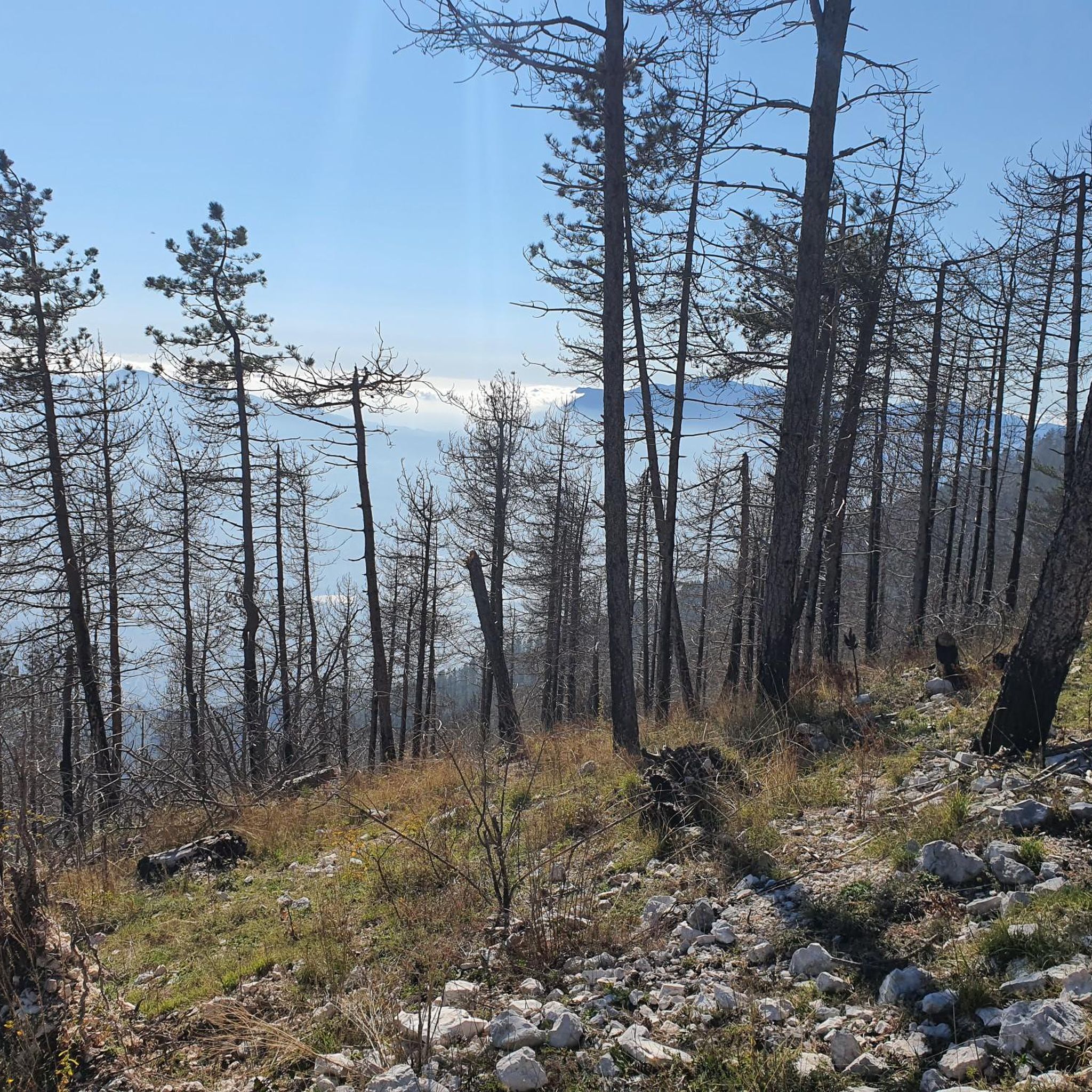
Mount Cairo, formerly called Mons Clarius, is 1669m high. Clarius is another name for Apollo, and in fact here once there was a temple dedicated to him - today instead we can find the Abbey of Montecassino in its place.
2
0
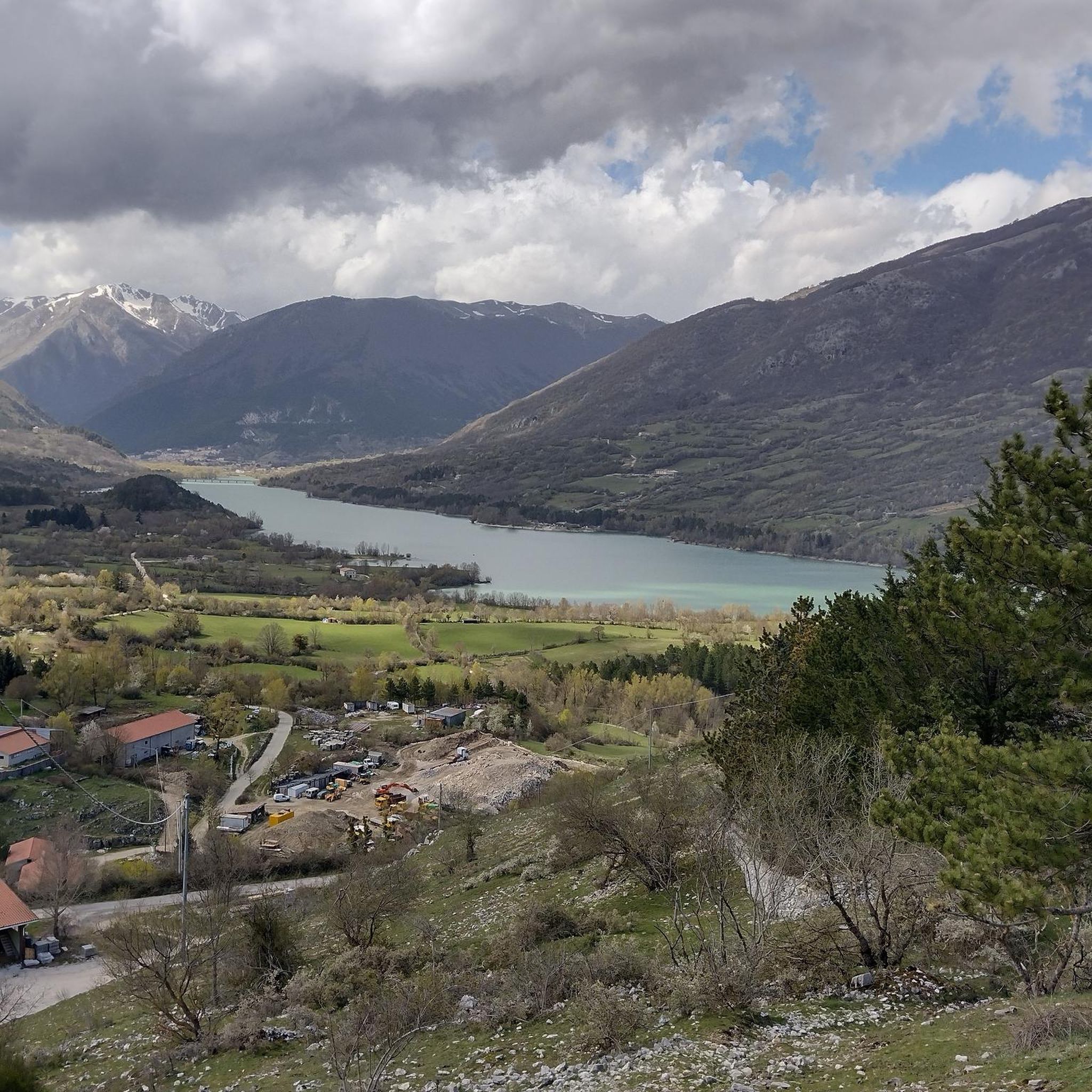
Here we are in Monte Forcellone, a 2030 m high peak and among the southernmost peaks of the PNALM (National Park of Abruzzo, Lazio and Molise).
1
0
Fonte Fredda (1700 m), also known as Fonte Aqua Fredda, flows from two boulders. The source is part of Monte Cavallo.
1
0
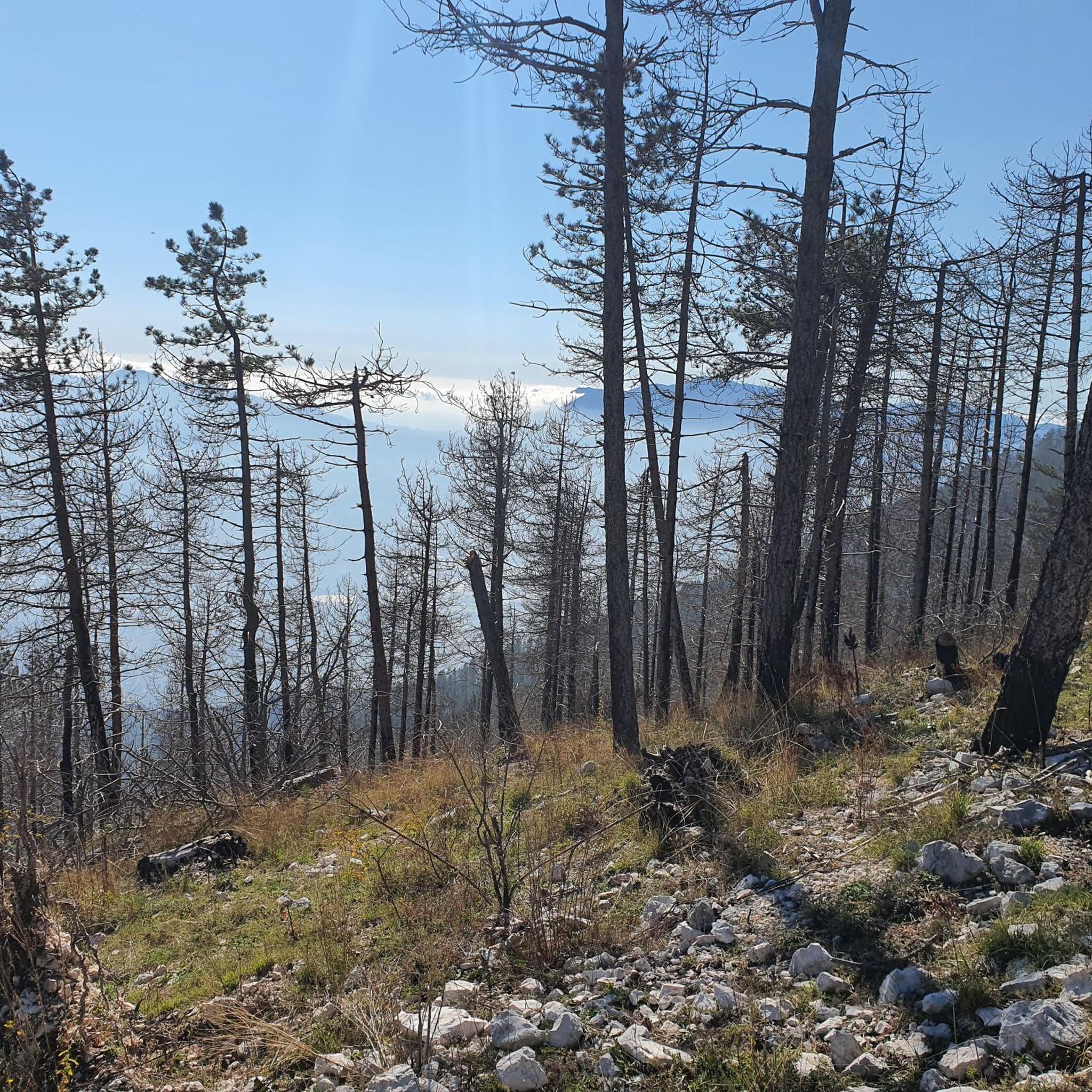
This mountain is part of the Marsicani Mountains, and is 2241 m high. Access to Monte Meta can be forbidden at certain times of the year for the protection of Abruzzo chamois and access to certain paths is only allowed alongside a qualified guide appointed by the park. It is advisable to contact the park or check the park website before departure.
1
0
Frequently Asked Questions
What are some of the prominent natural monuments to explore around Villa Latina?
The region around Villa Latina offers several notable natural monuments. These include Mount La Meta, a summit reaching 2241 m, and Monte Cairo Summit Cross, which stands at 1669 m. Another significant peak is Monte Forcellone, at 2030 m, located in the National Park of Abruzzo, Lazio and Molise. You can also visit Monks' Pass, known for its historical significance and unique stone piles.
What kind of natural features can I expect to see in the Villa Latina area?
The Villa Latina area is characterized by diverse natural features, including high mountain summits, scenic mountain passes, and natural springs like Fonte Fredda (Monte Cavallo). The landscape encompasses ancient woodlands, particularly within the Villa Latina estate, and offers expansive views from various viewpoints across the Marsicani Mountains.
Are there historical sites within or near the natural monuments?
Yes, the area is rich in history. The Villa Latina estate itself contains the ruins of a medieval village and significant Roman archaeological remains, including a villa, spa, and aqueduct. Monte Cairo Summit Cross, for instance, was once home to a temple dedicated to Apollo.
What makes the Villa Latina estate a significant natural monument?
The Villa Latina estate, recognized as a Natural Monument in 2007, is significant for its unique blend of natural beauty and historical charm. It features meticulously restored English-style gardens, ancient woodlands, and the picturesque ruins of a medieval village, all set amidst a landscape that evokes untouched, romantic natural beauty.
Are there hiking trails suitable for different skill levels near Villa Latina's natural monuments?
Yes, the region offers a variety of hiking trails. You can find challenging routes to summits like Mount La Meta and Monte Forcellone, as well as moderate options like the Monte Cairo Summit Cross loop. For more details on routes and their difficulty, you can explore the Hiking around Villa Latina guide.
Can I go cycling near the natural monuments around Villa Latina?
Absolutely. The area provides various cycling opportunities, including road cycling and touring bicycle routes. You can find moderate to difficult routes that take you through scenic landscapes. For specific routes and their details, refer to the Road Cycling Routes around Villa Latina and Cycling around Villa Latina guides.
Are the natural monuments around Villa Latina family-friendly?
While some mountain trails can be challenging, the broader Villa Latina estate with its gardens and historical ruins offers a more relaxed experience suitable for families. When planning, check the difficulty ratings of specific trails to ensure they match your family's capabilities.
Can I bring my dog to the natural monuments and trails?
Many natural areas and trails in Italy are dog-friendly, but specific rules can vary, especially within national parks or protected areas. For instance, access to certain parts of Mount La Meta can be restricted for wildlife protection. It's advisable to check local regulations or park websites before visiting with your dog.
What is the best time of year to visit the natural monuments around Villa Latina?
Spring and autumn are generally ideal for visiting, offering pleasant temperatures for hiking and exploring the natural beauty. Spring brings blooming wildflowers, while autumn showcases vibrant foliage. Summer can be warm, especially at lower elevations, but higher mountain areas offer cooler temperatures. Winter can bring snow, making some high-altitude trails more challenging or inaccessible.
Is parking available near the natural monuments?
Parking availability varies by specific location. For popular trailheads or the Villa Latina estate, designated parking areas are usually present. However, for more remote natural monuments, parking might be limited to roadside spots or small clearings. It's recommended to research specific access points before your visit.
Are there any specific access restrictions or permits required for certain natural monuments?
Yes, for the protection of wildlife, particularly the Abruzzo chamois, access to certain parts of Mount La Meta can be restricted at certain times of the year. Some paths may only be accessible with a qualified guide appointed by the park. It is advisable to contact the park authorities or check their website before planning your trip to these specific areas.
What is unique about the Monks' Pass natural monument?
Monks' Pass, at 1967 m, is located on the border of Abruzzo, Lazio, and Molise. It's known for its historical use by pilgrims, traders, and bandits. A unique feature is the piles of stones, several meters high, formed over centuries as monks placed a stone upon reaching the pass. This territory is also a habitat for a historic herd of Apennine chamois.
Where can I find accommodation near the natural monuments of Villa Latina?
The village of Villa Latina and surrounding towns in the Frosinone province offer various accommodation options, including guesthouses, B&Bs, and agriturismos. These provide convenient bases for exploring the natural monuments and the wider region.
Are there places to eat or drink near the natural monuments?
While the natural monuments themselves are typically undeveloped, you can find cafes, pubs, and restaurants in the nearby villages and towns, such as Villa Latina itself or other communities in the Frosinone province. It's a good idea to pack snacks and water for your excursions into the natural areas.
Most popular attractions around Villa Latina

Get inspired with the komoot mobile app


Explore more
Extend your search for the best caves by checking out these guides of the top ones around Villa Latina:
