Top 8 Natural Monuments around Caponago
Best natural monuments around Caponago include the significant Parco del Molgora, a local park of supra-municipal interest established in 1985. This park spans approximately 16 kilometers along the Molgora stream, encompassing 583 hectares across several municipalities. It serves as a crucial ecological corridor, connecting to other protected areas like the Montevecchia and Valle del Curone Park. The region offers diverse landscapes, from agricultural fields to wetlands and wooded areas, alongside historical architectural elements.
Best natural monuments around Caponago
- The most…
Last updated: June 28, 2026
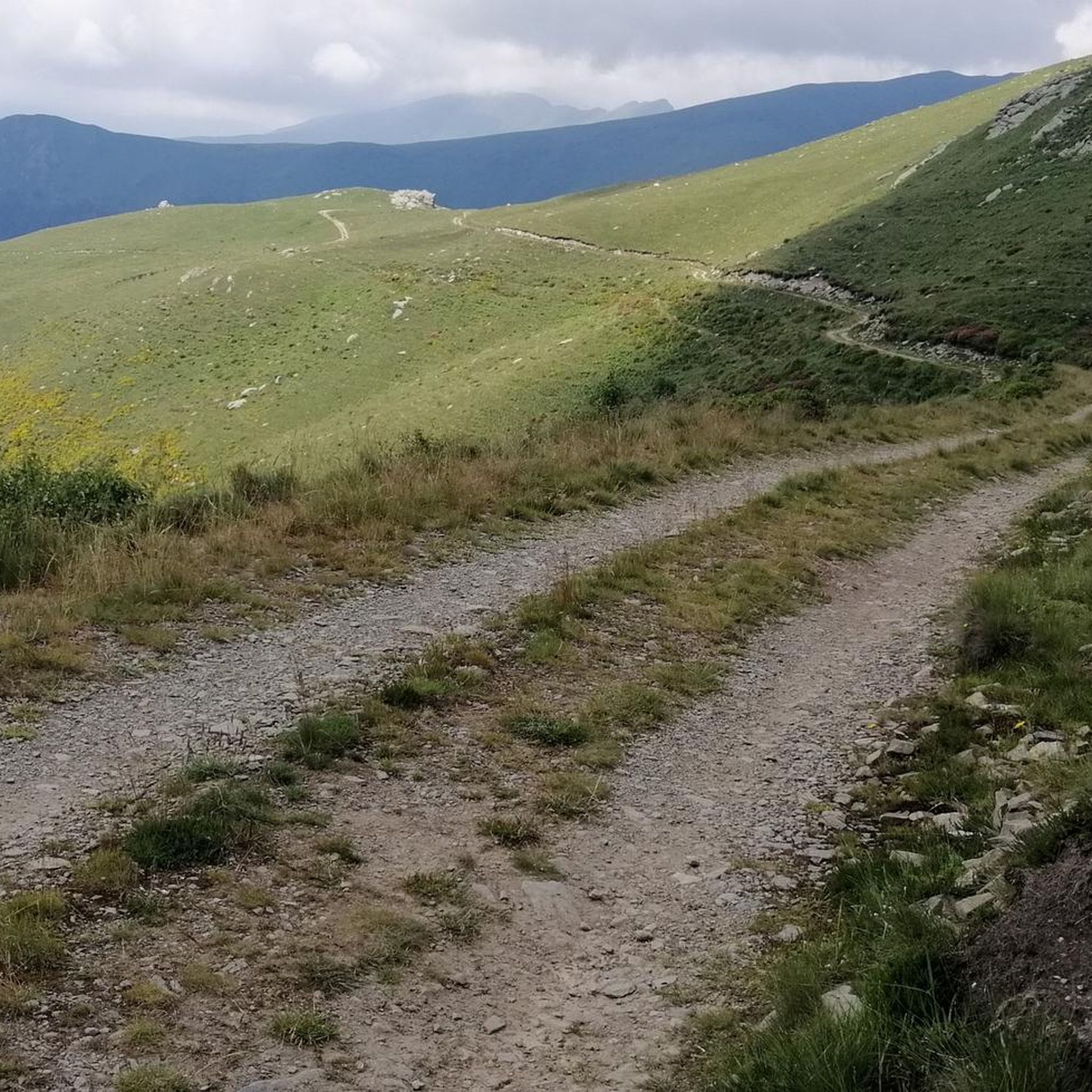
Royal Groves of Monza
Highlight • Forest
Translated by Google •
Tip by

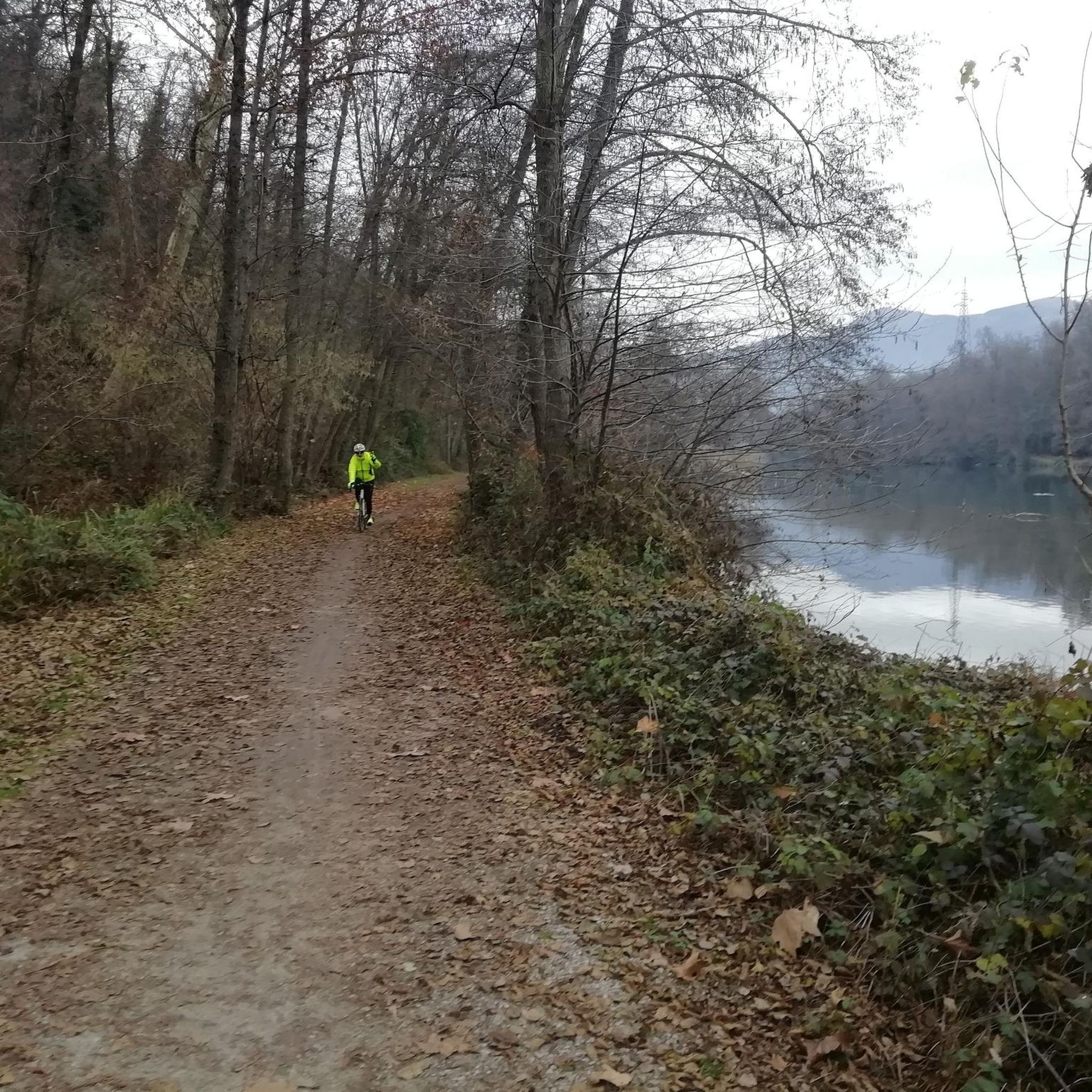
Ponte dei Bertoli
Highlight • Bridge
Translated by Google •
Tip by

Sign up now to discover places like this
Get recommendations on the best single tracks, peaks, & plenty of other exciting outdoor places.
Sign up for free
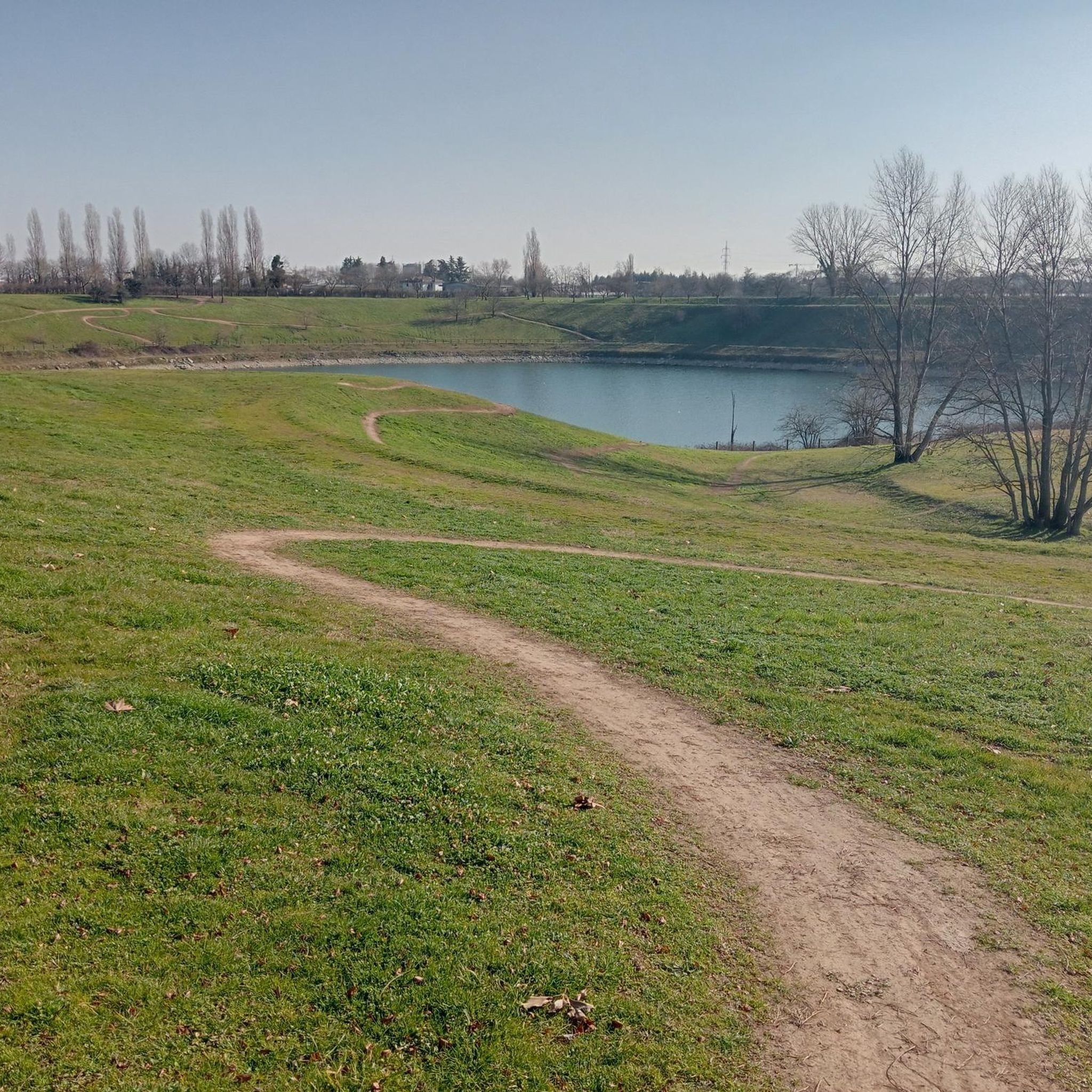
Besozza Forest
Highlight • Forest
Translated by Google •
Tip by

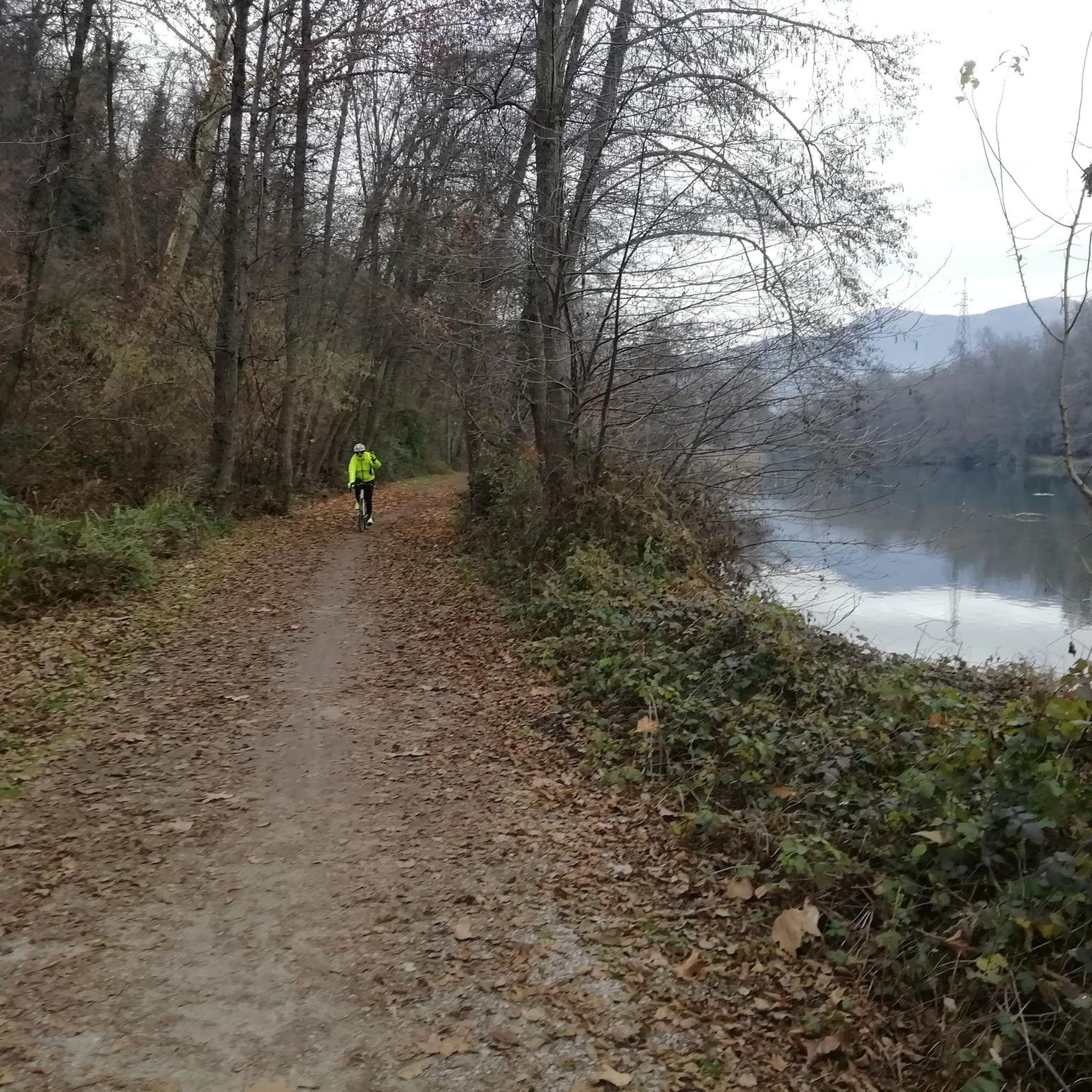
Niso Fumagalli Rose Garden
Highlight • Natural Monument
Translated by Google •
Tip by

Lo Scrittore Sculpture, Parco di Monza
Highlight • Monument
Translated by Google •
Tip by

Sign up for free to discover even more natural monuments around Caponago.
Sign up for free
Already have an account?
Start today with a free account
Your next adventure awaits.
Login or Signup


Tips from the Community

The Royal Gardens of Monza are a historic public green area of approximately 5.50 hectares located in the city center. This garden is part of the monumental complex of the Royal Villa of Monza and is strategically positioned to connect the historic city center with the southern entrance of the Gardens of the Royal Villa.
0
0
Interesting collection of roses, some very old but well-maintained with twisted trunks that enhance their age. Pleasant environment, easily accessible, you can explore it at your own pace. Beautiful are the tanks that add some movement. Access is FREE. I didn't really appreciate the support structures for climbing plants and the small, miserable little roses. Very well cared for. All varieties are labeled.
1
0

The connection between the Royal Villa, its Gardens, and the city of Monza was established through the so-called "Royal Groves," a triangular area aligned with the southern entrance to the Villa. The regular layout of the Royal Groves consisted of a series of avenues converging on a circular square, traversed by a system of secondary paths, with three squares at the main intersections. The layout still exists today: the lateral avenues (Regina Margherita to the west and Francesco Petrarca to the east) are now accessible to vehicles, as is the converging square (Piazza Citterio), while the other paths are pedestrian.
2
0
Inside Monza Park, the Lambro River is crossed by four bridges along its course (the Chain Bridge, the Cavriga Bridge, the Bertoli Bridge and the Neoclassical Bridge).
1
0
Bertoli Bridge Architect: Giacomo Tazzini Built in 1838 Location: Viale Mulini San Giorgio
1
0
The rose garden is located within the Royal Palace of Monza, opposite the old Orangery. Created in 1964 by Niso Fumagalli, industrialist and president of the Italian Rose Association, it is home to over 4,000 varieties of roses. It was awarded the prestigious "Award of Garden Excellence" in 2004 by the World Federation of Rose Societies. Admission is free, and the best time to admire the blooms is usually May. The rose garden also features a pond with water lilies and an area dedicated to the most fragrant roses called "The Secret Garden of Perfume."
2
0
Entering the Park from the Dosso gate in Villasanta, after a few dozen meters of dirt road, you come across the Bertoli Bridge (also known as "del Dosso"). The bridge, designed by architect Giacomo Tazzini in the 1840s, owes its name to the family who owned the nearby land, and even today the bridge connects Viale Mulino del Cantone to Viale dei Molini Asciutti. Originally made of wood, due to repeated floods, it was rebuilt using a technique that was innovative for the time. The project modified the bridge's structure, replacing the multiple arches with a single pillar to support the structure and facilitate water flow in the event of river floods. The abutments and central pier of the bridge are made of masonry with a facing of ceppo, a type of stone widely used as an ornamental stone in all existing hydraulic structures within the Park.
1
0
The 700 hectares of the Monza Park are strongly marked by the presence of the Lambro: a resource primarily for fishing and a determining factor in the local flora, the river also became the protagonist of the artistic embellishment of the area. Thanks to precise canalizations, it was possible to build eclectic nineteenth-century mills and create picturesque water features in the gardens of the Villa Reale between the end of the 18th and 19th centuries.
1
0
Frequently Asked Questions
What are the primary natural attractions around Caponago?
The most significant natural attraction is the Parco del Molgora, a local park established in 1985. It spans approximately 16 kilometers along the Molgora stream, offering diverse landscapes from agricultural fields to wetlands and wooded areas. It also connects to a larger network of protected areas, including the Montevecchia and Valle del Curone Park and the Lambro Valley Regional Park.
Are there family-friendly natural monuments near Caponago?
Yes, several natural monuments are suitable for families. The Royal Groves of Monza and the Besozza Forest are both marked as family-friendly. Additionally, the Lo Scrittore Sculpture in Parco di Monza, with its giant chair and table, is a unique and engaging spot for all ages. The Niso Fumagalli Rose Garden is also a beautiful and peaceful family-friendly option.
What kind of outdoor activities can I do near these natural monuments?
The area around Caponago offers various outdoor activities. You can find numerous routes for hiking, running, and road cycling. The Villoresi Canal, for instance, is popular for both hiking and cycling. The Royal Groves of Monza are particularly noted for their cycling routes.
Are there any historical or cultural sites within the natural monuments?
Yes, the Parco del Molgora features notable architectural heritage, including typical rural farmhouses ('cascine'), stately villas with parks, aristocratic palaces with gardens, and various religious buildings. Within Monza Park, the Niso Fumagalli Rose Garden is located within the Royal Palace of Monza, adding a historical dimension to its natural beauty.
What is the best time to visit the natural monuments around Caponago?
The best time to visit largely depends on your interests. For enjoying the blooms at the Niso Fumagalli Rose Garden, May is usually ideal. Generally, spring and autumn offer pleasant temperatures for outdoor activities like hiking and cycling. In summer, areas like the Royal Groves of Monza provide a refreshing escape, though temperatures can drop a few degrees compared to outside the park.
Can I bring my dog to the natural monuments?
While specific regulations vary by location, many natural areas in Italy are dog-friendly, especially on trails and in open parks, provided dogs are kept on a leash. It's always advisable to check local signage or official park websites for specific rules regarding pets in areas like the Parco del Molgora or Monza Park.
What kind of natural features can I expect to see?
You can expect a variety of natural features. The Parco del Molgora showcases cultivated fields, wetlands, and wooded areas. Within Monza Park, you can find the Lambro River Waterfall, and the Royal Groves of Monza offer extensive forest landscapes. The Besozza Forest is known for its indigenous forestry system and recovered fountain systems.
Are there any viewpoints or scenic spots?
Yes, the Royal Groves of Monza and the Lambro River Waterfall in Monza Park are both highlighted as viewpoints, offering scenic perspectives of the natural surroundings. The varied landscapes of the Parco del Molgora also provide many picturesque spots for nature observation.
What are the terrain and difficulty levels of trails in the natural monuments?
Many trails in the natural monuments, particularly within the Parco del Molgora and along the Villoresi Canal, are generally easy to moderate, suitable for walking, running, and cycling. The Besozza Forest features dirt tracks. For specific routes, you can find hiking and running guides with details on distance and difficulty, ranging from easy to difficult.
What amenities are available near the natural monuments?
While the natural monuments themselves focus on preserving nature, surrounding towns and areas like Monza Park offer amenities. You can find cafes, pubs, and accommodation options in nearby Caponago and other municipalities bordering the parks. The Niso Fumagalli Rose Garden is located within the Royal Palace of Monza, which often has facilities nearby.
Is public transport available to reach these natural monuments?
Information on specific public transport routes to each natural monument can vary. However, major parks like Monza Park are generally accessible by public transport from nearby cities. For the Parco del Molgora, which spans several municipalities, local bus services might connect to its various access points. It is recommended to check local transport schedules for the most up-to-date information.
What makes the Besozza Forest unique?
The Besozza Forest is part of the "Ten great lowland forests" program promoted by the Lombardy region. This public park spans 41 hectares, featuring an indigenous forestry system and recovered fountain systems, making it a significant ecological site on the outskirts of Milan.
Most popular routes around Caponago
Most popular attractions around Caponago

Get inspired with the komoot mobile app


Explore more
Extend your search for the best caves by checking out these guides of the top ones around Caponago:
