Top 14 Natural Monuments around Civita Castellana
Best natural monuments around Civita Castellana are found in a landscape shaped by deep gorges and ravines, carved by ancient watercourses. This region, situated on a dramatic tufa spur, offers a unique combination of geological formations and historical sites. The erosive power of water has created a fractured landscape, providing distinct natural features. These areas showcase the region's natural heritage and its long interaction with human history.
Best natural monuments around Civita Castellana
- The most popular natural monuments is Nazzano…
Last updated: August 21, 2026
Nazzano Tevere-Farfa Nature Reserve
Highlight • Natural
Translated by Google •
Tip by

Corchiano Historic Village and Gorges
Highlight • Settlement
Translated by Google •
Tip by

Sign up now to discover places like this
Get recommendations on the best single tracks, peaks, & plenty of other exciting outdoor places.
Sign up for free
Vie Cave of Corchiano
Highlight • Natural Monument
Translated by Google •
Tip by

Ocriculum Archaeological Park
Highlight • Historical Site
Translated by Google •
Tip by

Meri del Soratte Karst Sinkholes
Highlight • Cave
Translated by Google •
Tip by

Sign up for free to discover even more natural monuments around Civita Castellana.
Sign up for free
Already have an account?
Start today with a free account
Your next adventure awaits.
Login or Signup

Tips from the Community

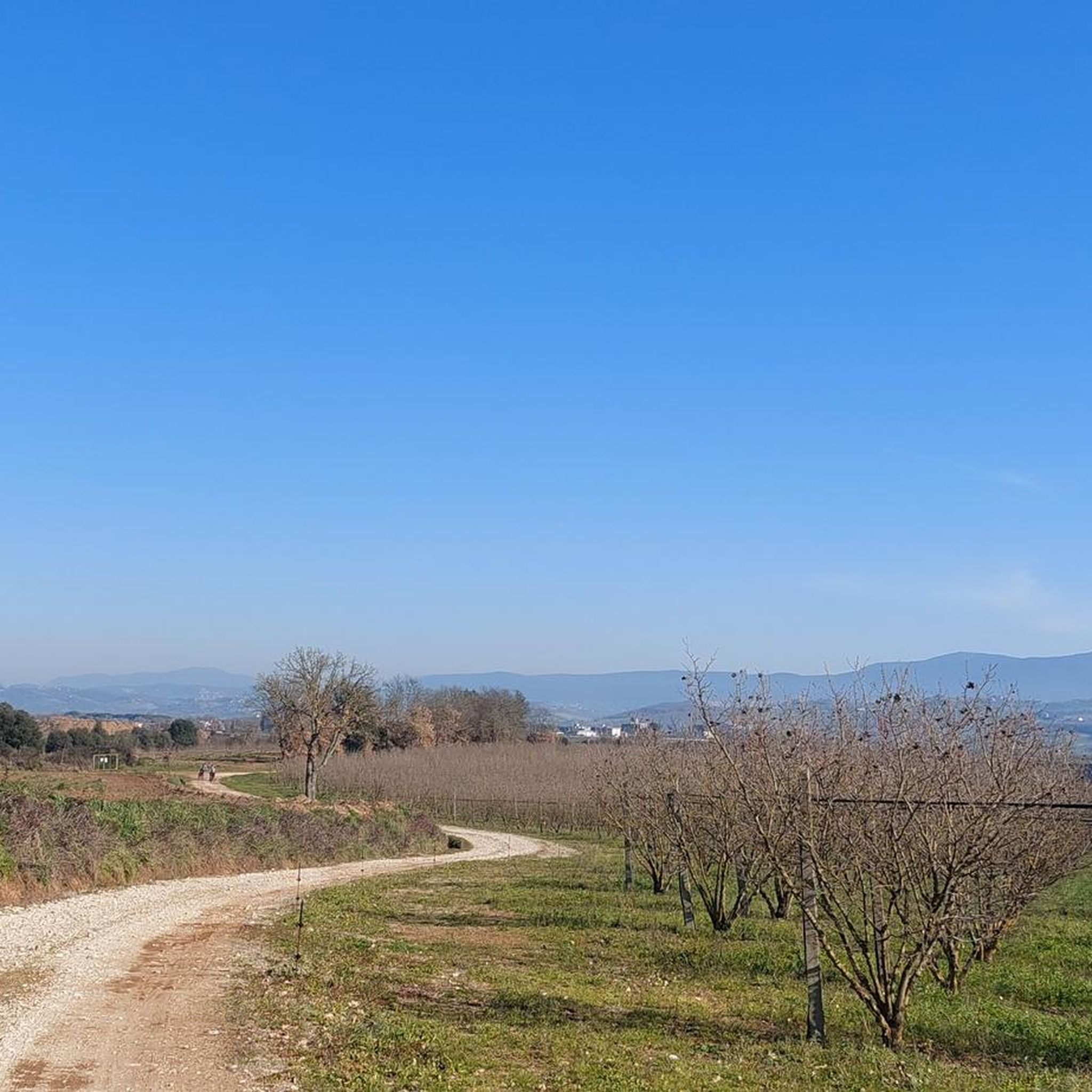
Walking along via S. Egidio, you will find the beginning of this short but very suggestive path inside a "via cava" (roads dug through the tuff that connected the bottom of the valley with the territories above and, in other areas, were also used to drain excess water from agricultural land). This via cava is full of caves dug directly into the tuff, probably used as stables or cellars to store wine or food.
0
0
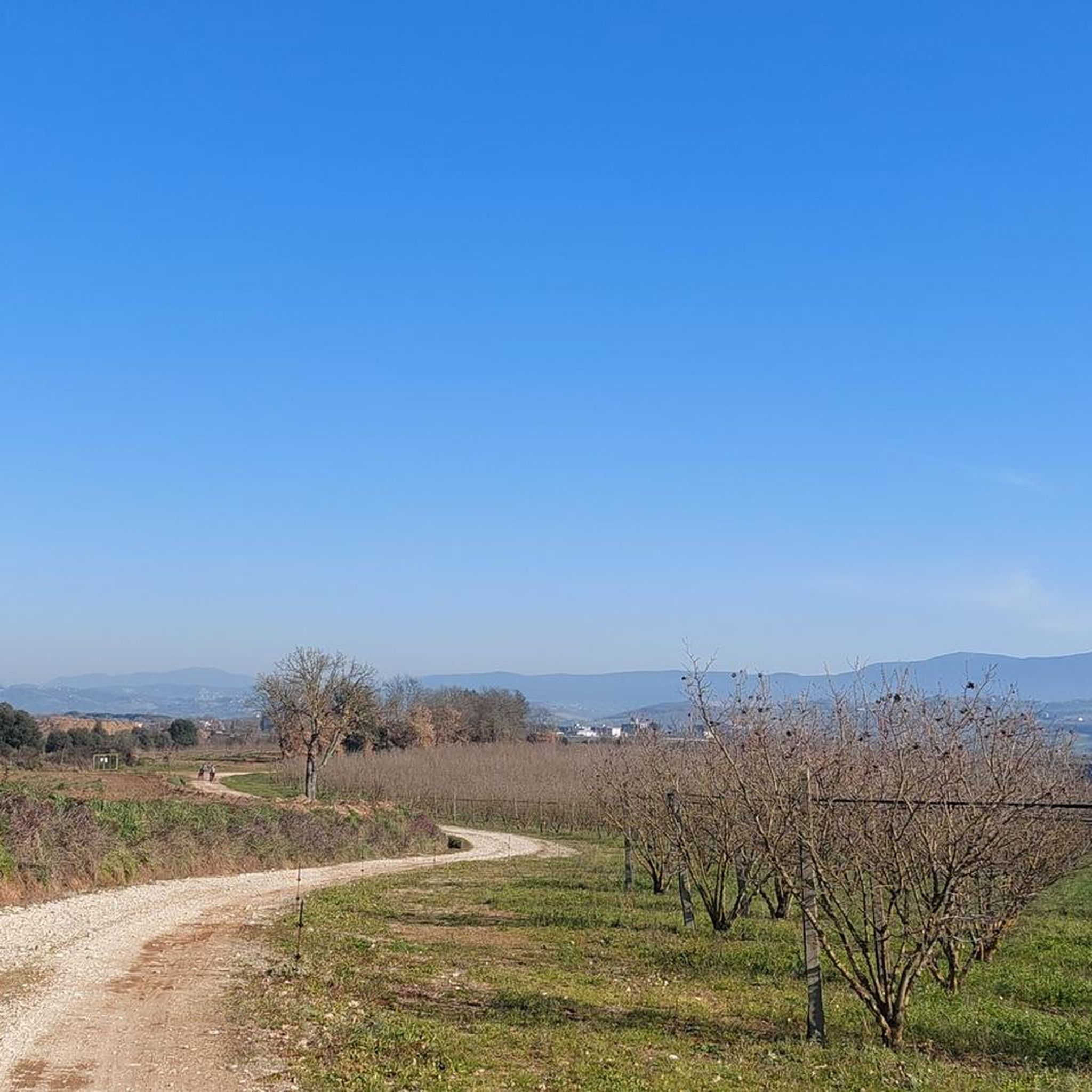
Corchiano is a small town in the province of Viterbo, apparently similar to many others, a little modest... and yet, it has become famous for some events, such as the infiorata, which is held at the end of May and sees the entire town involved in decorating a good part of the streets of the town with flower petals, colored sawdust, coffee grounds and in general any material that can be colored and applied in designs of great beauty. Then, in December, the living nativity scene takes place in a natural setting of great suggestion, finally, the exploration on foot of the ravines should not be overlooked, a true natural monument and archaeological site of great interest... in short, a place that is worth visiting. The difficulty in walking the paths, all equipped, is generally T (tourist) and suitable for all age levels.
1
0

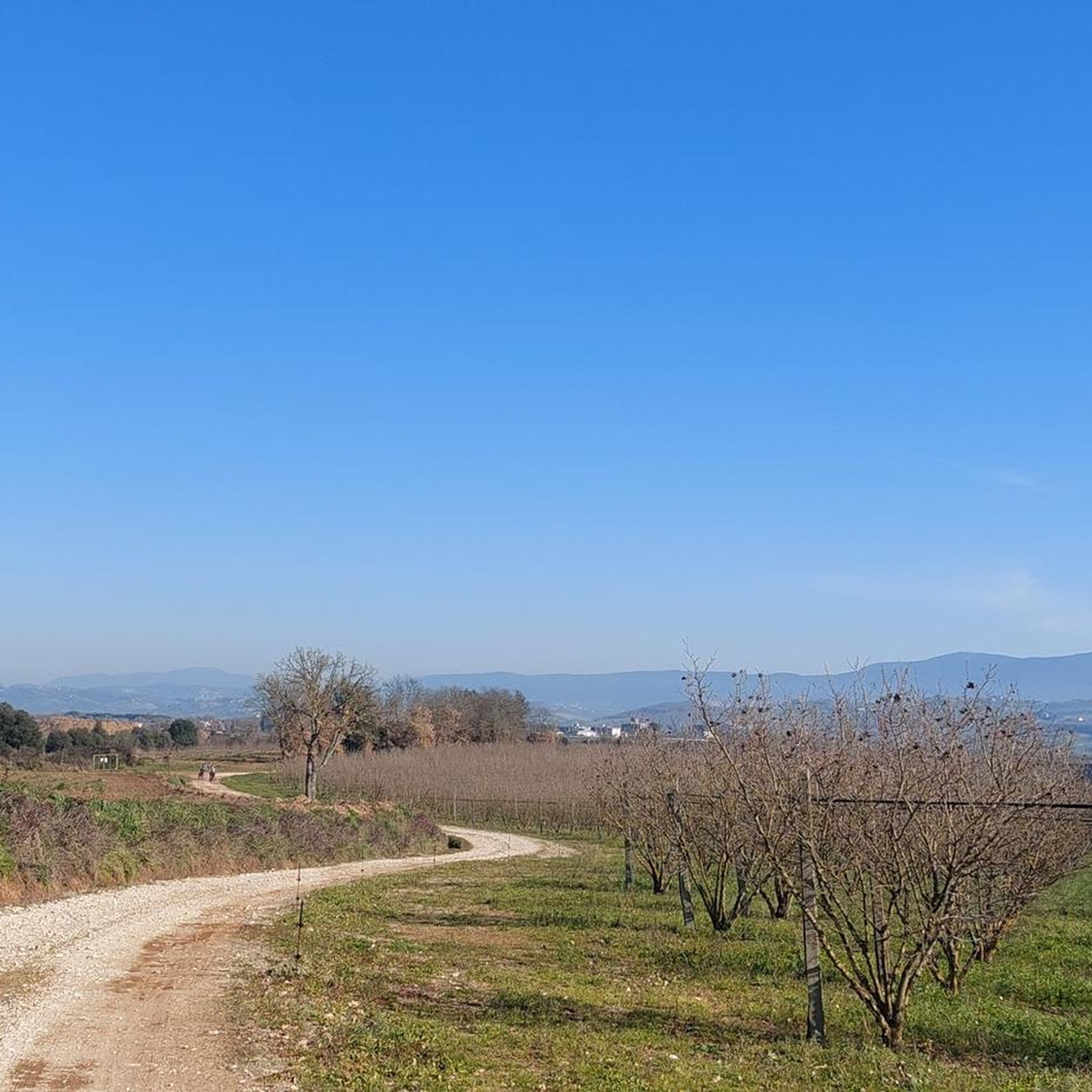
The Nazzano Tevere - Farfa Regional Nature Reserve extends upstream of the Enel hydroelectric power plant in Nazzano, and includes the stretch of the Tiber river that goes from the power plant itself to the Poggio Mirteto mountain and along the course of the Farfa river up to the Granica bridge .
0
0
The remains of the ancient Roman city, crossed by the Via Flaminia and lapped by a bend of the Tiber, are set in a natural landscape of remarkable beauty, a perfect synthesis of archeology and nature with a centuries-old history.
0
0

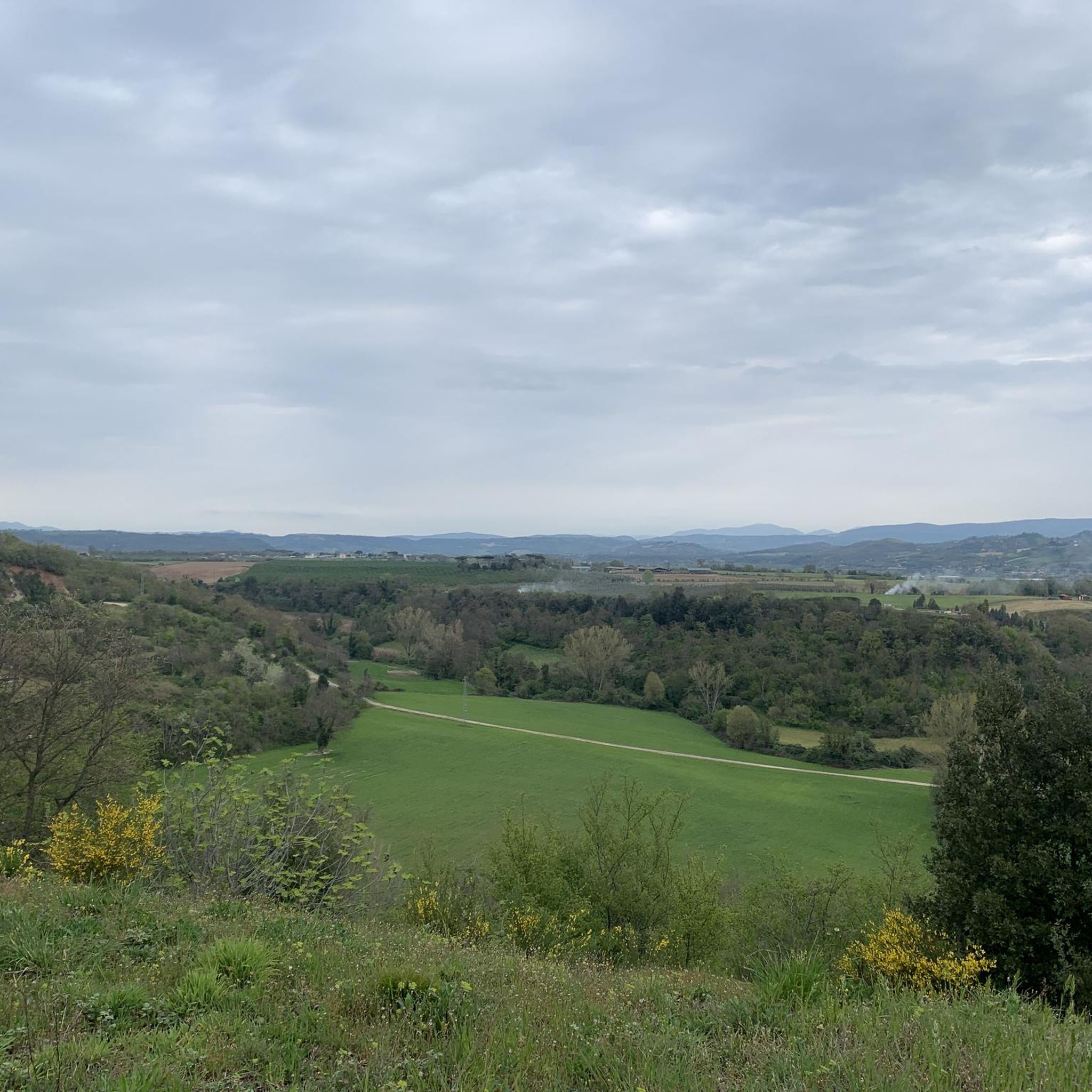
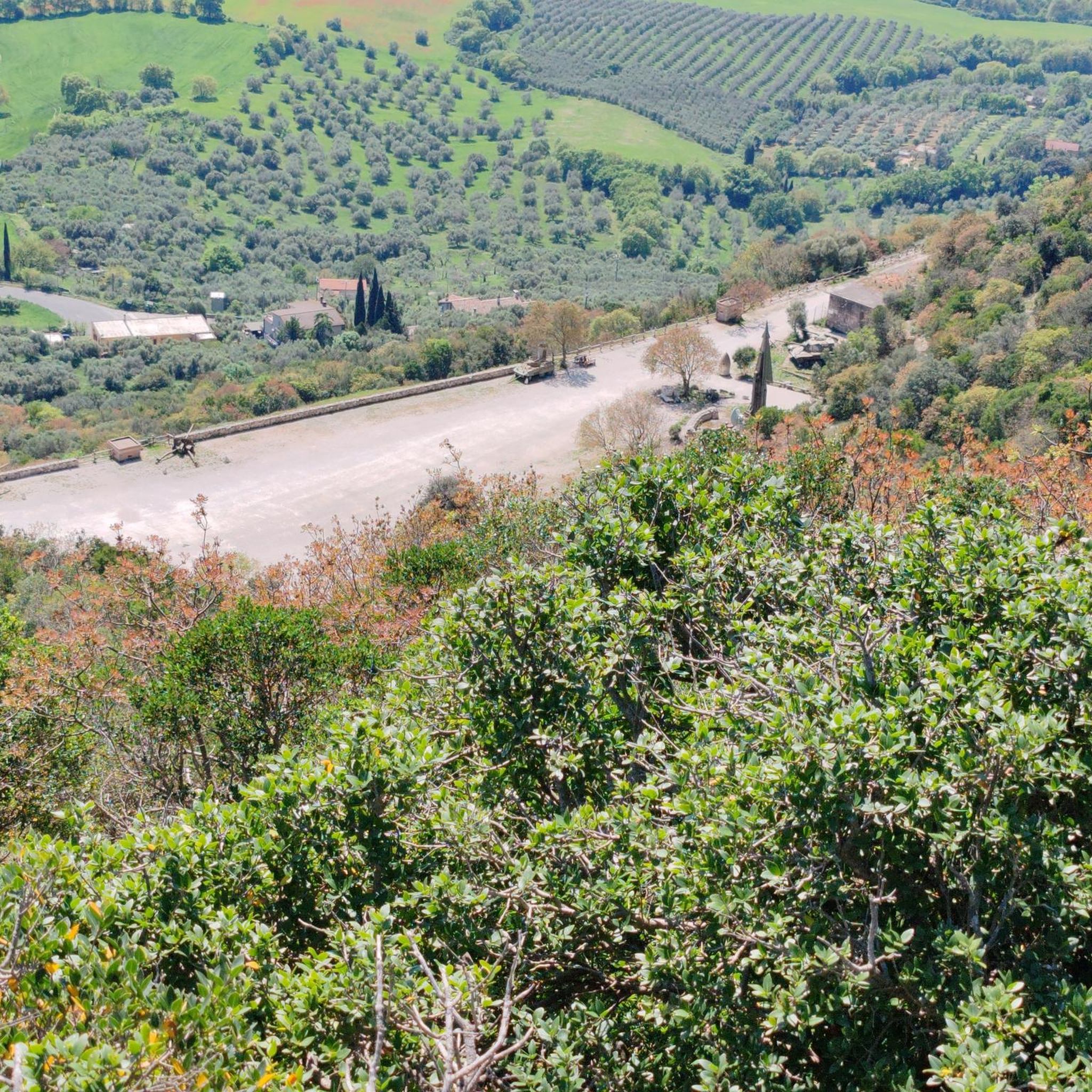
The meri are very deep karst cavities. Easy path to follow. Start from the large Sant'Oreste car park, the one below the road. There are three of them, all close together. On the same path, a little further on, there is the church in the cave of Santa Romana, a beautiful place that deserves to be visited.
0
0

This splendid archaeological park from the Roman era can be visited all year round for free. The park extends for 36 hectares from the nearby bend of the Tiber to under the modern Otricoli. Right on the Tiber river there are still the remains of the used Oil Port active until the 16th century. The remains of what were once thermal baths, amphitheaters and villas are perfectly preserved and extraordinarily integrated into the natural context of the area.
2
0

Corchiano is an ancient Faliscan city, a people who shared the dominion of Tuscia with the Etruscans. The village retains its medieval layout, with winding alleys and suggestive squares.
0
0
The Forre di Corchiano (vie cave) are works declared a natural monument. They are located in the town of Corchiano (which stands on a tufaceous cliff), the vie cave are a work created by man. It is a vertical cut to create a road that softens the sometimes harsh slopes of nature.
1
0
Frequently Asked Questions
What are the most popular natural monuments around Civita Castellana?
Visitors frequently enjoy the Nazzano Tevere-Farfa Nature Reserve, known for its river, lake, and peaceful setting. Another favorite is Corchiano Historic Village and Gorges, which blends natural beauty with ancient Faliscan history. The Meri del Soratte Karst Sinkholes also attract many, offering an easy path to explore deep karst cavities on Mount Soratte.
Are there family-friendly natural monuments in the area?
Yes, several natural monuments around Civita Castellana are suitable for families. The Nazzano Tevere-Farfa Nature Reserve offers flat, easy paths along the Tiber. Corchiano Historic Village and Gorges provides equipped paths with a generally tourist-level difficulty, suitable for all ages. The Meri del Soratte Karst Sinkholes also feature an easy path, and the Ocriculum Archaeological Park offers a blend of history and nature that families can explore together.
What kind of natural features can I expect to see?
The region is characterized by dramatic geological formations. You'll encounter deep gorges and ravines carved by ancient watercourses like the Treia River, offering spectacular panoramic vistas. There are also significant karst features, such as the deep Meri del Soratte Karst Sinkholes. The Nazzano Tevere-Farfa Nature Reserve features a river, its tributary, and an artificial lake, providing a diverse natural landscape.
Are there historical sites integrated with the natural monuments?
Absolutely. The area uniquely blends natural beauty with ancient history. For instance, Corchiano Historic Village and Gorges is an ancient Faliscan city with a medieval layout nestled within natural ravines. The Vie Cave of Corchiano are ancient roads cut into the tuff, featuring caves likely used by early inhabitants. The Ocriculum Archaeological Park showcases Roman-era remains perfectly integrated into a beautiful natural setting along the Tiber.
What outdoor activities can I do near these natural monuments?
The region offers a variety of outdoor activities. You can explore numerous hiking trails, such as those found in the hiking guide for Civita Castellana, including routes around Mount Soratte and along the Via Amerina. Mountain biking is also popular, with trails like the 'View of Monte Soratte' loop. Road cycling routes, such as the 'Borghetto - Civita Castellana - Corchiano - Gallese' tour, allow you to discover the wider landscape. Many of these activities provide views of or access to the natural monuments.
What is the best time to visit the natural monuments around Civita Castellana?
The spring and autumn months are generally ideal for visiting, as the weather is mild and pleasant for outdoor exploration. Spring brings lush vegetation and blooming flowers, while autumn offers comfortable temperatures and often vibrant foliage. Summer can be quite hot, making early mornings or late afternoons preferable for activities. Winter can be cooler but still offers opportunities for exploration, especially on clear days.
Can I bring my dog to the natural monuments?
While specific rules vary by site, many natural areas in Italy are dog-friendly, especially on trails and in open spaces, provided dogs are kept on a leash and owners clean up after them. It's always advisable to check specific regulations for nature reserves like Nazzano Tevere-Farfa Nature Reserve or archaeological parks before your visit to ensure a smooth experience for you and your pet.
Are there any viewpoints offering panoramic views of the gorges and surrounding landscape?
Yes, the town of Civita Castellana itself is perched on a dramatic tufa spur, offering spectacular panoramic vistas of the deep gorges and ravines, particularly from viewpoints like the one offered by the Ponte Clementino. Mount Soratte, visible from the town, also provides stunning panoramic views of the surrounding valleys, including the Tiber Valley, making it a significant natural landmark for broader scenic appreciation.
What do visitors enjoy most about the natural monuments in this region?
Visitors particularly appreciate the unique blend of dramatic natural landscapes and rich historical heritage. The deep gorges and ancient Roman structures, like those near the Fosso dei Tre Ponti, offer a sense of timelessness. The peaceful settings of places like the Nazzano Tevere-Farfa Nature Reserve are highly valued for their tranquility and natural beauty. The opportunity to explore ancient Faliscan sites within natural ravines, such as at Corchiano Historic Village and Gorges, also leaves a lasting impression.
How accessible are the natural monuments by public transport or car?
Civita Castellana is accessible by car, and parking is generally available near the town center and at various trailheads for natural areas. For some natural monuments, public transport might require a combination of train and local bus services, or a taxi from the nearest station. For example, the Nazzano Tevere-Farfa Nature Reserve is located in the Tiber Valley north of Rome, and while accessible, checking local bus schedules is recommended. For more remote sites, a car is often the most convenient option.
Are there any hidden natural gems or less-known spots worth exploring?
Beyond the more prominent sites, the broader network of gorges and ravines surrounding Civita Castellana offers many opportunities for discovery. Exploring the ancient Via Amerina, which features the Roman bridge at Fosso dei Tre Ponti and a Faliscan/Etruscan necropolis, provides a unique blend of natural beauty and archaeological intrigue that is less frequented than some other sites. The Vie Cave of Corchiano, with their carved tunnels and caves, also offer a fascinating, somewhat hidden experience.
Most popular routes around Civita Castellana
Most popular attractions around Civita Castellana

Get inspired with the komoot mobile app


Explore more
Extend your search for the best caves by checking out these guides of the top ones around Civita Castellana:
