The best walks and hikes around Civita Castellana
4.4
(1257)
3,518
hikers
79
hikes
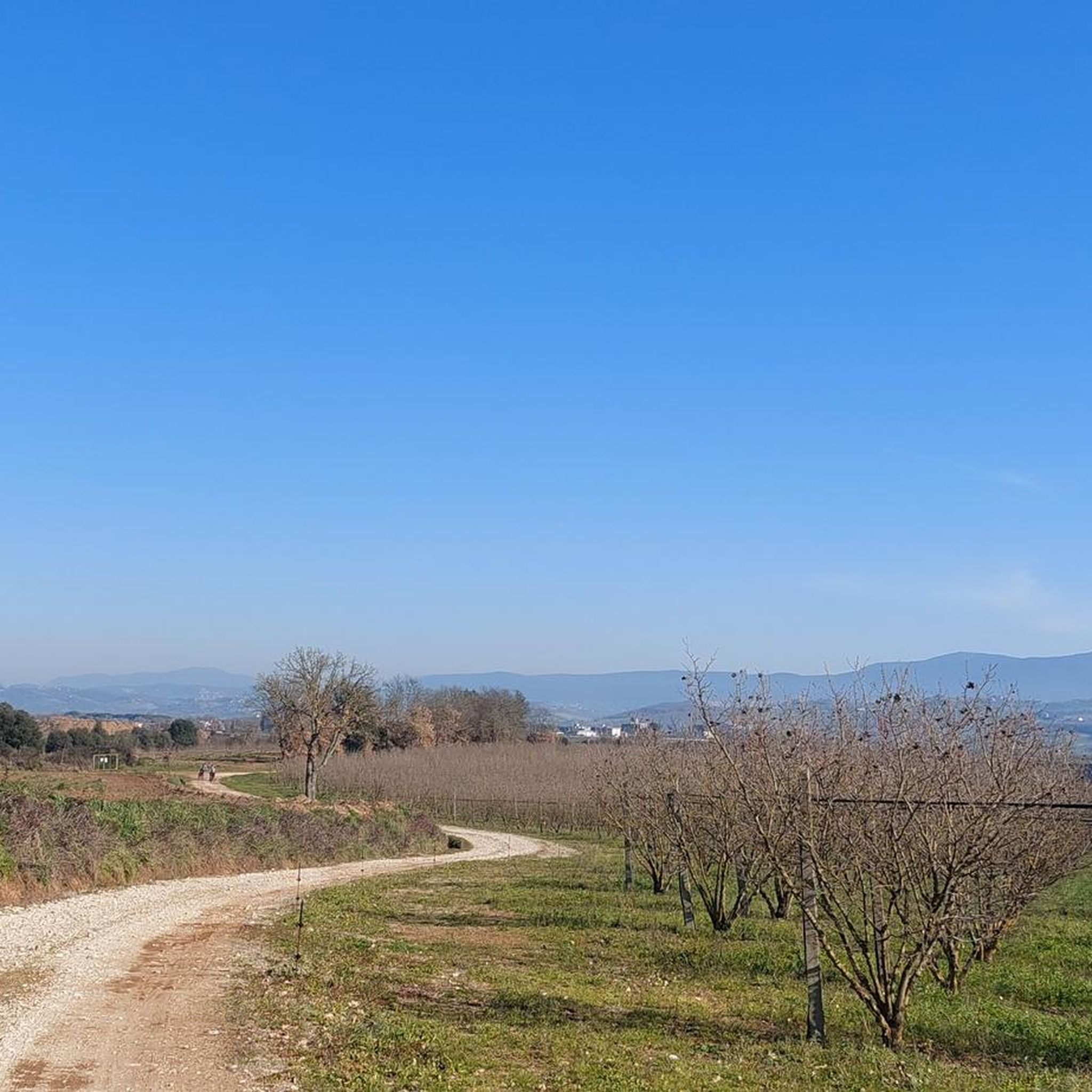
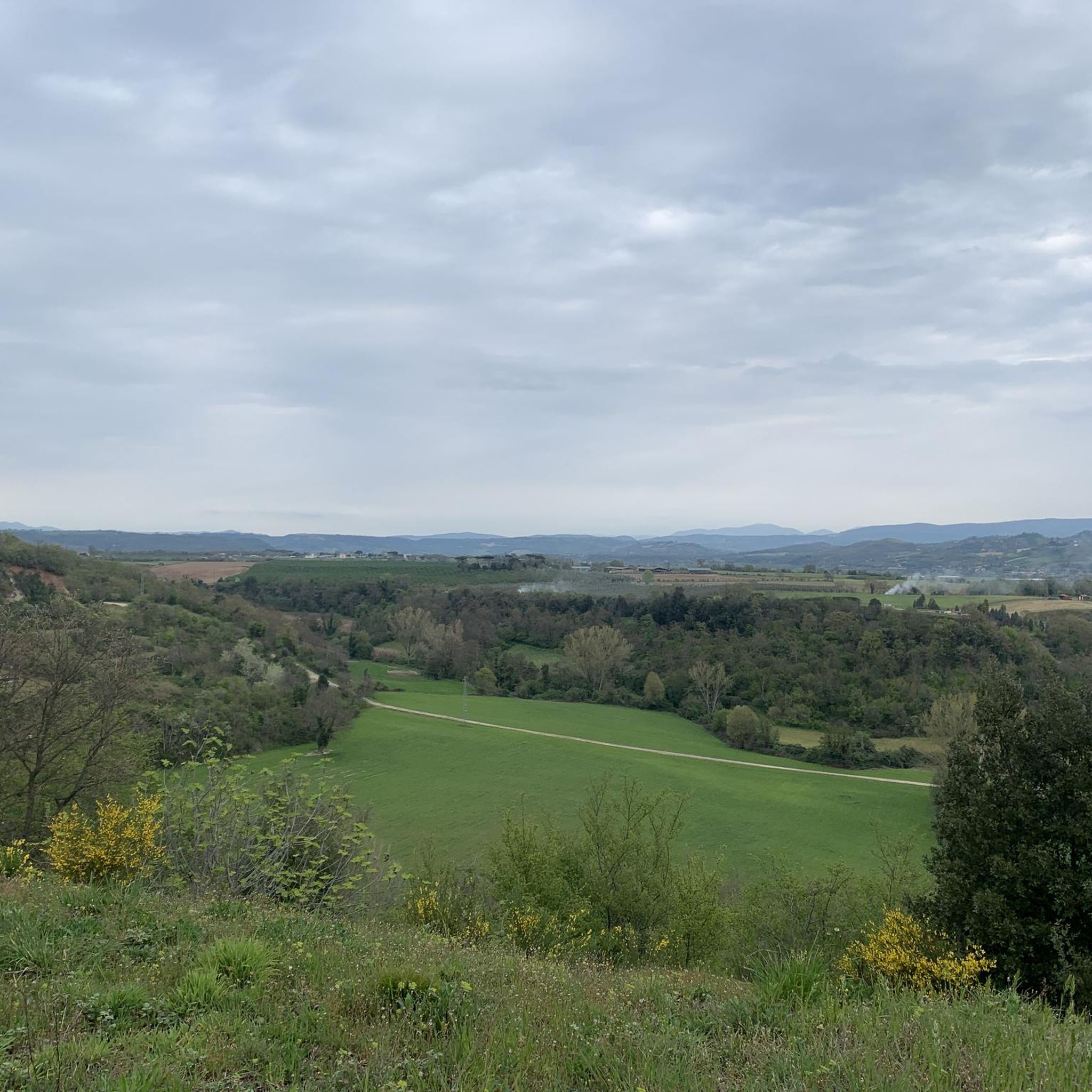
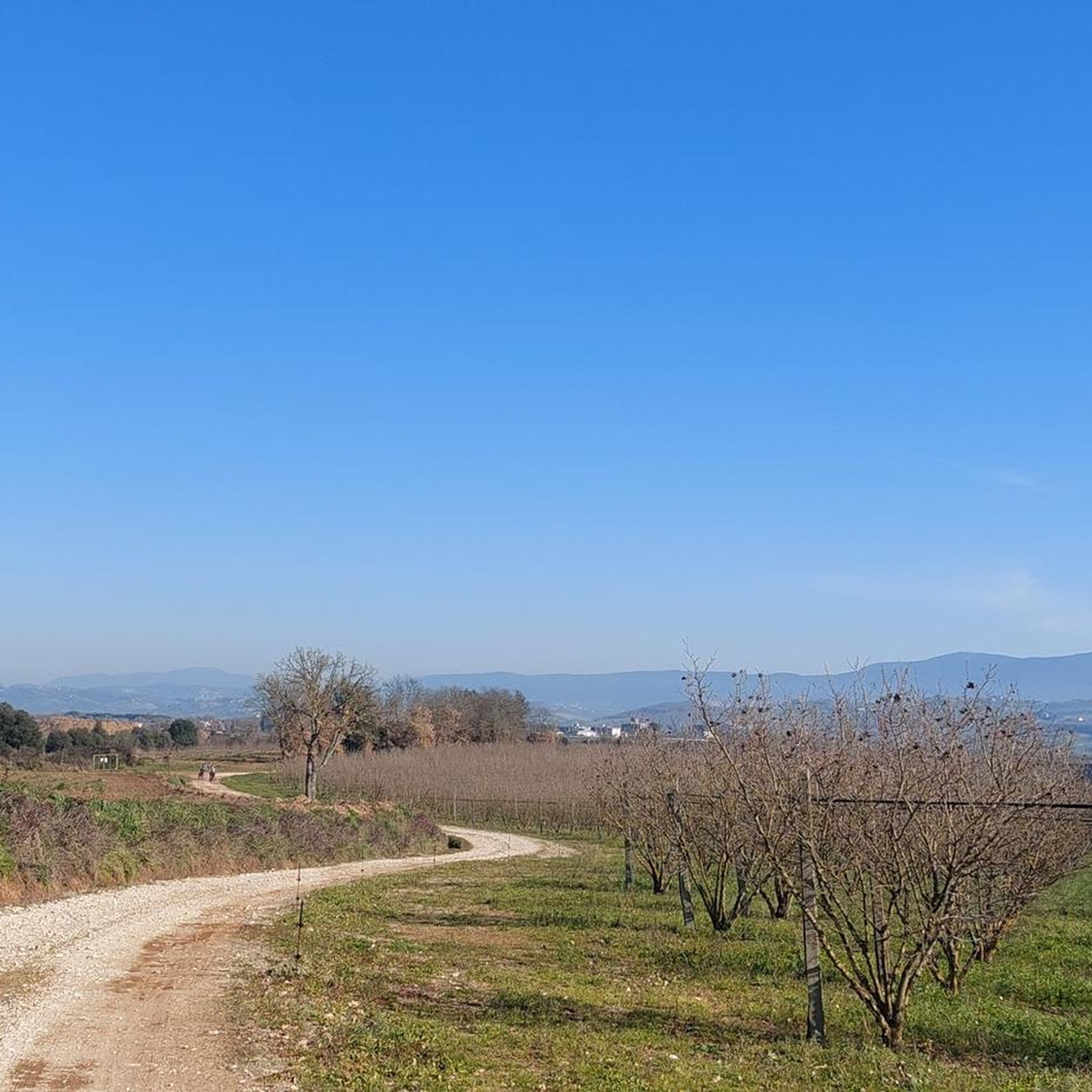
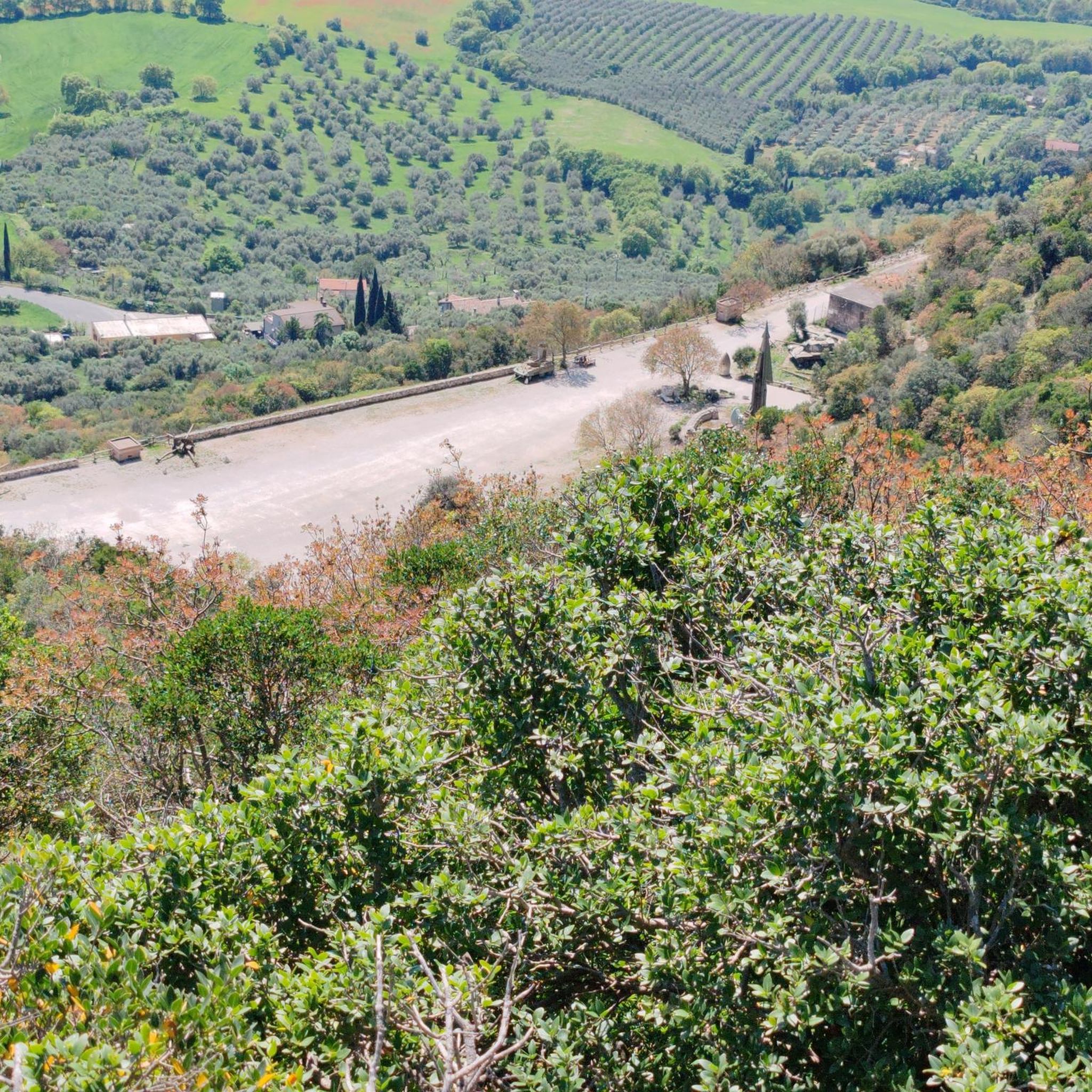
Hiking around Civita Castellana offers diverse terrain characterized by dramatic tuff cliffs and deep gorges carved by rivers like the Rio Maggiore and Treja. The region features ancient forests, river valleys, and a landscape rich in archaeological sites. These natural and historical elements combine to create a varied environment for outdoor exploration.
Best hiking trails around Civita Castellana
- The most popular hiking route is Civita di Castellana towards the Necropolis and the via Amerina Nepi, a 13.4 miles (21.6…
Last updated: September 1, 2026
3.0
(1)
1
hikers
21.6km
05:46
240m
240m
Hard hike. Very good fitness required. Easily-accessible paths. Suitable for all skill levels.
4.7
(18)
77
hikers
Moderate hike. Good fitness required. Easily-accessible paths. Suitable for all skill levels.

Sign up for free
4.3
(12)
83
hikers
Hard hike. Good fitness required. Sure-footedness, sturdy shoes and alpine experience required.
5.0
(2)
21
hikers
Easy hike. Great for any fitness level. Easily-accessible paths. Suitable for all skill levels.
2
hikers
21.8km
05:49
240m
240m
Hard hike. Very good fitness required. Easily-accessible paths. Suitable for all skill levels.
Get access to more routes and recommendations from other explorers.
Sign up for free
Already have an account?
Our route recommendations are based on thousands of hikes, rides, and runs completed by other people on komoot.
Start today with a free account
Your next adventure awaits.
Login or Signup

Tips from the Community

On the right side of the church of Santa Maria delle Grazie begins the path that leads to the church of S. Antonio. The first news of this Hermitage dates back to 1532; the prior of all the Soratte hermits resided here. The building has been preserved but the interior cannot be accessed. Other remains are in the rear area of the church where there is also a bench to admire the view. In front of the church the path continues in the direction of Santa Lucia although halfway you can turn left to reconnect to the concrete road that takes us back to the town.
0
0
On the way to the top of Soratte, just before the San Silvestro hermitage, you can take the path on the left that leads to the small San Sebastiano hermitage, of which modest wall traces remain. The latter was home to hermits in the 16th and 17th centuries, after which it began to be abandoned and fell into ruin. In the rock there is a cavity used to collect water. Short trail but to be followed with care.
0
1
Huge boulder leaning against the rock, looking at it it seems like it is about to fall down. Legend has it that Saint Nonnosus was a monk and that rock is in that spot because he managed to move it from the top of Soratte to make room for a vegetable garden for the monks. Panoramic point
0
0
Remains of a building which legend has it belonged to bandits. Very panoramic point on the path to get to the top of Soratte
0
0

This hermitage has a patronal name that is truly on everyone's lips, but only a few will know the person behind it: the feast day of Saint Sylvester (San Silvestro) is December 31st. He lived at the end of the third or beginning of the fourth century and was Bishop of Rome when Emperor Constantine - later generations gave him the nickname "the Great" - recognized Christianity as a religion with the so-called "Edict of Toleration" of Milan, thus ending - at least temporarily - the period of bloody persecution of Christians.
1
2

The Eremo di San Silvestro, located at the top of Mount Soratte, offers a stunning panoramic view of the surrounding valleys. This hermitage, one of the numerous hermitages scattered in the Sabina region, stands in a clearing overlooking the beautiful Tiber Valley. Its isolated location far from the town of Sant'Oreste gives it a suggestive atmosphere.
4
0

Climb up Mount Soratte with a concrete surface.
1
0
Picnic area with games for children.
0
0
Frequently Asked Questions
How many hiking trails are available around Civita Castellana?
There are over 70 hiking routes around Civita Castellana, offering a wide range of experiences. These include 22 easy trails, 36 moderate routes, and 12 more challenging options, catering to various skill levels.
What kind of terrain can I expect on hikes near Civita Castellana?
The terrain around Civita Castellana is characterized by dramatic tuff cliffs and deep gorges carved by rivers like the Rio Maggiore and Treja. You'll encounter ancient forests, river valleys, and a landscape rich in archaeological sites. Expect a mix of rugged paths, wooded sections, and open areas with panoramic views.
What natural features can I discover while hiking in the region?
Hikers can explore stunning natural features such as the deep tuff gorges and river valleys. The area is known for its picturesque watercourses, including the Fosso dell'Isola with its composite rock formations and the beautiful Calice Piangente waterfall. The Monte Gelato falls near Mazzano are also a notable natural attraction. You'll also find ancient forests and protected natural areas like the Nazzano Tevere-Farfa Nature Reserve.
Are there historical or archaeological sites to explore on the trails?
Yes, the region is rich in history. Many trails follow sections of the ancient Via Amerina, an ancient Roman road with well-preserved sections. You can also discover numerous Etruscan and Faliscan necropolises and ancient city walls, such as those at Falerii Novi. The Corchiano Historic Village and Gorges also offer equipped paths through ravines that are both natural and archaeological sites.
Are there any easy hiking trails suitable for beginners or families?
Yes, Civita Castellana offers 22 easy routes perfect for beginners or families. For example, the Trail Along the Fosso Maggiore – Via Amerina Near Nepi loop from Falerii Novi is an easy 5.7 km path that allows you to experience the historical Via Amerina without significant difficulty. Some sections of the Via Amerina are specifically noted as suitable for families.
Can I find challenging day hikes around Civita Castellana?
Absolutely. There are 12 difficult routes for experienced hikers seeking a challenge. One such route is the Civita di Castellana towards the Necropolis and the via Amerina Nepi, a 21.6 km trail that explores ancient roads and historical burial sites, typically taking nearly 6 hours to complete.
Are there any circular walks available in the area?
Yes, many routes in the region are designed as loops. For instance, the Trail Along the Fosso Maggiore – Via Amerina Near Nepi loop from San Lorenzo II is a moderate 9.2 km circular path. Another popular option is the Hiking loop from Mount Soratte, which is 10.9 km long and leads through varied terrain.
What do other hikers enjoy the most about hiking in Civita Castellana?
The hiking routes around Civita Castellana are highly rated by the komoot community, with an average score of 4.5 stars from over 1000 reviews. Reviewers often praise the unique combination of dramatic natural landscapes, such as the tuff cliffs and gorges, with the rich historical and archaeological sites like the ancient Via Amerina and Etruscan necropolises.
Are there any caves or gorges to explore near Civita Castellana?
Yes, the region is known for its fascinating geological formations. You can explore several gorges, including the Corchiano Historic Village and Gorges and the Cavoni of Nepi. The area also features interesting caves and historical sites like the Vie Cave of Corchiano and the Necropolis of Cavo degli Zucchi.
Is Mount Soratte accessible for hiking, and what does it offer?
Mount Soratte is a prominent and picturesque mountain in the area, offering excellent hiking opportunities. It provides panoramic views of the surrounding valleys and is home to the Hermitage of San Silvestro at its summit. The Hiking loop from Mount Soratte is a popular moderate trail that allows you to explore this unique landmark.
What is the best time of year to go hiking in Civita Castellana?
Civita Castellana is enjoyable for hiking across multiple seasons. Spring and autumn generally offer the most pleasant temperatures for exploring the trails and historical sites. During these times, the weather is mild, and the natural landscapes are particularly vibrant or beautifully colored. Summer can be hot, making early morning or late afternoon hikes preferable, while winter offers a quieter experience, though some paths might be muddy.
Most popular routes around Civita Castellana
Most popular attractions around Civita Castellana

Get inspired with the komoot mobile app


Explore more
Browse the best Hikes in other regions.
