Top 20 Natural Monuments around Carbognano
Best natural monuments around Carbognano are found in its immediate vicinity, nestled within the Cimini Mountains. This region is characterized by a landscape shaped by volcanic activity, offering diverse natural features. Key natural monuments include the vast Lake Vico Regional Natural Reserve and the dramatic Ravines of Corchiano. These sites provide compelling experiences for nature enthusiasts.
Best natural monuments around Carbognano
- The most popular natural monuments is Cima Coppi of Monte Fogliano, a summit that offers rewarding views after…
Last updated: June 28, 2026
Devil’s Well Cave (Monte Venere)
Highlight • Cave
It is a mountain of volcanic origin that reaches a height of 835 m asl.
Translated by Google •
Tip by

Corchiano Historic Village and Gorges
Highlight • Settlement
Translated by Google •
Tip by

Sign up now to discover places like this
Get recommendations on the best single tracks, peaks, & plenty of other exciting outdoor places.
Sign up for free
Strada di Mezzo Trail, Lake Vico Nature Reserve
Highlight • Trail
Tip by

Church of Madonna del Parto (Mithraeum of Sutri)
Highlight • Religious Site
Translated by Google •
Tip by

Vie Cave of Corchiano
Highlight • Natural Monument
Translated by Google •
Tip by
Sign up for free to discover even more natural monuments around Carbognano.
Sign up for free
Already have an account?
Start today with a free account
Your next adventure awaits.
Login or Signup
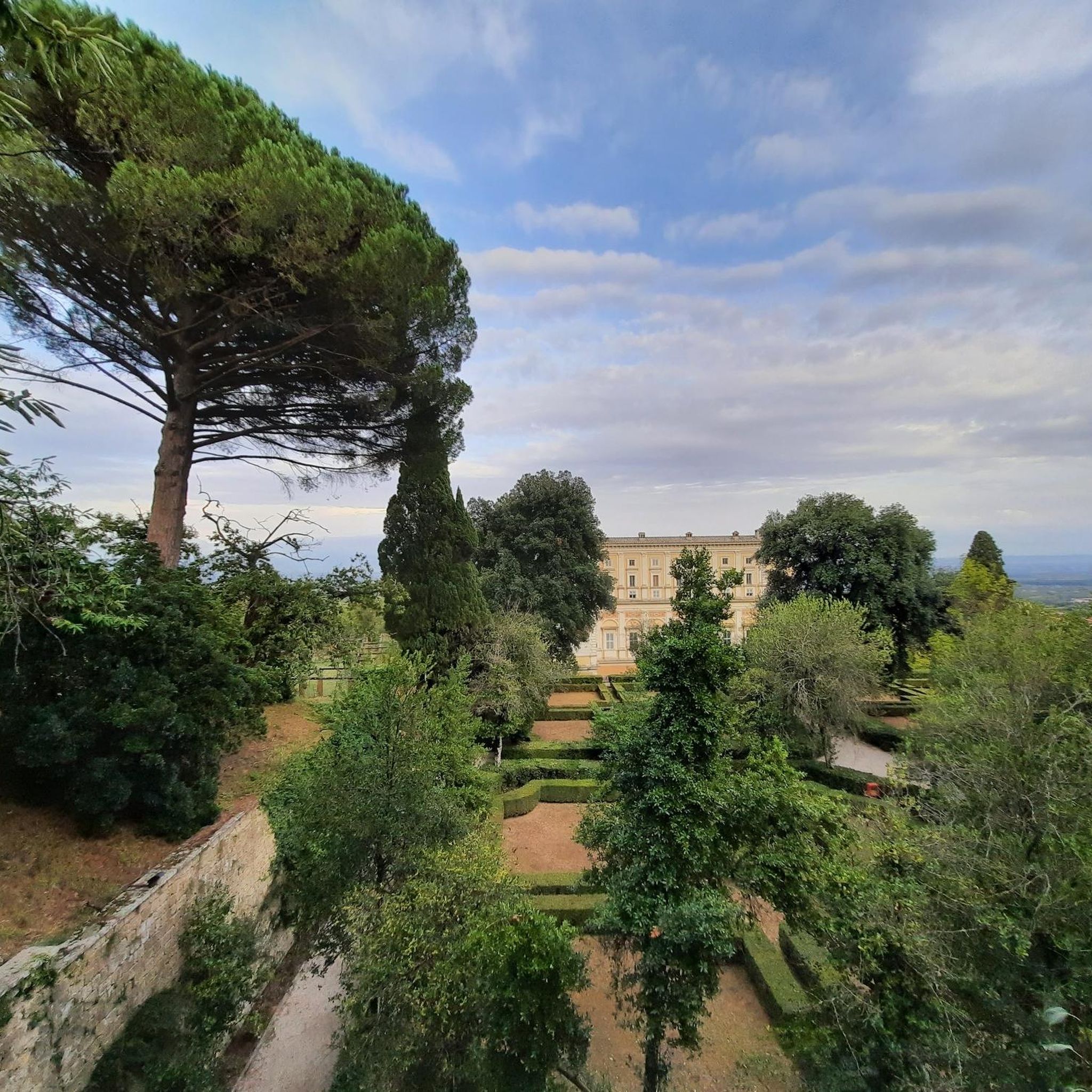
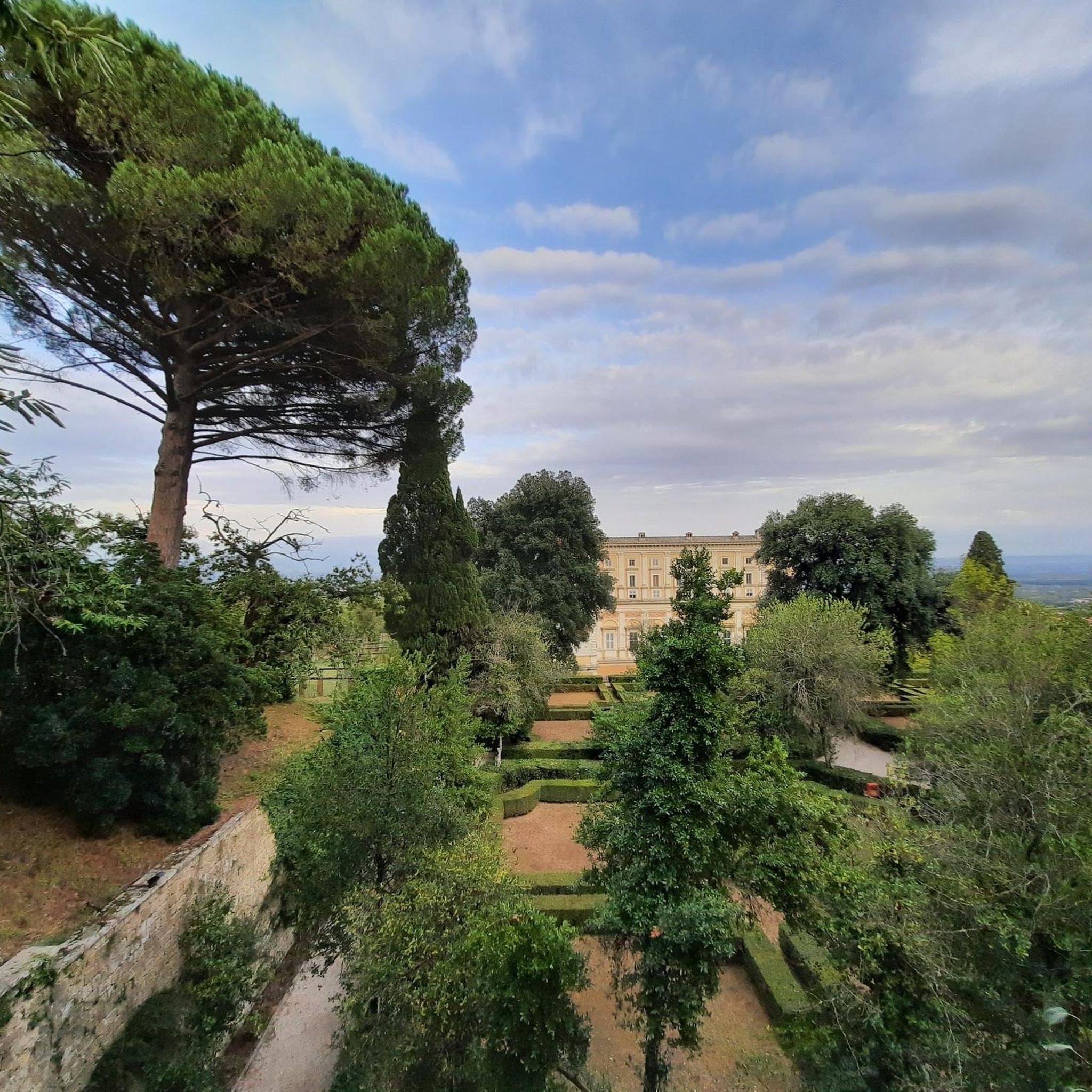
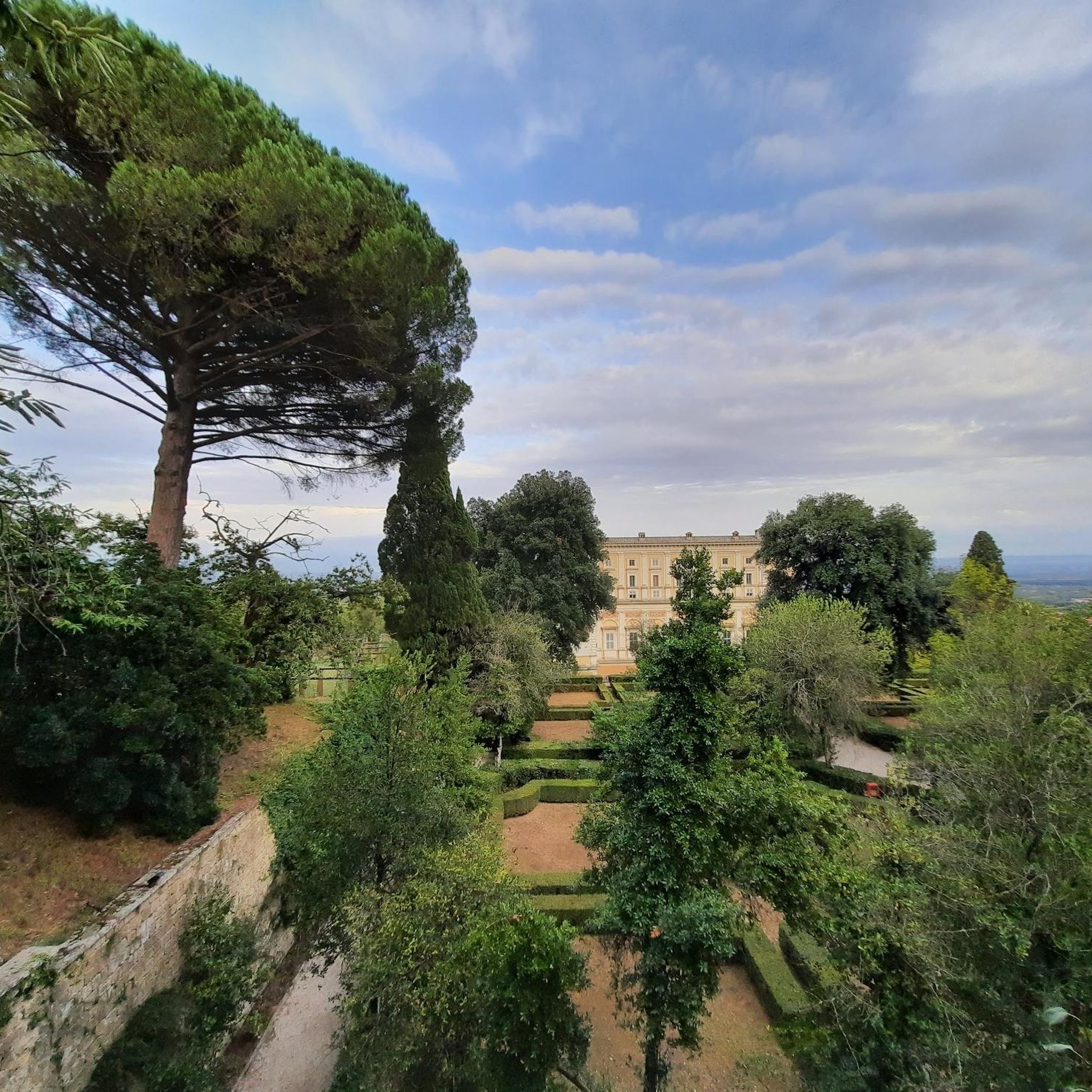

Tips from the Community

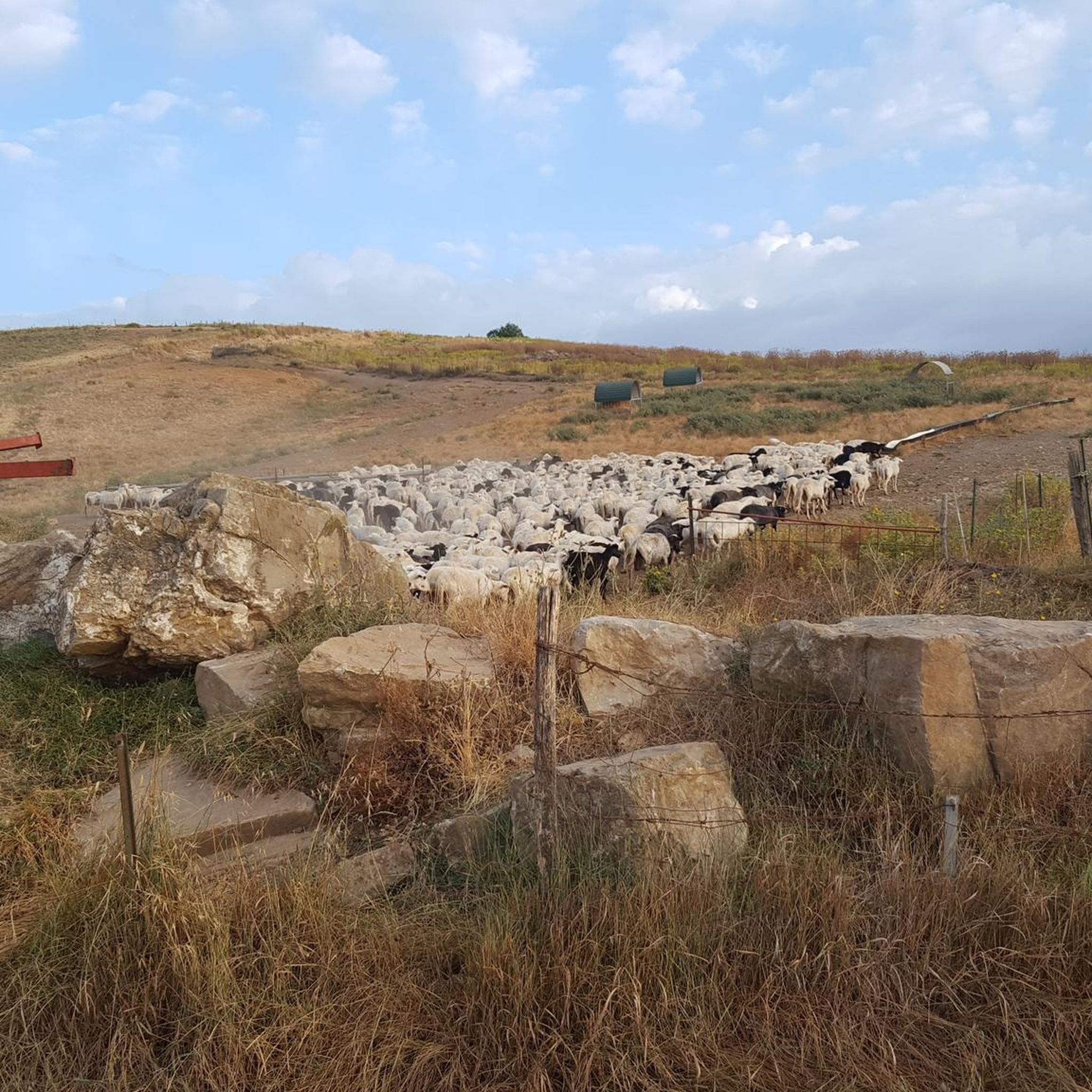
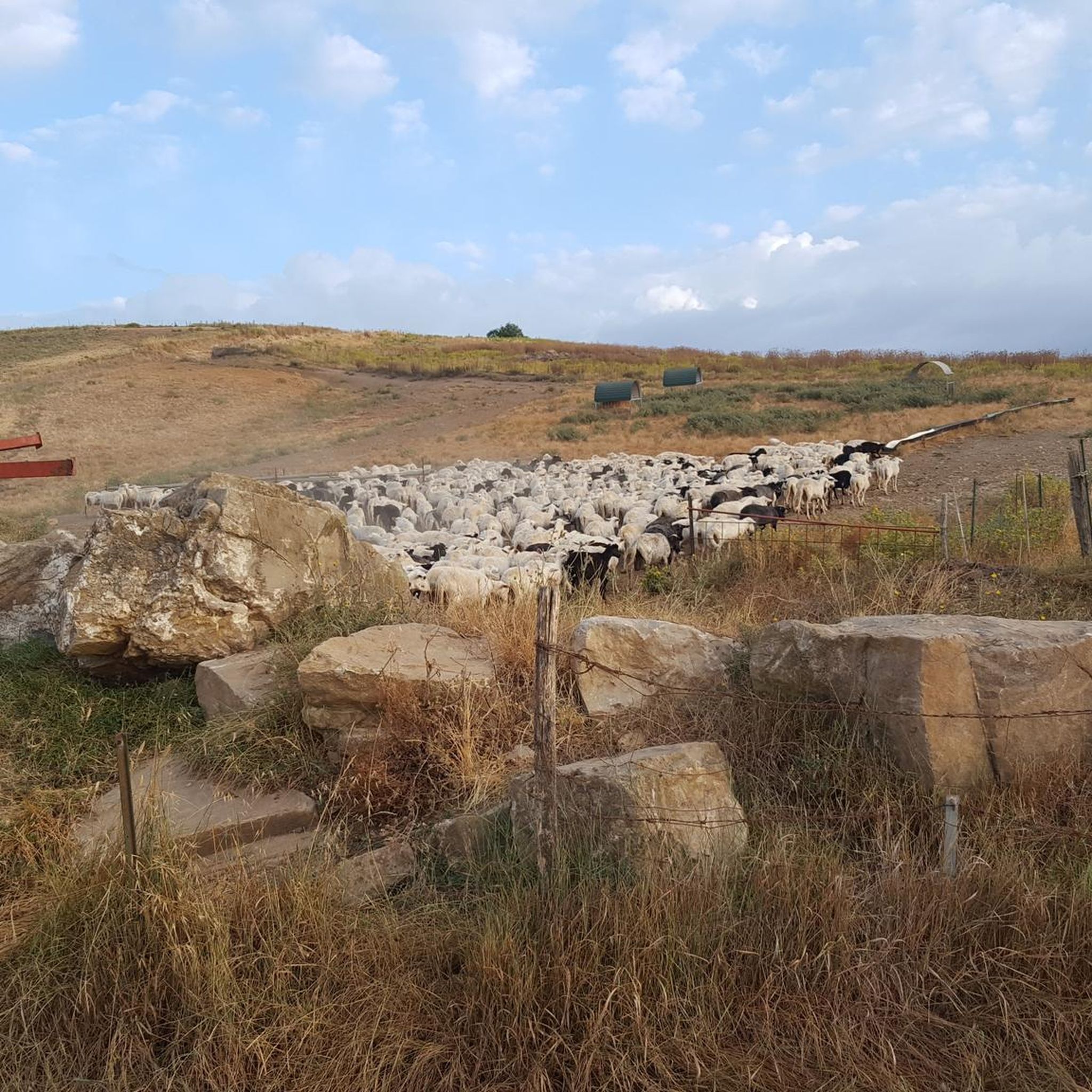
About halfway (when you're on the plain near the houses after the woods), be careful not to turn into the tall grass where the app tells you to go, but continue along the road alongside the houses. I encountered a Maremma Sheepdog that came toward me barking. Fortunately, when I calmly turned back, it stopped. Also be careful on the long stretch of dirt road immediately afterward; there are cattle and sheep, along with many dogs. Luckily, the shepherd was there to keep them in check.
0
0
Following this path, just before reaching the devil's well, it is not clear where to go, the path disappears and also the white and red signs. We had to go a bit by intuition and take a very steep climb in the woods to get there. Once we reach the well, the path continues easily until the end.
0
1

Be careful not to lean out!
0
0

Walking along via S. Egidio, you will find the beginning of this short but very suggestive path inside a "via cava" (roads dug through the tuff that connected the bottom of the valley with the territories above and, in other areas, were also used to drain excess water from agricultural land). This via cava is full of caves dug directly into the tuff, probably used as stables or cellars to store wine or food.
0
0
Corchiano is a small town in the province of Viterbo, apparently similar to many others, a little modest... and yet, it has become famous for some events, such as the infiorata, which is held at the end of May and sees the entire town involved in decorating a good part of the streets of the town with flower petals, colored sawdust, coffee grounds and in general any material that can be colored and applied in designs of great beauty. Then, in December, the living nativity scene takes place in a natural setting of great suggestion, finally, the exploration on foot of the ravines should not be overlooked, a true natural monument and archaeological site of great interest... in short, a place that is worth visiting. The difficulty in walking the paths, all equipped, is generally T (tourist) and suitable for all age levels.
1
0

My husband and I did this trail and a few others for a 13.5 km walk up and down Monte Venere. It was great. Watch out for pozzo del diavolo. My husband fell in, and now I'm looking for a new husband.
0
0

The Chiesa della Madonna del Parto in Sutri is a unique church carved entirely out of tuff stone. Dating from the 13th-14th centuries, this church was originally a Mithraeum, a temple dedicated to the Eastern god Mithras, from the 3rd century. The church has a square vestibule with frescoes depicting the Madonna and Saints, San Cristoforo and events related to the life of San Michele del Gargano. The main space is divided by tuff pillars into three naves. The church is now an important part of the urban park of the ancient city of Sutri.
2
0

it was born as a temple and then as a church
4
0
Frequently Asked Questions
What are some of the most popular natural monuments around Carbognano?
Visitors frequently enjoy the challenging ascent to Cima Coppi of Monte Fogliano for its rewarding views. Another intriguing spot is the Devil’s Well Cave (Monte Venere), nestled within a beech forest. The Corchiano Historic Village and Gorges are also highly appreciated for their blend of natural beauty and historical significance.
Are there family-friendly natural monuments near Carbognano?
Yes, several natural monuments are suitable for families. The Corchiano Historic Village and Gorges offer accessible paths and a mix of natural beauty and historical sites. Within the Lake Vico Nature Reserve, the Strada di Mezzo Trail provides gentle slopes through a green forest, perfect for a relaxed family walk.
What kind of natural features can I expect to see in the area?
The region around Carbognano is characterized by a landscape shaped by ancient volcanic activity. You'll find a stunning volcanic caldera lake (Lake Vico), dramatic ravines like those at Corchiano, and extensive woodlands, including ancient beech and Turkey oak forests. Prominent peaks such as Monte Venere and Monte Fogliano offer panoramic views.
Are there historical or archaeological sites within these natural monuments?
Absolutely. The Ravines of Corchiano are particularly rich in history, featuring prehistoric caves, ancient plumbing systems, and a Faliscan necropolis. A Roman bridge made of tuff and traces of the ancient Via Amerina can also be found there. Additionally, the Church of Madonna del Parto (Mithraeum of Sutri), carved entirely out of tuff stone, is a unique historical site that was originally a Mithraic temple.
What outdoor activities can I do near these natural monuments?
The area offers a variety of outdoor activities, especially hiking and cycling. You can explore numerous trails within the Lake Vico Regional Natural Reserve and the Ravines of Corchiano. For more specific routes, consider exploring the MTB Trails around Carbognano, Cycling routes around Carbognano, or Gravel biking trails around Carbognano.
Are there specific hiking trails recommended in the Lake Vico Regional Natural Reserve?
Yes, the Lake Vico Regional Natural Reserve offers easily passable roads and trails. The Strada di Mezzo Trail is a popular option with gentle slopes through the forest. Educational trails, some even with information in Braille, are also available. Hikers can also venture towards Monte Venere to discover the intriguing Devil’s Well Cave.
Can I bring my dog to the natural monuments around Carbognano?
While many natural areas in Italy are dog-friendly, it's always best to check specific regulations for each reserve or monument. For instance, within the Lake Vico Nature Reserve, dogs are generally allowed on trails but should be kept on a leash, especially due to the presence of wildlife and livestock. Always be mindful of other visitors and local fauna.
What is the best time of year to visit the natural monuments?
Spring and autumn are generally the best seasons to visit. The weather is mild, making it ideal for hiking and exploring. In spring, you can enjoy blooming wildflowers and migratory birds, while autumn offers beautiful foliage. Summer can be warm, but the forested areas provide shade. Winter hikes are also possible, offering a different, tranquil experience.
How accessible are these natural monuments by public transport or car?
Access by car is generally the most convenient way to reach the natural monuments, with parking often available near trailheads. Public transport options might be limited, especially for reaching the more remote natural sites. It's advisable to research specific bus routes or train connections to nearby towns and then consider local taxis or walking for the final leg.
Are there any unique geological features to explore?
The entire region is a geological marvel, born from volcanic activity. Lake Vico itself is a volcanic caldera lake, and Monte Venere is a peak formed after the last phase of the Vicano volcano's activity. The Ravines of Corchiano are a prime example of deep cuts in geological strata formed by volcanic erosion, creating dramatic landscapes and revealing ancient rock formations.
Where can I find refreshments or accommodation near the natural monuments?
Carbognano and nearby towns offer various options for refreshments and accommodation. Around Lake Vico, you'll find restaurants and cafes, especially closer to the lake shores. For the Ravines of Corchiano, the town of Corchiano itself provides amenities. It's recommended to check local listings for specific cafes, restaurants, and accommodation options in the immediate vicinity of your chosen natural monument.
What should I wear for hiking in these areas?
Given the varied terrain, including forests, trails, and potentially rocky paths, comfortable hiking shoes with good grip are essential. Layered clothing is advisable, as temperatures can change, especially when ascending peaks like Monte Fogliano or exploring shaded ravines. Don't forget sun protection, a hat, and plenty of water, particularly during warmer months.
What makes the Lake Vico Regional Natural Reserve special?
The Lake Vico Regional Natural Reserve is special for its unique volcanic landscape, featuring a caldera lake and surrounding mountainous ridges. It boasts diverse ecosystems, including rare low-altitude beech forests and extensive Turkey oak woodlands. It's a haven for rich biodiversity, with numerous bird species, various mammals, and unique flora, making it an important natural habitat.
What makes the Ravines of Corchiano a significant natural monument?
The Ravines of Corchiano are significant due to their dramatic geological formations, characterized by deep cuts in the landscape created by volcanic erosion. Beyond their natural beauty, they hold immense historical and archaeological importance, with traces of prehistoric caves, ancient Faliscan settlements, and Roman structures, offering a captivating journey through both nature and history.
Most popular attractions around Carbognano

Get inspired with the komoot mobile app


Explore more
Extend your search for the best caves by checking out these guides of the top ones around Carbognano:
