Top 20 Natural Monuments in Las Nieves
Best natural monuments in Las Nieves are found within the Sierra de las Nieves National Park, a region characterized by diverse landscapes and geological formations. This area features extensive Spanish fir forests, unique peridotite outcrops, and an intricate system of caves and sinkholes. Pico Torrecilla, at 1,919 meters, stands as the highest peak in Western Andalusia. The park's rich biodiversity and varied terrain offer numerous opportunities for exploration.
Best natural monuments in Las Nieves
- The most popular natural monuments is…
Last updated: June 27, 2026
Cubo de la Galga Gorge
Highlight • Gorge
Translated by Google •
Tip by

Barranco de La Galga Laurel Forest Trail
Highlight • Forest
Translated by Google •
Tip by

Sign up now to discover places like this
Get recommendations on the best single tracks, peaks, & plenty of other exciting outdoor places.
Sign up for free
Los Tilos Waterfall
Highlight • Waterfall
Translated by Google •
Tip by

Through 13 tunnels to the Marcos and Cordero springs
Highlight (Segment) • Trail
Translated by Google •
Tip by

Los Tilos laurel forest
Highlight • Forest
Translated by Google •
Tip by

Sign up for free to discover even more natural monuments in Las Nieves.
Sign up for free
Already have an account?
Start today with a free account
Your next adventure awaits.
Login or Signup

Other adventures in Las Nieves

Tips from the Community

We ran the route the other way around, it was more pleasant going downhill.
0
0

The hiking trail from the visitor center was closed (early February 2026), but the waterfall was accessible.
1
0

Especially in the northeast of La Palma, the laurel forest appears in some places as an impenetrable primeval forest, crisscrossing the steep lava slopes and deep ravines. It seems as if there are countless places here that no human has ever set foot in. The forest, enveloped in mosses and lichens, has a mysterious air. Only a few paths, but they are easily walkable, lead through Los Tilos.
1
0

The route is currently closed.
4
0
The trail to the cascades is closed. Only open route is to the mirador (almost 1 hour ascent). Nice vista.
2
1

The dense laurel forest in the northeast of La Palma will transport you to another world. Giant trees, lush mosses, and a jungle-like panorama dominate the scene. The lush laurel forest is one of the most beautiful scenic highlights in the area.
1
0

Helmet and waterproof clothing on the way to the Marcos y Cordero springs! Ron Minke is still missing.
0
1

Currently closed until 2025 due to construction work.
1
0
Frequently Asked Questions
What are some of the most unique natural monuments to explore in Las Nieves?
Las Nieves is home to several distinctive natural monuments. You can explore the Cubo de la Galga Gorge, known for its narrow, jungle-like canyon. Another impressive site is the Barranco de La Galga Laurel Forest Trail, which transports visitors to a world of giant trees and lush mosses. For a more adventurous experience, consider the challenging trail Through 13 tunnels to the Marcos and Cordero springs, requiring a flashlight and rain gear.
What geological features can I expect to see in the natural monuments of Las Nieves?
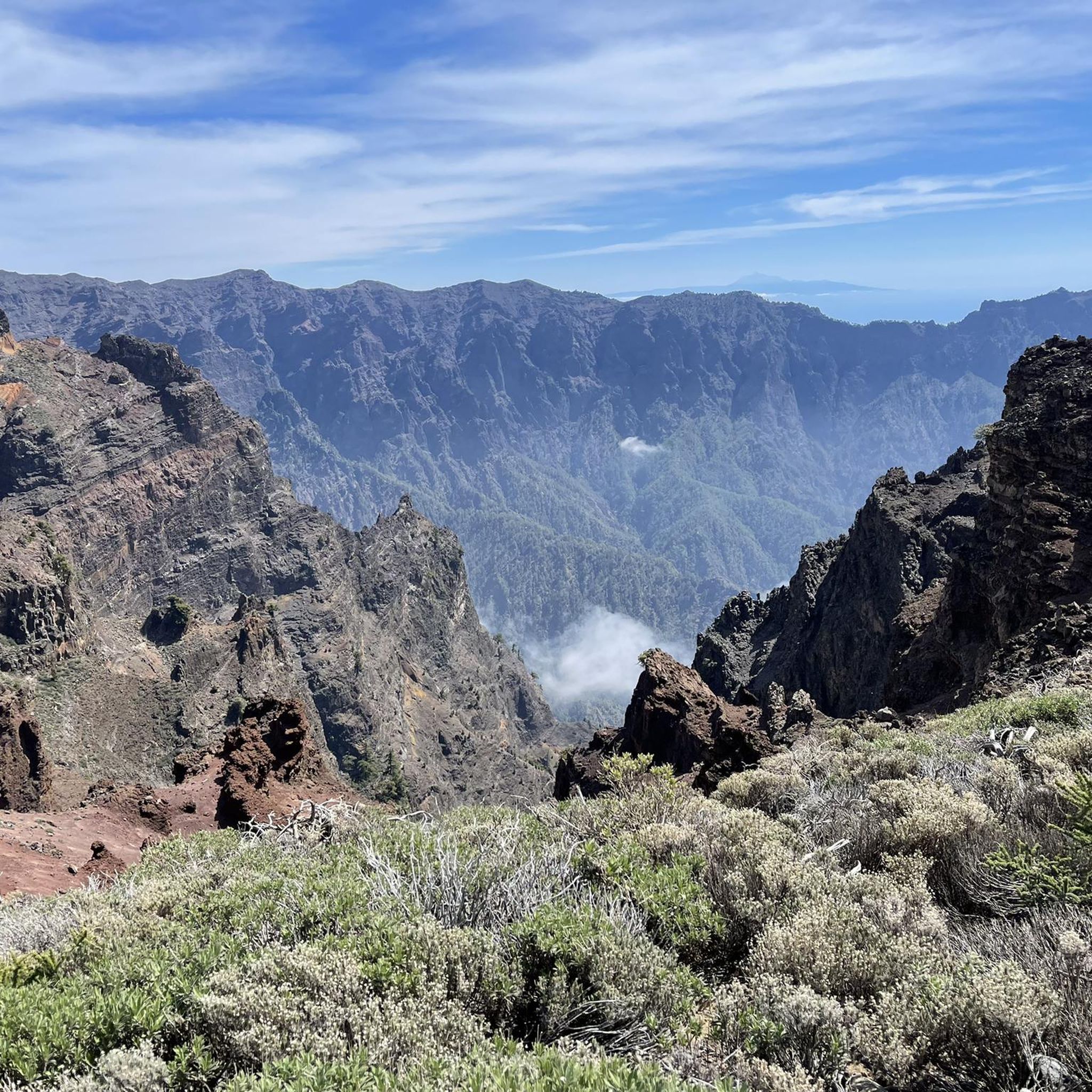
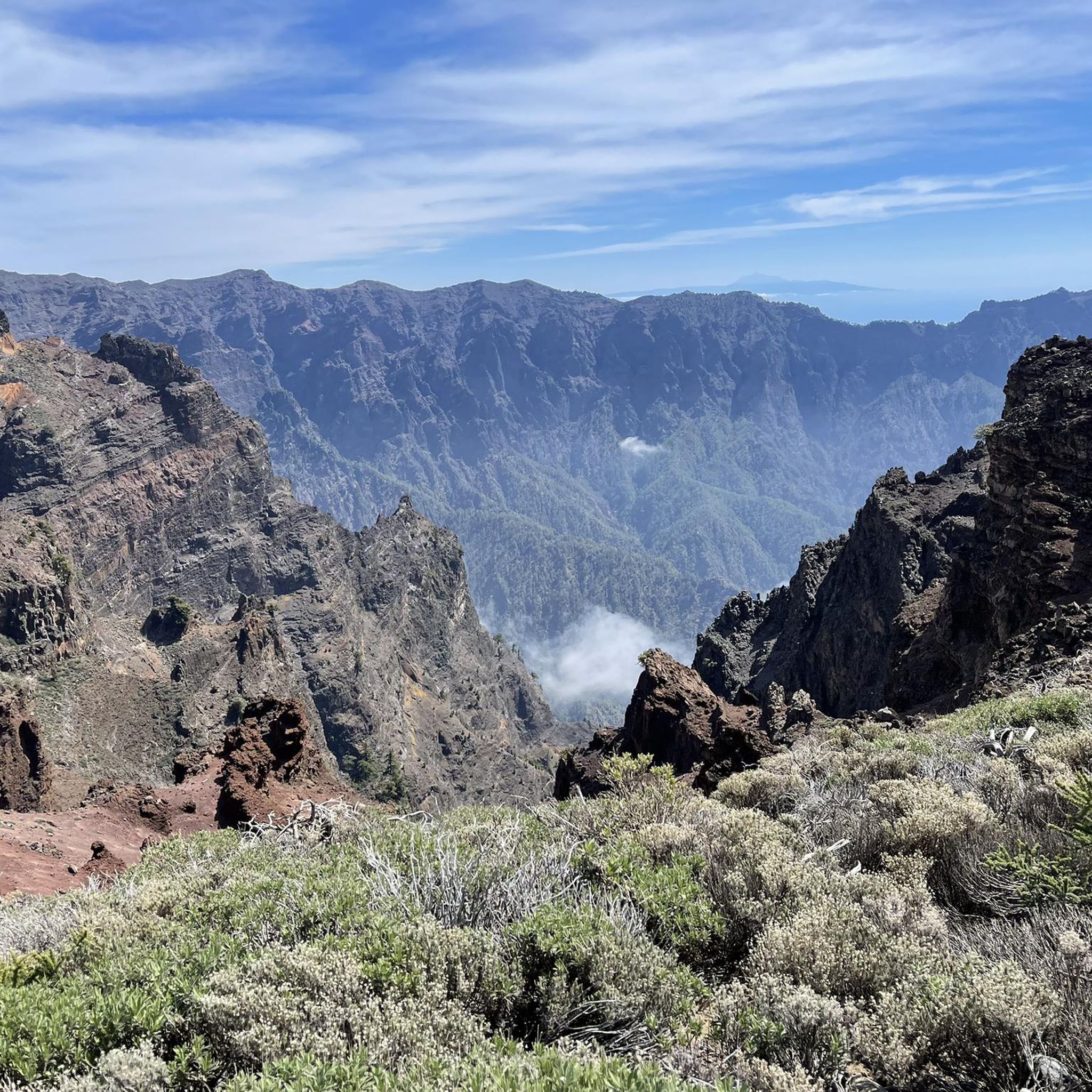
The natural monuments in Las Nieves, particularly within the Sierra de las Nieves National Park, are renowned for their unique geology. You'll find the world's largest outcrop of peridotites, which are brightly colored volcanic rocks. The area also features high cliffs, sinkholes, and an intricate network of caves like Sima Honda and Cueva de la Tinaja, attracting speleologists. Pico de la Cruz also offers impressive views into the caldera.
What kind of unique flora and fauna can be found in the natural monuments area?
The Sierra de las Nieves is a biodiversity hotspot. It's most famous for its extensive Spanish fir (Abies pinsapo) forests, a botanical relic found only in specific mountain areas of Andalusia. Beyond these, you'll encounter holm and cork oak stands, diverse riverside woods, and species typical of mid and high mountains. The park is also a refuge for wild fauna, including ibex, roe deer, otters near rivers, indigenous river crabs, and various bat groups.
When is the best time to visit the natural monuments in Las Nieves?
The ideal time to visit the natural monuments in Las Nieves generally depends on your preferred activity. Spring and autumn offer pleasant temperatures for hiking and exploring the forests, with the Spanish fir forests being particularly enjoyable due to their ideal humidity and temperature. Summers can be hot, especially at lower altitudes, while winter may bring snow to higher peaks like Pico Torrecilla, offering a different kind of beauty but potentially more challenging conditions for some trails.
Are there family-friendly trails among the natural monuments in Las Nieves?
Yes, there are options suitable for families. The Barranco de La Galga Laurel Forest Trail is described as suitable for various hiking levels, including less trained hikers, offering an impressive jungle-like experience. The path to Los Tilos Waterfall also involves only a short, pleasant detour from the National Park information center.
What outdoor activities can I do near these natural monuments?
The region around the natural monuments in Las Nieves offers a wide array of outdoor activities. You can enjoy mountain biking on challenging trails like those found in the MTB Trails in Las Nieves guide, or embark on scenic mountain hikes, with options detailed in the Mountain Hikes in Las Nieves guide. Trail running is also popular, with routes like the 'Cubo de la Galga – trail running circular' highlighted in the Running Trails in Las Nieves guide. Beyond these, canyoning, canoeing, and horse riding are also available in the wider Sierra de las Nieves area.
Are dogs allowed on trails in the natural monuments of Las Nieves?
While the Sierra de las Nieves National Park is a protected area, specific regulations regarding dogs on trails can vary. It's always recommended to check the most current local guidelines before visiting. Generally, dogs may be permitted on certain trails if kept on a leash, but access to sensitive areas or wildlife protection zones might be restricted. For detailed and up-to-date information, it's best to consult the official park visitor information.
Are there any viewpoints offering panoramic views of the natural monuments?
Yes, several locations provide stunning panoramic views. Pico de la Cruz, at 2,351 meters, offers impressive views into the Caldera de Taburiente. Additionally, the Los Tilos Waterfall area has a mirador (viewpoint) that provides a nice vista after an ascent. The highest peak in Western Andalusia, Pico Torrecilla (1,919 meters), is also a popular destination for hikers seeking breathtaking views.
What do visitors enjoy most about exploring the natural monuments in Las Nieves?
Visitors frequently express awe at the unique natural beauty and immersive experiences. Many are impressed by the 'magic forest' atmosphere of places like Cubo de la Galga Gorge, describing it as a 'picture like in the jungle.' The Barranco de La Galga Laurel Forest Trail is praised for transporting visitors to 'another world' with its giant trees and lush mosses. The primeval scenery and spectacular short tunnel tours to sites like Los Tilos Waterfall are also highly appreciated.
Are there any specific permits required for hiking certain trails in the natural monuments area?
For some trails within the Sierra de las Nieves National Park, especially those that are more sensitive or have limited capacity, permits may be required, particularly during peak seasons. For instance, access to certain areas or specific routes might be regulated to preserve the environment. It is advisable to check the official website of the Sierra de las Nieves National Park or contact visitor centers for the most up-to-date information on permit requirements before planning your hike.
What are the access points and visitor information resources for the natural monuments?
The Sierra de las Nieves National Park, where many of these natural monuments are located, has various access points. While specific visitor centers are available within the park, it's recommended to check official park resources for their exact locations and operating hours. These centers typically provide maps, trail information, and details on any necessary permits or current conditions. The park also provides access to 14 'white villages' in the surrounding area, which can serve as additional entry points and offer cultural experiences.
What should I pack for a visit to the natural monuments, especially during autumn?
When visiting the natural monuments in Las Nieves, especially during autumn, it's wise to pack layers of clothing as temperatures can vary. Essential items include sturdy hiking boots, water, and snacks. For trails involving tunnels, such as 'Through 13 tunnels to the Marcos and Cordero springs,' a flashlight and rain gear are crucial. Even in autumn, the weather can be unpredictable, so a waterproof jacket is always a good idea. Sun protection (hat, sunscreen) is also recommended, as is a camera to capture the stunning landscapes.
Most popular routes in Las Nieves
Most popular attractions in Las Nieves

Get inspired with the komoot mobile app


Explore more
Extend your search for the best caves by checking out these guides of the top ones in Las Nieves:
