Top 5 Natural Monuments in Pilancones
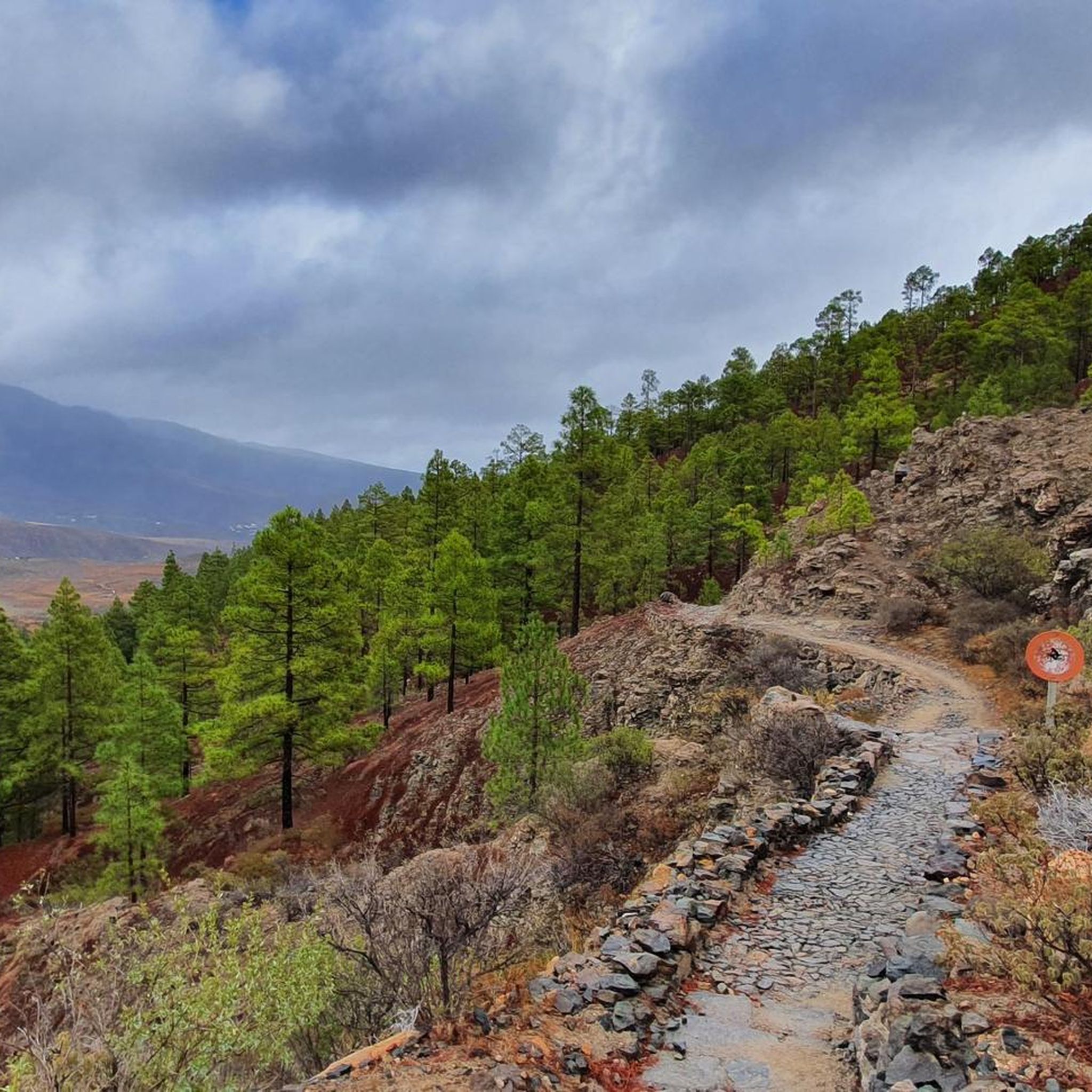
Best natural monuments in Pilancones are found within Pilancones Natural Park, a protected area in southern Gran Canaria. This region features rugged mountains, deep ravines, and plateaus formed by volcanic activity over 12 million years ago. The park is recognized for its significant geological and botanical value, including well-preserved pine forests and diverse endemic flora and fauna. It was designated a World Biosphere Reserve by UNESCO in 2005.
Best natural monuments in Pilancones
- The most popular natural monuments is Degollada…
Last updated: June 27, 2026
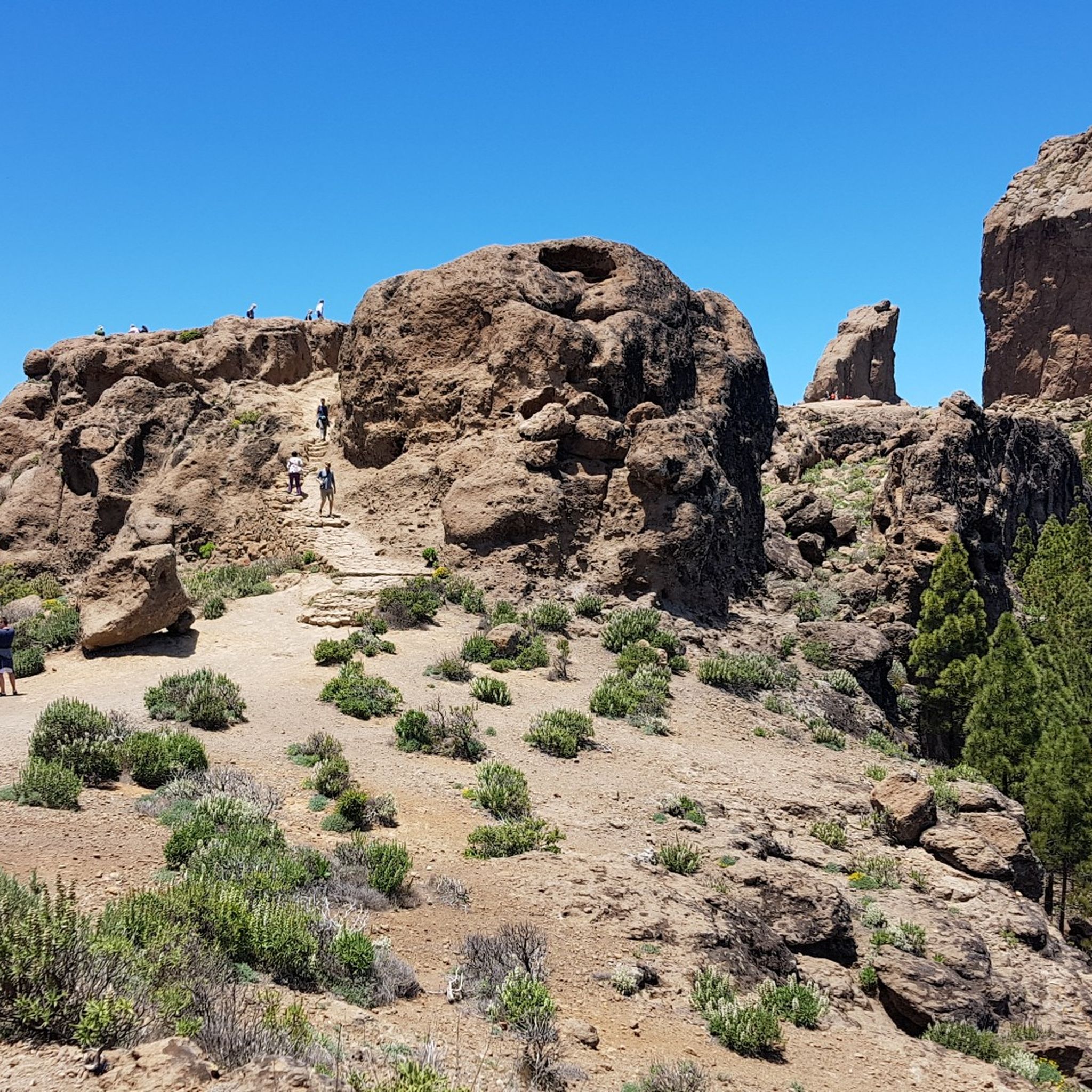
Degollada de la Cruz Grande Viewpoint
Highlight • Viewpoint
Translated by Google •
Tip by

Pino de Pilancones
Highlight • Natural Monument
Translated by Google •
Tip by

Sign up now to discover places like this
Get recommendations on the best single tracks, peaks, & plenty of other exciting outdoor places.
Sign up for free
Small Reservoir with Waterfall
Highlight • Waterfall
Translated by Google •
Tip by

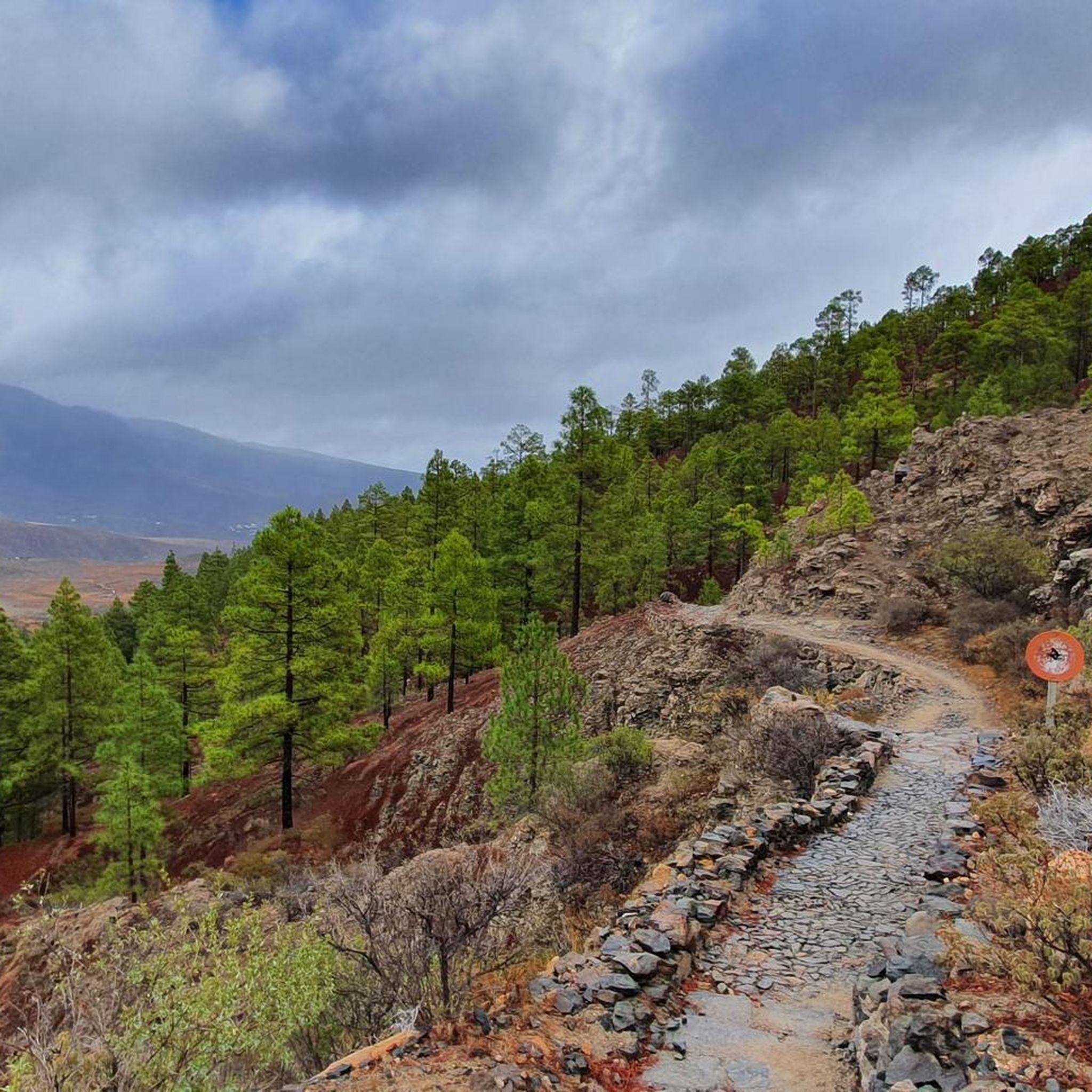
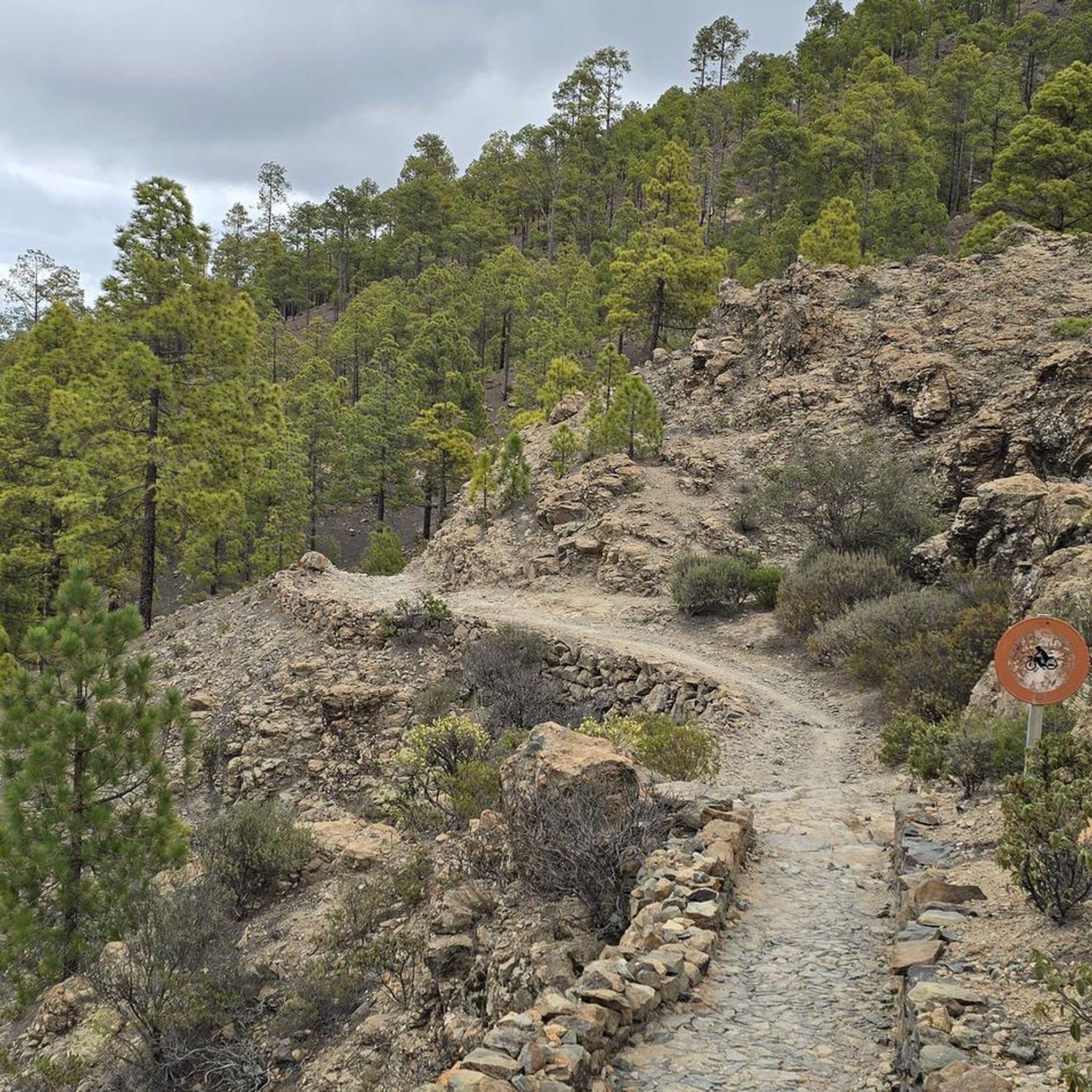
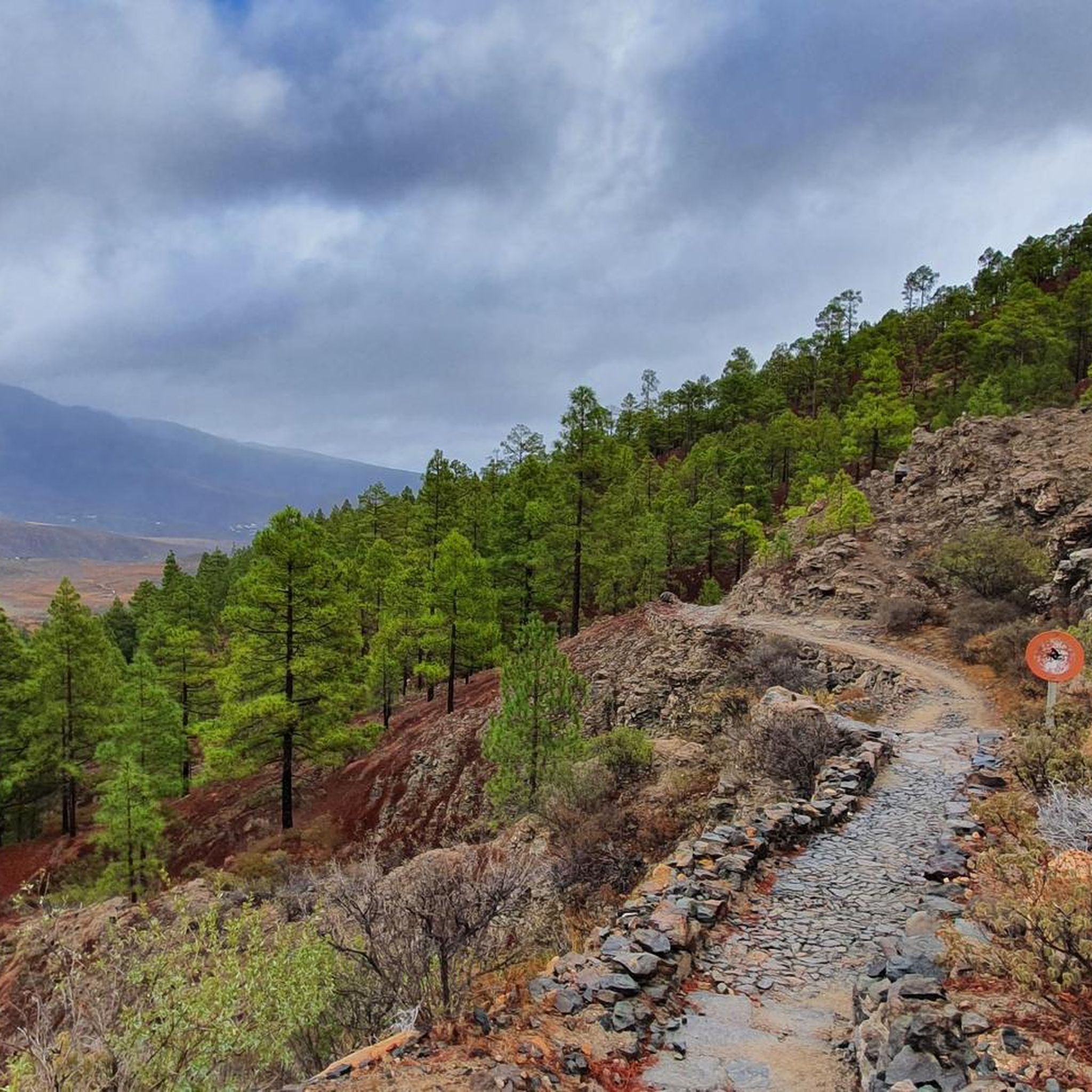
View of the valley in the nature reserve
Highlight • Viewpoint
The hiking trails in this region are very good walkable and in good condition with sturdy shoes and a little …
Translated by Google •
Tip by
View of Roque Nublo from Palmitos Cliffs
Highlight • Viewpoint
nice view to Roque Nublo
Translated by Google •
Tip by

Sign up for free to discover even more natural monuments in Pilancones.
Sign up for free
Already have an account?
Start today with a free account
Your next adventure awaits.
Login or Signup


Tips from the Community


Almost no water available
1
0

Cruz Grande is an excellent starting point for many hikes.
1
0

The Degollada (valley) of the Cruz Grande offers views of two different valleys. On one side you can see the Caldera de Tirajana, and on the other the Chira basin and the pine forest of Pilancones. This is where the paths from north to south cross. The main route is known as the Ruta de la Plata, and was formerly part of a cattle route for transhumance, as well as part of the Way of St. James in Gran Canaria. The oldest volcanic materials are clearly visible in the Caldera de Tirajana due to the effect of erosion, such as the vent "Risco Blanco" and the volcanic layers "Rompeserones" and "Sepultura del Gigante". The plateaus "El Sequero", "El Sitio" and "Los Llanos de Madrid" were formed by the sliding of volcanic materials. In the ravines are the archaeological sites of. "Rosiana", "Los Sitios" and "La Fortaleza de Ansite". In the fertile and cultivated valley you can see the remains of the former palm groves that originally grew here. The Canary Island pine is common in the upper region of the caldera and the slopes are a habitat for some native botanical rarities. In the upper region of Ayagaures is the natural park and pine grove, Parque Natural de Pilancones, which has a great geological and botanical landscape value. As for the flora of the area, the Canary Island pine plays a major role. A species of rockrose and a viper's bugloss are particularly noteworthy. The area is also a bird sanctuary for the native great spotted woodpecker and the finch. The area was declared a World Biosphere Reserve by UNESCO on 29 June 2005.
3
0

The Cruz Grande is a pass that lies at an altitude of 1249 meters. The saddle is also called Degollada de la Cruz Grande. From up there you can enjoy views of two different valleys. On one side you can see the Caldera de Tirajana and on the other side the Chira basin. Many old paths meet at the Cruz Grande, such as the Ruta de la Plata, which is also part of the Way of St. James in Gran Canaria. During your hike you will also come to the Cruz Grande. From there you descend on the Camino Real to San Bartolomé.
2
0
The Degollada (valley) of the Cruz Grande offers views of two different valleys. On one side you can see the Caldera de Tirajana, and on the other the Chira basin and the pine forest of Pilancones. This is where the paths from north to south cross. The main route is known as the Ruta de la Plata, and was formerly part of a cattle route for transhumance, as well as part of the Way of St. James in Gran Canaria. The oldest volcanic materials are clearly visible in the Caldera de Tirajana due to the effect of erosion, such as the vent "Risco Blanco" and the volcanic layers "Rompeserones" and "Sepultura del Gigante". The plateaus "El Sequero", "El Sitio" and "Los Llanos de Madrid" were formed by the sliding of volcanic materials. In the ravines are the archaeological sites of. "Rosiana", "Los Sitios" and "La Fortaleza de Ansite". In the fertile and cultivated valley you can see the remains of the former palm groves that originally grew here. The Canary Island pine is common in the upper region of the caldera and the slopes are a habitat for some native botanical rarities. In the upper region of Ayagaures is the natural park and pine grove, Parque Natural de Pilancones, which has a great geological and botanical landscape value. As for the flora of the area, the Canary Island pine plays a major role. A species of rockrose and a viper's bugloss are particularly noteworthy. The area is also a bird sanctuary for the native great spotted woodpecker and the finch. The area was declared a World Biosphere Reserve by UNESCO on 29 June 2005.
6
1

The small reservoir is located above the basin on the route (slightly off the route).
1
0

Frequently Asked Questions
What are some notable viewpoints in Pilancones Natural Park?
Pilancones Natural Park offers several breathtaking viewpoints. The Degollada de la Cruz Grande Viewpoint provides expansive views of the Caldera de Tirajana and the Chira basin, and is a popular starting point for hikes. Another highly-rated spot is the View of the valley in the nature reserve, offering panoramic vistas of the park's rugged landscapes. You can also find the View of Roque Nublo from Palmitos Cliffs, which offers a stunning perspective of the iconic Roque Nublo in the distance.
What unique natural features can I discover in Pilancones?
Pilancones Natural Park is characterized by its dramatic volcanic landscapes, featuring rugged mountains, deep ravines, and plateaus formed over 12 million years ago. The park's name, 'Pilancones,' comes from the natural pools that form after water runoff in the ravines. You can also find well-preserved pine forests, particularly in the upper regions, and a Small Reservoir with Waterfall, adding to the diverse natural beauty.
What kind of flora and fauna can I expect to see in Pilancones Natural Park?
The park is rich in biodiversity. Its pine forests are home to abundant bird life, including the Canary Island linnet, Great Spotted Woodpecker, and blue finch. You might also spot large communities of reptiles, such as the giant lizard of Gran Canaria. Beyond the dominant Canary Island pine, the flora includes endemic species like tabaibales and cardonales, as well as isolated dragon trees and junipers.
What is the best time of year to visit Pilancones Natural Park?
The park can be visited year-round, but spring (March to May) is particularly beautiful when wildflowers are in bloom, and the weather is generally mild for hiking. Autumn (September to November) also offers pleasant temperatures. Summers can be hot, especially in the lower ravines, while winters are generally mild but can bring cooler temperatures to higher elevations.
Are there family-friendly options for exploring the natural monuments in Pilancones?
While many trails in Pilancones involve rugged terrain, there are options for families. Look for easy walking routes, such as those found in the Easy hikes in Pilancones guide, which include loops around the Ayagaures Dam. These routes often have less elevation gain and are suitable for a leisurely family outing.
Are dogs allowed on trails in Pilancones Natural Park?
Generally, dogs are permitted on trails in Pilancones Natural Park, but they should be kept on a leash to protect the local wildlife and flora, especially as the park is a designated ecologically sensitive area and a bird sanctuary. Always ensure to clean up after your pet.
What are the parking options for visiting the natural monuments?
Parking is available at key access points and popular starting points for trails. For instance, the Degollada de la Cruz Grande Viewpoint has parking facilities and is a common place to begin hikes. It's advisable to arrive early during peak seasons to secure a spot.
Do I need a permit to visit natural monuments or hike in Pilancones Natural Park?
No, generally you do not need a permit for general access or hiking on established trails within Pilancones Natural Park. However, specific activities or access to certain restricted areas might require prior authorization. It's always a good idea to check local regulations if you plan any specialized activities.
What hiking opportunities are available near the natural monuments in Pilancones?
Pilancones Natural Park is a hiker's paradise. You can find a wide range of trails, from easy walks to challenging treks. The Hiking in Pilancones guide offers routes like the moderate 'View of Maspalomas – Wonderful view across reservoirs loop from Ayagaures' or the more difficult 'Angostura Dam – Wonderful view across reservoirs loop from Ayagaures'. Many trails, including sections of the historic Ruta de la Plata, start from viewpoints like Degollada de la Cruz Grande.
Are there easy walking routes suitable for beginners in Pilancones?
Yes, there are several easy walking routes perfect for beginners or those looking for a relaxed stroll. The Easy hikes in Pilancones guide features options like the 'Ayagaures Dam – Angostura Dam loop from Ayagaures' and the 'View of the Rock Wall – Ridge View loop from Degollada de Cruz Grande', which are generally shorter and have less demanding terrain.
Can I find challenging hikes in Pilancones Natural Park?
Absolutely. For experienced hikers seeking a challenge, Pilancones offers demanding routes with significant elevation changes and rugged terrain. The Hiking in Pilancones guide includes difficult options like the 'Angostura Dam – Wonderful view across reservoirs loop from Ayagaures'. Additionally, the Running Trails in Pilancones guide lists several difficult routes, some exceeding 30 km, which can also be undertaken as challenging hikes.
What do visitors particularly enjoy about the natural monuments in Pilancones?
Visitors frequently praise the stunning panoramic views from various viewpoints, the dramatic landscapes reminiscent of the Grand Canyon, and the tranquility of the pine forests. Many appreciate the well-maintained hiking trails and the opportunity for a peaceful break, often noting the remnants of the historic Pino de Pilancones as a significant natural monument and resting spot.
Are there any historical or archaeological sites within Pilancones Natural Park?
Yes, Pilancones Natural Park holds historical significance. Archaeological sites such as 'Rosiana,' 'Los Sitios,' and 'La Fortaleza de Ansite' can be found within the ravines, indicating ancient human presence. The main route crossing the park, known as the Ruta de la Plata, was historically a cattle route for transhumance and part of the Way of St. James in Gran Canaria.
Most popular routes in Pilancones
Most popular attractions in Pilancones

Get inspired with the komoot mobile app


Explore more
Extend your search for the best caves by checking out these guides of the top ones in Pilancones:
