Montes Obarenes-San Zadornil
Montes Obarenes-San Zadornil
Top 20 Natural Monuments in Montes Obarenes-San Zadornil
Best natural monuments in Montes Obarenes-San Zadornil are found within a Natural Park in the northeast of Burgos province, Spain. This area features dramatic geological formations, diverse ecosystems, and cultural heritage. The park acts as a natural barrier and a biological crossroads, blending Atlantic and Mediterranean environments. It is characterized by deep gorges, varied forests, and significant peaks.
Best natural monuments in Montes Obarenes-San Zadornil
- The most popular natural monument is Hermitage of Saint Mary of La Hoz, a…
Last updated: July 11, 2026
Hermitage of Saint Mary of La Hoz
Highlight • Religious Site
Translated by Google •
Tip by

Trespaderne
Highlight • Trail
74.5 kilometers. 480 positive meters.
The third day of the gravel adventure has little description and no possibility of confusion, it follows the same section of the …
Translated by Google •
Tip by

Sign up now to discover places like this
Get recommendations on the best single tracks, peaks, & plenty of other exciting outdoor places.
Sign up for free
Poza de la Sal Salt Flats and Old Railway Station
Highlight • Historical Site
74.5 kilometers. 480 positive meters.
The third day of the gravel adventure has little description and no possibility of confusion, it follows the same section of the …
Translated by Google •
Tip by

Humion
Highlight • Summit
Translated by Google •
Tip by

Watchtower
Highlight • Viewpoint
Translated by Google •
Tip by
Sign up for free to discover even more natural monuments in Montes Obarenes-San Zadornil.
Sign up for free
Already have an account?
Start today with a free account
Your next adventure awaits.
Login or Signup
Popular around Montes Obarenes-San Zadornil
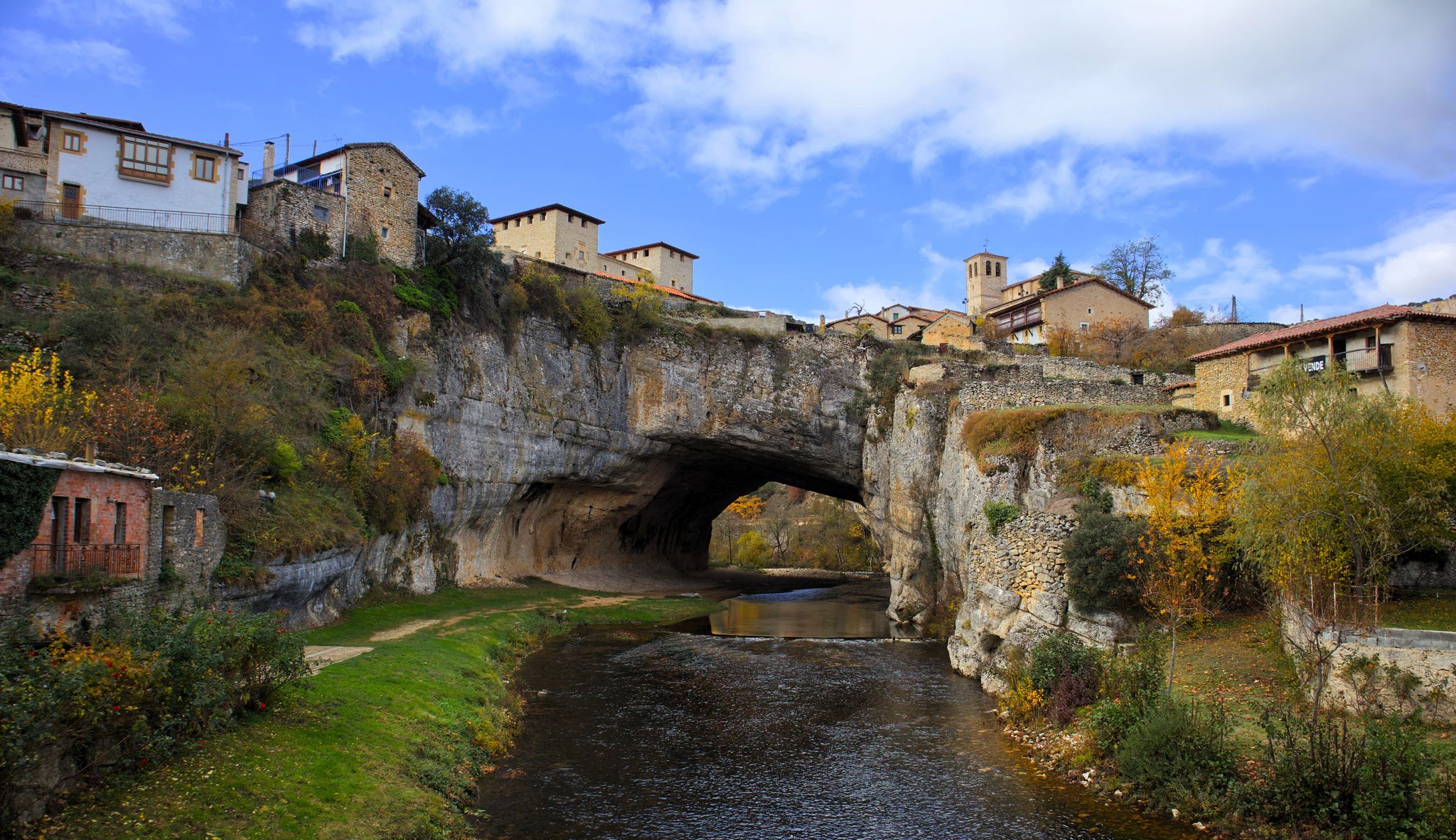
Endless valleys and historic villages – Route of the Senses (GR 85)
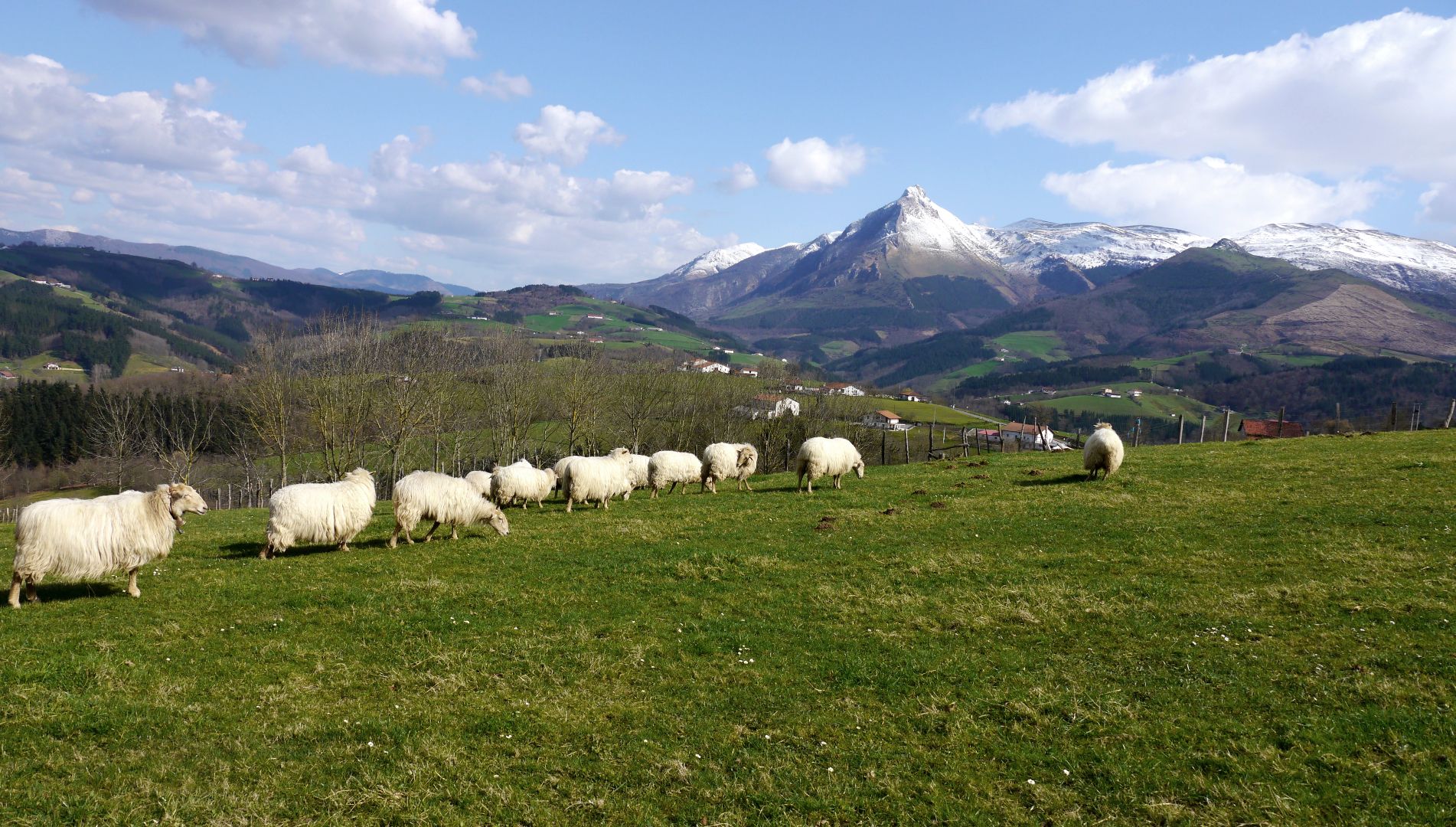
Mountains with tradition in Spain’s Basque Country – Shepherd's Path (GR 282)
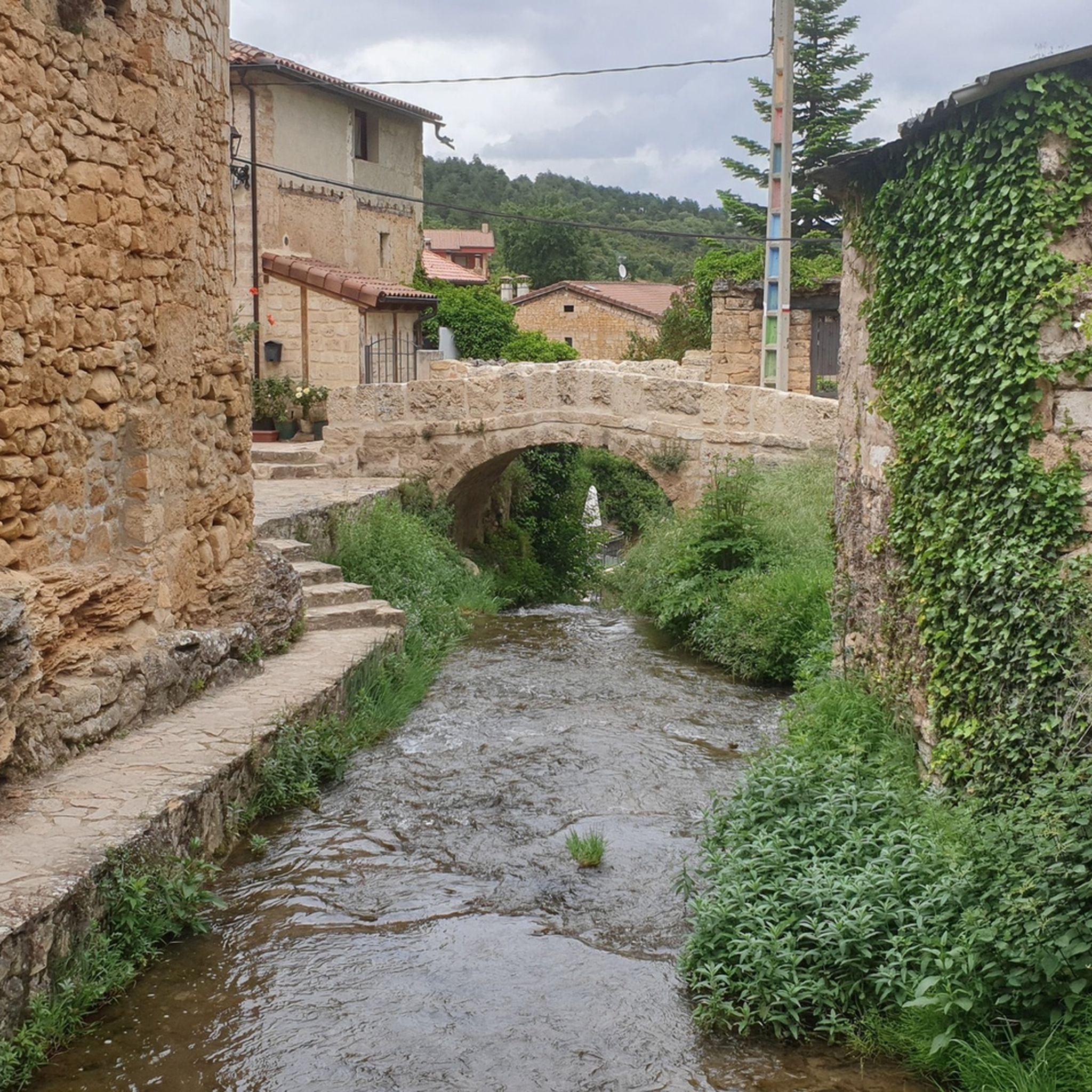
Hiking in Montes Obarenes-San Zadornil
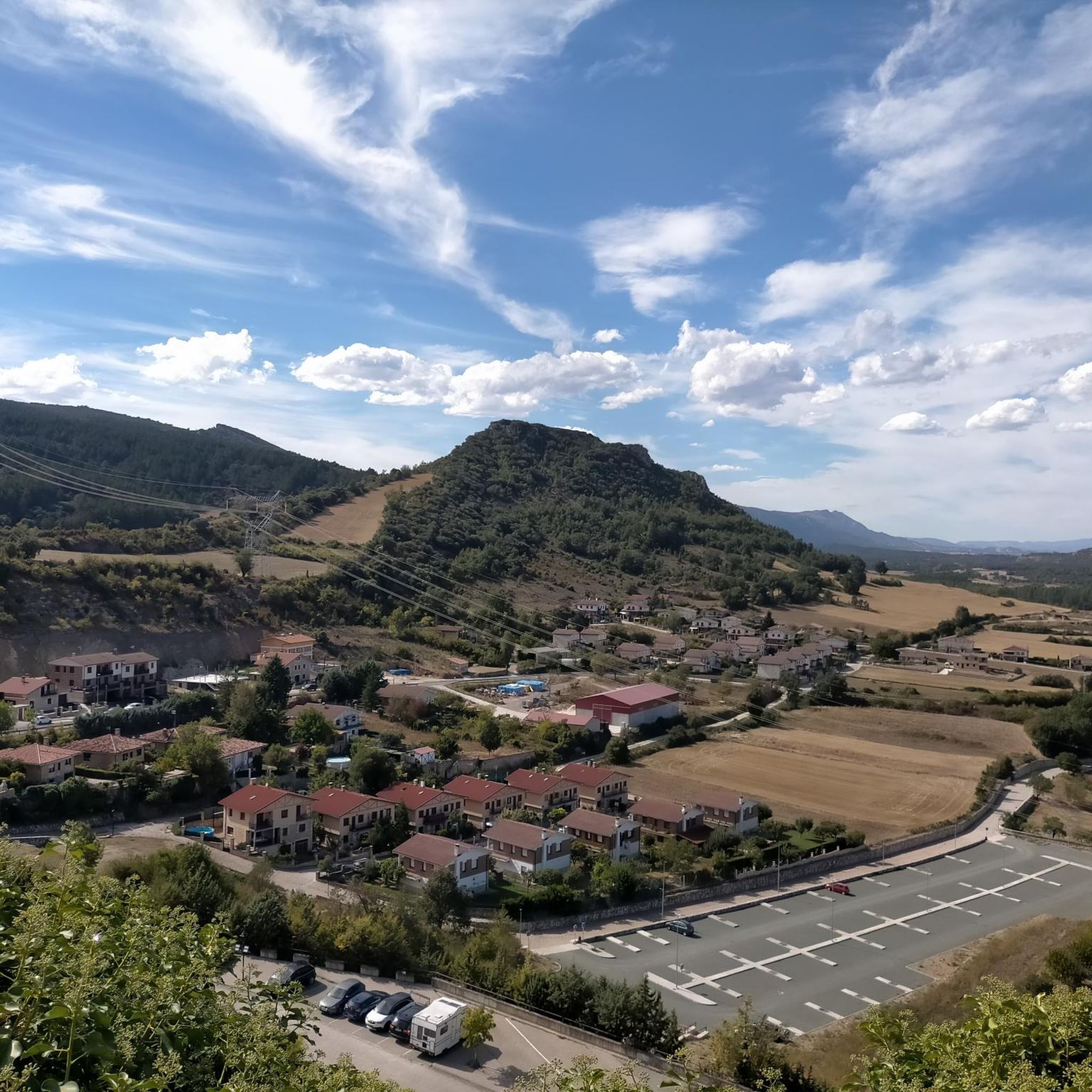
MTB Trails in Montes Obarenes-San Zadornil
Road Cycling Routes in Montes Obarenes-San Zadornil
Running Trails in Montes Obarenes-San Zadornil
Cycling in Montes Obarenes-San Zadornil

Gravel biking in Montes Obarenes-San Zadornil


Tips from the Community

It is worth visiting the hermitage of Santa María de la Hoz, in the town of Tobera. To do this, we will cross a medieval bridge of Roman origin that spans the Molinar riverbed. The temple, almost embedded in a large rock, dates from the 13th century, features both Romanesque and Gothic elements, and has a portico with arches that offers good views of the surroundings. At its feet stands a second, tiny hermitage from a later date – the 17th century – which houses an altar dedicated to the Cristo de los Remedios.
2
0

Authentic place of pilgrimage, a beautiful hermitage and surroundings.
2
0

The Hermitage of Our Lady of the Sickle is nestled beneath the cliff, reached by crossing the small bridge over the Molinar River. Dating from the 13th century, it features both Romanesque and Gothic elements and has an arched portico offering fine views of the surrounding area. At its base stands a second, much smaller hermitage, dating from the 17th century, which houses an altar dedicated to Christ of the Remedies.
4
0

Next to the greenway, a good place to rest and get supplies in town.
0
0
One of the most beautiful mountains in the mid- and distant surroundings.
0
0

nice descent, from mass moor, to right valley
0
0
In the upper area of the Santa Engracia fortress, next to a beautiful viewpoint.
3
0
Frequently Asked Questions
What are the most popular natural monuments in Montes Obarenes-San Zadornil?
Among the most appreciated natural monuments in the region is the Hermitage of Saint Mary of La Hoz, a religious building nestled in a rocky cut carved by the Molinar River. Another popular spot is Trespaderne, known for its impressive canyons, including those of the Ebro and Oca rivers. Visitors also frequently explore the Poza de la Sal Salt Flats and Old Railway Station, which offers a unique blend of geological and historical interest.
What unique geological features can I explore in Montes Obarenes-San Zadornil?
The Montes Obarenes-San Zadornil Natural Park is renowned for its dramatic geological formations. You can explore deep gorges and canyons carved by rivers, such as the Hoces del Ebro in Sobrón, the Desfiladero del Río Oca near Oña, and the Garganta del Río Purón in the Sierra de Arcena. The Poza de la Sal Salt Flats also represent an extraordinary geological and industrial landscape.
Are there family-friendly natural monuments or activities in the park?
While specific family-friendly natural monuments aren't explicitly categorized, the park offers diverse environments suitable for families. The 'New York of the Forests' area in San Zadornil, with its dense and diverse arboreal structure, features natural roads perfect for walking or cycling with children. Many of the trails along the gorges and rivers also offer accessible sections for family outings.
What kind of wildlife can I spot around the natural monuments?
The diverse habitats of Montes Obarenes-San Zadornil are home to rich fauna. The rocky cliffs are ideal for raptors like griffon vultures, Egyptian vultures, golden eagles, and eagle owls. Mammals such as wildcats, otters, roe deer, and wild boars also inhabit the area. The Sobrón reservoir is particularly significant for observing migratory bird species.
What cultural or historical sites are integrated with the natural monuments?
The park beautifully combines natural elements with historical sites. The Hermitage of Saint Mary of La Hoz is a prime example, nestled within a rocky gorge and featuring Romanesque and Gothic architecture. The Poza de la Sal Salt Flats are a historical site with industrial architecture dating back to the Iron Age. Additionally, the nearby Monastery of San Salvador in Oña and the picturesque town of Frías with its castle offer further cultural exploration.
What outdoor activities can I do near these natural monuments?
The Montes Obarenes-San Zadornil region offers a variety of outdoor activities. You can enjoy road cycling on routes like the 'Frías and Portillo de Busto Loop' or 'Recreation area by the Ebro – Oña Historic Town Center loop'. Gravel biking is also popular, with routes such as 'Oña Historic Town Center – Trespaderne loop'. For hikers, there are waterfall hikes like the 'Route of the Senses' or the 'Frías – Tobera Waterfalls Viewpoint loop'. You can find more details on these activities in the Road Cycling Routes, Gravel Biking, and Waterfall Hikes guides for Montes Obarenes-San Zadornil.
Are there hiking trails near the natural monuments?
Yes, there is an extensive network of trails throughout the park. For instance, near the Hermitage of Saint Mary of La Hoz, you'll find beautiful areas with several waterfalls nearby, perfect for hiking. The 'New York of the Forests' area also offers natural roads suitable for walking. You can explore various hiking options, including waterfall hikes, by checking the Waterfall Hikes in Montes Obarenes-San Zadornil guide.
What is the highest point in the Montes Obarenes and what views does it offer?
The highest peak within the Montes Obarenes is Pico Humión, standing at 1,437 meters. From its summit, you can enjoy expansive panoramic views of the surrounding natural landscape, making it a true delight for the eyes.
What is the 'New York of the Forests' and where can I find it?
The 'New York of the Forests' (El Nueva York de los Bosques) refers to the San Zadornil section of the park. It's named for its dense and diverse arboreal structure, featuring a rich tapestry of trees including oaks, beeches, boxwoods, and even sequoias. This verdant area can be explored via natural roads suitable for walking, cycling, or electric bikes.
What is the best season to visit Montes Obarenes-San Zadornil for natural monuments?
The park's transitional climate means it offers beauty throughout the year. Spring and autumn are particularly pleasant for hiking and exploring the diverse forest ecosystems, with vibrant foliage changes. Summer is great for enjoying the rivers and cooler gorge areas, while winter can offer a unique, serene experience, especially in higher elevations like Pico Humión.
Are there viewpoints to appreciate the natural beauty of the park?
Yes, the park offers several excellent viewpoints. Pico Humión provides expansive panoramic views from the highest point. Additionally, the Watchtower offers delightful panoramic views with convenient access. The Hermitage of Saint Mary of La Hoz also features an arched portico with fine views of the surrounding area.
What types of forests can be found in Montes Obarenes-San Zadornil?
The park's transitional climate supports a wide variety of forest ecosystems. You'll find large forests of holm oaks, gall oaks, resin pines, and Scots pines. Higher elevations feature isolated patches of beech trees, while abundant thickets of black junipers and boxwood are also common. The 'New York of the Forests' in San Zadornil is particularly notable for its dense and diverse arboreal structure, including sequoias.
Most popular routes in Montes Obarenes-San Zadornil
Most popular attractions in Montes Obarenes-San Zadornil

Get inspired with the komoot mobile app


Explore more
Extend your search for the best caves by checking out these guides of the top ones in Montes Obarenes-San Zadornil:
